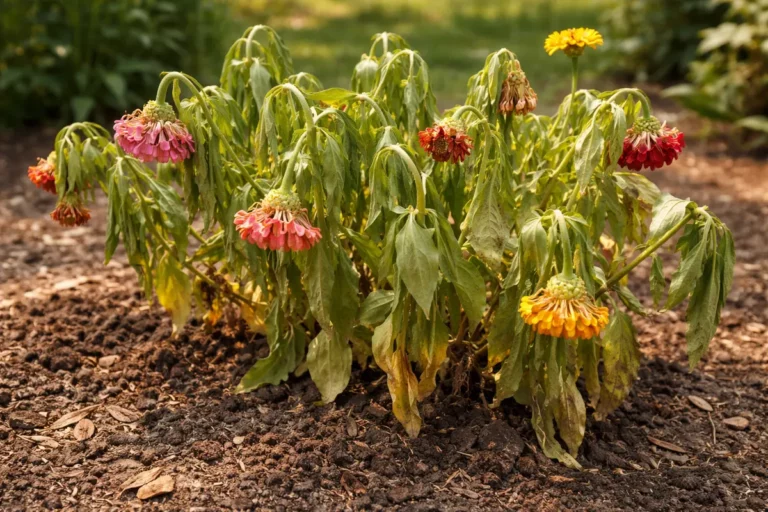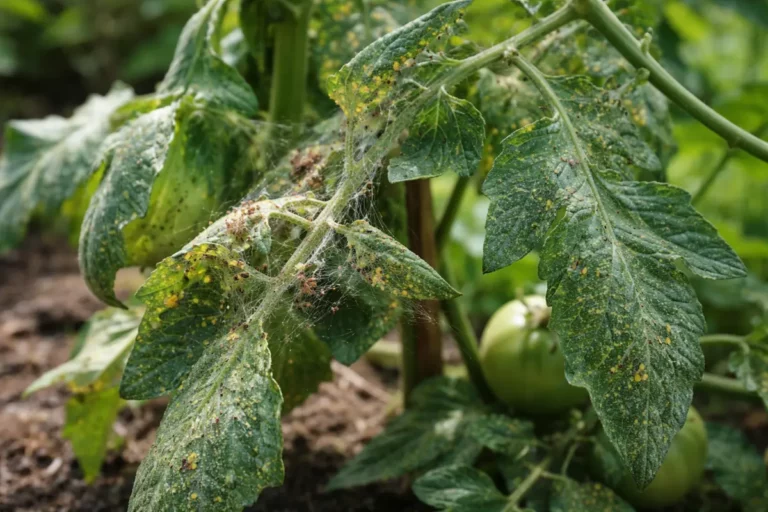
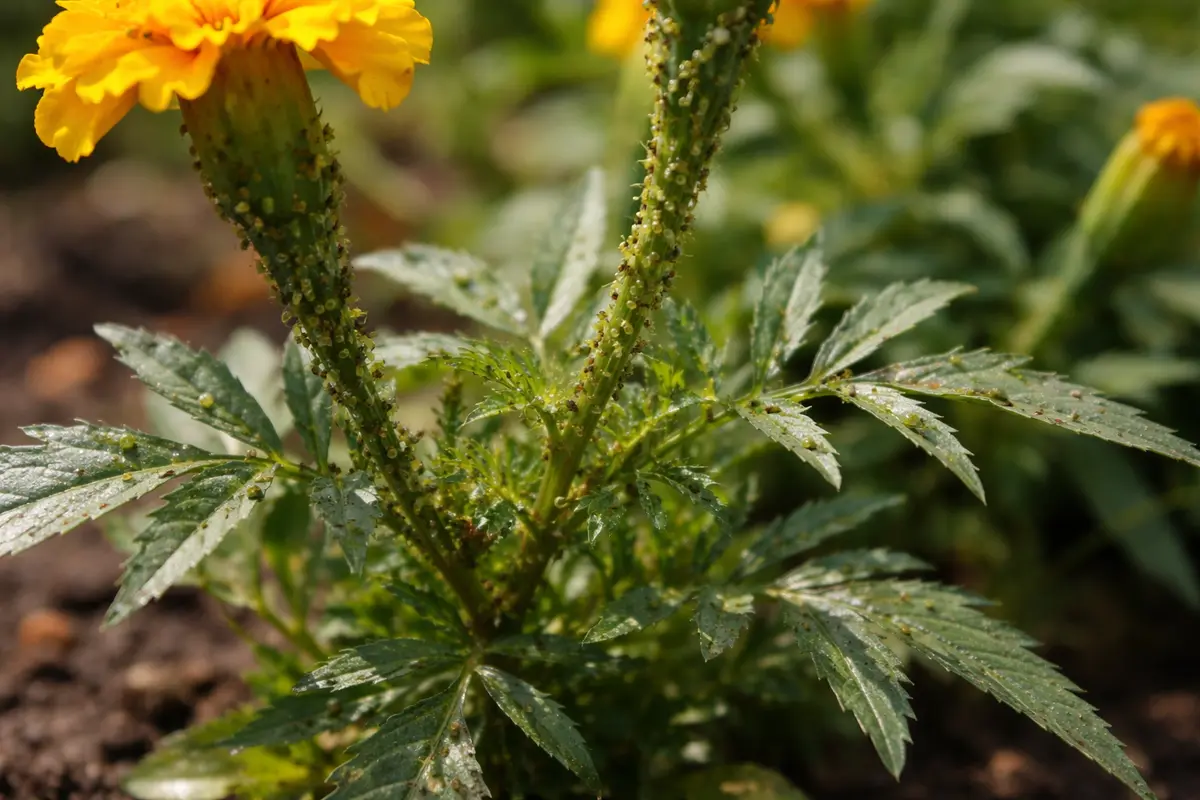
You may notice your marigolds looking distressed during hot summer days, which is why you need to know how to treat aphids on marigolds during hot summer days. These pesky pests suck the sap from your plants, leading to yellowing leaves and potential wilting. If left unchecked, the aphid infestation can worsen and spread rapidly throughout your garden, weakening the plant and stalling its growth. Fortunately, addressing the issue now is possible; you can inspect your plants closely and remove any visible aphids to help restore their health.
Step 1 – Spray Marigolds with Insecticidal Soap Quickly
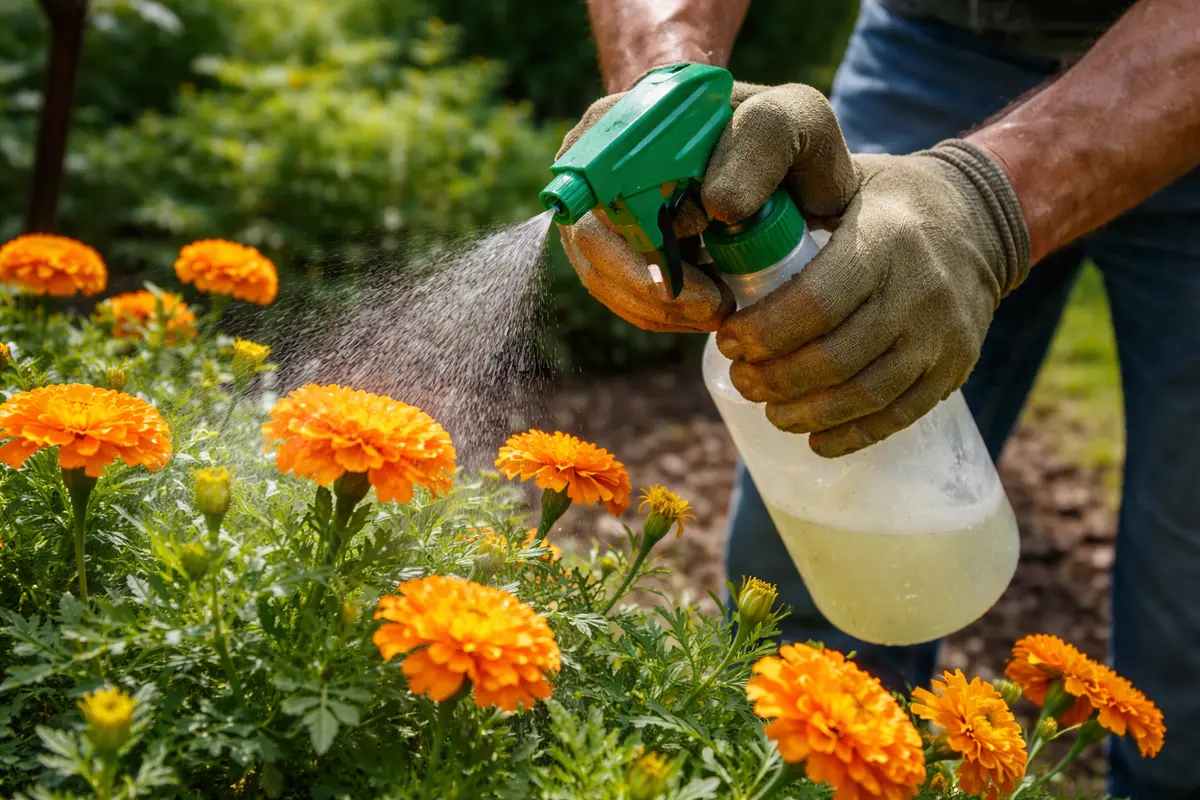
Start by spraying the marigolds thoroughly with insecticidal soap, ensuring to cover both the tops and undersides of the leaves. You should notice the aphids starting to disappear within a few hours as the soap suffocates them. This immediate action disrupts the aphid population and limits further damage to your plants. Applying insecticidal soap during the early morning or late evening can be particularly effective, as these are the times when sunlight is less intense, reducing the risk of leaf burn. Aim to use a mixture following the manufacturer’s guidelines, typically about 2-3 tablespoons per quart of water.
Insecticidal soap is formulated to penetrate the soft bodies of aphids, blocking their breathing pores and ultimately leading to their death. The soap needs to remain on the aphids for a certain amount of time to ensure effectiveness, typically around 15 minutes to an hour, depending on the product. If you find that some aphids are still present after treatment, it could indicate insufficient contact time or that some were missed during application. Many gardeners overlook treating the leaf undersides, where aphids commonly hide; this can lead to a resurgence of the infestation. Any delay in handling the infestation allows the population to grow rapidly. Be persistent with follow-up treatments—if conditions are particularly hot and dry, consider following up with a gentle spray of water afterward to wash off any residual soap without harming the plants.
A common mistake at this stage is failing to cover all leaf surfaces where aphids may hide. If you notice that some leaves appear sticky, this might indicate honeydew left by aphids, signaling that more of them have likely settled on your plants. Consistent coverage during application is necessary to avoid missing any affected areas. Additionally, if residues remain, light rain following treatment can wash away crucial soap applications; therefore, timing the application right before a downpour could reduce effectiveness. If several days pass and you notice the aphid population rebounding, consider applying a second or even third treatment to ensure you catch any newly hatching aphids and completely disrupt their life cycle.
Step 2 – Diagnose Aphid Infestation on Marigold Leaves
Begin by inspecting your marigold leaves closely to confirm the presence of aphids. You will observe small, pear-shaped insects either clustered together or moving around on the foliage. Identifying the exact location of the aphids is crucial for effective treatment, as the visible symptoms include yellowing leaves and curling. Spending time inspecting the plant can also help diagnose the level of infestation; minor clusters will require less intense treatment than widespread colonies. When inspecting, use a magnifying glass to examine hard-to-see areas where aphids like to hide since they thrive on the tender new growth.
Aphids are often found on the new growth, where they feed on plant sap, weakening the plant over time. They extract nutrients and moisture, leading to wilting leaves and reduced blooming—observable signs suggestive of serious issues ahead. The threat they pose not only harms your marigolds but can also attract other pests or diseases, escalating the situation if not handled swiftly. Be observant; if you find ants on your marigolds, this often indicates aphid presence since ants farm aphids for their honeydew secretion. Understanding these dynamics can prompt urgent treatment and improve overall effectiveness against the infestation.
If you spot any discolored leaves along with clusters of aphids, it is best to immediately treat those plants rather than waiting to see if the problem resolves itself. Those signs indicate that the infestation could spread to neighboring plants quickly without timely measures. Depend on how many aphids you see; if there is a significant increase, it often leads to curling or distorted leaves—major signs of damage. This distortion typically becomes noticeable within a week if left untreated, so increase your monitoring frequency and prepare for additional treatment options if new growth shows signs of pest damage, particularly if early wilting appears. These observable symptoms will guide your decision-making moving forward in treating aphid infestations.
Step 3 – Fertilize Marigolds to Promote Growth After Infestation
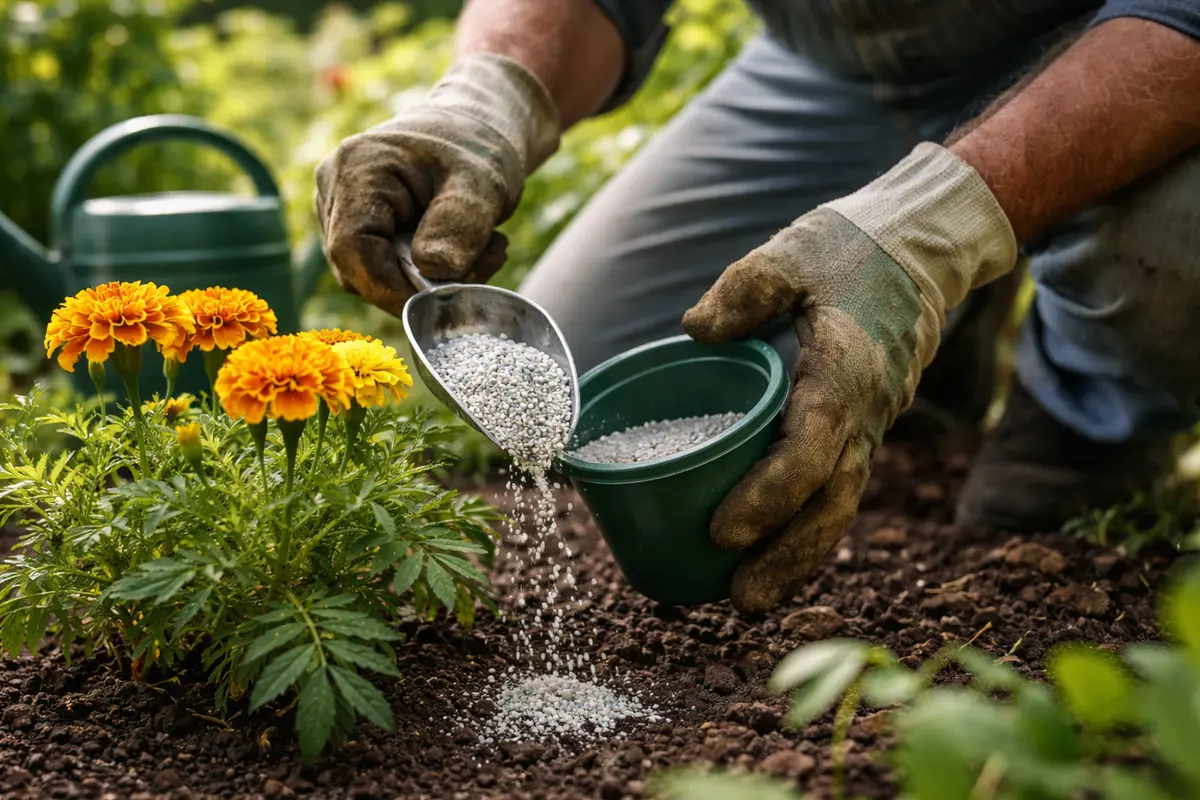
Apply a balanced fertilizer to the marigolds to support their recovery after the aphid treatment. You should see improved growth and greener leaves within a week, indicating the plants are bouncing back. Fertilizing nourishes the plants, allowing them to restore damaged tissue and increase overall vigor following the stress from an aphid infestation. It’s essential to choose a fertilizer specifically formulated for flowering plants, as this will provide the right mix of nutrients needed during their recovery. A slow-release fertilizer that feeds plants over several weeks can be particularly advantageous.
The supporting nutrients in fertilizer stimulate growth, which is crucial after the stress caused by aphids. If nutrient levels are depleted, marigolds will struggle to bounce back, so applying a fertilizer mix containing nitrogen, phosphorus, and potassium in a balanced ratio—like 10-10-10—can yield the best results. Following an aphid infestation, marigolds need the extra strength to push out any new foliage while potentially staving off further pest control issues. If you notice that rebounding growth is slow despite fertilization, it might mean the rooting system was severely stressed, requiring extra attention to soil conditioning.
During recovery, be cautious not to over-fertilize; with granular fertilizers, the general rule is to follow the dosing instructions carefully. A common mistake is to apply fertilizer more frequently than recommended, which can lead to nutrient burn, subsequently creating more problems for your marigolds instead of helping them recover. If signs of recovery are slow despite fertilization, re-evaluate soil conditions. Soil compaction or depletion can hinder the plants’ ability to absorb nutrients effectively, which may prompt the need for remediation, such as incorporating organic matter to improve soil structure. Additionally, consider the timing of fertilizer application; applying too late in the season can diminish the plants’ ability to store nutrients for winter dormancy.
Step 4 – Use Companion Plants to Deter Aphids in Summer
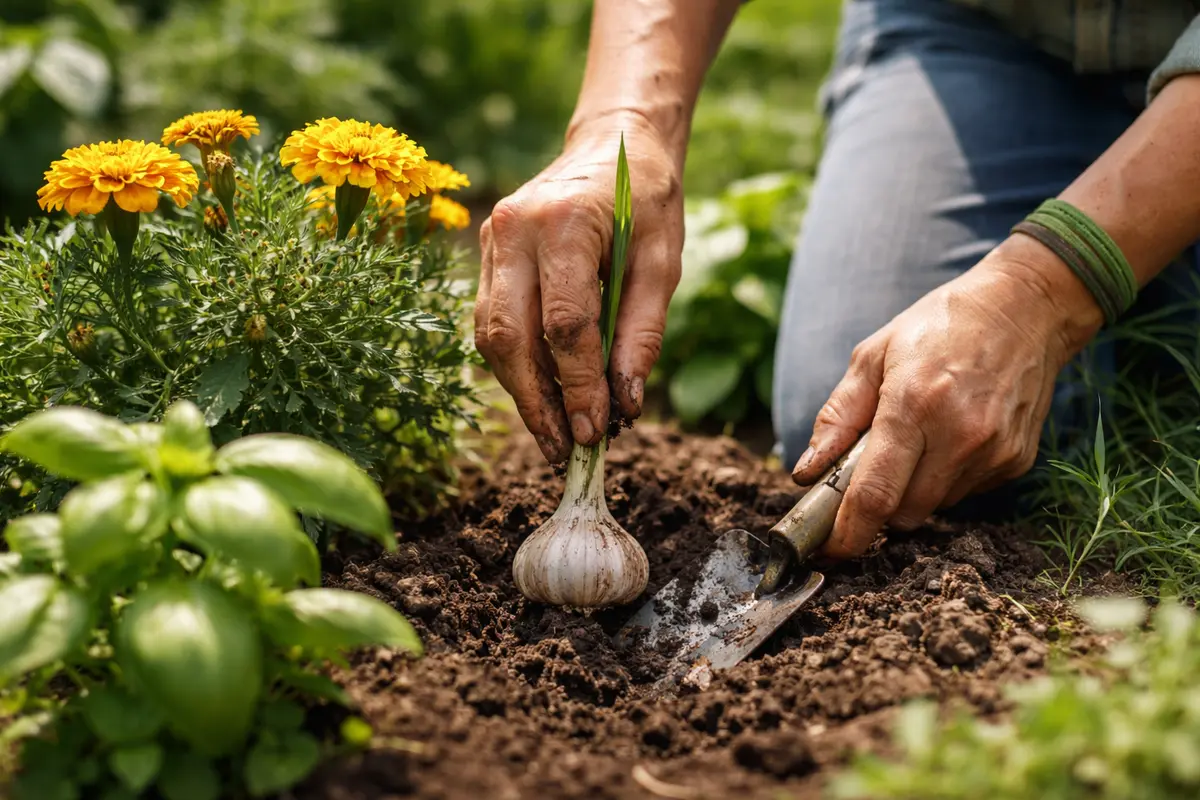
Start by incorporating companion plants in your garden, such as garlic or chives, strategically placed alongside your marigolds. These nearby plants release natural compounds that repel aphids, thus providing an additional layer of protection against their return. You might also consider planting marigolds together with dill or fennel, as certain species of beneficial insects that prey on aphids are attracted to these herbs. The fragrances from these companion plants can mask the scent of the marigolds, making them less appealing to aphids.
Hot, dry conditions promote aphid infestations, as these pests thrive in warm weather and limited moisture. By consistently applying a soap-water mixture on your marigolds, you disrupt their feeding habits and curb their ability to establish colonies. If you’re noticing an unexpected resurgence in aphid populations, verify whether your irrigation practices are ensuring adequate moisture levels in the surrounding area. Healthy soil moisture can contribute significantly to plant vigor and deter pest development, while overwatering can attract other pests.
Companion planting works by maximizing the natural pest-repelling characteristics of various plants, ideally forming a symbiotic relationship that enhances defenses. For example, garlic releases sulfur compounds that many pests avoid, functioning as a natural repellent. This diversity creates a robust garden ecosystem—confusing and deterring pests like aphids. It’s crucial to monitor how well the companion plants establish themselves; vigorous growth generally indicates a healthy environment that benefits marigolds. While marigolds themselves can act as natural repellents, pairing them with stronger deterrents enhances overall efficacy against aphid infestations. Additionally, keep in mind that the timing of planting companions matters; if planting late in the summer, opt for quick-growing herbs that can quickly establish themselves alongside your marigolds. Early planting allows greater establishment before peak aphid activity.
Step 5 – Inspect Marigold Flowers for New Aphid Activity Weekly
Start by monitoring your marigolds every few days during the hot summer days to ensure you catch any aphid activity early. Focus on checking the undersides of the leaves and the stem for clusters of aphids, which appear as tiny, green, or black insects. Look for signs of recovery, such as new leaf growth and increased vigor in the plants, confirming that the aphid population is decreasing.
A fully recovered marigold will display fresh, vibrant leaves that are firm to the touch and devoid of any discoloration or wilting. In contrast, early signs of aphid problems returning include yellowing leaves that feel soft and droopy, indicating a resurgence of pest activity. If the leaves exhibit a sticky residue or leave curling patterns, check closer for aphids lurking underneath. In many seasons, control pests on borage plants during tracks with visible chewing or stippling.
If you notice that the aphid problem returns despite following the previous steps, increase the frequency of your treatments with insecticidal soap or neem oil. Apply these remedies more consistently and consider introducing beneficial insects like ladybugs, which prey on aphids. If significant damage occurs, assess the overall condition of the marigolds and determine if more aggressive actions, such as removing heavily infested leaves, are necessary.
A fully recovered marigold will feature vibrant green foliage, healthy blooms, and no sticky residues. Early indications of returning aphids often include the emergence of small, black specks on leaves or a peculiar distortion of leaf margins. Recognizing these signs early allows you to curb any potential resurgence, ensuring the plants remain healthy. If you don’t catch the signs in time, the re-infestation can occur rapidly, leading to damage similar to the initial outbreak. If you notice a return of aphids before other insects have established themselves in your garden, reassess your companion planting strategy, as it may require adjustment based on the current pest pressure.
If aphids return despite regular inspections, be prepared to reapply treatments or consider alternative pest control measures. A backup plan could involve deploying homemade remedies, such as spraying neem oil, which effectively targets aphids yet is safer for both plants and beneficial insects. It may also be necessary to alter your approach according to garden conditions—such as modifying your watering routine or changing companion plants to lower aphid attractiveness. Frequent climatic changes during the summer months can create ideal conditions for pests, prompting the need for a flexible pest management strategy. Staying diligent in your observations will be key in maintaining the health and vibrancy of your marigolds while successfully managing aphid populations.
FAQ
How long does it take for marigolds to recover from aphid damage?
Marigolds typically show signs of recovery within one to two weeks after treating for aphids, especially when supported with fertilizer. Monitoring weekly for any signs of returning pests during this time is essential to ensure a healthy recovery. As they regain vigor, the marigolds will display new growth and improved leaf color, which significantly indicates that their health is being restored.
Will aphids spread to other nearby plants if left untreated?
Aphids are notorious for spreading quickly to nearby plants, especially in crowded gardens where plants are in proximity. If you notice clusters of aphids on your marigolds, immediate action is required to prevent them from moving onto other vulnerable species. The pest’s high reproductive rate, particularly in warm weather, necessitates vigilant oversight to protect your entire garden ecosystem from escalating infestations.
Should I remove marigold leaves if they are infested?
Removing heavily infested leaves can be an effective strategy for curbing the aphid population and allowing the plant to redirect resources toward healthier foliage. However, it is essential to balance removal with effective treatment methods to ensure that the marigolds have the chance to recover from the damage caused by aphids. This action often helps prevent the infestation from advancing while promoting new leaf growth in the long run.