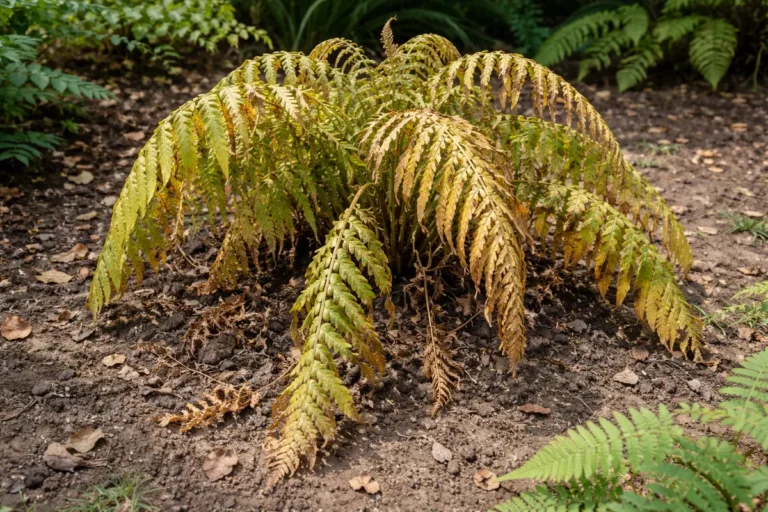
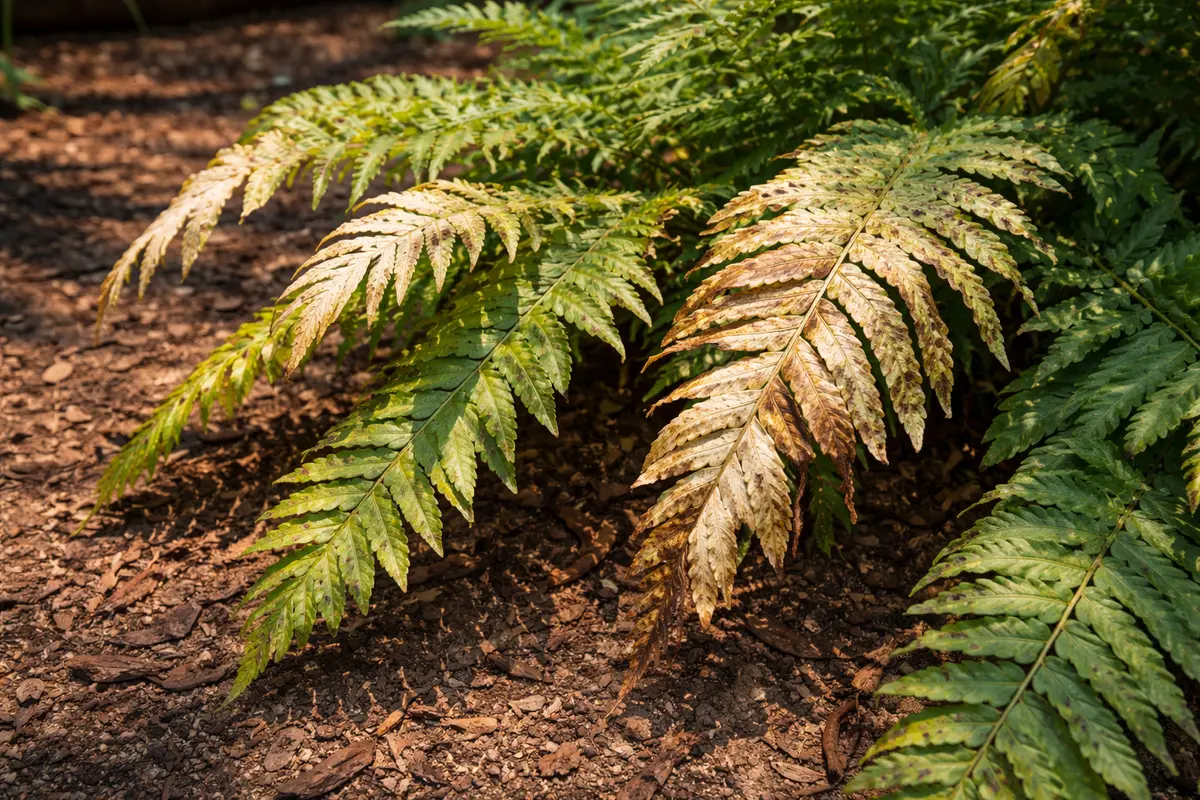
You notice your ferns wilting and drooping during a heatwave, which is why you need to know how to fix drooping ferns during a heatwave. This drooping is typically caused by excessive heat that stresses the plant, leading to wilting and decline. If left unaddressed, the situation can worsen, weakening the plant and making recovery harder, but you can still improve their condition by adjusting their watering routine and providing some shade. With the right care, you can revitalize your ferns and help them thrive once more.
Step 1 – Water Drooping Ferns Immediately
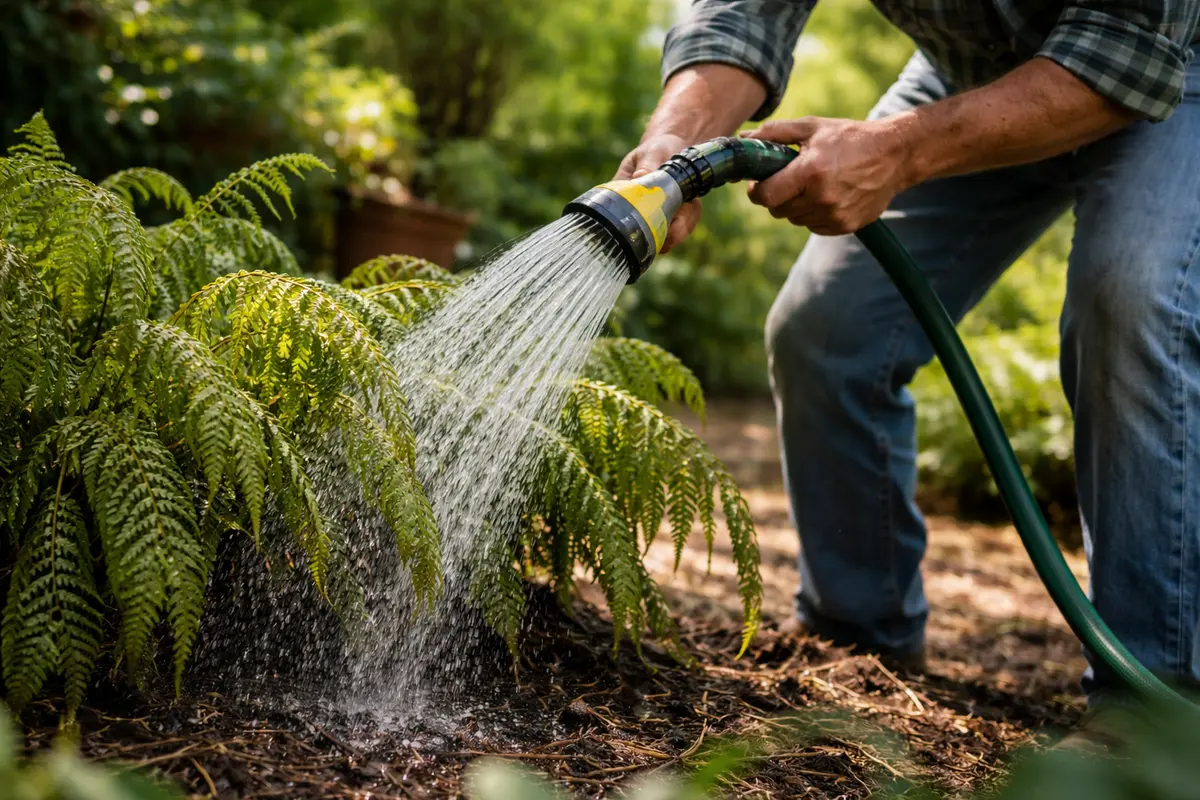
Water the drooping ferns thoroughly as soon as you notice the wilting. You will see the fronds begin to stand up and regain their firmness within a few hours. It’s crucial to check that water is reaching the roots effectively by applying until the soil feels damp but not soggy. Remember to water deeply, aiming for at least 1 to 2 inches of moisture penetration into the soil to ensure the roots benefit from the hydration. If you can, use a moisture meter for a more precise reading.
This immediate action counteracts the moisture loss caused by heat stress, helping to revitalize the plant. Ferns prefer consistently moist soil, and a sudden drop in moisture due to heat can lead to rapid wilting and overall stress. By providing hydration now, you’re giving your ferns a chance to recover swiftly and prevent further decline. This is particularly important if you’ve recently experienced a series of high-temperature days, which can exacerbate existing stress from inadequate watering. If you notice that a significant portion of the fronds remain limp after your first watering session, it suggests that the plants may be past the initial recovery window, requiring an urgent secondary analysis.
Be cautious not to overwater, as soggy soil can lead to root rot. It’s common for gardeners to mistakenly think that more water is always better, but this can harm your ferns if the roots cannot breathe. If you notice that the surface of the soil remains dry even after watering, consider checking for proper drainage or root issues. When examining for drainage, make sure there are adequate drainage holes in the pot, and avoid placing the pot on a saucer filled with water. If possible, lift the pot slightly; a heavier pot typically indicates that the soil is still retaining too much moisture, which could prevent adequate oxygen exchange for the roots. If the base of the fronds starts to turn yellow or mushy, this strongly indicates the damage has begun due to overwatering.
Step 2 – Diagnose Heat Stress in Your Ferns
First, check the soil moisture level by inserting your finger about an inch into the soil. If it feels dry, water the ferns deeply until water drains from the bottom of the pot or into the surrounding garden soil. You should see the fronds perk up within a few hours as they absorb the moisture. Failure to see any significant improvement within 12 hours may indicate deeper issues.
When ferns droop during a heatwave, it’s often due to insufficient soil moisture, causing the roots to stress. This stress leads to wilting, as the plant cannot effectively transport water to its leaves. In contrast, ferns that are overwatered may display drooping fronds due to root rot, with a foul odor coming from the soil signifying poor drainage. Identifying these symptoms quickly can be pivotal in choosing the right recovery course for your plants.
If the soil smells sour, your ferns may be suffering from root rot. In this case, gently remove the plant from the pot, trim away any blackened or mushy roots, and repot in fresh, well-draining soil. Alternatively, if you notice the fronds remain droopy despite proper watering, inspect for pests like spider mites, which may lead to similar drooping symptoms. If you see tiny webs or discoloration on the leaves, act quickly to treat your ferns with insecticidal soap or neem oil.
Heat stress occurs when the temperature rises too high for the ferns to manage moisture loss, leading to drooping and potential leaf scorch. The fronds begin to lose turgor pressure as water evaporates more quickly than it can be absorbed by the roots. Understanding this helps you resolve the issue through appropriate corrective actions, such as adjusting watering or repositioning the plants. It can be beneficial to compare the symptoms of your drooping ferns against a healthy fern; if drooping is present in one but not the other, localized environmental factors might be at play. If other ferns in proximity appear fine, analyzing their light and air circulation can reveal factors affecting the struggling plants.
If you see burnt leaf tips alongside drooping, consider repositioning the ferns to an area with less direct sunlight, particularly during the hottest parts of the day. A common error would be exposing ferns to direct sunlight all day, as they thrive in filtered light. Additionally, check for potential wind exposure; constant drafts can exacerbate heat stress by accelerating evaporation from the leaves. Furthermore, if your ferns are planted outdoors, applying a layer of mulch around the base can help retain soil moisture and cool root temperatures during extreme heat spells, minimizing the impact of heat stress.
Step 3 – Test Soil Moisture for Potential Issues
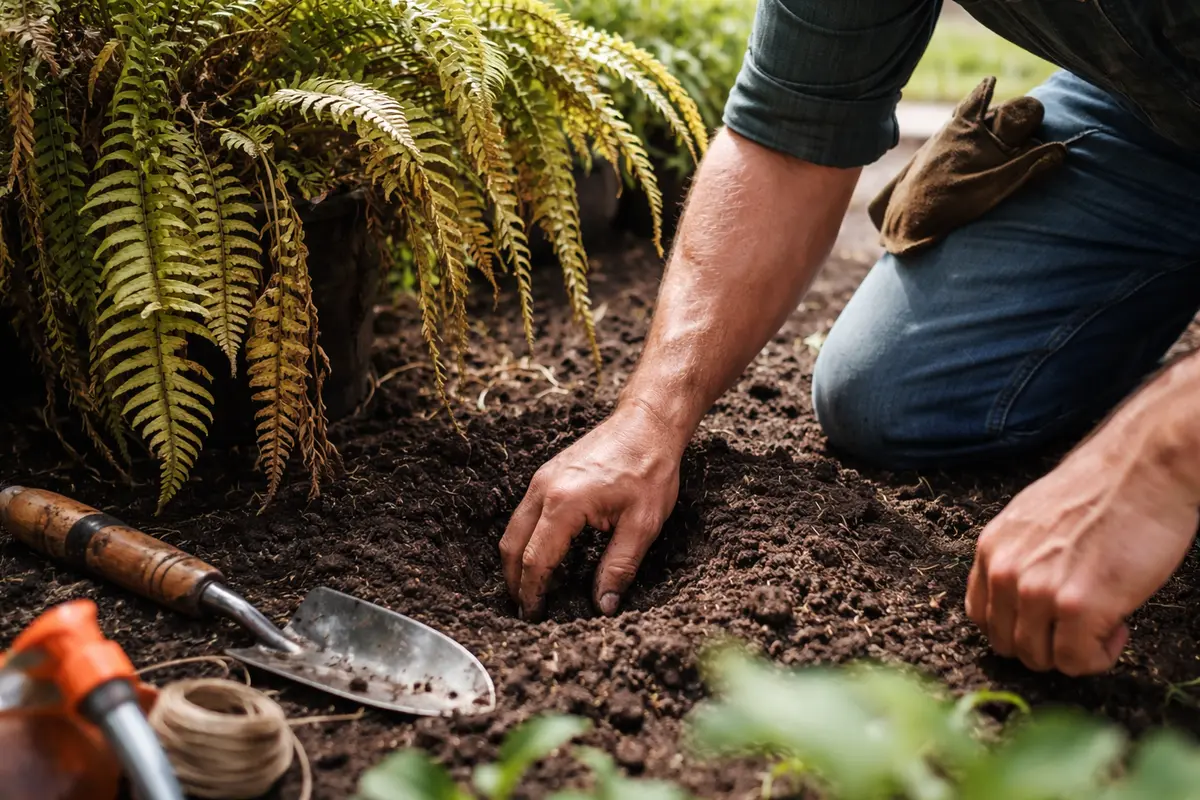
Check the soil moisture level by inserting your finger about 2 inches into the soil around the fern base. You will feel whether the soil is dry, moist, or waterlogged. This inspection determines if the wilting is a result of insufficient water, overwatering, or root problems that could lead to additional stress before taking any remedial actions. Testing at this depth is crucial to ensure you’re curing the right problem.
Ferns thrive in well-drained, consistently moist soil but will suffer if the roots are sitting in overly saturated conditions. If the soil feels dry to the touch at that depth, it is a sign that the ferns need immediate watering. Conversely, if the soil feels soggy and has a sour smell, chances are root rot has already begun, and remedying it requires different steps, such as re-potting or adjusting your watering strategy. A notable indicator of root rot is the presence of blackened, mushy roots upon inspecting the root system. If root rot has affected the majority of the root system, the plant may not recover even with proper watering adjustments.
If the soil is moist but your ferns are still drooping, it may indicate other issues like root damage due to pests or improper handling during transplanting. This occurrence could arise from compacted soil that restricts root growth or even insect infestations that damage the root structure. Consider testing for compaction by gently pulling on a frond. If the roots resist, it may indicate that not enough room has been afforded to them in their current potting situation. Use this moisture check as a diagnostic tool to potentially save your ferns; if unsure about the root health, consider removing a fern from its pot to inspect for signs of decay or disease before proceeding with recovery measures. Also, assess the potting mix; if it feels heavy or dense, it may be time to change to a lighter soil blend suited for ferns.
Step 4 – Mist Leaves to Aid Fern Recovery
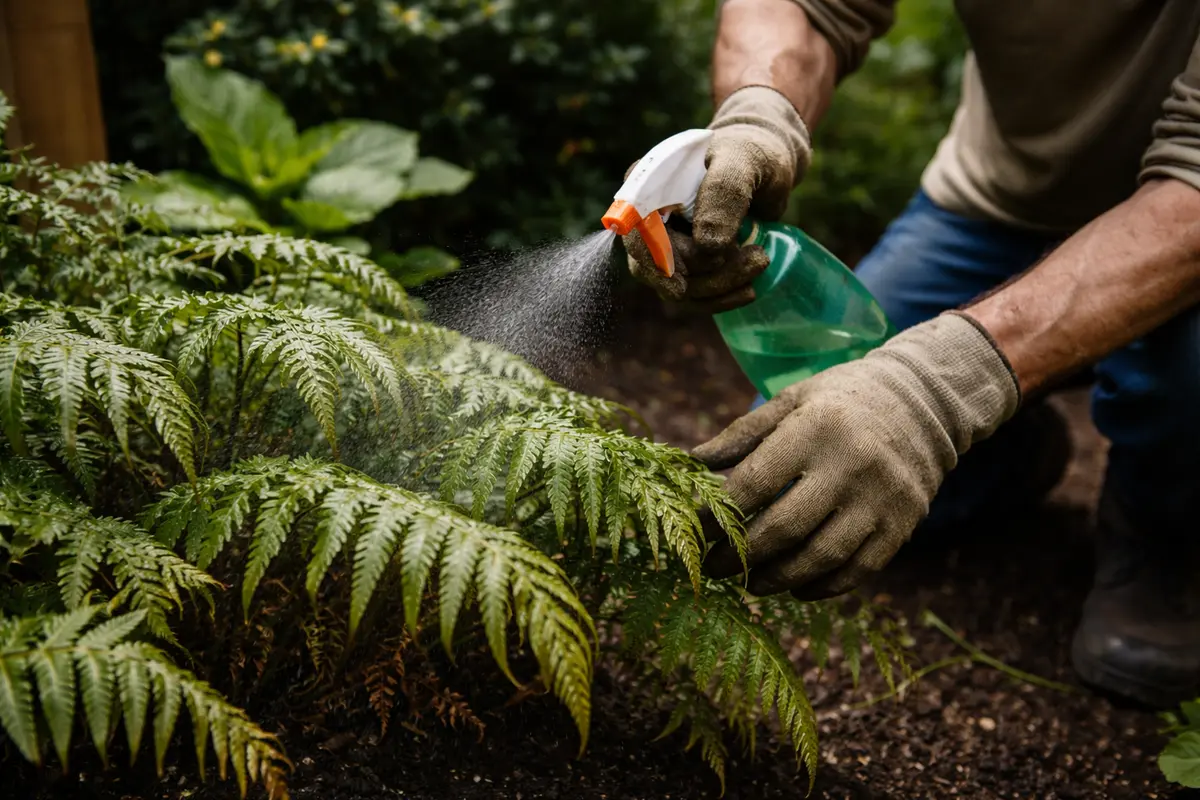
Begin misting the ferns’ leaves daily to increase humidity levels around them. You should see improvements in leaf firmness and overall appearance within a week. Misting helps enhance leaf moisture and can prevent further transpiration losses as the ferns recover from heat stress. Aerating the air around your ferns can mitigate the rapid loss of moisture to heat. Aim for distinct leaf surfaces that glisten without leaving pools of water, which can denote excessive application, leading to potential fungal issues.
Ferns benefit greatly from higher humidity, especially during hot days when air moisture levels drop significantly. By boosting moisture around them through fine misting, you provide a more favorable environment that supports recovery processes. Maintaining proper humidity encourages healthy growth and minimizes stress on the plant, particularly essential during the peak of summer when air conditioning exacerbates dryness. If the air in your home is extremely arid, incorporating a small room humidifier can bolster overall humidity levels and vastly improve conditions for your ferns.
Steer clear of misting too heavily; it can foster fungal diseases, especially if leaves remain damp overnight. If the leaves remain wet late into the evening, consider adjusting misting to mornings, allowing leaves time to dry naturally before nighttime. Additionally, observe the ferns for new leaf growth as a sign recovery is occurring; the emergence of new, vibrant fronds signals a successful revival and reinforces the need for consistent humidity in the environment. Tracking new growth is critical — if growth remains stagnant after a week of treatment, it may prompt further analysis into sunlight exposure and nutrient availability.
Step 5 – Water Ferns Regularly to Avoid Heat Stress
Start by ensuring your ferns receive consistent, deep watering at least twice a week during a heatwave. With this routine, the fronds will perk up, regaining their full stature and bright green hue within a few days. If days follow without substantial rainfall, it may be preferable to increase watering frequency to three times a week to combat heat-induced stress.
High temperatures and lack of moisture can lead ferns to droop as they lose turgidity, while rapid cycle watering might lead to root rot or insufficient hydration. By establishing a deep watering schedule, the plant’s roots can absorb moisture gradually, preventing stress during hot spells. If your ferns appear wilted despite regular watering, check the soil moisture level to avoid swampy conditions. Ensuring that the root zone is not a hazardous quagmire is essential during the recovery process; test with a moisture meter for accuracy when in doubt.
In hotter months, consider adding a layer of mulch around your ferns to help retain soil moisture and regulate temperature. This practice minimizes evaporation and provides a buffer during unexpected heat spikes, ensuring the ferns remain well-hydrated even when temperatures soar. Be mindful to keep mulch away from the plant stems to prevent rotting and to allow airflow. Regular watering routines should be observed to maintain a balance that supports healthy fern growth since prevention is key in maintaining soil moisture during hotter weather. With heatwave conditions, the frequency may need to increase, especially if you notice the soil drying out faster. If the forecast predicts higher temperatures, consider an additional deep watering session as needed, allowing the soil to recover properly without overwhelming it during cooler days.
Be mindful about adjusting the routine seasonally. For instance, during the hotter months, consider increasing your watering frequency to twice a week or observing the soil deeper than usual. The plant may appear healthy in cooler temperatures, making neglect possible, but summer heat can amplify stress and hasten the need for moisture. Watch for changes in how quickly the soil dries out, tailoring your schedule to reflect these observations and ensuring your ferns thrive throughout the fluctuating conditions.
Step 6 – Check Leaves for Signs of Improvement
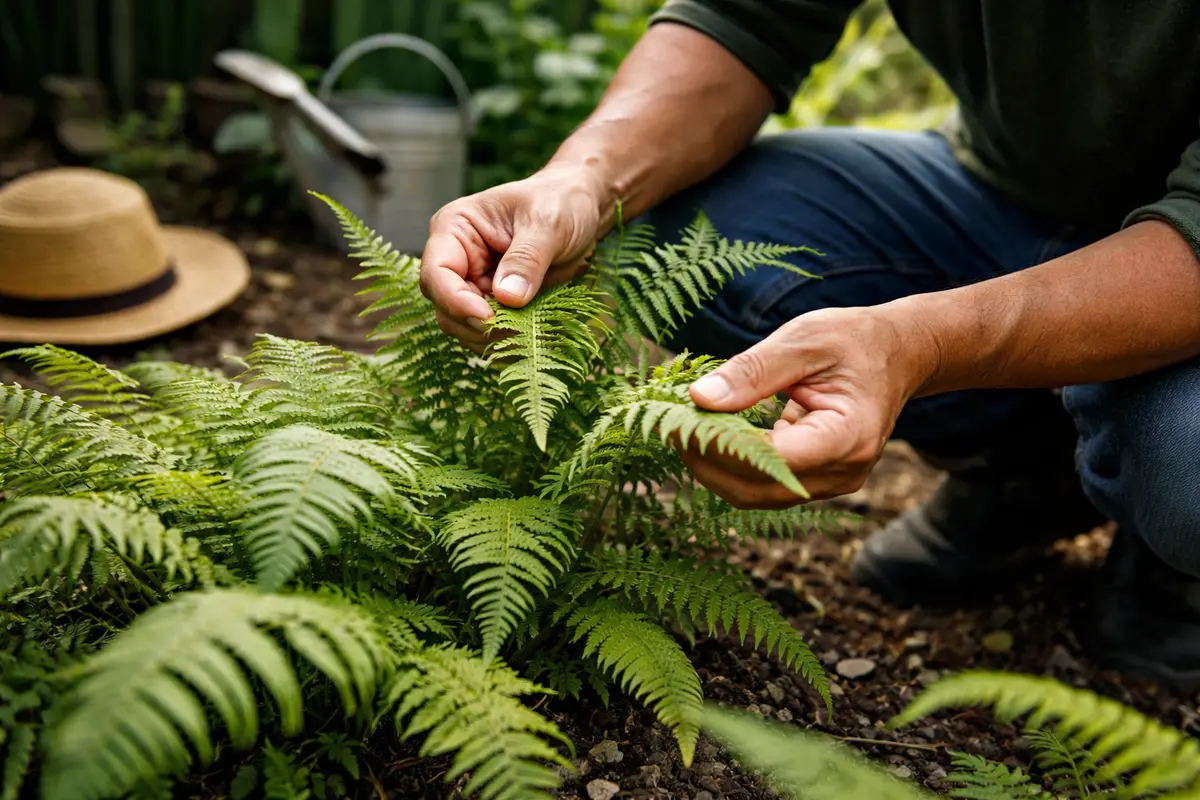
Monitor the leaves regularly for signs of improvement as the ferns recover. Look for healthier, perkier fronds and a return to their vibrant green color within a few days to a week after following the treatments. This will assure you that the steps are successful in reversing the onset of heat stress. If new fronds begin to uncurl and take form rather than merely hanging limp, it’s an excellent indication that your remedies are effective. Confirm these observations with consistent checks every two to three days to track progress.
The visual signs of recovery will include newly emerging leaves that are not drooping and no further browning on existing leaf tips. This process typically follows a timeline in which the plant begins responding quickly after watering and humidity treatments. Observing these changes can provide encouragement and highlight effective strategies for maintaining your ferns, which may include adjusting their position or frequency of care. If the leaves begin to fade in color or display browning edges once more, this is a signal that conditions have remained unfavorable, requiring reevaluation.
If signs of droopiness return after initial recovery, reassess your watering schedule, checking for any overlooked signs of pests or disease issues. Regularly check back every few days to establish the fern’s health status and intervene if you notice small problems re-emerging before they escalate. Consider rotating the ferns to different spots for optimal light and moisture, ensuring they receive appropriate treatment each time for sustained health. Also, if you notice any snail trails or tiny white spots that might indicate an invasion, take immediate action to ventilate and treat the plants appropriately to safeguard their recovery.
FAQ
How long does it take for ferns to recover from heat stress?
Ferns can begin showing signs of recovery within a few days after receiving adequate water and humidity. Full recovery, depending on the severity of the heat stress, can take anywhere from a week to several weeks for new growth to develop. Consistent monitoring during this time is vital for ensuring the recovery plan remains effective. Early signs of distress may signal the need for swift adjustments to watering or humidity levels.
Will my ferns recover if I see wilting after a heatwave?
Yes, with proper care such as consistent watering and misting, most ferns can recover from wilting due to a heatwave. They generally bounce back well, but the recovery traces some variation in time and extent based on the urgency of your response. Observe for regrowth and firm leaves as indications of improvement over time; if the recovery period stretches into several weeks without discernible changes, reassess the conditions thoroughly.
Can I prune my ferns while they are recovering?
It is usually best to wait until your ferns are back to health before pruning any damaged fronds. Removing compromised leaves too early may stress the plant further during its recovery process, especially when energy reserves are still being directed towards refill in growth and moisture. Patience ensures that your ferns don’t suffer additional setbacks in their growth and revival. If you can, aim to perform any pruning at the end of the growing season when ferns typically enter a natural rest period.