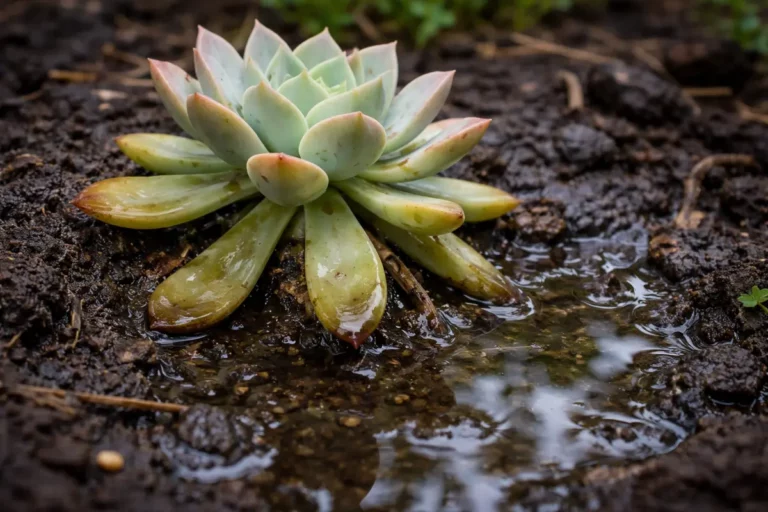
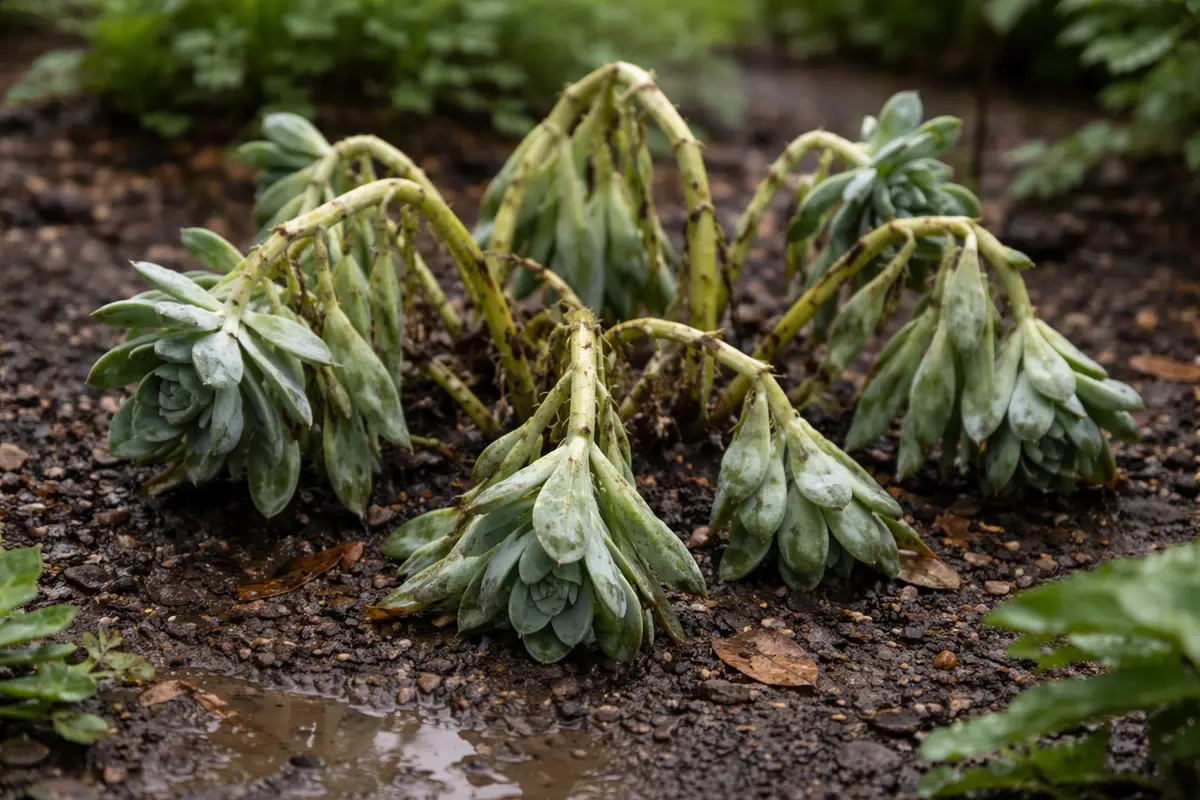
You may notice your succulents appearing lifeless and sagging after a rainstorm, which is why you need to know why do my succulents droop after a rainstorm. This drooping often occurs due to waterlogged soil that causes roots to struggle for oxygen, leading to wilting leaves. If ignored, the problem only gets worse, potentially leading to root rot that weakens the plant; however, you can fix it now by inspecting the soil, adjusting your watering schedule, and improving drainage.
Step 1 – Examine Succulent Leaves for Excess Water
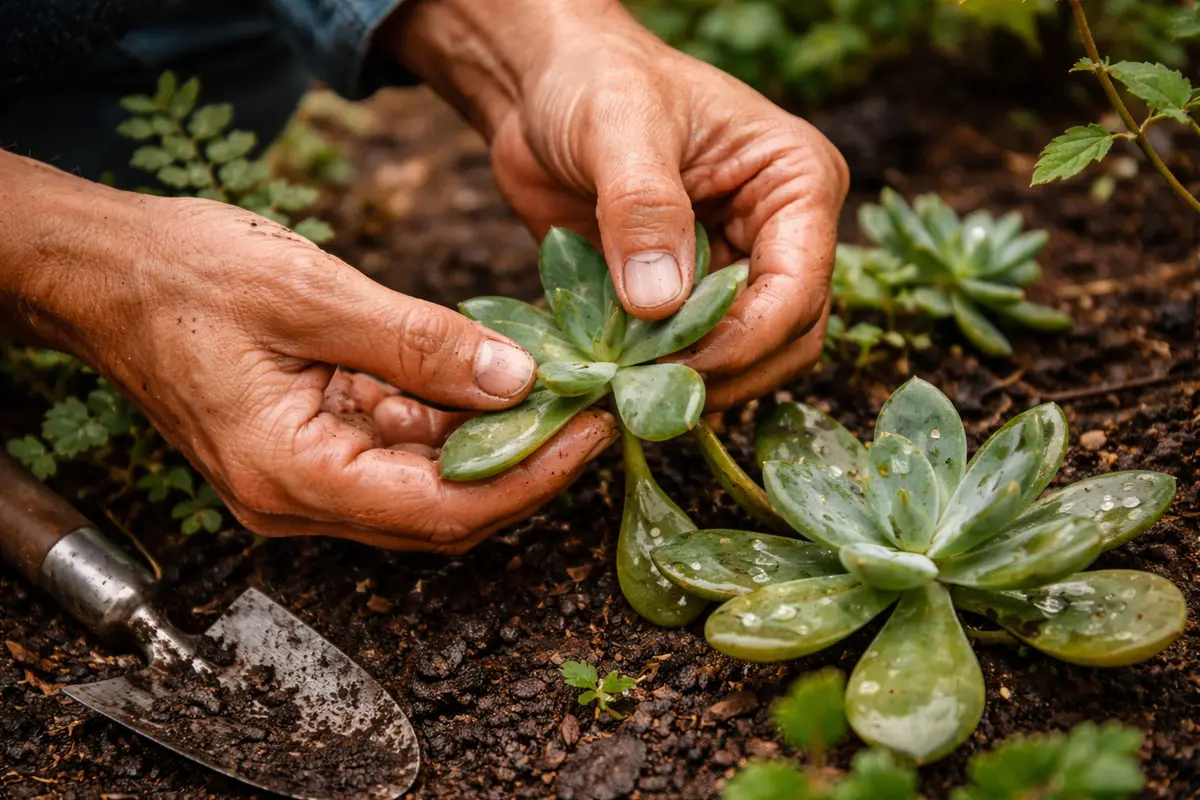
Check the leaves for any signs of drooping or excess moisture. You will notice that if the leaves are overly saturated, they will feel very soft and may ooze water when squeezed gently. This immediate examination helps you confirm whether over-saturation is indeed the problem. If the plants are situated in an area with poor air circulation, they may retain moisture longer, exacerbating the drooping.
Succulents are highly sensitive to waterlogged conditions, as it can lead to root rot. When excess moisture builds up in the leaves, it indicates that the plant is struggling to absorb water correctly, impacting its nutrient uptake. Addressing this issue quickly can prevent further stress and damage to the succulent. Additionally, if the leaves appear discolored or are showing signs of translucency, this signals severe water retention, further affirming the need for urgent action. The timing of your inspection matters; doing this within a few hours of rainfall maximizes the chances of addressing the problem effectively.
A common mistake gardeners make at this stage is relying on cosmetic fixes like pruning or simply waiting to see if the succulent recovers. Instead, the focus should be on checking for excessive moisture in the leaves and stems. If the leaves remain droopy after several hours of drying, more action is needed. A practical approach is to consider the humidity level in your environment; in high humidity, it becomes even more crucial to assist with airflow. Consider moving the plant to a warmer, well-ventilated area to aid in drying faster if it is still showing signs of dampness. This can help minimize potential rot. If left without intervention, the drooping may progress to permanent damage.
Step 2 – Assess Soil Drainage for Drooping Succulents
First, inspect the soil surrounding your succulents for excess moisture and drainage issues. If the soil feels soggy, gently lift the plants from their pots and let them dry out in a well-ventilated area. You should observe the leaves of your succulents perk up within a few days as they regain their turgidity.
When succulents droop after a rainstorm, one primary cause is waterlogged soil, which leads to root rot. In this condition, the roots cannot absorb water and nutrients effectively, causing the plant to lose structural firmness. Healthy roots should feel firm and white, while rotting roots turn dark and mushy, contrasting sharply with healthy tissue. If you don’t find soggy soil, check for pests that might be causing similar drooping symptoms.
If you detect a sour smell from the soil, it indicates anaerobic bacteria are present, and you should repot immediately with dry, well-draining soil to prevent further rot. Alternatively, drooping may also occur from a sudden temperature change; if the room temperature is too cold, gradually raise it instead of focusing solely on soil moisture. This will help stabilize the plant’s overall condition.
Poor drainage can lead to prolonged water retention around the roots, suffocating them and resulting in a drooping appearance. Succulents thrive in well-draining soils that allow excess water to escape quickly. Evaluating the soil’s condition is crucial for ensuring your plants do not face extended water stress. It may be beneficial to consider the pot’s material; unglazed terracotta allows more breathable walls compared to plastic pots, promoting healthier drainage. Switching to a gritty, fast-draining potting mix can make a significant difference in such cases.
If the soil smells sour or feels overly wet, consider repotting the succulent into fresh, well-draining mix. If you find the soil dry, yet the plant still droops, check for root rot during repotting, as it indicates a different underlying issue. If the roots are mushy or dark, try trimming away the affected areas and repotting into new soil. Quick action is critical; letting them sit too long in such conditions can severely damage the plant. A practical check is to gauge how much water the soil retains even after several days—if it remains consistently wet at that point, drainage is likely inadequate. Additionally, observe how long the soil takes to dry after each watering; prolonged wetness after rain indicates that repotting or amending the soil may be imperative.
Step 3 – Gently Dry Out Roots to Aid Recovery
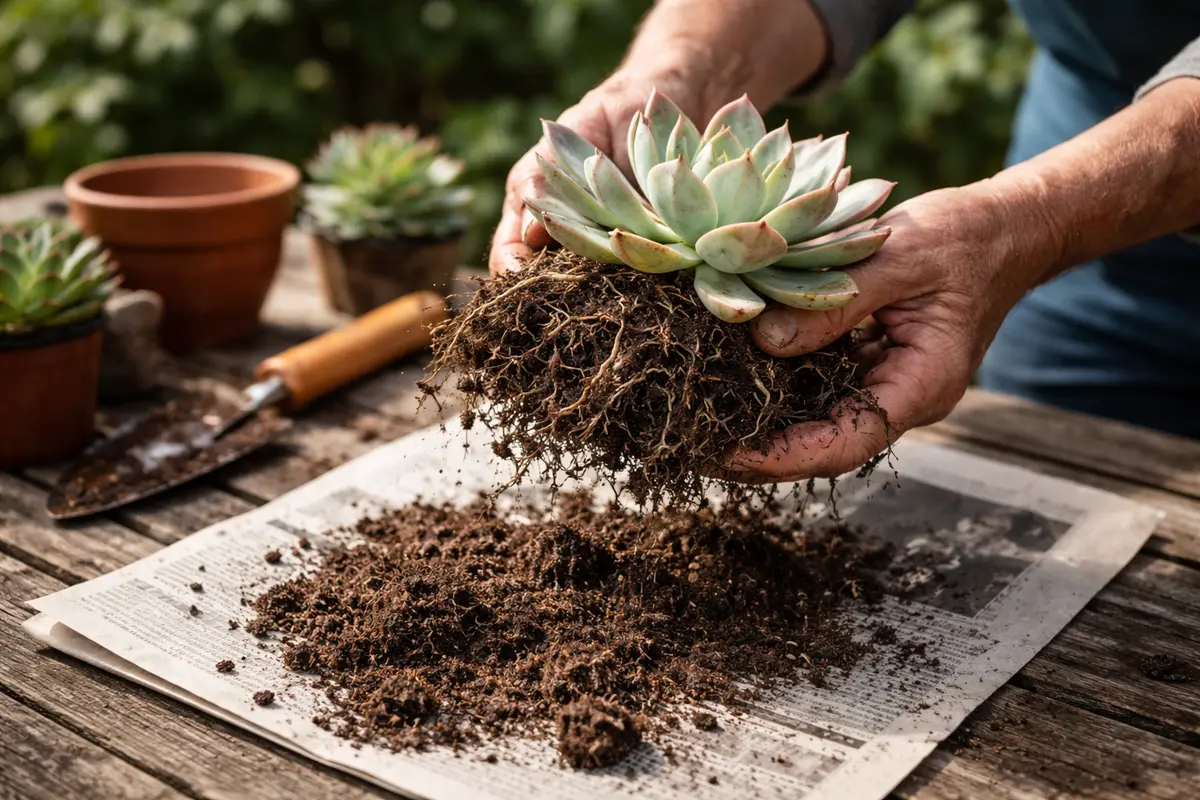
Remove your succulent from its pot and let its roots air dry for a few hours. You will observe that after a few hours in a dry environment, the plant will begin to firm up again. Position the plant in indirect light during this time to avoid any further stress from direct sun exposure, which could lead to additional water loss around the roots. If the weather is warm and breezy, this can significantly improve the drying process. However, avoid letting the roots sit in direct sunlight too long, as this can cause leaf burn already stressed from over-watering.
Allowing the roots to dry prevents further moisture buildup, which helps revive a droopy succulent. During this period, check for any signs of root rot, like black or mushy root tissue, that may indicate irreversible damage. Routine observation during this phase is crucial; if roots appear firm, it suggests recovery is underway, whereas mushiness typically indicates further action is needed. Letting roots recover is essential for a thriving plant, as it gives them a chance to restore nutrient uptake. If left untreated, even thriving roots may not be able to sustain the plant’s overall health. The involvement of airflow in aiding root recovery cannot be overstated—roots thrive in dry conditions, allowing for new growth once they are no longer waterlogged.
A common mistake during this recovery process is overcompensating with water or fertilizer. Apply minimal water in small amounts after repotting to avoid overwhelming the plant again. Timing is also key; if the air is particularly humid, extend the drying time to ensure roots have adequate airflow. If, after a week, the plant does not show signs of recovery, consider increasing your drying duration. Ultimately, the balance between providing sufficient hydration and preventing excessive moisture is essential for your succulent’s well-being. Remember, recovery phases should not be rushed; exercise patience and observe how the plant responds to changes.
Step 4 – Water Succulents Sparingly After Rainstorms
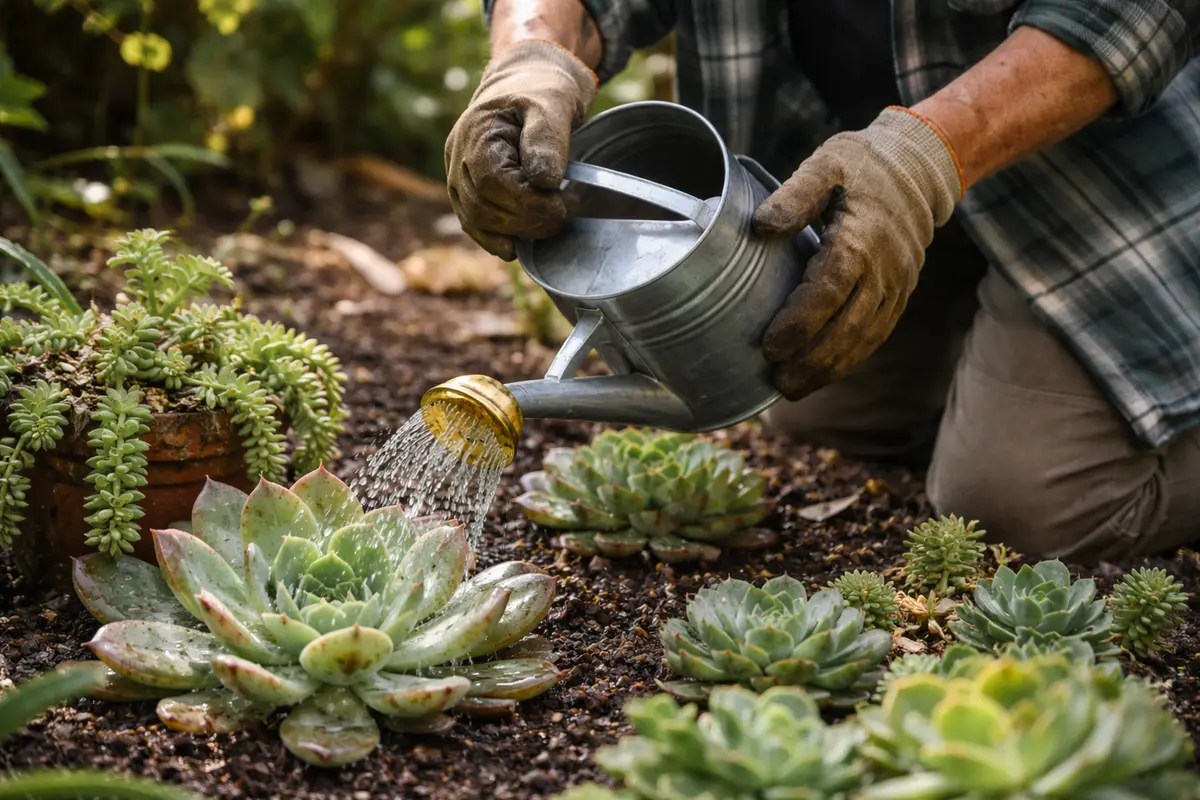
Start by moving your succulents to a location with better drainage immediately after a rainstorm. This will prevent water from accumulating around the roots, allowing the plants to regain their firmness within a few days.
Excess water in the soil leads to drooping, as succulent roots can rot in poorly drained conditions. When you provide better drainage, the roots are less likely to become waterlogged, which directly addresses the issue of drooping. Conversely, if your succulents are in well-drained soil but still droop, check for damage or disease affecting the roots.
During the rainy season, consider using potting mix designed for succulents that contains sand or perlite to enhance drainage. Additionally, placing pots on raised surfaces can help prevent excess water from saturating the soil, ensuring your plants remain upright even after heavy rainfall.
Excessive watering can lead to further droopiness, as moisture levels may remain excessively high from past rain. By watering sparingly and only when the soil dries thoroughly, you reduce the risk of creating more problems like root rot. This preventative measure is vital in maintaining your succulents’ health, especially right after precipitation events. It can be useful to stick a finger about an inch down into the soil; if it feels damp, postpone watering until the soil dries out completely. Your sensibility during this observation phase is crucial; if the soil feels wet at every check in the week following heavy rain, this points to the need for more aggressive intervention.
In regions experiencing high humidity or frequent rain, consider using a soil moisture meter to gauge when watering is necessary. Seasonal changes also mean adjusting your care routine; during the rainy season, reduce watering frequency to avoid compounding moisture issues. A proactive approach toward moisture management helps adapt care practices to suit environmental conditions, especially in areas prone to puddling or heavy runoff. Additionally, consider creating a slight slope in outdoor planters to facilitate drainage away from succulents. This can create a more controlled environment conducive to healthy growth.
Step 5 – Inspect Succulents for Droop Signs Weekly
Start by closely monitoring your succulents after a rainstorm. Check the soil moisture levels; stick your finger about an inch deep to see if it’s still damp. Additionally, observe the leaves for a few hours post-rain—if they appear to droop and lose firmness, recheck the moisture in the soil every couple of days to gauge recovery.
A fully recovered succulent exhibits plump, firm leaves that stand upright and have a vibrant color, showing no signs of droop. In contrast, early signs of trouble include leaves that appear shriveled and limp despite drying soil, losing their usual smooth texture. If you spot darkened tips or a mushy feeling when touching the leaves, this indicates potential overwatering issues.
If the drooping persists despite following up with proper watering and exposure to adequate light, consider repotting your succulent in fresh, well-draining soil. If you’re still noticing issues after that, check your watering frequency—reducing it further might be necessary to prevent root rot.
A fully recovered succulent appears firm and upright, with vibrant leaf colors that indicate proper hydration. Early signs of the problem returning may include leaves gradually becoming soft again or a distinct wilting look, where the edges start curling downward. If leaves are squishy and brown at the base, then re-assess your watering routine and drainage setup.
If drooping returns despite adjustments, reduce watering frequency and move the plant to a spot with better airflow and light. Should the leaves not regain firmness after these changes, look for signs of rot, and consider cutting away affected areas to save the plant.
A fully recovered succulent will exhibit firm leaves, vibrant color, and an upright posture free of moisture issues. Look for signs of healthy growth, such as new leaf development or thickened foliage, which indicates that the plant is adapting well after taking corrective actions. If you notice a loss of color or limpness returning within a week, it would warrant further investigation of your care practices. Factors like unexpected temperature fluctuations or pest intrusion can lead to diminished health. In such instances, moving your succulents to a different location or adjusting their light exposure can provide them with needed recovery momentum.
If symptoms return despite following the earlier steps, consider that there may be deeper issues at play, such as pests or unexpected environmental changes. A thorough examination of the leaves and stems can reveal small insects like mealybugs or spider mites that stress the plant further. Moving plants to less humid areas or providing extra ventilation can mitigate risks in repeated situations. Adjusting lighting or airflow can establish a healthier environment for recovery; if these changes do not yield results, it might be necessary to consult with a gardening expert regarding potential disease issues. Acting promptly can safeguard your succulent against lengthy recovery times and prevent setbacks from compounding issues.
FAQ
Can my succulents recover from serious drooping?
Yes, succulents can often recover if caught early and treated promptly. Monitor for signs of improvement within a week after following recovery steps, such as firming leaves and new growth. Recovery can vary based on the severity of the issue, with quicker resolutions likely for mild conditions.
Should I remove affected leaves after a rainstorm?
Only remove leaves if they appear severely damaged or rotting. If affected leaves are merely drooping but healthy in appearance, it is best to allow the plant to recover naturally. Removing healthy leaves inadvertently can hinder the plant’s recovery process.
How often should I check my succulents for signs of drooping?
Inspect your succulents weekly to ensure they are maintaining healthy moisture levels. This frequent checking helps catch any signs of distress immediately, particularly after heavy rains. Weekly observations can reveal important changes or signs indicating shifts in plant health that need addressing.