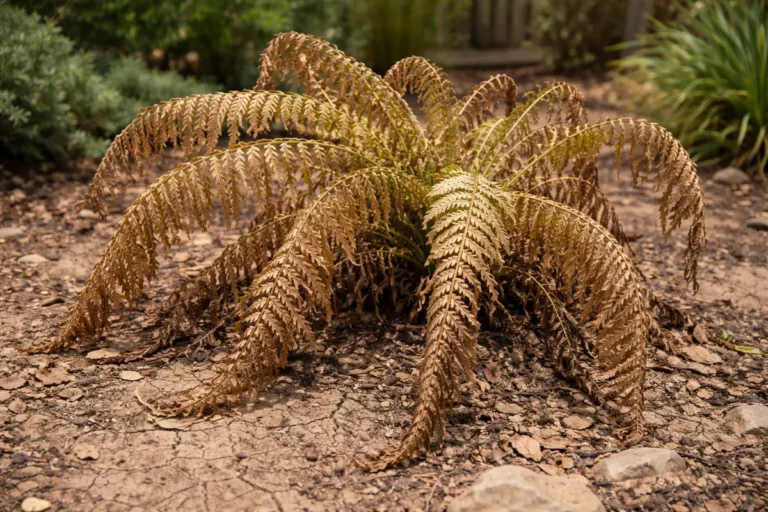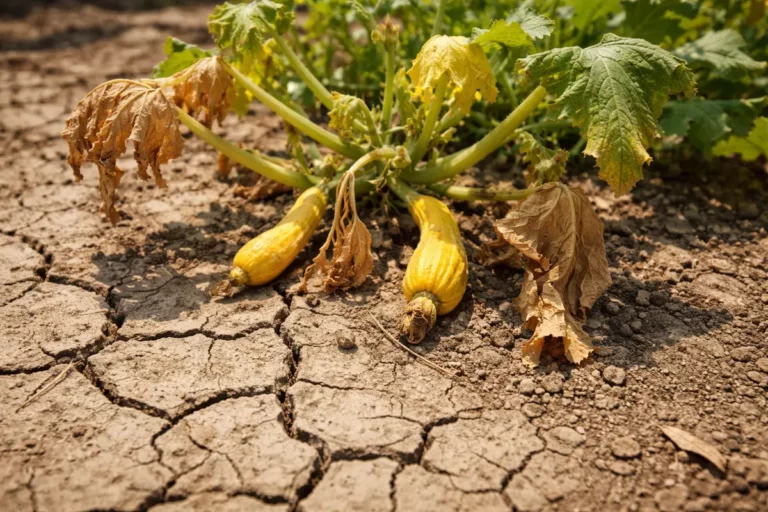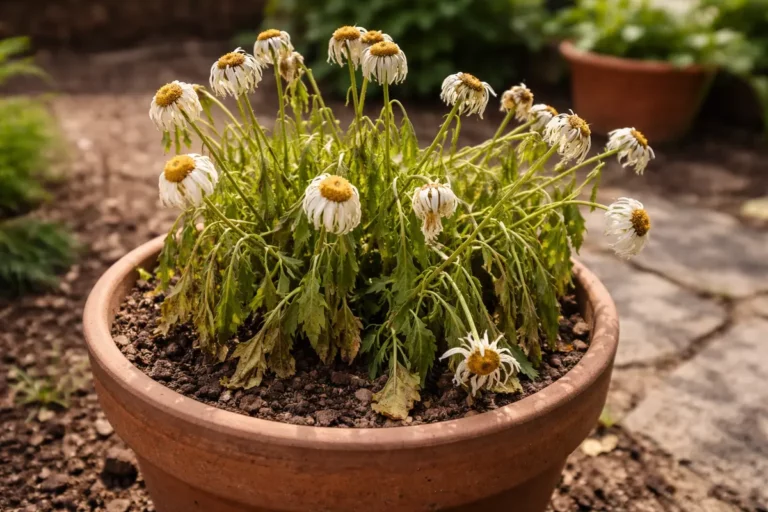

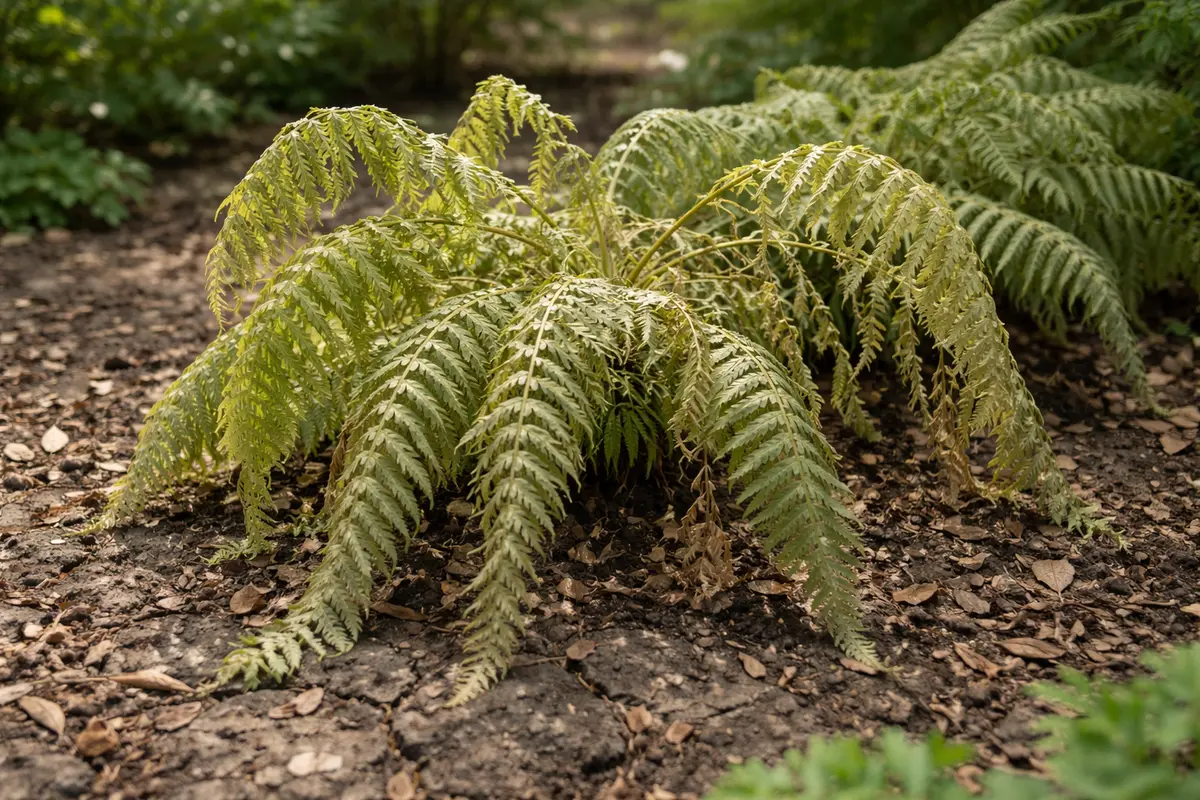
You may notice your ferns drooping significantly during hot afternoons, which is why you need to know how to treat wilting ferns during hot afternoons. This wilting occurs as the plant struggles to retain moisture, leading to symptoms like yellowing fronds and overall droopiness. Ignoring these signs can worsen the condition, ultimately weakening the plant, but fixing it is possible now—just water deeply and adjust their location to provide some shade.
Step 1 – Mist Wilting Fern Leaves Immediately
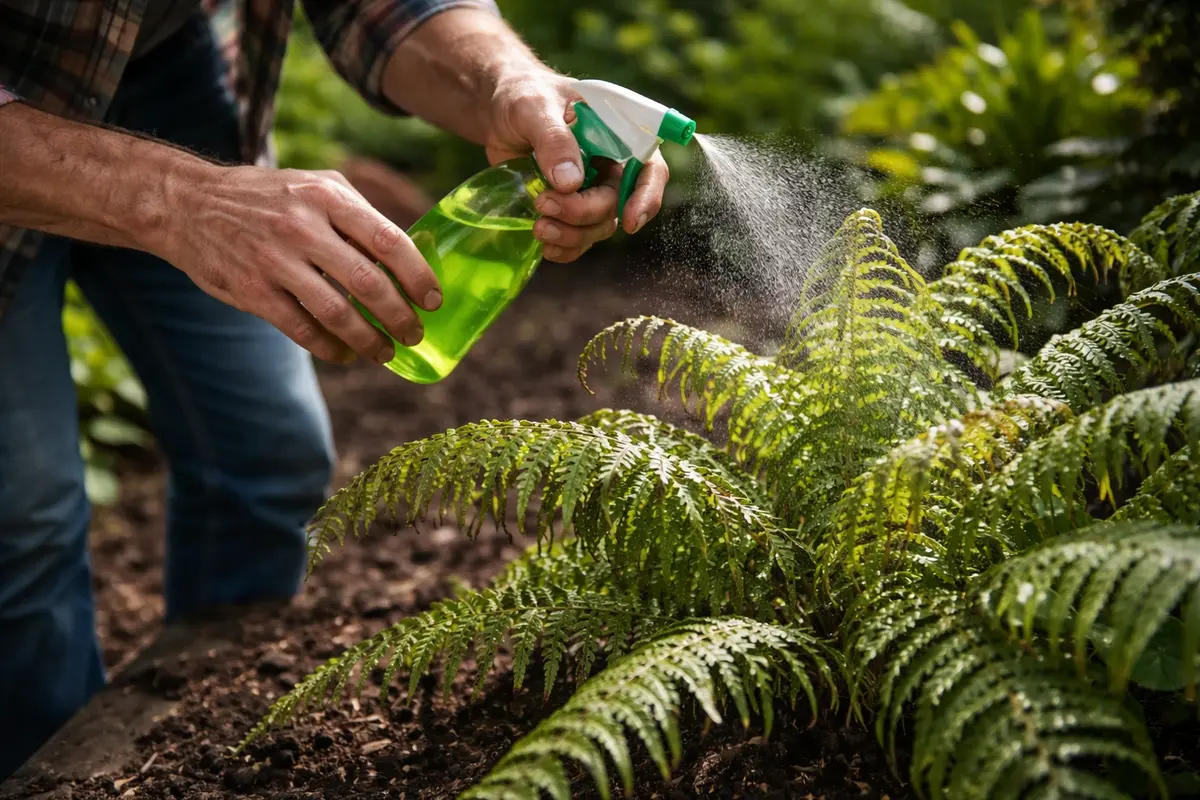
Start by misting the leaves of your wilting ferns with water using a spray bottle. You will see the fronds start to perk up and regain their natural color within a few hours as they absorb the moisture. This immediate action helps cool the leaf surfaces and alleviate some stress caused by the heat while increasing humidity levels around the plant.
Misting works by increasing the humidity around the ferns, which is crucial for their recovery because ferns thrive in moist air. When temperatures soar, particularly during hot afternoons, the leaves lose moisture rapidly through transpiration, and without adequate humidity, this can lead to severe wilting. By misting them right away, you provide a quick source of hydration that can help maintain turgor pressure in their cells. This prevents further wilting and prolongs their health. Note that temperatures above 85°F (29°C) increase transpiration rates, exacerbating the issue. If the air is particularly dry (less than 40% humidity), this method becomes even more critical for recovery. If wilting returns before evening or the next morning, you may need to repeat this step every few hours until the heat subsides. The duration of misting should be consistently applied, particularly if the ferns are indoors where conditions can vary significantly.
A common mistake at this stage is to underestimate the need for humidity. Some gardeners might skip this step, thinking that watering the soil is sufficient. However, for ferns, misting can be more beneficial as it directly targets the leaves. If conditions are extremely dry, you could repeat this process every few hours until the heat subsides. Furthermore, placing a small fan near the ferns can increase air circulation and help facilitate faster absorption of moisture if it’s too warm indoors. If the humidity level is persistently low, using a humidifier near the plants can further assist with recovery and create an environment more akin to their natural habitat. Observations post-misting should focus on the leaves; when they appear to glisten rather than look dull or crispy, this indicates successful moisture absorption. If leaves still feel parched after misting, there’s likely still an underlying problem that needs addressing.
Step 2 – Assess Light Levels Affecting Ferns
Check the light levels where your ferns are located and adjust their positioning to a shadier area if necessary. You will notice the ferns start to regain vigor and stability, showing signs of recovery if they were previously exposed to intense direct sunlight. Finding the right light balance is crucial for their overall health and recovery because too much sun can lead to leaf damage.
Ferns typically prefer indirect sunlight; harsh direct sun can quickly lead to leaf scorch and dehydration. When ferns are exposed to too much light, their leaves can lose essential moisture, leading to wilting and browning edges. Transitioning them to a shadier spot or providing filtered light with sheer curtains can significantly improve their overall condition. If moving the ferns is not an option, consider using garden netting or shade cloth to shield them during peak sunlight hours, particularly mid-afternoon when the sun is strongest. It’s crucial to check how the ferns respond after making this adjustment, as lighter-adjusted plants should visibly perk up within a few days. If you notice the soil drying out rapidly after making this adjustment, you may be in a low-humidity area that requires additional moisture management.
If you discover that the soil is dry despite the ferns being in an optimal light setting, this indicates they might still need additional watering to thrive. It’s essential to differentiate between correct light exposure and other potential stressors, such as low humidity or inadequate watering, as all these factors contribute to their overall health. If your ferns seem to remain wilting even after adjusting light levels, double-check the moisture content in the soil by sticking your finger about an inch into the medium—if it feels dry, water them thoroughly. Ensuring that your pots have proper drainage is also vital; waterlogged conditions can lead to root stress, negatively impacting recovery. If wilting issues recur after adjusting light and watering practices, consider reassessing the soil condition and utilizing moisture-retaining granules, which can help retain moisture during high heat. Damaging leaf edges may signal a need for further light adjustment or additional hydration strategies going forward.
Step 3 – Provide Hydration to Revive Wilting Ferns
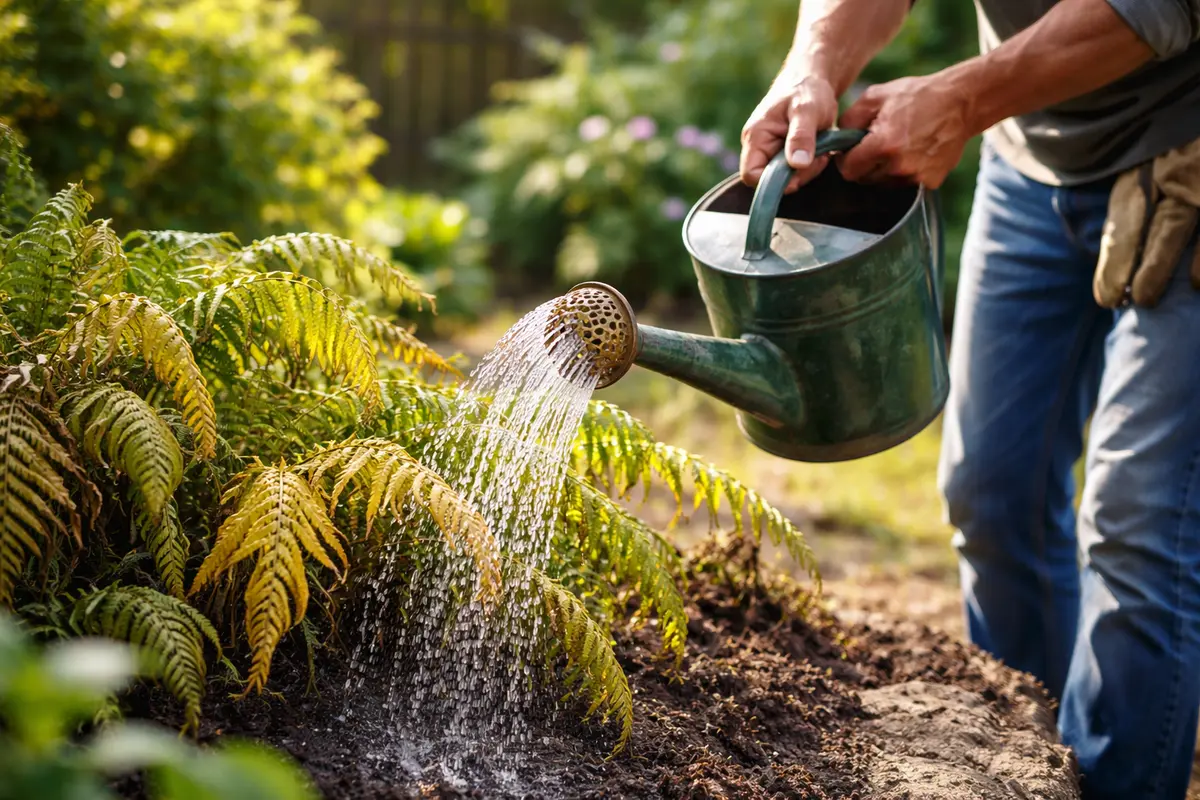
Water the soil deeply around the roots of your ferns until moisture seeps out from the drainage holes. You should begin to see noticeable differences within a day, as the leaves perk up and regain their liveliness. This step is essential for rehydrating the plant and restoring its strength while ensuring that roots can access the moisture they need during high temperatures.
Deep watering ensures that moisture reaches the root zone, allowing the fern roots to absorb hydration effectively. In hot weather, many plants lose moisture rapidly, which can exacerbate wilting symptoms if not properly managed. Make sure to provide enough water so that the soil becomes moist at least 6 inches deep; this depth allows the roots to draw from the moisture-rich zone. Be sure to water early in the morning or late in the evening to minimize evaporation and maximize absorption, particularly critical in dry climates where evaporation rates can skyrocket throughout the day. If your location routinely experiences high temperatures, designating specific watering times that align with cooler hours of the day can dramatically help keep your ferns hydrated.
A common mistake during this stage is waterlogging the soil, which can suffocate the roots and worsen the wilting issue, especially in potted ferns. If the leaves begin to yellow after a few days, it may indicate waterlogged conditions. In such cases, consider letting the soil dry out a bit before watering again. Additionally, if wilting persists after these actions, inspect the root system for problems like root rot, which often manifests as a foul smell or mushy texture; if present, repotting with fresh soil may be necessary to aid in recovery. Regularly monitoring your fern’s watering schedule, particularly during hot weather, will help ensure that they remain well-hydrated and less prone to wilting in the future. If you find that your fern’s leaves are consistently wilting even after thorough watering, check the drainage plane thoroughly, ensuring that no roots are suffocated by compacted soil or debris. Adjustments during particularly harsh conditions should be made as needed to avoid any prolonged states of distress that may recur.
Step 4 – Check Ferns for New Signs of Stress
Recheck your ferns every few days for signs of recovery or stress re-emergence. Look for firm stems and fresh leaf growth, indicating an improvement in their condition. Set a schedule to monitor their progress, particularly if the weather continues to be extremely hot, as consistent observation can help diagnose ongoing issues sooner. This observatory practice is key to preventing further wilting.
A fully recovered fern will display vibrant green leaves, firm stems, and an overall upright posture. It’s essential to differentiate these signs from potential issues returning, such as discoloration, limp leaves, or brown edges, which could indicate insufficient moisture, continued exposure to harsh light, or even pest infestations like aphids or spider mites. Additionally, new brown leaf tips or the presence of spots on leaves might be indications of nutrient deficiency or disease, requiring further action. Consistently observing these changes helps you catch any worsening conditions early on, allowing you to adjust care routines as needed to support recovery. If observing new growth appears stunted, this could be a signal of ongoing stress that needs immediate attention.
If you notice that the wilting returns despite earlier improvements, this might signal that deeper adjustments need to be made, such as relocating them again or checking for pests that might stress the plants. If you spot any abandoned webs or sticky residue on the leaves, treat the ferns with insecticidal soap or neem oil to eliminate pests effectively and restore plant health. Regular watering should be part of your routine, and maintaining adequate humidity through misting can support their recovery and prevent wilting from occurring again in the future. Limiting exposure to extreme heat when possible is crucial, as this is often the root of wilting stress. Furthermore, keeping track of environmental changes, like seasonal weather patterns, will prepare you to adjust your care practices in anticipation of heat waves. If wilting recurs under similar conditions, this may indicate a need for an entirely new approach or modifying your environment for better plant sustenance.
FAQ
How long will it take for wilting ferns to recover?
Wilting ferns can begin to show signs of recovery within a few hours of misting and proper soil watering. You might notice the fronds lifting slightly as they regain turgor pressure. Full recovery typically takes several days, depending on the extent of the wilting and the overall health of the plant leading up to the treatment. Consistent monitoring during this period can expedite their rebound and help pinpoint any further adjustments needed. If you see no improvements after three days of care, consider reassessing factors such as light exposure and soil conditions.
Can wilting ferns spread their condition to other plants?
Wilting itself is not a contagious condition, but if caused by underlying problems like root rot or disease, it can potentially affect nearby plants. Frequent inspection of neighboring plants is essential to ensure they are not exhibiting similar symptoms. Identifying and treating any issues quickly can help mitigate further damage and promote a healthier garden environment overall. If you notice wilting spreading to multiple plants, it may indicate a larger environmental issue that needs addressing, such as pest intrusion or localized fungal infection.
Should I remove affected leaves from wilting ferns?
Removing severely damaged or dead leaves can help focus the plant’s energy on recovery, but do so cautiously. Only trim leaves that are beyond recovery to promote healthier growth without further stressing the plant. Pruning can also improve airflow around the foliage, reducing the chance of disease spread in humid conditions. If they seem to still be struggling, reassessing their environment may also provide insights into potential issues that need to be adjusted. If interior leaves are yellowing while the outer leaves remain green, it signifies the plant is reallocating resources—a clear indication of stress that might require intervention.