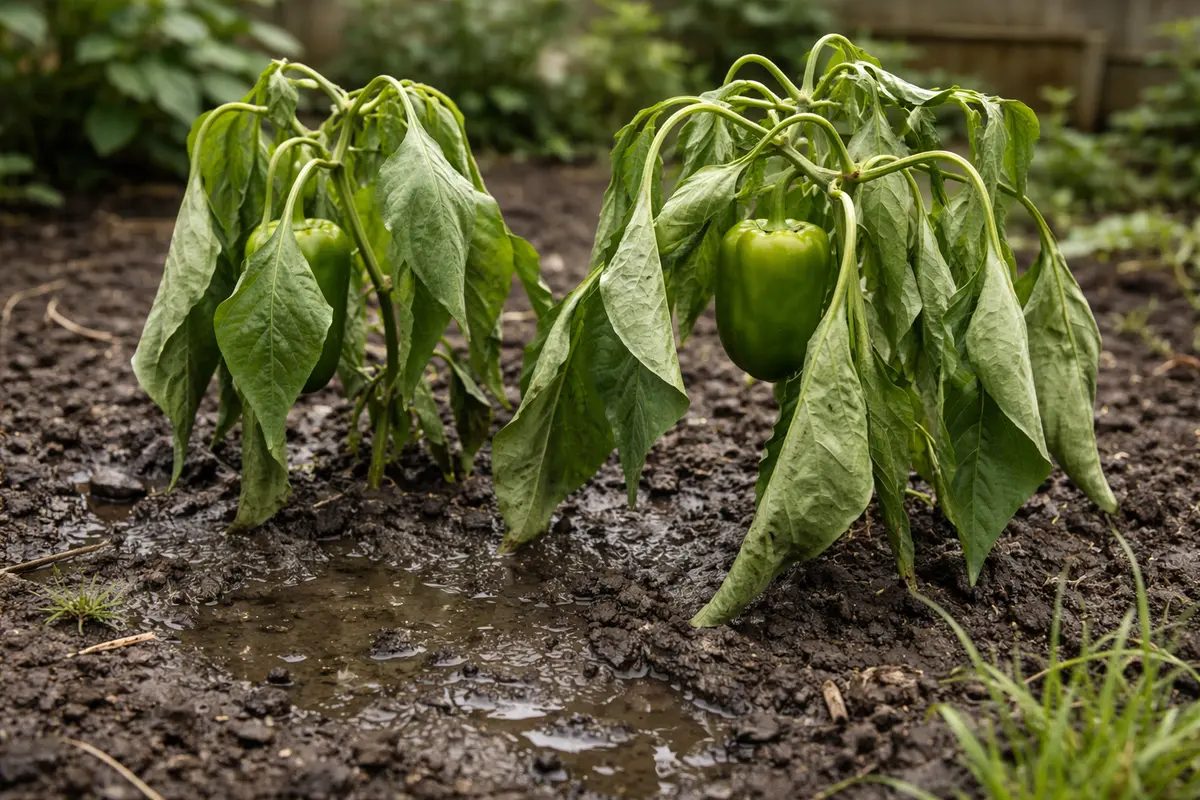
You may notice your pepper plants droop after fertilizing, a clear sign that you need to know what to do when pepper plants droop after fertilizing. This drooping often occurs due to nutrient overload, leading to wilting and stress in the plant. If ignored, this issue can worsen and weakens the plant, but fixing it is possible now by checking soil moisture levels and adjusting your fertilization practices.
Step 1 – Water Drooping Pepper Plants Immediately
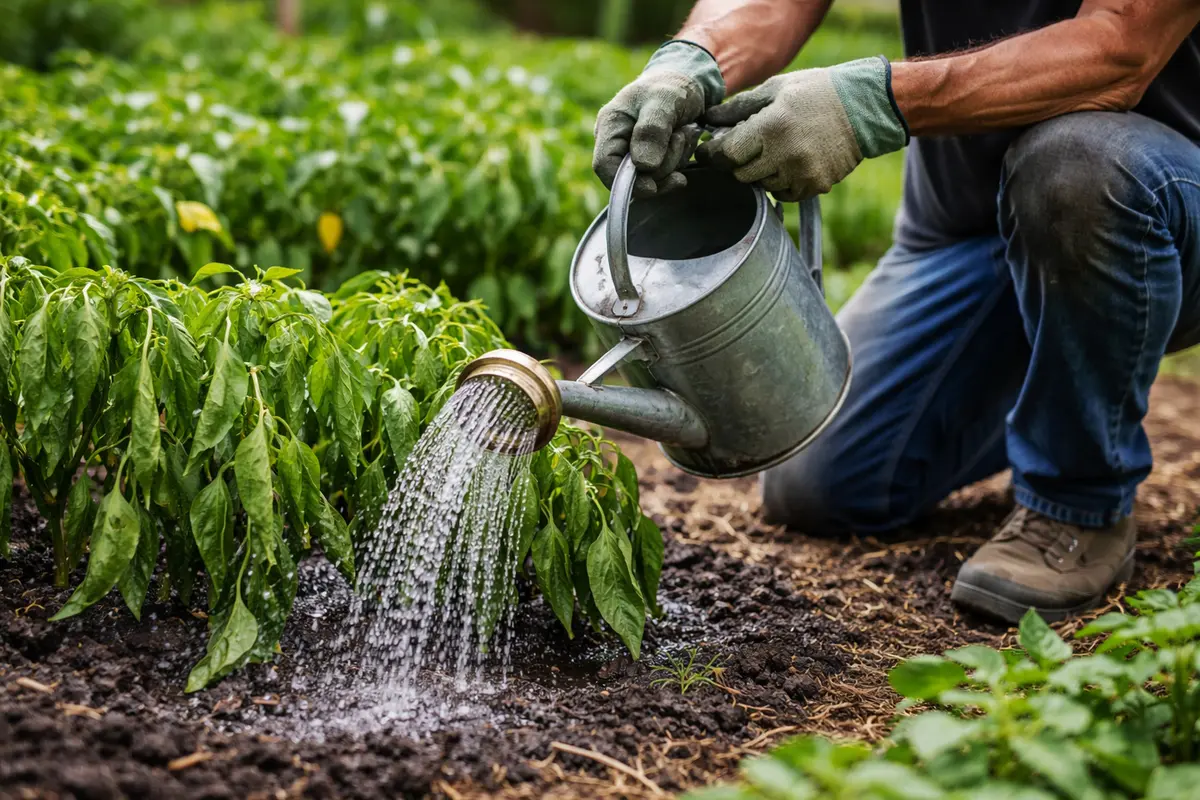
Start by watering the drooping pepper plants thoroughly. You will observe the soil darkening as moisture penetrates down to the root zone within minutes. Aim to saturate the soil to a depth of at least 6 inches, ensuring that the roots, which typically extend into this range, receive adequate hydration. Immediate watering flushes out excess nutrients while providing vital moisture to the stressed plants. When plants droop after fertilizing, it may indicate dehydration or nutrient lockout; water dissolves the salts causing this imbalance, allowing roots to uptake necessary moisture again.
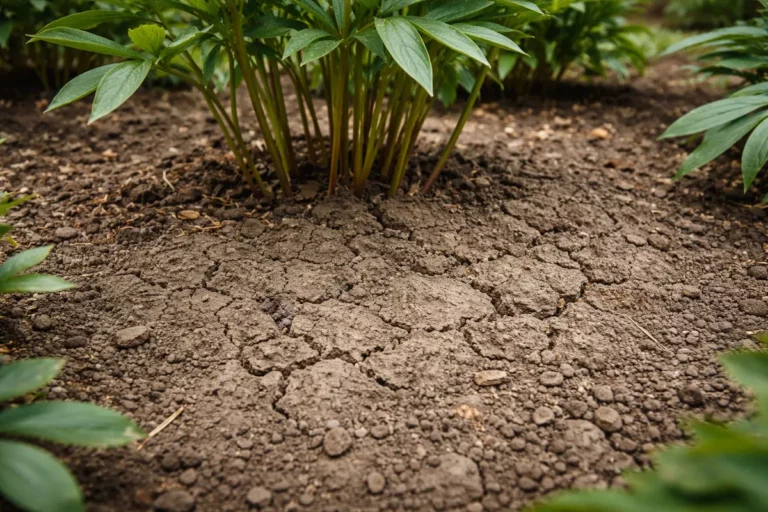
If the plants are still drooping despite watering, check the soil’s surface; it may appear wet yet still be dry below. A common mistake is to avoid watering due to a false impression of moisture. If you notice that the soil is hard and cracks easily, it’s essential to apply water slowly and deeply for better absorption, which rehydrates the roots effectively. For pots, ensure that excess water drains from the bottom, allowing the entire root ball to receive the moisture it desperately needs. Within a day or two after proper watering, healthy pepper plants should start to display perkier leaves, with signs like firming up of stems and a noticeable decrease in droopiness.
Step 2 – Evaluate Root Condition for Nutrient Burn
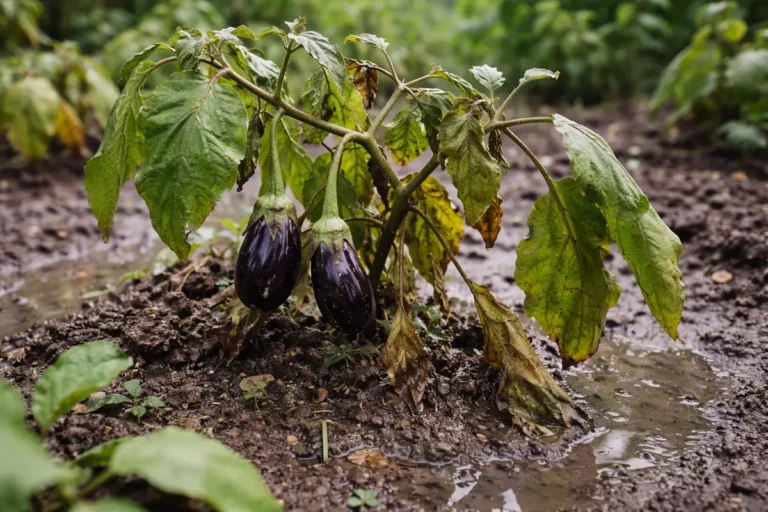
Start by inspecting the root system of your pepper plants for any signs of damage caused by nutrient burn. If you see soft, brown roots instead of firm, white ones, this indicates that over-fertilization has likely occurred, causing harm to the roots. Over-fertilization not only leads to salt build-up that draws moisture from the roots but also can cause root rot if the soil is waterlogged.
When nutrient levels are too high, the roots struggle to absorb sufficient water, resulting in visible wilting and drooping. If your plants have both drooping leaves and yellowing, this is a strong indicator of nutrient burn. Conversely, healthy roots should appear firm and white; if they do, this may point to a different issue.
If the roots show significant damage, you need to repot your plants immediately using fresh soil that is free from excess fertilizers. Choose a high-quality potting mix that promotes drainage to support recovery. If the soil emits a sour odor, that signifies root rot, prompting the necessity to remove the affected roots and replace them with fresh soil.
After repotting, ensure proper drainage in your containers to avoid future issues; without adequate drainage, your plants may repeat the cycle of drooping and recovery failure. To monitor improvement, keep an eye out for healthy white root tips, which indicate new root growth and enhance your plants’ chances of thriving moving forward.
Step 3 – Apply Balanced Fertilizer for Recovery
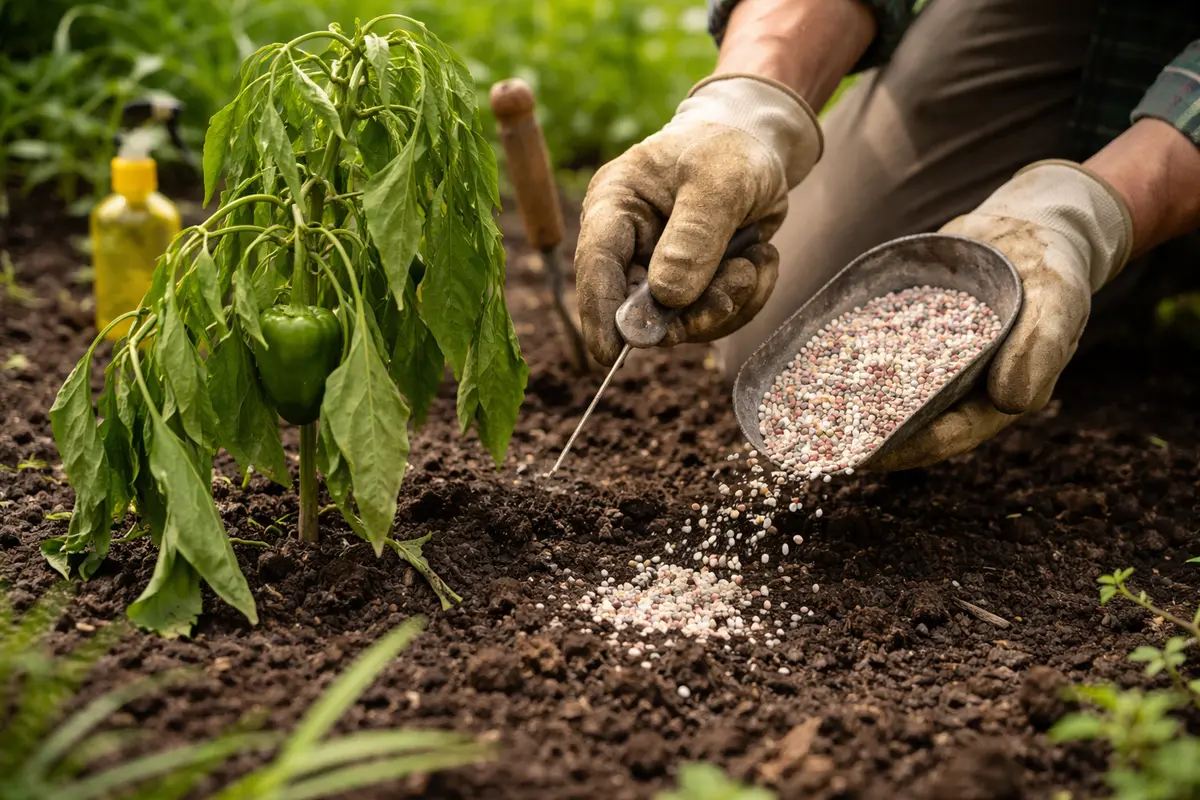
Start by applying a balanced, water-soluble fertilizer at half the recommended strength to promote recovery. You will notice the plants begin to perk up within a week as they receive the necessary nutrients to restore their vigor. This method avoids the risk of further over-fertilization while still providing essential nutrients. Ensure that the fertilizer you choose is labeled for vegetable use, as this will provide the right mix of macronutrients and micronutrients for optimal health.
Once the decline stops, look for visible signs of recovery such as new leaf growth and a return of firmness to the leaves. After ensuring that you’ve flushed out excess salts and restored moisture, applying the fertilizer during the early morning or late afternoon will reduce loss from evaporation and improve absorption rates. Monitor the leaf color to ensure it remains vibrant without browning, indicating the plant is absorbing the nutrients effectively.
If your plants continue to exhibit signs of distress, like persistent drooping or yellowing leaf tips, adjust your feeding schedule to longer intervals. Avoid applying full-strength fertilizer too soon, as it can lead to nutrient burn. Instead, stick to a consistent feeding schedule that allows the plant to absorb smaller amounts over time, supporting healthier regrowth and reducing the risk of further stress.
Step 4 – Maintain Consistent Watering During Growth
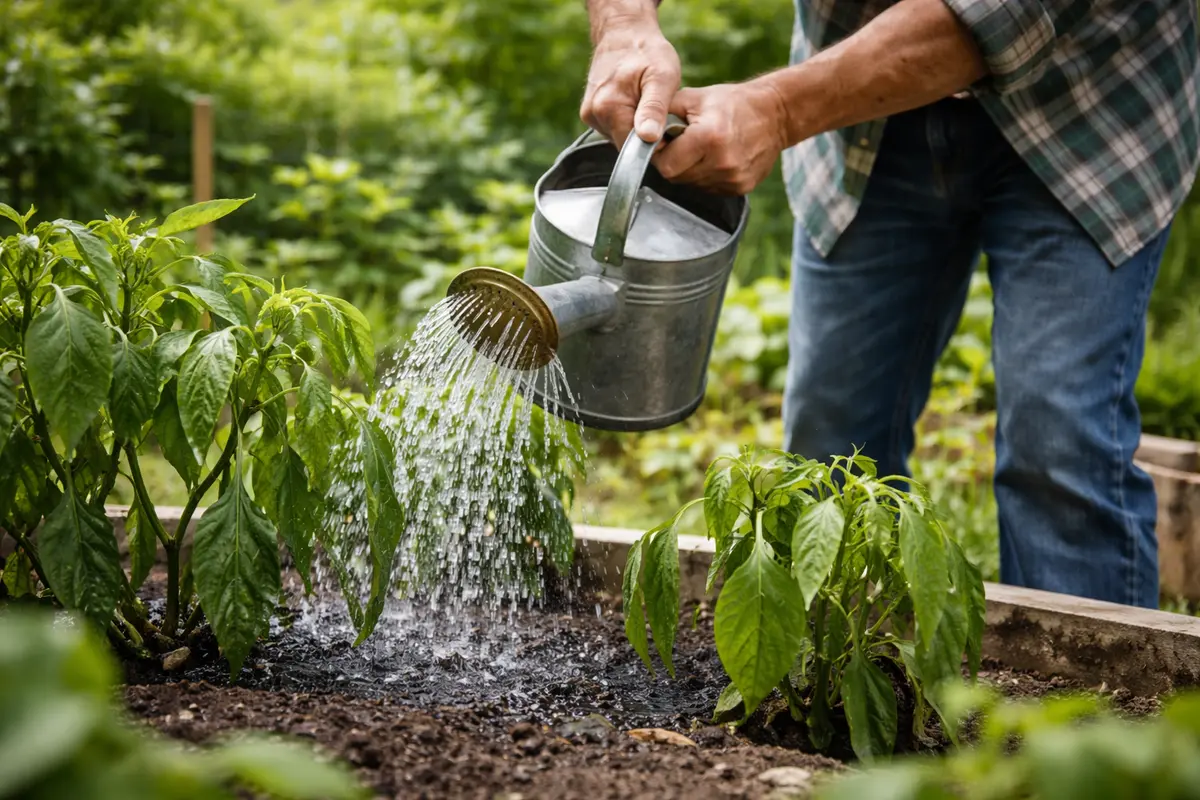
Start by adjusting your fertilization practices by using a balanced, slow-release fertilizer at half the recommended strength. This will prevent over-fertilization, leading to stronger root systems and more resilient pepper plants that won’t droop post-application.
Excessive fertilization, especially nitrogen, can lead to drooping due to nutrient overload. If plants droop even after switching to a gentler formula, check the moisture levels in your soil; overly saturated conditions can exacerbate drooping. In contrast, properly balanced nutrition paired with appropriate watering encourages upright growth without wilting.
As seasons change, consider reducing fertilizer application frequency during cooler months when plant metabolism slows. Alternatively, in hot weather, increase organic matter in the soil to fortify root health and combat dehydration, ensuring your pepper plants remain stable during heat stress.
Drooping after fertilizing often occurs when the soil becomes too compacted or dries out too quickly, leading to stress on the roots. Implementing a regular watering schedule addresses this issue by maintaining optimal moisture levels in the soil, so your pepper plants remain stable and less prone to drooping.
Adjust your watering routine during hot summer months, as high temperatures can accelerate moisture loss. If you notice your plants drooping despite regular watering, check for soil compaction, as this can impede water absorption and worsen the situation.
Excessive fertilization or inconsistent watering can lead to drooping; bright yellowing leaves paired with wilting signal an imbalance. Establishing a routine of moist but not soggy soil helps address the root cause, keeping nutrient levels balanced and roots well-hydrated, preventing a recurrence of drooping.
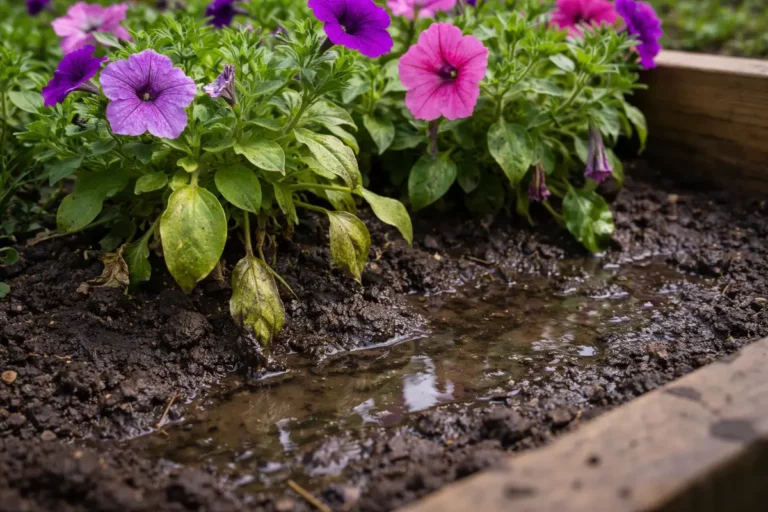
During peak summer heat, adjust your watering schedule to twice daily in the early morning and late evening; this helps counteract evaporation. If drooping occurs after a heavy rain, check your soil’s drainage; if not draining properly, amend the soil with organic material to improve water retention and aeration.
Drooping in pepper plants after fertilizing can occur due to fluctuations in soil moisture and nutrient imbalance. If soil stays too dry or too wet, the plant fails to absorb nutrients properly, causing stress. By watering consistently and allowing for proper drainage, you prevent moisture-related issues that contribute to the drooping condition.
In warmer months, increase your watering frequency, as higher temperatures can lead to quicker evaporation and drier soil. If you notice drooping even after watering, check for root rot, which can occur in overly saturated soils, indicating you may need to adjust your watering routine more precisely.
Environmental factors like high temperatures and insufficient soil moisture can trigger drooping after fertilizing. Incorporating a regular watering schedule directly addresses these issues, preventing the plant from experiencing stress due to dry soil during hot weather. If you observe drooping despite watering, check for signs of root rot or compacted soil that may hinder drainage.
During the hotter months, consider adjusting your watering frequency to accommodate increased evaporation rates. You may need to water your pepper plants more frequently, potentially every day, depending on the heat, ensuring that soil moisture remains consistent without becoming waterlogged.
Over-fertilizing often leads to nutrient burn, where excess salts from fertilizers dehydrate roots and cause drooping leaves. If your plants are drooping after fertilizing compared to when they are well-watered and not fertilized, it indicates a sudden change in their environment due to root stress. This prevention routine balances nutrient intake, addressing the root cause of drooping plants after fertilization.
During hotter weather, reduce the fertilizer amount further and increase watering frequency to prevent stress from drought conditions. If the forecast predicts a prolonged heatwave, adding mulch around the plants can help retain soil moisture and create a cooler root environment.
Maintaining adequate soil moisture is crucial during the growing season, particularly as pepper plants require consistently moist soil to thrive. Too much or too little water can both lead to drooping. Checking moisture levels about 2 inches deep into the soil can help determine when to water next; if it feels dry, it’s time to rehydrate the plants. Use your finger to assess soil saturation; if it clumps together but does not drip, your plants may still need additional water to ensure complete hydration.
Additionally, consider weather conditions—during hot summer days, watering frequency may need to be increased. Conversely, during cooler months, monitor your soil moisture more closely and reduce watering if necessary. Implementing a layer of mulch can also help retain moisture and improve temperature consistency at the soil level, effectively preventing future drooping issues. Visually inspect your garden daily during periods of extreme weather; this should include looking for wilting or drooping, as these can be immediate indicators of water stress. If you do notice wilting again, you might need to check roots or consider adjusting your watering approach to avoid over-saturation.
Step 5 – Inspect Leaves for Signs of Stress Weekly
Begin by checking the leaves weekly for any signs of stress. Observe any changes in leaf color, such as browning edges or curling, which indicate the plants may need your attention. Additionally, assess the underside of the leaves for pests, and examine the overall leaf texture; rough or dried-out surfaces can signal more severe issues. Regular visual inspections can help catch problems early that may have otherwise gone unnoticed.
For the next inspection, look for vibrant green leaves and firm structures as signs of health. If the plants display these characteristics consistently over the following week, they are likely recovering well. However, if the leaves begin to droop again or show new signs of stress, such as increased discoloration or a return of curling edges, further investigation may be necessary. Early detection can help prevent worsening conditions, so pay extra attention after watering.
If recovery signs fade despite following these steps, check for root rot or varying moisture levels, which may be hindering recovery. If this occurs, investigate the soil conditions and adjust watering practices accordingly. Additionally, look for common pests like aphids or spider mites, as these can also stress recovering plants. Should the issues continue despite adjustments, consulting a gardening specialist can provide targeted solutions that improve plant health and yield.
FAQ
Can drooping pepper plants recover from nutrient burn?
Yes, as long as you take prompt action by watering thoroughly to flush out excess nutrients and applying balanced fertilizer. Recovery can take several days, but you should see signs of improvement within a week if all necessary steps are followed correctly. If you continue to notice yellowing or browning, additional soil adjustments might be necessary.
How long does it take for drooping pepper plants to perk up after care?
After watering and fertilization, expect visible improvement within 3-7 days, with leaves starting to firm up and stand upright as the plants regain health. Consistent follow-through with care will ensure quicker recovery times, and this includes maintaining proper soil moisture and nutrient balance.
Should I remove drooping leaves from the plant?
Remove any severely damaged leaves only if they don’t recover after follow-up care. Lightly drooped or discolored leaves may still recover if the underlying issues are addressed appropriately. Monitoring the plants consistently post-removal can guide your future care decisions. Regular inspections and adjustments based on the plant’s response are essential to restoring overall health.