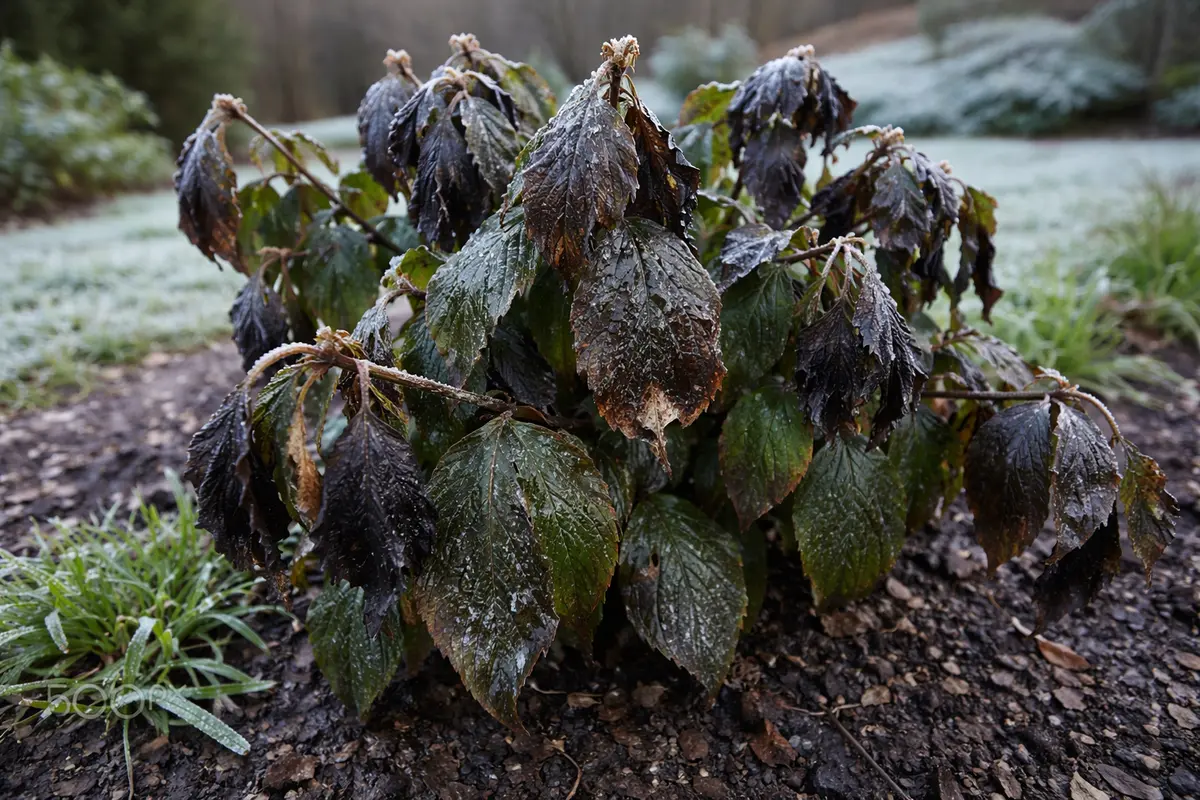
You may notice your viburnum looking distressed and wilting after a cold snap, which is why you need to know why is my viburnum wilting after a cold snap. This wilting can occur due to cold damage, which causes the leaves to droop and become unhealthy. If left unaddressed, this condition gets worse, leading to more damage and potentially weakening the plant. Fortunately, you can fix it now by checking for damaged branches, trimming them back, and adjusting your care regimen.
Step 1 – Inspect Viburnum for Frost Damage
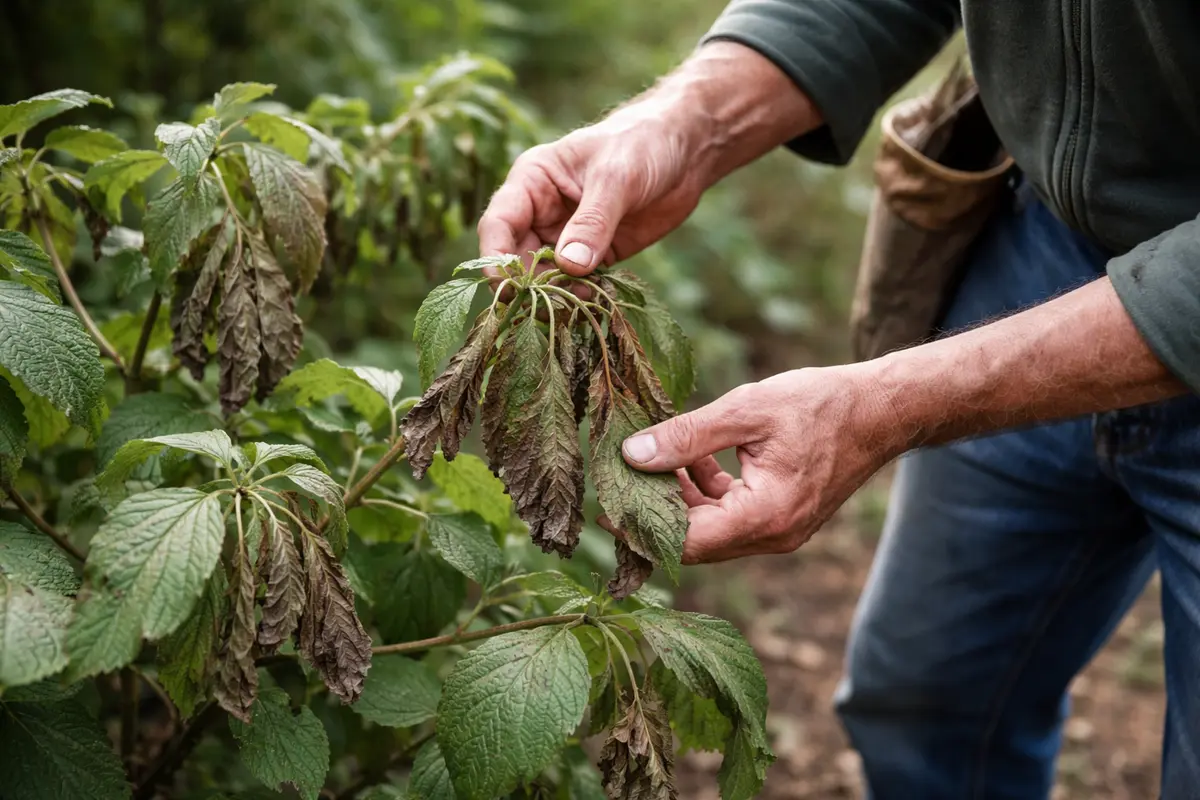
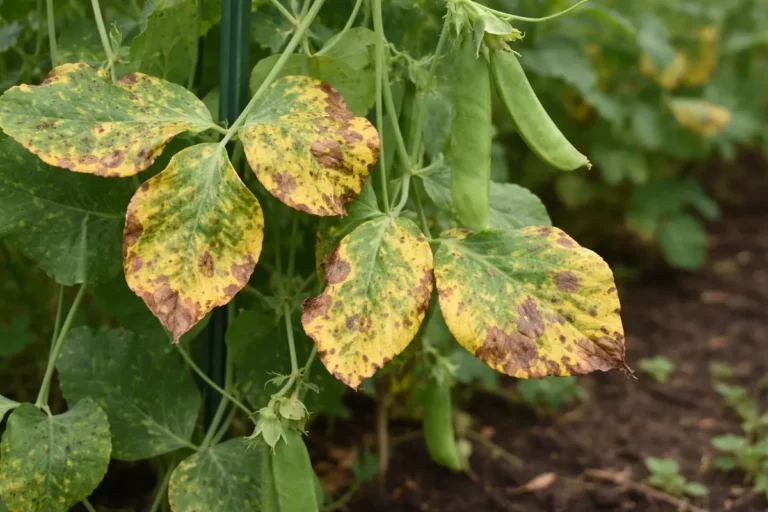
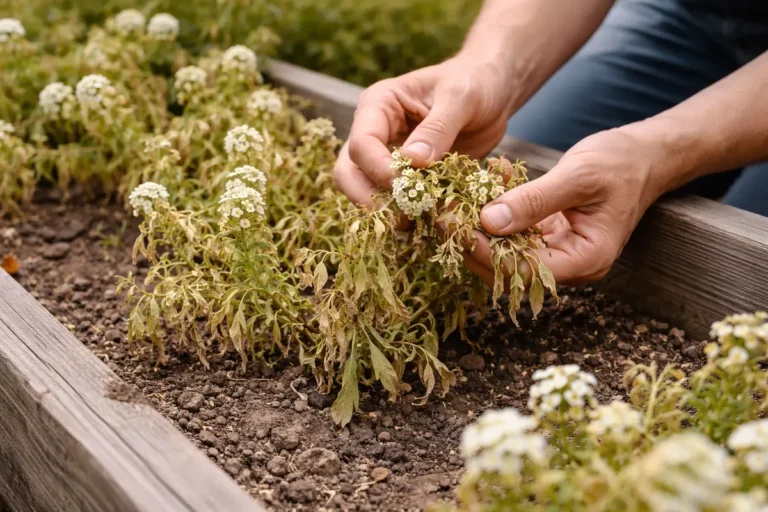
Start by inspecting the viburnum for visible frost damage, focusing on leaves and stems. You should see discolored, limp, or blackened leaves and possibly stalks that feel weak or mushy. Identifying these signs quickly can set the stage for effective recovery strategies. To increase visibility, inspect under leaves where frost impact might not be immediately apparent—this can reveal curling that often accompanies frostbite. If any canes have a soft, squishy feel, this might indicate deeper tissue damage.
Frost can severely affect a plant’s cellular structure, causing cells to rupture and resulting in damage that prevents proper nutrient and water uptake. When temperatures drop unexpectedly, the water within plant cells freezes, expanding and leading to tissue ruptures. Indoor or sheltered viburnums may show less damage, but those outdoors could exhibit more extensive symptoms. If your viburnum is potted and kept indoors during the frost, but then returned to outdoor conditions without gradual acclimatization, it could be susceptible to additional stress and failure. Remember, sudden shifts from indoor warmth to cold can shock the plant, exacerbating wilting. If these fluctuations occur frequently, the viburnum may suffer cumulative stress resulting in delayed recovery.
A common mistake at this stage is assuming that all visible damage is superficial; some might overlook underlying root issues caused by frost. If you see drooping leaves but the stems appear firm, there might still be root damage that needs attention. This differentiation is crucial as it informs your next steps in recovery. Checking the soil temperature with a thermometer can also help identify how deep the cold has penetrated and whether roots are still at risk, informing your immediate action. If the root zone remains too cold, roots may not uptake water effectively. If you notice leaves beginning to fall prematurely, that indicates stress has crossed into the severe range, necessitating urgent care to minimize lasting damage. Identify which branches are dead or damaged—this helps prioritize your pruning efforts.
Step 2 – Diagnose Causes of Wilting Viburnum
Examine the roots and soil moisture levels to diagnose possible causes of wilting, especially after cold exposure. Digging down a few inches helps you check if the roots feel mushy, which indicates root rot; if they are firm and healthy, the problem may be related to drainage or a lack of nutrients. Identifying the specific issue allows you to choose the correct corrective measures effectively. Soil testing strips can help confirm pH or nutrient deficiencies that might be complicating recovery. If roots have a tight circle or constriction where they grow in the pot, this could signal that they are pot-bound and require repotting to allow for proper growth and health.
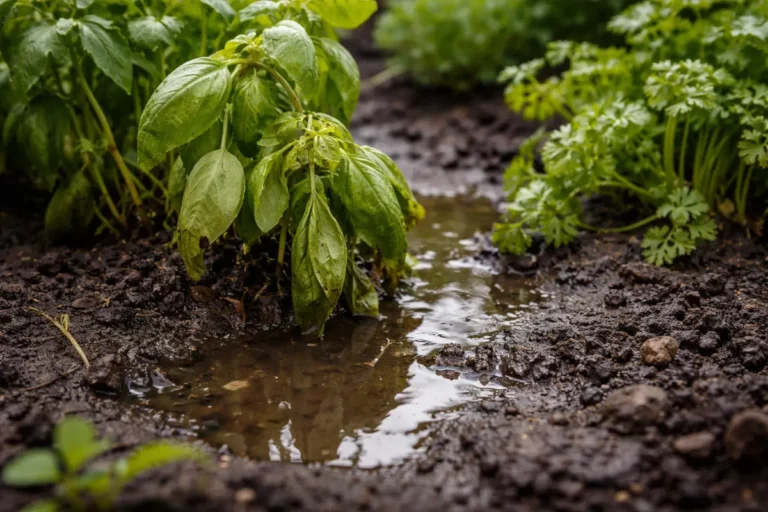
Roots that have sustained frost damage may struggle to absorb water, leading to wilting—this occurs because damaged root systems cannot undergo proper respiration, which hinders nutrient flow to the plant. Additionally, poorly drained or overly saturated soil can worsen this problem, as roots are then deprived of oxygen needed for recovery. If the soil feels compacted or has standing water, a show of darkened areas where the roots meet the soil can indicate poor drainage that hinders recovery. When you dig up roots, they should not have a blackened appearance— this suggests rot. Even with proven drainage, if your viburnum continues to display wilting feelings after watering, it could signify ongoing necrosis in the root system. If the rot remains unchecked, it can lead to systemic failure.
If your viburnum shows signs of dehydration but the soil is wet, testing the drainage could provide insights—replace heavy soils with faster-draining mixes to improve aeration. If the soil is overly dry, adjust the watering schedule based on weather changes rather than a set routine. On the other hand, if roots are mushy, trimming affected areas can help prevent the spread of decay further up the plant. This dual approach of identification and prompt action enhances the chances of successful recovery, avoiding the potential for root pathogens to compound the situation. Be cautious; if roots appear brown or fall apart upon touch, refrain from applying more water until you’ve addressed potential rot, as excess water could exacerbate the issue.
Step 3 – Water Viburnum to Aid Recovery After Cold Snap
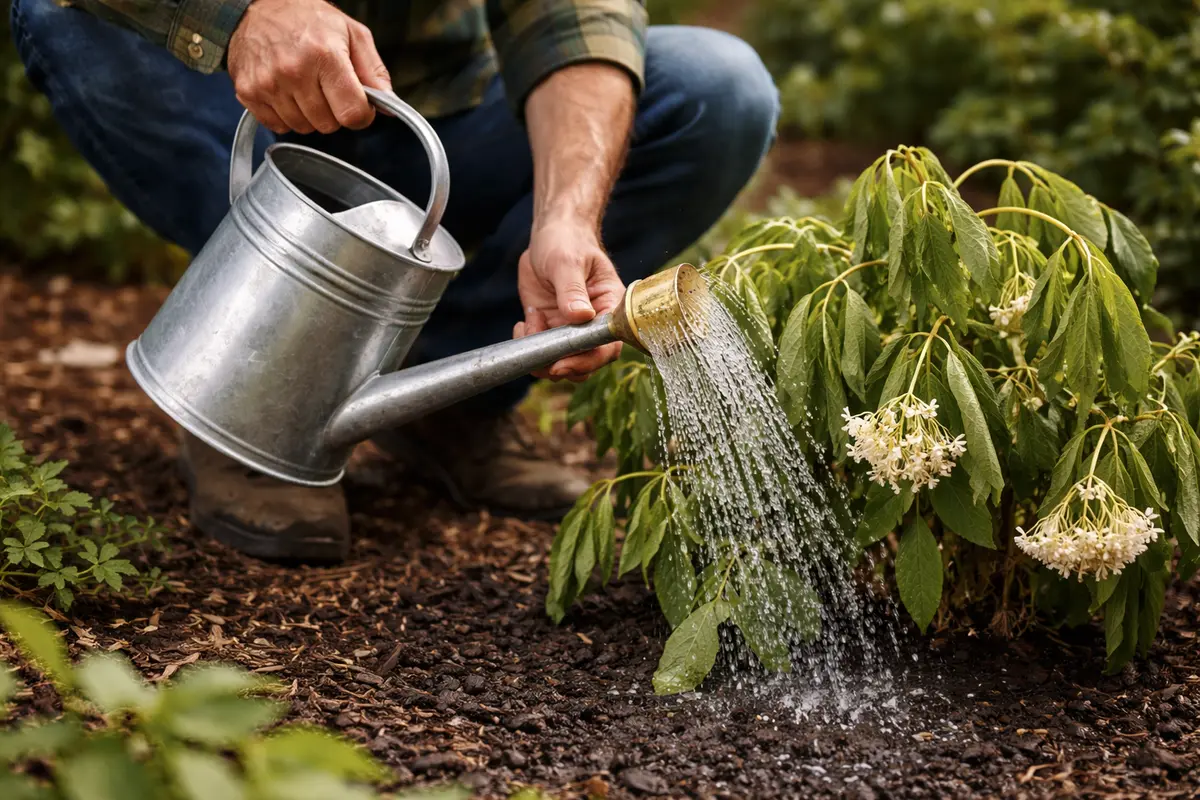
Water your viburnum deeply, ensuring moisture penetrates down to the root zone—approximately 12 to 18 inches deep for optimal hydration. You should notice leaves becoming more perky within a few hours as they rehydrate. This quick response is essential to restoring vigor and ensuring that roots begin to recover effectively, especially after frost stress. A slow drip irrigation method or watering can serve to distribute moisture evenly without overwhelming the already stressed root system. If using a drip line, ensure it saturates evenly across the root zone; any dry spots indicate uneven moisture absorption, warranting additional intervention. If the water bypasses the intended target area due to compaction, roots may remain dry and stressed.
This watering process helps restore balance to the plant because moisture is essential for cellular function after frost damage. As roots regain their ability to absorb water, the overall vigor of the plant improves, leading to new leaf formation and the resuming of healthy growth. Regular watering, especially in the days following a frost event, is critical for recovery. Consider checking moisture levels every few days; if the upper two inches of soil feel dry, it’s time to water deeply again. If symptoms of dehydration persist after watering, observe the root’s absorption capability and check for potential blockages. If the roots remain weak after watering, consider top-dressing with a balanced fertilizer to assist in nutrient intake.
When watering, avoid over-watering soon after thawing, as it can lead to further root issues. Monitor the soil’s moisture level; if it feels soggy days after watering, it may indicate that ongoing drainage issues need addressing. Check the soil moisture about three inches below the surface for clues; if it’s still wet there, hold off on further watering to prevent decay and to avoid waterlogging the roots. Be aware that the roots require a balance of moisture and air to function optimally; if watery conditions persist, this could further stress the plant. Your viburnum should continue to improve with proper moisture levels established, but keep an eye out for signs of mold or mildew, which can arise from overly moist conditions, especially in shaded environments.
Step 4 – Check Viburnum Leaves for Signs of New Growth
Check once a week for any new growth on your viburnum and monitor the soil moisture closely. You should expect to see fresh, vibrant green leaves beginning to sprout as the plant recovers. Regular monitoring is vital to ensure the plant is healing effectively and helps catch any further issues early. If growth remains stunted for over two weeks with no signs of recovery, that could indicate ongoing systemic issues that require further investigation. It’s crucial to note that new leaf sets should be firm and robust; limp or discolored new growth indicates that stress is persisting, and further intervention may be needed. If the new growth only presents on some branches, that may point to specific areas suffering more damage than others, directing your care focus.
A fully recovered viburnum will exhibit healthy, firm leaves and strong new shoots, in contrast to soft or discolored foliage that signals trouble. Watch for any enlargements in leaf size or varying greenery hues, which indicate recovery; new shoots should appear thick and robust, contrasting the previously weak and limp growth. If new growth stagnates or you see yellowing leaves return, it may signify that further intervention is needed, such as adjusting watering or fertilizing. Regular leaf checks serve not just for appearance but as an early warning system for other underlying problems. If you see signs of curling or spots on new leaves, that often points to pest issues or fungal diseases requiring your attention. Early intervention at this stage could mitigate larger infestations.
If problems reoccur despite following your care plan, consider examining for pests or diseases that may complicate recovery. Conduct weekly checks for signs of infestations such as webbing, visible insects, or discolored spots on leaves. If you notice these issues, consult organic pest control options suitable for viburnums. It’s worth noting that some stress symptoms, like yellowing leaves, can also mimic nutrient deficiencies; thus, consider balanced nutrient applications as part of your remedy. Sometimes, environmental factors outside your control, like fluctuating temperatures or excessive winds, may require additional protective measures to safeguard the plant, such as a frost cloth during cold nights. Using a frost cloth can prevent temperature drops when they are forecasted, and it should be removed during the day to allow sunlight through for proper photosynthesis.
FAQ
How long will it take for my viburnum to recover from frost damage?
The recovery timeframe for your viburnum may range from a few weeks to several months, depending on the extent of the frost damage and how quickly you respond. Regular monitoring and care greatly influence recovery time—typically, you should expect to see signs of new growth within several weeks if conditions improve. Ideally, focus on care in the weeks immediately following frost. If no change is evident by three weeks of focused treatment, consider consulting a professional if your viburnum exhibits severe symptoms such as blackened stems or complete leaf drop. A close watch can help identify whether stress persists or has abated, guiding any adjustments needed in care.
Can I prune damaged leaves off my viburnum?
Yes, you can trim off any severely damaged leaves or stems to encourage new growth. Ensure you use clean, sharp pruning tools to avoid introducing pathogens. Pruning can help reduce stress on the plant and direct its energy toward recovery, especially if browning leaves are directing resources away from healthy areas of the plant. When pruning, focus on removing any parts that feel mushy or exhibit signs of rot. Additionally, consider sterilizing your tools after each cut to prevent bacteria transfer from diseased sections. If needed, apply a fungicide as a preventative after pruning to reduce infection risk, particularly in areas with high humidity where fungal diseases are more prevalent.
Will my viburnum’s health be permanently affected after wilting?
While some effects of wilting may persist, many viburnums can fully rebound if proper care is provided. Healthy regrowth depends largely on your immediate response and continued maintenance—providing balanced nutrients and moisture enhances overall plant recovery. Keeping an eye out for any pests or diseases during recovery is also crucial to ensuring long-term health, particularly during the active growing season when pests tend to flourish. If the recovery seems slow or problematic, consider professional advice to diagnose potential diseases beyond typical frost damage before resorting to harsher corrective measures, such as chemical treatments that could further stress an already struggling plant.