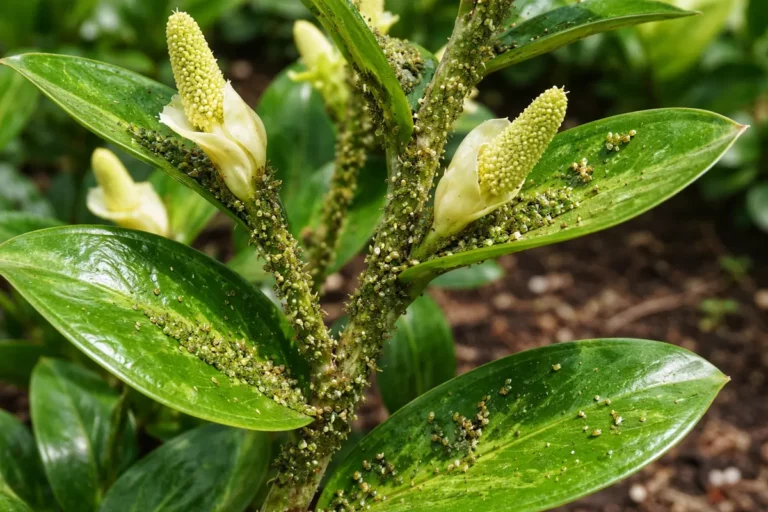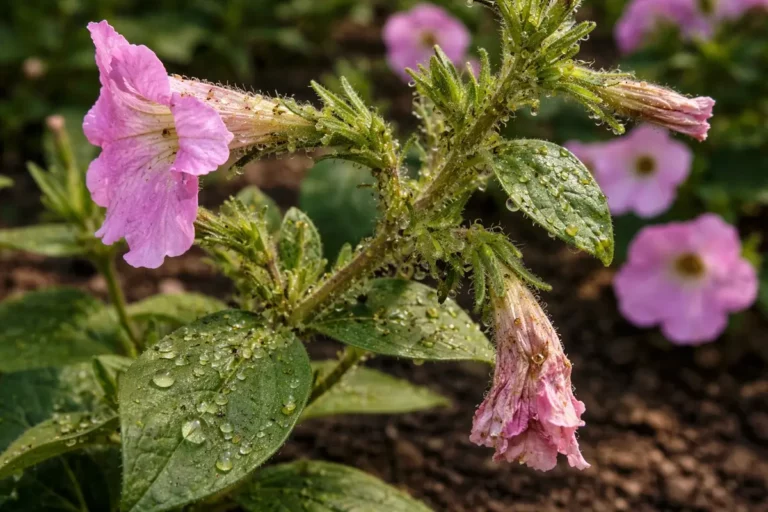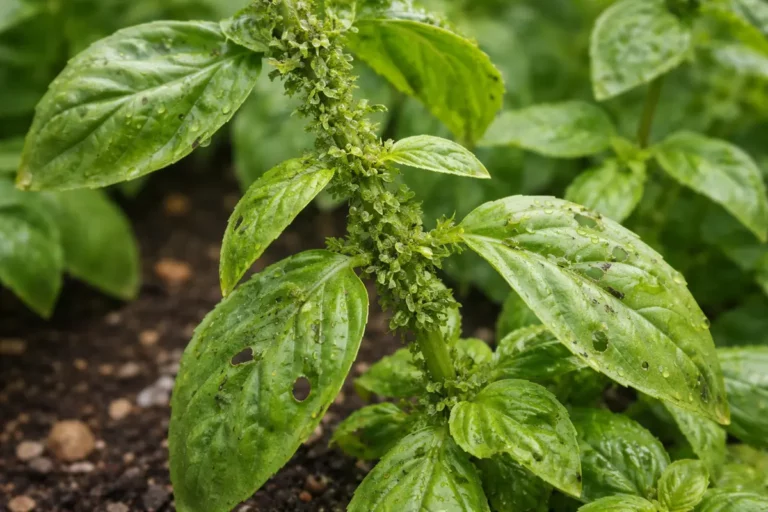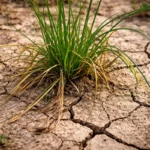
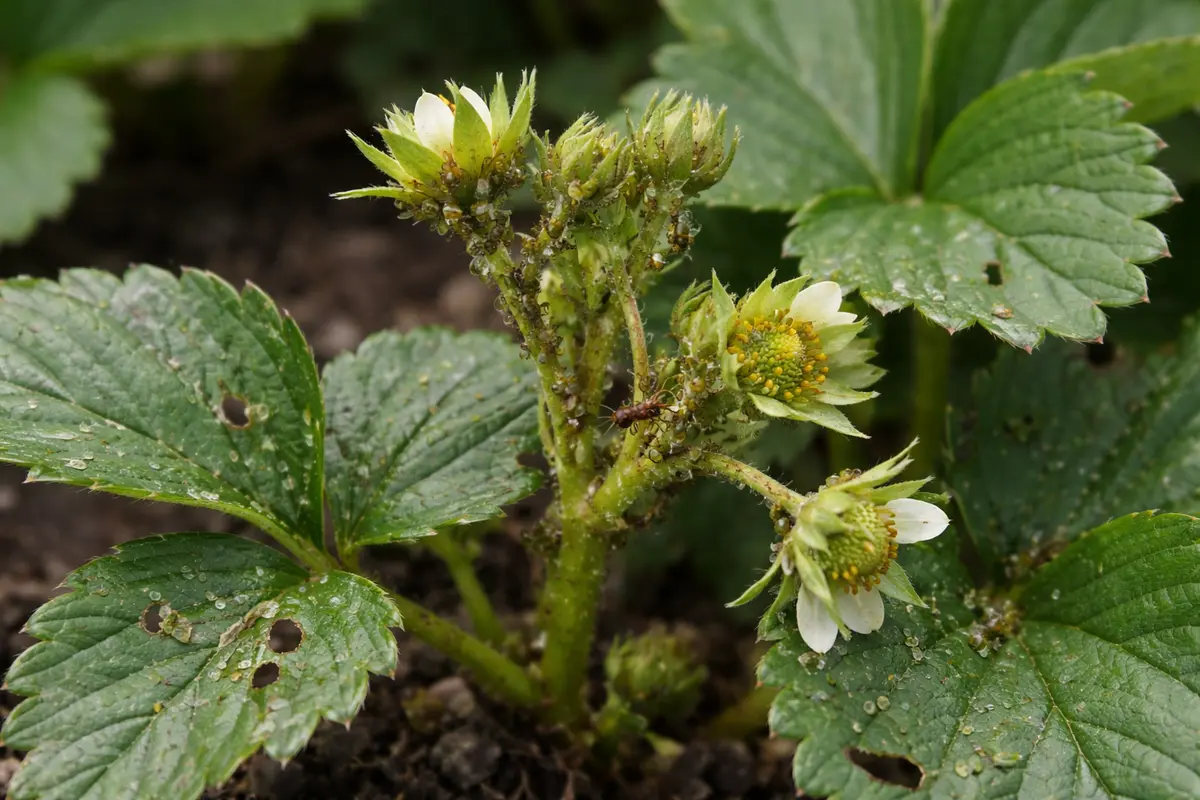
You may notice white spots and wilting leaves on your strawberry plants during the warm spring days, which is why you need to know how to stop pests on strawberries during flowering season. These pests can cause significant damage by sucking the sap from the plants, leading to yellowing and drooping foliage. If left unchecked, the infestation can spread and weaken the plant, making recovery harder; however, fixing it is possible now if you inspect regularly and remove any visible threats.
Step 1 – Spray Neem Oil on Flowering Strawberries
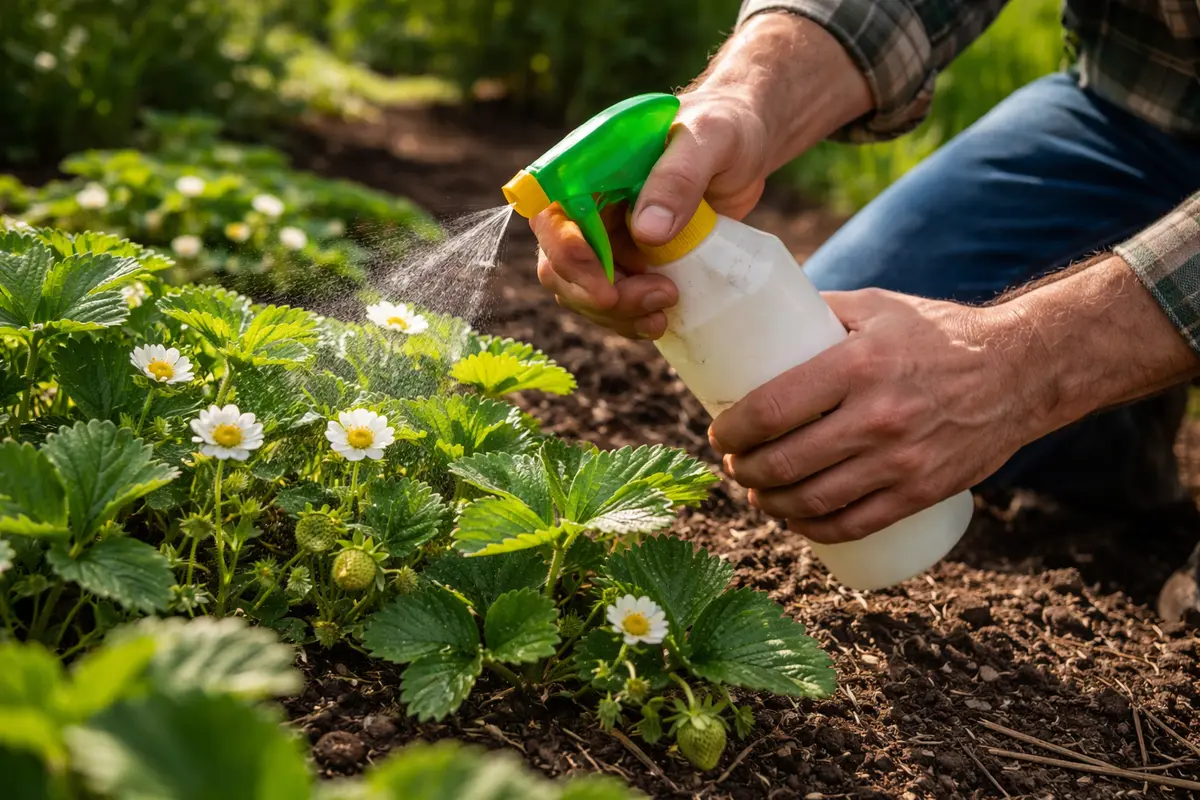
Start by applying neem oil to the leaves and flowers of your strawberries. You will see the pest activity slow down within 24 hours, as the oil disrupts their feeding and growth patterns. It is essential to prepare the neem oil solution correctly, usually mixing 1-2 tablespoons of neem oil per gallon of water for effective application. Make sure to shake the mixture well before use to ensure proper emulsification, which allows the oil to work more effectively against pests.
Neem oil acts as a natural pesticide and is derived from the seeds of the neem tree, effectively targeting a variety of pests, including aphids and spider mites. When you spray neem oil, it coats the insects, suffocating them while also interfering with their hormones and reproduction. The sooner you apply the solution, the more effective it will be; delaying this treatment may result in greater infestations that can severely affect your fruit yield. Additionally, keep an eye on the weather after application; neem oil can be less effective if rains occur shortly after application. If you notice rain in the forecast within 24 hours, be prepared to reapply more frequently to maintain its effectiveness.
A common mistake many gardeners make is not using a sufficient amount of neem oil or spraying during peak sunlight hours. Always apply neem oil during cooler parts of the day—such as early morning or late afternoon—to prevent leaf burn and ensure full coverage. This is pivotal as the oil needs to coat foliage thoroughly. If you notice residue left over after application, it may signal that too much oil was used; while some stickiness is normal, excessive oil can encourage mold and prevent photosynthesis. A thin, even layer is crucial. Also, consider testing on a small leaf first; if there’s no adverse reaction within 24 hours, you can apply it to the rest of your plants. If this initial test reveals any signs of burning or wilting, consider diluting the solution further or monitoring closely for adverse reactions before applying it widely.
Step 2 – Check for Aphids on Strawberry Foliage
Next, inspect the foliage for any signs of aphids. You should observe any populations of these pests visibly clustered on the undersides of leaves or around flower buds. Look out for shiny leaves, as this is a key indicator of aphid presence due to the honeydew they excrete. If you see shiny patches on the leaves without any visible insects, it may indicate a recent infestation that needs immediate attention.
Aphids are small, soft-bodied insects that can be green, black, or brown, and they suck the sap from the plants, which can weaken them significantly. By identifying these pests early, you can take action to prevent them from causing substantial damage to your strawberry plants. If left unchecked, they can stunt growth and even transmit viral diseases, which can be devastating during the flowering stage. Regular monitoring of not just the undersides of leaves but also the flower buds is important, as aphids often target new growth where the plant is most vulnerable. This means checking every 2-3 days can catch new infestations quickly; if you ever find a single cluster, treat it immediately to prevent escalation.
If you find a small number of aphids, consider washing them away with a strong spray of water. This method can often dislodge them effectively without introducing chemicals. Aim the spray firmly enough to dislodge the aphids but avoid damaging plant tissues. However, for larger infestations, you may want to resort to insecticidal soap or additional sprays. Be sure to assess whether the soap is compatible with your spraying schedule for neem oil to avoid harsh combinations that could harm the plants. If you choose insecticidal soap, ensure it’s applied in the evening when temperatures cool, which helps minimize the risk of harming beneficial insects like bees and ladybugs. Lastly, conducting a follow-up inspection after any treatment is critical, as persistent populations may require a more aggressive or alternative method. If aphids reappear after treatment, consider rotating between different methods or chemicals to prevent the pests from developing resistance.
Step 3 – Water Strawberries to Revive Dwindling Blooms
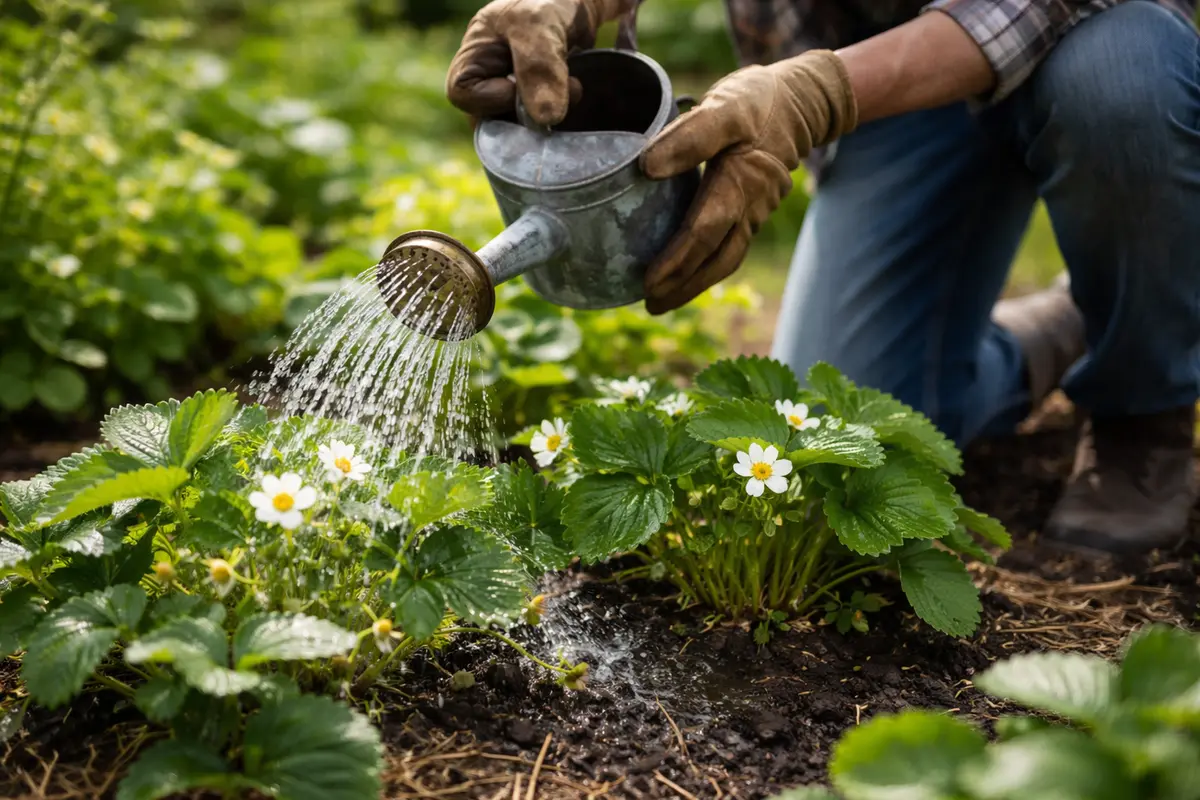
Water your strawberries thoroughly to help revive any wilting blooms. You will notice the blooms perk up significantly within a day or so, indicating they are regaining vitality. Ensure you are providing at least 1-2 inches of water per week, especially during flowering, so the plants don’t experience any water stress. This hydration can support the plants in effectively combating pests by maintaining their health. Use a moisture meter or stick your finger into the soil to the knuckle depth; if it feels dry, it’s time to water.
Strawberries require consistent moisture, especially when they are flowering and developing fruit. Insufficient water leads to wilting leaves and stress during a critical growth period. When you water deeply, this encourages the roots to develop more robustly, which can help the plants better withstand pest pressures and environmental stresses. If conditions are too dry, the flowers may drop prematurely, leading to significant reductions in yield, especially prevalent during heat waves. Observing the soil moisture is crucial; if the top inch of soil feels dry, it’s time to water. Always aim for consistent watering schedules, particularly in periods of high heat. If you notice that one part of your strawberry patch appears drier than others, assess the drainage as well, as irregular watering could indicate underlying issues.
A key thing to avoid during this stage is overwatering, as this can lead to root rot. Monitor plants carefully in conditions that seem consistently moist or during prolonged rainy spells, as strawberry roots are particularly sensitive. If you’re in cooler conditions or have heavy clay soil, check for signs of moisture retention before saturating the soil. You can take a soil sample: grab a handful of soil from the root zone, and if it sticks together like a ball when squeezed, then the soil is likely still wet enough. Conversely, if the soil crumbles, then water is necessary. If moisture feels consistent and the plants are still wilting, it may indicate underlying root or pest issues needing further investigation. Apply water close to the base of the plants instead of overhead to avoid fostering fungus on the leaves.
Step 4 – Mulch Around Strawberries to Deter Pests
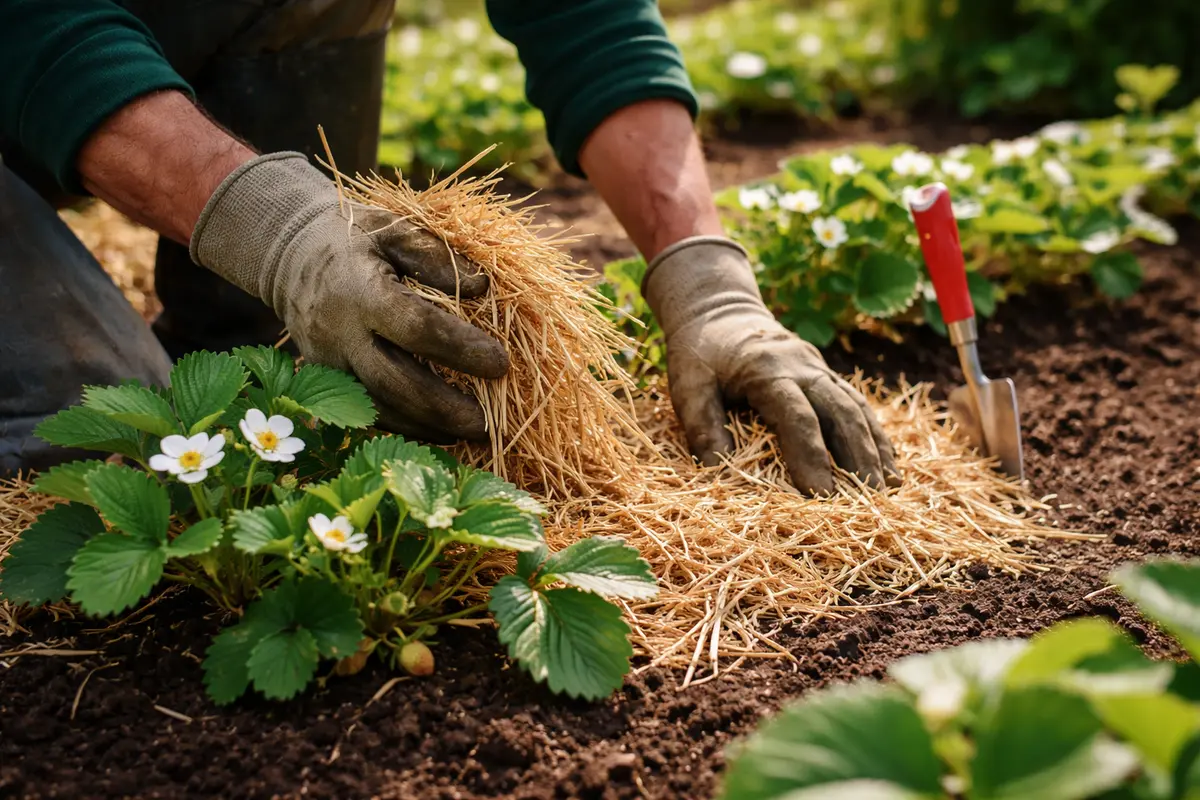
Apply a layer of organic mulch around your strawberry plants. You will notice improved soil moisture retention and reduced pest populations as the mulch creates a barrier against soil-dwelling pests. Aim for a 2-3 inch layer of straw or wood chips to minimize weeds and retain soil moisture effectively. Make sure to regularly refresh the mulch to maintain its protective effects, especially after rain or wind.
Mulch serves several purposes: it suppresses weeds, maintains soil moisture, and creates a cooler root environment during hot summer months. This is critical during flowering, as strawberries are sensitive to extreme soil temperatures. A healthy root zone can keep the plants vigorous and less susceptible to pest infestations. Additionally, mulching can deter certain insects from laying eggs nearby, effectively preventing further pest issues. For instance, some ground beetles lay eggs in bare soil, while a thick layer of mulch can help keep them away from your plants while also protecting against erosion and soil compaction. Also, mulched areas tend to encourage beneficial microorganisms, which improve soil health.
As a routine, apply mulch at the start of the growing season and replenish it every few weeks to maintain its effectiveness. Select your mulch type carefully; avoid fresh wood chips, as they can attract pests themselves. Instead, opt for aged mulch that has already begun to decompose, enhancing soil nutrients while providing a robust barrier. This aged mulch breaks down over time, providing additional nutrients to the plants while ensuring a consistent environment. Be cautious, however, not to pile the mulch too high against the stems, which can promote rot and pest harboring. Keep it about two inches away from the base of the plants to allow ample air circulation while also maintaining moisture levels.
Step 5 – Inspect Flowers for Pest Activity After Treatment
Start by monitoring your strawberries at least every few days during flowering season. Check for signs of pest presence such as holes in the leaves, white webbing from spider mites, or sticky residue from aphids. Look for any shifts in the flower development that may indicate stress, as noticing these changes early can significantly improve recovery chances.
A fully recovered strawberry plant will exhibit vibrant green leaves and abundant flowers, with a smooth texture free from discoloration or pests. In contrast, early signs of trouble may include wilting flowers with blackened edges or leaves that curl and become brown. If you notice weak stems or a return of sticky residues, it’s crucial to act promptly.
If the pest problem reappears despite your efforts, apply an organic insecticidal soap to target the bugs directly and recheck the plants weekly for any renewed symptoms. If issues persist after a week of treatment, consider consulting a local extension service for more advanced pest management strategies tailored to your area.
Healthy strawberries will exhibit fresh, vibrant blooms and leaves that are free from pest residues or discoloration typically associated with infestations. If the leaves appear to be wilting or if you notice sticky residue or discolored patches indicating pest presence, you may need to reconsider your treatment plan or take additional control measures. Observing changes frequently is critical, as early detection can significantly help in mitigating another outbreak—especially if the plants have already been stressed by previous treatments. It’s important to note that treatment success can vary based on environmental factors and pest type; if conditions are particularly humid or the temperatures fluctuate widely, these factors can predispose plants to recurring pest issues.
If you notice any pests returning after fully following the treatments, it might be time to consider stronger integrative pest management methods or consult a local expert for tailored advice. Keeping a record of what treatments were applied and their outcomes can help identify trends and improve your strategy for ongoing pest control. For instance, you may find that certain combinations work better depending on the weather conditions, or that subsequent treatments need to be spaced out differently during particularly hot or humid spells. Needing to rotate treatments is sometimes necessary, as pests can develop resistance to specific controls over repeated use. Beyond depth and variance, further consult any community gardening resources that may provide region-specific guidance in managing pests effectively.
FAQ
How long will it take for my strawberries to recover after applying neem oil?
Recovery from pest damage can vary, but typically, you should see improvement in vital growth and vitality within a few days after applying neem oil. Consistent care, including proper watering and additional treatments, can further hasten the recovery process. If conditions are unusually hot or dry, bolstering the moisture levels can expedite the recovery, as stressed plants take longer to bounce back. The recovery time can also depend on how severe the pest damage was; reasonably healthy plants will respond much faster.
Can pests spread to other plants during flowering season?
Yes, pests such as aphids can easily spread to nearby plants during flowering season, increasing the likelihood of infestations. Monitoring your garden regularly and implementing treatments as soon as you notice any signs can help prevent this issue. Pay special attention to companion plants that may aggravate the spread or attract pests; those planted in close proximity may be more vulnerable. Furthermore, the use of barrier methods, such as row covers or reflective mulches, can effectively deter pests from migrating between plants.
Should I remove any affected flowers from my strawberry plants?
Yes, removing severely affected flowers and leaves can help decrease the likelihood of further pest issues and promote overall plant health. This is particularly important if the damage has advanced considerably, as it prevents pests from laying eggs in the remaining healthy plant parts. Be vigilant; the timely removal of affected flowers can redirect the plant’s energy into producing new blooms rather than maintaining damaged areas. It’s also wise to dispose of the removed flowers away from the garden area to avoid re-infestation.