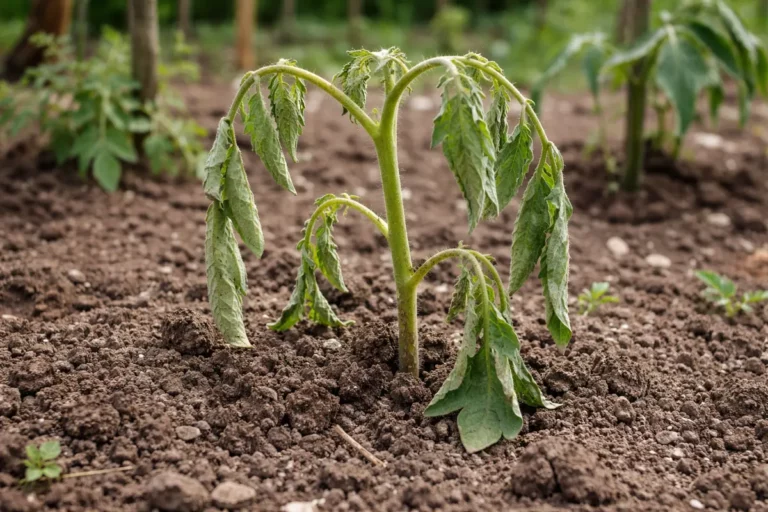
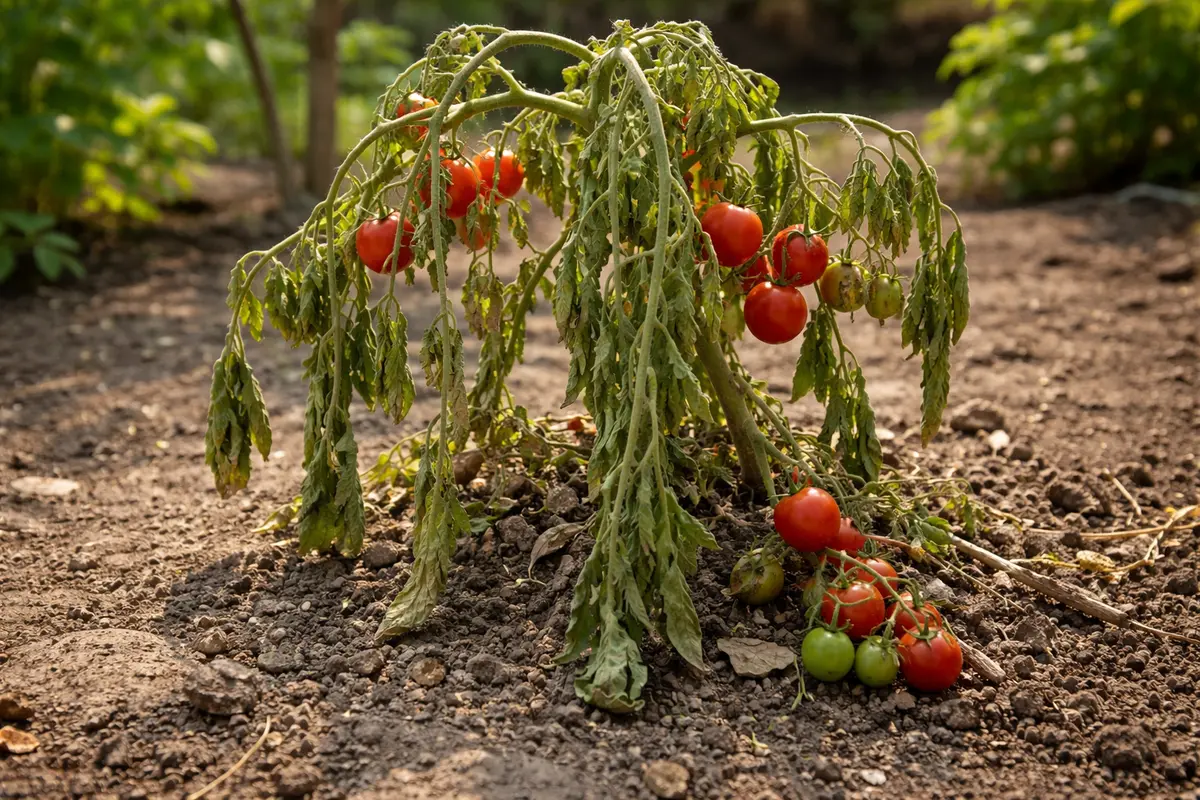
You may notice that your cherry tomato plants are drooping and exhibiting signs of stress during the hottest days of summer, which is why you need to know why is my cherry tomato plant wilting in hot weather. This wilting often occurs due to water loss and increased transpiration, leading to yellowing leaves and overall decline. If left unaddressed, this stress only gets worse and can weaken the plant, making it harder to recover later; however, you can fix the issue now by checking the soil moisture, watering deeply, and adjusting any nearby shading.
Step 1 – Water Your Cherry Tomato Plant Immediately
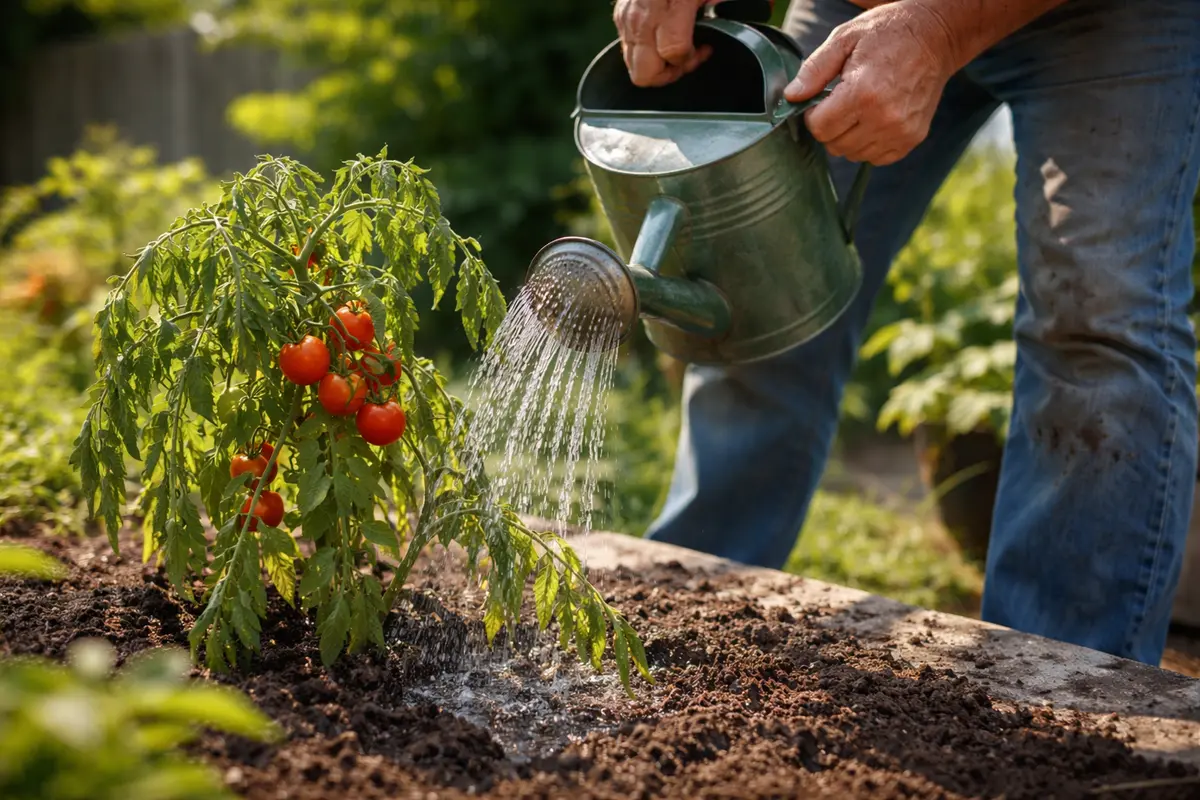
Water the cherry tomato plant deeply to saturate the soil around the roots. You will notice the leaves starting to perk up within a few hours of irrigation. To ensure effectiveness, water until the soil is moist to a depth of around 6 inches, checking with a finger or moisture meter. If the soil feels dry at that level, then you need to add more water until you see excess water flowing out of the drainage holes of the pot. Depending on the size of your cherry tomato plant and pot, it’s best to use about 1 to 2 gallons of water. For instance, a large pot might require 2 gallons, while a smaller container may need only 1 gallon.
Acting swiftly to water your plant helps revive the wilting foliage by replenishing moisture in the soil and making it readily available for root uptake. If the soil is too dry, the roots cannot absorb enough water, leading to visible wilting of leaves. This wilting occurs as the plant draws internal water reserves to maintain vital functions. Keeping on top of your watering routine can save your plant from further deterioration. Ensure thorough watering during extreme heat days, ideally in the morning when evaporation rates are lower, as this timing allows roots to soak up moisture effectively throughout the hottest part of the day. If conditions are exceptionally dry, aim to water again in the late afternoon to further reduce heat stress.
Many gardeners mistakenly think that watering a little bit each day is sufficient; however, this can create shallow root systems. Shallow roots may not extend deep enough to access moisture during long dry spells, leading to continued wilting. Deep watering allows the roots to anchor down into the soil, accessing a more stable moisture source. If your soil feels hard and cracked, it indicates an urgent need for closer attention to your watering habits. Adjust your watering schedule to ensure a deep soak every 3-4 days during heat waves. Pay attention to the symptoms: if droopiness returns shortly after watering, it may point to drainage issues. Validate drainage holes to ensure they are not blocked, as this can lead to water pooling on the surface, preventing proper root absorption. Test the soil’s moisture content by inserting a long screwdriver; if it meets resistance, the soil is too hard, triggering the need for immediate action. Additionally, if you notice a foul odor from the soil after watering, it may indicate root rot due to overwatering, requiring you to halt watering until the soil dries out significantly.
Step 2 – Assess Heat Stress Impact on Tomato Leaves
Inspect your tomato leaves for discoloration or curling, which may indicate heat stress. If you identify leaf edges curling upwards or leaves that are drooping even after significant watering, adjust your plant’s environment or watering schedule promptly. A typical sign of heat stress includes pale or yellow leaves, indicating the plant is unable to maintain adequate hydration. You may notice symptoms such as leaf tip browning, which may appear within a few days of heat exposure.
Heat stress occurs when temperatures rise above 90°F for extended periods, causing the plant to lose more water through transpiration than it can absorb. In this situation, curled or yellowing leaves signal the plant’s distress and an urgent need for remedial action. Understanding this mechanism will allow you to correct environmental factors such as sunlight exposure and shade, helping the plant recover sooner. If the heat stress continues, high temperatures and dry conditions can lead to reduced fruit set and fallen blossoms, which directly impacts your harvest, potentially reducing your yield substantially. If you notice that leaves are curling and perhaps turning dark, it is essential to consider using shade cloth or lightweight mesh that can block direct sunlight during peak hours, ideally from noon until 4 PM when the sun’s intensity is highest.
If leaves appear brown and crispy alongside yellowing, it likely indicates severe thermal damage, where the plant may be struggling to photosynthesize effectively. On hot days, provide temporary shade by placing your plants under an awning or moving potted plants to a more sheltered location. If shade is provided after wilting starts, the plant often takes less time to recover. It’s beneficial to assess the moisture levels of the nearby soil regularly; if the ground is dry, it can exacerbate the situation. If conditions become too severe, consider relocating potted plants to a shaded area during the hottest periods. This proactive measure helps minimize damage and maintains your plants’ health during extreme weather fluctuations. If the situation remains unaddressed for too long, some leaves may not recover and will need to be pruned to redirect energy to healthier foliage. In cases of severe wilting, it might be wise to check for pests, as aphids and spider mites can exacerbate the effects of heat stress by feeding on the plants, leading to additional wilting and deterioration.
Step 3 – Revive Wilting Tomatoes with Balanced Fertilizer
Start by watering your cherry tomato plant deeply, ensuring the soil is saturated but not waterlogged. Within a few hours, you should notice the leaves starting to perk up, indicating immediate relief from dehydration. To prevent future wilting, establish a routine of watering early in the morning or late afternoon when temperatures are cooler, and mulch the soil to retain moisture effectively.
Recovery may take up to a few days, with visible signs of improvement such as new leaf growth and revived leaf turgor. If your plant’s leaves look yellow or dry despite proper watering, it likely indicates root damage from prolonged heat exposure. If you see wilting returning even after watering, check for soil drainage issues that prevent roots from accessing moisture.
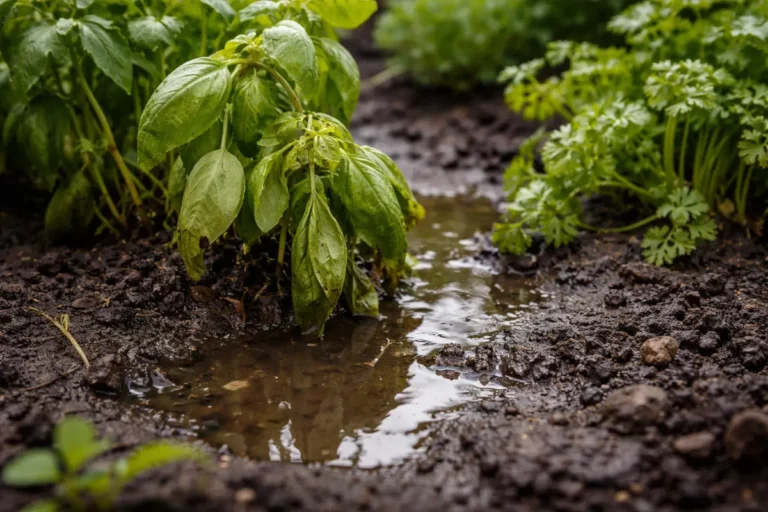
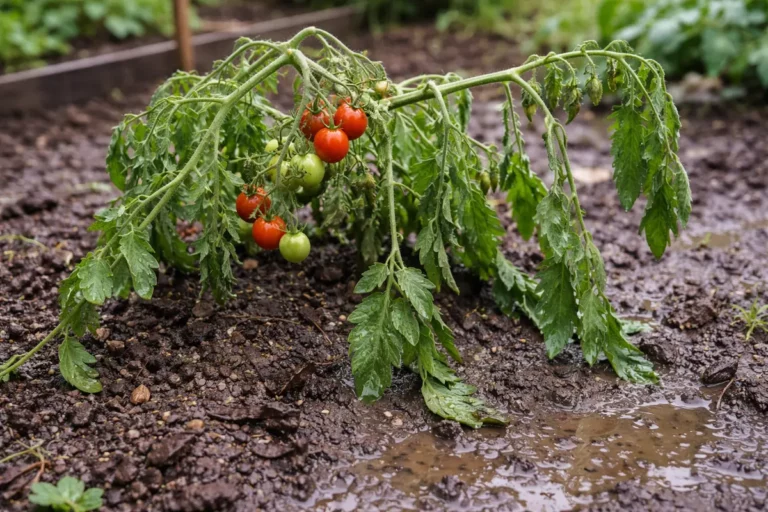
A common mistake during recovery is over-watering in an attempt to fix wilting, which can lead to root rot. If your plant wilts again but the soil feels wet, reduce watering frequency and ensure proper drainage. If the plant still appears to suffer, look for signs of pests or diseases affecting its overall resilience.
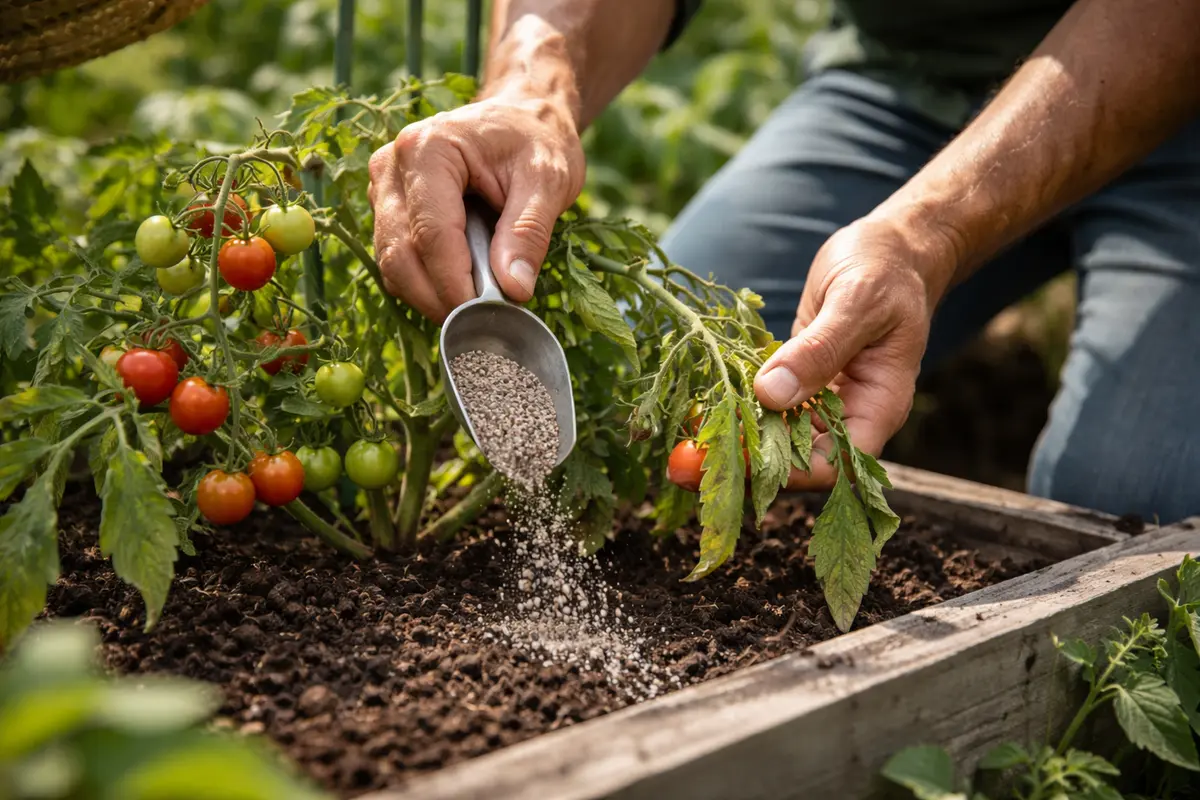
Applying the right fertilizer provides essential nutrients that the plant may have depleted during periods of heat and stress. A balanced blend of nitrogen, phosphorus, and potassium supports overall plant health and encourages vigorous new growth. However, applying too much too quickly can lead to nutrient burn, indicated by browning leaf tips and stunted growth. If you notice these symptoms, it’s crucial to halt fertilization immediately and flush the soil with plenty of water to help remove excess nutrients. This process involves watering the plant thoroughly several times until the water runs clear from the drainage holes. Checking the pH of the soil before application can also help gauge how well nutrients are being absorbed; a pH of around 6.0 to 7.0 is generally optimal for tomato plants.
A common mistake is to apply fertilizer immediately after watering without allowing the ground to dry slightly. This inundation can cause the plant to take up too much soluble fertilizer at once, leading to root damage or feeding roots that are not in a healthy state. Instead, wait until the top level of the soil is dry to the touch before applying fertilizer, typically about 2 to 3 days after the initial watering. To enhance nutrient uptake, consider using a diluted compost tea as an organic alternative; this can introduce beneficial microbes that improve soil health and nutrient bioavailability. Pay attention to the local weather; if rain is forecasted following your fertilization, it could dilute the effectiveness of the application. If wilting persists despite fertilization, it may indicate other underlying issues like root rot that needs immediate attention to avoid further deterioration of plant health. Consider incorporating organic matter, such as compost, to improve soil health and nutrient availability over time.
Step 4 – Inspect Tomato Foliage for Signs of Recovery
Check the tomato plant foliage every 2-3 days for signs of recovery, such as new leaf growth and returning vibrancy. Recovery from heat stress involves new leaf shoots emerging and a shift to a healthy shade of green. Document your observations; if the leaves remain droopy or pale after a few days, this may mean ongoing issues with water or nutrient uptake. If leaf color returns to a bright, healthy green, this is a positive indication that recovery is underway. Measuring the plant’s growth in inches can help you track improvements clearly, and if you notice an increase of about an inch or more per week, it points to successful recovery.
Reduced wilting and the emergence of new shoots are strong indicators that your plant is recovering well from heat stress. Properly monitoring during this period enables timely interventions, such as adjusting watering schedules or providing additional shade if symptoms return. For example, if cooler nights return but wilting persists, check the soil moisture deeply, aiming to ensure it is adequately moist but not waterlogged, actively reducing watering frequency if the soil remains damp. Noticing how the plant behaves can signal further adjustments; for instance, if new growth occurs but wilting behavior resumes during subsequent heat spells, it may necessitate consistent shading or relocation to avoid heat stress. Additionally, look for pests once more; the emergence of new growth can attract pests like aphids, so be prepared to act swiftly.
If signs of wilting reappear despite your efforts, reevaluate your watering frequency or nutrient delivery strategies. The signs of dehydration can re-emerge if heat stress persists, and if you find container plants experiencing root-bound conditions, this can exacerbate wilting. Loose or compacted soil can hinder water absorption. If you suspect compacted soil, consider loosening the substrate with a fork or repotting if roots are tightly bound. Additionally, installing organic mulch around the base of the plants helps regulate soil temperature and moisture retention during extreme weather conditions. This layer of mulch not only aids in moisture retention but also in preventing weeds that compete for both nutrients and water, thereby optimizing your tomato plant’s environment for recovery. Always be vigilant about checking for increased pest activity, as infestations can severely undermine recovery efforts; if pests are spotted, organic insecticidal soap can gently help manage them while you focus on the overall health of your plant.
FAQ
How long will it take for my cherry tomato plant to recover from wilting?
The recovery period for a wilting cherry tomato plant can range from a few days to a week, depending on the severity of the heat stress and your response efforts. Combined watering and nutrient support will often yield visual improvements within three to five days; however, if the foliage does not respond after a week, further examination of soil health, drainage issues, and environmental factors may be necessary to identify continued challenges. It’s essential to remain patient and attentive during this recovery phase, as different plants may respond uniquely based on their overall health and the extent of the stress they faced.
Can overwatering cause wilting in cherry tomato plants?
Yes, overwatering can suffocate the roots and lead to a condition known as root rot, which results in wilting. If the soil smells sour or has a mushy texture, it is critical to allow the plant to dry and to assess the drainage conditions carefully. Monitor the plant closely; if leaves appear wilted despite damp soil, it often indicates root problems demanding urgent care to prevent damage from excess moisture. Consider lifting the plant from the pot to inspect root health; if they’re dark and mushy rather than white and firm, your plant is likely suffering from root rot.
Should I remove wilting leaves from my cherry tomato plant?
Removing severely wilting or brown leaves can help redirect the plant’s energy to healthier shoots. However, if many leaves are affected, address underlying issues like watering or nutrient deficiencies before trimming. This decision helps the plant focus resources on recovery and new growth while also preventing potential disease spread from decaying foliage if left unattended. Always use clean, sharp tools to minimize damage to the plant; if you’re unsure, wait a few days to see if the leaves show improvement before making any final cuts.