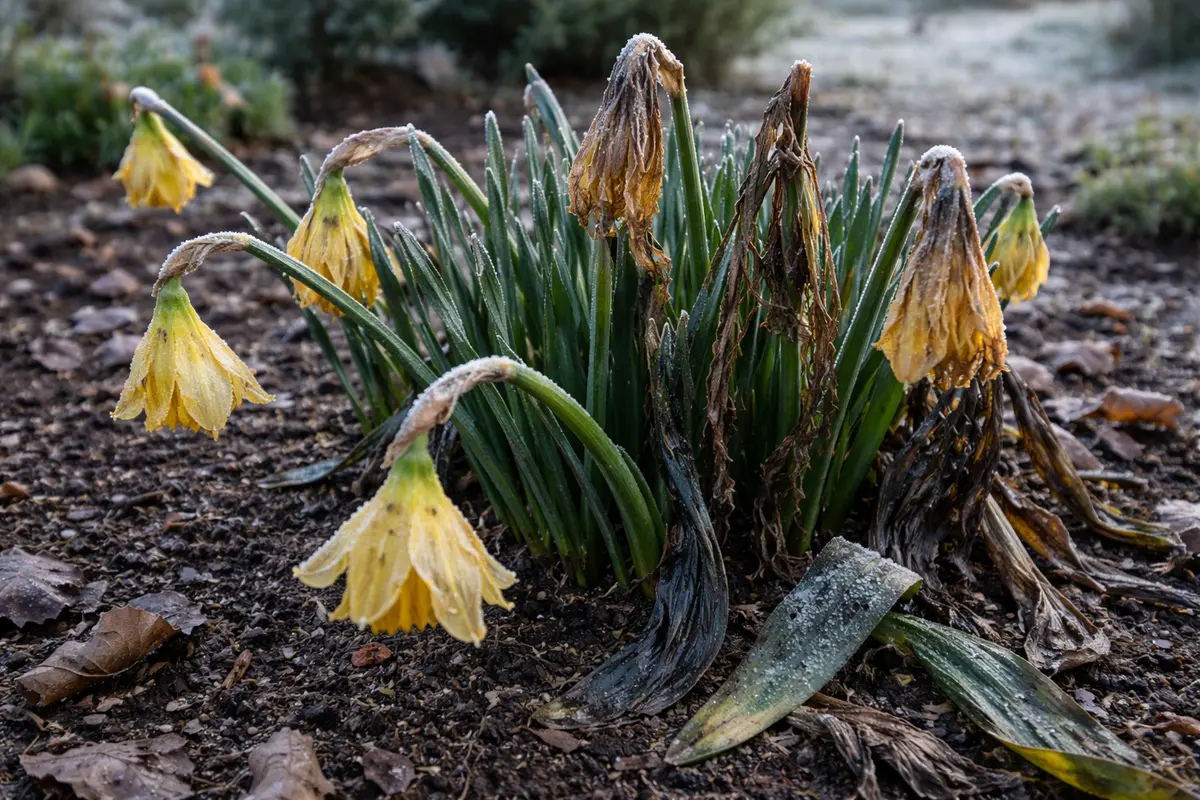
You notice your daffodils drooping and showing signs of wilting after a cold snap, which is why you might be asking yourself, “Why are my daffodils wilting after a cold snap?” This wilting occurs as the plant suffers from damage due to the sudden drop in temperature, leading to weakened stems and yellowing leaves. If left unchecked, this condition can worsen quickly, setting the plant back significantly, but you can improve the situation now by inspecting for damage and adjusting watering practices.
Step 1 – Inspect Daffodil Bulbs for Freezing Damage
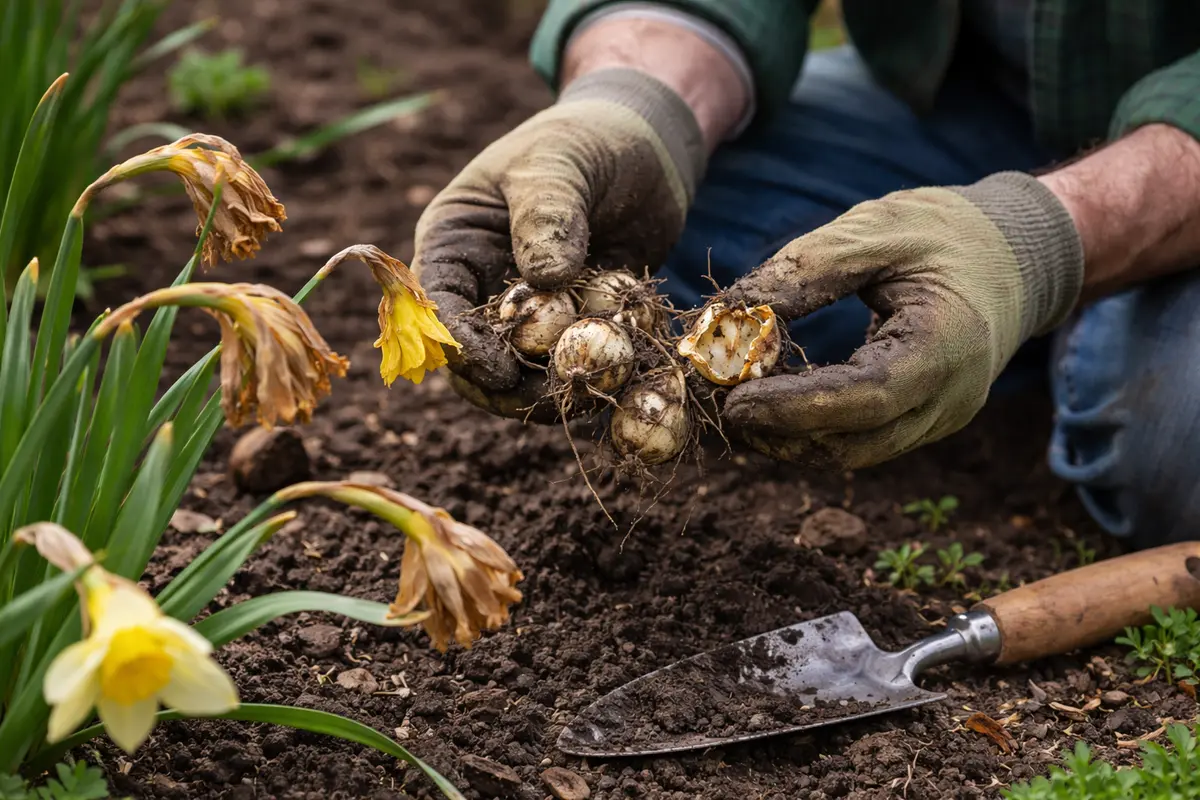
Start by carefully digging around the base of your daffodils to inspect the bulbs for any signs of freezing damage. Feel the bulbs; they should feel firm to the touch. Mushy bulbs indicate rot caused by frost damage. Ensure there is no moisture in the soil surrounding the bulbs, as excess water can exacerbate stress. It’s crucial to conduct this inspection within a few days of the cold snap, ideally within 72 hours, to catch any damage early. When you check the bulbs, use a hand trowel to gently lift the soil, as digging too deep can disturb other healthy bulbs. Aim for a depth of about 4 to 6 inches, as this is where the bulbs typically sit.
This step is vital because frost can cause the formation of ice crystals inside the plant cells, leading to cell rupture and ultimately plant death. As you inspect, if you find any bulbs are brown, soft, or have a foul odor, this indicates severe damage. By checking for these conditions immediately after the cold snap, you can take swift action to preserve the remaining healthy tissue. Ignoring this early inspection may result in the rapid decline of your daffodils, ultimately leading to the loss of the entire planting. In severe cases, recovery may be impossible if the damage is not identified quickly. Additional signs to look for include any visible mold on the bulbs, which could further indicate moisture issues.
Many gardeners mistakenly wait too long to check the bulbs, believing the plants will bounce back on their own. If you discover that the bulbs are mushy, it’s advisable to remove them right away to prevent any further spread of damage to healthy bulbs. When daffodil bulbs are mushy, they risk spreading rot to adjacent bulbs, worsening the overall health of your garden. Be cautious during this process; use clean garden tools to avoid introducing any pathogens into the soil. It’s also important to sanitize your tools after working with damaged bulbs to prevent contamination, as pathogens can linger on tools used during the removal process. Swift action can significantly improve recovery chances by focusing resources on the surviving bulbs.
Step 2 – Evaluate Soil Drainage and Temperature Effects
Next, check the soil drainage around your daffodil bulbs to identify whether poor drainage contributed to their wilting. If the soil feels soggy or retains moisture, then your daffodils are at risk of root rot, which can worsen their condition. Conversely, if the soil is dry and crumbly, the plants may not have sufficient moisture for recovery, leading to continued wilting. You can assess the drainage by taking a handful of soil and squeezing it; if it retains its shape compactly, drainage is poor. Optimal soil should crumble easily, indicating good aeration and drainage.
Understanding soil drainage is crucial because daffodils thrive in well-draining soil, which allows excess moisture to escape and prevents frost damage. When soil remains saturated during cold spells, it can lead to diminished oxygen in the root zone, compelling roots to rot. If you note any standing water or soil compaction, the roots may struggle to absorb critical nutrients required for recovery. Additionally, monitor your local weather conditions—if rain is forecasted, re-evaluate your drainage plans to redirect excess water. Inadequate drainage paired with cold snaps exacerbates wilting symptoms and can lead to complete plant failure. This is where many gardeners overlook the importance of seasonal soil management and crop rotation, which can influence the overall health of your garden.
If you find evidence of poor drainage (like water pooling in your garden), consider adding organic matter such as compost to improve the soil’s texture, enhancing its ability to drain. Increase the organic matter content gradually by mixing in about 2 to 3 inches of compost into the top 6 to 8 inches of soil around the bulbs. Another effective method is to create raised beds specifically for daffodils, allowing excess water to flow away from the bulbs, minimizing over-saturation. On the other hand, if the soil is dry, a light watering can help your plants recover; however, ensure that you check the surface moisture before watering to avoid over-saturating the soil. You might try the finger test: insert your finger about two inches deep into the soil; if it feels dry, it’s a good time to water. Monitor how the soil feels at that depth to determine when to water again, allowing the bulbs time to absorb moisture without becoming waterlogged. Remember that consistent moisture levels are essential, so plan to assess moisture a few times per week, especially during dry spells. In water-retaining soil, it is not unusual to see soggy soil around tomato plants after.
Step 3 – Water Daffodils to Aid Recovery After Frost
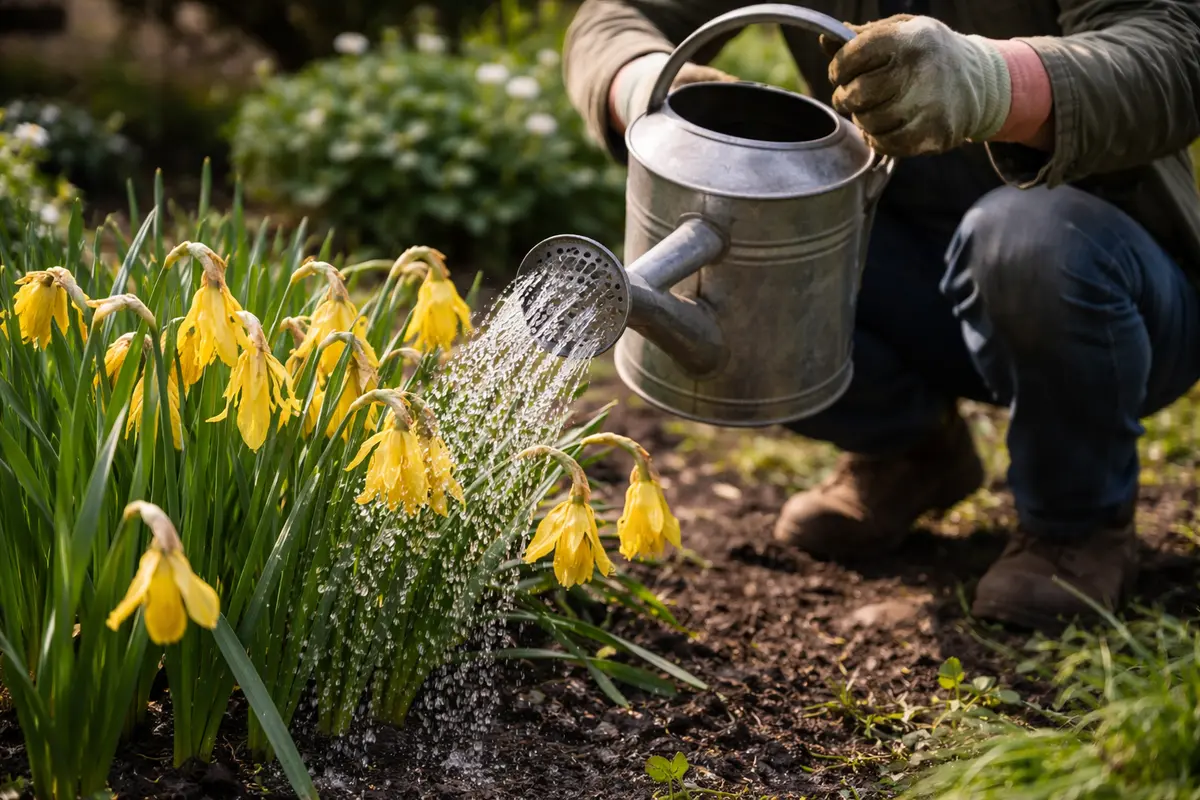
Water the soil around your daffodils gently to help them recover from frost damage. You will begin to see the leaves perk up within a few days of better hydration, usually about 3-5 days after an effective watering routine. However, avoid over-watering; sufficient but not excessive moisture is key to supporting their recovery. Ensure you are providing about one inch of water per week, either from rain or additional watering, to maintain the right moisture level. If it hasn’t rained, consider using a rain gauge or similar tool to track rainfall and adjust your watering accordingly. For this delicate transition, consider using a soaker hose which delivers water slowly and efficiently directly to the roots.
Proper watering during recovery is essential because daffodils require an adequate supply of water to resume growth after a period of stress. When frost damage occurs, these plants can enter a state of shock, inhibiting their ability to take up nutrients and water effectively. The combination of frost damage and dehydration creates a hostile environment for root recovery. By rehydrating the soil, you ensure that the plant can access necessary nutrients that promote overall recovery and health. Watch for signs of water stress, such as curling leaves, which could indicate the plant is still struggling. Additionally, keep an eye out for new growth emerging from the soil; this indicates successful recovery.
During this transition, avoid common pitfalls, such as flooding the plants with too much water. If you are unsure, lightly water and wait a few days before checking again to evaluate their response. Monitoring the soil moisture levels closely helps prevent another cycle of over-saturation and frost stress. If you find the leaves still droopy after a week, consider checking for additional signs of problems, like diseases or pests, which might be complicating recovery. Assess the area around your daffodils for aphids or other pests, particularly on new growth. In addition, if you notice any yellowing leaves or an unusual odor from the soil, be prepared to adjust your watering schedule accordingly or seek alternate interventions; the scent of sour or stagnant water can be a warning sign of root rot that may need attention.
Step 4 – Check Daffodil Leaves for Signs of Stress
Monitor your daffodil leaves daily for signs of stress after treatment. Look for any color returning to the leaves and firmness returning to droopy stems; these are signs of recovery. If you begin to see green leaves standing tall instead of drooping, it indicates that your daffodils are overcoming the immediate aftermath of frost damage. When checking for recovery, focus on the leaf tips and edges for any signs of browning, which would signify ongoing stress. Additionally, observe the leaves’ overall color; dark green typically indicates a healthy plant, while light green or yellow suggests nutrient deficiencies or continued stress. Continue to assess both water levels and the overall health of the plants regularly to ensure they regain strength.
A fully recovered daffodil will show vibrant green foliage, and leaves will be upright rather than drooping. Early signs of the problem returning may include droopy or yellowing leaves, which indicate additional stress likely from poor watering practices or unseasonably cold temperatures. Watching for these changes—like curling, browning, or discoloration—is vital to adjusting care accordingly and preventing further setbacks. If the plant appears stagnant despite your efforts, reassess the overall garden conditions, including light and temperature fluctuations that might be impacting regrowth. Consider the amount of sunlight your daffodils receive, as plants that do not receive ample daylight may become weak or more susceptible to stressors.
If you notice any resurgence of wilting despite following these steps, the issue may lie back with the soil around the bulbs. Check for root pests such as nematodes or other infestations that could also be affecting the health of your daffodils. Look for signs, such as gastropod damage on leaves or unusual markings on the bulb. Additionally, assess the soil pH and nutrient levels, as imbalances can manifest as leaf stress. If you uncover any root-related issues, you may need to treat the soil with an appropriate fungicide or nematicide to resolve these complications. Take note that any chemical treatments should be applied according to label instructions to avoid further damage. Act quickly to remedy recurring problems, perhaps seeking advice from a local gardening expert, to ensure your daffodils remain healthy through such disturbances.
FAQ
How long will it take for my daffodils to recover?
Recovery can vary but typically takes around one to three weeks after addressing watering and drainage issues. If you’ve correctly assessed and treated frost damage, new growth should appear within this timeframe. However, if conditions remain unfavorably cool or if a pest issue emerges, recovery may extend beyond three weeks. Consistent monitoring during this period is critical; regular visual checks alongside moisture assessments will enhance the chances of a quicker recovery.
Can my daffodils spread rot to nearby plants?
Yes, if the daffodils have root rot, it can spread through soil moisture to other nearby plants. To prevent this, remove any affected bulbs promptly and improve drainage in the area. If you do not remove the infected bulbs, you risk not only your daffodils but also neighboring plants, especially if they share the same soil. Consider also monitoring nearby plants for signs of similar distress if conditions don’t change, as the spread can be facilitated by overlapping root zones. Rotate planting locations when possible to further reduce the risk of disease transmission; ensuring diversity in your planting can also help manage susceptibility to outbreaks.
Should I remove wilting leaves or let them be?
Do not hastily remove wilting leaves, as they can still photosynthesize and support the plant’s recovery. They channel energy and nutrients into the bulb while assisting in the regrowth of healthy foliage. Instead, wait for signs of new growth or green leaves before pruning to ensure that you do not eliminate potentially healthy foliage. Leaving them in place might seem counterintuitive, but they are essential to the plant’s recovery processes. Pruning wilting foliage prematurely may stress the plant further; patience often yields better results in recovery as new leaves emerge from the base. Additionally, regularly monitor for any signs of disease that could compromise stems while allowing their natural progression.