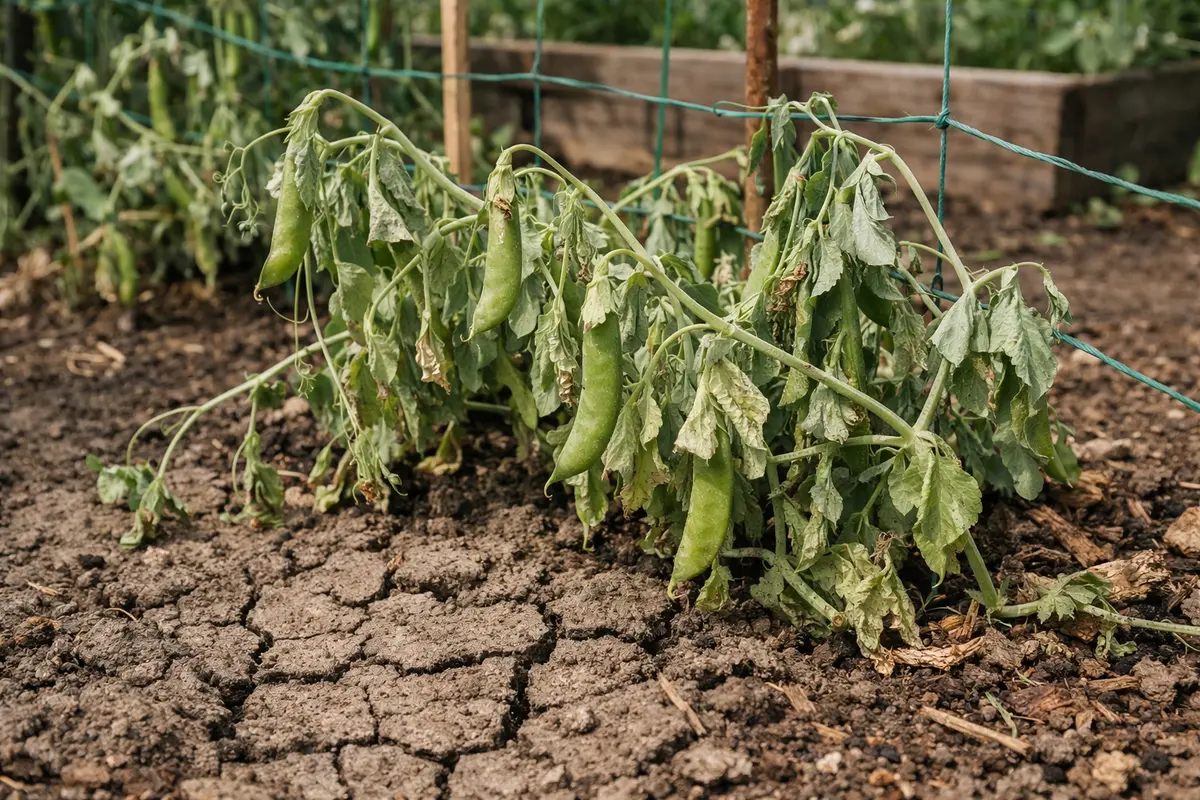
You may notice your snap peas struggling with stunted growth during heat, which is why you need to know how to fix stunted growth in snap peas during heat. This problem often manifests as yellowing leaves and wilting stems, a clear sign that the plants are stressed from high temperatures. If left untreated, the situation can worsen, leading to more damage and stalled growth, but you can improve their condition now by adjusting watering schedules and providing adequate shade.
Step 1 – Water Snap Peas Immediately to Cool Roots
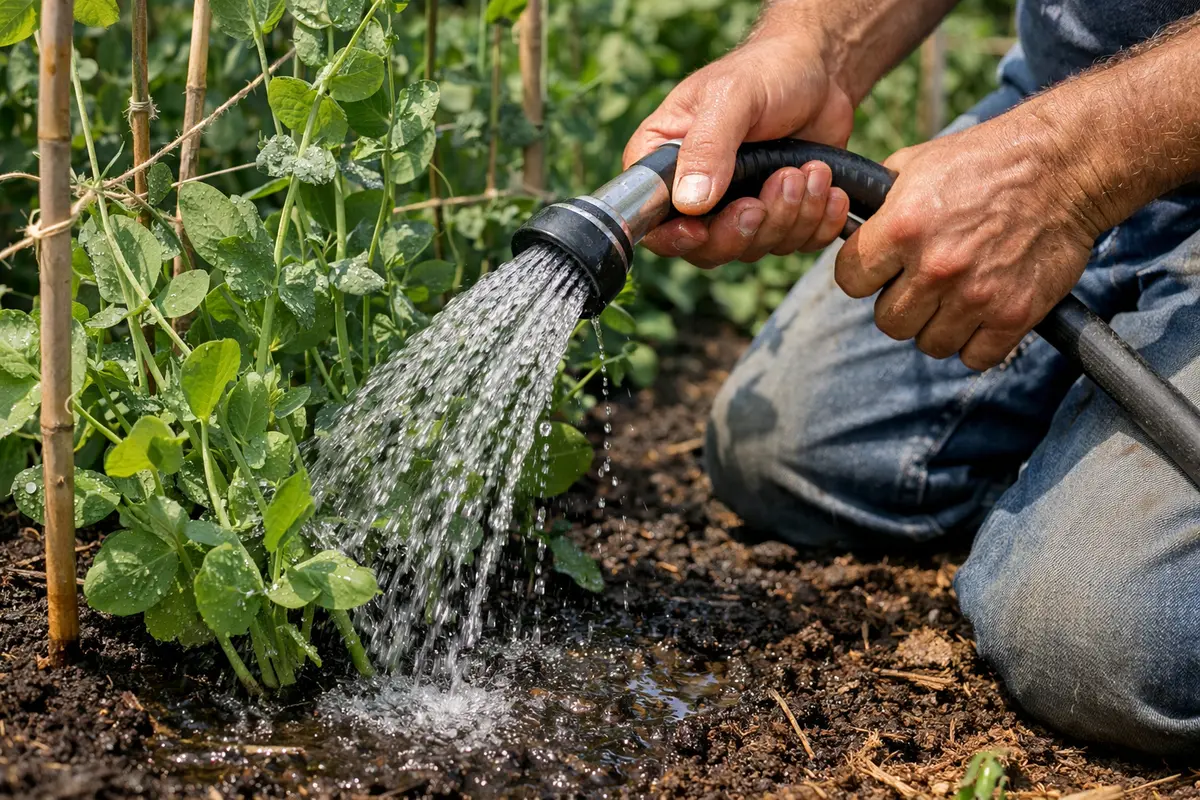
Water the snap peas deeply without delay. You will see the soil darken and the plants begin to perk up within a few hours. Focus on saturating the soil to a depth of at least six inches to effectively mitigate heat stress conditions. This thorough saturation ensures that moisture reaches the root zones necessary for recovery.
Under intense heat, the roots of snap peas can heat up, leading to severe water stress. If soil temperatures rise too high, root function declines, blocking moisture uptake, which inhibits nutrient absorption, causing stunted growth. Cooling the roots significantly lowers soil temperature, allowing normal physiological functions to resume. A temperature drop in the root zone can result in visible recovery as photosynthesis resumes, especially evident through greener and more rigid leaves as they regain turgor pressure.
A common mistake gardeners make during hot spells is watering only the surface soil. Snap pea roots can extend deep, especially in sandy or well-aerated soils, and thorough watering is crucial. If only the top layer is watered, the lower roots may still suffer from dry conditions. For effective hydration, consider operating a soaker hose or a drip irrigation system to ensure uniform distribution of water as deep as needed. If your snap peas remain wilted after watering, check the soil moisture about six inches deep; if still dry, they may need additional time to absorb the initial watering. In some cases, especially when experiencing prolonged neglect, water retention amendments such as hydrogel crystals can enhance moisture availability in the root zone.
Step 2 – Diagnose Heat Stress in Snap Pea Plants
Inspect your snap peas for signs of heat stress, such as curled leaves or pale foliage. Once identified, you can take corrective actions to address the underlying issue swiftly. Immediate diagnosis is pivotal in preventing long-term damage to your plants.
Heat stress in snap peas can manifest as yellowing or drooping leaves, indicating that the plants are not receiving sufficient water or nutrients. This stress occurs primarily when temperatures exceed 85°F (29°C), particularly after extended periods of dry conditions and intense sunlight. Diagnosing these symptoms early allows you to intervene proactively by adjusting your watering schedule and improving plant care. Pay particular attention to the condition of the leaves after extreme sunlight exposure, as they are often the first indicators of distress. Early detection also helps you gauge whether the issue stems from heat stress alone or if there is a nutrient deficiency compounding the problem.
If your snap peas show signs of wilt but the soil remains moist, check for root damage or compacted soil conditions blocking water absorption. If the soil smells sour or feels sludge-like, this indicates poor drainage and anaerobic conditions, which suffocate the roots. In such cases, consider repotting into fresh soil that offers enhanced drainage by incorporating perlite or sand to improve aeration. If the soil seems overly compacted, you might also want to gently aerate the soil to promote better root access to water and nutrients. A clear sign that your snap peas are lacking sufficient nutrients is if the plants fail to green up after being watered; this points to a deeper issue needing rectification, which may involve testing soil pH levels to ensure it falls within the ideal range for snap peas.
Step 3 – Fertilize Snap Peas to Encourage Growth
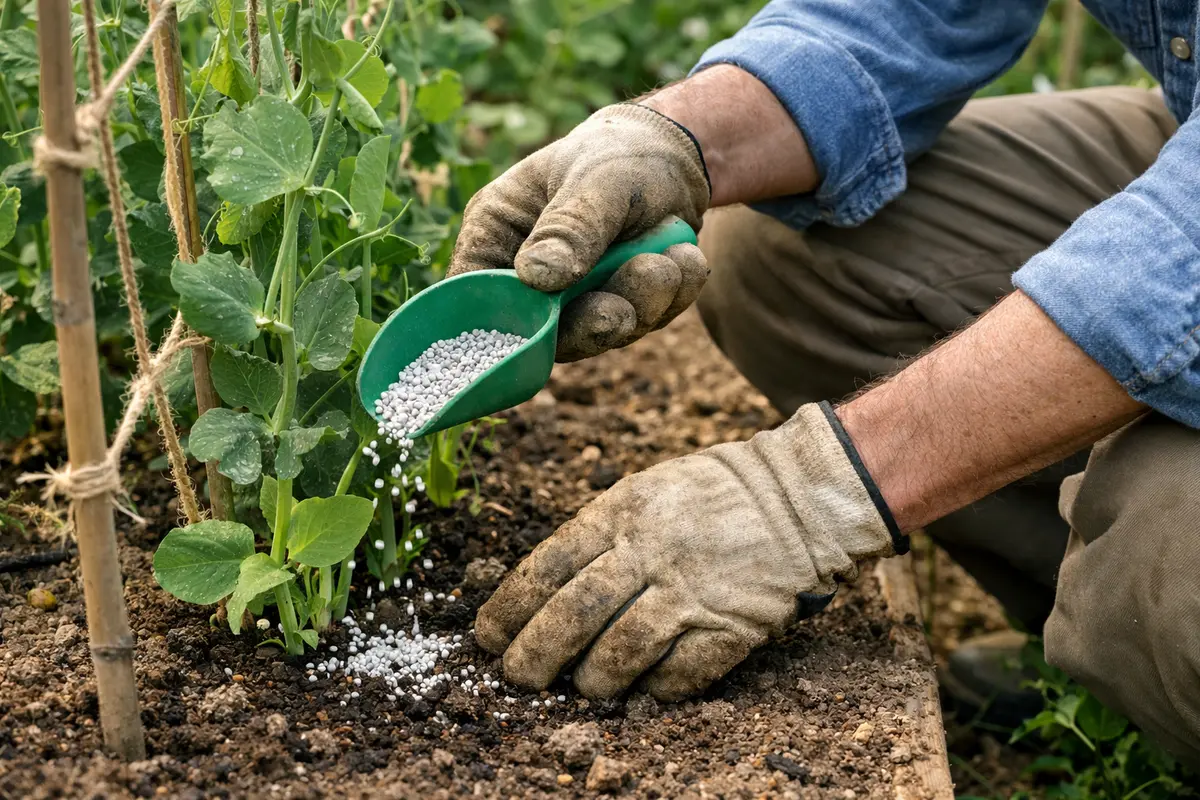
Apply a balanced fertilizer to boost recovery in your snap peas. Within a week, you should notice new leafy growth and improved color in the foliage as the plants absorb essential nutrients. Utilizing a fertilizer that is rich in nitrogen is vital for rapid recovery.
Fertilizing helps replenish lost nutrients that heat stress may have depleted. An NPK ratio such as 10-10-10 is ideal for snap peas, providing nitrogen for leaf growth, phosphorus for root development, and potassium for overall plant health. It’s crucial to spread the fertilizer evenly at the base of the plants and water immediately after application to help the nutrients dissolve and integrate into the soil effectively. The act of watering in the fertilizer also promotes microbial activity, which aids nutrient breakdown and absorption.
Be cautious not to over-fertilize, as this can further stress the plants, leading to burning or nutrient imbalances characterized by browning leaf edges. Signs of over-fertilization may first appear on the older leaves, which could curl or yellow at the edges while the younger leaves remain relatively healthy. Checking for newly sprouted shoots and vibrant green leaves will signal that your fertilization effort is paying off. In contrast, if you observe a lack of significant leaf growth after a week following fertilization, you may reassess the type of fertilizer used or consider applying a different formulation tailored for legumes. Additionally, distinguishing between macro and micro-nutrient deficiencies is vital; for example, yellowing leaves may indicate nitrogen deficiency, while stunted root growth could point toward a phosphorus issue, suggesting that tailored measures will be necessary for effective recovery.
Step 4 – Ensure Shade for Snap Peas During Hot Days
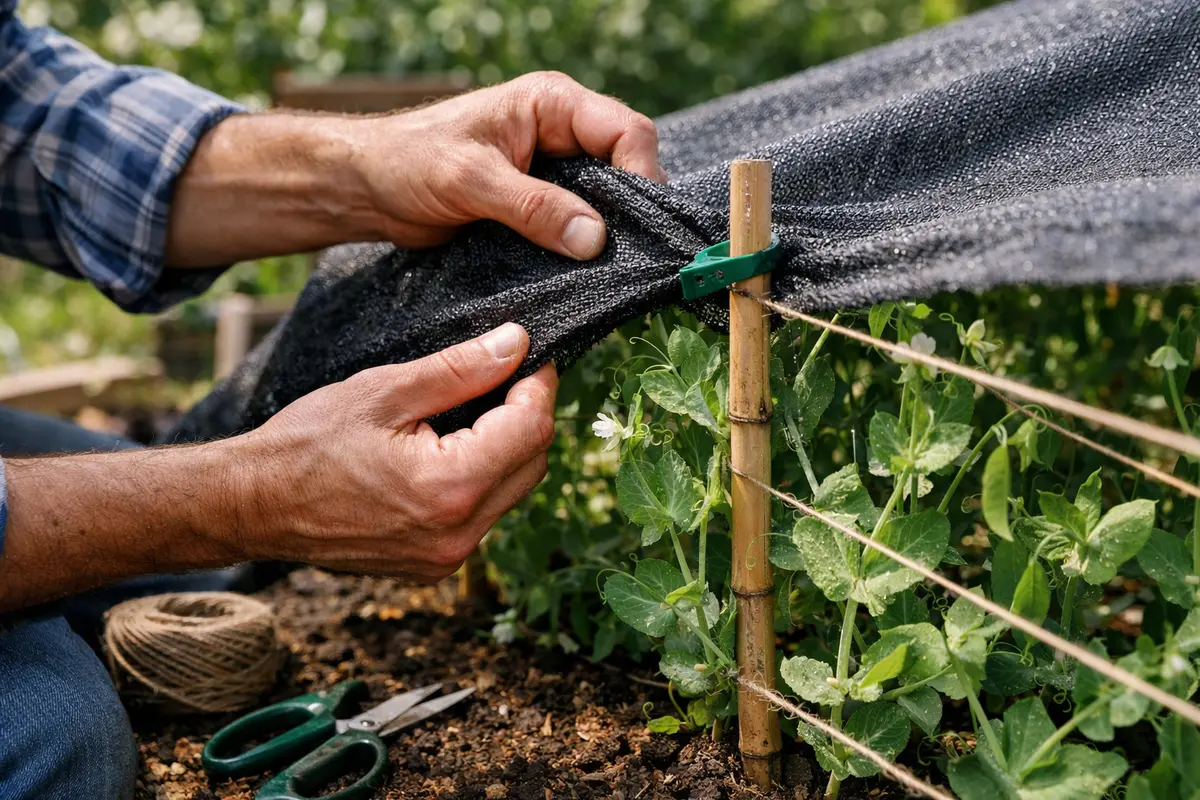
Start by providing shade for your snap peas during the hottest parts of the day using shade cloth or gardening fabric. This action prevents heat stress, leading to a noticeable improvement in growth vigor as the plants thrive in more stable temperatures.
Extreme heat can cause snap peas to stop growing or even wilt, particularly when daytime temperatures exceed 85°F. By consistently shading your plants, you mitigate this stress, encouraging them to produce flower buds and pods instead of focusing on survival. If your plants still show signs of stunted growth despite shading, check the watering routine for signs of dehydration or irregularities.
During peak summer months, adjust your shade measures as needed, especially if temperatures spike unexpectedly. Additionally, consider applying a layer of mulch around the base of your plants to retain soil moisture, which further enhances their resilience against heat stress and aids in steady growth.
Sunlight exposure for more than six hours a day at high temperatures may scorch the leaves of snap peas, causing them to curl or yellow. By shading the plants, you create a more stable temperature environment that encourages fruit and flower development. Utilizing row covers, shade cloths, or even simple structures made of garden fabric can protect against extreme sunlight while still allowing for adequate airflow. Direct exposure over time can cause irreversible damage, so applying shade during peak temperatures becomes imperative. Regular observation of the leaf surfaces for signs of sunburn can inform your shading strategy: if leaves appear washed out or crispy at the edges, additional protection may be needed.
Seasonal variations will require you to adjust your shade strategy. During peak summer months, consider establishing permanent shade structures or arranging taller plants nearby to provide gradual relief from the sun. If you notice reduced flower or pod development due to excessive heat, re-evaluating your shade efficiency is vital. The aim is to achieve a 50-70% shade coverage during peak sunny hours without sacrificing ventilation; too much cover can hinder necessary light. If your snap peas fail to set pods in a timely manner, reassess your shading during critical growth stages. In conditions of fluctuating weather patterns, anticipate sudden heat spells and be ready to implement shading strategies actively, adjusting placement as needed. Also, consider rotating the type of shade cloth used; lighter materials may still allow light penetration while providing necessary protection.
Step 5 – Inspect Snap Peas for New Growth Each Week
Check your snap peas weekly for signs of new growth and health improvement. You should observe fresh leaves and stronger stems as a positive recovery indicator, confirming successful intervention. This regular inspection will help guide your ongoing care strategies.
After taking proactive measures to address heat stress, look for green shoots and sturdy stems weekly. This assessment aids in confirming that your plants are recovering, while any signs of distress may indicate the need for further adjustments in care. Ensure that your observation routine includes checking leaf color, firmness, and the overall vigor of the plant. Should growth remain stunted despite adequate care, reassess your watering and fertilization schedule to ensure it’s appropriate according to changing weather conditions; slight adjustments may yield noticeable improvements. Additionally, keeping a digital or physical log of your observations can be incredibly helpful to recognize patterns or trends over time.
If you notice any signs of distress returning, such as yellowing leaves or drooping stems, consider revisiting your watering methods and shading measures to mitigate recurring heat stress. Keeping meticulous records of what services were applied on a weekly basis will aid in evaluating the effectiveness of your care routine. Moreover, frequent assessments allow you to preemptively address any pest issues like aphids or spider mites that can escalate stress on your plants. If you discover pests, applying insecticidal soap may provide relief, but ensure that your plants are under minimal stress from heat and nutrient availability before treating, as pest control can further tax already struggling snap peas.
FAQ
How long does it take for snap peas to recover from heat stress?
Snap peas typically show signs of recovery within one to two weeks after you take corrective measures such as watering and fertilizing. Observing new leaf growth indicates that they are regaining health. However, significant recovery may take longer under extreme conditions or if underlying issues persist, such as persistent soil drainage problems. Conditions like excessive moisture can additionally slow down this process, so monitoring is crucial.
Can stunted growth in snap peas spread to other plants?
Stunted growth primarily affects individual plants rather than spreading like a disease. However, poor soil conditions and insufficient care could have a broader impact on your garden’s health, so it’s important to address the issues quickly. Maintaining healthy soil microbiota through composting and proper fertilization can deter broader issues across your garden, especially in nutrient-poor soils where competition can elevate stress levels among plants.
Should I remove yellowing leaves from my snap peas?
Yes, remove yellowing or damaged leaves to allow the plant to redirect its energy towards healthy foliage and new growth. However, don’t remove too many leaves at once, as they help with photosynthesis during the recovery phase. Prioritize the removal of older leaves showing the most damage while leaving younger ones intact to assist in the plant’s overall recovery efforts. Doing so helps maintain a healthy photosynthetic balance crucial for the plant’s vigor.