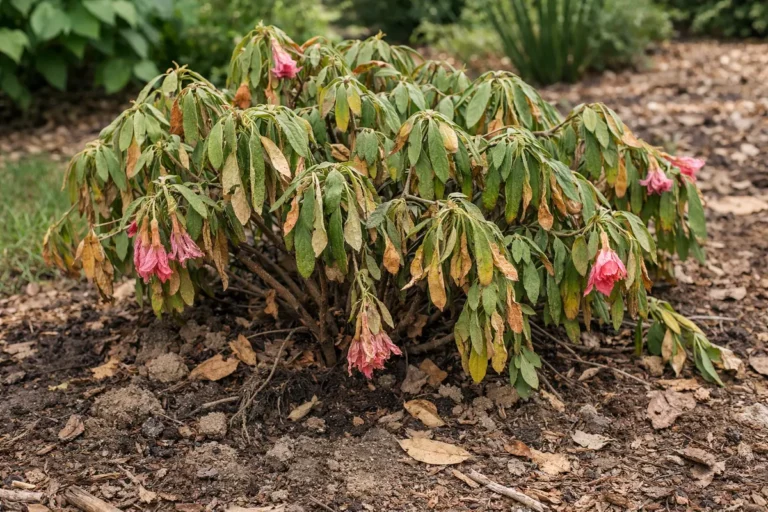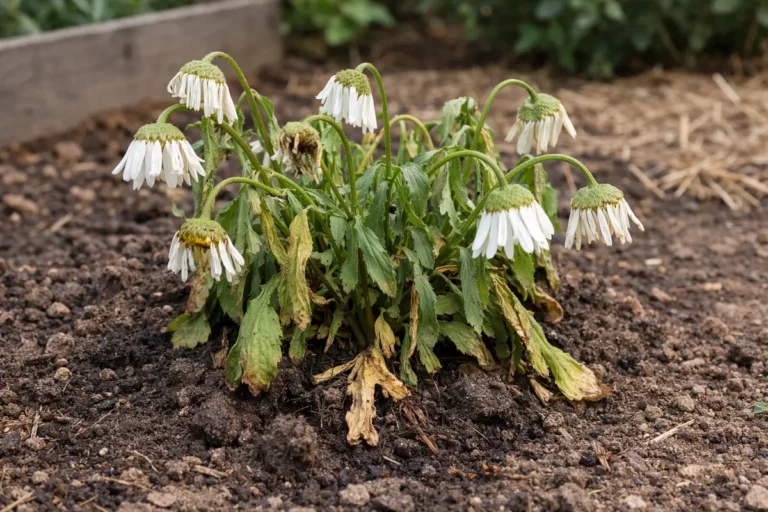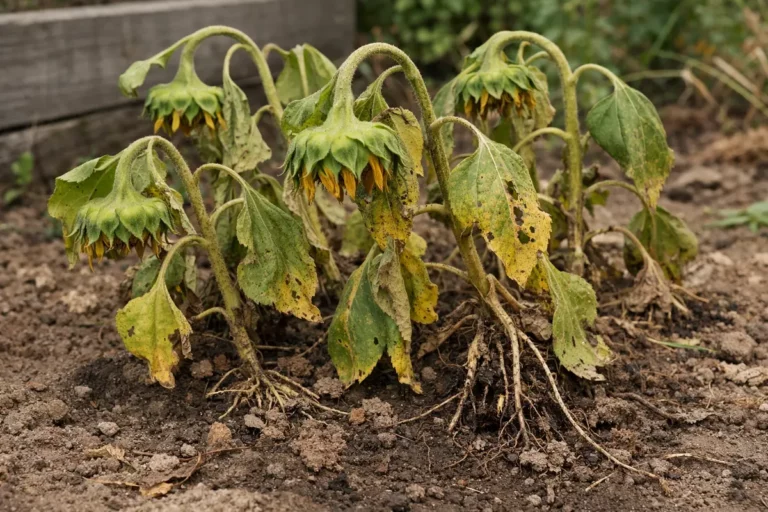

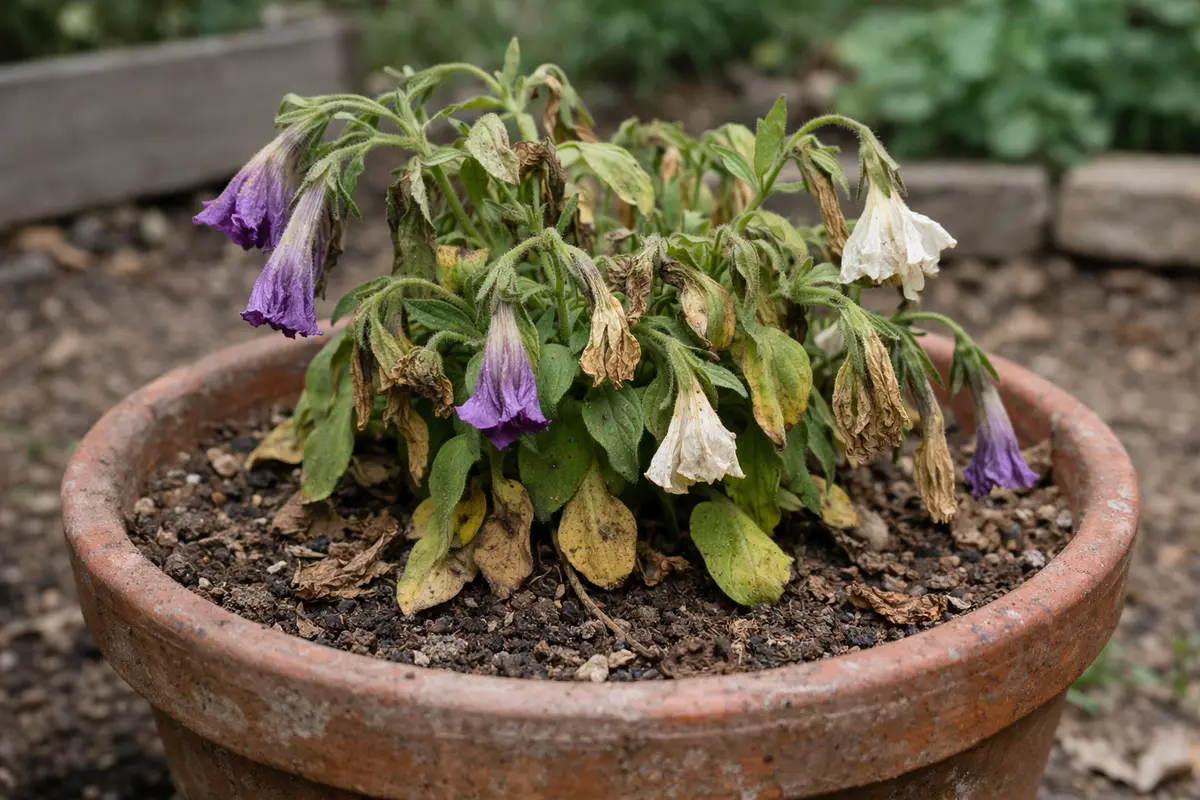
You may notice your petunias wilting in pots during a hot summer afternoon, which is why you need to know what to do when petunias show signs of wilting in pots. This wilting occurs when the plants are not receiving enough water, leading to drooping leaves and poor overall health. If left untreated, this condition can worsen and weaken the plant, making it harder to revive. You can easily fix it by checking soil moisture levels and adjusting your watering routine, but swift action is crucial to prevent longer-term damage. Immediate attention is necessary to stabilize your petunias, as delaying can lead to complications such as permanent leaf loss or stress-related diseases.
Step 1 – Water Petunias Immediately to Revive
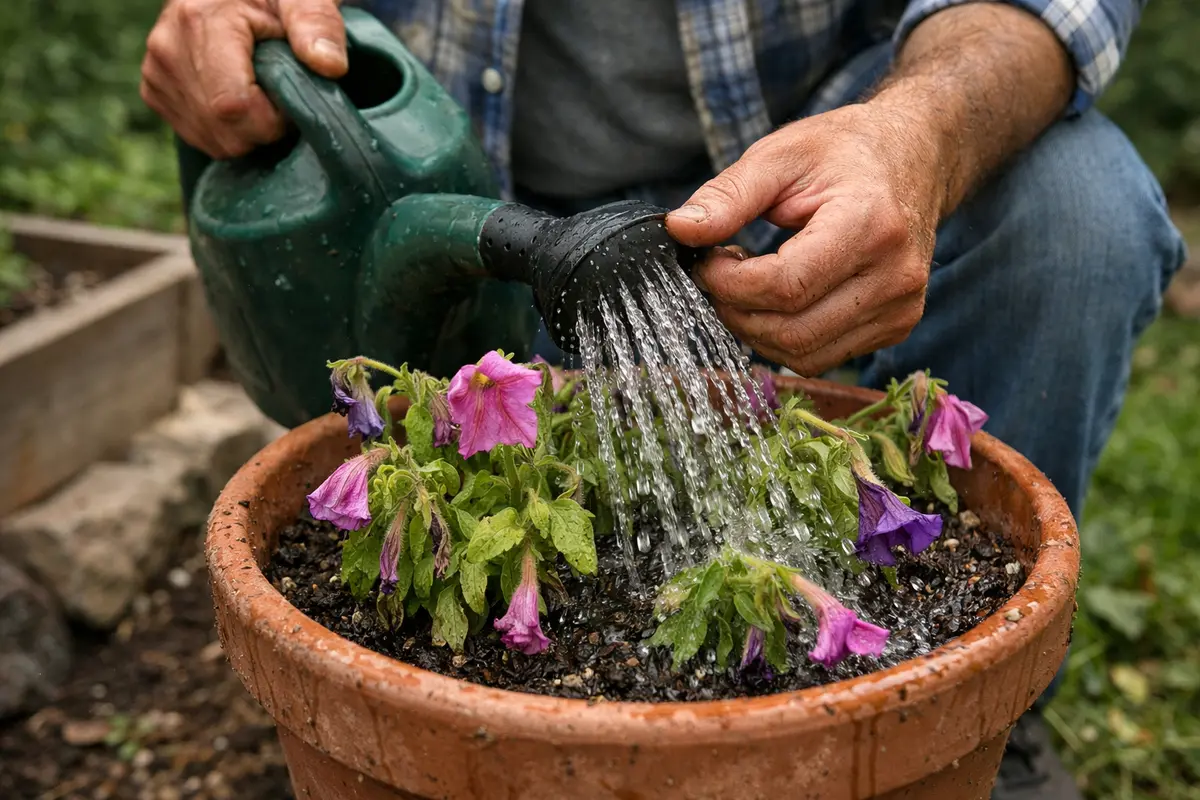
Water the petunias thoroughly, allowing moisture to soak into the roots. You will notice the leaves perk up within a few hours, as the plant begins to recover from drought stress. If the soil feels dry to the touch or crumbly, deep watering is necessary to infuse moisture back into the root zone. Ideally, use a soaker hose or watering can with a narrow spout to target the base of the plants and promote airflow around the foliage. Aim for about 1 inch (2.5 cm) of water to saturate the root zone adequately; this helps create an environment where roots can absorb both water and nutrients efficiently. Maintain this routine, especially during the hotter parts of the day, as petunias can quickly lose moisture.
Immediate watering counteracts the effects of wilting by replenishing lost moisture in the soil and the plant’s tissues. Dry conditions can severely handicap a petunia’s roots, reducing their ability to absorb nutrients which leads to drooping leaves. For reference, a well-watered petunia should have soil that feels moist but not soggy. If left unattended, wilting can progress to leaves dropping and stems turning brown, possibly leading to irreversible damage. A key observation is to monitor how quickly soil moisture returns; if the surface remains dry longer than expected after watering, this might indicate that deeper roots are still suffering or that the potting mix has become compacted. Be cautious; excessively dry soil can lead to hydrophobic issues, where water runs off instead of penetrating the soil. To mitigate this, gently rake the soil surface before watering.
A common mistake is forgetting to check moisture levels before the next watering. If your plants were in direct sun for several days, they likely consumed water rapidly. Consider using a moisture meter to gauge soil wetness; this tool ensures that roots are hydrated without risking overwatering, which can result in root rot. If the wilting is severe, you may need to water multiple times over several days to fully restore the plant’s vigor. High heat can dry out soil unexpectedly, so frequent checks of soil moisture are essential until you achieve balance. If you observe persistent dryness even after watering, it may be necessary to reassess your potting mix’s composition—especially if it contains too much peat or lacks organic matter, which helps retain moisture.
Step 2 – Diagnose Underlying Causes of Wilting
First, check the soil moisture levels by inserting your finger about an inch deep into the potting mix. If the soil feels dry, immediately water the petunias until excess moisture drains out from the bottom of the pot. Within a few hours, you should see the leaves perk up, indicating improved hydration. Conversely, if the soil feels wet or soggy, that’s a sign of overwatering; in this case, allow the soil to dry out slightly before watering again. You might also need to evaluate the drainage capabilities of your pot.
Wilting in petunias often occurs due to insufficient water supply, but it can also arise from overwatering—both can lead to roots losing turgor pressure. If the roots become compromised, the plant’s ability to maintain upright foliage is severely hampered. Therefore, discerning between these conditions is essential to treating your wilting petunias effectively. If the soil feels wet but the petunias are still wilting, carefully examine the roots for signs of decay or blackened areas. Infrared images showing root zone temperatures can help determine if uneven moisture is affecting the roots, contributing to wilting.
If roots appear slimy or emit a foul odor, root rot has likely set in. At this point, you should consider repotting the plant into fresh, well-draining soil to restore healthy root function. Pay close attention to the roots’ texture; roots that feel mushy under gentle pressure should be removed. If it’s a drainage issue, ensure your pots have adequate drainage holes; using terracotta pots can provide better airflow, but they may require more frequent watering. It’s also prudent to inspect the drainage table after watering; if water accumulates there, it signals insufficient drainage.
To further assess root health, gently remove the petunia from its pot after watering. If the soil is soggy after recent watering, this could indicate a drainage issue or soil mix deficiency, causing root rot. Petunias thrive in well-draining soil rich in organic matter to avoid waterlogged roots. Conversely, if the soil feels dry in certain areas despite watering, this indicates that the roots may be too compacted, or the container is inadequately sized. Observe the texture of the soil; potting mixes with high percentages of peat can dry out quickly, creating localized dry spots that affect deeper root access. If this is observed, properly aerate the soil by using a bamboo skewer to break up compaction without disturbing the roots.
Step 3 – Fertilize Petunias to Aid Recovery
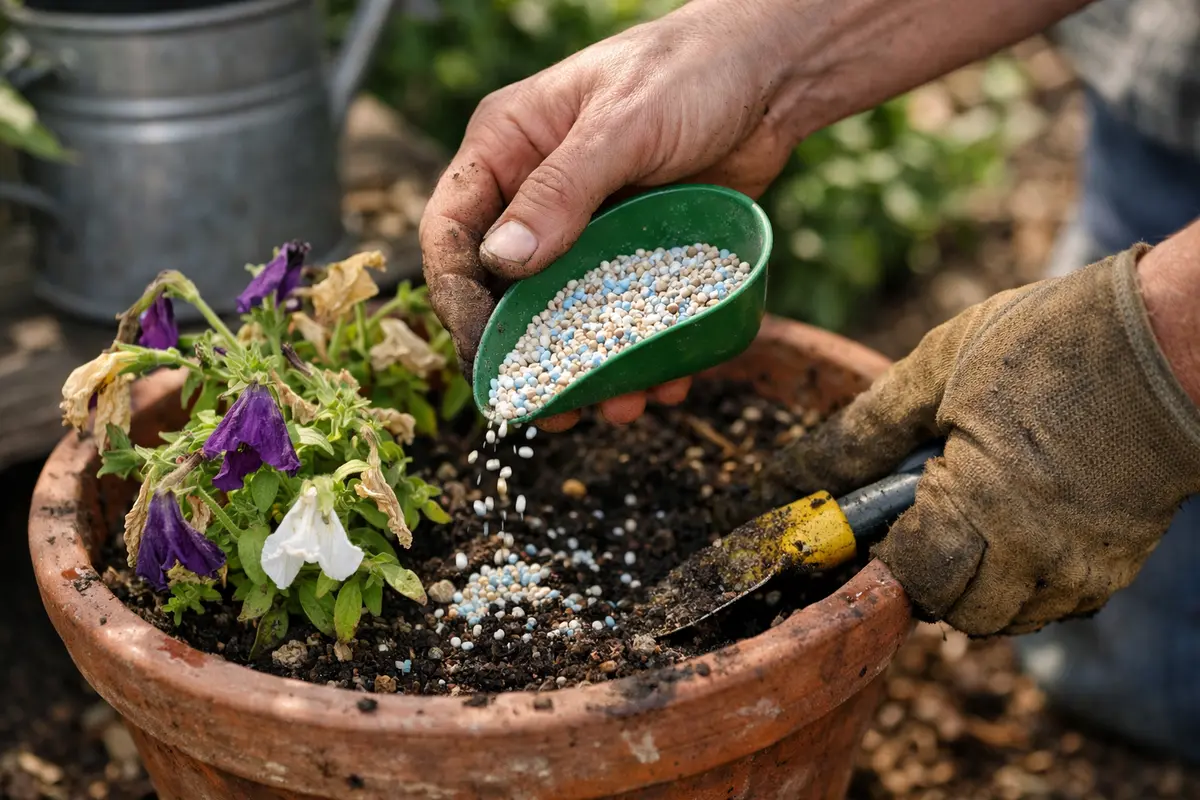
Apply a balanced, water-soluble fertilizer specifically designed for flowering plants to support your petunias’ recovery. Within a week, you should observe fresh, vibrant growth and a noticeable increase in resilience in the plants. Fertilization will help replenish nutrients that may have been lost due to wilting and drought stress. Always dilute the fertilizer to half-strength unless otherwise directed, as this practice helps prevent additional stress from over-fertilization. Pay attention to the specific type of fertilizer; those higher in potassium support bloom development while also assisting recovery. Apply during cooler parts of the day—either early morning or late afternoon—to maximize absorption and minimize evaporation.
Petunias require essential nutrients to recover from stress; insufficient fertilization can prolong recovery times. A balanced fertilizer introduces key elements such as nitrogen, phosphorus, and potassium, which promote healthy root development and flowering. Utilize a liquid fertilizer for faster absorption; however, slow-release fertilizers might not deliver immediate results, which is crucial if plants are already in distress. Be cautious; over-fertilization can cause salt buildup in the soil that leads to leaf scorch. To confirm this, look for white crusty residues on the soil surface; if noticed, you need to flush the soil with water effectively to help disperse excess salts.
A common mistake during this recovery phase is applying fertilizer too soon after watering. If you fertilize while the soil is still dry, it will not be effectively absorbed, which can reinforce water deficiencies and increase overall stress. Wait until you observe that the wilting has resolved before applying fertilizer. If water retention remains an issue in the soil, consider using a fertilizer formulated for clay-heavy soils, as they often provide better moisture retention properties. Additionally, avoid fertilizing while the plants are still recovering from wilting; ensure they show signs of robustness before returning to the regular feeding schedule. Continually check for signs of stress after fertilizer application; if the symptoms return, re-evaluate your approach.
Step 4 – Inspect Petunias for New Wilting Signs
Check your petunias for signs of recovery every few days. Watch for the plant’s leaves becoming firm and vibrant again, which indicates that hydration and nutrient levels are stabilizing. During this time, continuous monitoring will reveal whether the wilting issue has fully resolved or if stress symptoms return. Keep a close eye on any new buds; if they begin to develop fresh leaves or flowers, it’s a positive sign that the recovery efforts are effective. However, if wilting or drooping returns, this indicates that the underlying issues still require attention. Each assessment should involve closely inspecting not only the leaves but also the roots.
Fully recovered petunias will display strong leaves with no wilting, vibrant colors, and new blooms emerging, often within one to two weeks. A healthy plant will also have roots that can effectively absorb water, ensuring it withstands heat or drought stress better for the future. If you observe drooping or discoloration returning, especially during warmer weather, it suggests that existing issues might still need addressing. Evaluate the surrounding environment closely; if plants are exposed to significant nighttime temperature drops or drafts, it can negatively impact their recovery.
If signs of wilting return, consider reevaluating your watering practices and assessing the soil’s health. Sometimes, it may be necessary to check for pests or changes in the soil’s moisture retention capabilities. Regularly observe the foliage for any new infestations or fungal growth, as these can exacerbate wilting symptoms. Keeping a gardening journal can help document conditions leading to wilting, enabling you to anticipate future problems and adjust care accordingly. Should signs of stress persist, modifications to their environment—such as providing shade during peak heat—become increasingly critical to preventing further wilting episodes.
FAQ
How long will it take for petunias to recover from wilting?
Typically, petunias can start showing signs of recovery within a few hours after watering, but full recovery may take several days or longer, depending on the severity of the wilting. Regular monitoring during this period will help gauge progress more effectively, specifically checking for leaf firmness and vibrancy. If optimal conditions exist, expect noticeable growth and blooming of new flowers within a week. Continuous assessment of environmental conditions, such as light exposure and watering frequency, can also speed up recovery.
Can overwatering cause petunias to wilt?
Yes, overwatering can lead to root rot, which disrupts the plant’s ability to absorb water and nutrients, resulting in wilting similar to drought conditions. Look for yellowing leaves or brown spots on the foliage; if you see such symptoms shortly after watering, adjust your watering routine immediately. Overwatered petunias will often exhibit wilting but have wet soil, indicating a need for immediate care, such as adjusting watering frequency and assessing drainage conditions.
Should I remove wilting leaves from petunias?
Removing wilting or dead leaves can help your petunia focus energy on new growth. However, ensure that the plant is otherwise healthy before trimming back any foliage, as excessive removal can exacerbate stress. It’s important to note that removing affected leaves can aid in improving airflow around the plant, which reduces the likelihood of fungal issues. While pruning, be vigilant for any signs of pests that contribute to overall wilting stress in petunias. Careful observations and timely interventions can significantly enhance the overall health and resilience of your plants.