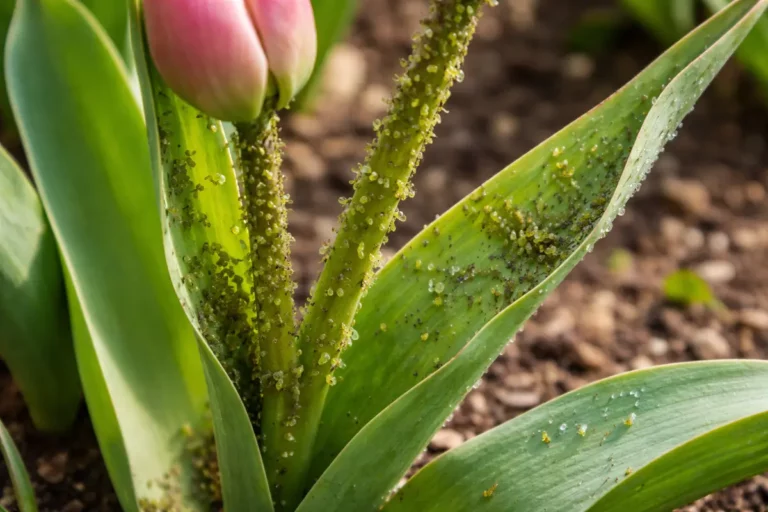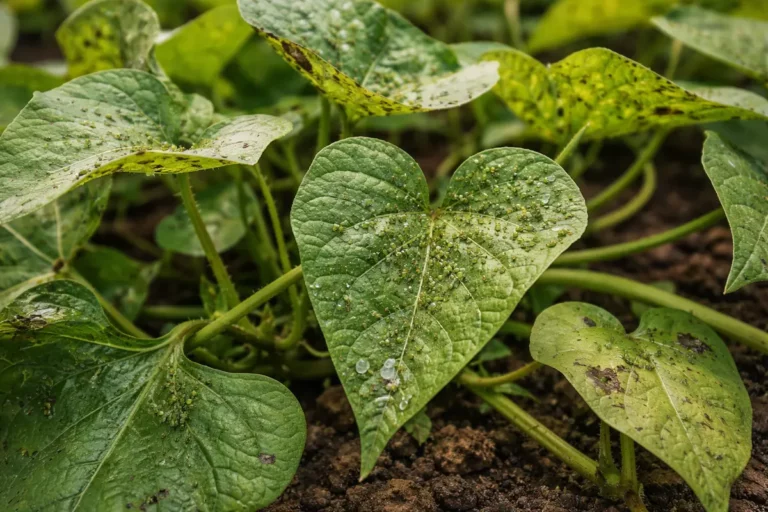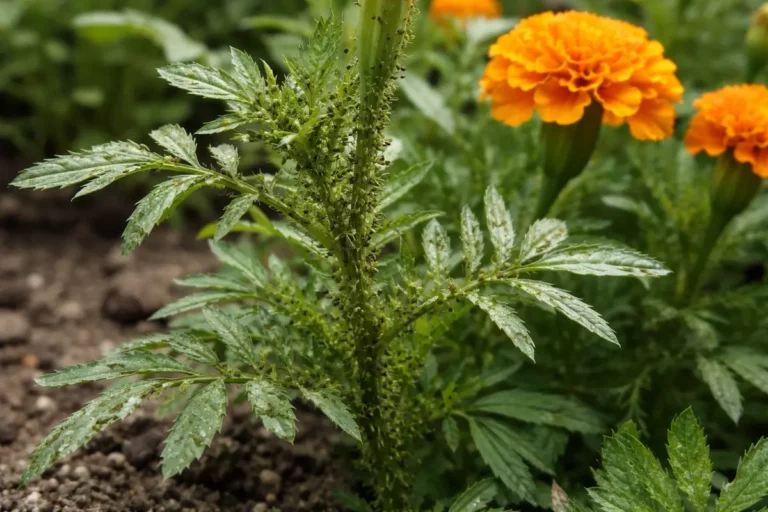
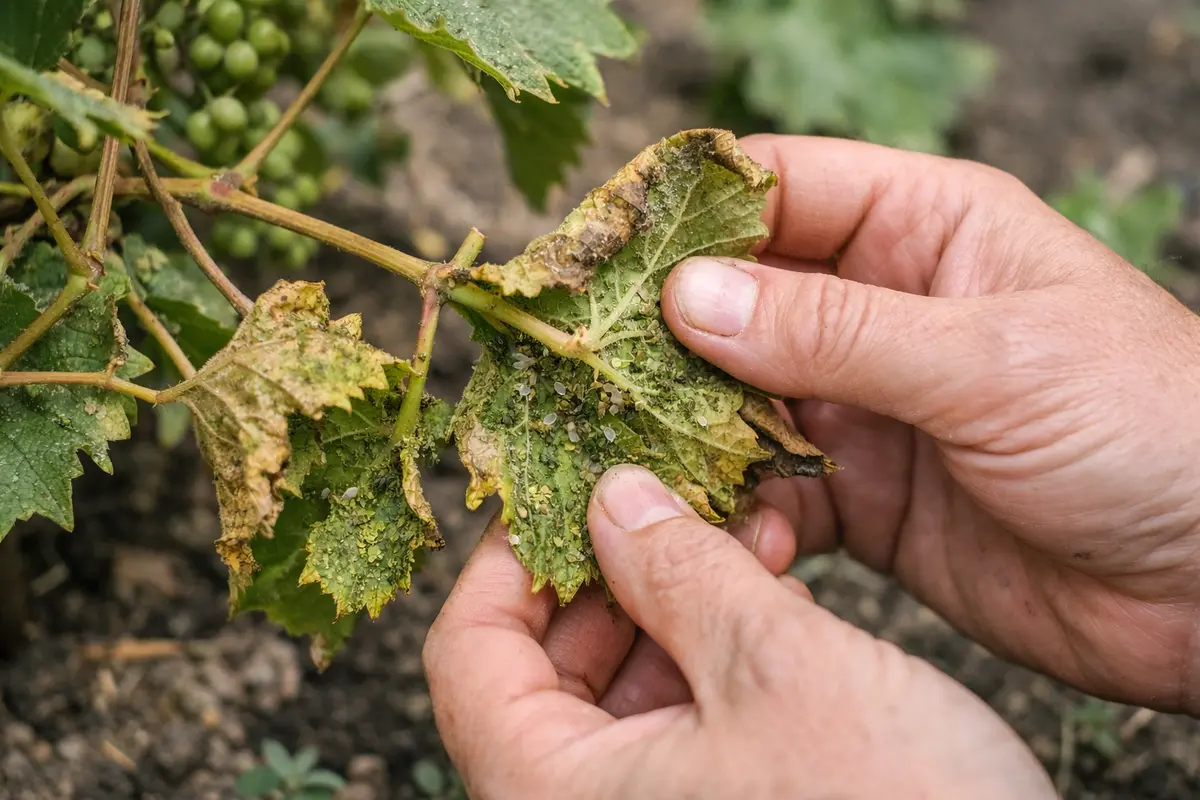
You may notice tiny green insects clustering on your grapevines during growing season, a clear sign that you need to know how to treat aphids on grapevines during growing season. These pests cause yellowing and wilting of leaves, leading to significant damage if left untreated. If ignored, the infestation can spread, weakening the plant and making it harder to fix, but now is the perfect time to inspect and remove these pests to restore your vines’ health.
Step 1 – Spray Insecticidal Soap on Grape Leaves
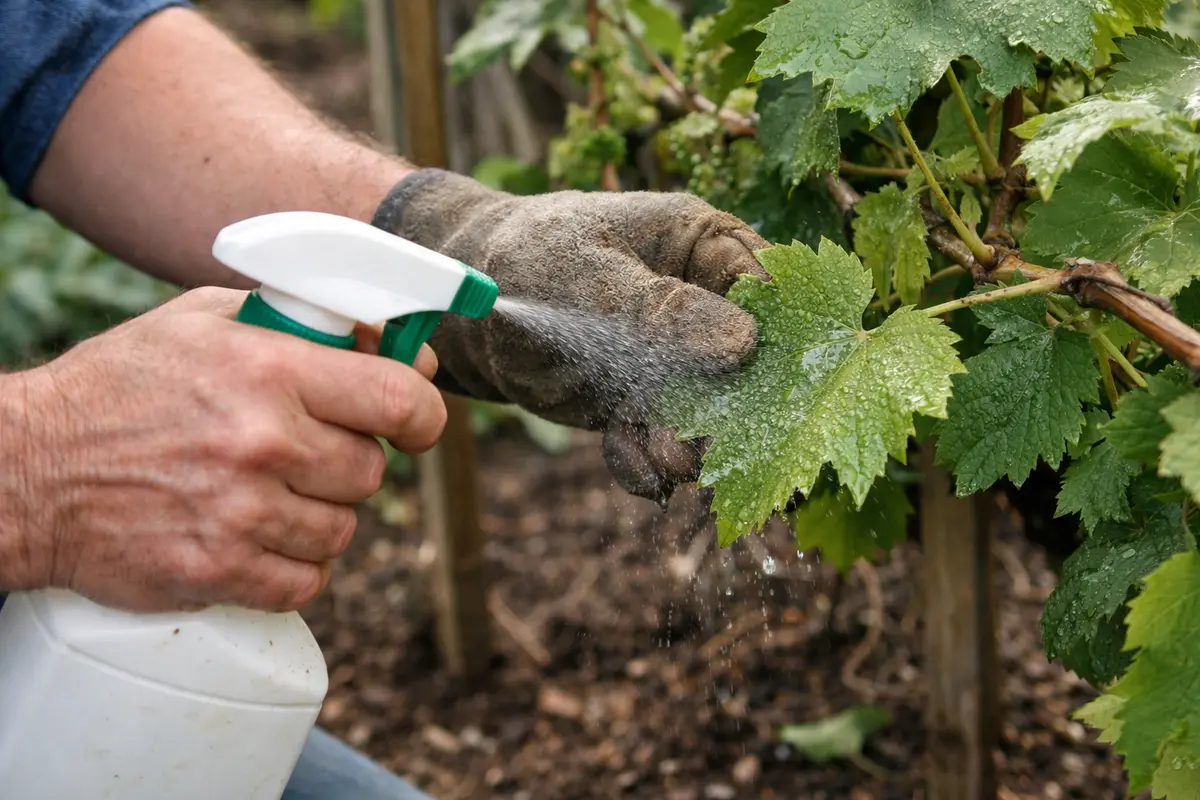
Begin by thoroughly spraying insecticidal soap on the affected leaves of your grapevines. This action will lead to a noticeable decline in the visible aphid population within one to two days. Make sure to cover both the upper and undersides of the leaves for maximum effectiveness, applying the spray until the leaves are noticeably wet but not dripping. Ideally, use a pressure sprayer to ensure the soap penetrates dense foliage. Pay particular attention to areas where leaves overlap or are densely packed, as these often serve as hiding spots for aphids.
The use of insecticidal soap works by suffocating the aphids, disrupting their ability to breathe effectively. It is essential to act fast, as each strong aphid colony can double its numbers in just one week under optimal conditions. Regular monitoring during this time can help identify any potential population surges. If this treatment is delayed, the continuous feeding of aphids can lead to more severe plant stress, stunted growth, and even plant death. In many cases, an initial treatment may not eliminate all the aphids, particularly if they are hiding in nooks or densely packed clusters on the leaves, so prepare for multiple applications.
Common mistakes at this stage include applying insecticidal soap at the wrong time, such as during high heat or direct sunlight, which can harm the plant’s leaves. Ideally, you want to apply the soap early in the morning or late in the evening when the temperatures are cooler. Other challenges can arise if your sprayer isn’t calibrated to deliver a fine mist, which can cause runoff instead of thorough coverage. If the infestation is extensive and the leaves are heavily infested, you may need to repeat the application every few days until the infestation is under control. Monitor the plant closely; if you notice new colonies forming, do not hesitate to switch to a more potent treatment.
Step 2 – Inspect for Underlying Pest Issues on Vines
Start by inspecting the undersides of grapevine leaves for tiny green or black aphids. Once you identify them, wash the leaves with a strong spray of water to dislodge the pests, and monitor the vines daily to see a decrease in their numbers within a few days.
Aphids thrive in warm, moist conditions, feeding on the sap of grapevine plants. As they inject saliva into the plant tissues, this can lead to leaf curling, yellowing, or even stunted growth. If the leaves appear brittle and brown instead, check for signs of fungal infection or dehydration as a different underlying issue!
If your grapevines continue to attract aphids despite spraying, assess the soil for imbalances; nutrient-deficient plants may be more susceptible. If the soil smells sour, this could indicate root rot or poor drainage, requiring immediate amendments with organic matter and improved aeration techniques.
Aphids feed by inserting their needle-like mouthparts into plant tissues to suck out sap, leading to stunted growth and curling leaves. This sap extraction not only weakens your grapevines but can also cause unsightly leaf distortions. Alternatively, healthy grapevines will show robust, symmetrical foliage without any signs of discoloration or wilting. If leaves appear yellowing without aphid presence, check for nutrient deficiencies or overwatering. Introduce a soil moisture meter to help prevent overwatering; if readings are high, reduce watering frequency.
If you notice that the soil smells sour or has a slimy texture, it indicates root rot rather than aphid damage. In this case, improve drainage and reduce watering frequency to prevent further decay. If aphids are mistaken for thrips, look for differences in their movement patterns—thrips are generally more active and flutter away when disturbed. This regular inspection routine ensures that any new issues are dealt with quickly before they escalate.
Aphids often attract ants, which protect them from their natural predators in exchange for honeydew, a sugary substance that aphids produce. If ants are present, they facilitate aphid reproduction by shielding them from natural enemies like ladybugs. Recognizing and tackling both the aphid infestation and any additional pest issues is crucial for a thorough recovery of your grapevines. It’s critical to understand that if you treat aphids while ignoring the ants, you might see a resurgence of aphid populations, as the ants will continue to nurture these pests. Using a magnifying glass can help spot tiny spider mites, which may indicate a separate problem requiring immediate action.
If you notice ants crawling near your grapevines, consider employing sticky barriers around the base of the plants to prevent their ascent. This can be a crucial step in breaking the connection between ants and aphids, thereby allowing for more effective aphid control through natural predators. An alternative might be to introduce natural ant repellents that don’t harm beneficial insects like diatomaceous earth. Additionally, keep an eye out for webbing which may indicate spider mite infestations. Spider mites thrive in dry conditions, so if you encounter this issue, it might require different interventions such as using targeted miticides or increasing humidity around the plants.
Step 3 – Fertilize Grape Plants to Enhance Recovery
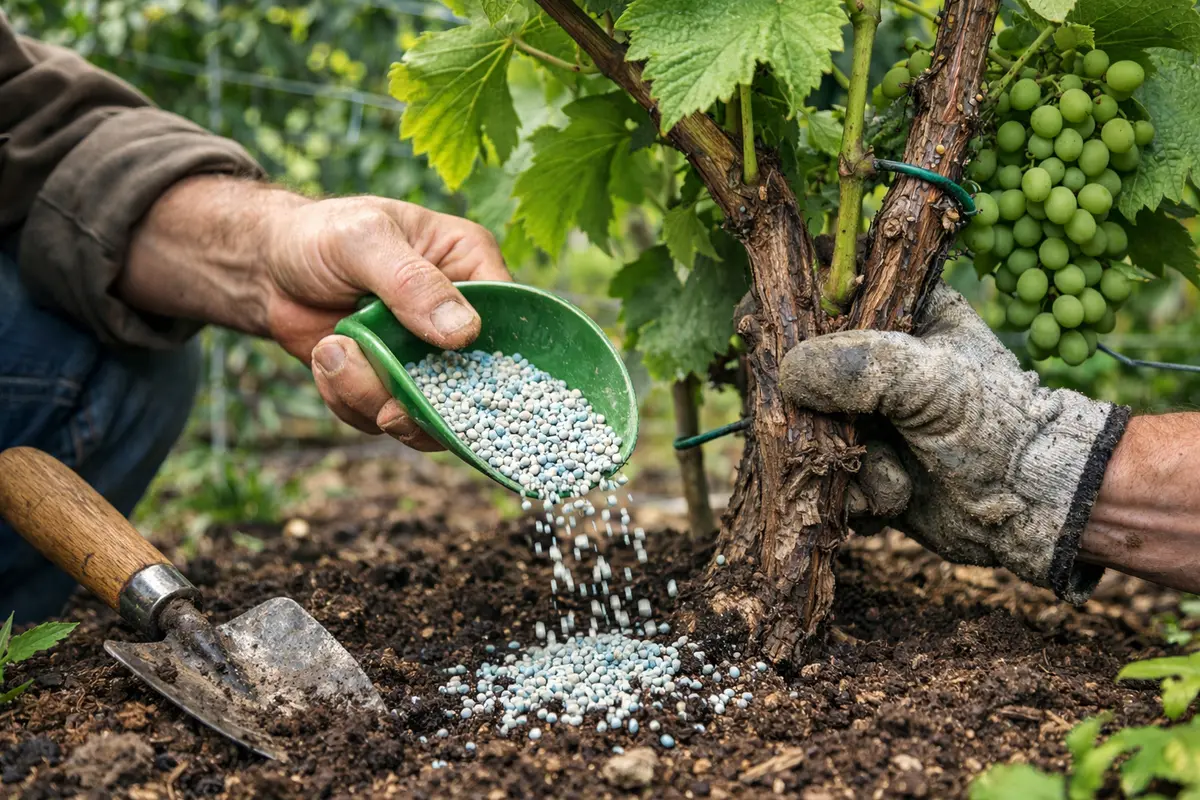
Apply a balanced fertilizer to your grapevines to support recovery from aphid damage and promote healthy growth. You will see improved growth in new shoots and leaves in about a week or two as they respond positively to the additional nutrients. Effective fertilization not only aids in recovery but also enhances the plant’s overall resilience against future infestations. The best fertilizer option during the growing season is one that is high in potassium and phosphorus, as these nutrients support flower and fruit development.
Fertilizers can provide essential nutrients that help bolster the plants, allowing them to withstand stress better during recovery. It’s vital to select a slow-release formula during the growing season, especially after an aphid attack, as this promotes consistent nutrient availability over time. If the plants had difficulty absorbing nutrients due to stress from pests, fertilizing can improve their overall vitality and readiness for incoming challenges. You should notice that new growth appears vigorous and healthy, signifying effective nutrient assimilation.
Avoid the temptation to over-fertilize, as this can lead to lush growth that aphids find appealing, potentially inviting new infestations. If you see new leaves that are incredibly lush green, be cautious, as this can attract pests instead of deterring them. Timing is also crucial; applying fertilizer too early or late in the growing season can waste resources and diminish plant resilience. Factors such as existing moisture content in the soil and weather conditions should also inform your fertilization approach. If you observe the soil retaining moisture longer than usual or the leaves developing an overly luxurious appearance, it may indicate that you’ve applied too much fertilizer at once.
Striking the right balance is essential to avoid attracting aphids again. Regularly test the soil for nutrient levels using a home test kit, so you’re well-informed about the exact needs of your grapevines. This proactive measure ensures that you can make informed decisions in your fertilization strategy and helps preserve the health of your plants over time.
Step 4 – Apply Companion Planting for Aphid Prevention
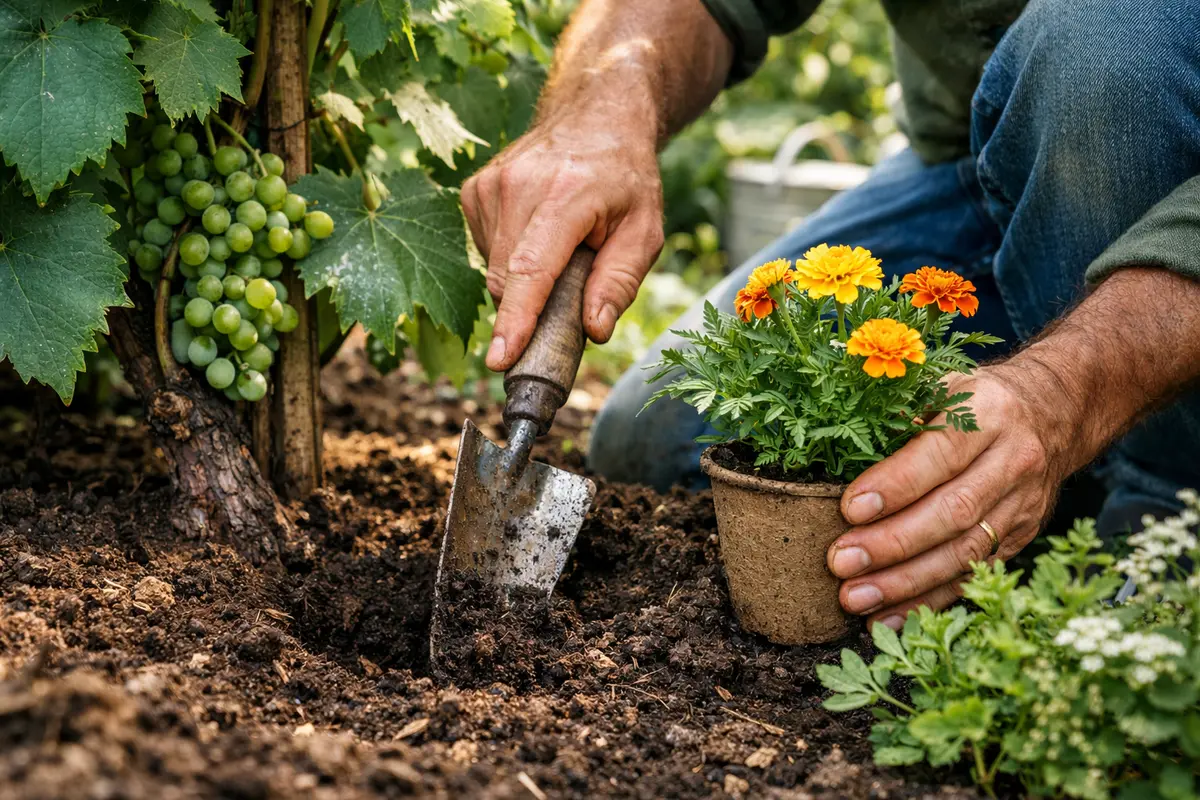
Start by applying neem oil or insecticidal soap to the grapevines, ensuring you cover the undersides of the leaves where aphids tend to congregate. Regularly treating the plants every two weeks will create a protective barrier, leading to a noticeable decrease in aphid populations and healthier foliage. Be diligent about adhering to this schedule, as consistency often yields the best results in pest management.
Aphids thrive in warm, dry conditions which often coincide with mid-summer months. By implementing a routine of neem oil application, you disrupt their lifecycle and deter future infestations, as the oil suffocates and disrupts the pests’ growth. If you notice aphid emergence even after consistent treatment, check for nearby infested plants that could be reinfesting your grapevines—addressing nearby infested plants is crucial for comprehensive control.
During particularly humid or rainy seasons, you may need to adjust your routine by increasing the frequency of treatments to weekly applications. Additionally, incorporating beneficial insects like ladybugs can provide a natural predator for any remaining aphids, reinforcing your prevention efforts and reducing dependency on chemical treatments. Monitor their activity closely; ladybugs can significantly reduce aphid populations if they are established in your garden.
Be mindful of seasonal changes when planning your companion planting scheme. In spring, as new growth starts, introducing these plants early will allow them to establish themselves before aphid populations surge. This proactive preparation can save your grape crops from the devastation of aphid reproduction. Constantly observe how new plantings affect existing grapevines’ growth; a common issue arises if companion plants overshadow or compete excessively with your grapevines for sunlight. Managing growth through pruning and spacing can further ensure that both the grapevines and companion plants thrive. If you notice that companion plants start to encroach upon the grapevines, take steps to carefully prune them to maintain optimal growing conditions.
Step 5 – Check New Growth for Aphid Colonies Frequently
Recheck your grapevines every few days, focusing particularly on new growth for any signs of returning aphid colonies. You should be vigilant for sticky residues or curled leaves, which signify that aphids may be re-colonizing your plants. Implement a protocol for inspecting new shoots and clusters, as these areas are particularly favored by aphids due to their tender and nutrient-rich foliage, which they prefer.
A healthy plant should start showing vigorous new growth with upright leaves, free of sticky residues or distortions within a week or two after treatment. If your grapevines have been well-managed, the new leaves should be vibrant and green without yellowing or any visible damage. This regular check-in is essential; any early detection of new growth abnormalities means quicker management interventions can be made. If the leaves display any unusual softness or curl, it suggests that aphids may have returned and require immediate action.
If you observe any signs of aphids returning, repeat the insecticidal soap application according to the severity of the new infestation. Reinforcing your efforts can include reintroducing companion plants or increasing the presence of natural predators. Staying proactive in monitoring for signs of aphids is critical to sustaining your grapevines’ health throughout the growing season, as unchecked aphid colonies can re-establish remarkably fast. Establish a weekly assessment schedule during peak infestation months to maintain awareness and prevent escalated infestations.
FAQ
How long does it take for aphid treatments to be effective?
Aphid treatments using insecticidal soap typically begin to show results within 1-2 days, as they suffocate the pests upon contact. Subsequent increases in new growth should be visible within a week of the initial treatment, but keep monitoring for a full recovery over the following weeks. If you find that there are still issues, consider alternative treatments.
Can aphids spread to other plants in the garden?
Yes, aphids can quickly spread to nearby plants, especially if they are not treated promptly. Their rapid reproduction rate means that taking immediate action on any affected plant can prevent them from infesting your entire garden. Watch out for symptoms in nearby plants that tend to mimic those on grapevines, such as yellowing leaves and sticky deposits.
Should I remove heavily infested parts of my grapevines?
Yes, trimming away heavily infested leaves can help limit the spread of aphids and allows the plant to redirect energy to healthier parts. Doing so can also significantly reduce the number of sap-sucking pests overall. It’s essential to dispose of trimmed material away from the garden to avoid re-infestation and keep an eye on the remaining plant parts for any new growth that may still attract aphids. Always monitor for possible recurrence after removal.