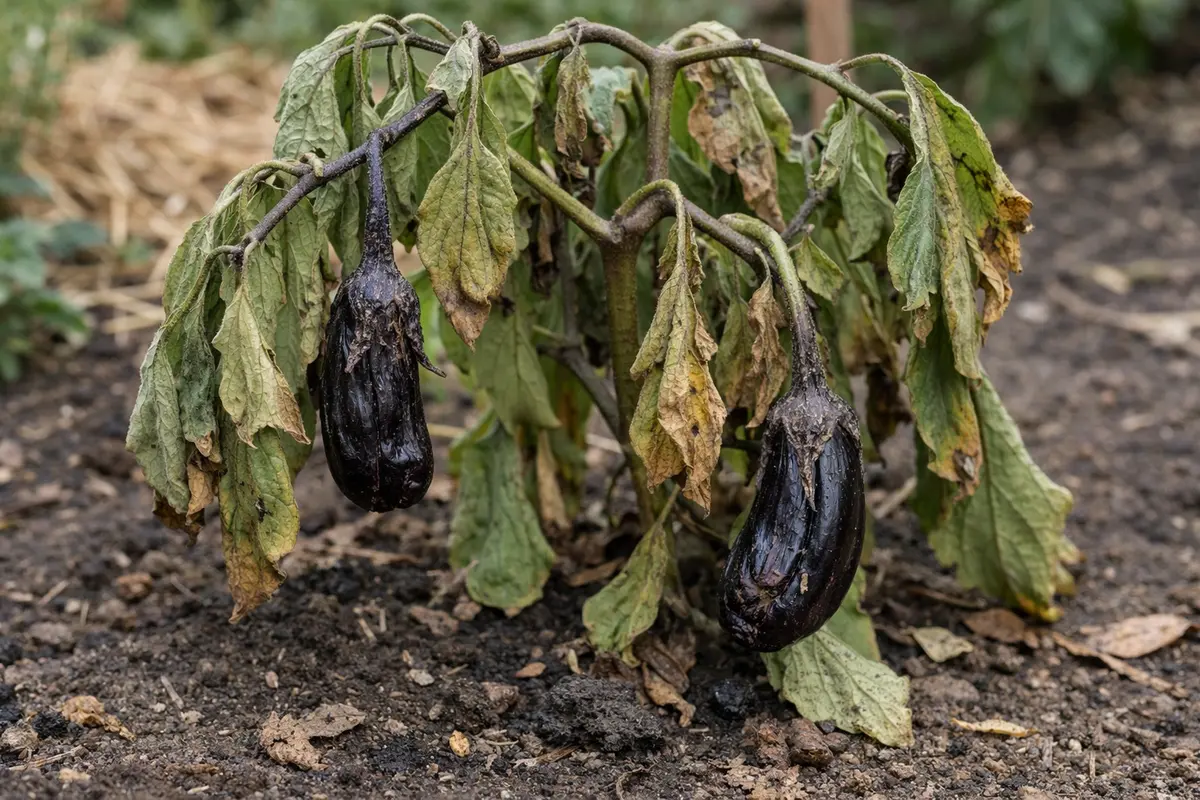
You may notice that your eggplants appear droopy and wilted after a sudden cold spell, which is why you need to know, “Why do my eggplants droop after sudden cold spell?” This drooping occurs because lower temperatures can shock the plant, leading to wilting and damage to the leaves. If ignored, this condition can worsen and potentially weaken the plant, but fixing it is possible now if you check the soil moisture and adjust your care routine accordingly.
Step 1 – Check Eggplants for Frostbite Signs
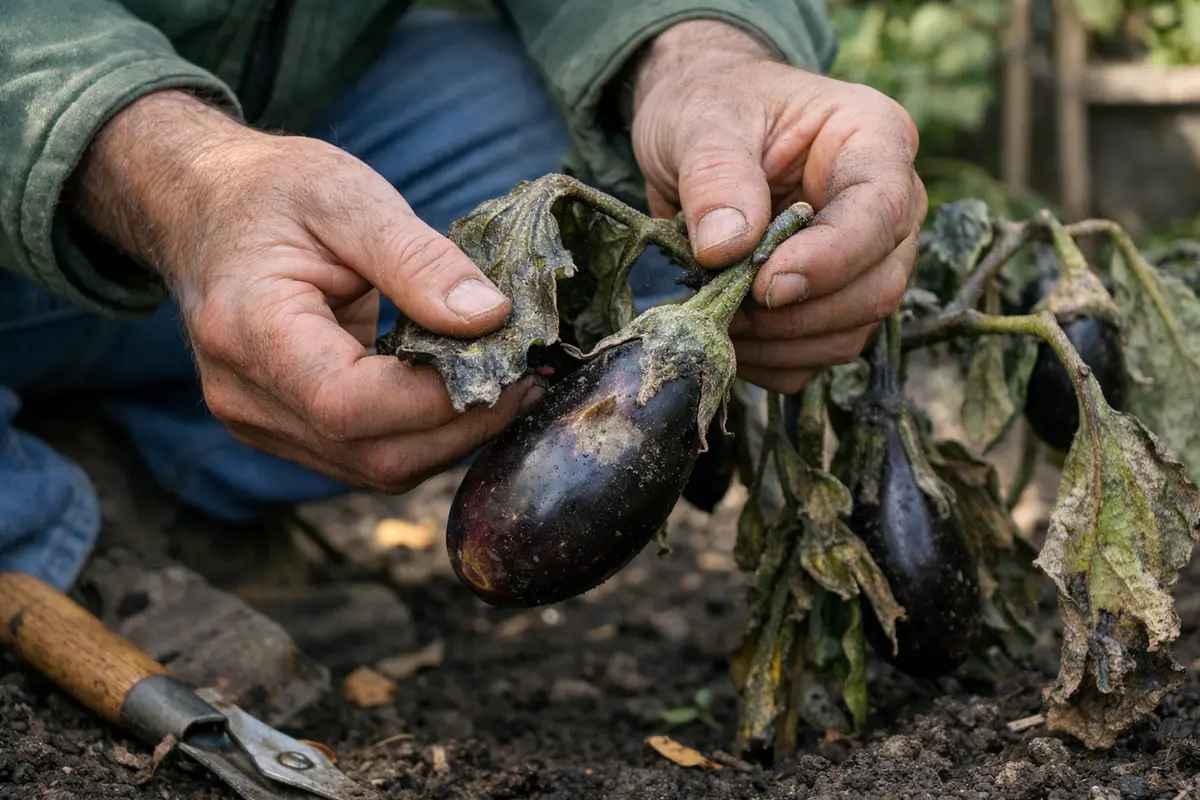
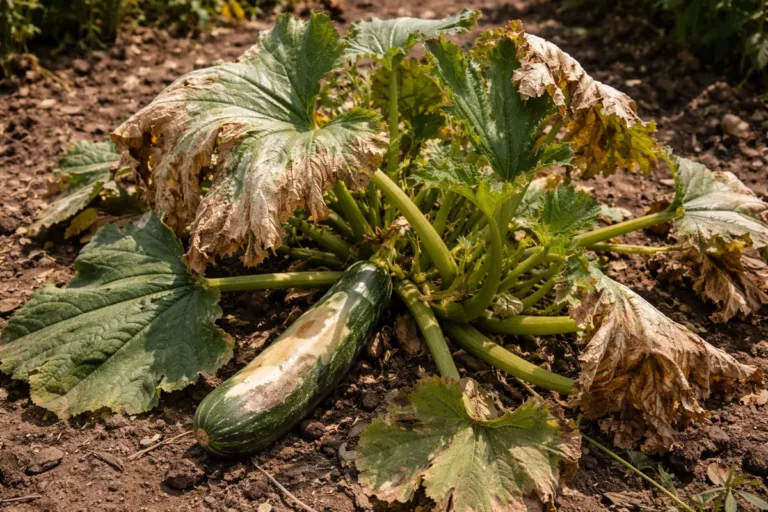
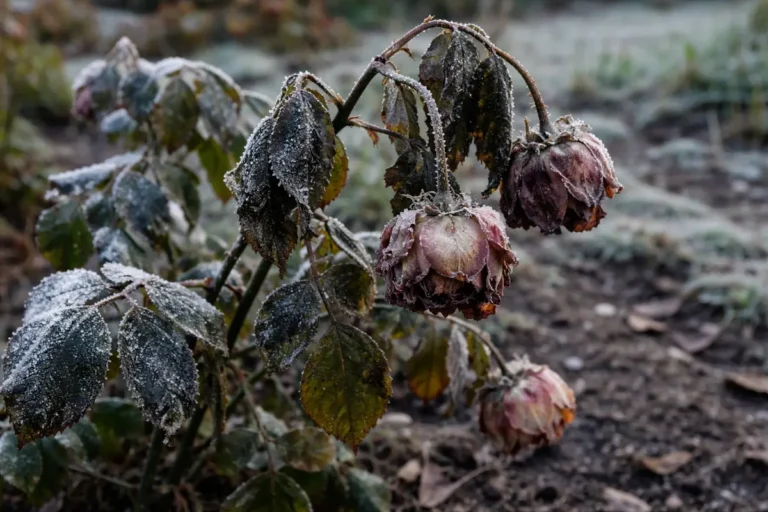
Inspect your eggplants for signs of frostbite or chilling injury immediately. You should see darkening on the leaves or water-soaked spots that appear discolored and limp. Noticing these symptoms quickly allows you to address the issue immediately, reducing the potential for further harm to the plants. It is essential not only to examine the frost-affected plants but also those nearby, as they may show early signs of cold stress that can indicate broader environmental problems.
Acting quickly is crucial because frostbite damages the plant tissues, leading to cell collapse. Eggplants exposed to temperatures below 10°C (50°F) can exhibit these markings within a few hours, and the longer you wait, the deeper the damage can spread. If you see leaves turning dark and wilting, these are alerts that without immediate intervention, you risk browning edges indicating deeper tissue damage, increasing the likelihood of reduced yields or plant death. Consequently, wilting and drooping can worsen if not treated promptly. Remember, tissues frozen beyond recovery will not repair themselves, so swift action is critical. Relying solely on environmental recovery after such incidents is misguided.
A common mistake at this stage includes assuming the plant will revive on its own. Especially after a significant drop in temperature, many gardeners overlook the urgency to check for frostbite. This misconception often leads to missed opportunities for recovery. Instead, proactively check your plants promptly after any unexpected temperature drops to catch early symptoms of stress. If nearby plants are unaffected, consider whether supplemental heating methods could mitigate damage in future cold snaps. Creating small protective barriers, such as row covers or cloches, can limit exposure to chilling winds and frost in critical cold conditions.
Step 2 – Diagnose Cold Stress in Eggplant Leaves
Start by assessing the environmental conditions around your eggplants. If you notice limp leaves and blackened spots, look for signs of frost exposure or temperature shock. Ensure your plants are situated in locations where wind and cold air can move freely, as a blocked microclimate can lead to more severe stress. Identifying these factors quickly allows you to take corrective actions before the condition worsens. If temperatures recently dipped unexpectedly, it’s crucial to consider changing factors.
Cold stress significantly affects the plant’s ability to transport water and nutrients, leading to wilting, especially when the roots have been compromised by cold water. As cell membranes lose integrity under cold conditions, leaves droop as they can no longer support themselves. Understanding this biological mechanism informs your recovery approach. If this stress is prolonged, flowers may drop, a concerning consequence of ignoring the symptoms. Additionally, near-freezing temperatures can result in stunted growth or delayed fruit development if not addressed.
If you observe that the soil is excessively wet or has dark patches, drain the soil to prevent root rot, which presents symptoms similar to cold stress. A quick method is inspecting the root surface; utilize a small trowel to remove a bit of dirt gently without disturbing the plant too much. If the soil maintains a clean smell and appears well-drained, then cold exposure might be the primary cause. Regularly check that the soil remains loose and well-aerated because compacted soil exacerbates root stress issues by preventing adequate water movement. Remember, routine assessments of both the plant and its environment can make a significant difference in mitigating the effects of subsequent cold snaps.
Step 3 – Water Thoroughly to Revive Drooping Eggplants
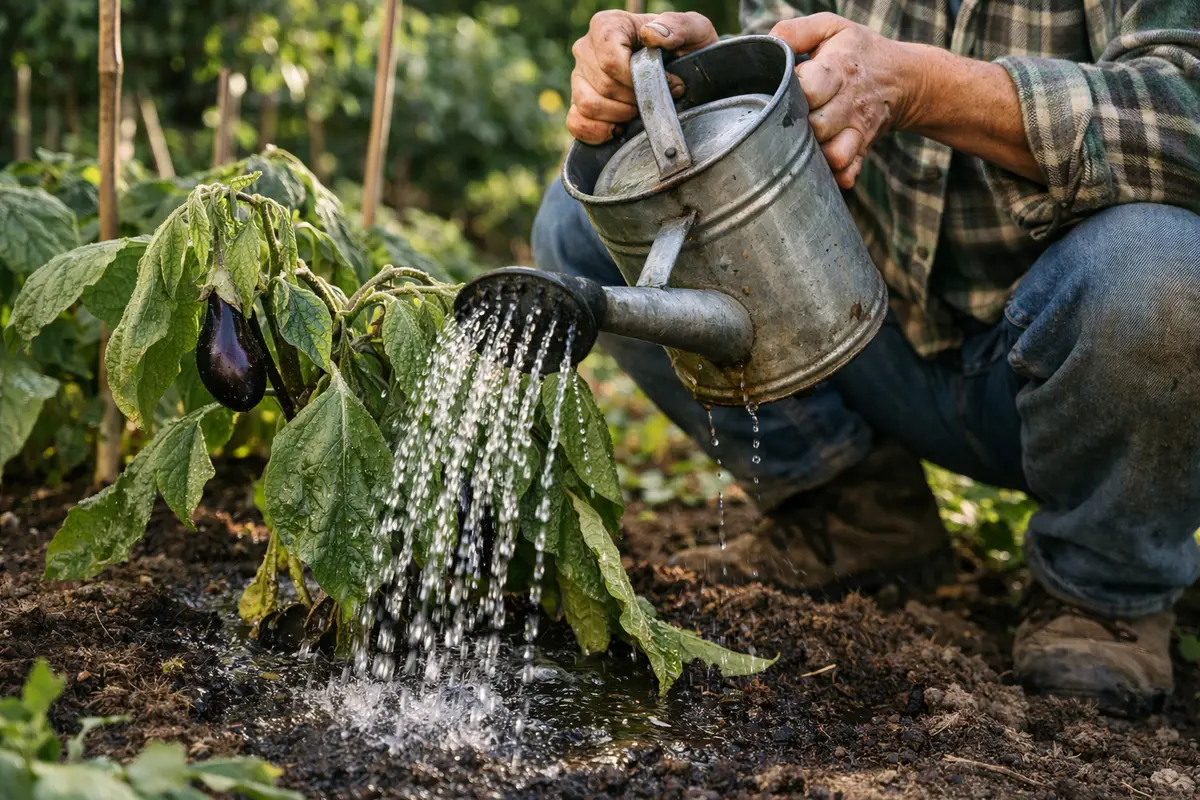
Water your eggplants thoroughly, ensuring moisture reaches at least 6 inches deep into the soil. You will start to observe the leaves begin to perk up within a few hours as they regain turgor pressure, which is crucial for standing upright. This restoration process aids them in recovering from the stress caused by cold temperatures. To check soil moisture, insert your finger up to the second knuckle; if the soil feels dry, it’s time to water. If it feels moist but the plants are still drooping, check the drainage around your plants as well.
Full hydration is essential for eggplants, which rely on absorbed water to maintain their structural integrity. Adequate soil moisture helps facilitate nutrient absorption from the roots, thus aiding in rehydrating the foliage. As the plant takes in this moisture, you’ll witness a gradual return of the leaves’ firmness, indicating a healthy recovery. Within a few hours to a day, you should expect visible changes such as leaf re-extension and firmer stems if the watering is sufficient. If they do not respond within this window, investigate further into soil conditions.
One key mistake to prevent at this stage is overwatering, which can lead to root rot and exacerbate existing problems. Ensure that you adjust your watering based on any rain received in the preceding days, as relying solely on preemptive watering can create a false sense of security and lead to over-saturation. Aim for a consistent moisture level, allowing the top layer to dry slightly between waterings, as this encourages a healthy growth cycle. If the plant response seems minimal after watering, assess the soil drainage. Poor drainage could indicate further underlying issues that may create additional complications for root health, such as clamminess in the roots or insufficient aeration. Avoid making the same mistake of watering without checking recent conditions first.
Step 4 – Shield Eggplants from Future Cold Exposure
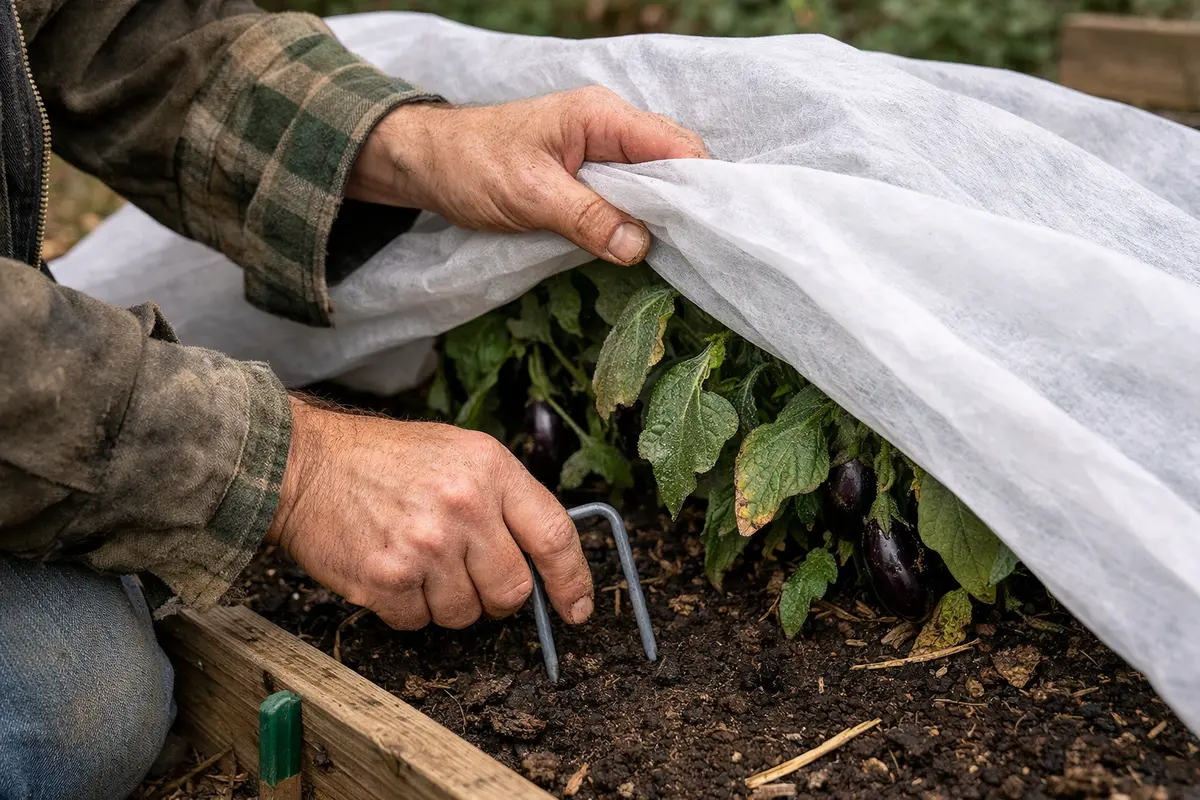
Start by covering your eggplants with a frost protection fabric or row cover immediately after a sudden cold spell occurs. This immediate action prevents further drooping and ensures the plants stay insulated from temperature fluctuations, leading to healthier foliage and fruit development in the long run.
Drooping in eggplants often occurs after exposure to temperatures below 50°F, which disrupts their physiological processes. Protecting them with fabric not only serves as an immediate shield against the cold but also helps maintain a more stable microclimate around the plants, reducing the risk of future temperature shocks. If temperatures dip again, those protected plants will show less stress compared to uncovered ones.
In early spring, when cold nights are common, use heat-retaining materials like plastic mulch beneath the fabric for added warmth. This method enhances the soil temperature, promoting quicker growth once temperatures stabilize and adding an extra layer of protection that reinforces your initial measures. If frost warnings arise, ensure the covers are securely in place to maximize their effectiveness.
Drooping commonly results from cold shock, particularly when temperatures drop below 50°F (10°C), causing the cells in the plant to lose turgor. By implementing protective measures like frost cloth, you’re blocking cold winds and trapping warmth, which stabilizes their environment and mitigates the effects of sudden temperature changes. If your eggplants still droop after a cold spell, check for insufficient watering, as dry roots can exacerbate stress. Timing is important – ideally, you should set up these protective measures in anticipation of frost warnings, not just reactively.
As winter approaches, increase the frequency of your protective measures by monitoring nighttime temperatures and adjusting coverings accordingly. For instance, if nighttime temperatures are predicted to drop below 5°C (41°F), deploying protective coverings early can be beneficial. Forecasting tools can help identify these conditions several days in advance, allowing for timely action. Alternatively, installing windbreaks can shield the plants from direct cold winds that could exacerbate the cold stress experienced by your eggplants.
Maintaining an optimal microclimate is essential in vegetable gardening. Eggplants thrive in temperatures above 15°C (59°F), and utilizing reflective materials can help stabilize their environment, reducing the likelihood of nighttime cold snaps. For instance, covering soil with organic mulch around the base of your plants can retain ground warmth and promote a conducive growth environment. Regularly executing these protective strategies will help sustain your plants’ health across fluctuating temperatures. Don’t hesitate to adjust as necessary—conditions can change rapidly.
Consider that seasonal changes may require varying protective strategies. For example, heightened frost protection may be needed in autumn, while only lightweight covers might suffice in early spring for tender young plants. With the possibility of fluctuating temperatures, frequently check moisture levels beneath the covering to prevent excess condensation that may encourage pest breeding. Continuously monitoring your local weather patterns and being mindful of temperature predictions will enable you to adapt your protection methods swiftly, allowing for a responsive gardening strategy to safeguard your young eggplants effectively.
Step 5 – Inspect Eggplants for Recovery Signs Weekly
Check your eggplants weekly for signs of recovery after applying the aforementioned actions. Specifically, look for new growth at the tips of the stems, with leaves regaining their original firmness and vibrancy. This vigilant approach ensures that you can catch any rebound in health or returning symptoms early. New shoots indicate recovery is underway; in contrast, yellowing leaves could signal persistent issues that require further investigation and treatment. If you were proactive with watering and environmental checks, these signs should appear more quickly.
A fully recovered eggplant should display erect leaves and vibrant green coloration. If you begin to notice yellowing or continued limpness, it indicates that the plant may still be under duress or that additional factors, such as nutrient deficits or root issues, have emerged. A clear understanding of what constitutes healthy plants will aid in effective monitoring. If your plants are overtly slow to recover after a couple of checks or if they show signs of disease, such as leaf spots or wilting beyond the expected behaviors, adjustments in care may be warranted. Awareness of these symptoms leading to a corrective action can save your crop.
If, after a couple of weeks, you do not observe any improvements or if the health of the plant starts declining, you should consider checking the root system for signs of damage. If root rot is the concern, pull the plant gently from the ground to examine the roots for signs of mushiness or discoloration. Compounded issues such as root rot from overwatering may worsen, necessitating distinct corrective measures. Look for mushy roots that emit a sour or foul odor, suggesting anaerobic bacterial issues. Taking swift action will significantly prevent potential losses, ensuring timely interventions before the risk of losing entire plants escalates. Keep in mind, incorporating effective monitoring routines will assist in maintaining optimal growth conditions as seasons shift.
FAQ
How long does it take for eggplants to recover from cold stress?
Recovery can take anywhere from several days to a couple of weeks, depending on the severity of the stress experienced and the conditions following the incident. Consistent watering and ample sunlight can improve recovery time, while severe cases may require more rigorous attention to root health and soil conditions. The process may be expedited by maintaining optimal soil conditions with a healthy balance of moisture.
Should I remove damaged leaves from my eggplants?
Yes, you should remove severely damaged leaves as they can divert energy away from healthier parts of the plant. Make sure to cut them back to the stem and dispose of them properly to minimize any risk of disease spreading. This clear-out process helps the plant focus its resources on regrowth rather than repairing damaged tissue. While doing this, be observant for any potential infestations that may be targeting these compromised areas, as this can exacerbate plant stress further.
What can I do if my eggplants keep drooping after cold spells?
If the drooping persists, inspect the roots and soil moisture levels diligently. Consistently low temperatures or overwatering conditions can lead to root rot, necessitating soil amending or even the application of fungicides to mitigate further damage. Additionally, consider environmental conditions such as decreased sunlight exposure over consecutive days; insufficient light can also contribute to declining health. If the issue seems systemic, adjusting the watering schedule and practices based on both observed weather conditions and specific plant requirements may promote healthier growth trajectories.