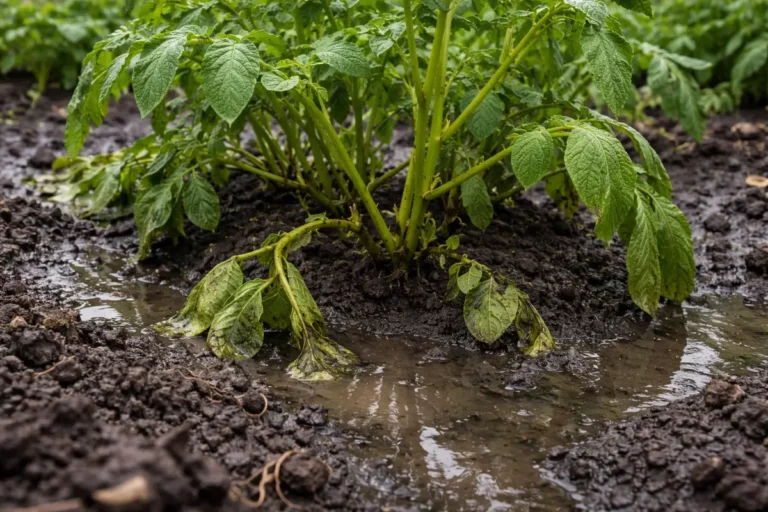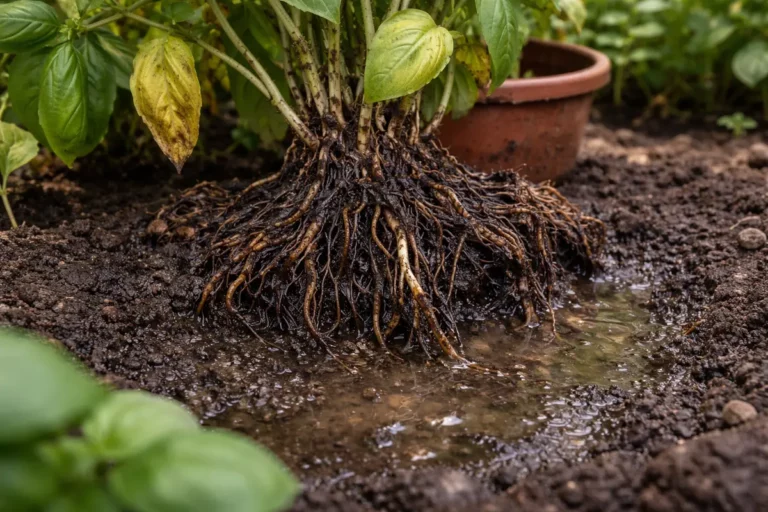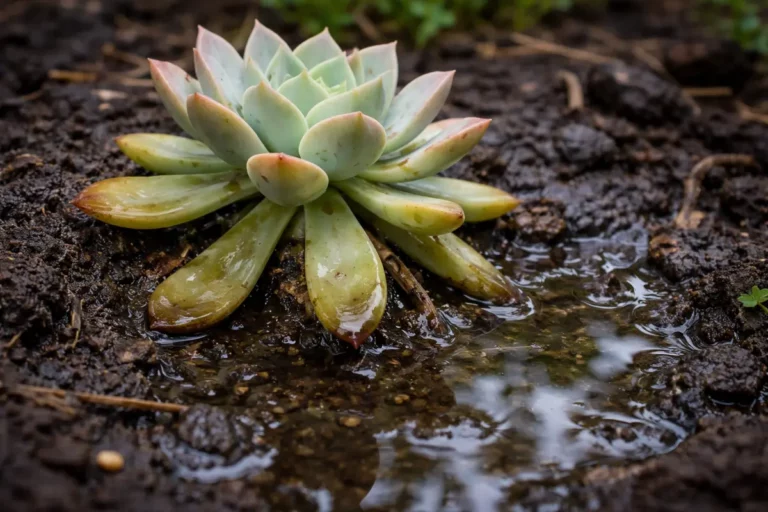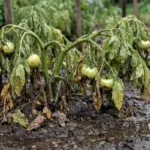

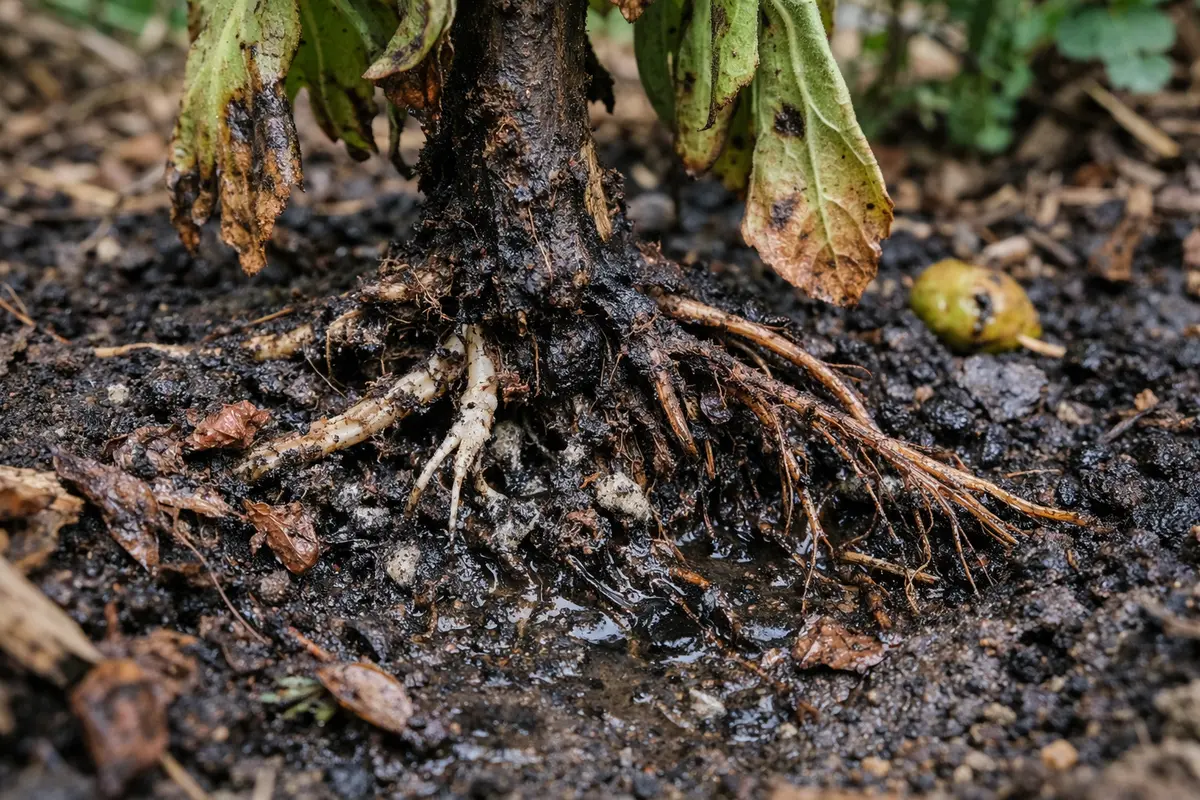
You may notice your fig plants looking distressed when the wet weather hits, a clear sign that you need to know how to prevent root rot in figs after wet weather. Excess moisture can lead to rotting roots, resulting in yellowing leaves and mushy stems. If left unaddressed, this condition worsens and can spread, ultimately weakening the plant, but it’s possible to fix it now by checking the soil, improving drainage, and monitoring moisture levels. Without prompt action, your beloved fig could suffer irreversible damage, so immediate intervention is crucial.
Step 1 – Remove Excess Water from Fig Roots
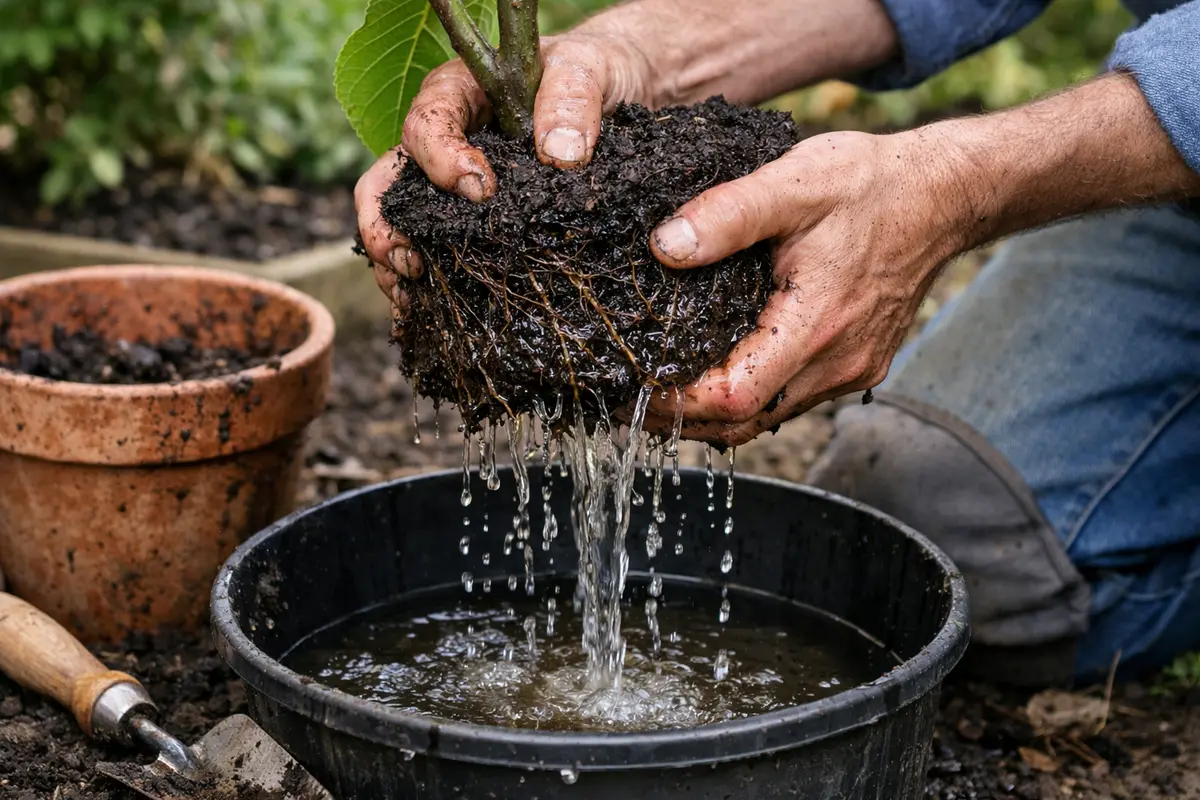
Start by carefully lifting the fig plants from their containers to prevent excess water retention around the roots. You will observe the soil loosening and moisture gradually escaping, which helps alleviate root stress. This action is crucial as stagnant water can suffocate roots, reducing oxygen availability. If you suspect waterlogged conditions, tilting the pot slightly can facilitate drainage, allowing you to visually gauge the soil’s moisture content. Touching the pot’s sides can also reveal if it feels heavier than normal, indicating excess water inside.
Fig trees require well-aerated soil to thrive, and any saturation hampering this can hinder nutrient uptake and overall health. When left untreated, the roots begin to deteriorate, resulting in yellowing leaves and limp stems. You may notice areas of the soil remain saturated longer than others, which indicates poor drainage; in the worst cases, roots may even generate a foul smell as they decay. The sooner you act to drain excess water, the better the chances of recovery as beneficial root fungi and aerobic bacteria can regain a foothold in the soil. Consider using a moisture meter to get precise readings of the soil saturation, helping you determine critical action points.
A common mistake many gardeners make is neglecting to check for waterlogged soil after heavy rains and failing to assess root conditions immediately afterward. If left too long, the roots may begin to rot, necessitating more extensive intervention later on. In my experience, responding within hours rather than days can make a significant difference in plant health. Should you find roots soft or mushy upon inspection, it’s important to trim away any rotted sections immediately to prevent further decay. Be cautious, as over-pruning can further stress the plant, so eliminate only the most affected areas while monitoring for any additional signs of decline.
Step 2 – Assess Soil Compaction Near Fig Base
Start by inspecting your fig plants for symptoms of root rot disease, such as yellowing leaves and stunted growth. If you find these signs, take immediate action by removing any standing water around the root zone and ensuring proper drainage in the soil. You should see leaves that start reverting to a natural green color within a few days, indicating less stress on the plant. Checking the soil density can help; if it’s tight and clumpy rather than loose and crumbly, the chances of root suffocation increase.
Root rot disease occurs when excess moisture creates a hostile environment for the roots, leading to a lack of oxygen and the proliferation of fungi such as Phytophthora. In this condition, roots begin to decay, resulting in poor nutrient absorption and visible symptoms like wilting foliage. If the soil appears dark and mushy around the roots, that confirms root rot from water-logged conditions; if the soil is dry but symptoms persist, check for other diseases. Notably, if you see signs of spider mites or other pests, they can compound the root rot problem, stressing the plant in multiple areas.
If your soil smells sour when disturbed, it indicates anaerobic conditions promoting harmful pathogens. In this case, you should amend the soil with coarse materials like perlite or sand to enhance drainage and aeration. Alternatively, if you see blackened roots but the soil smell is normal, consider root knot nematodes as a different concern that requires soil testing for effective management. Removing compromised sections of the root system may provide immediate improvement in some cases, allowing other healthy roots to establish more autonomy.
Compacted soil prevents excess water from draining effectively, creating an environment ripe for root rot. In well-structured soil, roots can expand, access nutrients, and oxygen; when compacted, they suffocate and are set up for decay. If you observe pockmarks, lumps, or a general hardness in the soil, these are tell-tale signs that it needs immediate attention. Quick identification and remediation ensure that roots have room to breathe and thrive, which is particularly crucial during rainy seasons. Heavy rainfall can exacerbate these conditions, leading the soil to quickly become too dense.
If the soil smells sour when disturbed, it indicates anaerobic activity—meaning you need to improve drainage immediately. Conversely, if the soil appears dry and crumbly, it may suggest another separate issue, such as under-watering or poor moisture retention. By accurately identifying these causes, you can tailor the corrective actions to best suit your fig trees’ needs. For instance, if you have not amended your soil before, adding organic matter can help to break up heavy clay soils, allowing for better aeration while also improving moisture retention during drier periods. Monitoring soil structure over time will reveal whether your amendments have had the desired effect.
Step 3 – Treat Figs with Fungicide for Recovery
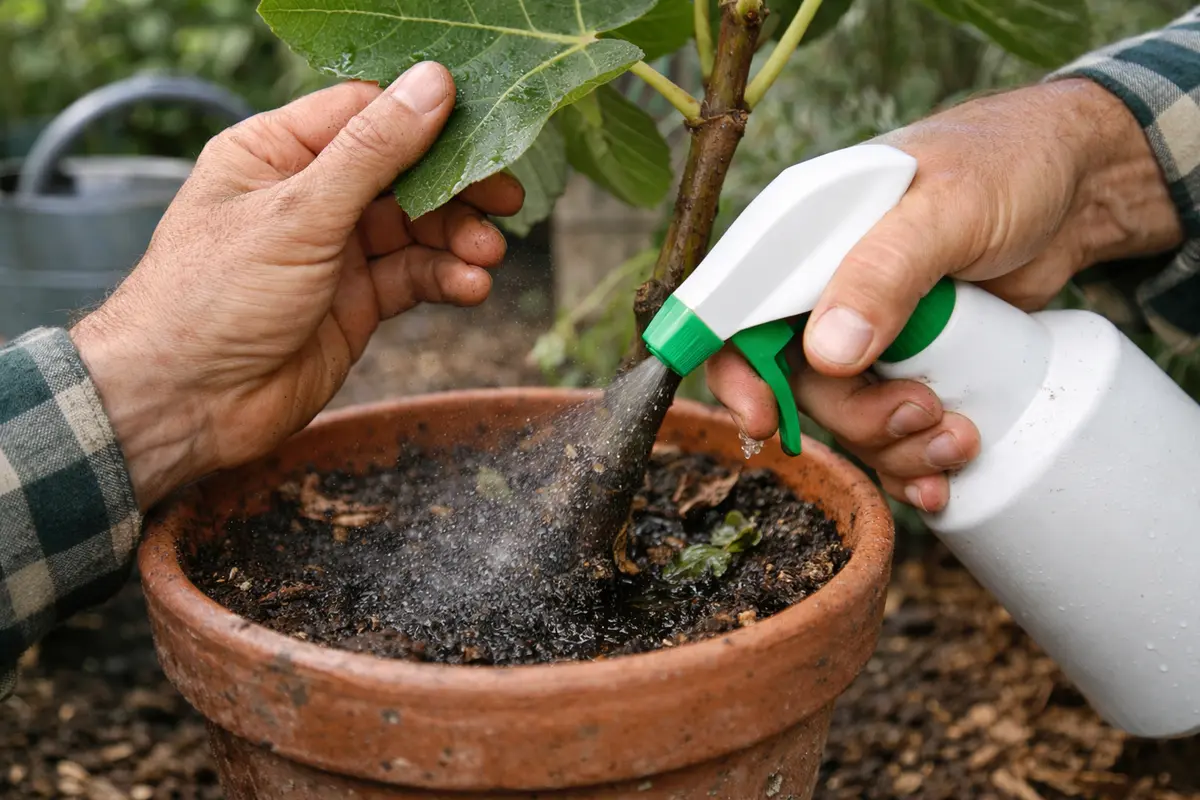
Once the immediate issues are rectified, apply a fungicide treatment specifically designed for root diseases to your fig trees. Expect to see signs of recovery, such as leaves regaining their green color and an increase in new growth within two weeks. It’s essential to apply the fungicide following the manufacturer’s instructions for optimal effectiveness, as application rates can vary. Make sure that the leaves are dry before application, as moisture can dilute the compound and reduce effectiveness.
The timeline for recovery can vary depending on the severity of root rot; however, applying fungicides promptly aids in halting the spread of detrimental fungi. After treatment, observe whether the soil remains excessively damp; if it does, take further corrective actions on drainage. As the roots stabilize and regenerate, the fig trees can absorb nutrients efficiently again, promoting more robust foliage and fruiting activity. During this time, monitor the trees closely for wilting or further yellowing, as these can indicate prolonged root issues. Additionally, consider keeping a checklist as you observe changes in leaf color and texture, as this will aid in establishing a routine inspection plan.
A common pitfall during recovery is overcompensating with water or fertilizer, leading to more stress. It’s crucial to stick to an honest watering schedule, allowing the top soil to dry out before rewatering—ideally waiting until the upper two inches of soil are dry to the touch. This will ensure that roots have time to recover and prevent additional moisture issues that can trigger a new round of rot. If improvement stalls after fungicide application, consider increasing air circulation around the roots by adjusting the planting depth or spacing between trees. Proper air circulation can reduce humidity levels at the base, which will actively discourage fungal growth during the recovery phase.
Step 4 – Ensure Proper Drainage to Prevent Root Rot
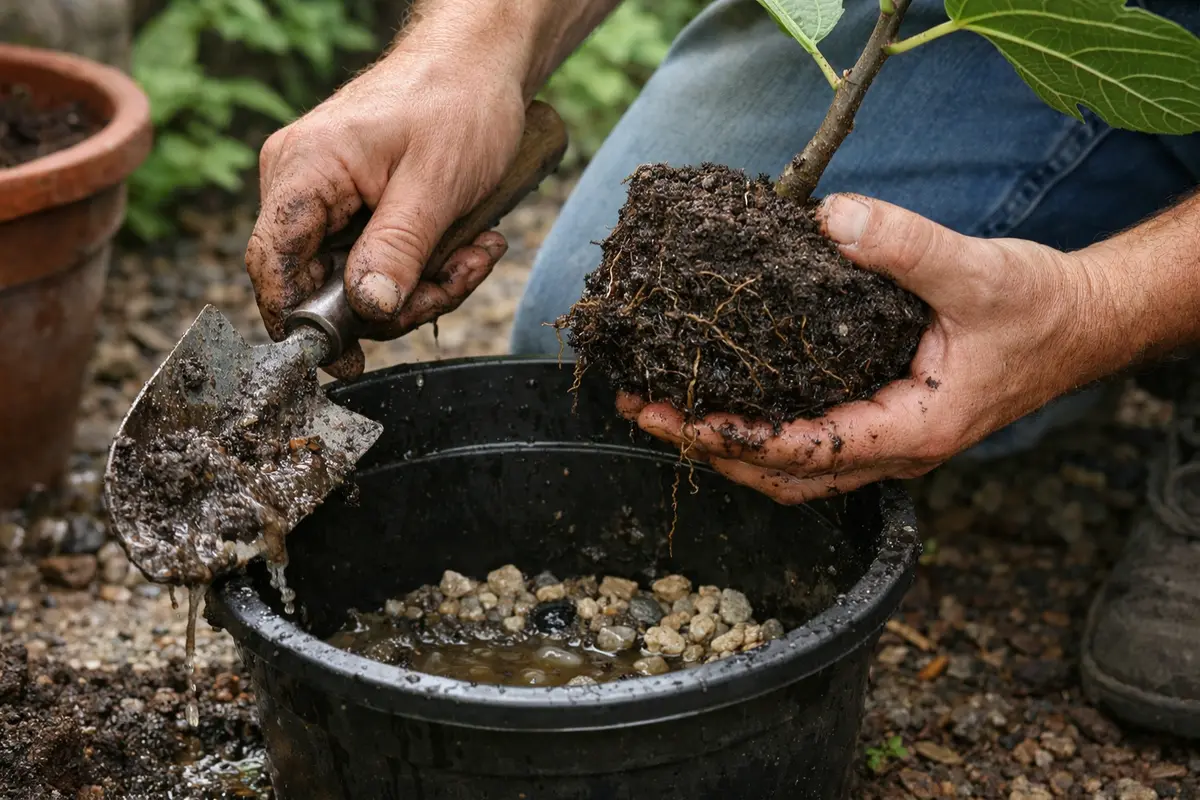
Start by ensuring your fig tree is planted in well-draining soil and elevating the planting bed if necessary. This adjustment leads to improved water drainage, significantly reducing the risk of root rot after wet weather. You can also install a drainage system if you’re in an area with particularly heavy rains to ensure water can escape efficiently.
Excess moisture in poorly draining soil creates a perfect breeding ground for pathogenic fungi that cause root rot. By consistently promoting good drainage, you disrupt the ideal conditions for these fungi, contrasting with situations where figs sit in waterlogged environments, which leads to accelerated decay. If you notice the soil remains damp for days after rainfall, check the drainage setup to see if it needs modification. You may need to dig around the root zone to check for signs of water pooling or compacted chunks that could inhibit flow.
Additionally, during the wetter months, consider applying a layer of mulch around the base of the fig tree to regulate moisture levels. This layer can buffer water absorption, preventing rapid fluctuations in soil moisture, particularly in early spring when rains are frequent and can lead to oversaturation. A helpful rule of thumb is to keep wood chip mulches about four to six inches away from the plant base to prevent rot at the trunk while still allowing protection from soil erosion.
Consistent drainage maintenance addresses underlying environmental conditions that might lead to recurrence. Heavy rainfall can overwhelm poorly draining soil systems, so implementing improvements helps ensure that excess water is adequately redirected. Additionally, using mulch that provides a weather-resistant barrier can prevent spoilage closer to root zones. Opt for wood chips or straw mulch, as they promote soil temperature stability and moisture retention without hindering drainage. If you find areas that consistently stay soggy, consider planting your figs in raised beds to improve excess moisture escape.
Seasonal changes may require adjusting this routine; for instance, before the rainy season, check for any debris blocking natural water pathways, or ensure no infrastructure is impeding localized water flow. After storms, inspect your garden and look for signs of flooding or erosion. Addressing stagnant water can lead to severe root challenges if not checked before rain arrives. Adding weather-resistant mulch can also preserve moisture during dry spells without risking root rot after wet weather. As a precaution, conduct an annual soil test to monitor nutrient levels and pH, allowing preemptive adjustments to be made before root rot conditions arise. Use the test results to modify your soil fertility strategy; for instance, low nitrogen levels may suggest a need for compost or fertilizer adjustments.
Step 5 – Check Figs for Signs of Wilt After Rain
Start by checking the moisture level of the soil around your fig tree regularly, especially after wet periods. Use your finger to feel about two inches deep; if the soil feels consistently damp, then you need to take action. Recheck every few days to monitor for change, and look for signs that the soil is drying out adequately. A moisture meter can also provide precise readings, especially useful in densely packed soils.
A fully recovered fig plant exhibits vibrant green leaves with a firm texture, signaling strong health. In contrast, early signs of root rot can be observed through yellowing leaves that feel soft or mushy to the touch. If you notice leaf drop or wilting despite wet soil, it indicates the problem may be surfacing again. Stepping outside to inspect these symptoms during dry parts of the day can also provide clearer visibility regarding moisture issues or pest activities that may not be as evident in the evening or during wet weather.
If the signs of root rot return even after following the preventive steps, increase airflow around the base of the plant by carefully clearing away excess debris and checking for proper drainage. Thinning overhanging branches or foliage can also help improve airflow around the figs, reducing humidity that might cause rot. If the issue persists, consider repotting the fig in fresh, well-draining soil to help eliminate any pathogens that may be affecting the roots. During the repotting, take care to aerate the remaining soil to ensure roots can access oxygen more freely while minimizing additional stress from this sudden change.
Healthy fig trees should exhibit firm leaves and bright colors; if signs of decay return, this requires prompt action to prevent further deterioration. Early identification allows for swift interventions based on visible symptoms, fostering a proactive approach to plant care. A savvy gardener will also observe the soil texture; shifting from clingy to crumbly can signify root distress. If you notice fresh yellowing or wilting despite previous treatments, consider reassessing the specifics of your drainage systems or evaluating further root health. Addressing these issues head-on can lead to a far better chance of long-term survival and growth.
If problems resurface, apply the fungicide treatment again or consult a professional if the situation escalates. A persistent issue like constant wilting despite attention could indicate deeper problems such as nematodes or persistent pathogens. Keeping a detailed log of symptoms and treatment responses will facilitate better-targeted future interventions. Consistency in monitoring and maintaining the health of your figs helps reinforce their resilience against root rot.
FAQ
How long does it take for figs to recover from root rot?
Recovery from root rot can take anywhere from two weeks to several months, depending on the severity of the damage. Initially, watch for signs of fresh shoots and color returning as positive indicators of health restoration. If no recovery is noted after one month of treatment, further assessment is necessary.
Can root rot spread to other plants in my garden?
Yes, root rot can potentially spread, especially if soil conditions remain conducive to fungal growth. When working in your garden, be sure to avoid sharing tools between plants until you are confident that all issues have been resolved to minimize cross-contamination. Ideally, designate tools specifically for affected areas and sterilize them after use.
Should I remove affected parts of my fig tree?
Yes, if parts of the fig tree show dead or severely damaged signs due to rot, removing those sections can help improve overall health. This action can also assist with airflow and decrease the risk of further disease spread. Use sterilized pruning tools to prevent introducing new pathogens during the trimming process. Consistent pruning can also stimulate new growth by focusing energy on healthier parts of the tree.