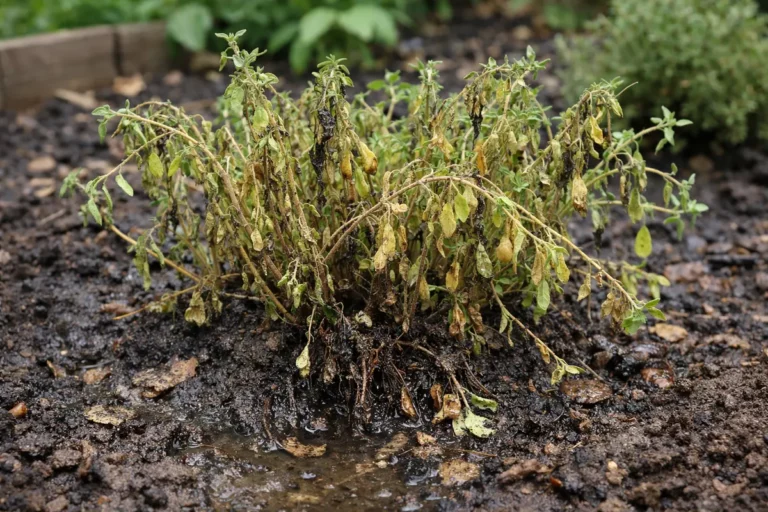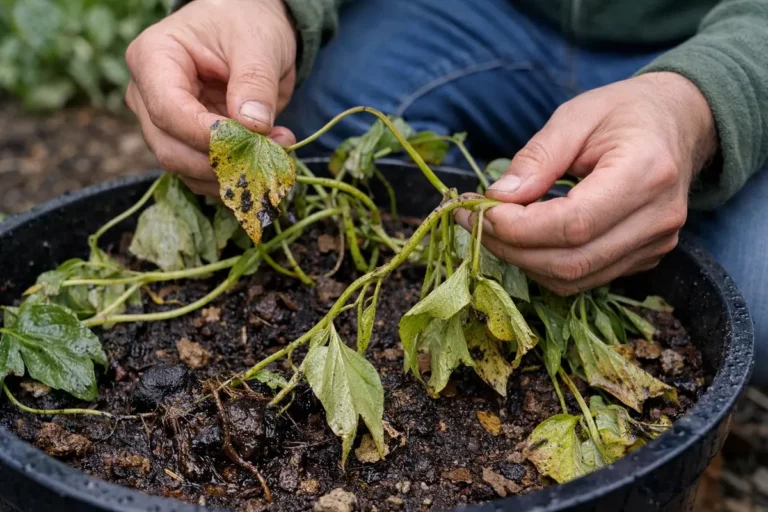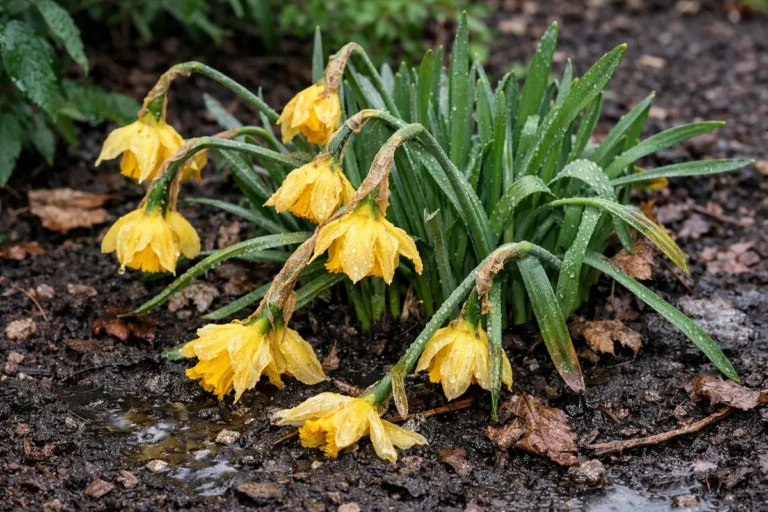
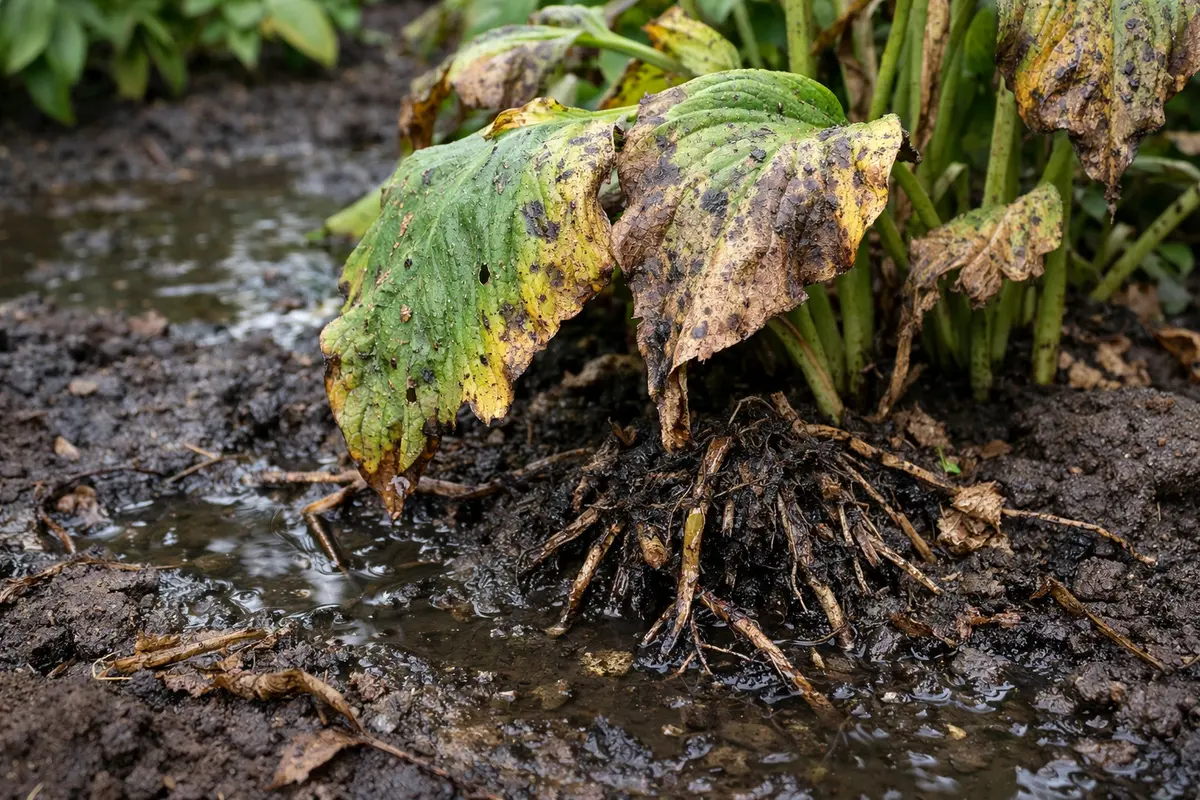
You may notice your lawn feels squishy underfoot after heavy rains, which is why you need to know what to do if lawn gets soggy after heavy rains. Prolonged saturation can lead to mushy spots and various plant stresses, making your grass more susceptible to diseases. Ignoring these signs can worsen the issue, weakening the plants and leading to more damage, but fixing it now is possible if you inspect your drainage and improve airflow. By taking action to monitor and adjust your lawn care habits, you can help your lawn recover effectively.
Step 1 – Drain Excess Water from Lawn Puddles
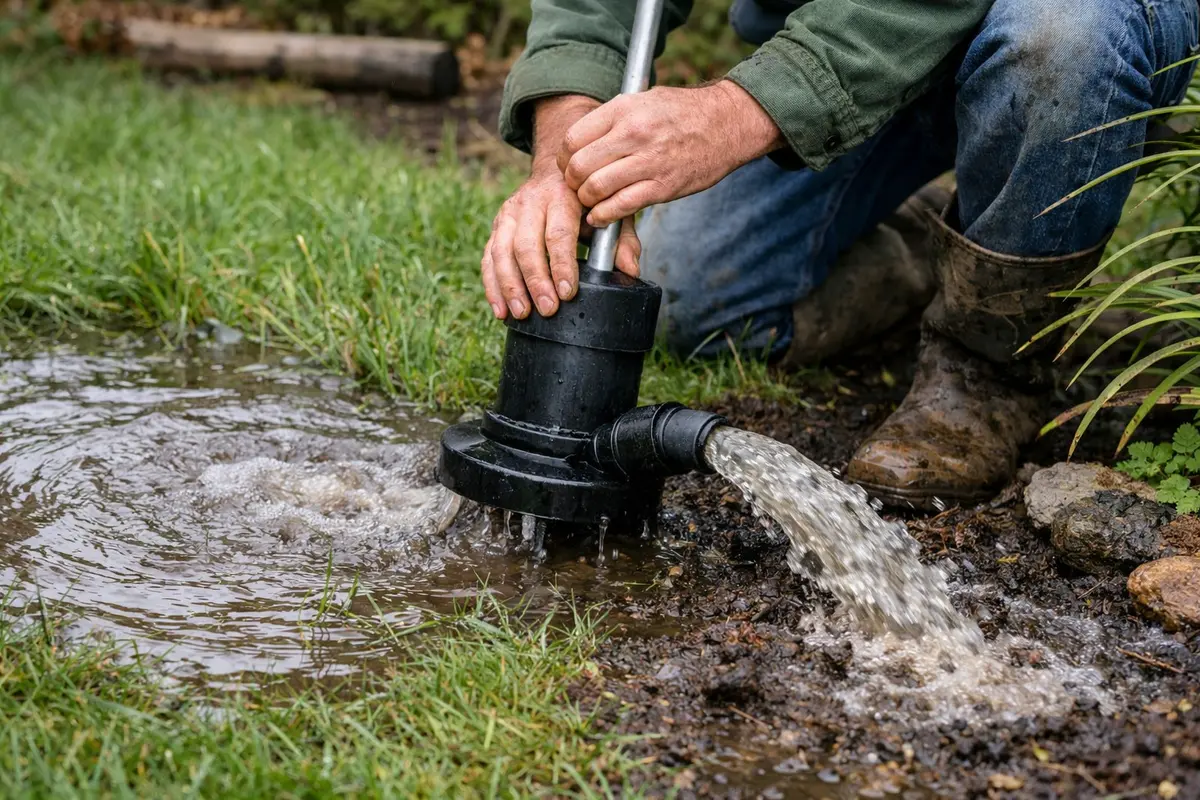
Start by removing standing water from your lawn using a shovel or a siphon hose. You will see the water levels drop in the affected areas almost immediately, relieving pressure on your grass. After this initial drainage, assess the moisture levels in the soil with your finger; if your fingertip sinks easily into the ground, be prepared for further drainage. If the water tables remain high due to excessive rain or low topography, this indicates you may need to dig deeper or utilize a manual pump to effectively remove any remaining water.
Check for signs of your lawn’s health; if the grass appears yellow and weak, this could indicate that saturated roots are unable to absorb essential nutrients. By acting quickly, you can prevent roots from sitting in soggy soil for an extended period, reducing the likelihood of mold and disease development. If you notice that the soil retains excessive moisture and is compacted, that confirms the need for immediate action to restore oxygen levels crucial for your lawn’s health.
A common mistake is attempting to use a rake instead of a siphon or shovel. Rakes merely redistribute the water over a wider area, worsening the problem. If water remains despite your efforts, consider placing sand or soil in certain patches to temporarily enhance drainage until conditions improve. However, be cautious; hastily applied soil amendments can sometimes create tighter compaction, which would hinder drainage further, leading to additional pooling.
Step 2 – Diagnose Poor Lawn Drainage Issues
Start by determining the areas where water collects and remains soggy after heavy rains. You should see clear spots within your lawn where water stands instead of draining away within 24 hours, indicating poor drainage conditions. Proper identification helps in addressing the underlying problems affecting your lawn’s health.
The cause of soggy lawns typically stems from compacted soil or clay-rich strata, which severely limit proper drainage and aeration necessary for healthy roots. When soil is overly compacted, air cannot circulate effectively, leading to anaerobic conditions and eventual root suffocation, evidenced by yellow or wilting grass. In contrast, well-aerated soil promotes faster water drainage, resulting in greener and more vigorous grass growth.
If you notice areas where the soil feels dense and heavy, dig small test holes to assess drainage. If these holes retain water or smell sour, use a garden fork to aerate those spots, allowing better airflow and improving drainage capabilities. If, however, you discover that surface water collects but the surrounding soil remains dry, consider examining the grading of your lawn; incorrect slope can prevent proper runoff and require reshaping to channel water effectively.
When soils are saturated, roots struggle to take in oxygen, leading to hypoxia, which manifests as brown patches and wilting in your lawn. This situation contrasts with areas that drain appropriately, fostering a more robust lawn. If you notice your soil remains gooey or muddy long after rain has finished, confirm soil compaction by checking for dense soil layers that might require remediation.
If your soil exhibits a mushy texture with a faint, unpleasant smell, it likely indicates anaerobic conditions, suggesting serious issues that could lead to root rot. To resolve this, implement air exchange measures by aerating the affected areas with a garden fork. Conversely, if your lawn seems lush but still retains water, assess your irrigation practices; overwatering could be the culprit and may necessitate a reevaluation of your watering routine.
Continuously poor drainage can result in compacted soil that stifles root oxygenation needed for healthy growth. When this condition persists, roots become deprived of necessary nutrients and water, exhibiting weak growth. Observe that crumbly, loose soil drains efficiently, while dense, overly moist ground will likely remain soggy.
If there are signs of anaerobic conditions, like a sour smell or dark, muddy surface, immediate action is required—this can include amending your soil with organic matter to enhance aeration. If your soil feels compacted or is hard beneath the surface, expanding its structure ensures better drainage. Ongoing monitoring of pH and organic content is crucial in maintaining your lawn’s health, keeping drainage proper and your roots thriving. Remember, if these conditions are not addressed promptly, they will lead to more severe degradation, necessitating more invasive corrective measures.
Step 3 – Aerate Soil to Aid Lawn Recovery
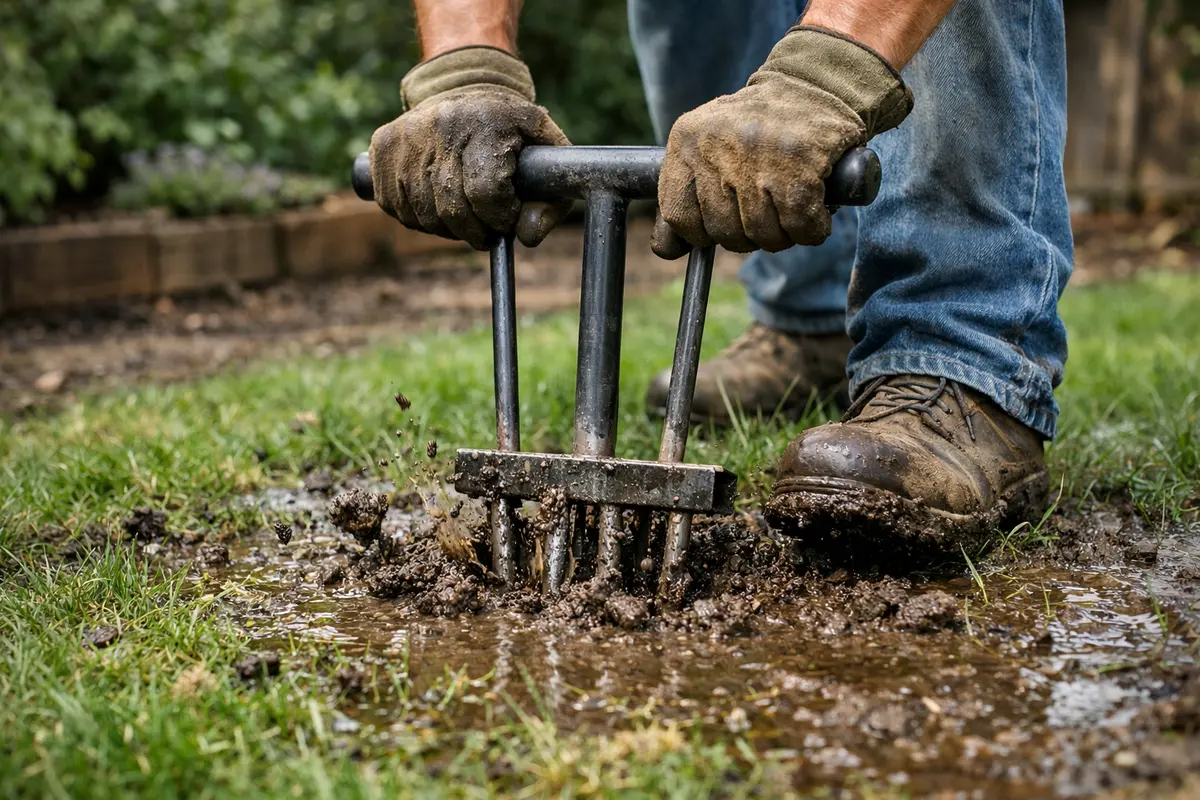
Start by aerating the lawn with a garden fork or a rented aerator to improve drainage. Once aeration is complete, you will notice the surface of the lawn becoming more stable as water begins to distribute evenly through the soil. This procedure also creates small holes in the soil, facilitating air, water, and nutrients to penetrate deeper, speeding up recovery.
Recovery typically takes one to three weeks as roots begin to re-establish themselves and grass starts to show signs of health. During this time, look for fresh, green growth emerging at the base of the grass blades, indicating that the grass is rejuvenating. If your grass is not showing improvement, like remaining dull or falling over, check for overly saturated areas that may require additional aeration.
Throughout the recovery process, avoid overwatering, as it can worsen sogginess and cause root rot. If you notice yellow patches or brittle blades, verify that the soil is not retaining too much water. You should apply a light touch in terms of fertilizers; excessive amounts can harm delicate roots that are still readjusting. If the grass appears weak even after reducing watering, it might indicate compaction, necessitating further aeration for optimal root health.
Expect to see significant improvements within a week under favorable conditions, such as warm temperatures and adequate sunlight. If the grass begins to regain green color and stands upright, you’re advancing well. Conversely, if it remains lackluster or mushy, investigate for continued waterlogging issues that could impede recovery.
Moreover, it’s essential to give the lawn enough time to dry out naturally before applying any fertilizers. Over-fertilization during recovery can exacerbate stress and saturation issues. If you’re seeing halted grass growth despite aeration, evaluate areas for compaction that might need deeper treatment.
The timeline for healthy recovery can vary from a few weeks to several months, contingent on the grass type and soil conditions. For example, Kentucky bluegrass generally rebounds quickly in warm weather, whereas fescue may take longer to recover in cooler conditions. If the lawn remains dark and soggy, you may need to look into problems such as compacted soil or inadequate drainage systems.
Continue to manage watering wisely during recovery to prevent root rot. Focus on allowing the grass to dry out between waterings. If the grass is still yellow and limp after aeration, investigate for potential fungal issues or consider further reducing fertilization to mitigate stress on the grass.
Aeration plays a crucial role in promoting healthy grass growth by allowing trapped gases to escape and enhancing the roots’ ability to access necessary nutrients. The best time to aerate is during the growing season, typically in early spring or early autumn, when grasses recover efficiently. If not addressed timely, you risk prolonging damage and hindering recovery.
Be cautious of aerating during drought conditions, as this can stress the lawn further when it is already struggling with sogginess. If you notice ongoing grass discoloration or stress after aeration, reassess your watering practices or inspect soil composition. Aerating too much can expose roots and lead to increased evaporation, particularly during very warm periods.
Step 4 – Establish Proper Lawn Grading Practices
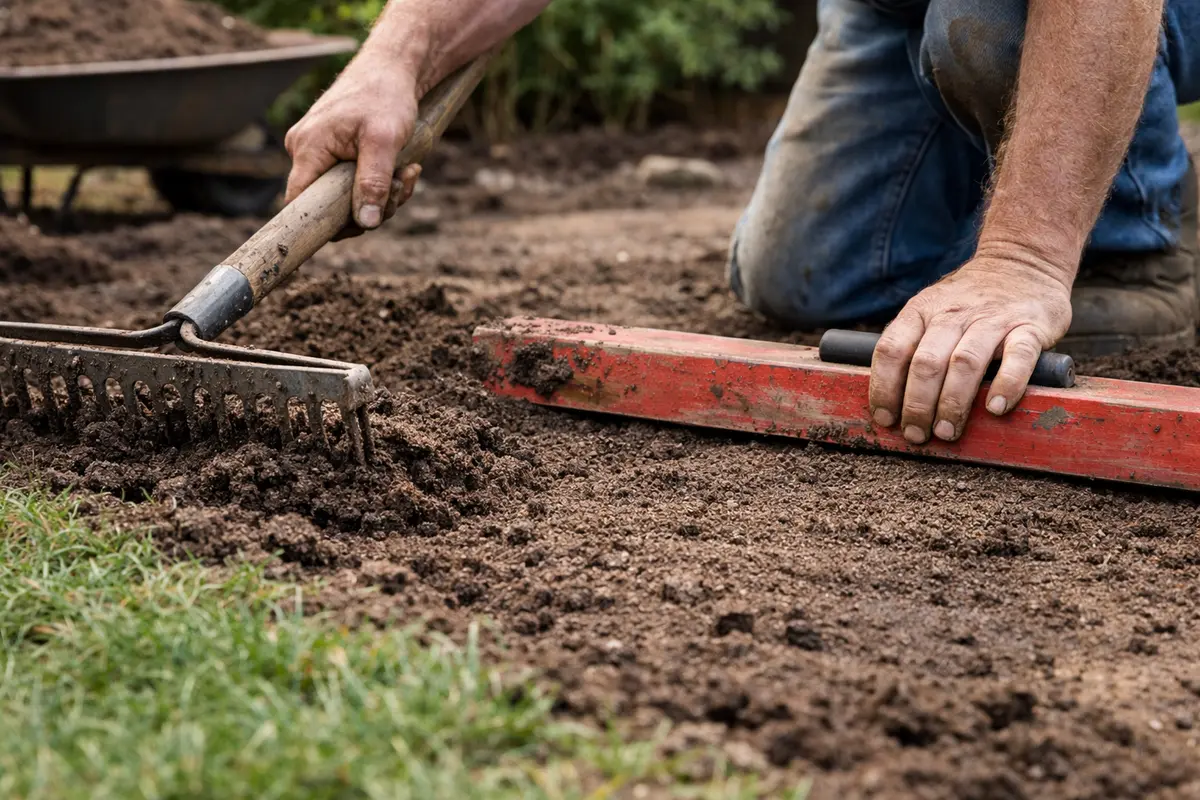
Start by assessing your lawn’s grading to ensure it slopes away from structures and low spots. After this adjustment, you will notice improved water flow and reduced pooling during heavy rains.
Monitor areas where water tends to accumulate, as improper grading can create saturated zones. Adjust the slope in these areas to encourage drainage and minimize the risk of waterlogging. Check every season for uneven spots; correct them immediately to maintain effective water movement.
To maintain proper grading, regularly remove any debris that may alter the slope, particularly after storms or heavy winds. If you see grass discoloration or spongy soil, this indicates low spots needing fill dirt or soil amendments to restore proper angles.
Perform this grading maintenance in the early spring or early fall, as ground conditions are typically more favorable then. If not corrected, pooling will likely recur, leading to further soil erosion and poor grass establishment. Consistent monitoring throughout the rainy season ensures that previous grading efforts remain effective and can prevent reoccurring issues.
Once you establish proper grading, make it a habit to check the lawn after significant rains. Inspect regions where water collects to identify if any new low areas have formed—if you notice these shifts, additional adjustments to the grading might be necessary.
Step 5 – Inspect Lawn for Signs of Fungus Regrowth
Start by checking the soil moisture levels every few days after heavy rains. Look for changes such as surface puddling or soggy patches indicating water retention. If you observe any pooling, it’s a sign you need to reassess your drainage solutions.
For the next few weeks, watch for a uniform, green appearance of the lawn characterized by firm and resilient grass blades. If you see dark patches remaining soft and squishy, or if there are fewer visible blades of grass that appear yellow or wilting, these are early signs of trouble returning. If the grass blades droop or if some patches stay wet longer than others, take immediate action such as aerating the lawn.
Recheck conditions weekly to confirm progress. A fully recovered lawn shows vibrant green blades upright and a well-drained, dry soil appearance. Conversely, if signs of the problem return, such as yellow or wilted blades and compacted soil that feels mushy, further intervention is necessary.
If the sogginess reappears despite your efforts to combat drainage issues, aerate the soil to relieve compaction or consider installing a French drain to redirect excess water. If these measures do not resolve the issue, it may be time to consult with a professional landscaper or drainage expert for specialized solutions.
The signs of recovery will include healed grass with improved color and reduced visible damage. When the grass begins to fill in bare patches and the soil feels firm, your interventions are working. If you abruptly see signs of deterioration, such as localized wilting or new fungal growth, further actions may be crucial to prevent expansion of the problem. If multiple areas show symptoms, this may point to deeper systemic issues that require resolution.
If regrowth occurs despite your monitoring and intervention, consider using antifungal treatments or adjusting your watering schedule to mitigate excess moisture. Natural fungicides like neem oil could also be beneficial, preserving soil health while addressing the issue. In cases resistant to initial treatments, it becomes essential to engage a lawn care professional to effectively manage persistent fungus or drainage complications.
FAQ
How long does it take for a soggy lawn to recover?
Recovery times can vary, but typically you can expect improvement within one to two weeks after implementing proper aeration and drainage practices. Grass should start thriving again within a few days if conditions are favorable for growth, including sufficient sunlight and appropriate temperatures. If recovery isn’t noted after two weeks, reassess your methods and check for ongoing problems.
Can wet grass spread disease to nearby plants?
Yes, wet conditions can significantly encourage the spread of fungal diseases, especially if nearby plants are crowded or poorly ventilated. Maintaining healthy, well-aerated grass mitigates these risks, and employing proper spacing between plants can help air circulation. Observing the local plant community can give you insights into overall lawn well-being and fungal threat levels.
Will my lawn recover after heavy rains, or should I reseed?
In most cases, with proper care, your lawn can recover without the need for reseeding. However, if you observe extensive damage or bare patches remaining after several weeks, you might need to reseed these areas to promote full recovery. Reseeding should be considered in conjunction with all previous corrective steps to provide optimal conditions for growth.