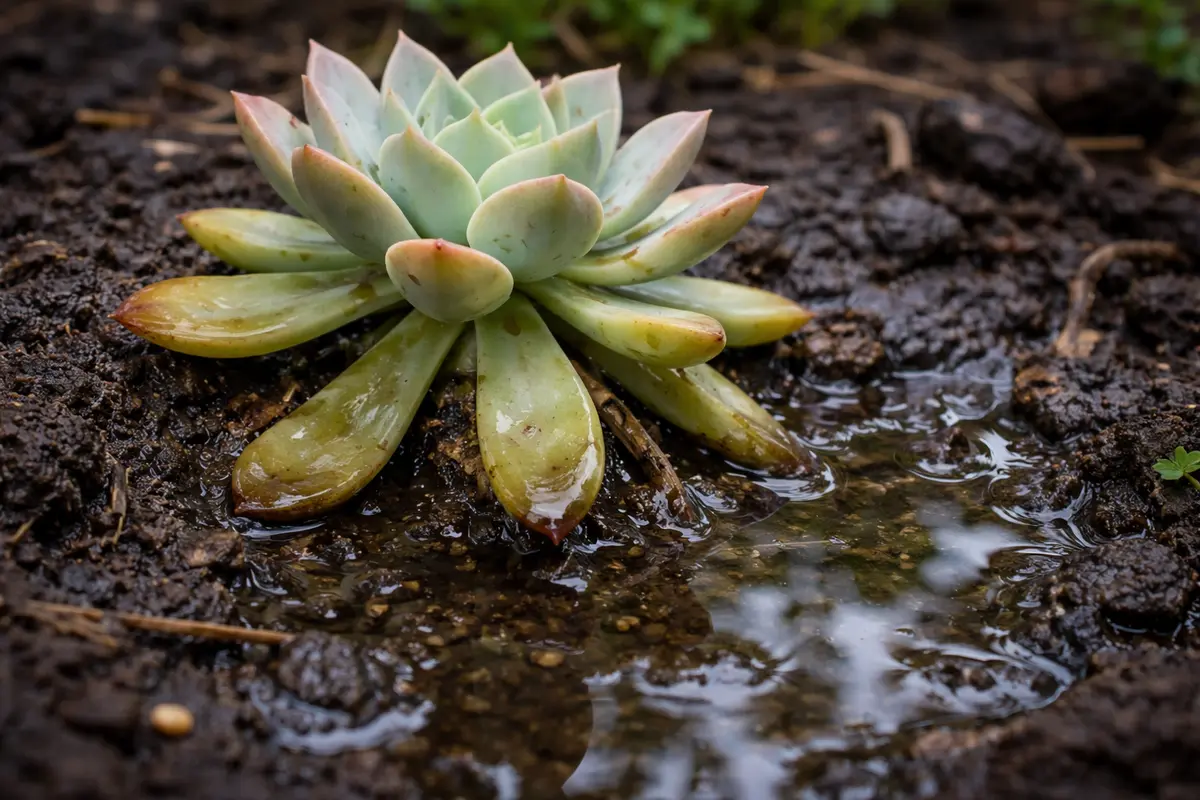
You may notice your succulents looking wilted after a recent watering, which is why you need to know: “Why do my succulents look wilted after overwatering?” The roots of your plants may be suffering from rot, leading to drooping leaves and mushy stems. If ignored, this condition can worsen and weaken the plant, but fixing it is possible now—just check the soil moisture and adjust your watering routine accordingly.
Step 1 – Remove Overwatered Succulents Immediately
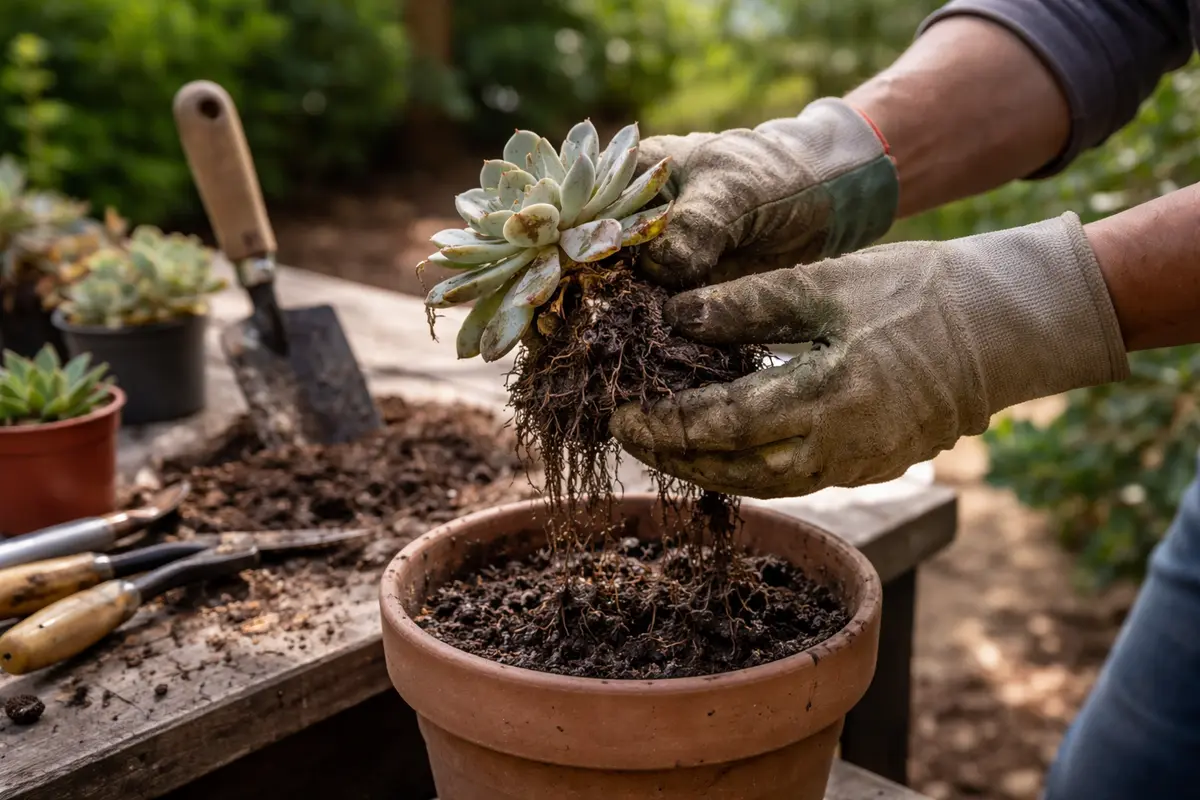
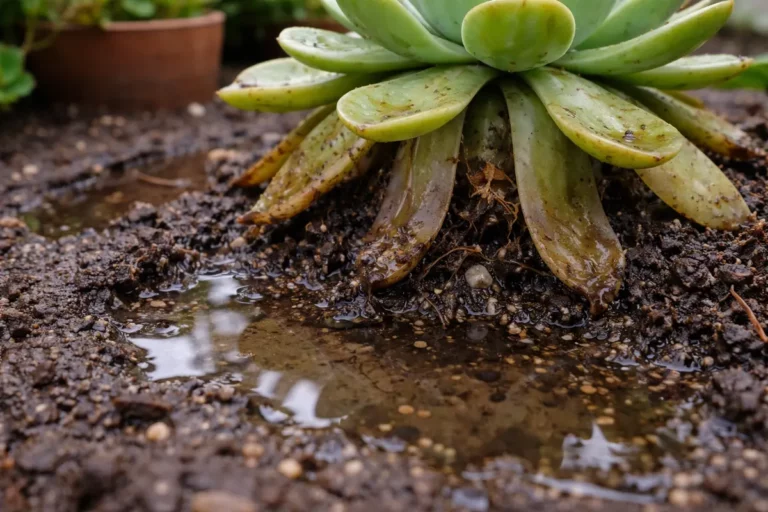
Start by gently removing the succulents from their pots. You should see a significant amount of damp soil falling away from the roots, confirming the presence of excess moisture. This immediate action limits further stress on the plant and prepares it for the following steps, reducing the chance of root decay immediately. If you notice the soil compacted or heavy, these are signs the potting medium is retaining too much moisture.
Taking away the succulents from the soil can help save their health by preventing root rot, which is a common issue for overwatered plants. Succulents thrive in dry conditions; their roots require adequate oxygen, which becomes compromised when water saturates the soil. If the soggy soil stays in contact with the roots for too long, it will suffocate them and lead to decay. Soil that feels muddy or retains water long after the last watering is a strong indicator of a problem. If you find that the moisture is persistent, consider that the soil may be too dense or mixed with non-draining materials.
Many first-time succulent owners often assume that more water equals better growth. However, this misconception leads to overwatering, a primary cause of wilting in succulents. Time and again, gardeners wait too long before taking action, allowing plants to suffer irreversible damage. For instance, someone might notice yellowed leaves only after weeks of watering without checking the soil. A common misstep is watering the plants on a strict schedule regardless of the conditions – this fails to take into account environmental factors like humidity or light exposure. A proactive approach early on ensures quick recovery, as timely action can often make the difference between revival and the plant’s demise.
Step 2 – Diagnose Root Rot in Succulents
Check the roots for signs of root rot by gently cleaning them under running water. At this stage, you will likely observe dark, mushy roots compared to healthy, firm white roots. Identifying and removing these damaged roots is crucial to saving your succulents. If the roots feel slimy and have a brown or black coloration, this indicates an advanced state of rot. If you notice soft roots mixed with healthy sections, taking action quickly will minimize the spread of rot.
Root rot occurs when roots remain submerged in waterlogged soil for prolonged periods. The suffocating water prevents nutrient absorption and leads roots to start decomposing. If you observe a sour smell from the roots, it signals advanced rot, necessitating immediate intervention. Not all cases result in total root failure; if you catch it early enough, you may only have to trim a few portions. If only some roots are brown while the others appear healthy, prune only the diseased sections. However, if the entire root system seems compromised, replacing the affected plant may be necessary.
Many gardeners mistakenly neglect root inspections after water stress, leading to their plants’ eventual demise. Regular root checks, especially after a watering incident, save time and assure successful recovery. If you detect a smell emanating from the soil, it’s a clear warning that you have waited too long to assess the condition of the plants. For example, someone who thought they could skip this inspection might wake up to a wilted succulent with rotting roots and have to discard it entirely. Quick inspections reduce the risk of broader plant loss and offer a chance to save the healthy parts.
Step 3 – Provide Dry Conditions for Recovery
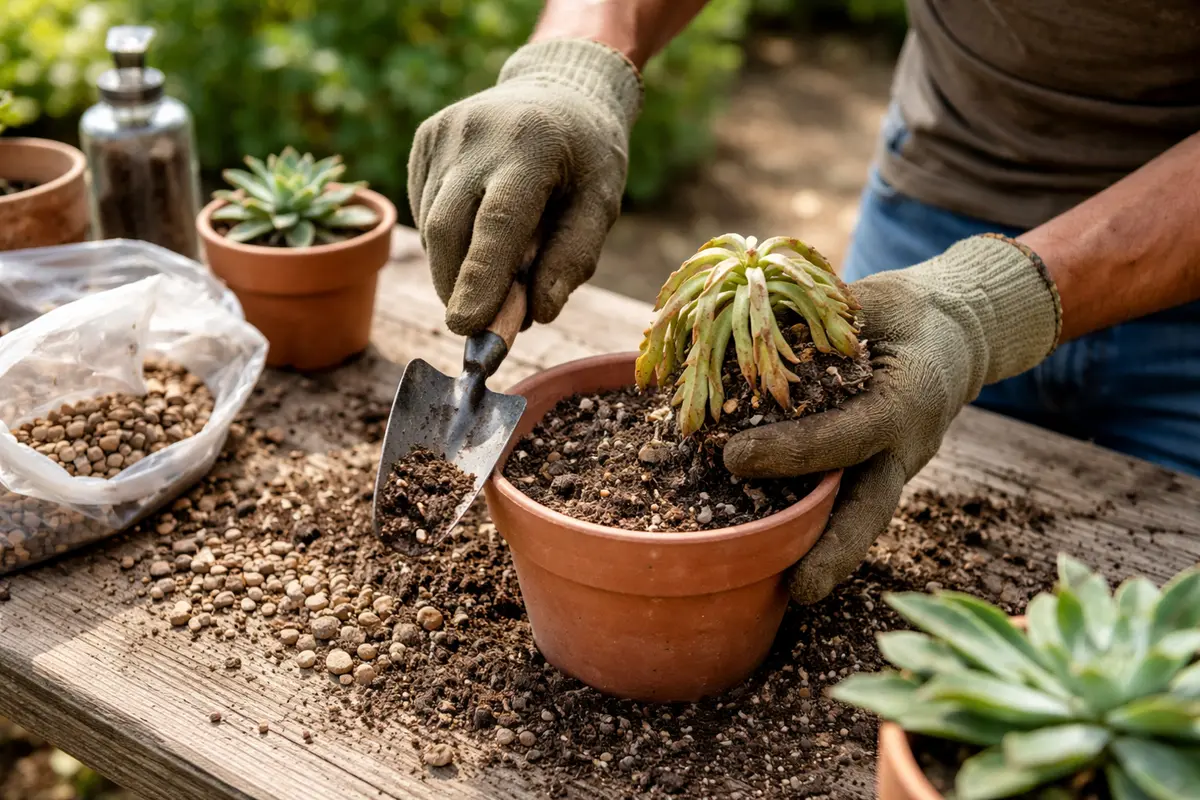
Replant the succulent in new, well-draining soil. After this step, you should see immediate firming of the remaining leaves within a week, indicating they are rehydrating correctly. The new soil will help to dry out any lingering moisture around the roots, creating a healthy environment for recovery. During this phase, ensure that the pot allows excess water to escape; observe how the leaves regain their structure and appearance. If they become less droopy over a short period, this is an encouraging sign of recovery.
The time it takes for a succulent to perk up varies. Typically, initial improvements are often visible within just a few days. Healthy succulents will also start producing new growth and vibrant colors, signaling a return to good health. If the leaves stabilize and begin to stand upright again, this indicates adequate recovery. Conversely, if leaf-drooping continues or worsens within this time frame, it could imply that other underlying issues are at play, such as inadequate light or additional soil moisture.
While recovering, avoid overcompensating with excessive water or fertilizer, as this could damage the already stressed plant further. For example, adding fertilizer too soon might intensify root stress and lead to further limpness, causing even more distress. If limpness persists after a week, reassess conditions, such as adjusting light exposure, which might facilitate recovery. Many gardeners find that a combination of patience and careful monitoring often yields better outcomes than hurried attempts to revive the plant. If during this time you find that the leaves continue to appear discolored or wilting, consider temporarily moving the plant to a different location with brighter but indirect light.
Step 4 – Use Well-Draining Soil to Prevent Issues
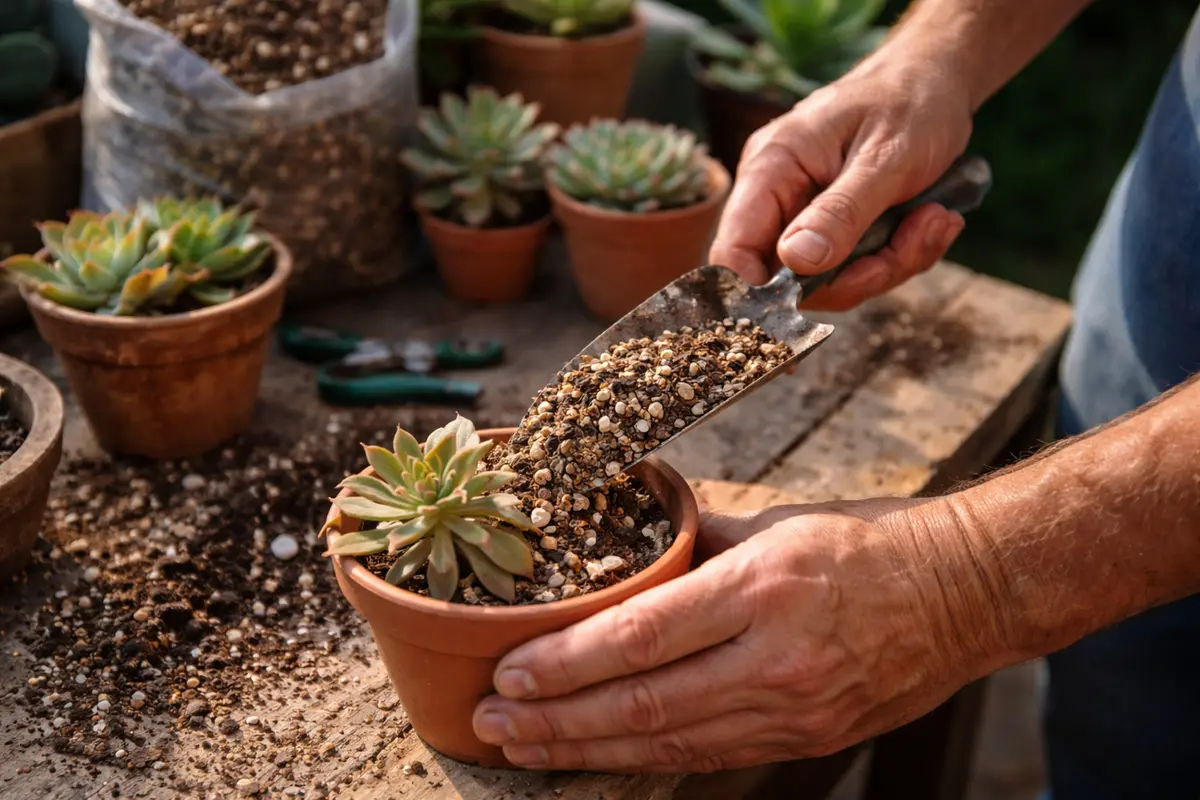
Start by allowing your succulents to dry out completely between waterings, ensuring the soil feels dry to the touch down to at least an inch deep. When you implement this routine, you’ll notice a shift with your succulents appearing more upright and vibrant.
Overwatering often occurs in humid conditions, which can create an environment conducive to root rot. If the air is consistently damp or if your pot lacks drainage holes, the roots may remain submerged in moisture, leading to wilting. In contrast, a well-draining soil mix and a pot with drainage will help mitigate excess water, allowing the roots to breathe effectively.
During the colder months, reduce your watering frequency as succulents enter their dormant phase, needing less moisture. Alternatively, if indoor humidity levels drop significantly in winter, check your watering habits to avoid giving too much water regardless of the plant’s seasonal requirements.
Using the right soil mixture keeps the root areas aerated, promoting healthy growth and reducing the risk of root ailments caused by standing water. Over time, many gardeners transition to lighter, perlite-enhanced soil options that improve drainage significantly. This ensures that water does not pool at the bottom of pots, which often results in overwatering. Additionally, confirm that your planting container has adequate drainage holes; otherwise, the growing medium can retain excess moisture irrespective of soil type.
Moreover, during seasonal fluctuations, particularly in winter, keep an eye on watering schedules. While it’s easy to forget about watering during colder months, soil can retain moisture longer, leading to sudden overwatering as temperatures rise again. Implementing a flexible watering schedule that adapts to changing environmental conditions is crucial. Consider using moisture meters to determine when watering is truly necessary, as this technology can help prevent saturating the roots during crucial growing periods and ensure your plants receive the balance they need.
Step 5 – Inspect Leaves for Signs of Stress Regularly
Start by checking the moisture level of the soil using a moisture meter or by inserting a finger about an inch deep into the soil. Observe the soil texture; it should feel dry to the touch when your succulents are ready to be watered again. Recheck the moisture level every few days, and watch for any changes in the foliage, as wilting may persist if the issue remains unaddressed.
A fully recovered succulent will exhibit plump, firm leaves with a rich color, indicating adequate hydration, while early signs of a returning problem include shriveling or a dull appearance in the leaves. In contrast, a healthy plant shows robust edges, while a wilting one has browning tips and a limp texture. If you observe leaves that are still shriveled despite proper care, check for root rot or inadequate drainage.
If the wilting returns after taking preventive measures, consider repotting the succulent into fresh, well-draining soil and check if the pot has proper drainage holes. If problems persist, escalate by examining the light conditions to ensure they’re receiving adequate sunlight; too little light can further weaken your succulents.
Once fully recovered, healthy succulents should display a healthy sheen and color. The absence of limpness or spots indicates successful moisture management. However, if leaves begin to droop again, it signifies that more work needs to be done. If limpness returns after recovery, check for moisture levels and light exposure, as fluctuating conditions could reveal an ongoing issue. Fluctuations in humidity or proximity to heating sources can drastically change how much moisture the soil retains, affecting the plant’s ability to thrive.
If the symptoms return despite following previous steps, consider reevaluating additional environmental factors like light exposure or room temperature. It’s crucial to adapt to ongoing conditions, such as fluctuations in weather or changes in care routines that could still pose risks for overwatering. For example, when temperatures rise during summer, water requirements may increase, and the compacted nature of soil from frequent watering can exacerbate problems. Track environmental changes meticulously; for instance, if a new seasonal pattern emerges, adjust your watering accordingly to avoid further issues. Immediate action when stress signs reappear is vital to prevent regression and ensure the longevity and vitality of your succulent collection.
FAQ
Can overwatered succulents recover?
Yes, overwatered succulents can recover if action is taken promptly. Start by removing them from the soil, inspecting the roots, and replanting them into well-draining soil. If conditions are managed effectively, signs of recovery can appear within a few days, such as firmer leaves and new growth. However, the extent of recovery depends on the severity of root damage; significant rot may require more effort or replacement.
How often should I water my succulents to avoid overwatering?
Water your succulents every two to three weeks, allowing the soil to dry completely between waterings. This practice prevents the soil from remaining soggy, which is crucial for the plant’s health. Note that environmental factors such as humidity and temperature can affect this schedule, so aim for regular assessments based on the plant’s needs. Keep in mind that you may need to adjust your watering frequently during periods of growth, particularly in spring and summer.
When should I prune my succulents if they look wilted?
Prune your succulents only after ensuring that root rot is not present and the plant is reestablishing healthy growth. If you notice limp or discolored leaves, wait until root health is confirmed before cutting away damaged foliage. Timing your pruning with the recovery process is essential to promote healthy regrowth without exacerbating the stress. Additionally, excessive pruning before confirming root health could hinder recovery efforts.