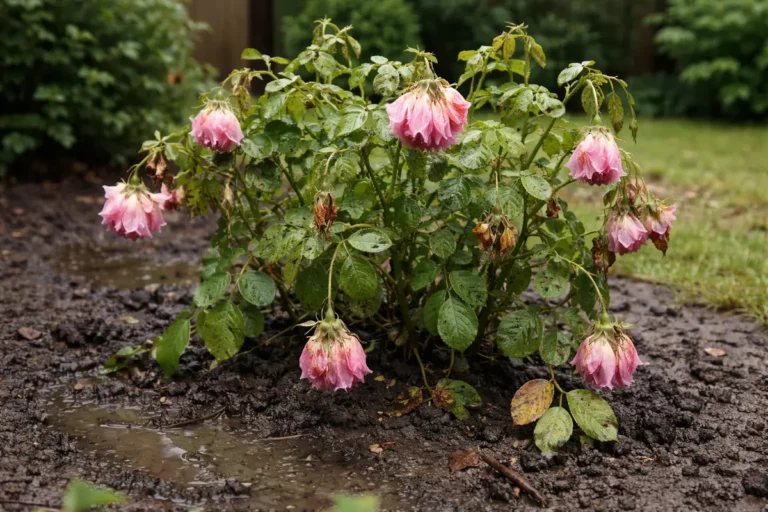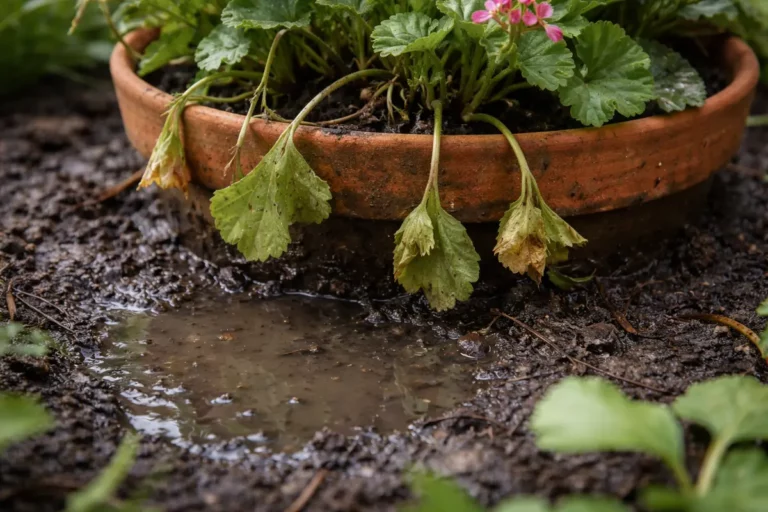
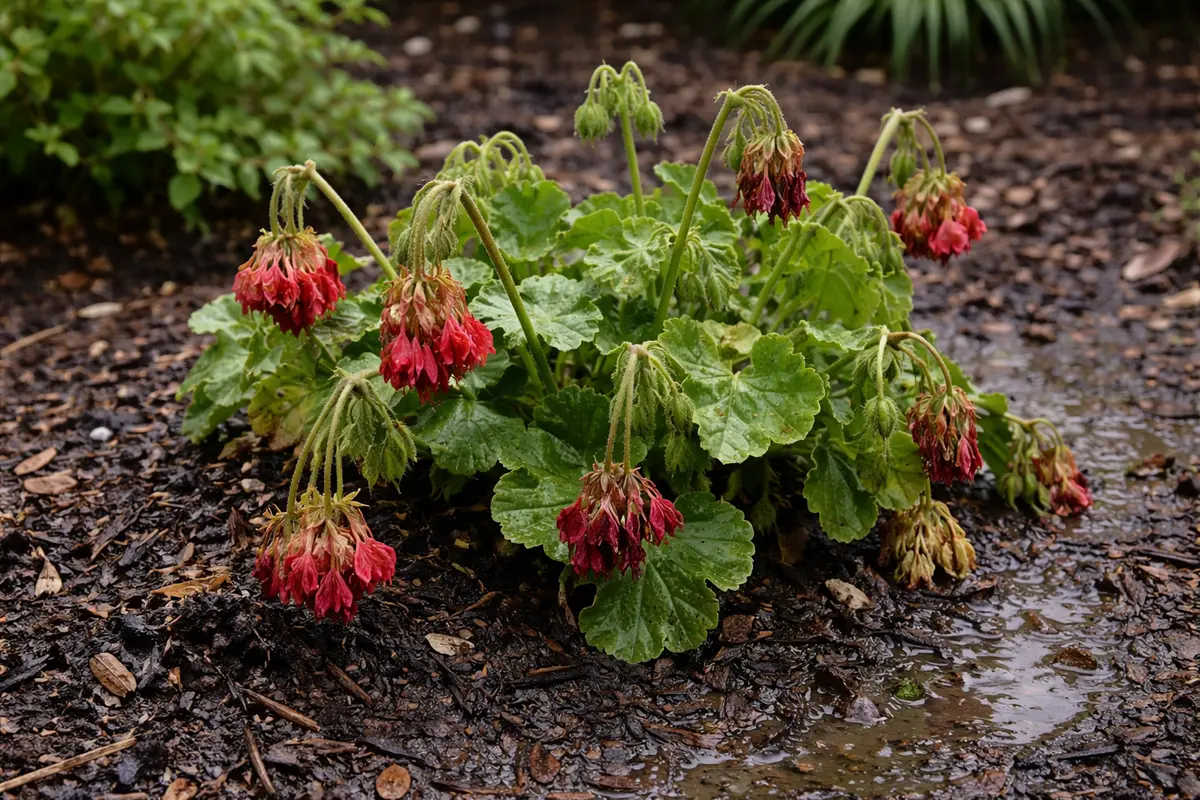
You notice your geraniums are drooping severely after heavy rainfall, prompting you to think about “how to stop drooping geraniums after too much rain.” This problem arises when excess moisture overwhelms their root systems, leading to a risk of root rot. If left unaddressed, this condition will worsen, jeopardizing the long-term health of your plants. However, timely action can easily reverse the situation. Understanding how excess water affects your plants is key to restoring their upright posture and vibrant aesthetic.
Step 1 – Trim Drooping Geraniums to Revive Growth
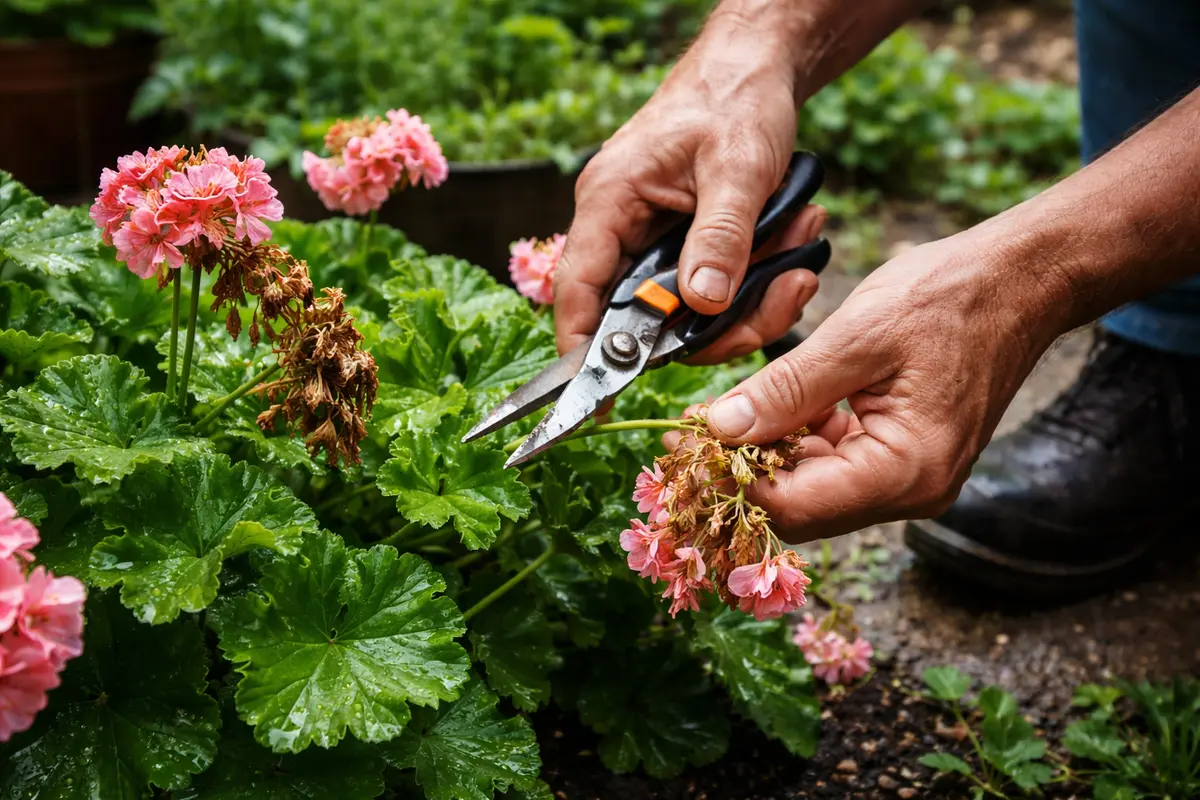
Start by trimming back any visibly drooping or damaged foliage. You will notice that the plant begins to look cleaner and more upright almost immediately after pruning. Quick action here will help limit the spread of any potential disease or rot affecting the plant while benefitting the plant overall. As leaves droop, they can harbor pathogens that could spread to healthier parts of the plant if not removed. It’s essential not to hesitate; the sooner you remove wilted leaves, the better your geraniums can redirect their energy and focus on recovery. Ideally, you should trim back to a healthy bud or junction, ensuring the new growth can flourish.
Trimming encourages new growth and redirects the plant’s energy to healthier parts, which is crucial since geraniums respond better when excess biomass is removed promptly. Excess rain often leads to wilting as the plant struggles to maintain its structure under the weight of waterlogged leaves. If wilted leaves appear blackened at the edges, this indicates more severe damage to the plant’s cellular structure, signaling that a conservative pruning might not suffice. By removing excess foliage, you’re allowing your geraniums to allocate resources more efficiently and, therefore, promote a quicker recovery. If the trimmed leaves are mushy or turning brown, they have likely suffered serious stress, which could also have affected the roots. A key sign of serious root trouble will be soft or mushy stems that can easily be broken when twisted lightly.
One common mistake gardeners make at this phase is waiting too long to prune. If the drooping escalates to yellowing or a mushy texture, it may indicate root damage that will take longer to recover from. Early pruning means that the plant can start the healing process through new growth as soon as possible, minimizing the impact of stressors. If conditions linger too long, like excess moisture or lacking nutrients, the plant’s ability to rebound diminishes. Keep in mind, in cases of chronic drooping, it’s also essential to assess the overall plant structure while trimming. If the stems feel soft or mushy, they may need to be pruned back as well; addressing them promptly will greatly influence recovery. Furthermore, ensure your tools are clean and sharp to prevent injury to the plant, as jagged cuts will only lead to more stress and potential disease entry points.
Step 2 – Assess Waterlogged Soil for Geranium Issues
First, check the soil moisture by inserting your finger about an inch deep; if it feels soggy, remove excess water from around the roots. Gently lift the geraniums to ensure they’re not waterlogged, and within a few hours, they should start to perk up and lose their droopy appearance. If the soil is still retaining water several hours after rain, you may need to consider more drastic measures to restore its condition.
When geraniums droop after excessive rain, the roots become waterlogged and oxygen-deprived. This suffocation hinders nutrient uptake, causing the plant to wilt. If the soil stays too wet for prolonged periods, it can lead to root rot, which further impairs plant function. Unlike healthy soil that crumbles lightly when dried, overly saturated soil appears compacted and clumpy. In cases where the soil does not drain, even fine roots struggle to develop properly and can die off if conditions remain stagnant.
If the soil smells sour and looks dark and mushy, it’s crucial to remove the affected geraniums and replace them in fresh potting mix to prevent root rot. In contrast, if the soil is merely damp but does not smell foul, adjust your watering schedule and ensure proper drainage instead. Always check the drainage holes of your pots; clogged holes are a common issue that can create water accumulation in the soil, leading to drooping and other signs of stress. In particularly stubborn cases, consider repotting into a more porous mix that allows for better air circulation around the roots, such as a combination of potting soil, perlite, and pine bark.
Waterlogged soil conditions arise primarily from excessive rainfall or poor drainage, which clogs the root zones and inhibits oxygen access necessary for root health. As roots begin to suffocate, they lose their capacity to absorb vital nutrients, leading to more severe drooping and, ultimately, plant death. Correcting the moisture balance is essential to revitalize your geraniums and prevent further decline. If your garden area is prone to water saturation, consider elevating the planting site, amending soil with organic material, or creating mounds to promote drainage; all of these methods can significantly enhance root oxygenation. For immediate relief, installing perforated pipes or French drains can redirect excess moisture away from sensitive root zones.
If the soil has a sour smell or retains water even a week after rain, consider removing the top layer of soil and replacing it with fresh, dry soil. This helps aerate the roots while also providing essential nutrients from the fresh garden soil and allowing the roots to breathe. Conversely, if this step isn’t feasible, you can use aeration tools to puncture the soil, increasing aeration without disturbing the entire plant system. Failing to address waterlogged conditions promptly may lead to invasive pests or diseases that could ravage your plants beyond recovery. In such cases, if the issue persists despite your corrective actions, think about installing drainage tiles or trenches to redirect excess water away from the root zones. Addressing water accumulation and switching to a more porous growing medium immediately can help prevent future drooping.
Step 3 – Fertilize Drooping Geraniums for Recovery Boost
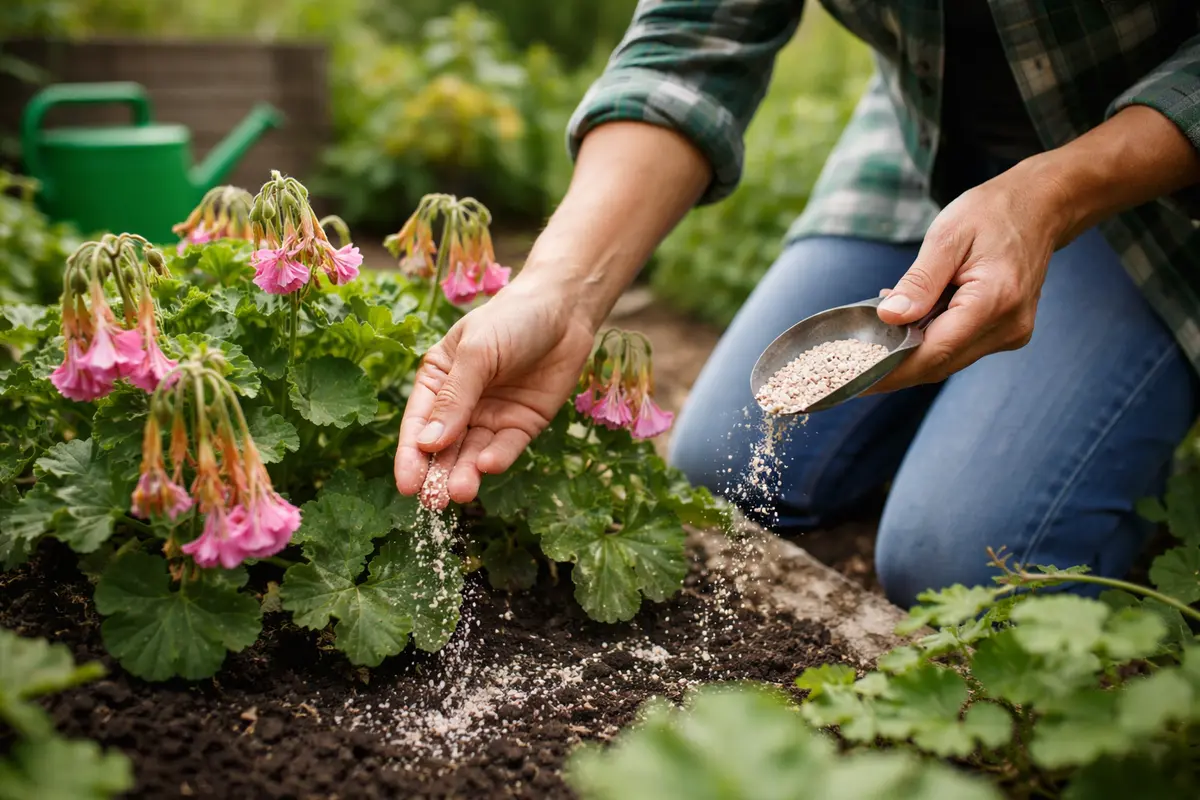
Apply a balanced fertilizer specifically designed for flowering plants to boost recovery in your geraniums. You will observe green shoots starting to emerge within a week of fertilization, enhanced growth patterns, and a noticeable rebound in overall vigor. This step acts as a powerful catalyst during the recovery phase. Be sure to follow the manufacturer’s instructions for dilution and application meticulously to avoid overwhelming the plants with excess nutrients. It’s crucial to find the right balance, as both under- and over-fertilizing can impede recovery. If leaves begin to curl or show signs of leaf burn, this may indicate that the concentration is too high, and you will need to dilute further.
Fertilizer provides the necessary nutrients that geraniums often lack after prolonged exposure to waterlogged conditions. When nutrients are missing, plants can stagnate, further extending the recovery time and making them more susceptible to diseases. Proper fertilization replenishes essential micronutrients, like iron and magnesium, and stimulates renewed growth, countering the effects of stress caused by excessive moisture. Remember, application during the early morning or late afternoon reduces the chances of nutrient loss due to evaporation and allows for better absorption when temperatures are cooler.
One common error in this process is over-fertilizing or choosing the wrong type of fertilizer, which can burn roots and harm the plant further. It’s crucial to opt for slow-release formulations that gradually introduce nutrients rather than flooding the plant. This not only prevents root burn but ensures a sustained nutrient supply as the plant grows. Keep in mind that geraniums can sometimes display adverse reactions to chemical fertilizers, so you may want to consider organic options that slowly enrich the soil over time. Additionally, as your geraniums recover under the right conditions, ensure consistent but cautious watering habits are in place to prevent a recurrence of drooping. If growth doesn’t seem to improve in 7-10 days after fertilization, it may signal an underlying drainage problem or an unsuitable fertilizer type. Before reapplying, reevaluate the efficacy of your current fertilizer choices and adjust the nutrient profile accordingly, whether that means switching products or reanalyzing soil pH levels that might affect nutrient uptake.
Step 4 – Check Geranium Leaves for Signs of Stress
Monitor your geranium leaves closely for signs of new growth or persistent damage. You should see fresh green shoots appearing after a few days or evidence of firming up in the existing leaves during your checks. This monitoring is essential for assessing recovery effectiveness and identifying any recurring issues. Keeping a journal can help track progress over time, including recording changes in leaf coloration and structural integrity along with environmental conditions like rainfall and temperature. Watching for these signs can help anticipate potential setbacks, enabling timely interventions if persistent problems arise.
Signs of recovery typically include vibrant leaf coloration and robust structure. Full recovery means preventing drooping while revitalizing the plant’s overall health, characterized by uniformly green leaves and sturdy stems. Conversely, if you start noticing color fading or returning droopiness, it may indicate oversaturation of the soil again or nutrient deficiencies returning. In the case of continued droopiness, it’s crucial to inspect the watering scale; this might mean you’re still overwatering or that the roots are struggling to recover. Recognizing the warning signs early can help prevent further setbacks. Additionally, watch out for any unusual wilting or leaf drop that may signal stress from pests or disease.
If symptoms return despite your corrections, it might require a more drastic approach, such as re-evaluating drainage conditions or changing potting methods. Always keep an eye on the climate and rain patterns to adjust your watering habits accordingly; less frequent watering during high moisture periods is key. Healthy geraniums should show notable new growth within two to three weeks if the environmental conditions stabilize. If problems with drooping or discoloration persist, check closely for pest infestations, such as aphids or spider mites, which may flourish in wet conditions due to reduced air circulation. Addressing pest issues quickly can safeguard your revived plants and help them thrive once more. Additionally, routinely check for any signs of fungal growth that may arise, as this can be a secondary effect of poor drainage.
FAQ
How long will it take for drooping geraniums to recover after too much rain?
The recovery of drooping geraniums typically takes around one to two weeks, especially with prompt trimming and effective fertilization. However, the exact duration may vary depending on environmental conditions, soil drainage, and the initial state of the plants. Consistent care should accelerate their revival, but do not underestimate the importance of regularly assessing root and soil conditions to facilitate recovery. Daily monitoring will help track their progress and highlight any potential issues before they develop into serious problems.
Can overwatering spread diseases to other plants nearby?
Yes, if overwatered conditions lead to fungal infections or root rot, these issues can spread to neighboring plants via contaminated soil or moisture transfer. It’s crucial to contain any outbreaks by treating affected plants promptly and adjusting your irrigation practices. Always monitor the surrounding plants for early signs of distress, such as discoloration or wilting, which will help mitigate possible widespread issues effectively. In more severe situations, consider pruning any impacted plants to prevent further disease spread within the garden.
Should I remove affected parts of my geraniums?
Yes, removing impacted portions of your geraniums, such as drooping or discolored leaves, helps divert energy to healthier sections and reduces the risk of disease spread. Regular pruning supports overall plant health, particularly after abusive weather conditions like heavy rain. Retaining heavily affected areas can sap energy from the plant, ultimately prolonging recovery time and making the plants more vulnerable to stressors. Always remember to clean pruning shears before and after use to prevent pathogen transmission.