
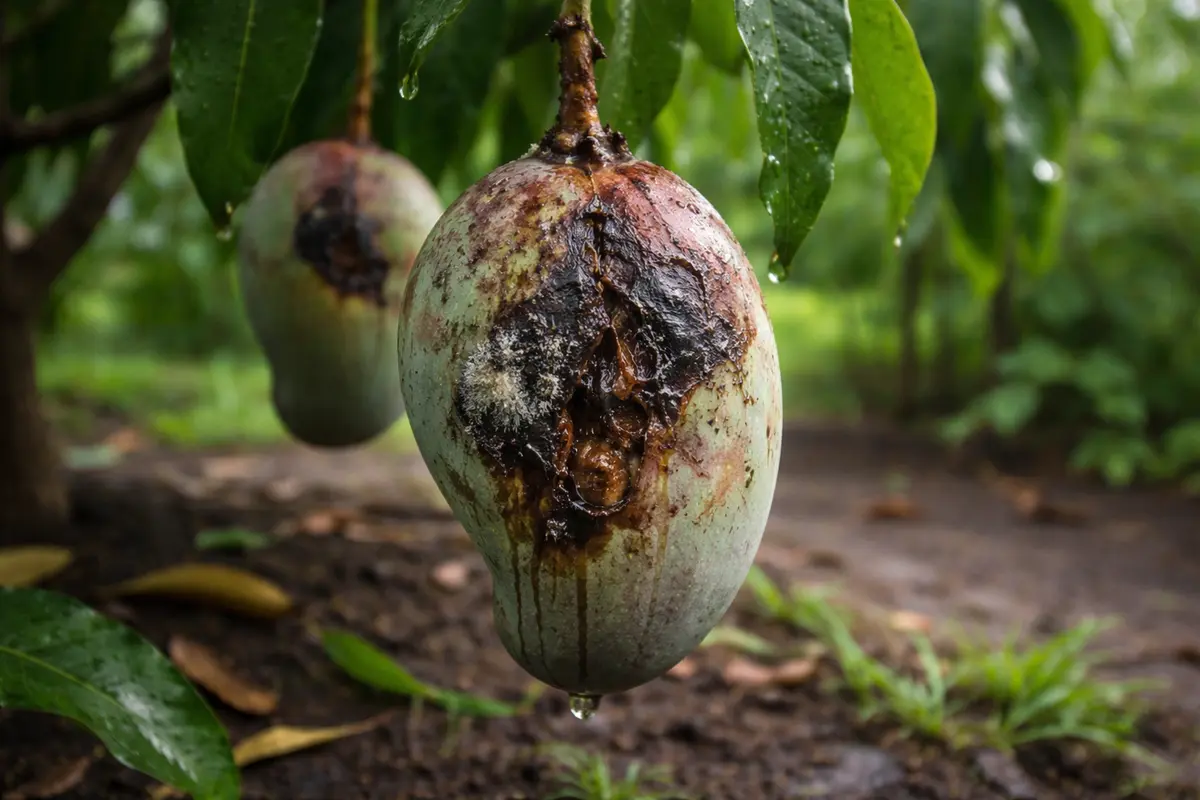
You may notice brown spots appearing on your mangoes during heavy rains, which is why you need to know how to prevent fruit rot in mangoes during heavy rains. This condition typically arises from excess moisture, leading to mushy tissues and more severe rotting under the right circumstances. If left unchecked, the problem gets worse and can spread throughout your entire crop, weakening the plant significantly. However, fixing it is possible now if you monitor the trees carefully, adjust the watering schedule, and remove any affected fruit promptly.
Step 1 – Remove Rotten Mangoes Promptly
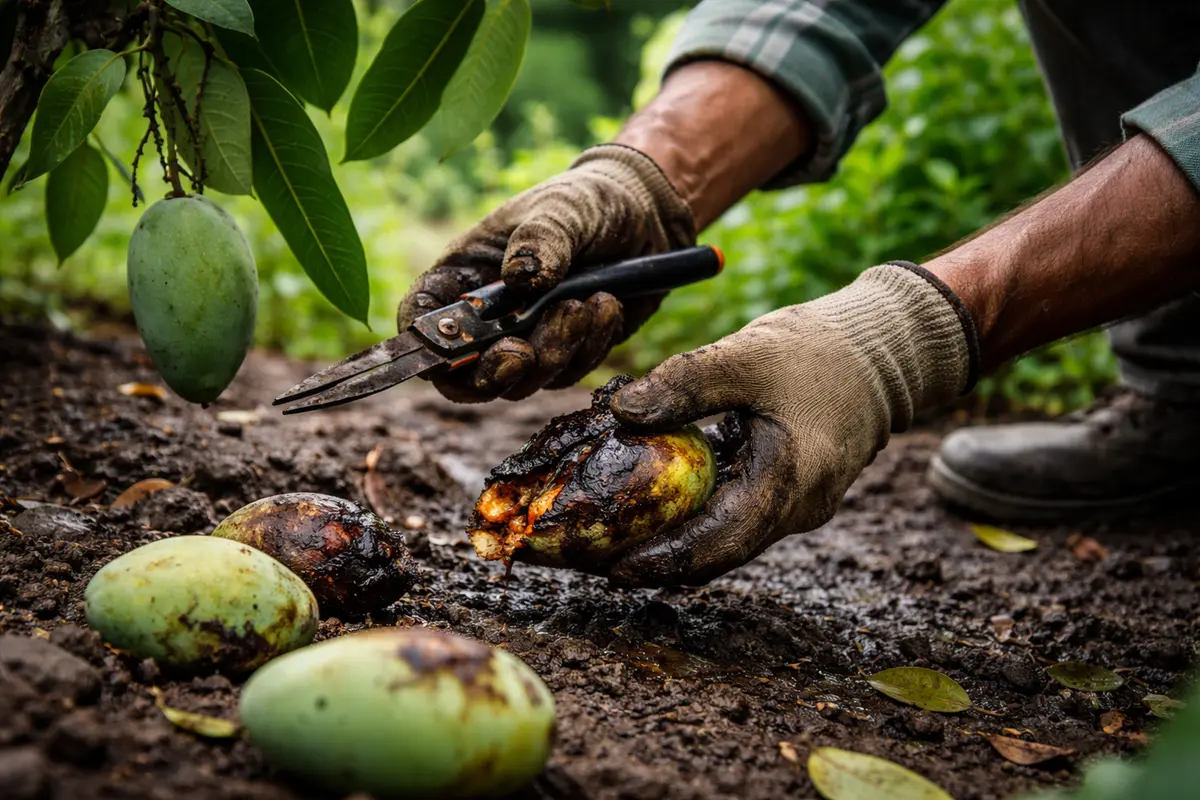
Start by removing any visibly rotten or mushy mangoes from the tree immediately. You will see the overall health of the remaining fruit improve as they begin to receive better airflow and reduced disease pressure. Checking the trees daily allows you to catch any new rot early, which helps in prolonging the lifespan of the healthy fruit. With consistent monitoring, you may find that the rate of rotting decreases and can extend the harvest period significantly.
Acting quickly is crucial because fungal infections spread rapidly, especially in damp conditions that accompany heavy rains. Removing the affected mangoes reduces the likelihood of the pathogen transferring to healthy fruit, giving them a better chance to thrive. You will notice that each day you delay the removal not only increases the risk of rot spreading, but healthy mangoes may start exhibiting symptoms like black spots or softening flesh within a few days. If untreated, your trees can experience a surge of infection that leads to entire branches becoming unsalvageable, which can lead to a substantial loss of your crop.
A common mistake is to delay removal, thinking that the issue will resolve itself. This often leads to more fruit becoming infected, creating a cascading effect of rot in your mangoes. This typically occurs after several days of high humidity following the rain, as pathogens have optimal conditions to proliferate. For instance, if a gardener notices one rotten mango but ignores it, they might come back to find numerous healthy fruits affected within days. Pay attention to the color of the remaining fruit; if they begin to exhibit a dull appearance, it could be a sign of impending rot, signaling that prompt action is necessary again.
Step 2 – Assess Drainage Issues Affecting Mango Roots
Check the drainage near the mango tree to ensure it is not retaining excess water. You will notice that the soil will dry out faster and that your mango trees begin to perk up within days. Begin by inspecting the soil about 6 inches deep. If it feels soggy, immediate action is required to rectify drainage issues. Soil that compresses easily is a sign of excess moisture retention, which can suffocate the roots and exacerbate fungal infections.
Poor drainage exacerbates the issues caused by heavy rains, leading to root rot and damp conditions that favor fungal growth. If the soil remains overly wet for too long, oxygen cannot reach the roots, resulting in stress and the potential collapse of root systems. Identifying drainage problems promptly will help in ameliorating conditions for healthy growth. For instance, if you observe puddles forming near your mango tree after rain, take this as a clear indication of drainage issues that must be addressed immediately, as prolonged saturation invites pathogens.
If you find that the soil smells sour or has a sewage-like odor, consider digging up the roots to assess their condition. If the roots are brown and mushy, they are suffering from root rot, which compromises nutrient uptake. In this case, you may need to replant the mango tree or improve drainage by adding organic matter and mulch to encourage better water flow and aerate the soil. Additionally, installing a drainage pipe or creating mounds can help redirect excess water away from the root zone. It is worth noting that if the tree exhibits signs of wilting or yellowing leaves even after a thorough inspection of the drainage system, it could signal a deeper issue requiring immediate intervention.
Step 3 – Treat Mangoes to Heal from Excess Moisture
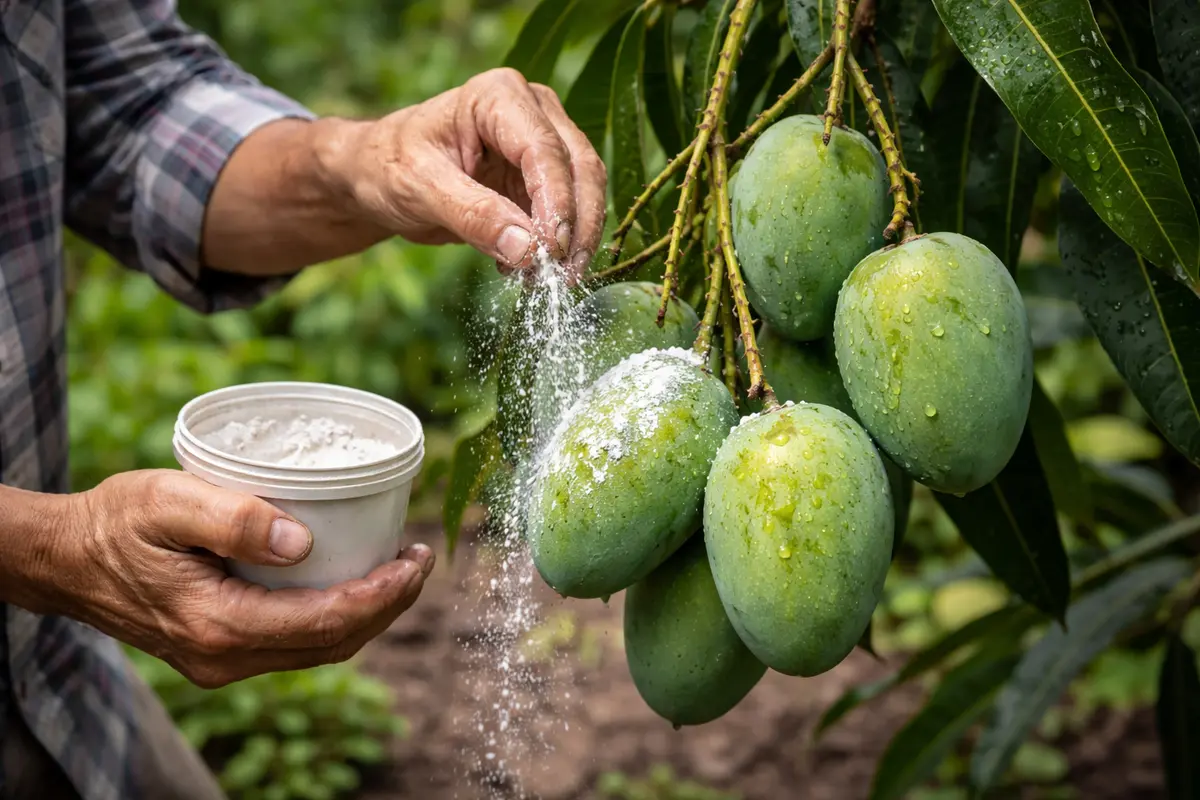
Apply a balanced fertilizer to the remaining mangoes to bolster their recovery after the removal of infected fruit. You will notice that the foliage will start to green up and show signs of new growth within a week. It’s advisable to use slow-release fertilizer to sustain nutrient levels for an extended period without overwhelming the plant and causing stress. Consistent nutrient supply can significantly boost recovery, provided the soil conditions are managed well.
This action works because a balanced fertilizer provides essential nutrients that support recovery and strengthen the plants’ overall health. When mango trees are stressed due to excess moisture, they need extra support to bounce back. You’ll be able to tell they are recovering by observing vibrant green leaves and firm, healthy fruits within a few weeks. If you notice a lack of improvement despite applying fertilizer, consider that the soil’s pH or nutrient balance might be off, necessitating a soil test and possible amendments to restore the proper nutrient levels.
A common mistake during recovery is over-fertilizing, thinking that more nutrients will help faster. This can lead to nutrient burn, characterized by browning leaf tips and weakening the plant structure. It is critical that your fertilizer application is measured, adhering to the instructed dosage to prevent overloading the tree’s system. If the mangoes show no visible improvement after a couple of weeks, reassess the fertilizer type used or consider applying a foliar feed to address immediate nutrient deficiencies while the roots recover from the stress. You might notice that if nutrient levels stabilize and health returns, the tree can significantly increase fruit production next season.
Step 4 – Prevent Fruit Rot During Heavy Rains
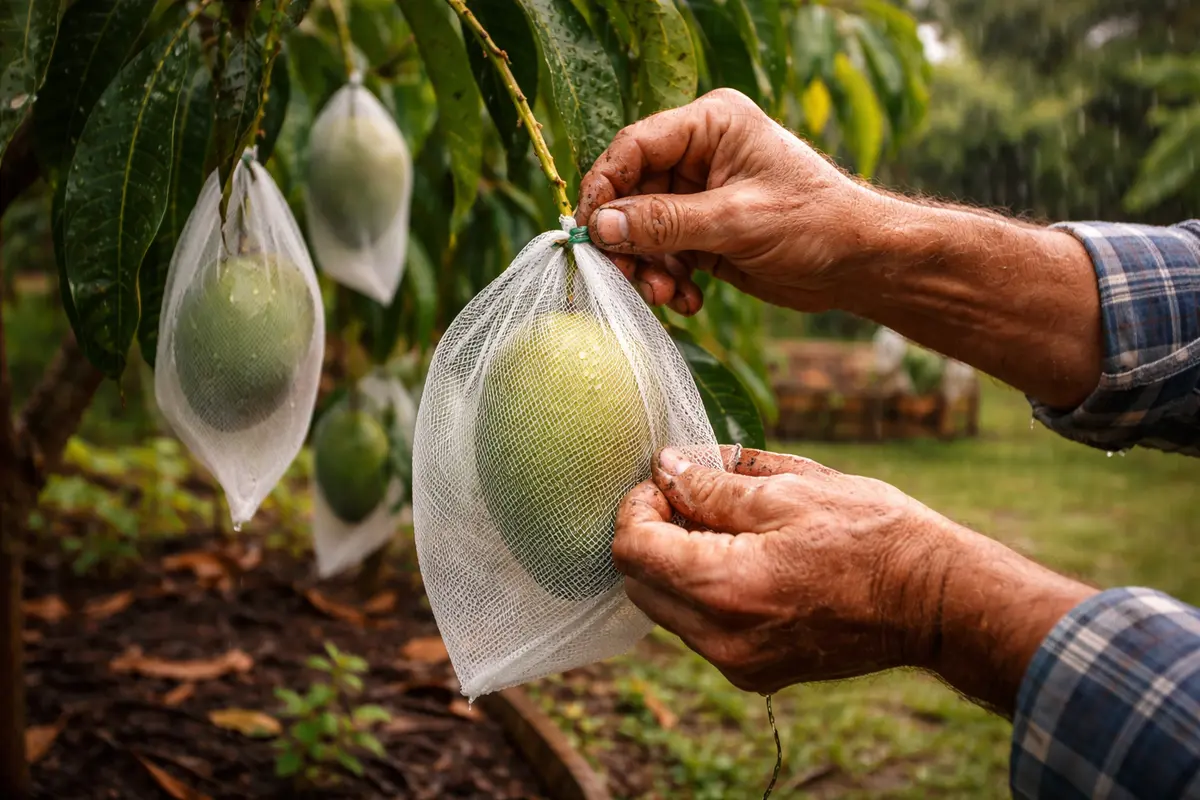
Start by applying a protective layer of mulch around the base of your mango trees, which will help prevent waterlogging and fruit rot. This practice will result in improved soil drainage and reduce the moisture levels that encourage fungal growth. You will recognize that the moisture levels are more regulated once you begin to adjust the amount and type of mulch used.
Heavy rains create a damp environment that can lead to fruit rot, particularly if the soil remains saturated. The mulch acts as a barrier, absorbing excess water and maintaining airflow around the roots. If you previously noticed instances of rotting fruit, ensure the mulch remains adequately layered (ideally 4-6 inches deep) to effectively combat moisture build-up. Regularly replacing or adjusting the mulch levels according to rainfall intensity will prevent excessive water retention.
During the rainy season, adjusting the depth and types of mulch allows for better moisture control. Organic compost can also be added after heavy downpours, both to replenish nutrients and maintain moisture control. If rotting persists even with proper mulch application, investigate if there are low spots within your garden where water might be collecting, as these can easily lead to increased rot risk. For example, using wood chips or straw can break down more slowly, whereas lighter materials may wash away quickly in heavy rain, necessitating more frequent replenishing.
Mulching effectively protects the fruit from direct contact with the wet ground and allows the soil to maintain its nutrients. This action reduces competition from weeds, which can further stress the mango trees during heavy rains. It’s also wise to conduct regular inspections of the mulch layer, as erosion or washing away can expose the roots, increasing the likelihood of disease. If you notice areas where the mulch has moved or washed away, reapply promptly to ensure the fruit and soil remain adequately supported during peak rainfall. Establishing a consistent mulching schedule after every heavy rainfall will significantly mitigate the risk of rot during downpours; replenish mulch quickly to maintain its protective properties and adjust its thickness according to rainfall intensity.
Step 5 – Inspect Mango Foliage for Early Signs of Decay
Start by checking your mango trees every few days during heavy rains. Look for any signs of fruit rot, such as discoloration or soft patches on the mangoes. Recheck at regular intervals to observe changes, noting any improvement or worsening of conditions to guide your next actions.
A fully recovered mango tree will display vibrant green leaves and firm fruit without any signs of decay. In contrast, early signs of problems returning include a dull appearance in the leaves and mushy spots forming on the mangoes. If you notice shriveling on the fruit, take it as an alarm to investigate further.
If the problem returns, remove affected fruit immediately to minimize further spread. Apply a fungicide as a precautionary measure if you see signs of decay progressing despite earlier interventions. For persistent issues, consider consulting a local agricultural extension service for tailored solutions.
If you notice changes such as yellowing leaves, black spots spreading, or a generally droopy appearance, this suggests that the rot is returning and requires immediate action. During the recovery process, a healthy mango tree will exhibit vibrant green leaves and sturdy fruit, so be vigilant in assessing the condition of the tree. Setting up a light fertilizer application can stimulate recovery as soon as you notice a decline, but ensure that the trees receive proper drainage to avoid water retention issues from compounding the problem.
If issues recur, it’s essential to revisit your drainage system and possibly consult with a gardening professional for an in-depth soil analysis. Persistent issues may indicate underlying soilborne infections or pathogens. For example, if signs of decay emerge shortly after treatment, it may suggest deeper-rooted problems requiring more specialized interventions. This could involve the application of fungicides or the enactment of soil conditioning processes to restore health, thus creating a resilient crop structure capable of withstanding extreme weather challenges.
FAQ
How long does it take for mangoes to recover from rot?
Recovery time for mangoes can vary, but typically, you should see signs of improvement within one to two weeks after implementing corrective actions. Factors such as weather conditions and soil health can influence recovery speed. If the tree receives enough sunlight and the soil is well-drained, recovery may occur more rapidly than in soggy conditions where pathogens are prevalent and can linger longer.
Can fruit rot spread to other mangoes?
Yes, fruit rot can indeed spread to other mangoes, especially in moist conditions. Prompt removal of affected fruit is critical in preventing this spread and protecting your remaining mangoes. The risk of spreading increases significantly with humidity and insufficient airflow around the healthy fruit, creating a ripe environment for fungal diseases to proliferate. Inadequate management of these conditions can lead to rapid fruit loss.
Should I remove affected mango leaves as well?
Yes, you should remove any affected leaves in addition to rotten fruit, as they can harbor pathogens that cause further decay. This removal lessens the risk of infection spreading back to the healthy parts of the tree. Regular pruning can also help improve air circulation, which is essential in deterring fungal growth and promoting healthier foliage overall. Not only does removing the leaves help the tree recover, but it also rejuvenates the overall structure.