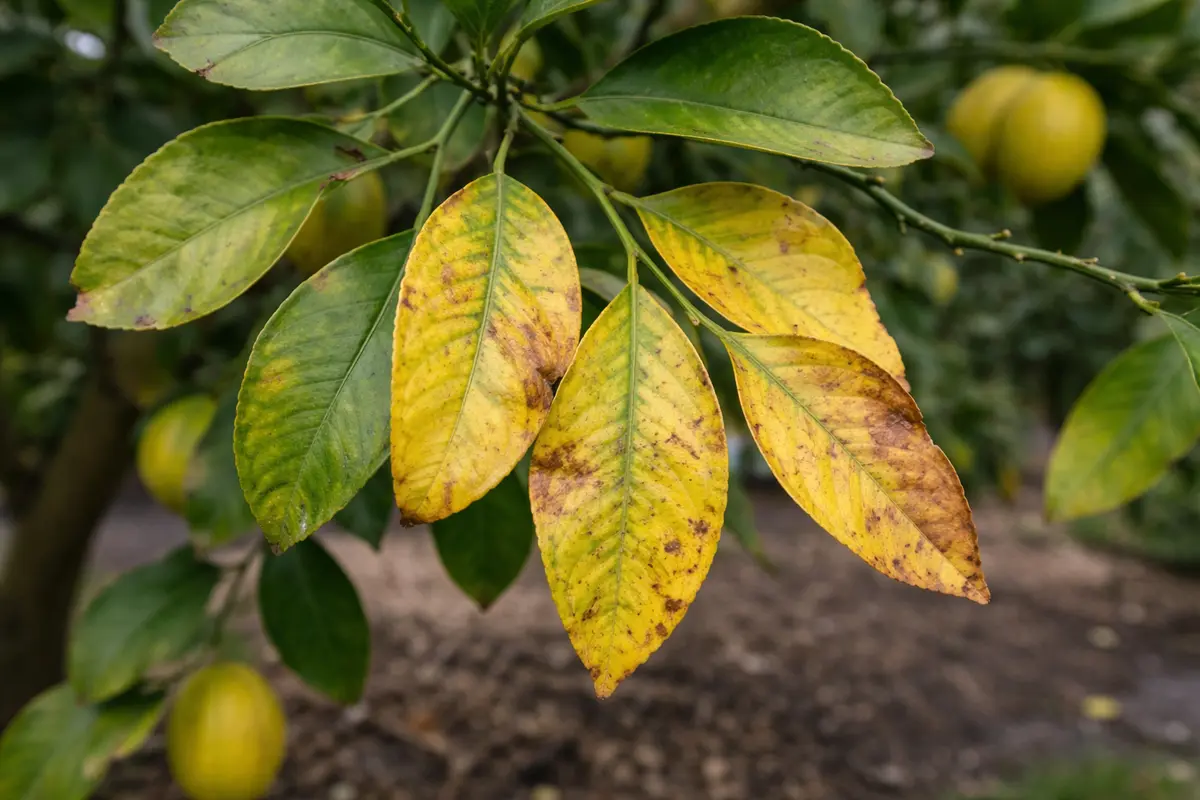
You may notice your citrus trees looking less vibrant during the colder months, which is why you need to know why are my citrus leaves turning yellow in winter. This yellowing often indicates a nutrient deficiency or improper watering, causing damage to the foliage. If left unchecked, the issue can worsen and weaken the plant, making recovery harder; however, you can improve the situation now by checking your watering schedule and adjusting your fertilization regimen.
Step 1 – Inspect Citrus Leaves for Pests
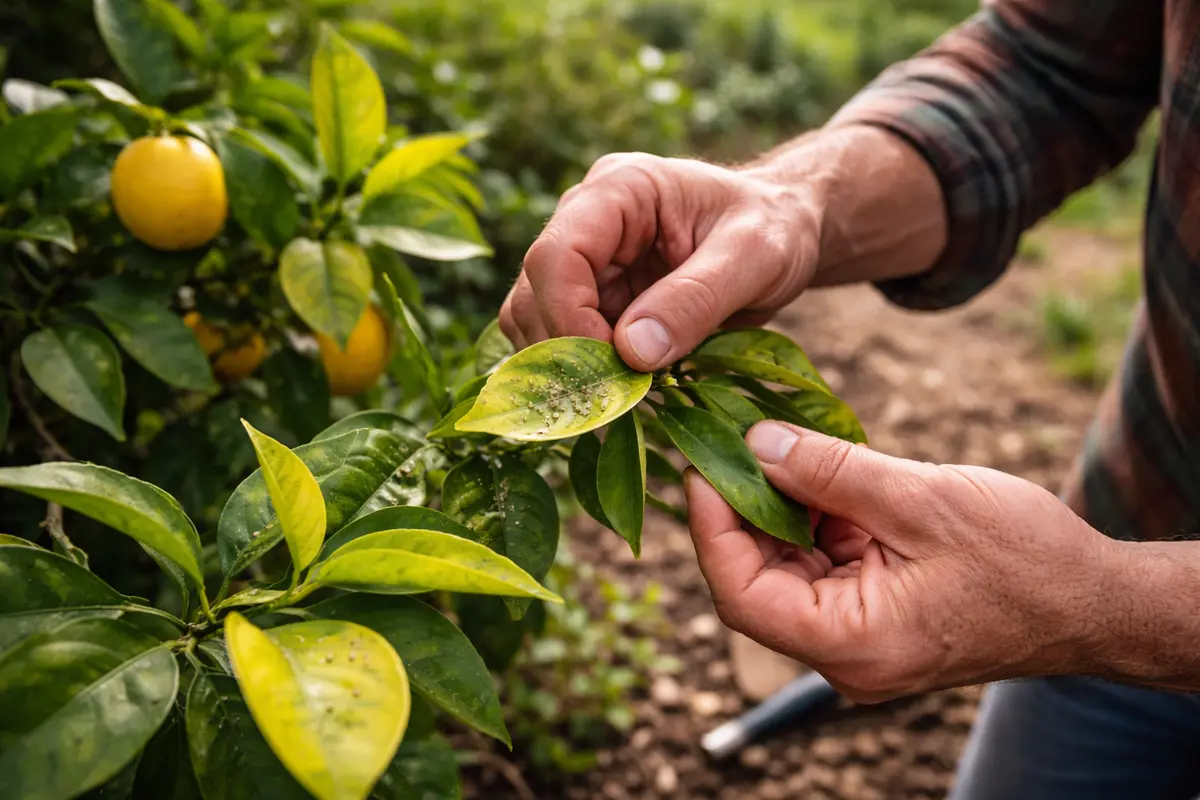
Check the underside of the citrus leaves for any signs of pests like aphids or spider mites. You will notice small insects or webbing if there is an infestation. If you observe any pests, promptly remove them using a soft cloth or by spraying them off with a strong stream of water. This initial action can prevent further damage to the leaves, which can quickly escalate if the pests are allowed to linger. Remember that it’s crucial to act swiftly because delaying pest control not only worsens yellowing but can also lead to broader damage across the entire plant.
Pests can cause chlorosis (yellowing) as they sap vital nutrients from the leaves, significantly affecting the plant’s health over time. If you delay, the infestation can spread rapidly throughout the plant, leading to more severe yellowing and leaf drop. On citrus trees, aphids often cluster at the tips of new growth, while spider mites may cause fine webbing near the leaf edges. Checking for these signs regularly can help maintain leaf health and overall plant vitality. If you find speckled yellowing on leaves, consider that spider mites might be the issue; conversely, aphids often lead to curling leaves.
A common mistake here is assuming that all yellow leaves are a result of nutrient deficiency. This can lead to overlooking pests that require immediate attention. If you see yellowing, always inspect for pests before proceeding with other corrective measures. If you discover pest activity, follow up with natural insecticidal soap or neem oil for effective eradication. Additionally, always re-inspect after treatment to ensure that pests have been eliminated completely; any remnants can quickly lead to repeated infestations.
Step 2 – Determine Nutrient Deficiency in Citrus
Test the soil pH and nutrient levels to identify any deficiencies that could be causing yellow leaves. If the soil test indicates a lack of vital nutrients, such as nitrogen or magnesium, you should apply an appropriate organic fertilizer specific to citrus trees. After applying the fertilizer, you may see gradual improvements in leaf color over the next 10 to 14 days as the tree begins to absorb the nutrients. Monitor the leaves closely during this period; any return to vibrant green color signals that the nutrients are effectively being utilized.
Nutrient deficiencies commonly occur in citrus, especially during colder months when nutrient uptake slows. When the soil lacks essential nutrients, leaves can start to yellow due to insufficient chlorophyll production, which is crucial for photosynthesis and overall tree health. For example, if nitrogen is deficient, the older leaves will yellow first while the newer leaves remain green. In contrast, a magnesium deficiency will typically show yellowing between leaf veins, preserving the vein color. Monitoring the timing of these deficiencies is crucial; immediate action should be taken if yellowing appears in new growth during colder months.
If you notice a sour smell from the soil, it indicates poor drainage or root rot, which signifies that instead of applying fertilizers, you need to adjust your watering practices. Additionally, yellowing of leaves can vary based on whether the tree is actively growing or in dormancy; it is vital to adjust your actions based on the season and growth stage of the citrus tree. If the yellowing is only happening in lower leaves during winter, consider it may be a natural response to seasonal stress rather than a deficiency. Always cross-check nutrient response against environmental conditions; if it’s colder, the tree’s needs might differ significantly.from warmer periods.
Step 3 – Adjust Watering to Revive Citrus Leaves
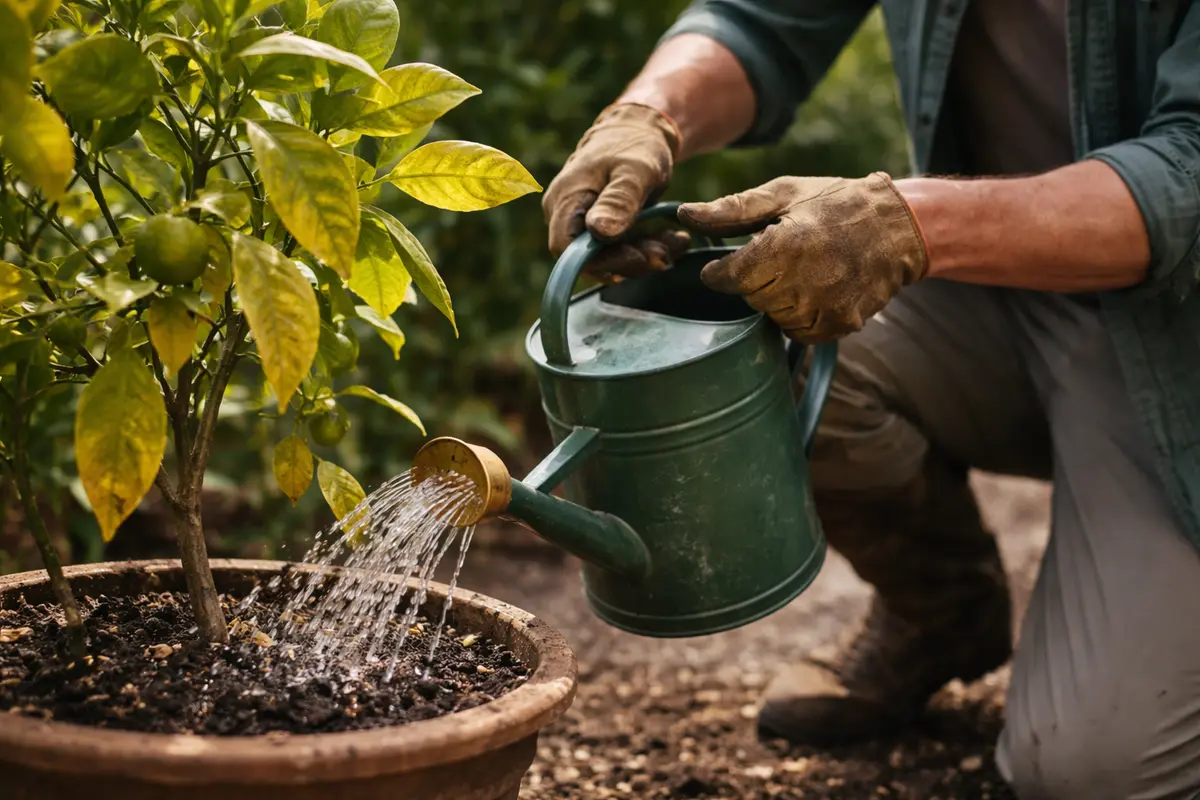
Start by adjusting your watering schedule—allow the top two inches of soil to dry out before watering again. Additionally, check for pests that may be causing stress; signs of recovery include green shoots emerging and improved leaf color within a couple of weeks.
The recovery timeline varies; healthy regrowth generally appears within three to six weeks in optimal conditions. Factors such as temperature, humidity, and consistent care can speed up this process, while excessive cold or overwatering may delay recovery. For instance, a tree in a sunny, stable environment will thrive much faster than one in a drafty space.
Avoid overcompensating with added fertilizers or water during recovery, as this can further stress the tree. Too much water can lead to root rot, immediately stopping the recovery process. If leaves are still yellow after addressing watering, check for nutrient deficiencies or root issues.
Overwatering or letting the soil dry out completely can cause stress to the roots and exacerbate the yellowing issue. Citrus trees thrive in moist but well-drained soil, and consistent watering helps maintain optimal soil conditions. If the soil remains too dry for extended periods, it can lead to leaf drop and further deterioration of plant health. Conversely, overly saturated soil will invite root rot and cease nutrient uptake, resulting in yellowing. If you’ve adjusted your watering without clear improvement, it may indicate other underlying issues, such as root health or environmental stress factors.
A mistake to avoid during this recovery stage is to overcompensate by providing excessive water, which can lead to further root damage and delay revitalization. If you find that the soil feels compacted or has poor drainage, consider amending it with organic matter like compost to improve aeration. If resolving drainage issues proves difficult, consider elevating the potted plant or enhancing its potting mix with perlite. Keep an eye out for changes; if you observe yellowing spreading to newly emerged leaves, it may indicate that the watering adjustments aren’t sufficiently addressing stress and might require a re-evaluation of overall plant care practices.
Step 4 – Shield Citrus from Winter Chill Exposure
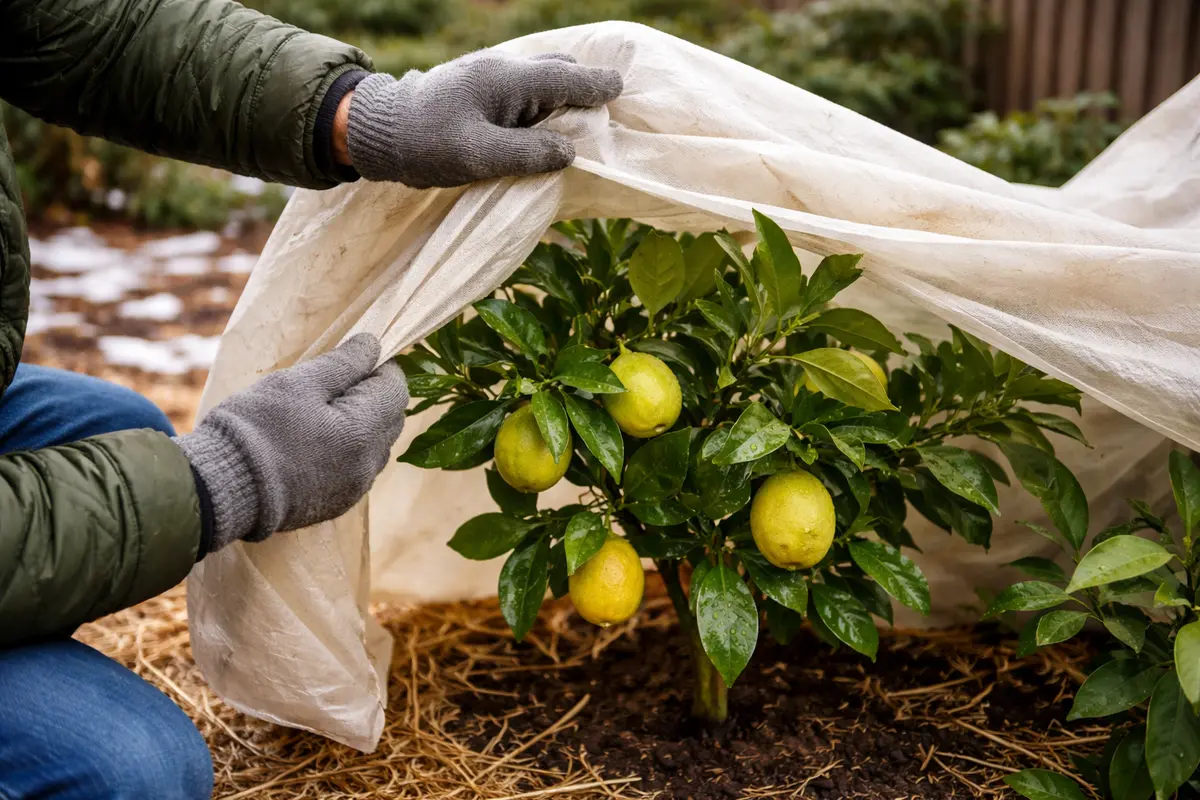
Protect your citrus trees from extreme cold by employing frost cloths or moving potted plants indoors during cold spells. Implementing this precaution can significantly reduce the risk of frost damage, which can exacerbate yellowing leaves. This simple step not only shields the plant from cold stress but also helps preserve the green foliage essential for its health. If a frost warning is issued, do not delay in covering your plants as frost can develop rapidly, causing immediate damage.
Citrus trees are sensitive to sudden drops in temperature, which can shock the plant and complicate nutrient uptake. By insulating your plants against cold, you minimize the risk of winter-related stress contributing to leaf yellowing. Maintain a relatively stable temperature, especially during nights when frost is likely. Particularly vulnerable varieties, like lemon trees, may benefit from positioning in a more sheltered space, such as near a south-facing wall. This positioning can immensely improve their exposure to sunlight and warmth during winter months.
During particularly wintery conditions, consider positioning your plants in a sheltered area or near a heat source to further reduce cold exposure. Remember that sudden changes in temperature can affect the tree’s health; if you move a potted citrus too quickly between climates, it might experience shock, leading to more yellow foliage. If you live in an area prone to cold drafts, consider using a small heater or even Christmas lights wrapped around the tree for gentle warmth during exceptionally cold nights. Observe how the plant reacts to these adjustments; if yellowing persists despite protection efforts, it may indicate deeper health issues.
Step 5 – Check Citrus Canopy for New Yellowing
Start by checking your citrus tree for signs of recovery every few days. Look closely at the leaves, noting any improvement in color and texture; healthy leaves should regain vibrant green hues and exhibit a firm texture. If the yellowing continues or new leaves begin to yellow, recheck weekly for further changes.
A fully recovered citrus plant will showcase lush, deep green leaves that feel firm and have a glossy appearance. In contrast, if early signs of the problem return, you might notice new foliage turning a pale yellow or appearing droopy and soft. If new growth emerges with a light green color, indicating insufficient nutrients, assess the fertilization and watering practices.
If you observe the yellowing returning despite following these steps, increase the frequency of your feeding regimen with a balanced fertilizer designed for citrus. Additionally, evaluate your watering schedule to ensure consistent moisture without waterlogging. If symptoms persist, consider consulting a local gardening expert for targeted advice on soil health and potential pest issues.
A fully recovered citrus plant will show vibrant green leaves, indicating better health and nutrient absorption. In contrast, early warning signs of issues could include new yellow spots or limp leaves, hinting at an underlying problem. Pay special attention to how the leaves feel; healthy leaves should feel firm, not droopy or withered. If you notice softness or any changes in leaf texture, it indicates ongoing stress. Even after recovery, continue monitoring for signs of lean leaf edges or varied coloration, which may suggest a slow return to health.
If yellowing persists despite your efforts, re-assess watering techniques, check for renewed pest presence, or consider consulting a local horticulturist for more suitable measures. Early intervention is crucial in maintaining optimal plant health; if these steps do not yield results, it may be necessary to invest in a soil test or consult with an expert to identify potential pathogens or diseases that could hinder your tree’s recovery. You might also reflect on any recent environmental changes, such as temperature or humidity fluctuations, as they could subtly contribute to ongoing stress.
FAQ
How long will it take for my citrus leaves to recover once I adjust watering?
Once you’ve adjusted your watering practices, you can expect to see signs of recovery within a few weeks, generally between 10 to 14 days, depending on the extent of damage. The leaves should start to perk up, and you may notice new growth indicating that the plant is rebounding. If watering was the issue, the leaves should regain their green color, confirming better hydration and nutrient uptake. If the leaves do not respond within this period, it may indicate a different underlying problem.
Can nutrient deficiencies spread to other plants nearby?
Yes, nutrient deficiencies can affect the nearby soil and potentially spread to other plants through shared root systems or soil contamination. It’s essential to address nutrient issues promptly to avoid negatively impacting surrounding plants. Properly fertilizing your citrus can maintain the soil health of the surrounding area, benefiting your overall garden ecosystem. Regular soil testing helps identify deficiencies early, preventing spread before it becomes a concern.
Should I remove yellowing leaves from my citrus tree?
Yes, it is beneficial to remove yellowing leaves to improve air circulation and prevent any potential pest issues. However, avoid over-pruning as it can stress the plant; only remove leaves that are severely damaged or entirely yellow. If you find that many leaves are yellowing, it may suggest a systemic issue requiring further investigation into nutrition or environmental conditions. Regularly trimming excess leaves can also promote new growth once the plant improves.