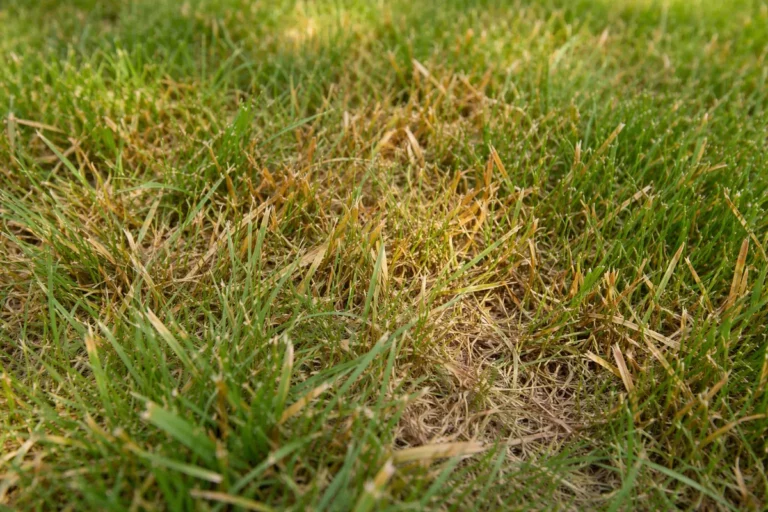
You may notice unsightly patches appearing on your lawn after heavy rain, which is why you need to know “Why are my lawn spots appearing after heavy rain.” These spots often indicate fungal issues that thrive in the moist conditions, leading to damage that can weaken your grass. If left untreated, this problem can spread throughout your lawn, making it harder to fix, so it’s crucial to inspect and adjust your care routine now.
Step 1 – Inspect Lawn for Standing Water Spots
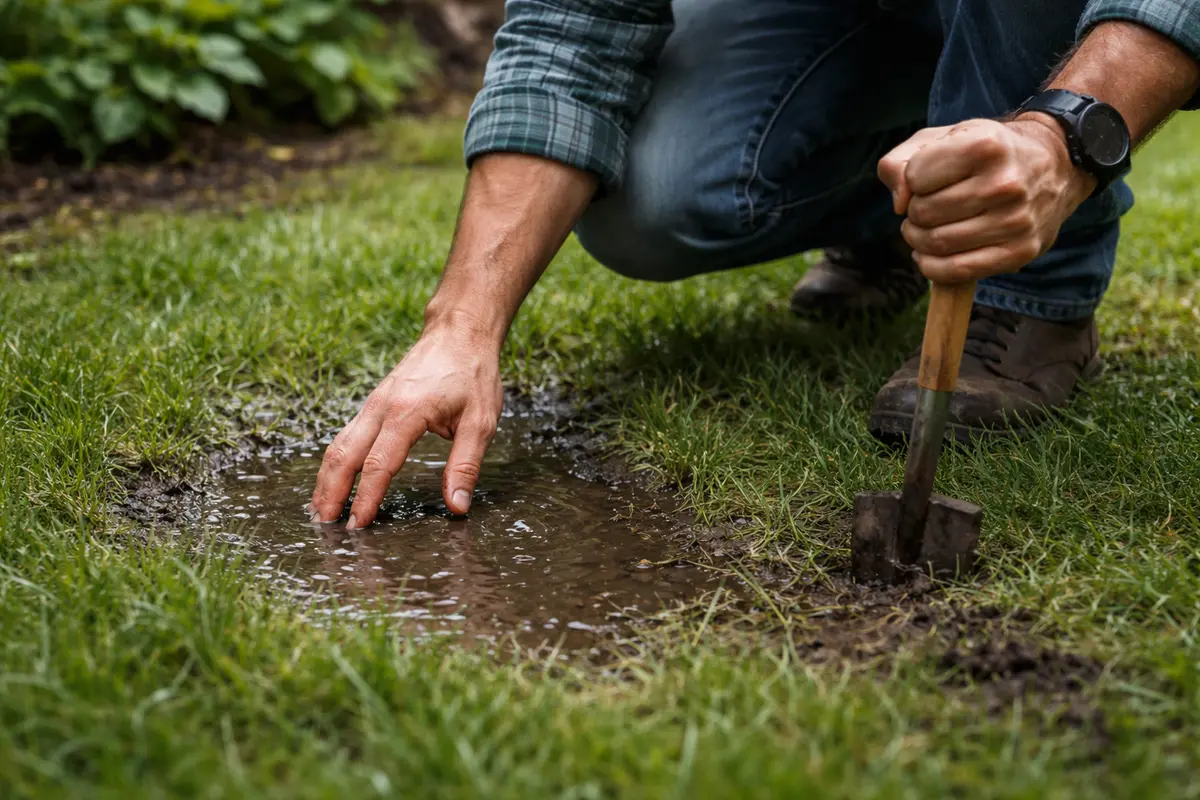
Check your lawn for any areas where water is pooling after the rain. You should see areas where the grass appears darkened or flattened, indicating that moisture is lingering longer than it should. Pay special attention to low-lying sections of your yard or areas with poor drainage; these are common spots where water accumulates. This waterlogging can lead to root rot and fungal infections if left unchecked. Specifically, use a garden spade to gently dig into these areas; if the soil feels spongy and retains water easily, it’s a clear sign of prolonged saturation.
When water collects on your lawn, it suffocates the roots, preventing them from absorbing oxygen and nutrients. In grasses, this can lead to symptoms like wilting and yellowing. If you delay addressing this situation, it will only worsen, as the stagnant water creates a breeding ground for pests and diseases, jeopardizing the entire lawn. If you begin to notice an increase in mushrooms or other fungal growth, it serves as a harbinger of underlying problems; neglecting to take action will only amplify the situation.
A common mistake is to assume that water will eventually drain on its own. Many gardeners overlook small spots where water accumulates, believing it’s not severe. However, even minor pooling can lead to significant problems over time, so take immediate measures to inspect these areas. Additionally, if you find yourself consistently facing this problem, consider evaluating your yard’s grading. Any low-lying spots that trap water may need a drainage solution, such as the installation of a French drain or strategic landscaping to reroute water flow.
Step 2 – Assess Soil Compaction Over Lawn Areas
Start by examining the affected areas for signs of compacted soil or standing water. If you notice a heavy, dense layer of soil or pools where water collects, aerate the lawn by using a garden fork to create small holes in the top layer. This should enhance drainage and, within a few days, improve the appearance of the lawn, encouraging greener growth and reducing spot visibility.
The lawn spots after heavy rain may indicate soil compaction, which restricts water movement and air circulation to the roots. Roots need both air and water to function properly; when compacted, they struggle, leading to stressed grass that turns brown or yellow. In contrast, healthy areas with good drainage will retain their color and vitality even after heavy rains, showing strong root development.
If the soil smells sour when you dig, it may be suffering from poor aeration or anaerobic conditions; therefore, apply a quality compost top dressing to introduce beneficial microbes. However, if you notice a more general die-off not linked solely to compaction, check for diseases like root rot, which necessitates a different treatment approach, such as removing the affected grass and treating the soil with a fungicide.
If the soil feels overly compacted, the lack of airflow and water movement hinders grassroots growth and health. Over time, this can lead to dead patches or increased vulnerability to diseases. Healthy soil should crumble easily between your fingers and allow for moisture penetration. A thorough inspection will determine whether you need to aerate or amend your soil for better drainage and respiration. For instance, areas where grass is particularly sparse may hint at higher levels of compaction due to foot traffic or nearby heavy structures. If you suspect foot traffic is compounding the issue, evaluate fencing or barriers to limit access.
For instance, if you find waterlogged spots but note the soil isn’t firm or excessively compacted, the problem may indicate drainage issues rather than compaction. Conversely, if the soil is firm and difficult to penetrate, focus on aerating it to relieve pressure. Neglecting either aspect can perpetuate your lawn’s struggles. In cases of calcareous compacted soil, you may need a soil amendment, such as gypsum, to facilitate airflow and moisture penetration, as well as to help break down heavy clay sections. If the compaction problem persists despite treatment, consulting with a soil expert for tailored recommendations may be necessary.
Step 3 – Aerate Turf to Enhance Recovery Process
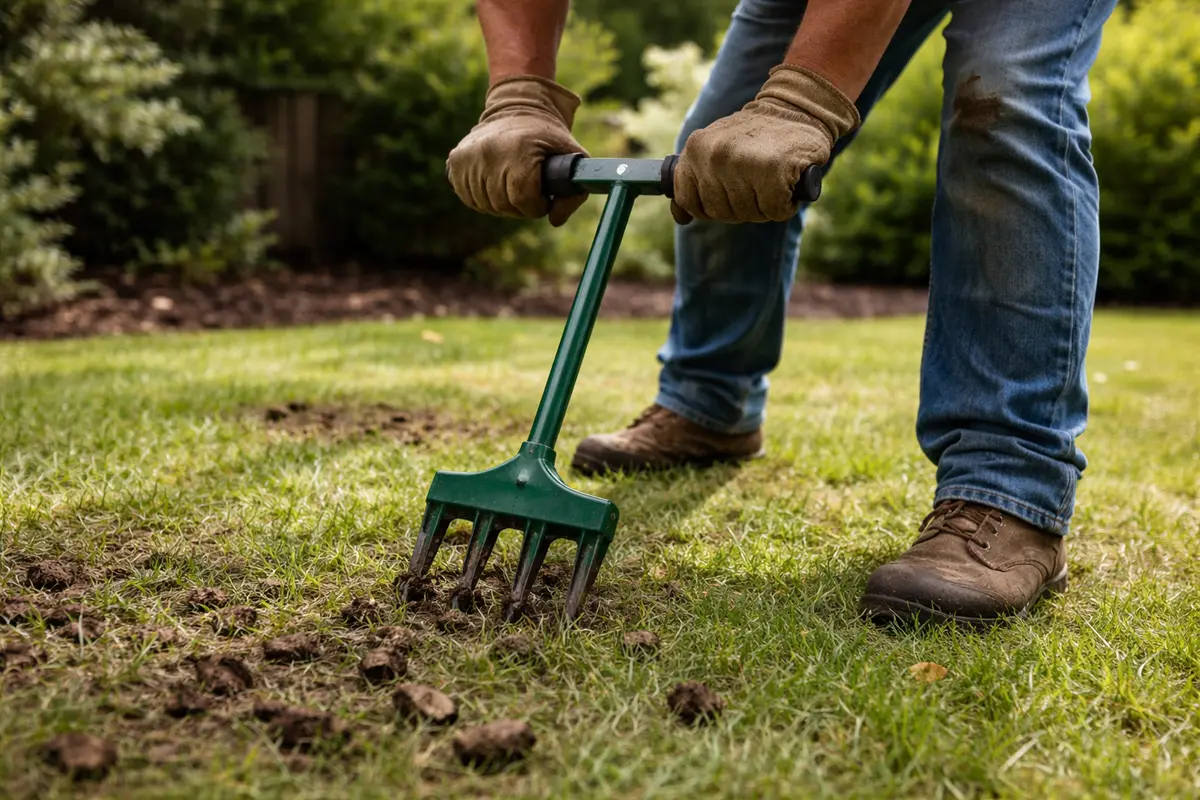
Aerate your lawn using a core aerator or spike aerator. Following this action, expect to see improvement within a few weeks, including increased grass growth, deeper root penetration, and fewer brown spots. Aeration helps alleviate soil compaction, allowing water and nutrients to penetrate more effectively. Aim for about 20-30 holes per square foot to maximize effectiveness, which typically means aerating every 2-4 years depending on your lawn’s traffic and condition. Consider measuring the size of your yard to determine how quickly you can complete the aerating process.
The process of lawn aeration creates holes in the soil, allowing oxygen to reach grassroots and reducing surface water runoff. In approximately two to three weeks, depending on weather and existing lawn health, you should notice revitalized grass, characterized by greener leaves and a more even distribution of moisture across the lawn. Timing is crucial; optimal periods for aeration typically occur in fall or spring when the grass is actively growing. Avoid aerating during the heat of summer, as this can exacerbate stress and lead to additional issues, such as burning from sun exposure.
Overzealous treatment is a common pitfall during this step—like applying too much fertilizer immediately after aerating. This can lead to nutrient burn or excessive growth that the roots cannot support and exacerbate issues rather than alleviate them. After aeration, monitor grass health closely for about four weeks to ensure balanced regrowth; avoid chemical applications until the grass demonstrates visible recovery and proper health. Be mindful of the soil composition; sandy soils may need increased frequency for aeration compared to clay-heavy soils, which tend to compact more quickly and require less frequent treatments.
Step 4 – Water Lawn Only When Soil is Dry
Start by aerating your lawn to improve drainage and reduce lawn spots after heavy rain. This process will allow air, water, and nutrients to penetrate the soil deeper, encouraging healthier grass growth and minimizing the likelihood of fungal diseases.
Heavy rain can create waterlogged areas that lead to anaerobic conditions, promoting rot and attracting pests, while well-aerated soil prevents these issues. For instance, lawns that remain soggy for long periods often develop dark patches due to mold, whereas well-drained areas recover quickly. If you notice persistent spots despite aeration, check for compacted soil or thatch buildup, as these can exacerbate drainage problems.
During the peak rainy season, increase the frequency of aeration to once a month, as grass roots may need more assistance to breathe. Additionally, applying a fungal preventative can serve as a secondary layer of protection against potential diseases caused by excessive moisture accumulation in the soil.
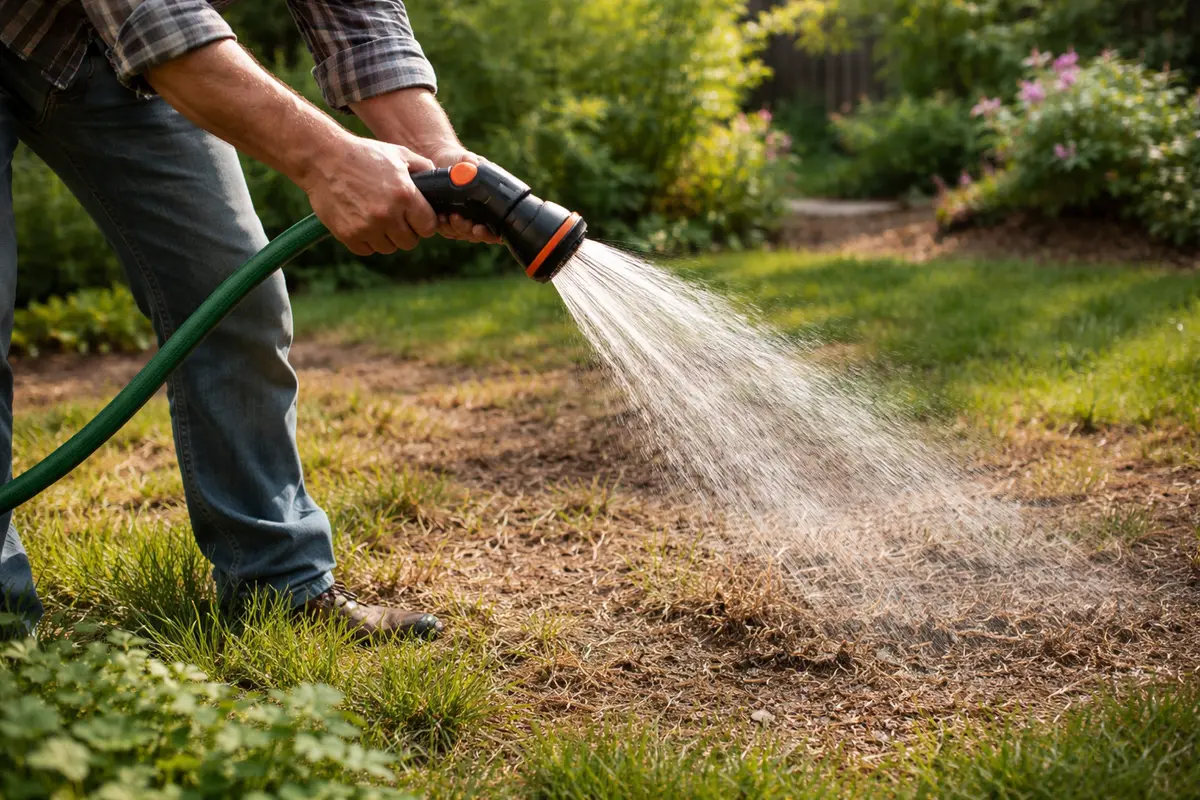
Proper watering habits can drastically affect soil health, providing the ideal balance for root formation and reducing the risks of fungal outbreaks. If the soil remains too moist after heavy rain, new diseases can proliferate, reinforcing underlying problems that can be costly to manage later. Adjusting your watering routine based on recent weather conditions is crucial for maintaining healthy grass; during dry spells, aim for deep watering every 1-2 weeks, providing approximately one inch of water each time. Mark your watering days on a calendar to avoid skipped sessions.
Consider the seasons as you adapt your watering routine. During extended rainy periods, reduce watering frequency to prevent over-saturation. If you do not, your lawn may suffer from developing brown patches once sunny conditions return, showing symptoms of drought stress. Additionally, sunny and windy days can dry out the soil faster than expected; if you notice your lawn looking parched, check soil moisture more often during those times. Each watering session ideally should be conducted in the early morning or late afternoon to minimize evaporation and reduce fungal growth risk.
Step 5 – Check Grass Color Weekly for New Discoloration
Start by checking your lawn every few days after the heavy rain has subsided. Look for signs of moss or patchy discoloration, which indicate potential fungal issues or drainage problems. Reassess the soil moisture levels and observe the grass texture; you should see greener patches and improved overall evenness indicating recovery.
A fully recovered lawn features a consistent rich green color, with grass blades that are upright and resilient to touch. In contrast, early signs of the problem returning include yellowing blades that feel soft and spongy underfoot. If you notice patches of brown next to previously revived areas, inspect the soil in those spots for compaction or excess moisture, which might point to an undetected drainage issue.
If the problem returns despite following the previous steps, reapply a targeted fungicide to affected areas and ensure proper aeration of the soil to enhance drainage. Additionally, evaluating your lawn’s watering schedule is crucial; overwatering can exacerbate the issue. If symptoms persist, consult a lawn care professional to determine if a deeper underlying issue exists.
As your lawn heals from the recent waterlogged conditions, recovering grass should gain vibrant color and firmness. Healthy grass should feel resilient underfoot; if it appears dull, limp, or fragile, you might need to reassess moisture levels or soil health. Early indicators of trouble—like frequent dark patches—will help save the lawn from prolonged decline. Pay special attention to color differences in shaded versus shiny areas, since sunlight exposure affects water and nutrient uptake, which can lead to uneven recovery rates across your lawn.
If spotting returns or worsens, don’t hesitate to re-evaluate your previous steps and seek professional intervention. If you notice persistent issues that do not respond to aeration, watering adjustments, or soil amendment, professional lawn care experts can provide targeted support to diagnose and resolve underlying problems. Regularly scout areas outside your immediate line of vision; grass that appears healthy at first glance can conceal developing issues beneath the surface, so check those outlier areas thoroughly.
FAQ
How long does it take for my lawn to recover from heavy rain spots?
Recovery time generally ranges from two weeks to a month, depending on weather conditions, soil type, and your lawn care practices. Ensure proper aeration and watering to facilitate faster regrowth, but remain vigilant; any lingering moisture can delay the process significantly. Soil that remains saturated significantly hampers recovery time and increases the risks of further disease.
Can lawn spots spread to other areas during wet conditions?
Yes, if the spots are due to diseases, they can spread rapidly in wet conditions. Maintaining proper air circulation and promptly addressing any water pooling is essential to preventing this spread. Regular monitoring, combined with quick responses to excess moisture, will be vital in managing any outbreaks, particularly after successive rainfalls that can exacerbate wet conditions and lead to wider issues.
Should I remove the affected grass to help recovery?
Removing dead or severely affected sections may be beneficial to encourage fresh growth. However, ensure the underlying issues are resolved before replanting to avoid repeat problems. Amending soil and ensuring good drainage will set the stage for healthier regrowth. If you choose to replant, consider using disease-resistant varieties that are better equipped to handle future moisture problems.