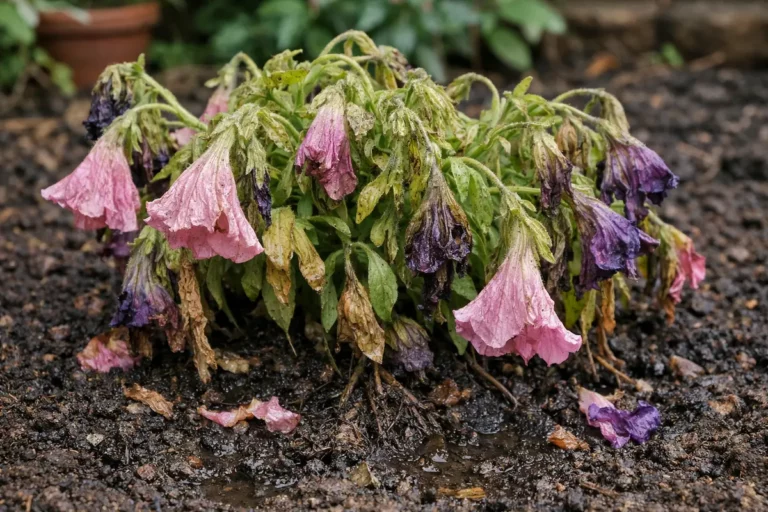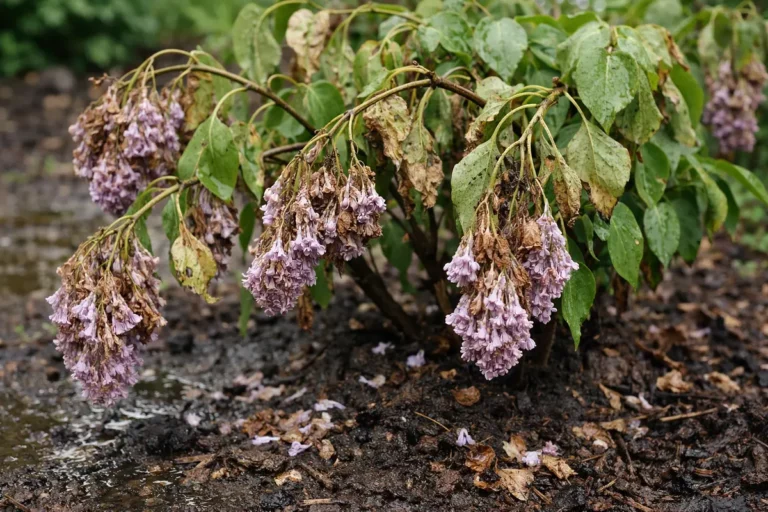
You may notice that your sweet potatoes are looking particularly sad and droopy after heavy rain, which is why you need to know about fixing wilting sweet potatoes after heavy rain. This wilting can occur when the roots become waterlogged, leading to damage that manifests as yellowing leaves and mushy stems. If ignored, this issue can spread and weaken the plant, making recovery harder, but fixing it is possible now—just inspect the roots, adjust your watering, and monitor for signs of improvement.
Step 1 – Assess Sweet Potato Leaves for Wilting
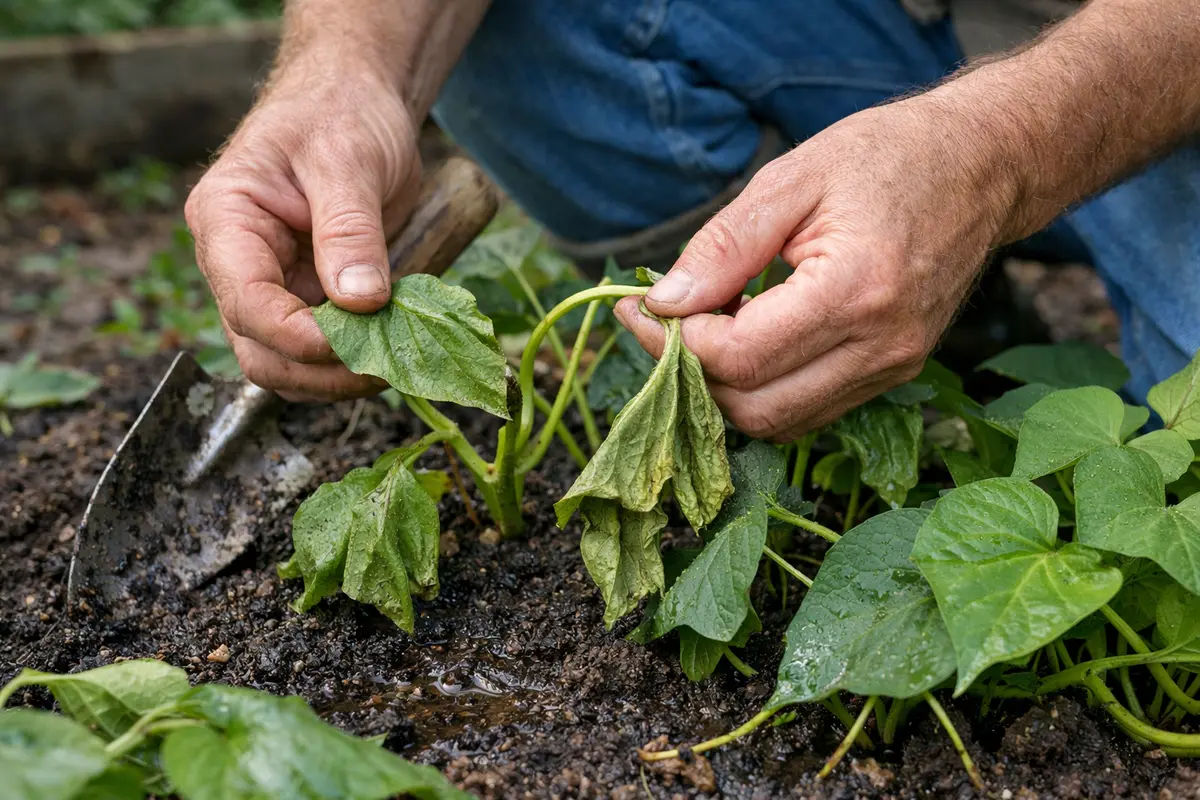
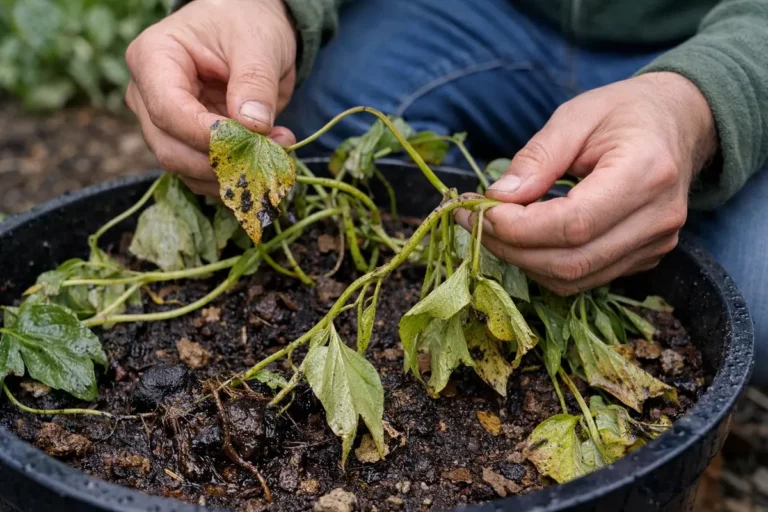
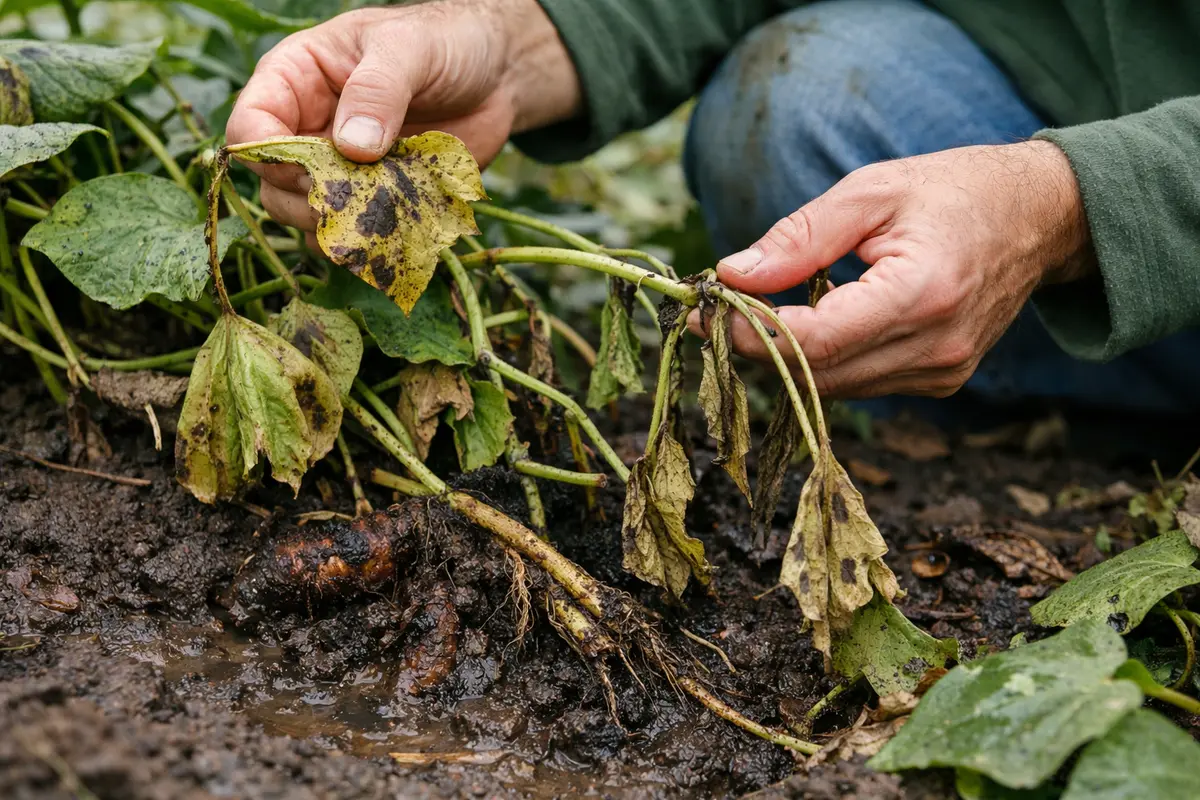
Inspect the sweet potato leaves for signs of wilting and discoloration. You should see affected leaves droop and may notice a dull coloration, signaling stress within the plant. This inspection is crucial to determining the next steps needed to address the underlying issues. If you notice more than just slight drooping, such as leaves curling or developing brown spots, it’s a strong indicator that conditions are severe. An immediate check can prevent further deterioration.
Taking the time to thoroughly assess the plants allows you to identify the severity of the wilting. If the leaves appear limp, especially near the base, the plant likely suffers from excessive moisture retention due to waterlogged soil. Check if the roots feel soft or squishy when gently lifted from the ground. The visible symptoms will help differentiate between outright wilting due to overwatering and those caused by other factors like nutrient deficiencies. Addressing this issue immediately can prevent the condition from spreading, which often occurs in crowded beds where airflow is limited and moisture levels remain high. A close inspection will reveal if the soil is unusually soft to the touch or if there is a mud-like consistency. A quick touch test can indicate how saturated the soil is along with examining the leaf condition.
A common mistake at this stage is to assume the wilting is merely due to a lack of water or nutrients. This can lead some gardeners to increase watering or apply fertilizer. In reality, after heavy rain, the roots are already overwhelmed, and adding additional moisture can exacerbate the situation. If the soil is already saturated, increasing watering can lead to further root suffocation. Pay close attention to the condition of your soil when assessing the plants, as the right course of action will hinge on these visible symptoms. The presence of algae or mold on the soil surface can provide additional clues to the moisture issue, indicating an anaerobic environment. If you find that the leaves are also sticky or have developed a slimy texture, this can indicate the onset of fungal growth due to excess moisture, complicating recovery further.
Step 2 – Diagnose Poor Drainage in Sweet Potato Beds
Check the soil drainage around your sweet potato plants. You should observe the soil texture and moisture condition; if it feels muddy or overly saturated, that’s a clear sign of poor drainage and potential impending root damage. Additionally, take note of any pooling water around the plant bases, which indicates that water isn’t moving away as it should. Taking this corrective action can help reduce the immediate stress on the plants by facilitating better airflow to the roots, an essential factor for healthy growth.
Poor drainage often results from compacted soil or incorrect bed construction, leading to roots sitting in waterlogged conditions. To gauge the situation, dig around a few plants and examine the depth of moisture. If you notice heavy resistance when digging beyond the surface, it may indicate compaction below that restricts root growth and oxygen flow. This suffocation prevents the roots from accessing oxygen, crucial for their survival. If not corrected swiftly, the roots can develop rot, making the plants more susceptible to fungal infections and nutrient deficiencies, which often show in the leaves as yellowing or browning. Treating drainage issues early can prevent the loss of the plant and address problems before they escalate further.
If you detect a sour smell emanating from the soil, it indicates severe anaerobic conditions. In this case, consider temporarily relocating the plants to a raised bed or augmenting the soil with perlite or sand to improve drainage. Additionally, incorporating organic materials like shredded leaves can help aerate compacted soils over time as they break down. This method improves airflow and moisture retention balance. Recognizing the cause early on allows for a more effective intervention, ultimately saving your crop. If roots are exposed and show signs of decay, you may need trimming before replanting with care to avoid further damage to the plants. Be wary of diminishing airflow, as well; if the surrounding plants are too close, this could compound moisture retention and lead to further troubles, making it harder for plants to recover.
Step 3 – Restore Soil Health for Wilting Sweet Potatoes
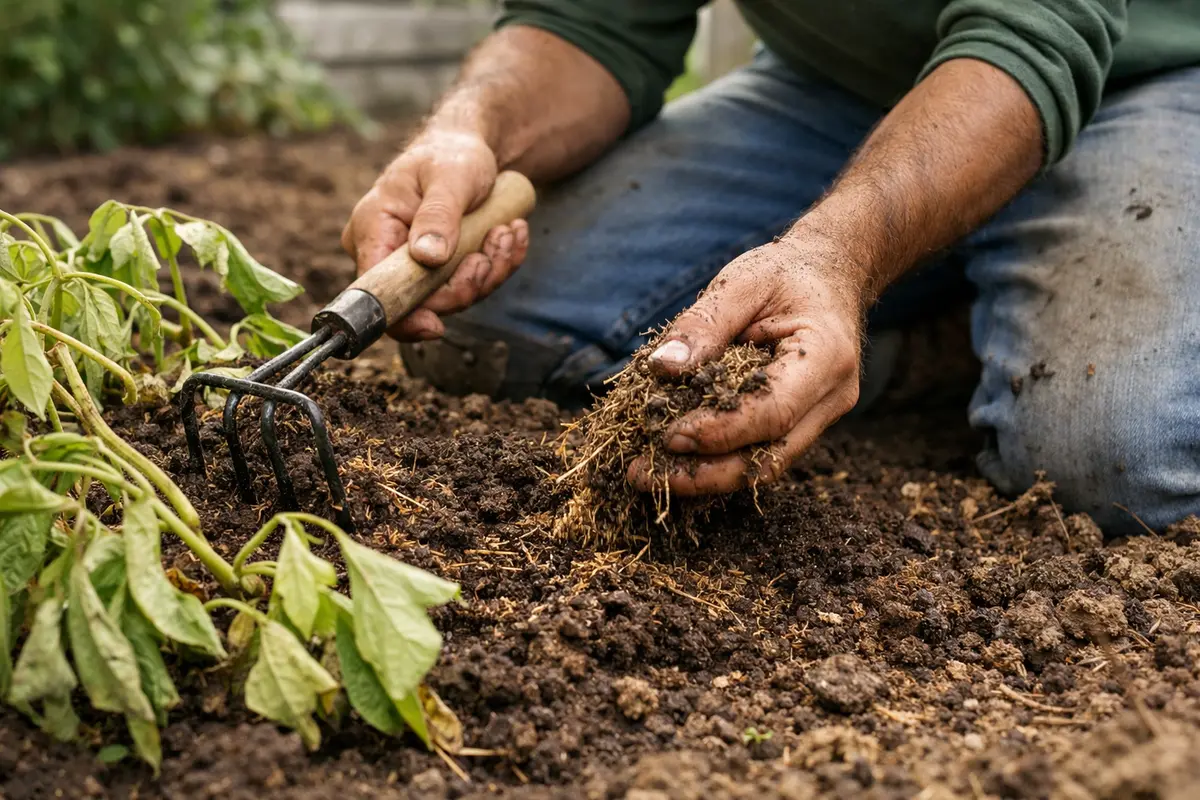
Start by gently re-planting any wilting sweet potatoes into drier soil to encourage recovery and improve drainage. Look for signs of visible improvement, such as the leaves becoming firmer and a vibrant color returning within a few days. Follow this up by ensuring that the soil around the plants drains adequately after rainfall. To prevent future wilting, maintain consistent watering habits, especially during dry spells, and monitor soil moisture levels following heavy rain events.
The recovery timeline for sweet potatoes can take a few days to two weeks, depending on the severity of the waterlogged conditions. If sweet potatoes were underwater for too long, you might notice wilting persists even after re-planting, indicating root rot. If that’s not the issue, check for excessive soil moisture retention due to compacted soil or poor drainage systems in the garden. Implementing these adjustments can transform the soil structure, ensuring healthy root systems. If water levels do not seem to improve, try checking drainage lines or other issues such as nearby landscaping that may be redirecting runoff towards your sweet potatoes.
A common mistake during the recovery-prevention transition is over-fertilizing to speed up growth; this can stress the plants further, weakens recovery efforts. If conditions are exceptionally saturated, it may be beneficial to delay re-planting until the soil dries out, as immediate interventions might lead to root damage or plant shock. Adjusting your timing based on the dryness of the upper soil layer can lead to more effective recovery. A patch test can also be practical; try digging a small area to see if soil still feels heavy or muddy, which indicates more time is needed.
Mulching is beneficial because it retains soil moisture without causing waterlogging. Apply a layer approximately 2 to 4 inches thick, leaving some space around the plant’s base. It shields the roots from excess moisture while providing a gradual release of nutrients as the mulch decomposes. Additionally, a healthy layer of mulch can inhibit weed growth, reducing competition for the sweet potatoes’ resources. Proper soil health is essential, particularly after heavy rain, as it resets the balance and provides the necessary environment for recovery. If you see the decomposed mulch beginning to compact too much, you can mix in some light compost to aerate the layer and maintain an optimal texture during the growing season.
One common mistake is to overapply mulch, which can lead to further moisture retention at the soil surface, creating a more hospitable environment for pests and disease. Instead, ensure the mulch remains a safe distance from the plant’s stems to prevent rot, as excessive contact with mulch can suffocate the base of the plant. Frequent monitoring is crucial; if the plants are recovering well, you may see an increase in leaf firmness and a shift in color towards vibrant greens. If the recovery stalls or you see signs of further wilting, you may need to introduce drainage solutions or change how much mulch you apply. Look for discoloration in the mulch or a musty smell; these could be signs that the mulch has retained too much moisture, warranting adjustments. Assessing the moisture level every few days can gauge whether modifications are needed.
Step 4 – Check Leaves for Recovery Signs Weekly
Recheck your sweet potatoes every week to monitor signs of recovery. Look for new growth, firm leaves without discoloration, and an overall healthy appearance. These visible indicators demonstrate that your intervention measures are working and the plants are on a path to recovery. If you start seeing fresh leaves emerging, this is a strong sign that the plant is beginning to rebound and can indicate improved root health. When monitoring, take stock of leaf color and texture; vibrant green and firm leaves indicate a healthy response, while mushy or discolored leaves point to continuing issues.
A fully recovered plant will display vibrant leaves that are firm to the touch, contrasting sharply with any prior symptoms of wilting. Keep a close eye on these plants, as new growth usually appears at the tips of the vines first, indicating resilience. If this is accompanied by robust, green coloration, it suggests that the roots have started to regain their strength and are successfully taking up water and nutrients again. However, if you notice the wilting returning or the leaves starting to yellow, it could signify ongoing drainage issues or potential root rot that hasn’t been resolved. In such cases, you may wish to conduct a more thorough investigation into the drainage lines or inspect the roots in soil to check for additional problems.
If the problem appears to resurface despite following these steps, quickly assess soil conditions again. You might need to amp up soil drainage by integrating organic matter or strategically placing gravel or sand. Ignoring returning symptoms can lead to severe plant loss, or worse, loss of an entire crop. This is often a frustrating cycle for many; for instance, if multiple plants are affected in a bed, reassessing overall irrigation practices may be necessary, documenting changes in soil conditions after heavy rains to adjust appropriately. Thorough and consistent monitoring is vital for healthy sweet potatoes; regularly checking soil moisture depth can help prevent the situation from worsening, and using a soil moisture meter can help guide your interventions more effectively. If the wilting persists in some plants but not others, consider isolating affected plants to prevent any potential spread of disease.
FAQ
How long does it take for sweet potatoes to recover from wilting?
Typically, you can expect to see some improvement within a week of implementing care measures like adjusting watering and mulching. Full recovery may take up to several weeks, depending on the severity of the wilting and soil conditions. If recovery is slow, it’s advisable to reassess both drainage and soil health, particularly looking for signs that the roots are still healthy, such as white, firm root tissue.
Can excess water cause sweet potato plants to spread fungal diseases?
Yes, excessive moisture creates an ideal environment for fungal diseases, which can quickly spread across plants. Implementing proper drainage solutions is crucial to prevent such issues from developing after heavy rain. This may also include rotating planting to minimize disease risk in future crops, as long-term soil moisture issues can lead to recurring pathogen problems in the soil.
Should I remove wilting sweet potato leaves?
Only remove leaves that show significant discoloration or decay. Keeping some leaves can help the plant recover since they continue to photosynthesize and provide energy as it heals. If the plant shows new growth, the remaining leaves may still support recovery efforts. However, if removal is necessary, handle the plant gently to avoid additional damage to the stem or surrounding leaves, ensuring that healthy portions remain intact.