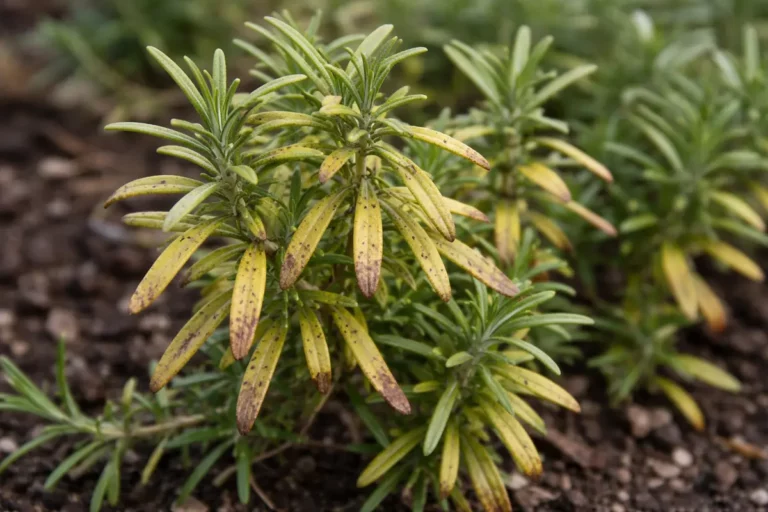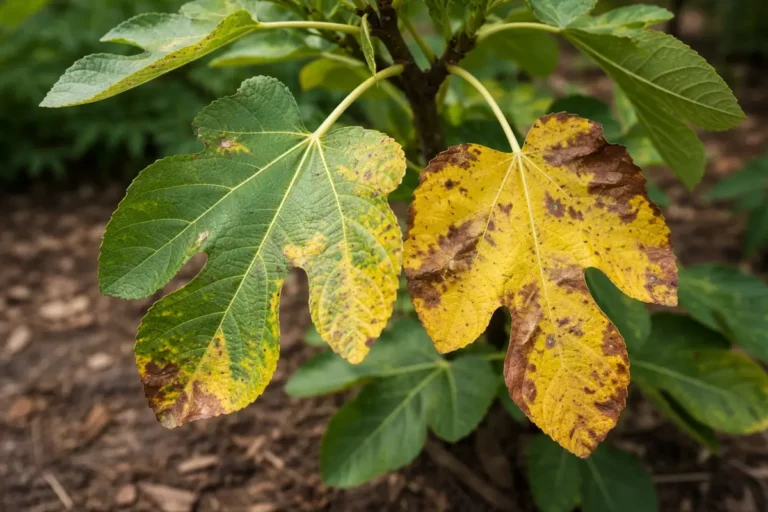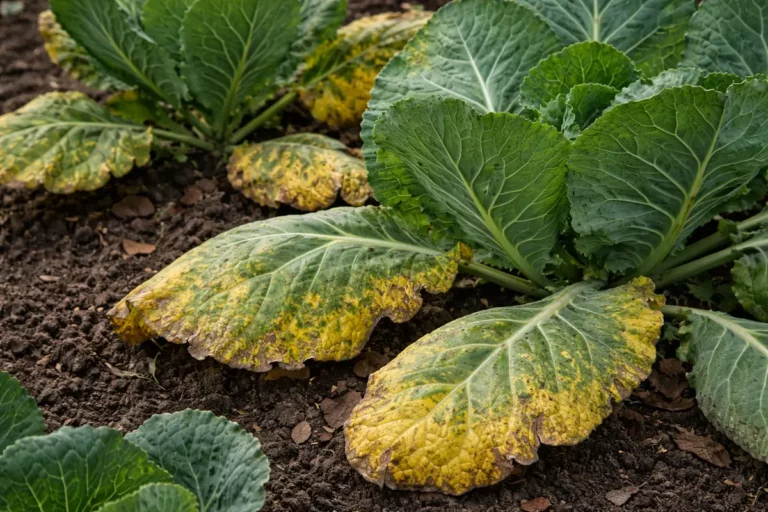
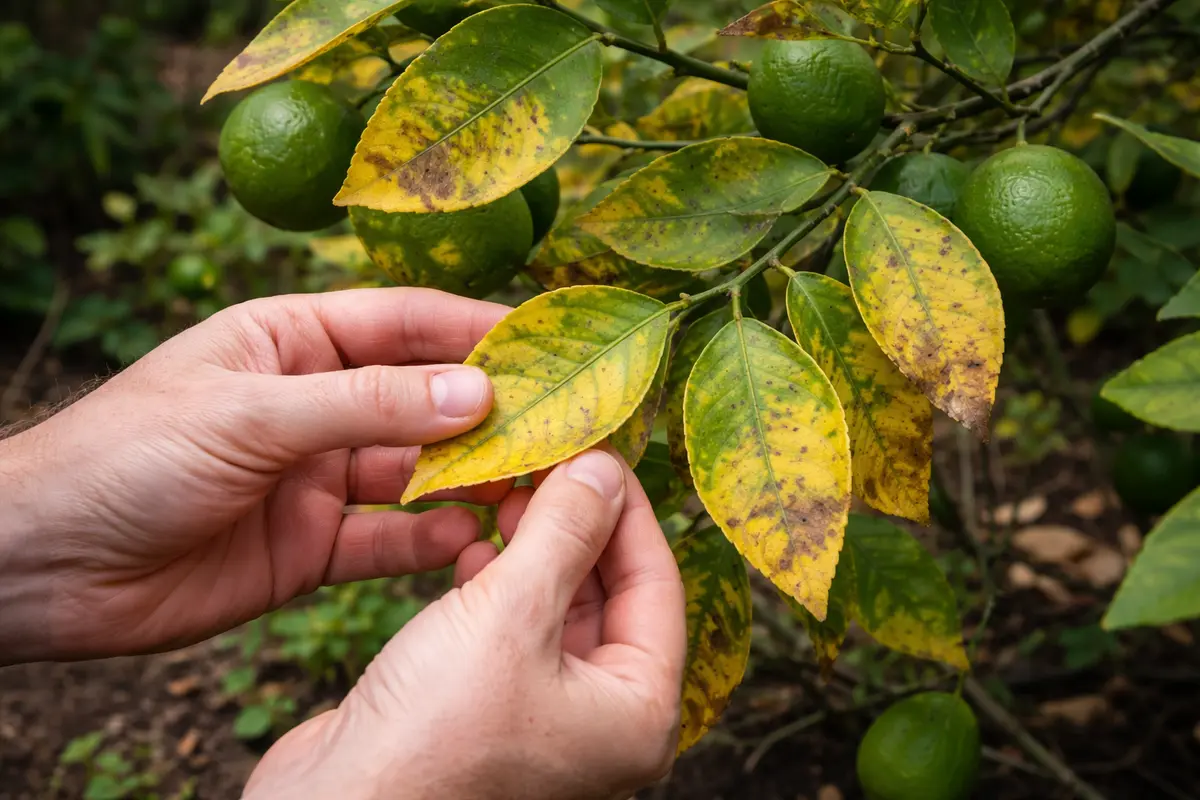
You may notice the leaves of your lime tree turning yellow during the colder months, which is why you need to know how to fix yellowing leaves on a lime tree in winter. This yellowing can occur due to nutrient deficiencies, often exacerbated by lower temperatures and reduced light, leading to potential damage to the plant. If left unaddressed, the condition can worsen, weakening the plant and making it harder to revive later; however, fixing it is possible now—just inspect the soil and adjust your watering routine. By monitoring the tree’s needs and improving its environment, you can help rejuvenate its health.
Step 1 – Prune Yellowing Lime Tree Leaves Immediately
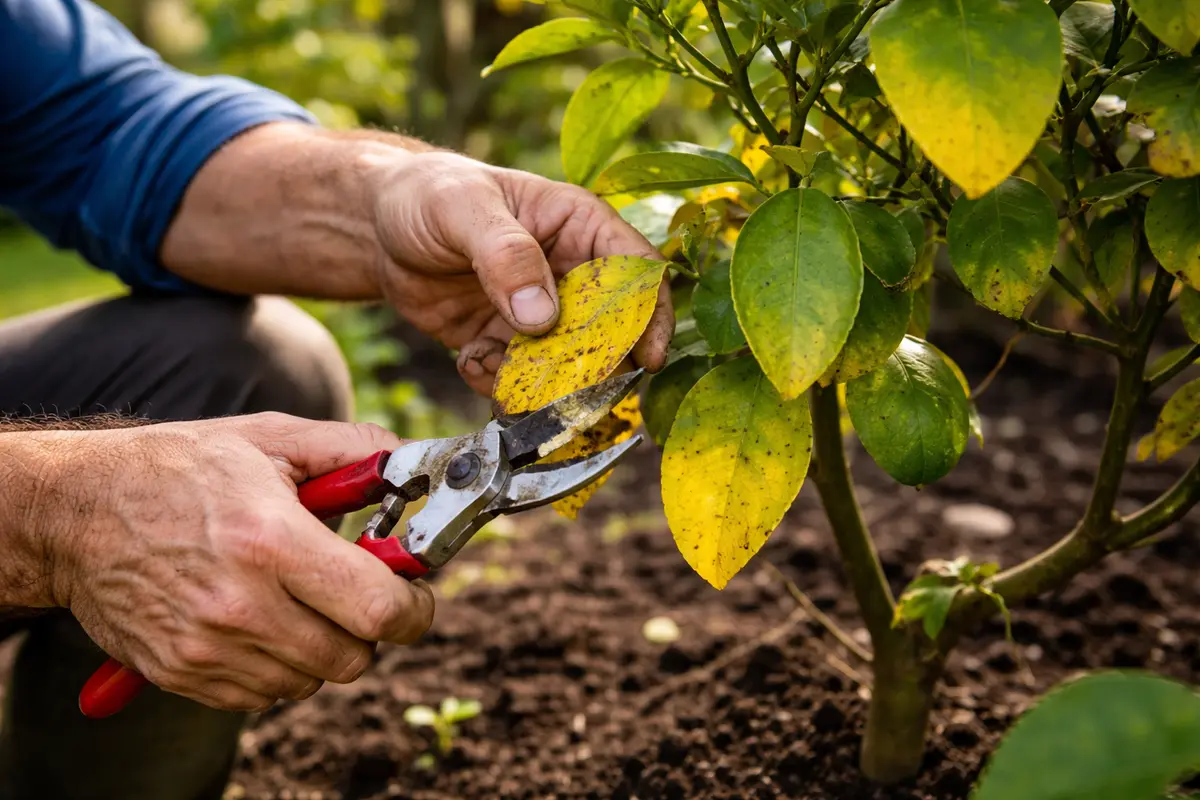
Begin by removing any yellowing leaves from your lime tree. After pruning, you will notice that the tree starts to look healthier shortly, as yellowing leaves can lead to energy drain from healthy foliage. This action prevents further stress on the tree and allows it to focus its energy on producing new growth. Pruning immediately clears away dead or dying foliage that can attract pests or lead to fungal infections, ultimately supporting better photosynthesis in the remaining leaves.
Pruning yellow leaves now is crucial because it reduces the risk of disease spreading through the tree. The yellowing can indicate various issues like nutrient deficiencies or poor environmental conditions. By cutting back those leaves, you prevent the tree from investing resources into struggling foliage and help redirect its energy where it is needed most. For instance, if you remove yellowing leaves and soon notice new green growth, that’s a sign the tree is redirecting its resources effectively. With each strategic cut, you’re fostering resilience in the remaining leaves, which can ultimately lead to a more robust recovery. If you leave intact yellowing leaves, they can fall off on their own, potentially damaging other parts of the plant and creating entry points for pests.
A common mistake is to delay pruning or to remove only a few leaves. Many gardeners hesitate, thinking the leaves will recover, but this usually leads to stunted growth or new leaves also turning yellow. If your lime tree has firm stems but a few leaves are yellow, act quickly to prune them. Also, consider the timing; performing this task on a sunny day can encourage the tree to respond favorably. During winter, if the tree has over 30% yellowing leaves, this creates an immediate energy crisis that significantly disrupts photosynthesis; thus, prompt action is necessary. Similarly, if you notice any signs of insect activity after pruning, immediately apply a suitable insecticidal soap to prevent infestations, as early intervention is key to keeping the tree healthy. Failing to address pests at this stage could result in a quickly spread infestation that undermines your recovery efforts.
Step 2 – Diagnose Nutrient Deficiency in Lime Tree
Inspect the soil around your lime tree for signs of nutrient deficiency. You will observe an improvement in overall leaf color as the tree responds to adjustments in soil nutrients. This proactive diagnosis allows for a customized approach to fertilization, ensuring that it meets the specific needs of your tree. One effective method to gauge nutrient health is by checking the moisture content; overly saturated soil may signal watering issues and nutrient leaching from the soil, making deficiencies apparent.
Yellowing leaves often indicate that the tree may not be accessing enough nitrogen or iron, both essential for vibrant green foliage. These nutrient deficiencies can occur during winter if the tree’s nutrient uptake is hindered by cold soil temperatures or poor soil conditions. For instance, if the soil tests reveal pH levels above 7.0 (alkaline), iron availability decreases, potentially leading to chlorosis. If you know your local soil conditions, you can adjust the pH using products like sulfur or aluminum sulfate; these amendments can help improve iron availability. Trying to fertilize without addressing the soil pH might not yield the expected quick recovery, leading you to believe that fertilizer alone can solve the issue.
If the soil has a sour smell, it may indicate root rot or excess moisture, requiring immediate drainage improvement. Checking for moisture levels can provide clues; soggy, heavy soil usually means you need to decrease watering frequency drastically. Conversely, if you encounter persistent nutrient issues despite adding soil amendments, consider conducting a soil test before applying fertilizers to pinpoint deficiencies accurately. A soil testing kit can reveal specific nutrient levels, allowing for a more targeted approach. If yellowing persists even after adjustments, check the soil drainage and aeration to ensure that roots can access nutrients effectively. Assessing soil health aids gardeners in maintaining lime tree vigor and prevents recurring yellowing symptoms, as ignoring this can lead to chronic damage and even tree decline. If after changes in watering frequency or nutrient addition you still see slow growth, it might indicate a deeper systemic issue.
Step 3 – Feed Lime Tree to Restore Leaf Color
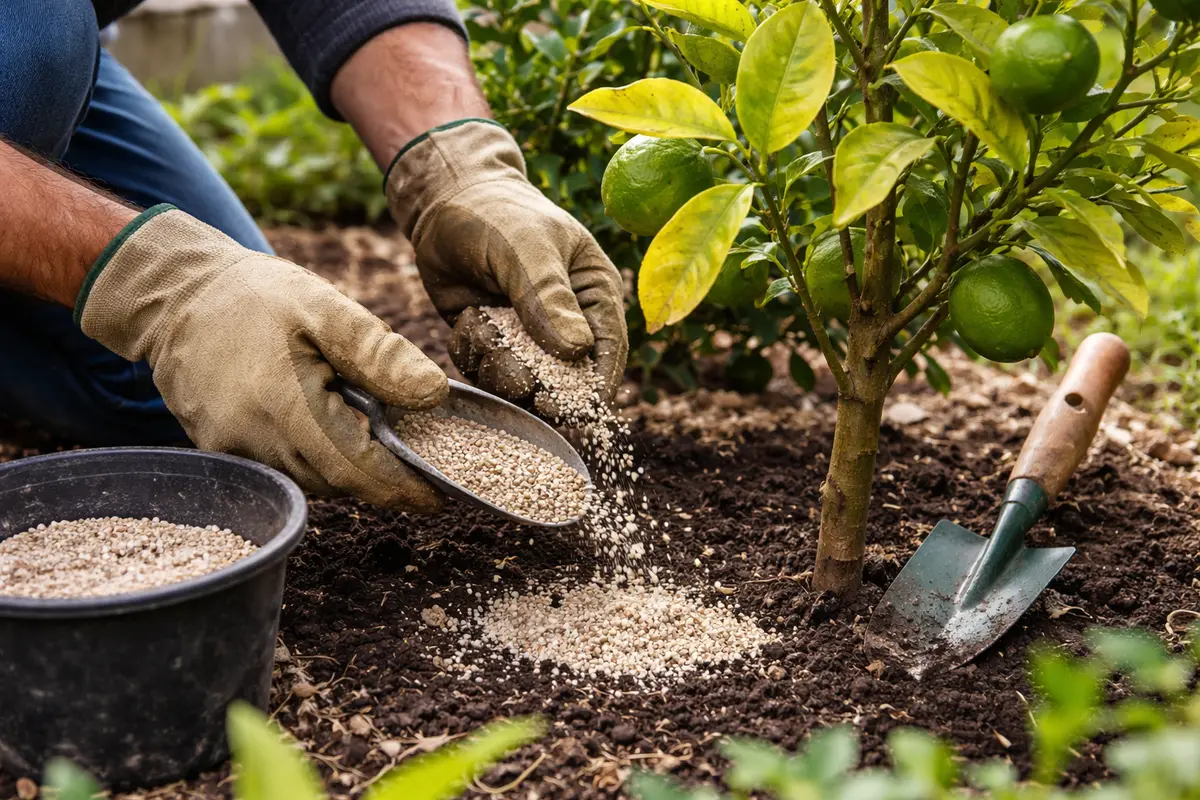
Apply an appropriate fertilizer to adequately feed your lime tree and encourage leaf regeneration. You should see an enhancement in leaf vitality and color within a week as the tree absorbs the nutrients. This restoration process is crucial for improving the overall health of your tree. One effective approach is to use a slow-release granular fertilizer in early winter, ensuring a steadier supply of nutrients that the tree can draw on as temperatures fluctuate. For example, using a balanced 10-10-10 fertilizer mixed into the top inch of soil can provide a comprehensive nutrient source. Incorporating a balanced fertilizer that includes micronutrients like magnesium and calcium may yield better results if your tree appears particularly stressed. If the soil remains cold, consider choosing a foliar feed as an immediate solution, as it delivers nutrients directly to the leaves, bypassing potential root uptake issues.
Regular feeding is necessary as it replenishes nutrients that might be depleted in the soil, particularly during winter when lime trees often require extra support. The frequency of feeding matters; if results are delayed, reassess your fertilization schedule. Using light feedings every two to four weeks during the winter months can sometimes prevent stagnation of new growth. However, if new growth shows signs of yellowing shortly after feeding, this may indicate over-fertilization where salt build-up reduces root health. For example, if your fertilizer instructions suggest using 1 tablespoon per foot of tree height, exceeding that can lead to stress. Regularly monitoring your soil moisture before and after fertilization is crucial; if you apply fertilizer and the surrounding soil feels dry, it signifies the need for more frequent waterings.
A common mistake is over-fertilizing, which can lead to salt build-up in the soil and further damage the roots. If you suspect you have over-fertilized, consider leaching the soil with water; applying 2-3 gallons of water over the soil area can help wash away excess salts. Over-fertilization can also stress the root system and contribute to symptoms of yellowing leaves, thereby exacerbating the issue. The build-up of fertilizer salts can hinder nutrient uptake, leading to a cycle of deficiency that surprises many gardeners. Experience shows that balanced fertilization is key; if results remain absent despite adjustments, consider revisiting the soil health or nutrient profile altogether, potentially including micronutrient testing to detect less common deficiencies.
Step 4 – Check Lime Leaves for New Yellowing Weekly
Start by checking the lime tree every few days for signs of improvement or further yellowing. Look for the color returning to the leaves, noticeable new growth, and an overall darker green hue. If areas of thinning foliage continue to appear or if yellowing spreads, recheck the tree weekly to assess any developments.
A fully recovered lime tree will exhibit bright green leaves with a firm texture, signaling it has regained vitality. In contrast, early signs of the issue returning may include a return of pale edges and a brittle feel to the leaves, pointing to potential nutrient deficiencies. If the leaves lose their luster and begin curling again, this indicates the problem might be resurfacing.
If yellowing continues despite previous interventions, consider applying a balanced fertilizer specifically designed for citrus trees, ensuring that micronutrients are included. Monitor the lime tree closely for 7-10 days after fertilization; if symptoms persist, increase watering frequency to counteract environmental stressors such as cold drafts.
A fully recovered lime tree will have leaves that are firm to touch, appearing bright green and healthy. However, if yellowing returns, it may signify continued nutrient deficiencies or environmental stressors, such as inadequate sunlight. Notably, certain shades of yellowing can indicate different needs; for example, pale yellow might suggest a nitrogen deficiency, while more pronounced yellow edges can reflect a need for better water management. Observing these subtle differences can aid in diagnosing and rectifying ongoing problems before they escalate into more significant issues. If addition of fertilizers isn’t yielding expected results, it may indicate an issue with root accessibility, possibly due to compacted soil.
If you observe the yellowing returning despite following the previous steps, it might be time to re-evaluate the environmental conditions around your lime tree. For instance, adjusting watering frequency, checking for pests, or moving the tree to a sunnier location may be necessary. If the tree displays signs of stress during the late afternoon or evening when temperatures drop, consider moving it to a protected location to minimize shock. Additionally, note that if leaf drop occurs in conjunction with yellowing, this could signal more dire issues that require immediate attention and possibly professional assessment. Paying attention to subtle changes allows for adaptive strategies, preventing decline and paving the way for stronger future growth; if symptoms escalate further, engaging a local horticulturist can help diagnose persistent issues that remain elusive.
FAQ
How long does it take for lime leaves to recover from yellowing?
The recovery timeline for yellowing lime leaves can vary but is typically visible within one to two weeks after adequate treatment. If consistent care is provided, such as proper fertilization and watering, you can expect to see improvements in leaf color and new growth emerging. Delays in recovery, particularly if nutrient deficiencies persist, can occur if one or more underlying causes are not addressed rapidly. Typically, if no improvement is seen after two weeks, re-evaluate both nutrient levels and environmental conditions.
Can yellowing leaves spread to other plants?
Yellowing leaves on a lime tree do not spread like a disease; however, they can signal broader issues, such as nutrient imbalances or environmental stress. If the tree is stressed due to inadequate care, other nearby plants may also display signs of neglect due to similar environmental conditions or soil health. Paying attention to individual plants’ needs is essential to prevent widespread issues related to overall growing conditions. If yellowing appears on other plants after adjusting care for your lime tree, it might indicate a larger problem in your garden environment that needs widespread addressing.
Should I remove all affected leaves from my lime tree?
Removing all yellowing leaves can harm the tree’s ability to photosynthesize effectively. Instead, focus on pruning only the severely affected leaves while allowing the healthier ones to continue providing energy through sunlight absorption. This balance prevents shock and promotes a healthier environment for recovery, avoiding setbacks in nutrient uptake. Experience shows that selective removal not only preserves the tree’s energy but also fosters a more robust growth experience; when tackling an entire tree’s foliage, maintain a strategy that allows for healthy canopy development while managing aesthetic concerns.