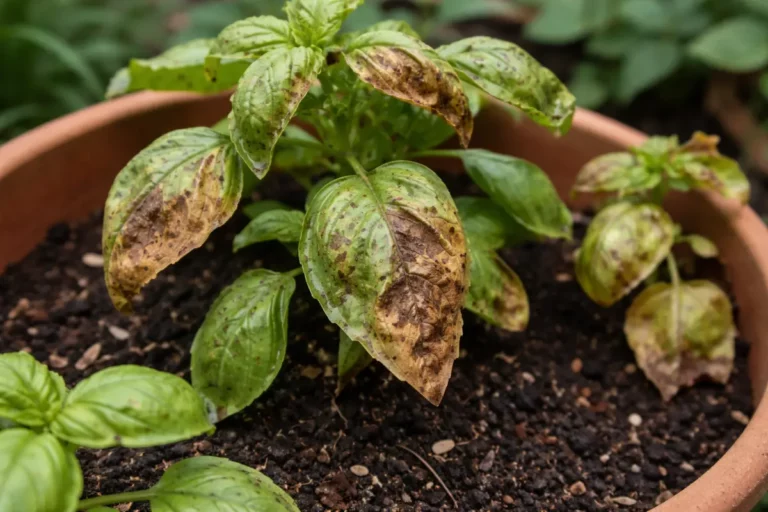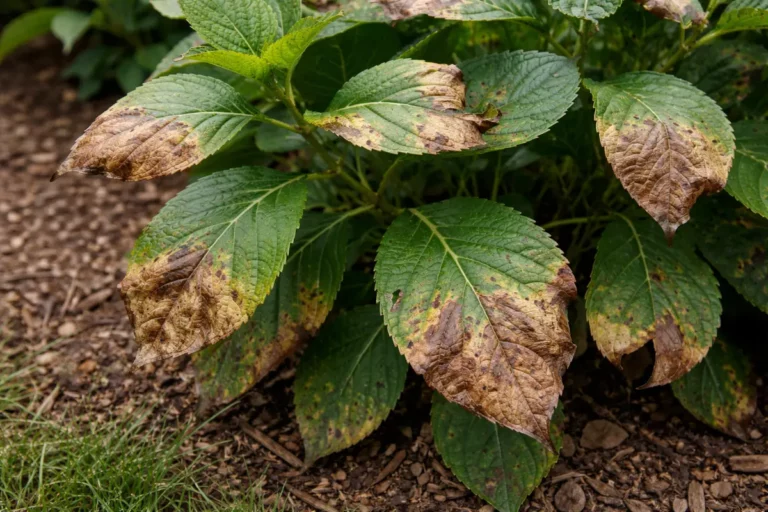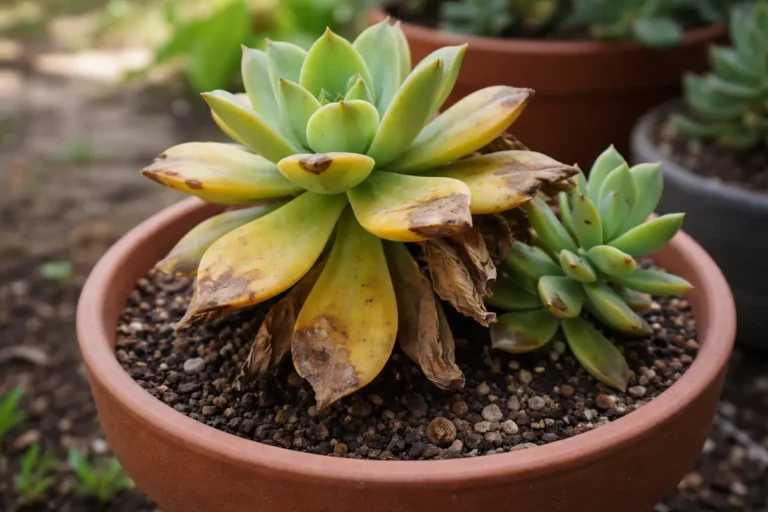
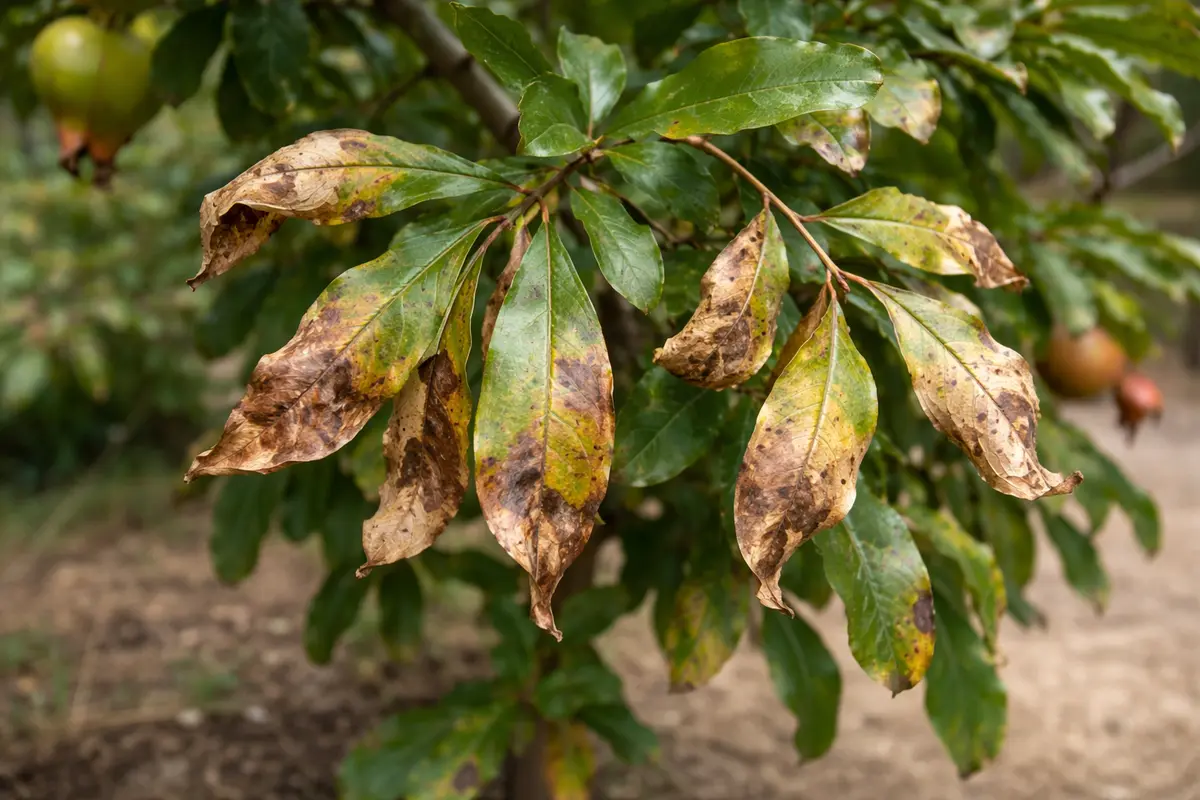
You notice your pomegranate leaves turning a deep brown during the sweltering summer heat, which is why you need to know, “Why are my pomegranate leaves turning brown in summer?” This browning often indicates a decline in plant health, resulting from issues like wilting or leaf drop caused by underlying water stress or environmental factors. If left unchecked, the problem can worsen, leading to more damage to the plant, but you can fix it now by monitoring your watering habits and adjusting the conditions around your pomegranate tree.
Step 1 – Prune Brown Pomegranate Leaves Immediately
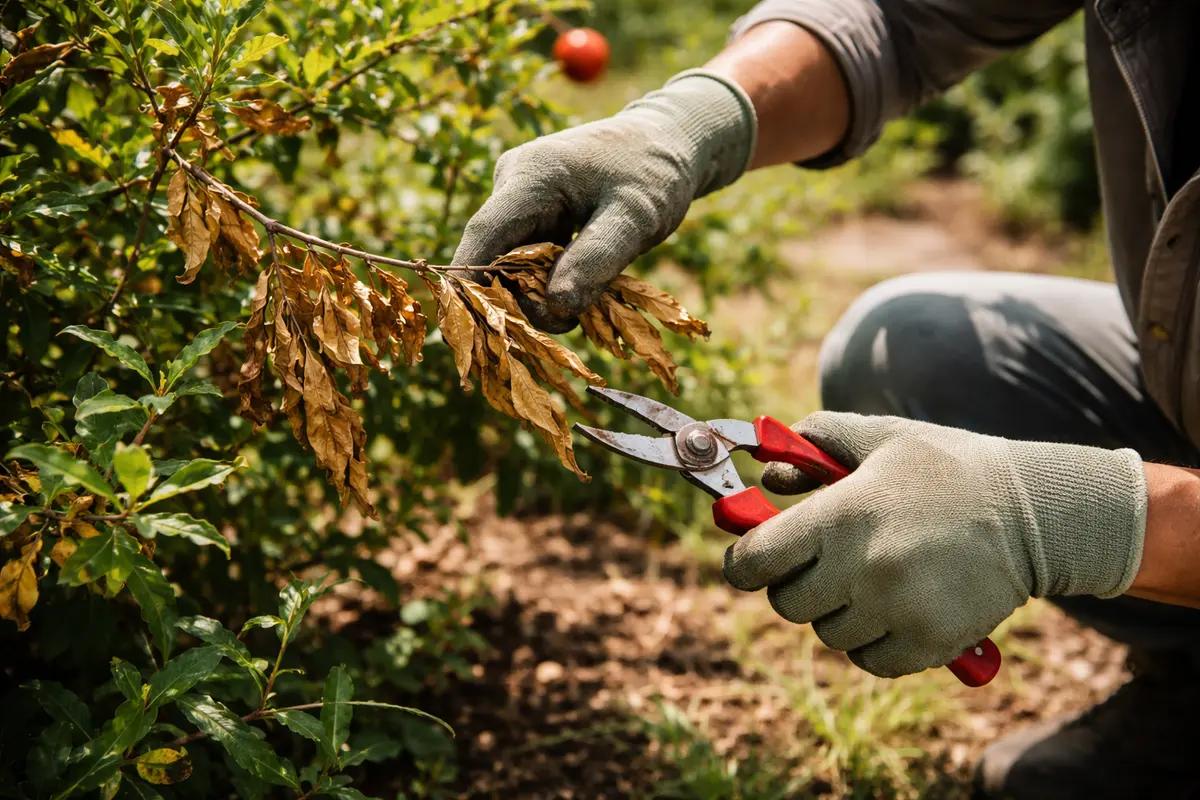
First, examine the leaves closely for signs of pests or disease. Remove any affected leaves and inspect the surrounding foliage for inconsistencies, such as wilting or discoloration. You should notice an immediate reduction in browning leaves and an increase in overall leaf vigor within a few days as you remove any sources of stress.
Acting fast is crucial for pomegranates as their leaves can quickly succumb to environmental stressors. If browning is due to inadequate water, delaying intervention can cause further dehydration, leading to stunted growth or even branch dieback. Conversely, if the issue stems from pests, neglecting to act could result in an infestation that spreads throughout the plant, making recovery difficult. If your leaves are browning yet firm, check for root rot; if soft, inspect for signs of insect activity.
A gardener once faced severe leaf browning due to a sudden aphid infestation. By promptly removing infested leaves and treating the plant, they managed to prevent further damage and promote healthy regrowth. A common mistake is failing to check the underside of leaves, which often harbors pests unseen from above—ensuring all angles are inspected can save a struggling pomegranate.
Pruning not only eliminates energy-wasting parts but also mitigates the risk of pest infestations. Brown leaves often attract pests such as aphids or spider mites, which can significantly impact the plant’s overall health. The removal of these leaves reduces the chances of further stress, enhancing the likelihood of recovery. If left unpruned, the health of your plant may continue to decline, potentially leading to the loss of more healthy foliage. Furthermore, if you observe leaves curling or drooping, these too should be removed as they often signify that the leaf is beyond recovery.
A common mistake is to treat the plant as okay if only some leaves are brown. For instance, a gardener might hesitate to prune out half of the leaves, thinking it’s too drastic. Instead, immediate pruning is crucial; if you let the injured leaves linger for too long, they limit the potential for new growth and reduce the plant’s ability to thrive. Returning to the damage assessment, if a leaf feels dry to the touch or crumbles easily, it is best removed immediately. Your goal should be to return the plant to a more robust and healthy state as quickly as possible. Regularly assess the plant’s health; if you see new healthy growth within a week, you’re on the right path. On the other hand, if browning progresses after pruning, consider reevaluating environmental factors like humidity and light exposure, as these may need adjustment.
Step 2 – Diagnose Underlying Watering Issues
Inspect the soil moisture level to determine if it is too dry or too saturated. If it’s excessively dry, hydrate the soil deeply around the root zone. After your thorough watering, you should observe the plant starting to perk up and stabilize, indicating that it is absorbing much-needed moisture, which helps alleviate stress symptoms effectively. Remember, hydration is not just about surface-level watering; it should penetrate deeper to reach the roots.
As part of your assessment, check for any signs of wilting or drooping as these can be early indicators of dehydration. Brown leaves can indicate that the plant is not receiving adequate water, leading to dehydration. Pomegranate plants thrive in well-draining soils; therefore, having dry roots causes leaves to brown and drop prematurely. Conversely, over-saturated soil leads to root rot, which can severely compromise the plant’s health. Use a soil moisture gauge to check the moisture at several depths; if it feels dry two inches below the surface, additional watering is necessary. Consistent checking aids in preventing extended periods of dryness, which can hurt the plant’s overall vitality.
If the soil is wet, check for drainage issues or root rot. If you notice a sour smell from the soil, this indicates root rot, which requires immediate addressing through potential repotting or amending the soil with drainage-enhancing materials. A common misstep is watering without checking moisture levels, which can exacerbate underlying issues, leading to further leaf damage or decline. You can remedy the watering situation by using a moisture meter, which can help maintain the right balance. Adjust your watering practices based on the weather conditions; for instance, during extremely hot days, check the soil moisture every few days to ensure it doesn’t dry out completely. If the plant’s environment becomes significantly drier than usual due to weather, you may need to increase frequency; conversely, in cooler, humid spells, extend the intervals between waterings to prevent oversaturation.
Step 3 – Feed Pomegranate to Promote Leaf Recovery
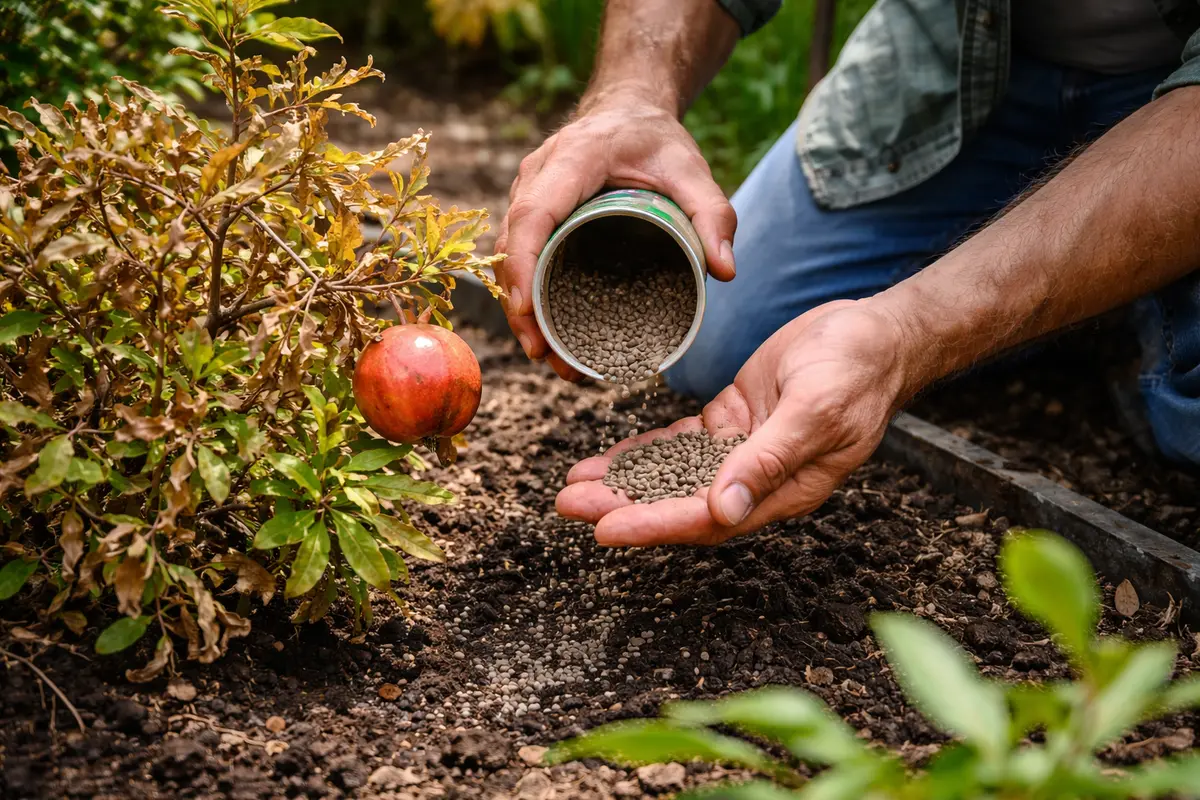
Apply a balanced fertilizer formulated for fruiting plants after the initial recovery steps. You should begin to see new leaf growth and rejuvenation of existing foliage within two weeks, indicating that your plant is regaining strength and moving past its stress symptoms. Feeding the plant supports its recovery process and replenishes nutrients that may have been depleted during stress, particularly after addressing hydration.
This step is crucial since nutrients such as nitrogen, phosphorus, and potassium are essential for leaf growth and overall health. However, be cautious to avoid over-fertilizing. Doing so may lead to nutrient burn, causing further damage to your plant’s foliage. The result of over-fertilizing tends to manifest as yellowing leaves or additional browning edges, both of which impede recovery. If you encounter these symptoms, it’s best to hold off on feeding until the plant stabilizes. Consider starting with half the recommended dosage to avoid overwhelming the roots while still providing nourishment as the plant begins to recover.
A common recovery mistake is to overcompensate and fertilize too soon. Allow the plant to stabilize after de-stressing from prior conditions; if no new growth occurs after fertilizing, it might suggest a need to scale back your feeding until the issue resolves. It’s wise to follow up with a soil nutrient test prior to fertilization if the plant does not respond as expected, as this can provide insight into what the plant actually needs. In practical experience, waiting an extra week before fertilizing typically yielded stronger and significantly healthier results, allowing the plant time to recover holistically before introducing additional nutrients. Additionally, consider deploying liquid fertilizer over granular types for quicker nutrient absorption to enhance signs of recovery more rapidly because they readily dissolve in the water used for irrigation.
Step 4 – Water Pomegranate Deeply During Hot Days
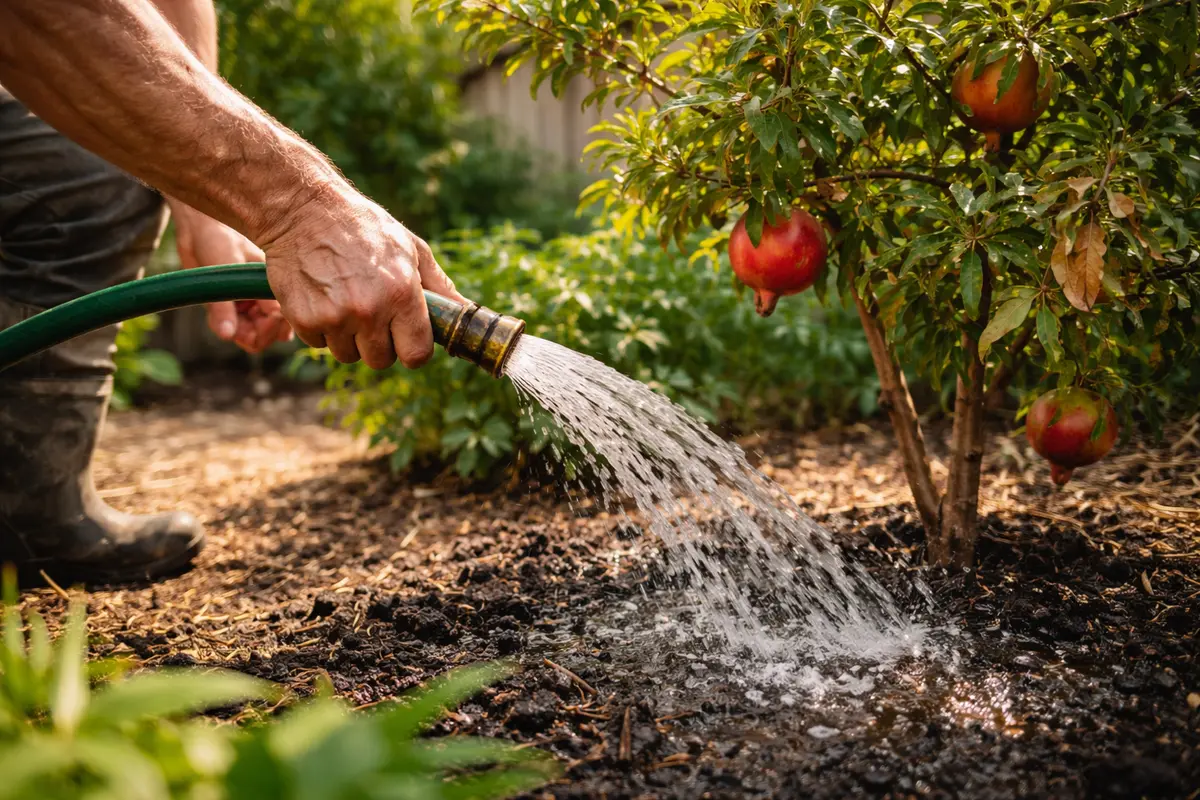
Water your pomegranate plant deeply once a week during peak summer heat. This method not only helps maintain consistent soil moisture but also prevents browning leaves due to dehydration. Aiming for a deep watering pattern ensures that moisture reaches the root zone, where it’s needed most, significantly reducing stress on the plant and preventing further leaf damage.
Pomegranates do well with deep watering as it encourages robust, healthy root development. On hot days, the soil can dry out rapidly, and the plant needs sufficient moisture to maintain its health and vitality. Implementing this routine effectively prevents the recurrence of brown leaves. If you’re unsure whether deep watering has been effective, consider using a spade to dig down and check the soil moisture; if it is dry at several inches down, it’s time for another watering session. If the soil is still moist from a previous deep watering, allow for a longer interval before the next watering session to prevent over-saturation and root damage.
Be mindful of soil type and drainage during very hot weather conditions. For example, sandy soils may require more frequent watering compared to loamy soils due to their rapid drainage properties. Additionally, if temperatures exceed 100°F (38°C), consider watering every four to five days, particularly in periods of intense heat to maintain moisture levels. Testing the soil moisture by digging down a couple of inches can inform whether to adjust your schedule based on seasonal needs and ensure the roots remain adequately hydrated throughout the summer months. As a proactive measure, consider applying mulch around the base of the plant; this can help retain soil moisture and regulate temperature, minimizing heat stress significantly.
Step 5 – Check Leaves for New Browning Each Week
Inspect the leaves weekly for any new browning or signs of stress. You will want to observe the overall leaf color, looking for vibrant greens as indicators of recovery rather than signs of renewed damage. Consistency in this routine allows for timely intervention should issues arise again. Each week, note any changes in appearance so you’re able to assess recovery effectively; it may be helpful to create a visual record to document improvements over time.
A fully recovered pomegranate plant will display resilient new growth with leaves that are firm and rich in color. If you notice old symptoms returning after implementing recovery measures, such as browning edges or wilting leaves, it may signal that something in your care routine needs reinforcement. Checking weekly can facilitate a proactive approach, where problems are tackled early before they escalate into larger challenges. If browning occurs shortly after taking prudent care measures, reevaluate not only your watering schedule but also amendments you may have added, as this can clarify if they are contributing to renewed stress.
If new browning appears despite diligently following all recovery steps, consider not only watering but also reevaluating soil nutrients and pH levels. You might also need to examine potential pest infestations hiding in the leaf crevices that could stress the plant further. Restoration often hinges on being proactive rather than reactive, making diligent monitoring critical for the successful health of your pomegranate plant going forward. Common practical advice includes maintaining vigilance in seasonal shifts; changes in temperature and humidity can alter the plant’s watering needs drastically. Familiarize yourself with the signs of pests like aphids or spider mites that could emerge during periods of stress, as these pests can compound the issue and worsen browning.
FAQ
How long does it take for pomegranate leaves to recover from browning?
Recovery usually takes about two to four weeks once the underlying issues are addressed and proper care is resumed. During this time, you should start seeing new green growth indicating that the plant is regaining health. If improvements aren’t visible within this timeframe, reassess potential stressors such as drainage or fertilization levels, and consider a more comprehensive soil analysis to better understand the plant’s needs.
Can brown leaves spread to healthy ones if not removed?
Yes, brown leaves can harbor pathogens that might spread to healthy foliage if not removed promptly. Regular inspection is vital; pruning can help limit the spread and promote better air circulation. Additionally, take precautions to avoid further contamination by ensuring tools used for pruning are clean and sterilized between cuts to prevent any potential cross-contamination. This vigilance helps in maintaining the overall health of the plant, safeguarding its vitality as summer temperatures rise.
Should I remove brown leaves immediately or wait?
Remove brown leaves immediately to prevent further stress on the plant and reduce the likelihood of pest infestations or diseases. Timely pruning can also help the plant redirect its energy towards healthy growth and reinvigorate overall plant vitality. Additionally, keep an eye out for any lurking pests that may be attracted to distressed foliage and be prepared to address these swiftly to minimize further complications. Staying proactive about pruning will help you maintain your pomegranate’s health through the heat.