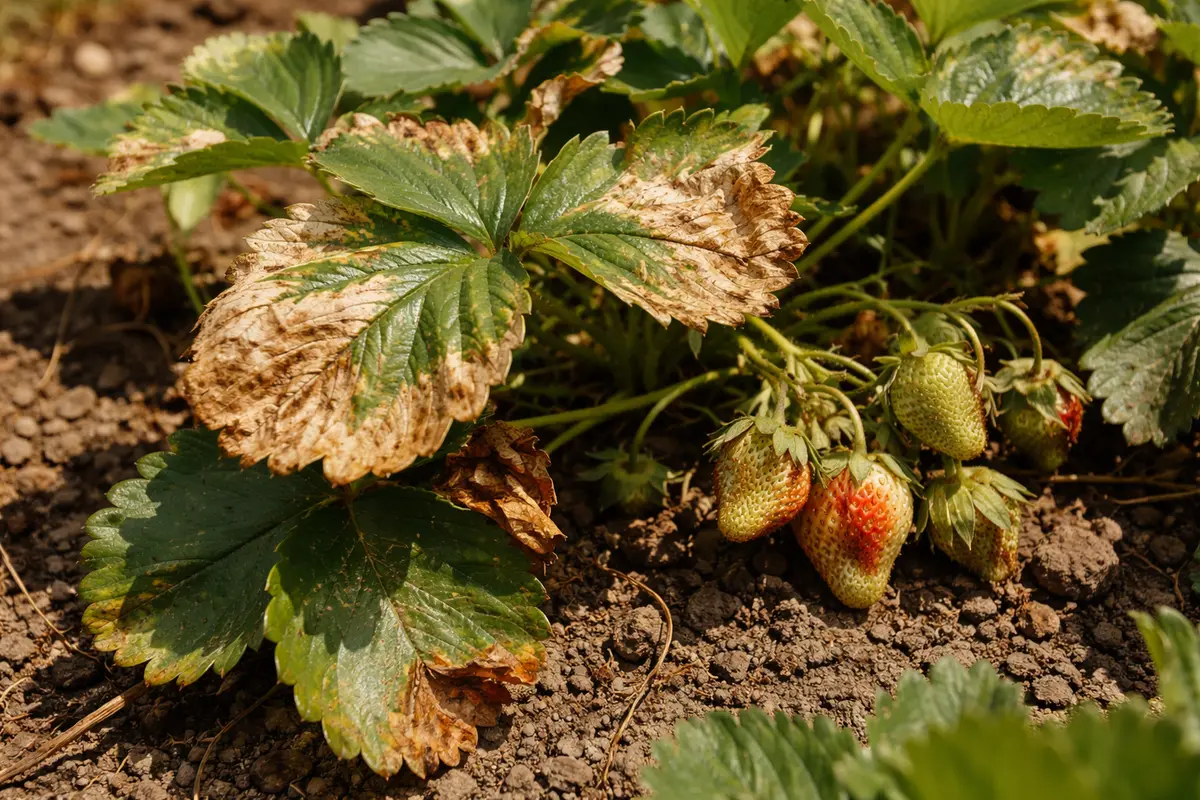
You may notice your strawberries drooping and wilting during a heatwave, which is why you need to know how to fix wilting strawberries during a heatwave. This occurs when the plant struggles to absorb sufficient water, leading to symptoms like wilting and yellowing leaves. If left unaddressed, the situation gets worse and weakens the plant, making it harder to fix later on; however, you can improve the situation now by adjusting your watering schedule and checking for soil moisture.
Step 1 – Water Wilting Strawberries Immediately
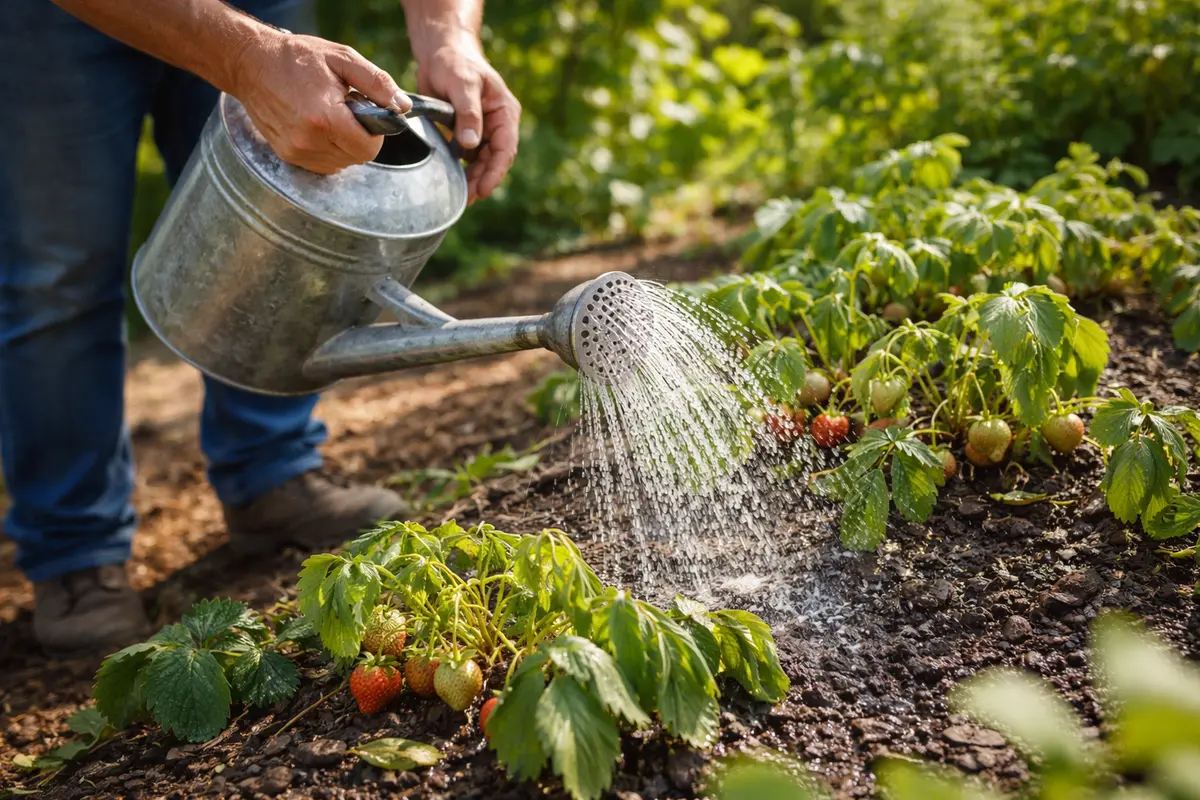
Start by saturating the soil around your strawberry plants deeply with water. You will see the leaves perk up within a couple of hours as they absorb moisture and begin to recover. Aim to apply at least one inch of water, ensuring it penetrates at least six inches deep into the soil. A quick soak allows the roots to reach that moisture, which is vital for their recovery during intense heat.
Acting fast is crucial, as strawberries can suffer irreversible damage if they stay dehydrated for too long. When the soil moisture levels are inadequate, the plants cannot uptake essential nutrients or perform photosynthesis effectively, causing the leaves to wilt and turn brown. Proper hydration resumes the plant’s physiological processes, restoring its overall health. Observe the soil texture; it should feel moist but not waterlogged to strike the right balance. If it feels dry below the surface while the top appears wet, it indicates an insufficient soak.
A common mistake many gardeners make is providing only a light sprinkle of water instead of a deep soak. If your soil is sandy or loose, ensure you water it thoroughly until the moisture reaches at least six inches down. Light watering only reaches the surface and encourages superficial root growth, which can lead to wilting again shortly thereafter. If the drooping leaves persist past this point, it indicates you may need to assess other factors such as soil composition or root health. A helpful tip is to dig a small hole about six inches deep to check for moisture before deciding on additional watering.
Step 2 – Diagnose Heat Stress in Strawberry Plants
Start by checking the soil moisture around your strawberry plants. If the soil is dry several inches down, water the plants deeply to moisten the root zone. You should notice the leaves firming up within a few hours after this deep watering.
The wilting of strawberry plants during a heatwave often results from inadequate soil moisture, affecting the plant’s ability to uptake water through its roots. Roots that are not sufficiently hydrated lead to lower turgor pressure in the leaves, which causes them to droop. If your plants appear wilted under extreme heat but the soil feels consistently moist at the surface, it could indicate root rot, which diminishes their ability to draw water effectively. Conversely, if you uncover brown, mushy roots during an inspection, it confirms this diagnosis.
If the soil smells sour or shows signs of excessive water saturation, replace the top layer with fresh soil to improve drainage instead of just watering. Stagnant water can lead to further root issues, so monitoring for proper drainage is essential. Conversely, if you notice yellowing leaves accompanied by wilting, it may suggest a nutrient deficiency; in this case, an application of a balanced fertilizer like a 10-10-10 mix can replenish necessary nutrients. If the color of the leaves turns from deep green to a pale yellow, it often indicates that nitrogen is low.
Heat stress generally occurs when temperatures rise above 85°F (29°C) for extended periods. During such stresses, the plant’s water loss increases significantly, resulting in dehydration and nutrient deficiency. Correctly identifying heat stress allows you to address the necessary environmental conditions, ensuring the plants receive adequate care. Keep an eye on weather forecasts to anticipate these heatwaves and prepare your plants accordingly. If the forecast predicts prolonged high temperatures, preemptive actions, such as additional watering or providing temporary shading, can aid in plant recovery.
If you observe that the leaves exhibit more than just wilting—like varied yellowing across the leaf surface or blackened tips—you may need to investigate further. Pests, such as spider mites, can exacerbate stress, further damaging the leaves. If heat stress lesions develop on the leaves, consider moving your strawberry plants into a slightly shaded area during peak sun hours or using shade cloth to prevent excessive direct sunlight and heat until temperatures moderate.
Step 3 – Test Soil Moisture for Wilting Strawberries
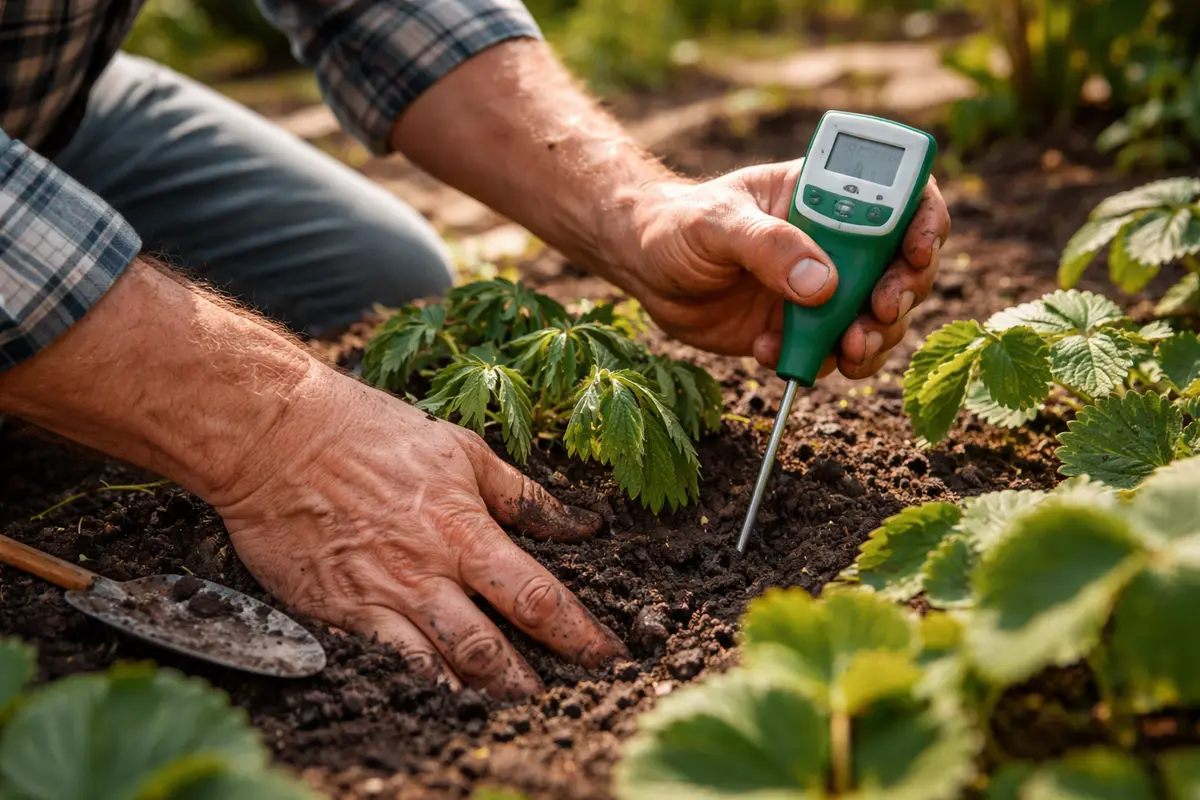
Inspect the soil moisture around your strawberry plants by sticking your finger at least one inch into the soil. If it feels dry, apply additional water to restore hydration to the roots. As you do so, observe the soil’s response; it should darken indicating moisture content and feel crumbly rather than compacted. Aim for a texture that retains moisture without being overly dense to facilitate root aeration.
Proper soil moisture is essential for healthy strawberries. If the soil is dry and crumbly, it indicates that the plants are not receiving enough water, exacerbating stress and wilting. Conversely, if the soil is overly wet and compacted, it could signal root rot, which necessitates urgent corrective measures. If water pools on the surface, it’s crucial to check the drainage around your planting area and consider modifying the bed to improve flow. This contrast is vital; wet soil that does not drain properly can lead roots to drown, while dry soil leaves them parched.
If uncertain about moisture levels, consider using a soil moisture meter for greater accuracy in gauging saturation. This device can provide precise readings, helping distinguish between dry and overly moist soil. A reading below 40% may indicate a need for immediate watering, while readings above 60% might suggest excessive water retention. Incorporating this tool into your care routine can help prevent incorrect watering practices that could worsen wilting. In cases of dual issues (over-saturating with root rot), you might need to amend the planting area with organic matter to improve drainage as your next step.
Step 4 – Apply Mulch to Aid Strawberry Recovery
Start by watering the strawberries deeply at the base to ensure the roots receive moisture. After a few hours, observe the leaves; if they begin to perk up and regain their turgor, this is a positive sign of hydration.
In most cases, wilting strawberries will show signs of recovery within two to three days if the heat wave abates and the plants are consistently watered. Healthy regrowth appears as fresh green leaves unfurling and blossoms returning to their upright position. However, prolonged heat stress without adequate water can stunt recovery, leading to yellowing leaves and poor fruit set; if wilting persists beyond three days, reassess the soil moisture and environmental conditions.
Avoid the mistake of over-fertilizing as a quick fix, which can stress the plants further. Instead, use a balanced fertilizer only after the plants show visible recovery, ensuring roots are well-established again. If the leaves remain droopy despite regular watering, inspect for root rot or compacted soil, indicating that adjusting the soil condition is necessary.
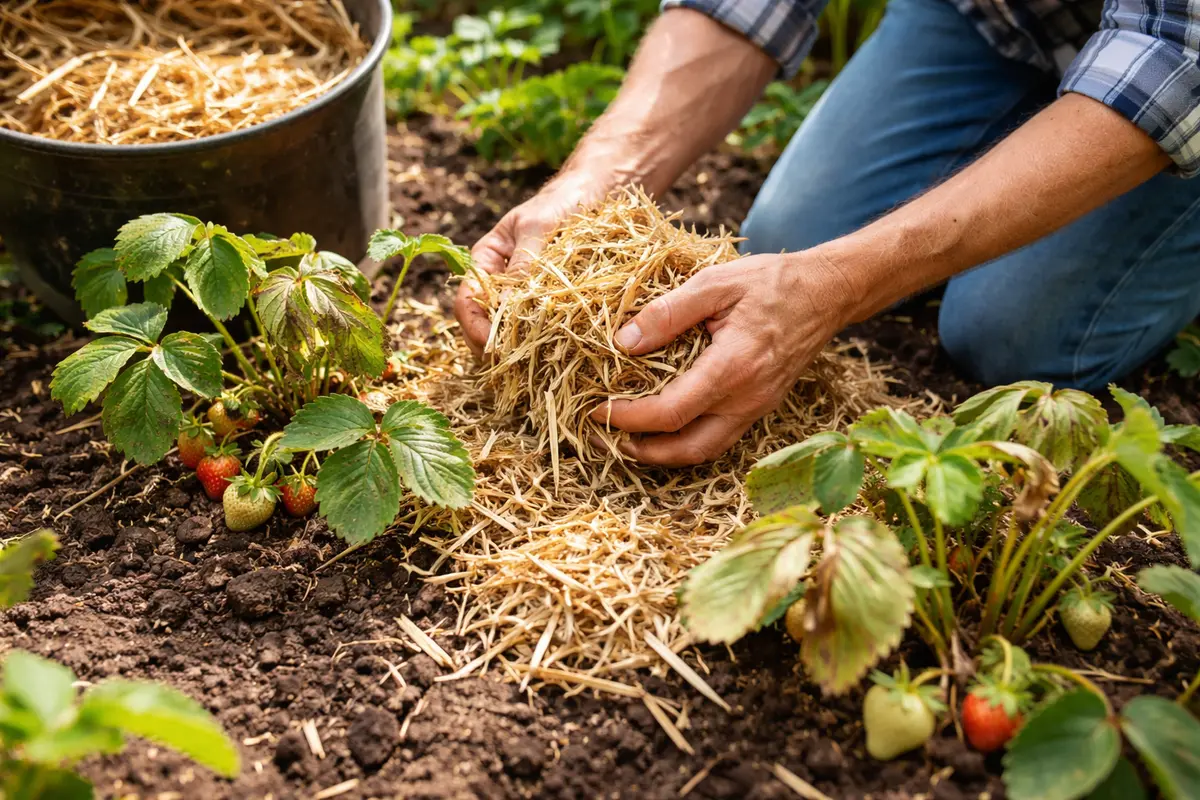
Applying mulch helps insulate the soil, reducing temperature fluctuations and evaporation rates. Organic mulch like straw or wood chips also contributes nutrients over time as it breaks down, which supports the healthy growth of your strawberries. Not only does mulch suppress weed growth, but it also creates an optimal environment for strawberries to develop their root systems. Ensure that the mulch is not piled against the stems of the plants; keeping it a few inches away from the base prevents rotting and allows air circulation.
A common misstep is over-applying mulch, leading to suffocation of the roots if piled excessively. Monitor the thickness of your mulch; if it appears to exceed four inches in any spot, reduce it to avoid restricting air flow to the roots. Additionally, during particularly hot periods, check your plants frequently to see if they require further moisture or adjustment to the mulch layer. If your mulch layer dries out, replenish it based on the observed moisture levels beneath, ensuring each application maintains the soil’s hydration level to support the plants’ recovery.
Step 5 – Water Regularly to Prevent Future Wilting
First, water your strawberry plants deeply in the early morning when temperatures are cooler—aim for at least an inch of water per week. By maintaining this watering schedule, you’re ensuring that the roots receive adequate moisture, significantly reducing the chances of wilting during heatwaves.
Wilting can occur when soil moisture evaporates quickly in high temperatures, which often leads to stress on the plants. By establishing a morning watering routine, you help counteract the rapid moisture loss caused by both the heat and direct sunlight. If you notice wilting despite this routine, check the soil moisture levels; they should remain consistent but not soggy, indicating you’re achieving the right balance. If soil conditions remain dry even after watering, it may be time to reevaluate your irrigation practices.
During particularly hot spells, consider adjusting your watering schedule or implementing a drip irrigation system to maintain consistent moisture levels. This method allows for slow water application directly to the roots, minimizing evaporation. Keep a rain gauge nearby to monitor rainfall accurately, so you can adjust your watering frequency based on natural precipitation. If these adjustments fail to alleviate wilting, be vigilant for pests or diseases that could interfere with water uptake, such as aphids or root-feeding nematodes, and address them promptly.
Regular watering, especially during hot spells, is essential to mitigate future wilting. Strawberries often need more water when they begin producing fruit, as higher temperatures increase their metabolic needs; check for signs of weak or shriveled berries as indicators of moisture stress. Consider investing in a timer for your irrigation system to ensure consistent watering schedules even on busy days, ensuring your strawberries can thrive despite environmental challenges.
Step 6 – Inspect Leaves for Signs of Heat Damage
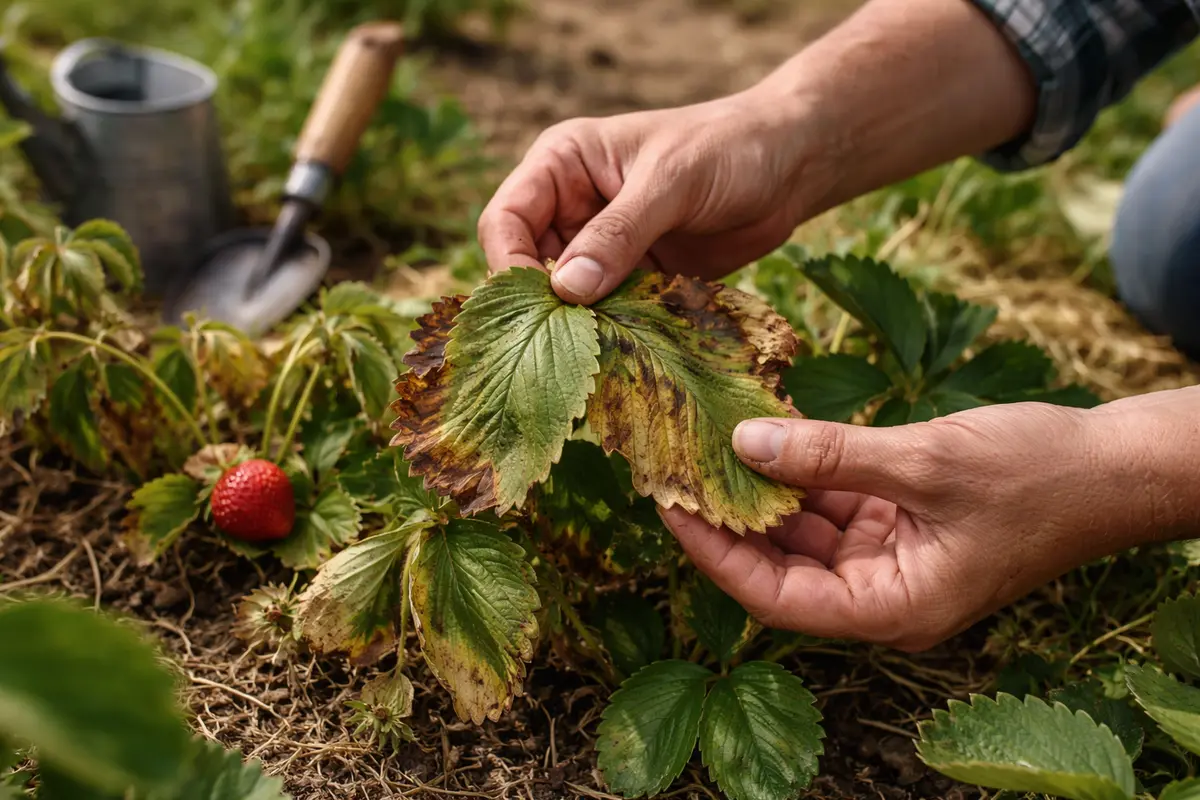
Start by checking the soil moisture level of your strawberry plants every morning during the heatwave. Observe the leaves for any signs of drooping or yellowing, which signal dehydration. Recheck the soil moisture in the afternoon; if the soil feels dry at a depth of 2-3 inches, it’s time to water the plants thoroughly to maintain their vitality.
A fully recovered strawberry plant displays vibrant green leaves, firm fruits, and a perky growth posture, contrasting sharply with the earlier signs of wilting. If leaves develop a slightly crisp texture, indicating unresolved stress, it’s a sign to modify your care strategy. If the fruits are wilting or shriveling, check for signs of mildew or pests; intervene quickly to prevent additional damage to the harvest.
If you notice wilting returning despite regular watering, adjust your technique by ensuring deep and infrequent watering rather than shallow and frequent. Additionally, adding a layer of mulch can help retain moisture and regulate soil temperature effectively, giving the plants a better chance against heat stress. If issues persist, escalate your approach by checking for root rot or other fungal infections, which may necessitate treating with appropriate fungicides to restore plant health.
A fully recovered plant will exhibit vibrant green leaves, increased fruit production, and a noticeable resilience to further heat events. Regularly inspect for early signs of wilting or browning, which may indicate a drop in their health if left unmonitored. Adjusting your care routine based on these observations ensures preventive measures remain effective in the long run.
If you notice a reoccurrence of wilting despite your efforts, inspect for underlying issues, such as insufficient drainage or competing weeds. The plants may recover more effectively in a location receiving at least six hours of sunlight but with some shielding during peak heat. Sometimes moving plants to a more shaded area during the hottest periods can provide necessary relief, allowing for proper recovery without exacerbating their condition further.
FAQ
How long will it take for my wilting strawberries to recover?
Recovery time varies based on environmental conditions but generally, you can expect to see improvements within a few days to a week after adequate watering and care. Maintaining consistent moisture and minimizing heat exposure dramatically enhances the recovery rate, resulting in healthier plants faster.
Can heat stress spread to other plants in my garden?
Heat stress itself does not spread, but it can indicate poor watering habits or overwhelming temperature conditions that may affect neighboring plants. Regularly monitoring overall garden conditions through checks and adjustments will help minimize stress on all your plants, ensuring they receive adequate care and reducing risks.
Should I remove damaged leaves from my strawberries?
Yes, it’s advisable to remove leaves that are severely damaged or dead, as they can hinder overall plant recovery. Focusing on the most affected leaves first allows the plant to conserve energy for healing rather than supporting unnecessary foliage. This strategy aids in directing the plant’s resources to its health and regrowth.