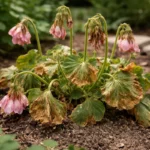
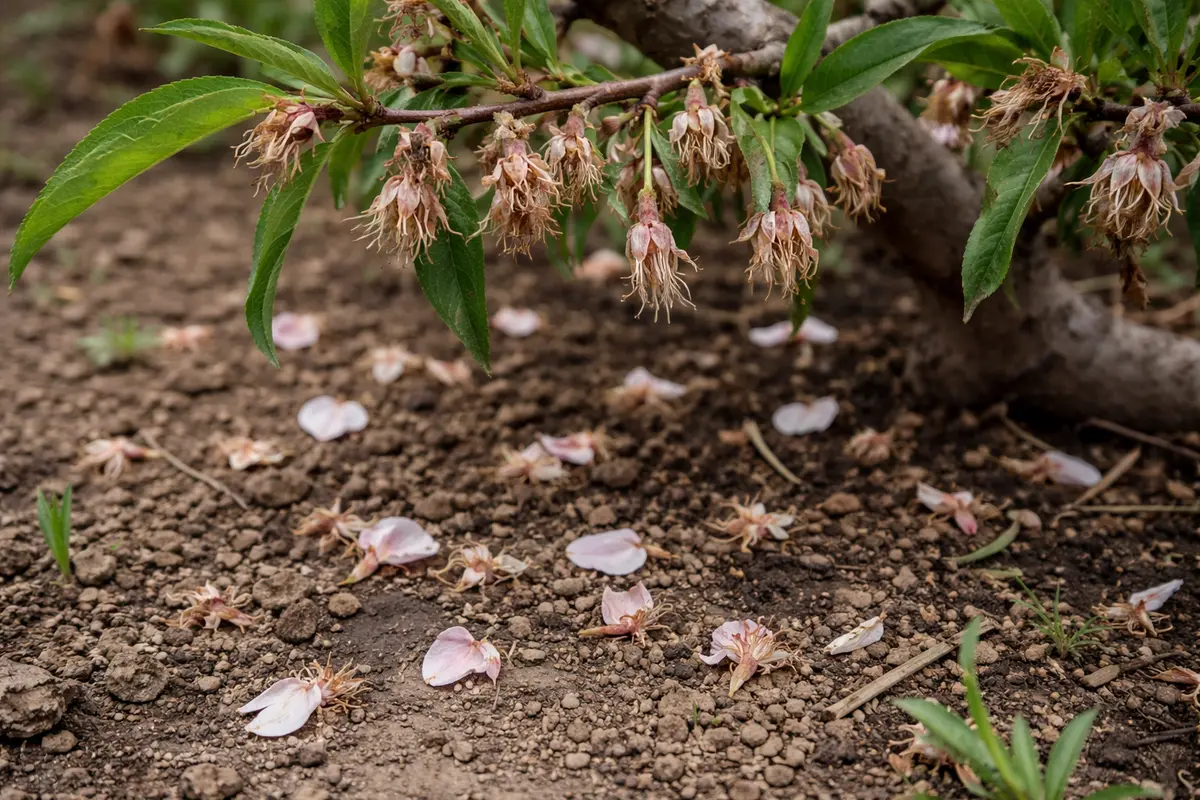
You may notice a flurry of delicate blooms on your peach tree during flowering, yet instead of promising fruit, you find yourself asking, “Why are my peach flowers not setting fruit during flowering?” This lack of fruit set often happens due to fluctuating temperatures or insufficient pollination, causing your peach flowers to drop or not develop properly. If left unaddressed, this issue gets worse and can weaken the plant’s overall health, but you can still improve the situation by inspecting for pests, adjusting your watering schedule, and enhancing pollinator activity.
Step 1 – Inspect Flowering Peach Blossoms Thoroughly
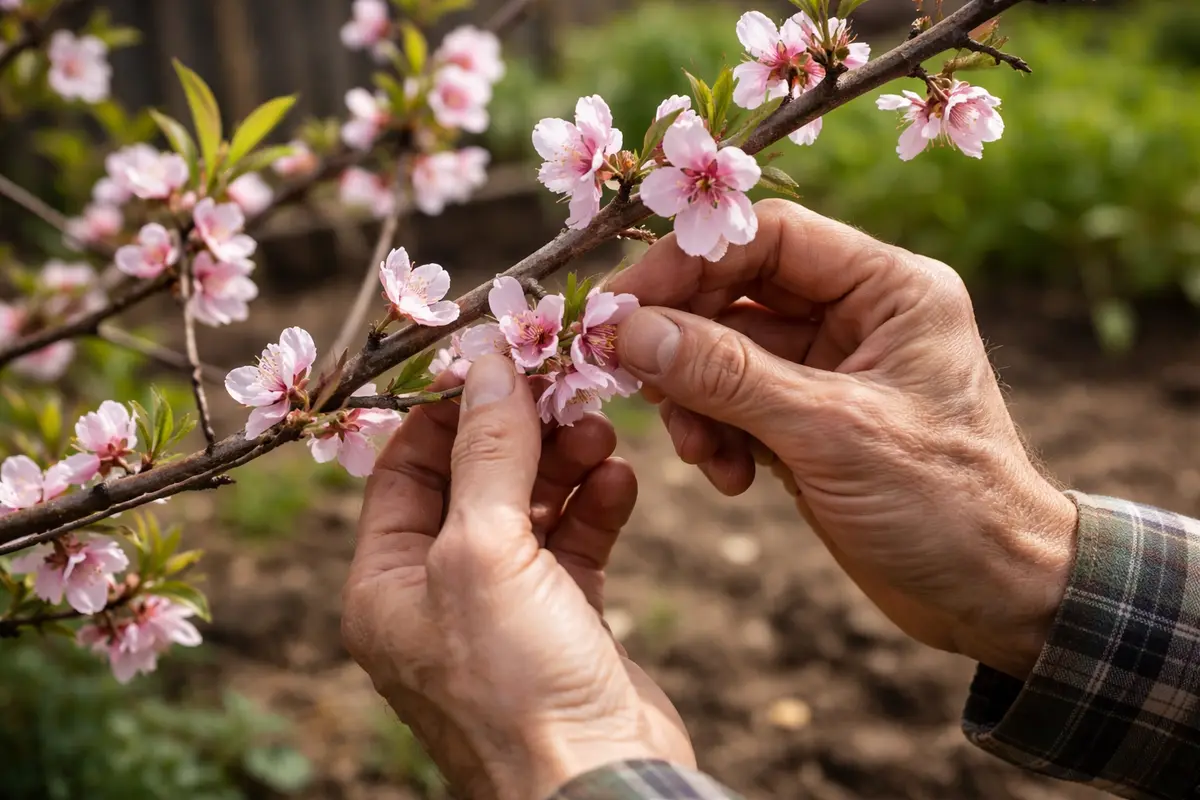
Start by carefully checking the peach blossoms for signs of insect damage or diseases. Within a few hours of inspection, you will likely notice whether the petals are wilting or turning brown. This early action can illuminate potential threats like aphids, spider mites, or powdery mildew, which are common issues that can hinder fruit set. Additionally, pay attention to the underside of the leaves, where pests often hide; discovering them early can prevent a more significant infestation.
Inspecting for visible damage is crucial at this stage because early detection prevents the spread of pests and diseases that could compromise the entire tree. If you see drooping flowers, it may indicate stress from factors such as inadequate moisture levels, pest infestation, or diseases like blossom blight, which can directly impact fruit set. Actively intervening with a timely response can significantly enhance the chances of a successful fruiting season. The best approach requires you to observe after initial watering; if the flowers perk up, your plants may be merely dehydrated. Conversely, if the wilting persists despite sufficient watering, a deeper issue may be at play.
A common mistake gardeners make is to overlook minor signs of stress, assuming they will resolve on their own. For instance, waiting too long to address wilting flowers can lead to more substantial issues, including flower drop. If you spot evidence of pests, immediately take action by applying an appropriate insecticidal soap or removing infested parts. However, be careful in your pesticide choice; broad-spectrum pesticides can inadvertently harm beneficial insects like pollinators. This is where targeted treatments using organic insecticides can be more effective, reducing harm to the ecosystem while addressing infestations.
Step 2 – Examine Pollinator Activity in Peach Trees
First, check your peach tree’s pollen accessibility by examining if nearby plants are blooming simultaneously. If neighboring trees or other pollinating plants are not flowering, you should supplement with a hand pollinator or introduce more pollinator-friendly plants nearby. Within a week or two, you should begin to see an increase in set fruit.
The absence of nearby flowering plants means that pollinators may struggle to find your peach flowers, significantly reducing pollination opportunities. In a healthy ecosystem where blooming plants coexist, pollinators like bees effectively transfer pollen, enabling successful fertilization. If you notice sparse bee activity, this may indicate low nearby bloom levels; conversely, if bees are abundant but flowers remain unpollinated, another issue might be present.
If the soil feels excessively dry despite recent rains, check your irrigation systems to ensure proper watering cycles are sustained. This dryness can stress the roots, limiting nutrient uptake and weakening the flower’s ability to set fruit. If you find the soil excessively wet instead, consider assessing drainage to prevent root rot.
Pollination is vital for fruit set; without sufficient pollinator activity, even the healthiest flowers may fail to produce fruit. Factors such as weather conditions, plantation location, and pesticide use can negatively affect pollinator populations. For instance, heavy rains can deter bees from pollinating, while temperatures below 50°F can cause bees to remain inactive. Addressing these symptoms with habitat improvements, like planting diverse flowers or reducing pesticide application, can create a more favorable environment for fruit development. Planting native flowering plants known to attract pollinators nearby might also enhance their presence.
If you consistently find low pollinator activity during critical flowering periods, consider implementing an integrated pest management approach that minimizes chemicals harmful to beneficial insects. Your initial findings might encourage you to create bee-friendly habitats, such as installing bee hotels to encourage pollinator activity during this critical period. Keep a log of pollinator visits; this ongoing documentation can help assess environmental factors affecting their behavior and even lead to tailored gardening approaches for future seasons.
Step 3 – Water Peach Trees to Reduce Stress Symptoms
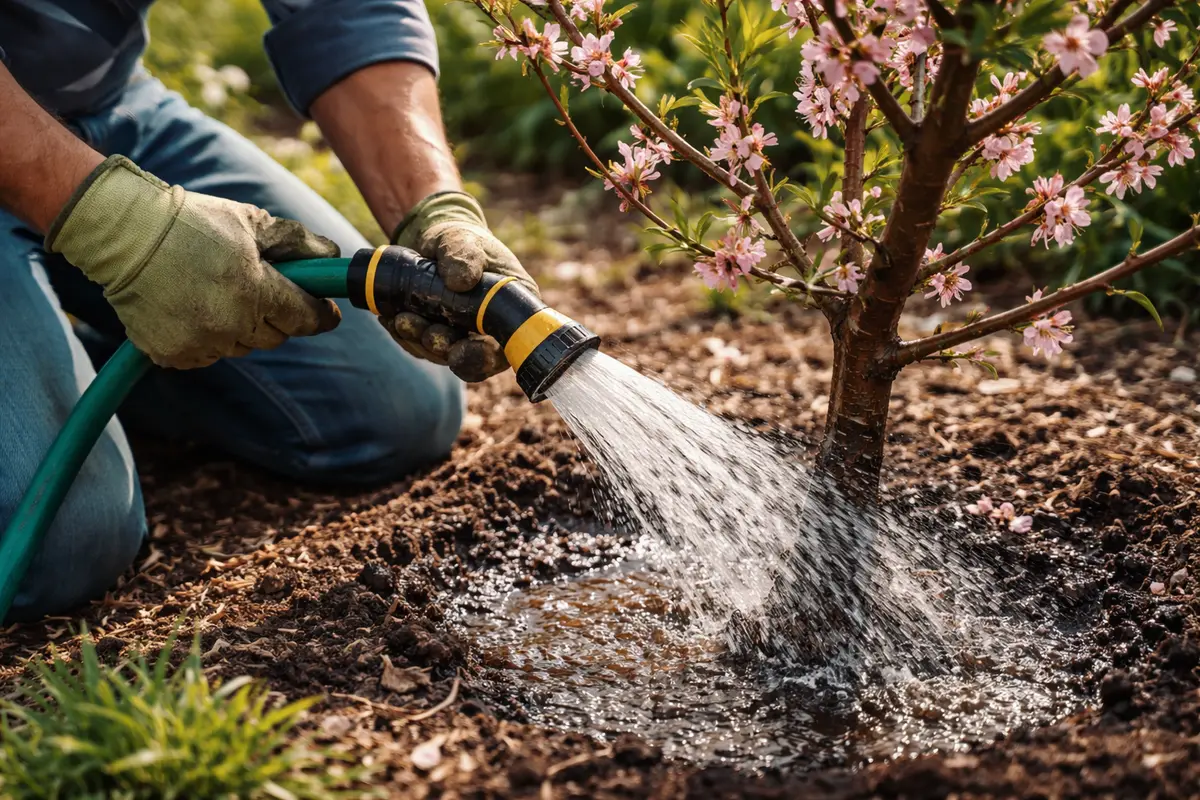
Water the peach trees deeply to alleviate stress in the roots. Within just a few hours, you should observe the leaves starting to perk up and the flowers showing less wilting. Aim for about 2–3 gallons of water per tree, ensuring it seeps into the ground rather than running off. This deep watering technique encourages strong root growth, enhancing nutrient uptake necessary for producing healthy blossoms and fruit. If the soil feels dry several inches below the surface, it signifies that the roots are not receiving adequate moisture, which can lead to further decline.
If the soil remains too dry, it restricts the tree’s ability to absorb water, leading to further stress and potential flower drop. Keeping the soil consistently moist but not waterlogged builds resilience against drought stress. If you notice branches drooping after watering, it typically indicates severe dehydration, necessitating immediate intervention. Aim for a moisture balance; using mulch can help retain moisture in the soil while preventing evaporation, especially during the hottest parts of the day.
A common mistake during recovery is over-watering, which can create root rot conditions, especially in heavier soils. If you see puddling or soggy soil conditions, reduce watering frequency and monitor for any signs of decline in root health, such as foul odors coming from the soil or discoloration of the roots. It’s critical to aim for a balance where the soil feels moist several inches down but isn’t saturated; utilizing a moisture meter can help ensure consistent conditions. Implementing a watering schedule that allows the top inch of soil to dry out slightly between waterings can lead to healthier root systems.
Step 4 – Adjust Pruning Techniques for Better Peach Fruit Set
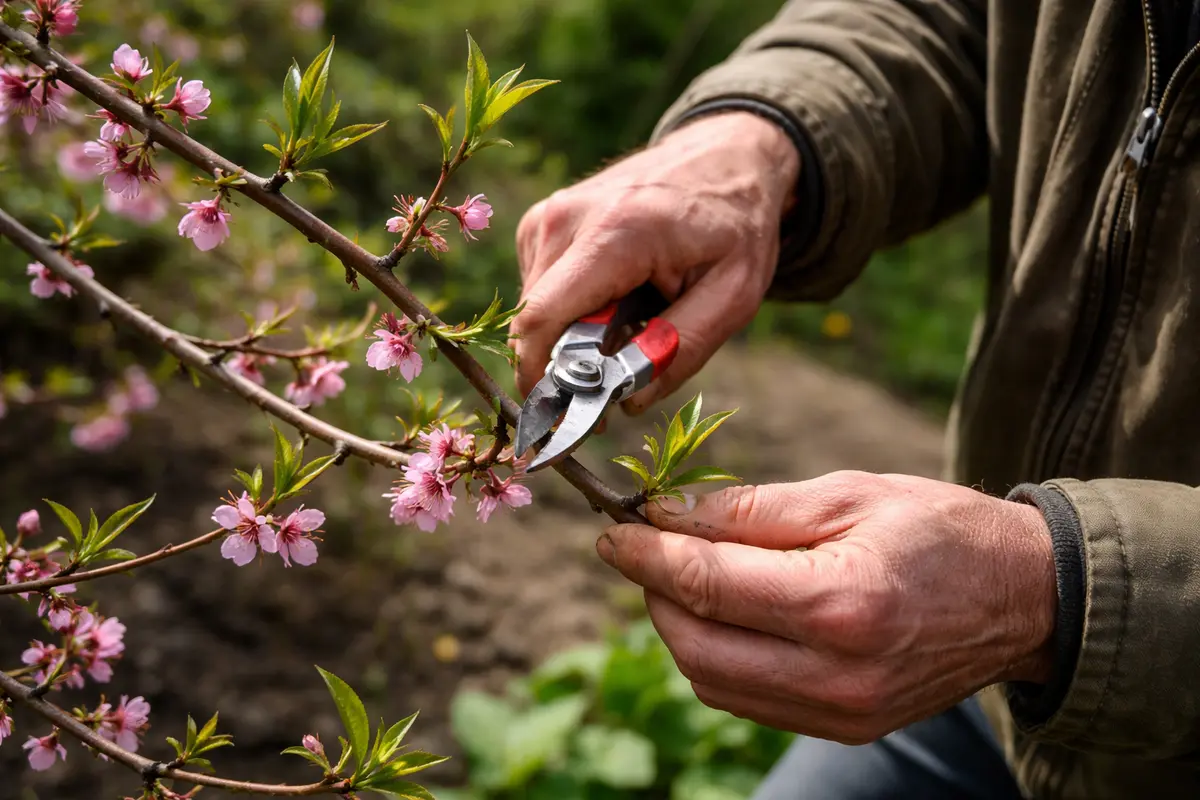
Prune the peach trees to improve air circulation and light exposure to fruiting branches. After implementing proper pruning, you will notice increased light penetration, which can enhance flowering and potential fruit set. Focus on the internal part of the tree, removing any crossing branches that may stifle airflow, as this helps reduce the risk of diseases like brown rot. Additionally, ensure that you are maintaining a balanced overall tree structure, as heavy, unbalanced canopies can become breeding grounds for pests and diseases.
Good airflow and adequate sunlight are essential for peach trees to thrive, particularly during the flowering and fruiting stages. Overcrowded branches can lead to a lack of sunlight and increased humidity, creating an environment conducive to diseases that hinder fruit development. Regular pruning helps maintain healthy trees and encourages optimal growth patterns. Consider performing a “thin-out” cut to allow more sunlight in, ideally targeting areas where branches cluster too tightly. This practice not only benefits flower development but also significantly reduces competition for sunlight and nutrients.
Consider seasonal timing when pruning to ensure you’re not cutting too late in the season. Pruning too close to the flowering period can cause flower damage, so aim for early spring before the buds swell. If you prune late, you risk losing potential fruit for that year and compromising tree health. Keeping up with a recurring pruning schedule will help maintain tree shape and enhance fruiting consistently. Documenting your pruning decisions and results can be invaluable; evaluate the timing, techniques, and subsequent tree health to refine your pruning strategy for your specific variety over the seasons.
Step 5 – Watch Peach Trees for Signs of Fruit Development
Monitor your peach trees closely for any initial signs of fruit development within a couple of weeks after implementing the earlier steps. Look for the formation of small, green fruits indicating successful pollination and fruit set. These indicators serve as positive confirmation that your interventions have been effective; the formation of fruitlets generally occurs within 10–14 days post-flowering. Utilize a magnifying glass if necessary, as the small fruit will display subtle features that signal successful development.
During this monitoring phase, visual cues include the emergence of tiny fruitlets and healthy leaf color, both signaling that the tree is recovering from previous stressors. Consistency in monitoring will allow you to catch any signs of trouble as they arise, such as premature flower drop or pest reinfestation. Reassess the trees’ condition approximately every few days, especially during early fruit development; rapid leaf shrinkage can signal poor pollination or environmental adjustments. Diligently tracking these changes can guide timely interventions.
If the trees do not progress into fruit sets once monitoring is underway, consider reassessing watering schedules, inspecting for pests, and evaluating other environmental factors. Check for inconsistent temperatures or heavy winds, which can disrupt the fruiting process, and ensure that seasonal rainfall is adequate, preventing sudden drought conditions. Adjust your care plan accordingly to mitigate further setbacks; implementing an integrated pest management strategy can help minimize pest issues. Regular evaluations of your intervention strategies will create a more responsive approach to maintaining healthy peach trees.
FAQ
How long does it take for peach trees to start setting fruit after flowering?
Typically, peach trees will start showing small fruit within 4 to 6 weeks after successful pollination. However, variations in temperature, humidity, and overall tree health can slightly alter this timeline. During this period, the conditions surrounding your tree, such as consistent moisture levels and lack of pest pressure, become critical factors influencing development speed.
Can pollination issues spread to other nearby fruit trees?
Yes, if conditions favor deficient pollination, nearby trees may also be affected. This is particularly true if they share the same frequencies of pests or diseases and environmental factors. Ensuring diverse and accessible pollinator habitats can help mitigate this risk, creating a more stable ecosystem for all your fruit-producing plants, thereby supporting robust pollination efforts in your garden.
Should I remove dropped flowers from my peach trees?
You can remove the spent flowers to maintain plant health and prevent potential disease spread. This practice allows the tree to redirect its energy toward pending fruit development rather than supporting unhealthy blossoms, ultimately promoting a more robust crop. Aim to prune away flowers soon after they drop to minimize the chance of attracting pests that thrive on decaying organic matter.