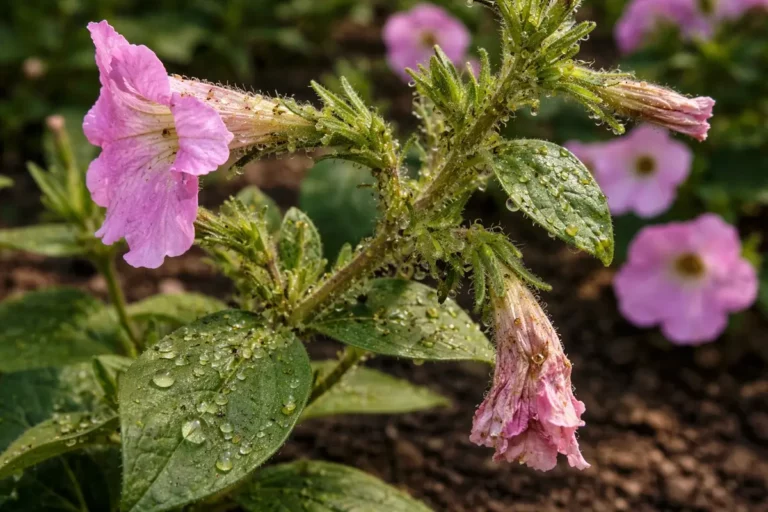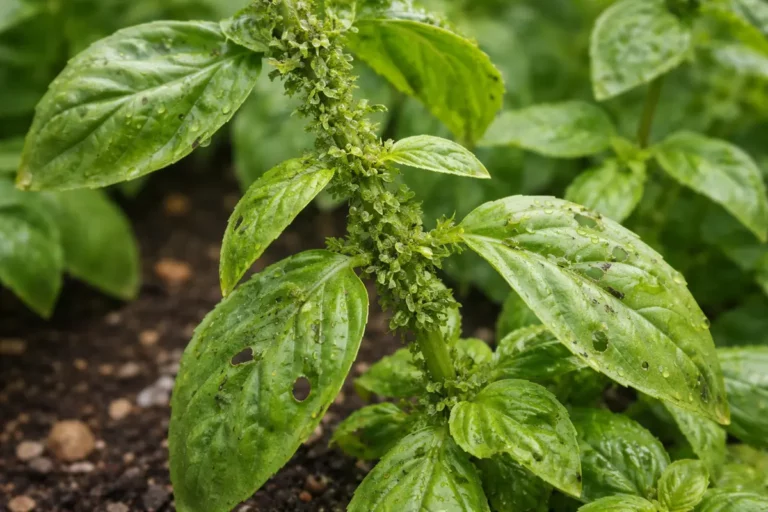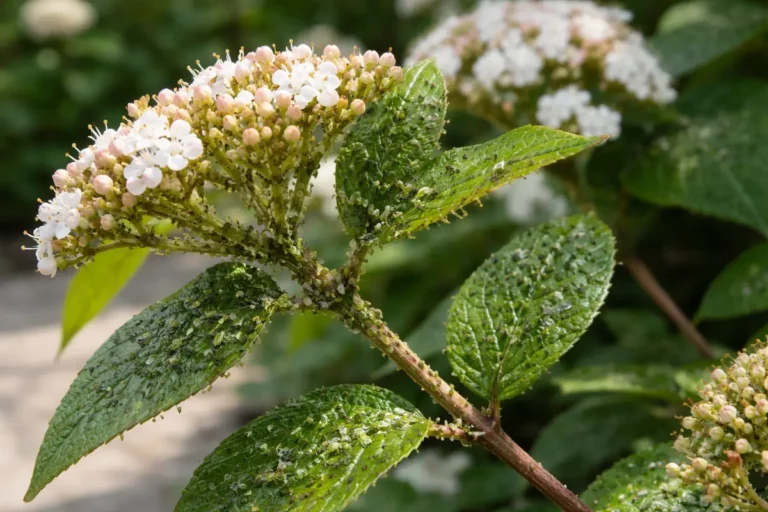

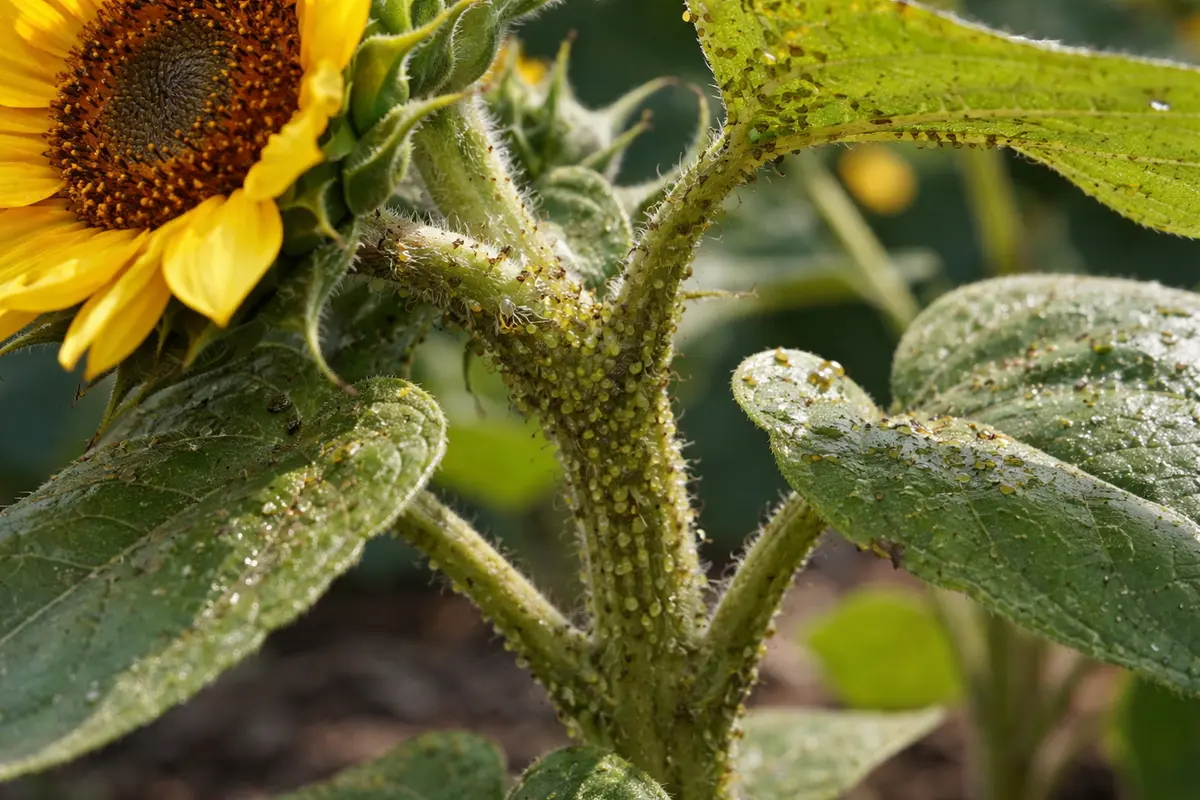
You may notice tiny pests clustering on your sunflowers during blooming, which is why you need to know how to stop aphid infestations on sunflowers during blooming. These aphids cause yellowing leaves and wilting blooms as they feed on the plant’s vital juices. If ignored, the problem gets worse and can spread to other plants, ultimately weakening the sunflower’s health. Fortunately, fixing it is possible now; you can remove the pests and monitor your plants regularly for any signs of new infestations.
Step 1 – Spray Sunflowers with Insecticidal Soap Immediately
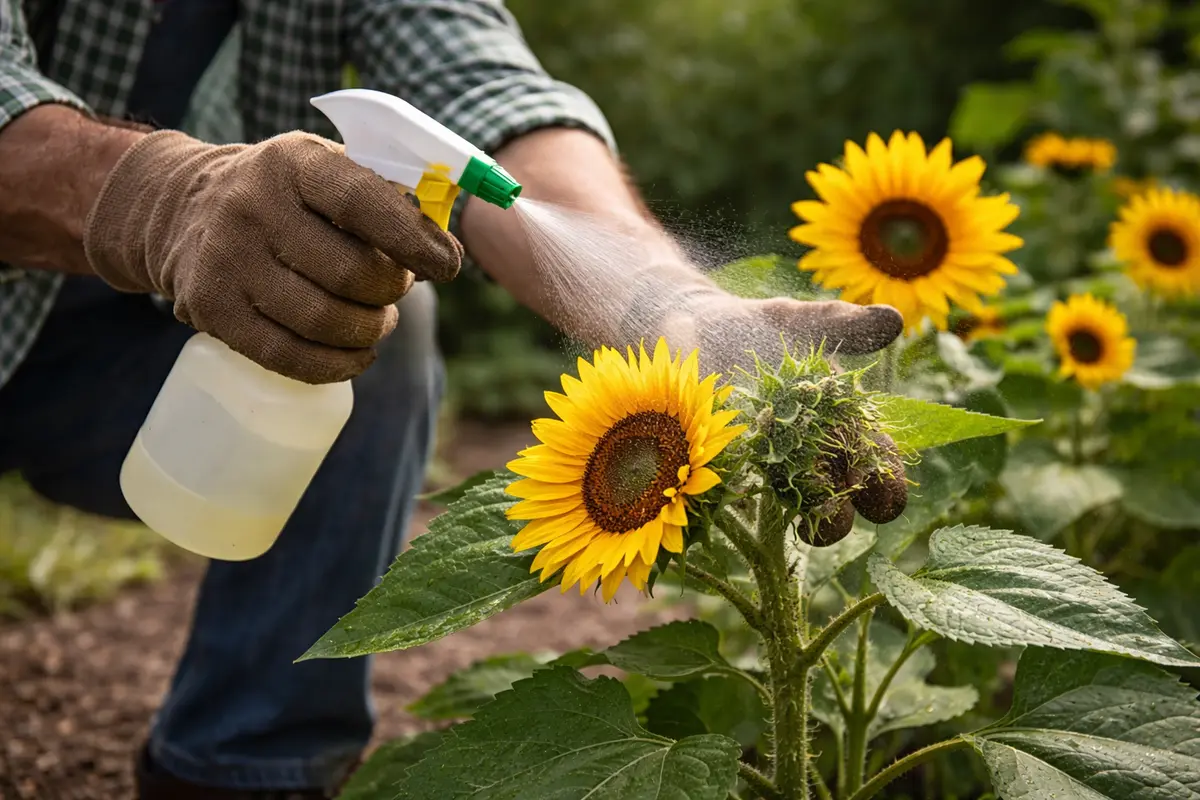
Spray your sunflowers with insecticidal soap right away, targeting directly the clusters of aphids you see. Within just a few hours, you should observe aphids drop off the leaves and stems, drastically reducing their population. This immediate action limits their damage and prevents further infestation, helping your flowers maintain their vigor during blooming. Aim to apply the solution in the early morning or late afternoon to avoid direct sunlight, which can degrade the soap’s effectiveness.
Insecticidal soap is effective because it works by penetrating the soft-bodied aphids, disrupting their cell membranes, and causing dehydration. Acting quickly is crucial; for instance, a small colony can grow to hundreds in just a week. If you see honeydew—the sticky substance synonymous with aphid feeding—on your sunflowers, take action immediately to avoid worsening the situation. Additionally, if rain is forecasted within a few hours, consider applying the soap again after the rain has passed to ensure all aphids are targeted.
A common mistake gardeners make is waiting too long to apply the insecticidal soap, believing the problem is minor or delaying treatment for a more convenient time. Regularly check your plants, especially after warm spells or new growth phases, since aphid populations can explode under these favorable conditions. In my experience, rapid intervention makes a significant difference in bloom retention and overall plant health, as a swift response reduces the likelihood of larger infestations that require more complex remedies.
Step 2 – Inspect for Aphid Colonies on Sunflower Stems
First, check the undersides of sunflower leaves for the presence of aphids. Remove any visible aphids using a strong jet of water to knock them off the plants, and follow up by inspecting your sunflowers every few days to ensure new infestations do not occur. You should notice improved leaf vigor and reduced sticky honeydew buildup on your plants.
Aphids thrive in nutrient-rich soils where they can quickly reproduce and damage plant tissues by feeding on sap. As they feed, they drain essential fluids from sunflowers, which may exhibit curling or yellowing leaves. In contrast, if the leaves appear healthy and green but sticky residues are present, it indicates that aphids may already be at work, warranting immediate action. Warm, crowded beds sometimes invite pest issues on gardenias after humid.
If the soil smells sour, it could indicate root rot, which can exacerbate aphid problems. In this case, improve soil drainage and avoid overwatering instead of only treating the surface pests. Alternatively, check for ant activity near your sunflowers; if ants are present, they may be protecting the aphids and will need to be dealt with separately to fully eliminate the problem.
Aphids thrive in warm, dry conditions, and their presence often signifies that your plants are under stress or living in an ideal environment for infestation. By directly inspecting the aphid colonies, you can assess the population density and distribution, allowing you to tailor your treatment strategy beyond just spraying. This targeted approach ensures that no aphid colonies remain to continue damaging your plants post-treatment, limiting the chances of re-infestation.
If the infestation is localized mainly at the terminal growths of your sunflowers, this often indicates insufficient airflow or overly dense foliage that creates a humid environment beneficial for aphids. To rectify this, gently prune back any overgrown areas to open up the plant structure, allowing adequate air circulation, which can help reduce the likelihood of further aphid populations. Left unchecked, aphid numbers can double every few days, escalating the threat to your plants. It’s also wise to inspect any companion plants nearby, as they too may harbor aphids that can quickly transfer to your sunflowers.
Step 3 – Treat Sunflowers with Nutrient Boost for Recovery
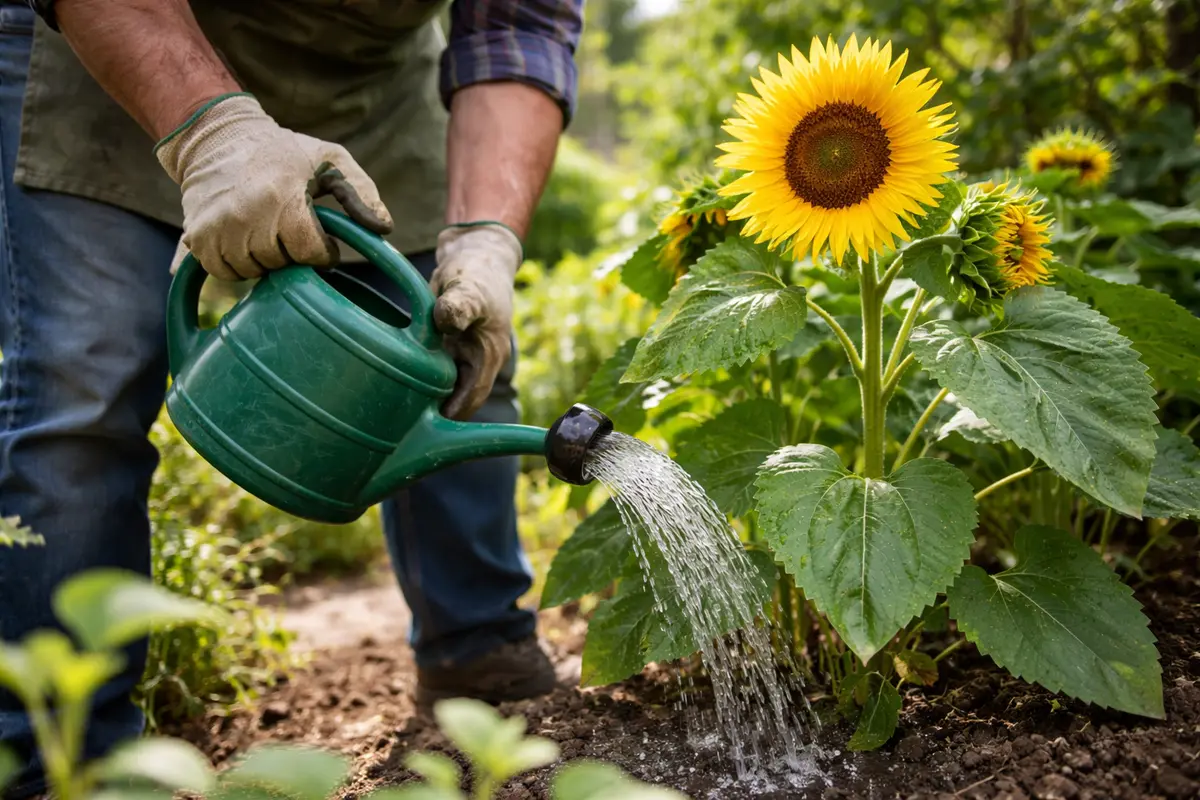
Start by introducing beneficial insects like ladybugs or lacewings to your sunflower plants, as these predators naturally suppress aphid populations. Within a week, you should start noticing a decrease in aphid numbers and an increase in the presence of these helpful insects, indicating a positive change in your garden’s ecosystem.
In realistic terms, recovery from aphid infestations on sunflowers can take one to two weeks, depending on environmental conditions such as temperature and moisture levels. Healthy regrowth includes new leaf buds emerging with vibrant green color, while poor conditions, like excessive heat or drought, can significantly delay this progress. If you notice yellowing leaves instead of greenness, check for underlying stress factors such as insufficient watering or nutrient deficiencies.
Avoid over-fertilizing your sunflowers during this recovery phase, as too much nitrogen can lead to lush foliage that attracts more aphids. Instead, focus on balanced fertilization with slow-release options to promote steady growth without overwhelming the plants. If your sunflowers are wilting despite the presence of beneficial insects, check for water constraints or competing weeds that may be hindering their recovery.
Providing essential nutrients is crucial for sunflowers to recuperate from damage caused by aphid feeding, which may have compromised their overall vitality. Healthy and robust plants can better withstand future pest attacks and enhance their potential for producing abundant blooms. The timing of nutrient application is critical; fertilizing too soon before ensuring the aphids are fully controlled can lead to compounding issues and hinder recovery. Test the soil before applying fertilizers to ensure you are addressing specific nutrient deficiencies.
During this recovery phase, avoid over-fertilizing, as this can lead to nutrient burn, characterized by browning leaf edges and further stress on the plant. If you notice yellowing leaves or slower growth patterns after fertilization, it may indicate an excess of nutrients. Reassess your nutrient application rates or check for any lingering aphids. If the yellowing persists post-fertilizer application, consider adjusting the fertilizer type or frequency based on your plants’ needs. Proper monitoring and timely interventions will be key to ensuring your sunflowers thrive post-infestation.
Step 4 – Shield Sunflowers from Aphids with Companion Plants
Start by introducing ladybugs and lacewings into your sunflower garden to preemptively control aphid populations. Over time, you will notice a significant reduction in aphid infestations, allowing your sunflowers to bloom healthier and more vibrantly.
Aphids thrive in warm, dry conditions, often escalating during the peak summer months when sunflowers bloom. By fostering a habitat for natural predators like ladybugs, you break the cycle of reinfestation that occurs when conditions are optimal for aphids. If your sunflowers begin to show signs of aphid distress, check for nearby weeds or infested plants that may be harboring these pests.
In the late summer, when temperatures peak, consider increasing the introduction of natural predators or applying insecticidal soap as a secondary prevention layer. This dual approach ensures that if aphid populations spike due to dry spells after rain, immediate action can still curb their numbers effectively.
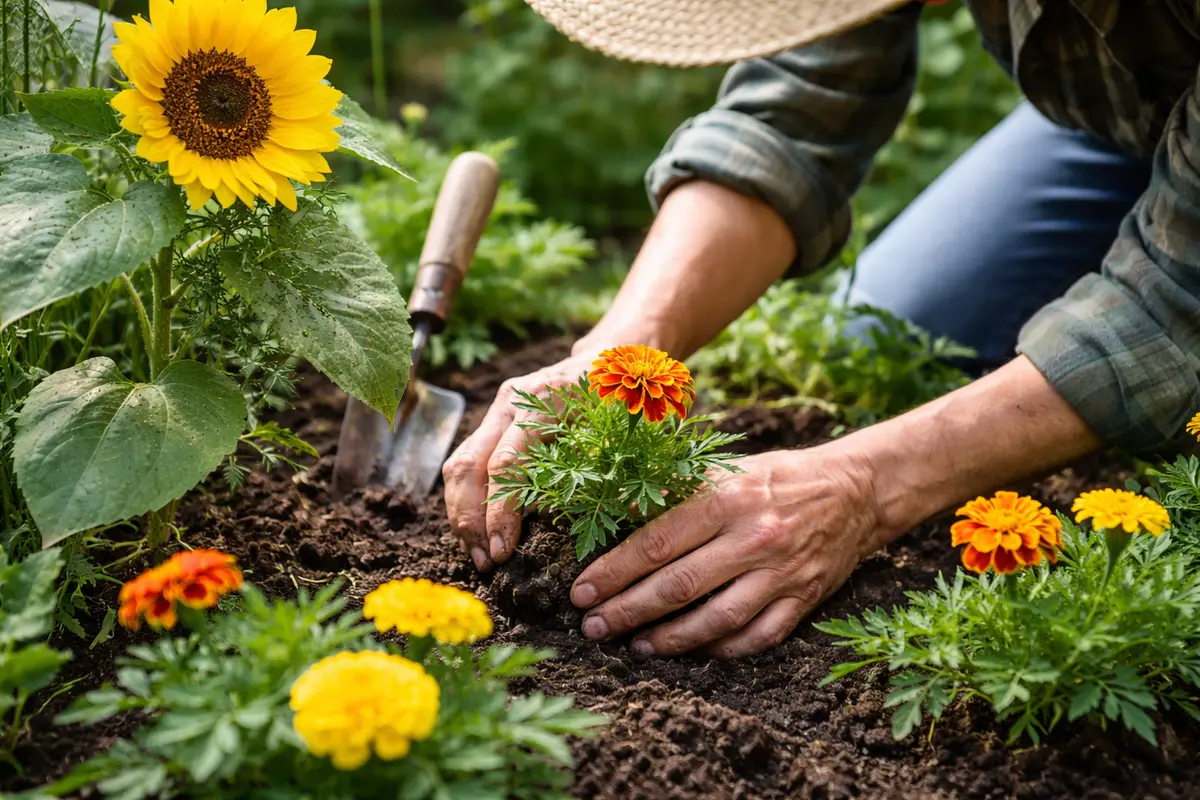
Popular companion plants, such as marigolds and nasturtiums, are known for not only repelling aphids but also attracting pollinators, which is immensely beneficial during the blooming period. Incorporating these plants effectively establishes a natural barrier, making it more challenging for aphids to settle on your sunflowers. When planting your companions, aim for diverse selections that include flowering herbs or plants with strong scents to broaden the attraction range of beneficial wildlife and improve the aesthetic of your garden.
Avoid planting sunflowers too closely together, as this can stifle airflow and create a humid atmosphere that aphids favor. Instead, maintain at least 18 inches of space between plants to allow air to circulate around them, as good ventilation diminishes ideal conditions for aphids to thrive. A well-thought-out planting strategy not only defends against aphid infestations but also promotes a healthier, more resilient garden overall, resulting in a vibrant display when blooming season arrives.
Step 5 – Watch Sunflower Blooms for New Insect Activity
Start by monitoring your sunflowers every few days during blooming. Check the undersides of leaves and flower blooms for clusters of small, green, or black aphids. If you spot them, recheck these areas every two to three days to assess the infestation’s severity and the effectiveness of any treatments applied.
A fully recovered sunflower will exhibit vibrant, healthy blooms with thick, lush foliage, free from any sticky residue or distorted leaves. In contrast, early signs of a returning issue include deformed leaves that curl or yellow around aphid colonies, and the presence of a sticky sap called honeydew on nearby surfaces. If you notice unexpected wilting or discolored patches, re-evaluate your monitoring approach.
If aphid populations increase again despite your efforts, consider introducing beneficial insects like ladybugs or lacewings to control the infestation naturally. Alternatively, deploy insecticidal soap or neem oil as a fallback action, ensuring you follow the product instructions carefully for safe application. If the situation worsens or persists, escalate to a specialized pesticide treatment, targeting aphids specifically.
After implementing your treatment and prevention strategies, you should expect to see healthier blooms and no residual traces of aphids lurking on the foliage. A well-recovered sunflower will exhibit vigorous growth, sturdy stems, and lush green leaves devoid of wilting or discoloration. If fresh aphids reappear, it signals a renewed infestation that warrants additional intervention, and prompt action is essential to protect your investment.
If aphids return despite your preventive measures, consider reassessing your treatment strategy. If signs of aphids reappear on the new growth, you may need to deploy stronger organic options, like neem oil or insecticidal soaps with a higher concentration. Continuous monitoring is critical, especially following rain or high humidity, as these conditions can encourage an increase in aphid populations. Early action is integral to maintaining the health of your sunflowers throughout their blooming period, preventing the need for more aggressive treatments later on.
FAQ
How long does it take for sunflowers to recover from aphid damage?
Recovery can take several weeks, depending on the severity of the aphid infestation. Once treated and provided with nutrients, healthy growth should become visible within a week, though it may take longer for blooms to fully regenerate and exhibit vibrant colors. Regular monitoring during this period is essential to ensure that the plants are not re-infested, which could prolong recovery.
Can aphids spread to other plants in my garden?
Aphids can quickly spread to nearby plants, especially if left unchecked. They can migrate swiftly to more vulnerable crops in your garden during warm weather. Regular monitoring and timely treatment can help contain their spread and prevent a full-blown infestation, minimizing the potential damage to your garden as a whole.
Should I remove any affected parts of the sunflower?
Yes, it’s advisable to remove any heavily infested leaves or buds to help control the spread of aphids. This action not only minimizes further damage to the sunflower but also promotes healthier growth in the intact areas, allowing the plant to focus its resources on recovery. Be sure to dispose of infested parts properly to avoid re-infestation through larvae that may linger in the remnants.