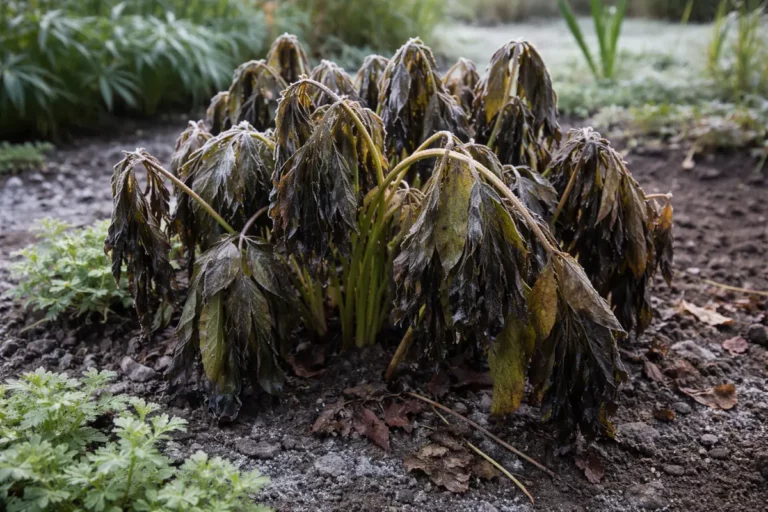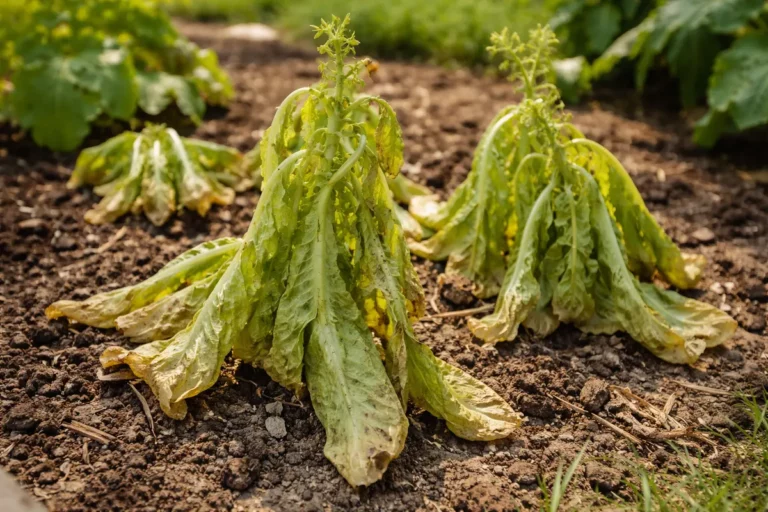
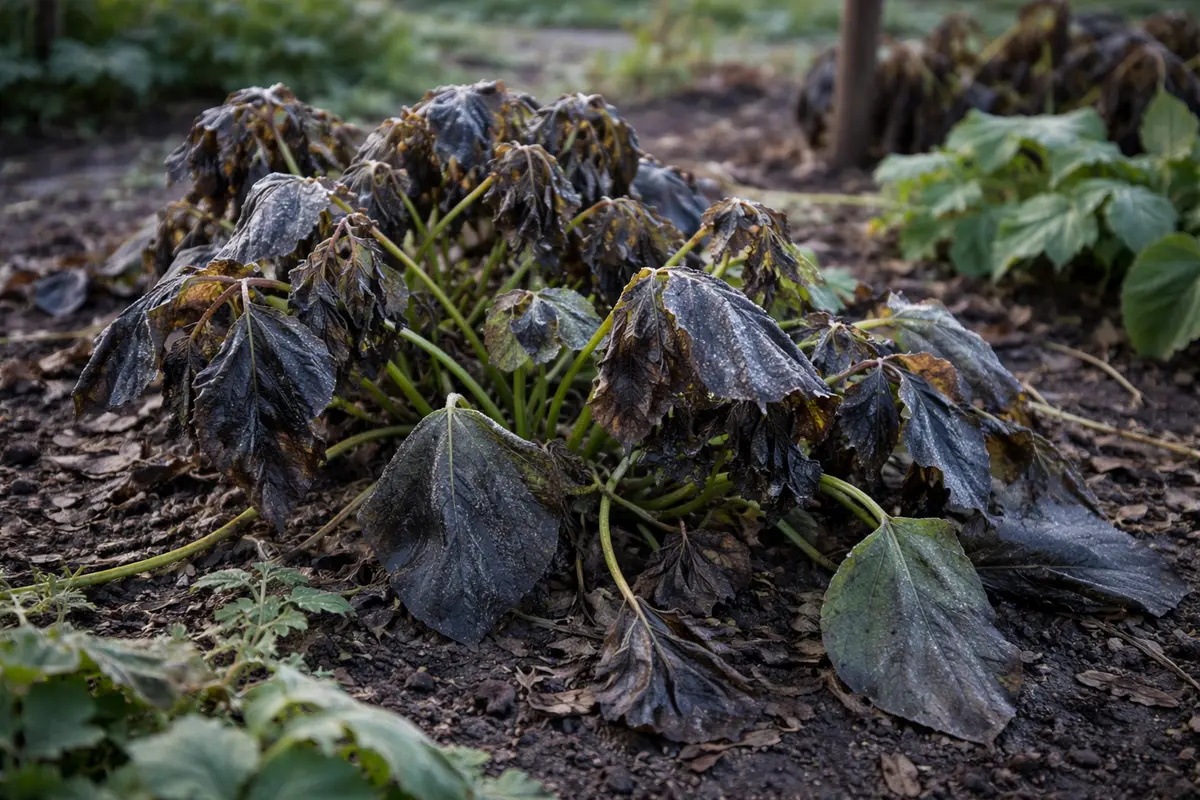
You may notice your sweet potato plants showing signs of distress, particularly when the nights turn chilly after a frost, which is why you need to know how to fix stunted growth in sweet potato after frost. The plants might exhibit yellowing leaves and drooping stems due to the damage caused by the cold temperatures. If left unaddressed, this condition can worsen and weaken the plant, ultimately stalling growth and leading to more damage. However, fixing it is possible now; you can trim the affected areas, check the soil moisture, and improve overall care to encourage recovery.
Step 1 – Cut Back Frost-Damaged Sweet Potato Vines
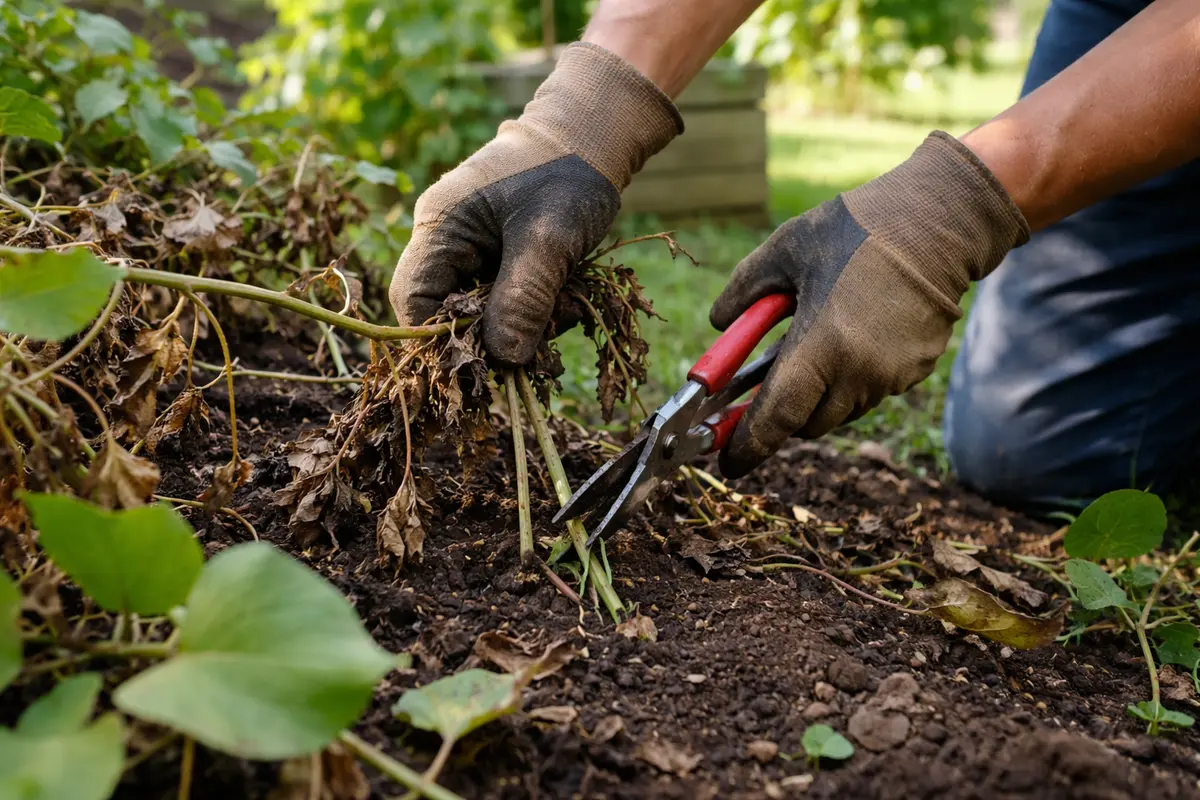
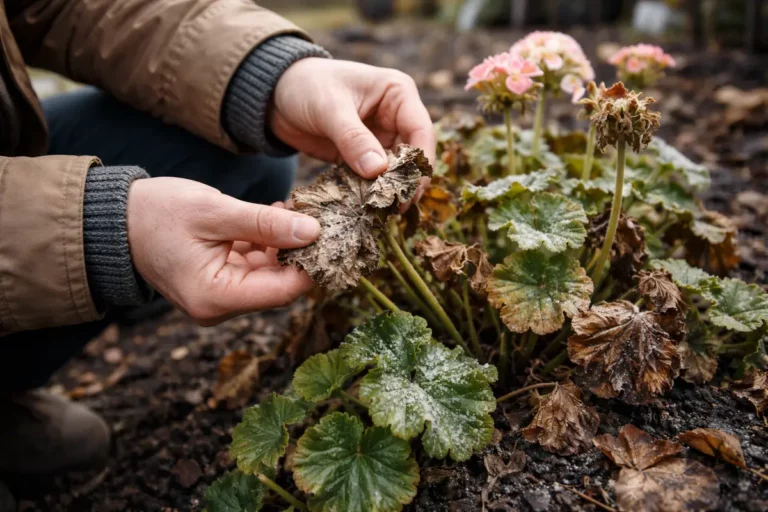
Begin by cutting back any visibly damaged sweet potato vines to the soil line. You will see less wilting and regrowth in the damaged areas as new shoots start to sprout from healthier nodes within days. The first signs of recovery will manifest as bright green shoots pushing through the soil, redirecting energy toward new growth. Be diligent and monitor these new shoots, as they should indicate a healthy rebound of your plant.
Addressing frost damage quickly is crucial for sweet potato recovery. Frost can cause cell walls within the leaves and stems to break down, leading to loss of function and nutrient transport. Pruning back the damaged parts not only conserves the plant’s energy but also encourages healthier shoots to emerge without the competition of wilted growth. The fresh growth will be more vigorous, indicating that the plant is adapting positively to its environment. If the plant continues to display wilted leaves after cutting back, this may indicate a deeper issue with the root system that needs further investigation.
This action is particularly important because many gardeners mistakenly think trimming can wait. Leaving damaged vines can decimate the plant’s recovery efforts. In practice, those damaged areas may harbor pests, such as aphids or spider mites, which can infect new growth. By cutting them back promptly, you reduce the chance of further pest invasions disrupting the rejuvenation process. Healthy nodes can regenerate without the hindrance of decaying plant matter. If, after tending to your plants, you notice insects taking refuge, include organic pest control methods to maintain the health of the new growth.
Step 2 – Assess Soil Temperature Impacting Growth
Next, check the soil temperature around your sweet potato roots to ensure it is conducive for growth. You will notice healthier root activity and potentially see signs of new sprouts if the soil temperature is optimal, ideally between 60°F to 85°F. Use a soil thermometer inserted several inches deep to get an accurate reading; shallow readings may reflect surface temperature, which can be misleading on cool nights. An optimal range promotes active root growth, enhancing nutrient uptake significantly.
Frost can lower soil temperatures significantly, resulting in roots that struggle to absorb nutrients and moisture. Cold root systems lead to stunted growth, as enzymatic activity is suppressed, delaying the plant’s recovery. If the soil remains cool, it may not only take much longer for new growth to appear, but you may need to consider additional actions such as amending soil temperatures through row covers or heat mats. It’s essential to ensure the soil temperature remains within the ideal range; if it remains too cold for an extended period, you can expect delayed recovery or failure of new growth.
If the soil feels too cold and moisture levels are adequate, you can cover the planting area with row covers to warm the ground through sunlight absorption. Conversely, if the soil is excessively wet from thawing frost and is compacted, you may need to aerate the soil and add organic matter like compost to improve drainage. Properly managing soil conditions ensures you aren’t just forcing growth but creating an environment in which your sweet potatoes can truly thrive. Be aware that continually high moisture levels can lead to root rot, so when moisture is observed at the surface, digging a small trench to check saturation can help confirm if intervention is required.
Step 3 – Fertilize Sweet Potatoes for Recovery Boost
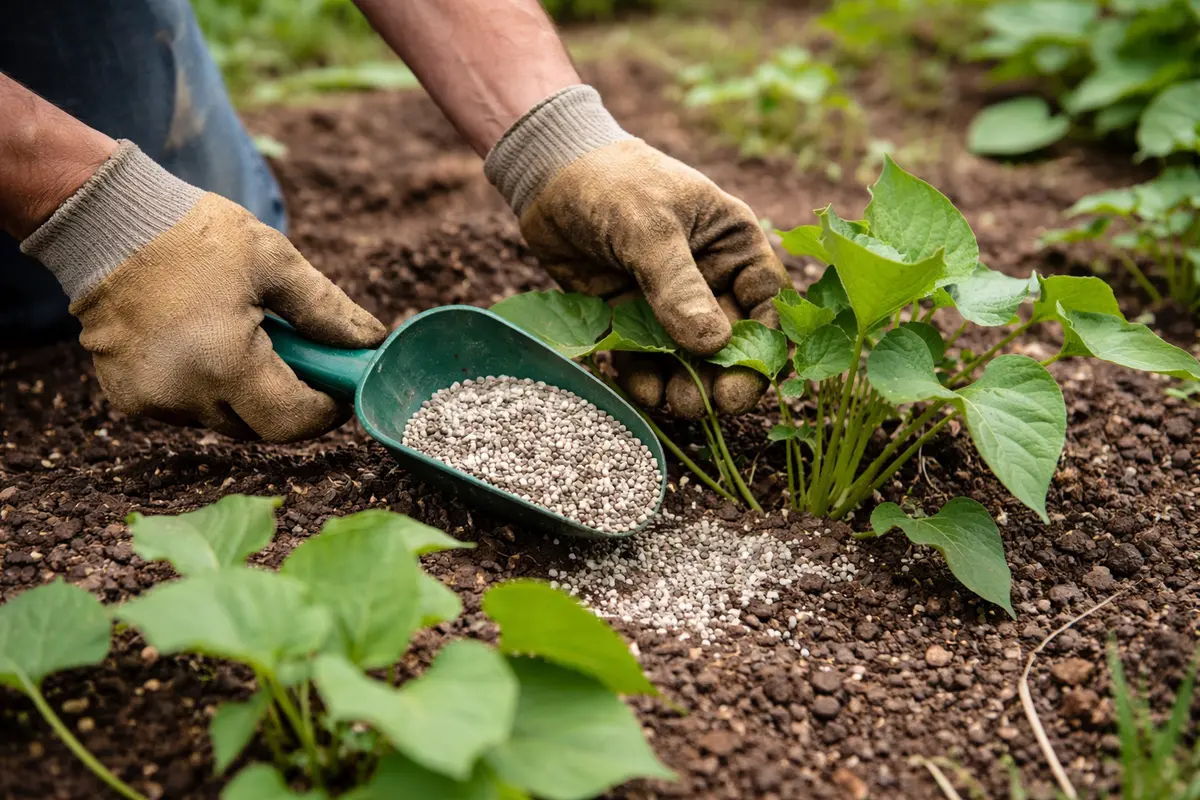
Apply a balanced, slow-release fertilizer to your sweet potatoes to support recovery. Within a week, signs of new growth and greener foliage should emerge, a positive response from the plants as they begin absorbing beneficial nutrients. Aim to apply approximately one cup of fertilizer per ten linear feet in your garden bed; this ensures that the roots have access to the required elements without overwhelming them. Timing your fertilization correctly can significantly influence how quickly your sweet potatoes bounce back.
Utilizing a fertilizer now can enhance soil nutrition lost during frost and stimulate cellular activation within the plants. Sweet potatoes require nutrients like nitrogen, phosphorus, and potassium to encourage robust root and leaf development. The potency and speed of recovery directly correlate with the availability of these essential nutrients, making early fertilization crucial. Look for signs of excessive nutrient uptake, such as bushy foliage with limited root growth—this indicates that the balance may need further adjustment. Continuing to monitor nutrient levels can prevent overstimulation and encourage even growth acceleration.
However, be cautious not to over-fertilize; excess nitrogen can lead to lush top growth at the expense of tuber production. This often occurs when too much fertilizer is applied, as the plant may focus its resources on producing leaves rather than developing tubers underground. To prevent this, monitor the plants closely, adjusting fertilization practices according to the visible growth pattern. If the foliage is excessively large compared to the expected root development, consider using a fertilizer with lower nitrogen content next time. Understanding growth ratios becomes essential; for instance, if foliage doubles in size without tuber growth visible underground, this indicates an imbalance that needs to be corrected immediately.
Step 4 – Protect Young Sweet Plants from Future Frost
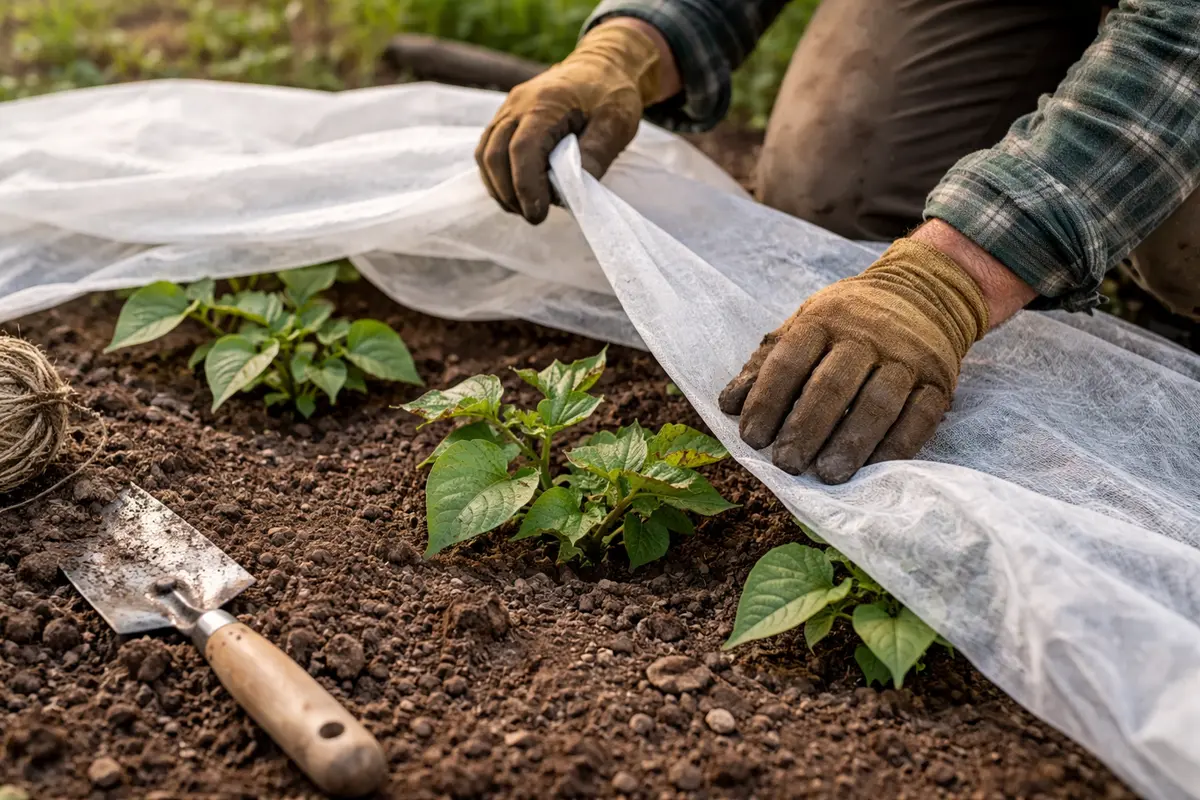
Start by covering your sweet potato plants with frost cloth or a protective layer during cold nights. This will help maintain warmth around the plants and prevent further stunted growth from cold exposure. During known cold periods, this proactive measure will be vital in preserving the plant’s energy and promoting continuous growth. Make it a habit to check the nightly temperatures, as even slight fluctuations can trigger frost damage.
Cold temperatures can shock sweet potatoes, leading to stunted growth. By implementing a frost protection routine, you create a stable environment that minimizes stress and promotes healthier development. Notice how frost-damaged plants may show signs of yellowing and wilting, unlike those protected that maintain their verdant hue. If you observe wilting, check the soil moisture to ensure it’s adequate, as it should be consistently moist but not waterlogged. Additionally, ensuring good airflow around the plants can help prevent fungal diseases that thrive in overly humid environments.
During the early spring, keep an eye on nighttime temperatures and adjust your frost protection as needed, especially in unpredictable weather. If a sudden cold snap is forecasted, add extra layers of insulation or consider heating elements for more vulnerable areas. As plants grow, transitioning to lighter row covers can help them receive sunlight while still offering protection. Another strategy involves planting cover crops around your sweet potatoes; this method not only insulates the soil but can also improve soil quality once turned under. Frost covers offer necessary insulation for young, vulnerable plants, significantly reducing the temperature fluctuations that inhibit growth.
A common mistake gardeners make is to wait until after frost has occurred to implement protective strategies. This often leads to setbacks that prolong recovery and diminish future yields. By being proactive in frost protection strategies—such as covering plants during unexpected overnight temperature drops—you can safeguard your plants and empower them to maximize their growth potential from planting through the entire growing season. Keep monitoring the weather, and make adjustments ahead of time to maintain a supportive microclimate for your sweet potatoes.
Step 5 – Inspect Leaves for Signs of New Growth
Start by monitoring your sweet potato plants weekly after frost damage. Check for any new growth in the form of light green leaves or vine extensions, which indicate recovery. If you observe a lack of new growth after two weeks, recheck the soil moisture and temperature to ensure they are conducive for regrowth. Early detection of issues is key; if you see areas where growth lags behind others, this could signal hidden problems requiring your attention.
A fully recovered sweet potato plant displays vibrant green leaves that are firm and healthy, contrasting with early signs of trouble where leaves might appear discolored or mushy. A thriving plant will also showcase new, flexible stems that grow upwards, while a stunted plant will have weak, brittle stems failing to extend. If you see wilting or yellowing leaves again, investigate for signs of root rot or pest infestation. A healthy root system must be your priority; digging around the base can reveal whether roots are firm and white or mushy and brown, indicating rot’s presence.
If the stunted growth returns despite your efforts, consider amending the soil with organic compost to improve nutrient availability or check the drainage to prevent waterlogged conditions. Additionally, if growth remains stagnant, escalate the situation by consulting a local agricultural extension office for tailored advice based on your specific conditions. If you intuitively feel that the plants should be responding faster, trust your instincts and delve deeper into possible environmental issues affecting them.
A healthy sweet potato plant post-recovery will exhibit numerous bright leaves spreading outward, illustrating the plant’s return to vitality after frost damage. Indicators of success include firm stems, lush green foliage, and newly developing roots that are visible at the soil line. Regular monitoring allows you to catch any potential issues early; for instance, if leaves begin to wilt or turn yellow, it may signal an imbalance in water or nutrient levels that requires immediate attention. Keep sharing knowledge with fellow gardeners, as understanding their insights can bolster your recovery efforts.
If you notice the decline returning after taking the necessary steps, reassess your watering practices, as consistency is key. Sweet potatoes need a balance of moisture but can suffer from rot if overwatered. Additionally, learning the signs of root rot—like a foul smell from the soil or visible mushiness around the base of the plants—can help you take early corrective action. Staying vigilant and continually monitoring both visible growth and soil condition enhances the likelihood of long-term recovery and growth returns.
FAQ
How long does it take for sweet potatoes to recover from frost damage?
Recovery from frost damage can take anywhere from a few weeks to a couple of months, depending on the severity of the damage and the care provided. If you’ve applied the necessary cuts and nutrients, you might see significant new growth within a week; however, full recovery and tuber development will require ongoing care throughout the remainder of the growing season.
Can frost damage on sweet potato vines spread to healthy parts?
Yes, frost damage can weaken the entire plant, making it more susceptible to pests and diseases that could harm healthy parts. By promptly cutting back affected areas and continuously monitoring the overall health of the plant, you can mitigate the risk of spread and encourage regrowth from healthier nodes, ensuring your sweet potatoes can continue to thrive.
Should I remove all damaged sweet potato parts immediately?
While timely pruning of damaged parts is essential for recovery, do not attempt to cut away all vegetation at once. Focus on removing the most visually damaged sections to enable healthy nodes to push out new growth and prevent an unnecessary stress event on the plant. Gradual pruning allows the plant to redirect its resources effectively without overwhelming it in its recovery phase.