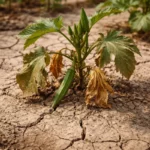
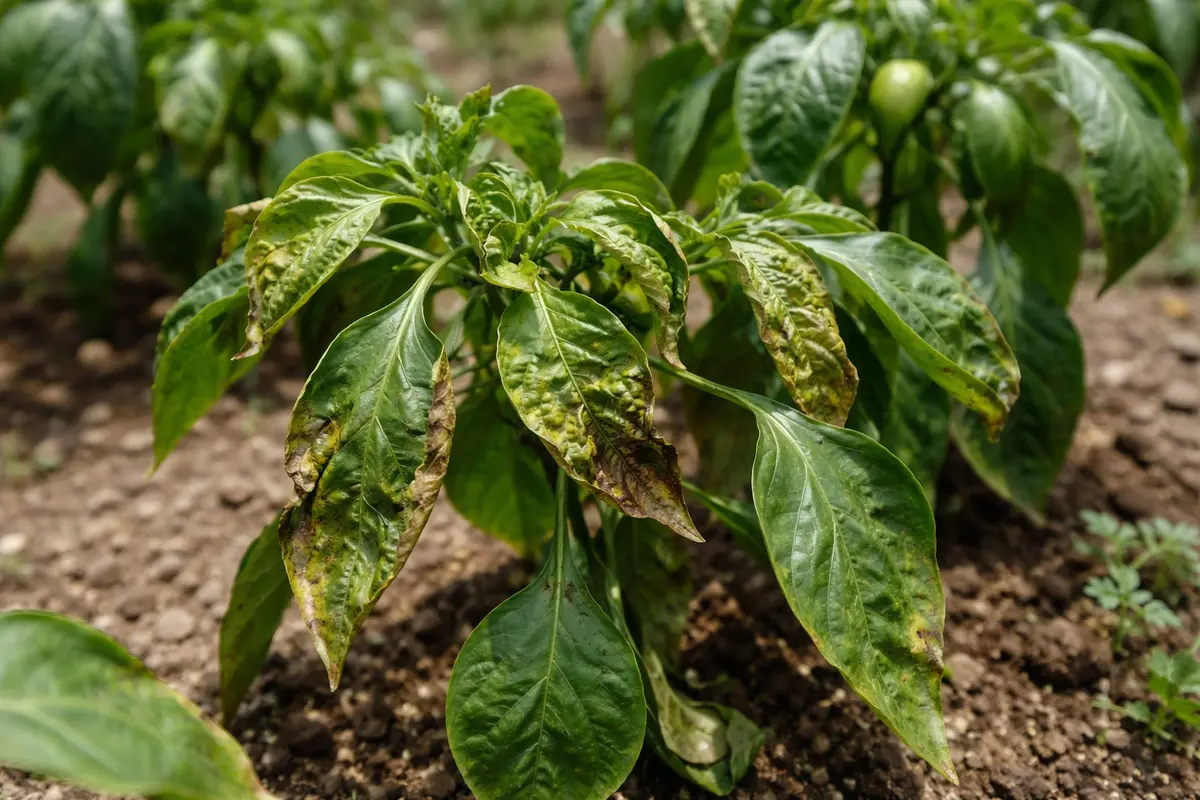
You may notice curled leaves on your pepper plants when the temperature soars, a clear sign that you need to know about Fixing curled leaves on pepper plants during the heat. This problem often stems from environmental stressors like extreme heat, causing the leaves to curl and wilt, leading to potential damage. If left unaddressed, the condition can worsen, setting the plant back and making it harder to fix, but tackling it now is possible—just inspect the foliage carefully and adjust your watering routine.
Step 1 – Water Pepper Plants Immediately to Cool Down
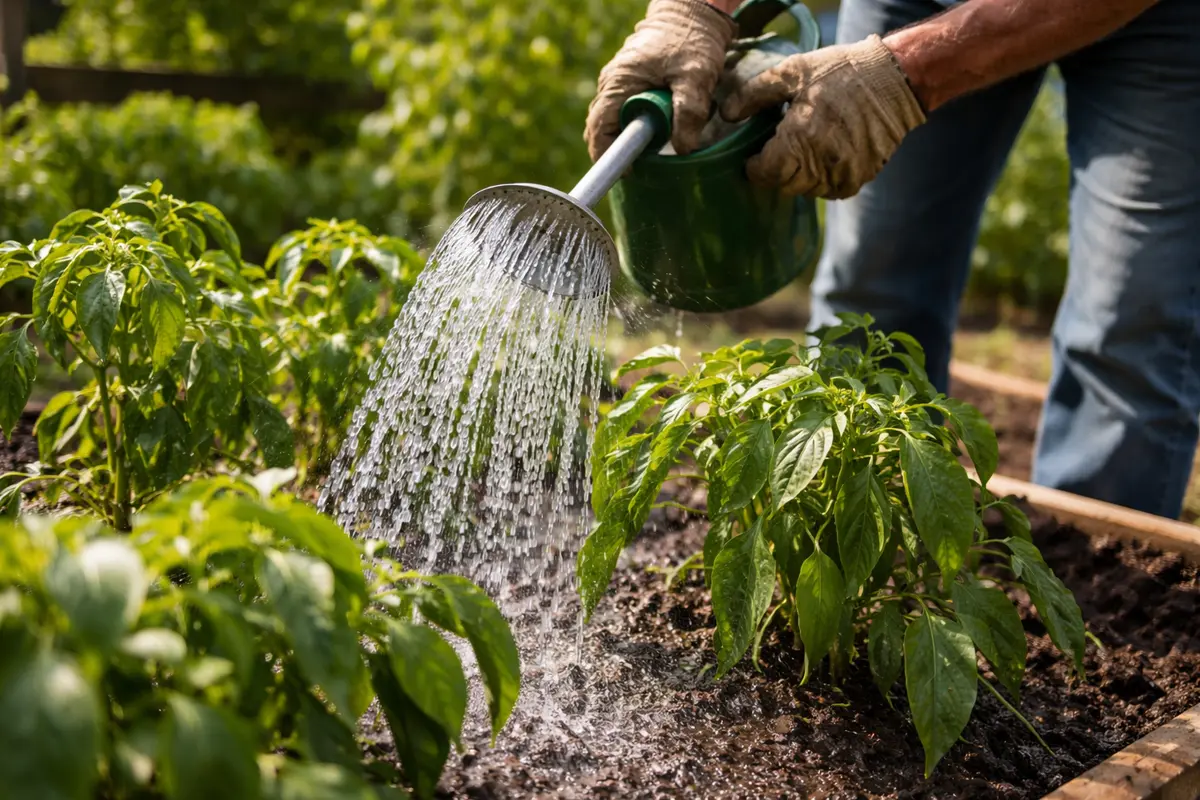
Start by watering your pepper plants thoroughly at the base. You should see the leaves perk up within a few hours as the stress levels decrease and the plant rehydrates. Proper watering cools the roots and alleviates the immediate stress caused by heat, which helps prevent further damage. Aim for at least 1 to 2 inches of water per week, but adjust depending on your soil type; sandy soils may require more frequent watering compared to clay soils, which retain moisture longer.
Watering is crucial because pepper plants can quickly lose turgor pressure when temperatures rise, leading to leaf curl. This loss of pressure makes it difficult for the plant to maintain its structure, causing the leaves to appear wilty and curled. Deep watering helps ensure the roots can absorb moisture effectively, with the roots soaking up water deeper in the soil profile to support healthier leaf development. Aim to water in the early morning or late evening to minimize evaporation and allow for maximum absorption.
A common mistake at this point is to water the foliage rather than the soil directly. While it may seem like a quick fix, watering the leaves does not provide the necessary hydration to the roots, which is essential for recovery. If you notice the plant is still wilting after thorough watering, it may indicate soil compaction or poor drainage, which requires further investigation. Check for signs of compacted soil by gently probing the surface; if it feels hard and dry despite recent watering, then aerating the soil might be necessary to invite necessary oxygen to the roots.
Step 2 – Assess Leaf Curl Causes in Heat-stressed Peppers
Inspect the soil for proper moisture levels to identify if root damage is contributing to the curling leaves. You will notice if your soil is either too dry or waterlogged by its texture when touched. A well-drained soil should feel moist yet crumbly, allowing enough oxygen for root growth; if the soil feels soggy, it needs urgent attention. You should also dig a couple of inches down to check the moisture level further; if the top inch feels dry but deeper layers remain wet, surface roots may be too dry to support the plant.
Leaf curl during extreme heat is often attributed to improper watering practices, such as either underwatering or overwatering, which affects root health. Pepper plants thrive in soil that retains moisture but drains excess water effectively. Poor drainage can lead to root rot, while dry conditions prevent the plant from accessing necessary hydration, resulting in leaf curl as the plant stresses to survive. If your plants exhibit both curling and slimy roots when you pull them out, root rot is likely, requiring you to remove affected roots and improve drainage.
If you find that the soil is compacted, aerate it to improve drainage and root health. Use a garden fork or aerator to gently break up the compacted soil around the base of your plants, creating space for air and water to penetrate. In cases where the soil appears overly dry but you’ve been watering regularly, check that the pot or garden bed has adequate drainage holes; clogged drains can exacerbate moisture retention and lead to severe plant stress. On the other hand, if the soil still smells sour after watering, it may indicate root rot, and you will need to remove the affected plants to prevent them from spreading the issue to others.
Step 3 – Revive Pepper Plants with Nutrient-rich Fertilizer
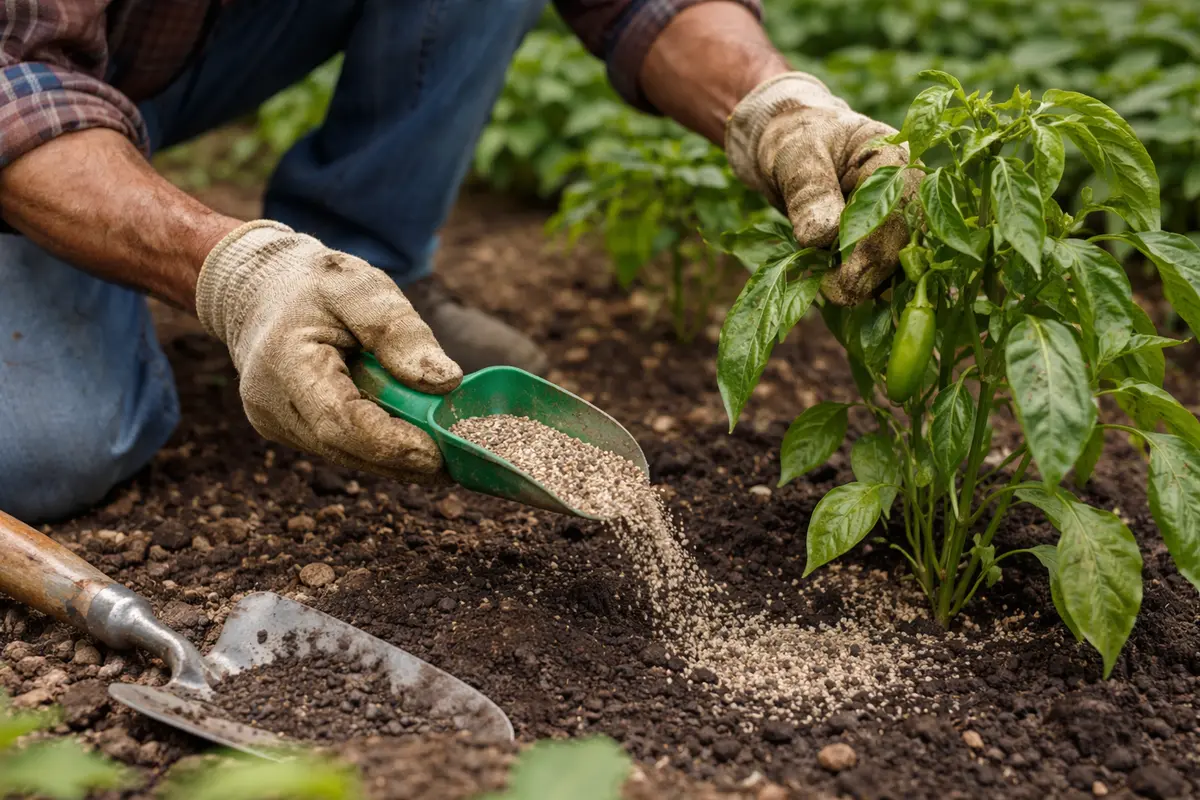
Apply a balanced fertilizer rich in potassium and magnesium to the soil surrounding your pepper plants. You should see fresh growth appearing within a week as the plants begin to bounce back. These nutrients not only help to restore vigor but also improve resilience against heat stress. Aim to apply about 1 tablespoon of granular fertilizer per plant, gently mixing it into the top inch of soil. Avoid direct contact with roots to prevent burning.
Nutrient-rich fertilizers provide essential minerals that help bolster the plant’s physiological functions, enabling better leaf development. Magnesium plays a key role in chlorophyll production, essential for efficient photosynthesis, while potassium enhances the plant’s ability to manage water effectively, reducing the risk of curling leaves due to heat-induced stress. Ensure you water the plants immediately after fertilizing; this helps in dissolving the nutrients, making them available for uptake by the roots.
During recovery, avoid the temptation to over-fertilize, as this can lead to nutrient burn and further stress the plants. Monitor the leaf coloration and new growth; if plants show new leaves that are strong and green, they are likely responding well to the fertilizer. Conversely, any sign of leaf burn, such as the tips turning brown, should prompt you to reduce fertilizer strength or frequency. If the leaves continue to appear curled or begin to brown, it’s crucial to revisit your watering and drainage assessment; ongoing care is vital for sustainable recovery.
Step 4 – Shade Pepper Plants During Extreme Heatwaves
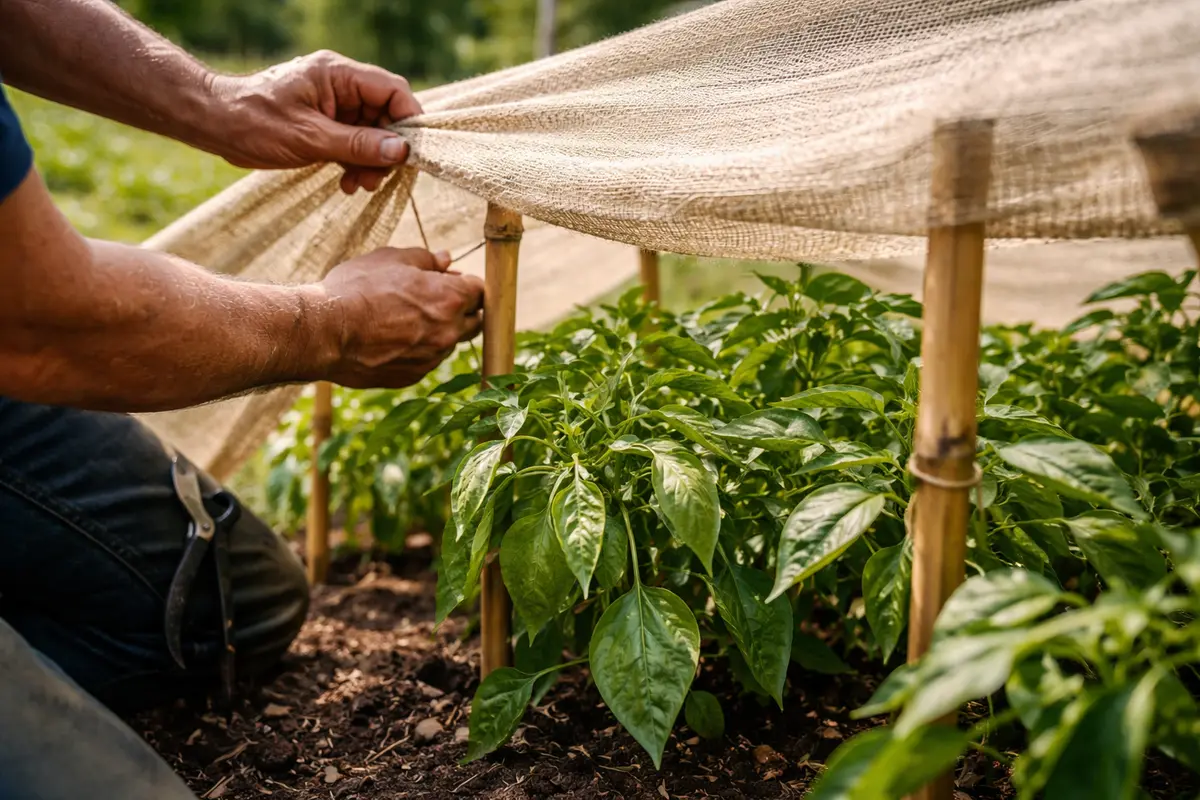
Start by providing consistent irrigation to your pepper plants, applying water deeply at least once a week during hot spells. This will keep the soil moist and the plants hydrated, preventing leaf curl from heat stress.
Heat can cause plants to lose moisture rapidly, leading to curling leaves as a response to dehydration. When plants experience extreme temperatures or inconsistent watering, they struggle to absorb enough water, triggering this defensive mechanism. By establishing a regular watering routine, you ensure that the plants maintain adequate hydration, directly addressing the moisture loss that leads to curled leaves.
If high temperatures persist, consider mulching around the base of your plants to help retain soil moisture. During particularly hot seasons, this layer can significantly reduce evaporation, providing a secondary line of defense against heat stress. Without mulch, soil may dry out quickly, so check your moisture levels to avoid wilting leaves.
Shielding pepper plants from intense sunlight not only maintains optimal moisture levels but also protects them against sunburn, which can exacerbate leaf curl. In extreme heat conditions, a sudden increase in sunlight can shock the plant, leading to further leaf damage as their protective mechanisms fail. Regular shading practices during the hottest parts of the day can establish a protective environment that enhances plant health over time. Be vigilant, as once you notice any early signs of stress, immediate actions can prevent the problem from escalating.
Seasonally, consider the best materials for shading based on your local climate; lighter fabrics may be more effective in summer, while more durable options hold up well against strong winds. If you notice any established plants still struggling despite shading, evaluate your watering frequency, adjusting it in accordance with the cooler soil conditions created by the shade; the plants may need less water than before. Shading strategies can also be adjusted as the seasons change, ensuring your plants receive optimized conditions year-round.
Step 5 – Inspect Leaves for Curl Recovery Signs Weekly
First, check your pepper plants in the early morning or late evening, when temperatures are cooler. Observe the leaves for curling, which often indicates heat stress or inadequate watering. Recheck the plants every few days to see if the leaves begin to unfurl and if the soil moisture stabilizes.
A fully recovered pepper plant displays vibrant, flat leaves that feel firm and resilient to the touch, signaling proper hydration. In contrast, early signs of the problem returning include curling leaves that feel dry and crispy around the edges. If the leaves start to curl again, assess the soil; if it feels dry and crumbly, you will need to increase your watering routine.
If the curling returns despite your watering adjustments, consider providing temporary shade during peak heat hours to reduce heat stress on the plants. Alternatively, you may need to investigate potential pest issues, as aphids and spider mites can exacerbate leaf curling symptoms. When in doubt, increase airflow and monitor for any signs of infestation.
During these inspections, a fully recovered plant will show leaves that are firm, vibrant, and fully expanded without the previous curling or wilting symptoms. A healthy leaf will feel supple and resilient, indicating that the plant has regained turgor pressure. Conversely, if you begin to see curling recur, it may indicate that either watering needs adjustment or that your plants are still under undue stress from heat exposure or nutrient imbalance. Frequent assessment can help in identifying the exact timing and conditions causing recurring leaf curl.
If the problem returns after you’ve made adjustments, re-evaluate the surrounding environment. Consistently high temperatures may require you to adjust your shading techniques or even relocate the plants to a cooler area. Note that persistent issues with curling or wilting may signal an underlying pest infestation or disease requiring professional inspection. Consider seeking specialized care if problems continue, as underlying pest issues or pathogens might need professional attention to fully resolve the stress on your plants.
FAQ
How long does it take for pepper plants to recover from heat stress?
Typically, you can expect visible improvements within a few days to a week after addressing heat stress. Enhanced hydration and nutrient support can significantly expedite recovery, leading to new growth and healthier leaves. However, full recovery may take longer depending on the extent of the heat exposure and any damage sustained during that period.
Can leaf curl spread to other plants if left untreated?
Yes, untreated leaf curl caused by heat stress can lead to weakened plants, making them more susceptible to pests and diseases, which could affect neighboring plants. Ensuring that all plants maintain good health and moisture levels helps prevent the spread of issues. Regular inspections can catch early signs of distress in other nearby plants, enabling timely interventions.
Should I remove curled leaves from my pepper plants?
Only remove curled leaves if they are severely damaged or diseased, as healthy leaves help the plant recover. Focus first on improving the plant’s overall environment and health before deciding on any leaf removal. However, if leaves are consistently wilting and not recovering, pruning them can redirect the plant’s energy to healthier foliage.