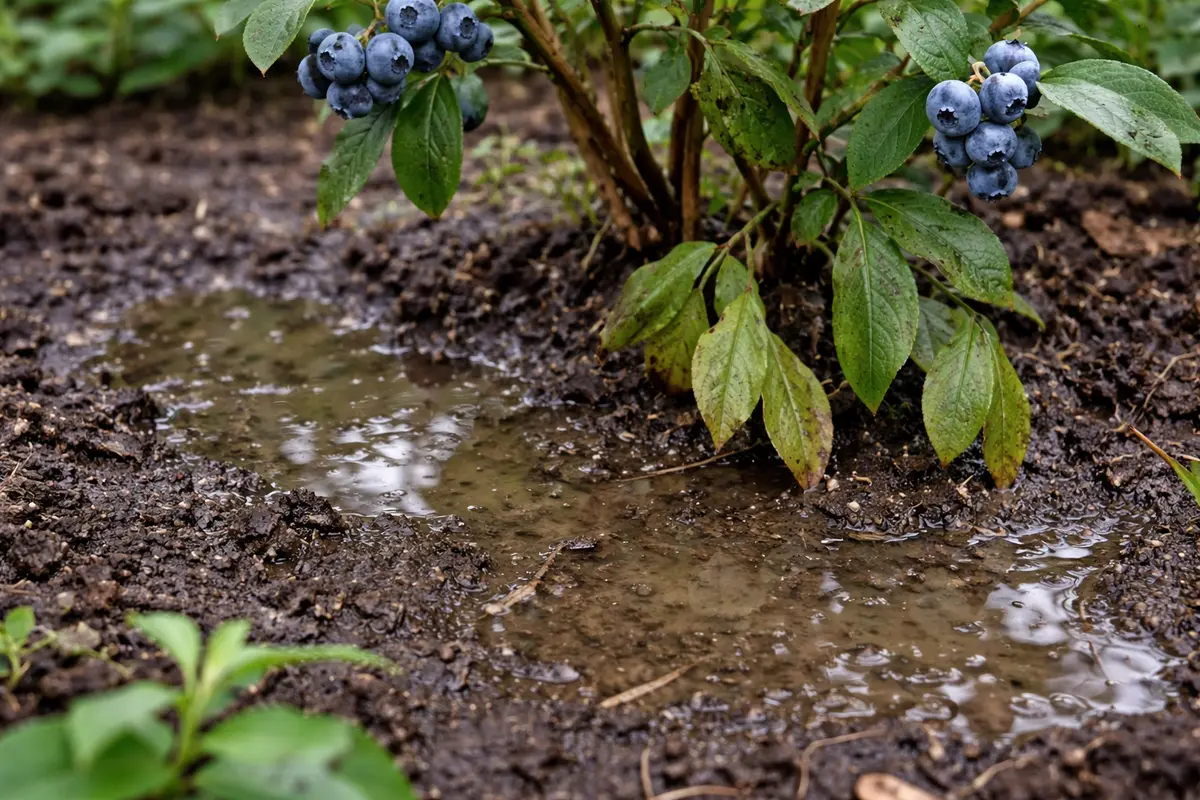
You may notice your blueberry plants wilting during a rainy spell, a clear sign that you need to know how to treat root rot in blueberry plants when overwatered. The roots are likely rotting due to excess moisture, leading to yellowing leaves and drooping stems. Ignoring this issue can worsen and weaken the plant, but fixing it is possible now if you inspect the roots and adjust your watering habits.
Step 1 – Inspect Blueberry Roots for Excess Moisture
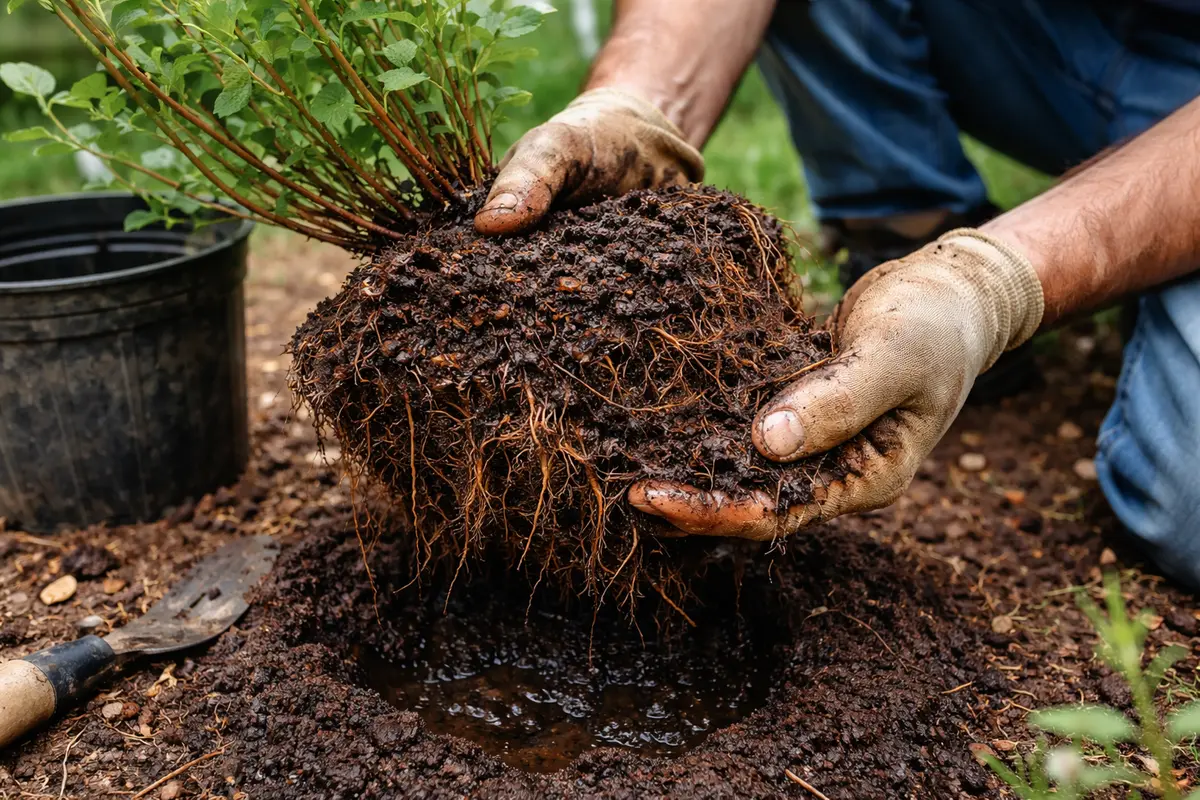
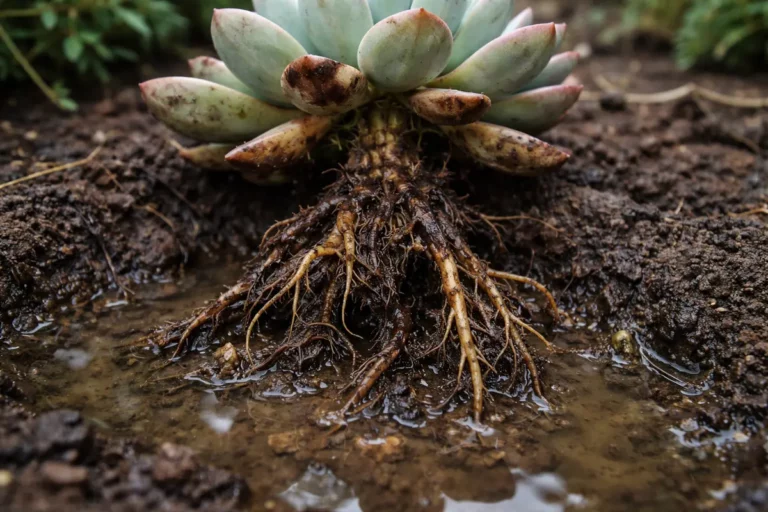
Start by carefully digging around the base of your blueberry plant to inspect the roots for signs of excess moisture. Aim to unearth about six inches of soil, as deeper inspection will reveal the root conditions more accurately. You will notice if the soil is saturated or if the roots appear mushy and discolored. Pay close attention to the texture of the soil—if it clings heavily to your hands and feels excessively wet, this suggests water retention. This early diagnosis is crucial for taking the next corrective measures because prompt action can save the plant from further decay.
Blueberry roots are sensitive to waterlogged conditions, which suffocate them and promote fungal growth. When roots remain submerged in wet soil, their ability to absorb water and nutrients is severely hampered, leading to a rapid decline in plant health. A strong, muddy odor can indicate anaerobic conditions that exacerbate rot if ignored for too long. If this condition is not addressed quickly, you may witness a sharp decline in the overall health of the plants, including droopy leaves and stunted growth. The sooner you catch it, the better chance you have of saving your plants.
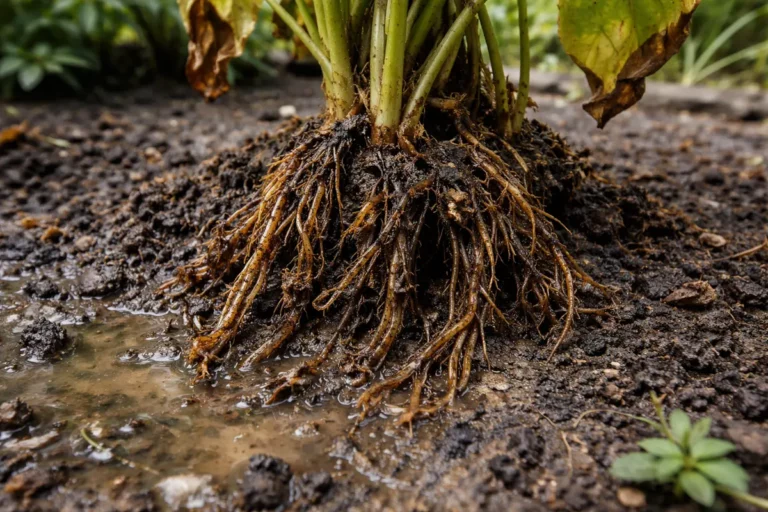
A common mistake at this stage is not differentiating between healthy and unhealthy root conditions. Some gardeners may overlook early signs of root rot, such as wilting leaves that lose their turgor. Delayed intervention can worsen the situation, and if you notice a stagnant odor from the soil, it often indicates severe root rot necessitating prompt action. Visually, pay attention to the stark contrast: healthy, firm roots will be white and pliable, while the soft, brownish roots of rot will feel mushy. This visual discrepancy will be your guide in determining the extent of the damage and deciding on the necessary corrective actions.
When inspecting roots, also look for any signs of discoloration or blackened tips, as this can indicate more advanced stages of rot. The presence of healthy roots is characterized by a crisp texture and intact white coloration, which signifies that they are still functioning properly. If the roots feel slimy or emit a foul smell, they are likely compromised. If you encounter a scenario where most roots appear healthy but a few show signs of rot, you should proceed to cut away the affected sections. This action not only alleviates the immediate risk but encourages the healthier roots to flourish uninhibited by decay.
Step 2 – Assess Soil Quality for Root Rot Causes
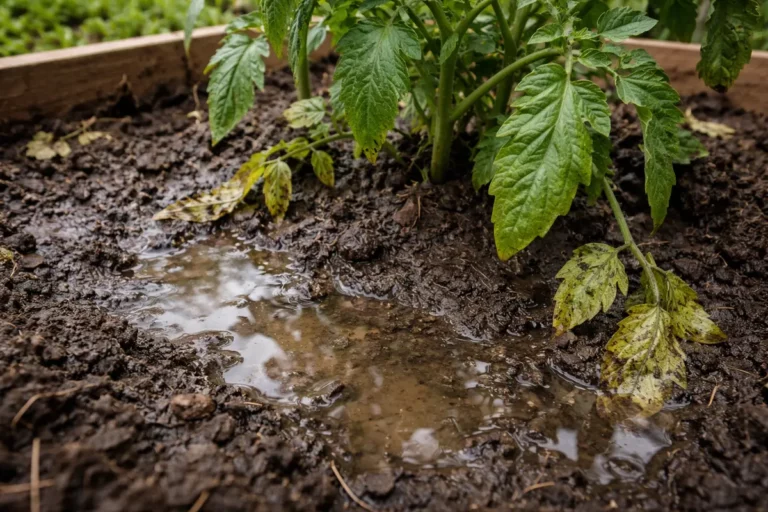
Start by checking the moisture level of the soil around your blueberry plants. If the soil feels constantly soggy or waterlogged, it is critical to stop watering immediately and allow the roots to dry out. After a few days, you should notice improved soil conditions as moisture levels stabilize, reducing the prevalence of root rot.
Root rot occurs when waterlogged soil creates an anaerobic environment where beneficial microorganisms are outcompeted by harmful fungi that thrive in saturated conditions. This leads to decay of the root tissue, preventing nutrient and water uptake, which manifests as wilting or yellowing of the leaves. Healthy roots should feel firm and white, while rotting roots tend to be dark and mushy. If the soil feels dry but the plant still shows rot symptoms, check for pests or diseases.
If the soil smells sour or has a slimy texture, you likely have a severe case of root rot. In this situation, remove the affected plants and replace the soil entirely to prevent further infestation. Alternatively, if leaves are yellowing but the soil feels reasonably dry, it could indicate nutrient deficiencies, necessitating a fertilization program rather than intervention for root rot.
Blueberry plants thrive in acidic soils with good drainage, ideally in a range between pH 4.5 and 5.5. Soil that is heavy with clay can trap excess water, contributing to conditions that favor root rot. A higher pH level, above 5.5, can disrupt nutrient uptake, making the plants more susceptible to diseases. To enhance conditions, consider amending the soil with sandy loam or organic matter, such as compost, which can improve soil structure and drainage. If the soil is found to be too wet, adjust your watering practices and consider adding materials like sand or perlite to enhance drainage.
If the soil emits a sour smell, it is a clear sign of anaerobic conditions that need immediate attention. In such cases, you should strongly consider repotting your blueberry plant into fresh, well-draining soil, as this can resurrect lost health. You might also notice a stark contrast when observing potted blueberry plants versus those planted directly in the ground; typically, in-ground plants may have worse drainage due to their compacted soil. Additionally, if your soil is extremely compacted, loosening it will allow for better airflow to the roots and help prevent future complications, creating a more hospitable environment for growth.
A common mistake relates to underestimating the effects of soil compaction and not incorporating enough amendments to improve drainage. If the soil remains dense and heavy, it will counteract any attempts to alleviate root rot, as the water will still struggle to escape. If moisture levels are stable, but rot continues, assess how the soil rehydrates after watering; quick drainage indicates a better response to changes. Conversely, if water pools on the surface, re-evaluating your soil mix and perhaps incorporating lighter materials is essential.
Step 3 – Replenish Nutrients for Blueberry Recovery
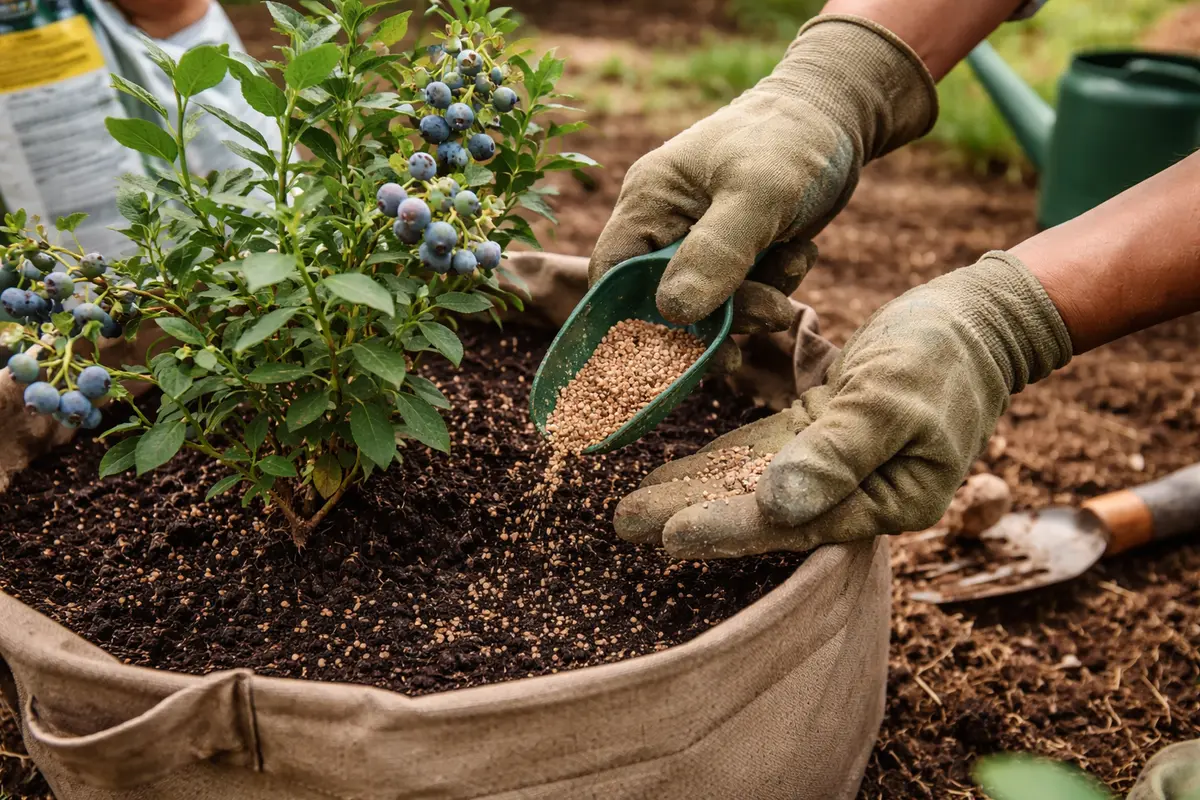
Apply a balanced, organic fertilizer to the blueberry plants to provide the necessary nutrients for recovery. Look for fertilizers specially formulated for acid-loving plants to ensure compatibility with blueberry needs; ideally, you should select one that has a nitrogen-phosphorus-potassium ratio of about 10-5-10. You’ll likely notice an uptick in leaf turgidity and potentially new growth within a week or two. This action will revitalize your plants and support their recuperation from root rot while fostering a healthy environment.
Nutrients are essential for recovery, especially nitrogen, phosphorus, and potassium. These elements support leaf development, root strength, and overall plant vigor. As you apply the fertilizer, be cautious not to overdo it—too much can lead to nutrient burn and further stress the plants. During the recovery phase, watch out for visible signs such as perky leaves and new growth buds, indicating that the plants are responding positively to care. Maintaining regular watering—keeping the soil moist but not soggy—is critical at this stage to ensure nutrient absorption; be mindful that soil should retain some moisture without being waterlogged.
A key mistake during this recovery phase is over-fertilizing in an attempt to hasten recovery. It’s crucial to stick to label instructions and closely monitor how the plant responds after fertilization. If you start to see signs of leaf burn, such as browning edges or stunted growth, it may be time to cut back on fertilizers and focus on improving soil structure instead. Over-fertilization often leads to nutrient lockout, compounded by previous overwatering issues. Observing progress through physical signals, like changes in leaf color or growth patterns, will guide your decisions moving forward and ensure the plants are recovering adequately.
When applying fertilizer, it is also crucial to consider the timing related to the plant’s growth cycle. For example, early spring is often the ideal time to fertilize as it corresponds with the plant’s active growth periods. If applied too late in the season, plants may absorb excess nutrients while stress from cold weather approaches, leading to potential root damage. Additionally, if the earlier conditions have improved but no growth is observed shortly after fertilization, check for other issues like pH imbalance or soil saturation, as this will affect nutrient uptake. Timing your application based on the expected growth window can make a significant difference in recovery success.
Step 4 – Check Blueberry Foliage for New Growth Signs
Start by checking the soil moisture level around the roots of your blueberry plants. Use a soil moisture meter or stick your finger into the soil up to your second knuckle; it should feel moist but not soggy. Recheck the moisture levels every few days to ensure the soil is draining properly and not remaining overly wet.
A fully recovered blueberry plant will exhibit vibrant green leaves that feel firm to the touch and show new growth, while early signs of root rot returning include dull, wilting leaves that may feel mushy or exhibit browning edges. If you notice root tips turning black or mushy, that indicates decay and requires immediate attention to prevent the problem from worsening.
If root rot symptoms return despite following treatment steps, consider repotting with fresh, well-draining soil and an appropriate container. Escalate treatment by applying a fungicide specifically designed for root rot, ensuring to follow the manufacturer’s instructions for optimal effectiveness.
A fully recovered blueberry plant will exhibit lush, green leaves, a vibrant texture, and an absence of wilting or discoloration. New clusters of leaves signify that the roots are re-establishing their function and the plant is regaining vigor. Contrast this with wilting leaves, which would indicate that your efforts to rectify the root rot might need further fine-tuning and adjustment. Depending on conditions, it may take a week or more for new growth to become visible, so remain patient while continuing to monitor. Keep daily records of observations that can track progress or setbacks.
If signs of problems return despite following the earlier steps, it is necessary to reevaluate soil drainage and watering practices. You might need to repot the plant if the root system has not adequately recovered or if you notice persistent issues with water retention within the soil. If visible symptoms such as yellowing leaves or the appearance of blackened roots reemerge, professional advice may also be warranted—especially if there’s no improvement within a week. A situation in which the leaves remain yellow and dry may also call for immediate intervention, as it suggests that symptoms of root rot may still be present or returning. Keeping an eye on the time frame for recovery can guide when to seek out assistance if needed.
FAQ
How long does it take for blueberry plants to recover from root rot?
Recovery can take anywhere from a few weeks to several months, depending on the extent of the damage and how promptly you acted. Early intervention combined with proper care can significantly speed up the recovery process, with visible improvement often appearing within two weeks. However, the timeline may extend if the problem of overwatering continues as an issue, which is why effective monitoring is critical.
Can root rot spread to other plants nearby?
Yes, root rot can spread through the soil if not controlled, particularly if the infected plants are in close proximity to others. The pathogens responsible for root rot are soil-borne and can easily infect adjacent plants, leading to widespread issues throughout your garden. Thus, ensuring that root rot is managed promptly is essential in preventing the potential spread from infested plants to healthy ones in your garden.
Should I remove the affected roots of my blueberry plant?
Yes, you should remove any visibly mushy or blackened roots to prevent further fungal growth. Pruning these dead parts can help improve the overall health of the plant and allow it to focus its energy on nourishing the healthier roots. When cutting, be sure to use clean, sharp tools to avoid introducing new pathogens during this critical removal process, as improper handling can introduce further complications.