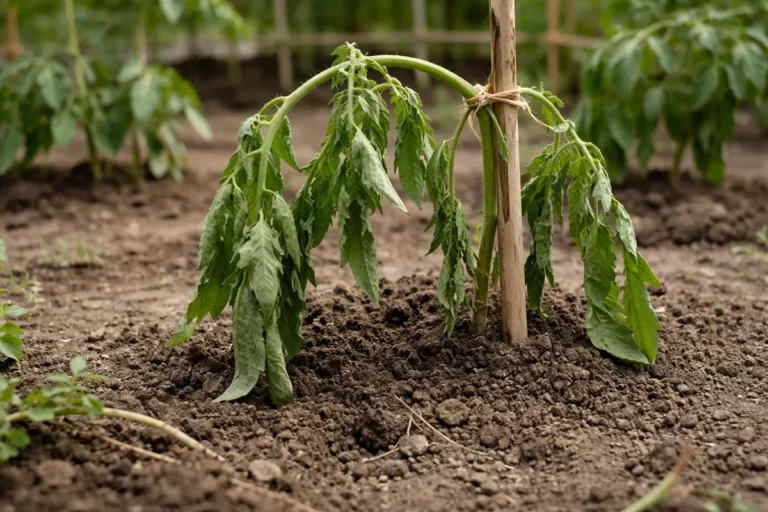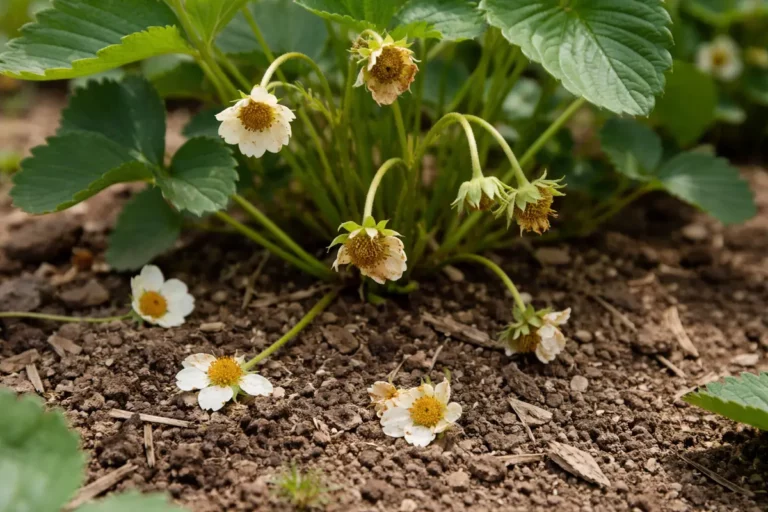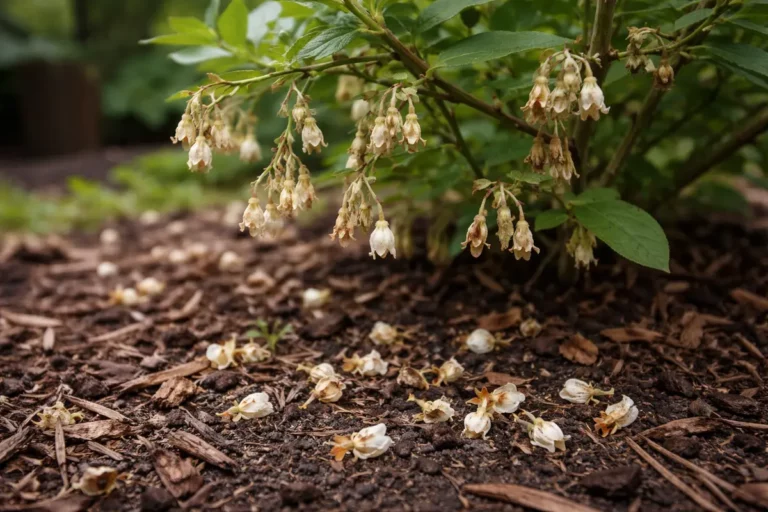

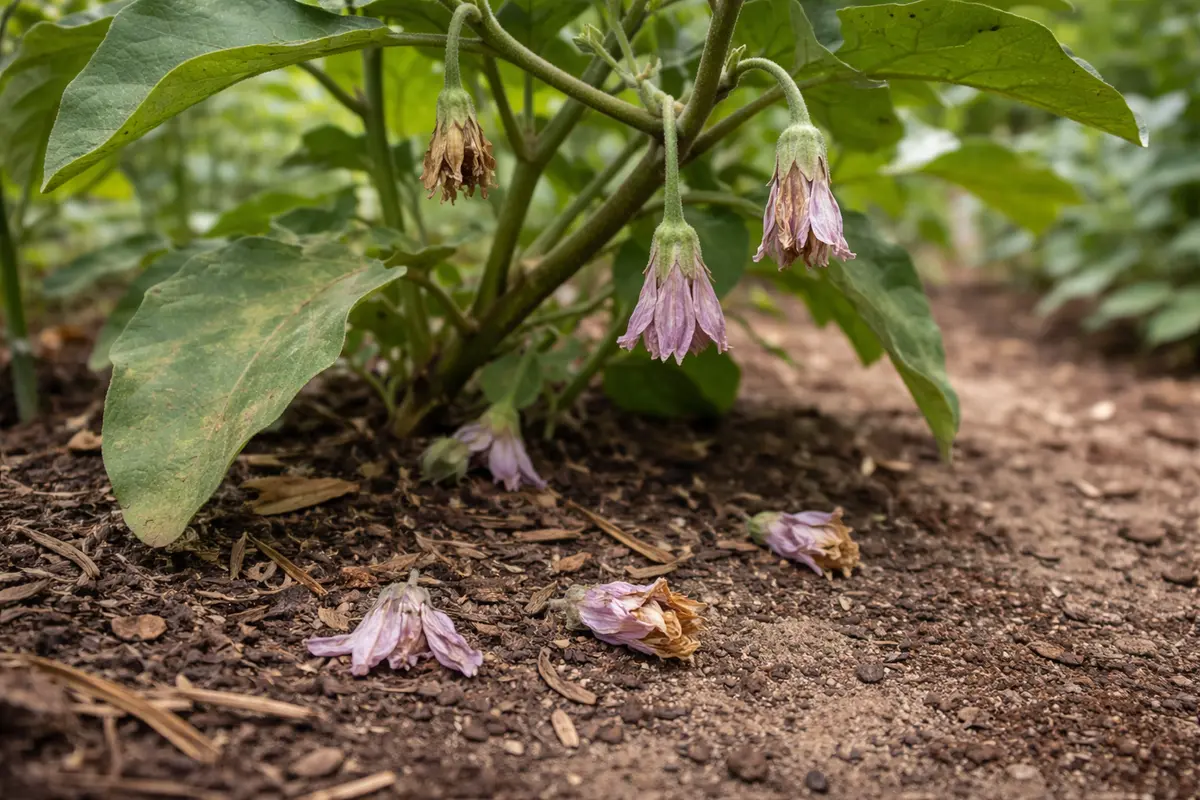
You may notice your eggplants struggling under the scorching summer sun, wilting and dropping flowers, which is why you need to know why are my eggplants not setting fruit during high heat. This heat stress can lead to flower drop and yellowing leaves, causing significant damage to your plants. If left unaddressed, the issue worsens, weakening the plant and stalling growth; however, fixing it is possible now—just inspect the plants closely and adjust your watering schedule to improve their resilience.
Step 1 – Water Eggplants Deeply to Reduce Stress
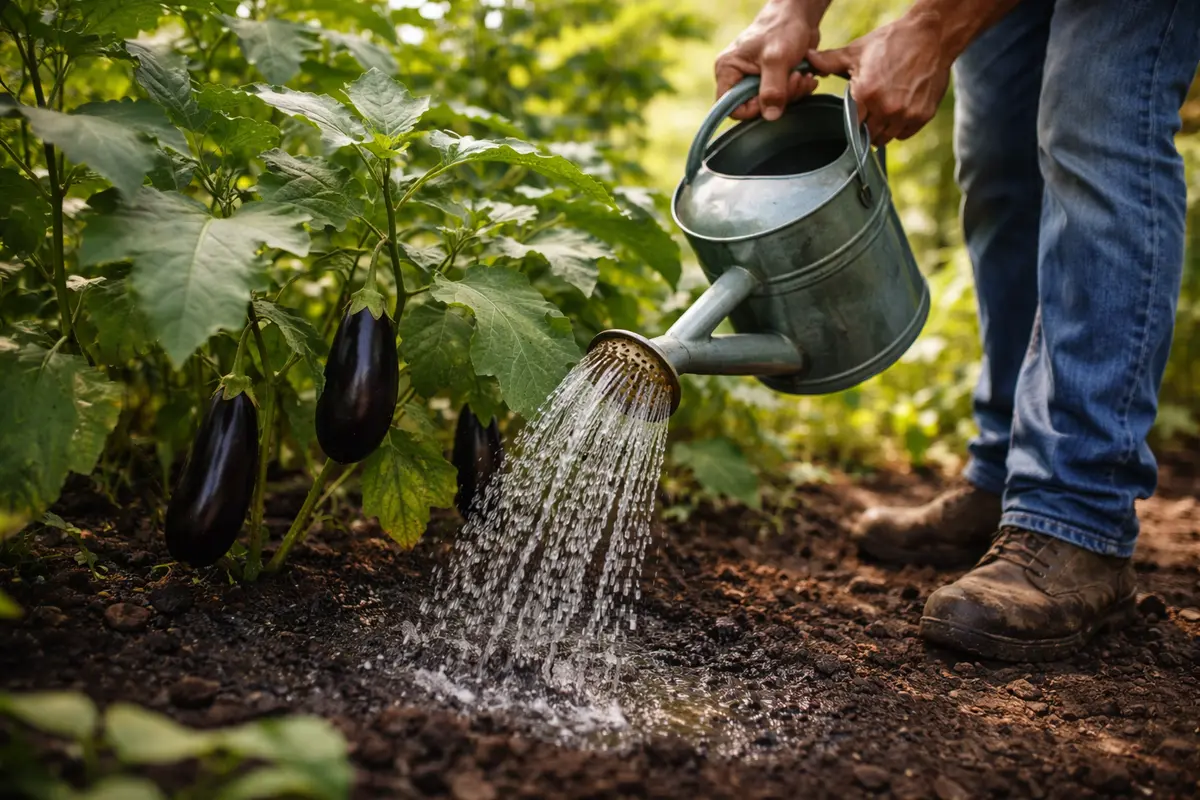
Water your eggplants deeply to help alleviate stress from the heat. Ensure that you are saturating the soil down to at least six inches deep, which you can check with a garden trowel. Select a section of soil close to the base of the plant and carefully push the trowel into the ground, feeling for moisture at the six-inch mark. You should notice that the soil remains moist down to the required depth within a day if the watering is done effectively. If the soil feels dry at that depth, this is a clear sign you need to adjust your watering strategy immediately.
Deep watering helps the plant access moisture at lower soil levels where it can sustain itself during high heat. Insufficient moisture will lead to stress, which often results in flower drop and prevents fruit set, ultimately diminishing yield. It’s critical to understand that if the plants remain parched, the impact will compound. Continued lack of moisture can cause severe symptoms like wilting leaves, cracked stems, or even root damage, which are indicators of a stressed plant that is unlikely to produce fruit. In some cases, you may observe that the roots have begun to turn brown or mushy, indicating rot; this is a clear sign that you need to act swiftly to avoid losing your plants.
A common mistake gardeners make is watering the surface layer lightly instead of ensuring a deep soak. This often leads to shallow root systems that can’t absorb enough moisture during peak temperatures. If you notice wilting leaves or a dry surface despite watering, evaluate both your watering technique and frequency, ensuring it penetrates at least six inches below the surface. During extremely hot days, consider watering in the early morning or late evening to maximize absorption while minimizing evaporation. For maximum effectiveness, you may use a soaker hose or drip irrigation system, as these methods deliver moisture directly to the root zone without wasting water. Remember, ideally, eggplants require about 1-2 inches of water per week, and during heat spells, they may require more frequent checks to adapt to the changing conditions.
Step 2 – Diagnose High Heat Impact on Eggplant Flowers
Inspect the eggplant flowers to diagnose how high temperatures are impacting pollination. You will see whether the flowers have dropped prematurely or appear shriveled due to heat stress. Pay close attention to the color and texture of the flower clusters; healthy flowers should be firm and vibrant. Take particular note of any flowers that look droopy or browned at the edges; these are signs that they may not have successfully set fruit. If these flowers remain unproductive, your potential harvest for the season will be significantly compromised.
High temperatures can cause pollen to become less viable, leading to flower drop before fruit can set. Eggplants typically require daytime temperatures to be below 90°F for successful pollination; when it gets hotter, the likelihood of flower drop increases significantly. If you can consistently observe day temperatures staying above this threshold, you may need to implement more stringent cooling tactics for your plants. Essentially, the reproductive process stalls, which could lead to a disappointing harvest.
If you notice that the leaves are healthy but the flowers are dropping, check for proper air circulation, as high humidity can exacerbate heat stress. If the environment is too humid or stagnant, consider providing more airflow to the plants by thinning the surrounding foliage or using fans if indoors. Additionally, evaluate both temperature and humidity levels with a thermometer and hygrometer. If humidity is high, reduce watering frequency slightly, as over-watering may worsen the situation, creating an environment conducive to root rot. This can lead to further plant stress, compounding issues with flower development and fruit set. A common mistake here is allowing dense foliage to block airflow, which can lead to fungal issues, particularly in hot, humid climates.
Step 3 – Apply Organic Fertilizer for Nutrient Boost
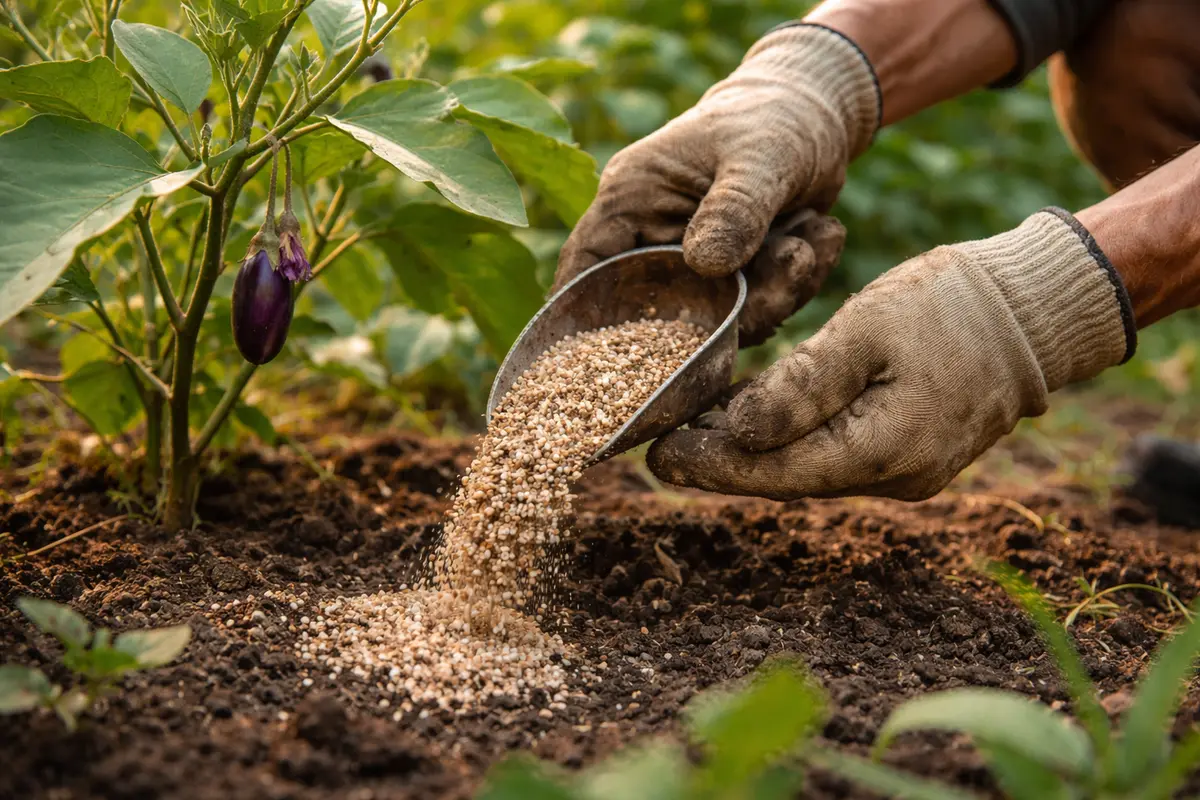
Apply a balanced organic fertilizer around your eggplants to provide them with essential nutrients. Within a week of application, you should start to see new growth and the remaining flowers stabilizing on the plants, leading to improved fruit set potential. Choose a fertilizer high in potassium and phosphorus, as these particular nutrients are essential for flowering and fruiting; for example, fish emulsion or rock phosphate can work effectively. Applying fertilizer in the evening can maximize nutrient absorption, allowing the plants to recover overnight following the stresses of the day.
Organic fertilizers contain macro and micronutrients vital for recovery during stress. When plants are deprived of nutrients, their overall health declines, making it even harder to bear fruit in extreme conditions. Providing a nutrient boost will not only help stabilize existing flowers but also support new growth that may have been stunted due to prior heat exposure. After fertilization, observe if the flowers appear more robust and resilient; this is a sign that the plants are recovering. If you still notice poor flowering after nutrient application, reconsider the fertilizer type and concentration being used.
Be cautious not to over-fertilize, as this can disrupt the natural balance, leading to excessive foliage growth at the expense of fruiting. Monitor the plants closely; if you see lush, overly green leaves with minimal flowering, you might be overdoing it. Stick to the recommended fertilizer amounts per package instructions, typically 1-2 tablespoons around the base of each plant, and water thoroughly afterwards to ensure even distribution. In cases of marked nutrient deficiency, consider adding compost or aged manure to enrich the soil naturally, helping the plants regain their vigor without the risk of chemical burn. Always factor in the timing of applying fertilizers; they are most effective when incorporated into the soil prior to heat waves when plants are at their most vulnerable.
Step 4 – Shade Eggplants to Prevent Heat Stress

Start by providing consistent moisture to your eggplants by watering them deeply every few days, especially during high heat. This habit will help maintain soil moisture levels, which can improve flower and fruit set as proper hydration reduces stress on the plants. If your plants consistently expose to high temperatures without any means of cooling, they will undoubtedly suffer more.
High heat conditions can cause the flowers on eggplants to drop prematurely, preventing fruit from forming. When soil dries out, it exacerbates this issue, while regular watering creates a stable moisture level that supports fruit development. If your plants are wilting in the heat, check the soil for dryness and adjust your watering schedule accordingly. You can also evaluate the surrounding landscape for natural shade opportunities or for incorporating temporary structures.
During the peak of summer, consider adding mulch around your eggplants to conserve moisture and regulate soil temperature. This secondary layer helps reduce evaporation and keeps the soil cool, critical during extreme heat waves when direct sun intensifies drying. Using organic mulch like straw or wood chips not only maintains moisture but also improves soil health; avoid using black plastic, which can trap heat. If not mulched, check for sunburn on the leaves as a sign of stress. Further, try monitoring your local temperature forecasts to catch and prepare for incoming heat waves, allowing for timely preventative measures.
By shading the plants, you manage the microenvironment, reducing leaf temperatures and overall stress levels, which can lead to flower drop. Creating shaded areas in the garden using cloth, garden fabric, or strategically placed structures can protect the plants from the sun. The aim is to keep blossoms under optimal temperature conditions until the heat of the day passes. This is particularly important from midday to mid-afternoon when sunlight is most intense. On extremely hot days, consider using shade cloth that blocks between 30%-50% UV rays; make adjustments based on on-the-ground observation of plant response.
Step 5 – Watch for Eggplant Flowers After Heat Spells
Start by checking your eggplants every few days during high heat for signs of flower and fruit drop. Observe any new flowers that have formed; if they are wilting or falling off prematurely, this indicates ongoing stress. Recheck the plant’s condition weekly to note any signs of fruit set or continued flower drop, adjusting your care based on what you find.
A fully recovered eggplant will display robust, green leaves, vibrant new growth, and established fruit developing on the stems. In contrast, early signs of the problem returning include curled leaves and wilting flowers, which can also feel dry to the touch. If the tips of the leaves are turning brown while flowers are still dropping without fruit, check the moisture levels in the soil; if the soil feels overly dry, it may be a sign of insufficient hydration.
If you notice the problem returning despite monitoring and adjusting care, consider implementing shade cloth or relocating your plants to a cooler area during peak heat hours. This provides immediate relief from excessive heat and allows the plants to stabilize. If issues persist even with these adjustments, consult local agricultural extensions for tailored advice specific to your region.
A fully recovered eggplant plant showcases vibrant, upright leaves with healthy blossoms, whereas early signs of the problem returning include drooping flowers and a dull, sunburned leaf texture. If you notice brown spots or shriveling petals on new flowers, this highlights the need for further intervention. If the leaves remain bright but flowers droop, you should check for inconsistent watering, which might indicate that the water needs to reach deeper into the roots.
If the fruit set issue persists despite following the previous steps, escalate your action by introducing organic mulch to retain soil moisture and using an organic fertilizer high in potassium to encourage fruit development. Additionally, if the heat stress continues affecting your plants, consider relocating them to a partially shaded area during peak sun hours. If flower drop continues despite efforts, you may need to consider testing the soil for pH levels, as unbalanced soil chemistry can inhibit fruiting potential.
A fully recovered eggplant will exhibit vibrant, healthy leaves and flowers that stand upright. If you notice wilting leaves or again see flower drop, it may indicate that high temperatures continue to affect the plants or that other stressors are at play. This vigilant monitoring will allow for quick adjustments in care routines, such as additional watering or shading, as needed. Be aware that declining flower health can also be a signal of pest infestations, so remain observant for any signs of insect activity.
If, after several days of monitoring, you still observe signs of stress with little to no new blooms, consider relocating the plants to a cooler environment or providing more substantial protection. Structures or fences in close proximity can trap heat and reflect it back toward your plants, worsening the heat exposure issues. Assessing your garden layout for potential redesigns that allow for better airflow and reduced temperature spikes during peak heat periods is essential. If flower drop keeps persisting, you might need to experiment with different varieties of eggplant that are more heat-resistant or temperature-tolerant, depending on your local climatic conditions.
FAQ
How long does it take for eggplants to recover from heat stress?
Recovery from heat stress can take anywhere from a few days to several weeks, depending on the severity of the stress. Typically, if the critical care actions of watering, shading, and fertilization are accurately implemented, you can expect to see signs of improved growth and more stable flowers within 1-2 weeks. In more severe cases, however, additional recovery time may be needed before flowering resumes as the plants regain their strength and resilience.
Why do my eggplants still drop flowers after I water them?
Continuous flower drop despite adequate watering may indicate other stress factors, such as high humidity or temperature fluctuations. It is essential to ensure that the right environmental conditions are in place, along with good airflow around the plants, to facilitate successful pollination and reduce flower drop. If humidity levels remain high, adjusting the watering schedule might be necessary to minimize excess moisture on the foliage and reduce rot risk.
Should I remove damaged leaves from my eggplants?
Removing damaged leaves is generally beneficial, as this can help prevent pests or diseases from spreading to healthy foliage. However, be cautious not to remove too much healthy foliage all at once, as leaves are necessary for the overall health and photosynthesis of the plant. Strategically pruning only the most severely damaged leaves can help promote a healthy growing environment without increasing stress on the plant while keeping the balance for optimum health.