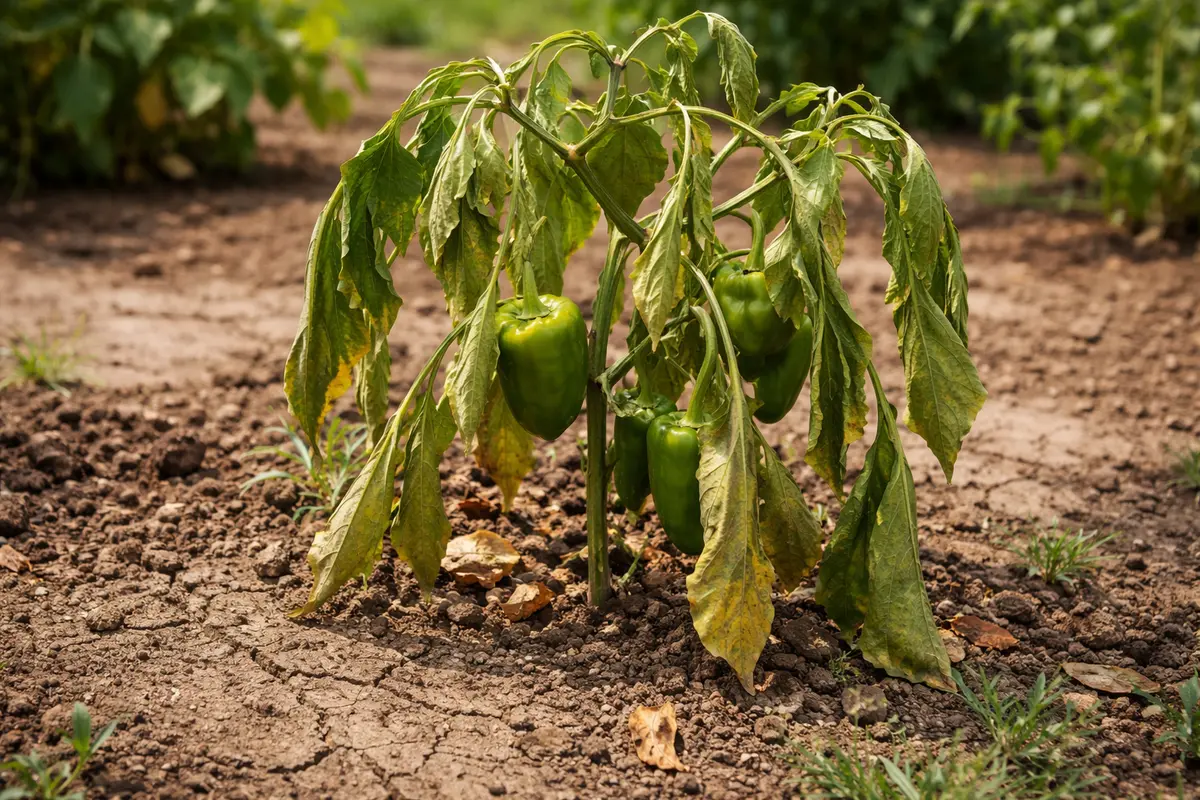
You may notice your bell pepper plants looking droopy and unhealthy during the intense heat of summer, which is why you need to know what to do if bell pepper leaves are wilting in summer. This wilting is often caused by a lack of adequate water or nutrients, leading to symptoms like leaf drooping and yellowing. If left unaddressed, this issue can spread and weaken the plant, but fixing it is possible now—just inspect the soil, adjust your watering routine, and monitor the plants closely.
Step 1 – Inspect Bell Pepper Leaves for Immediate Wilting
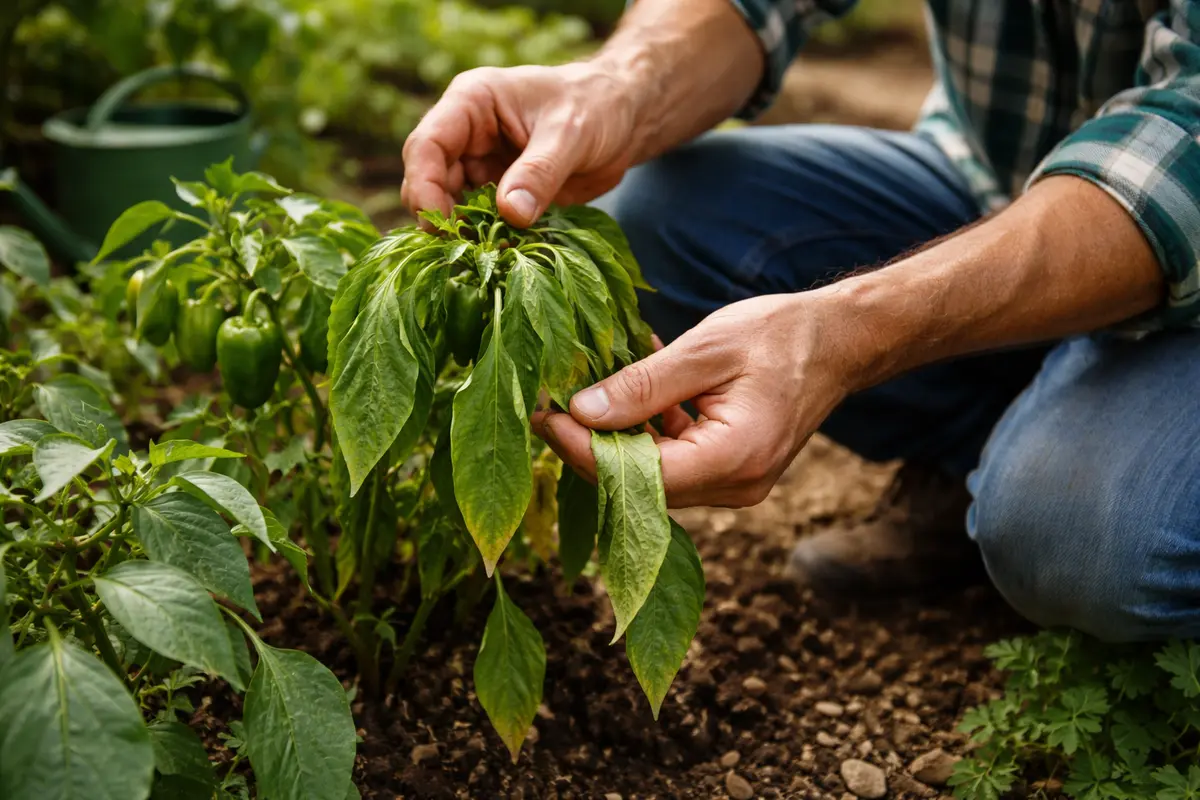
Begin by checking the leaves for signs of wilting or discoloration. Look specifically for leaves that may appear limp or droopy, indicating a lack of moisture. If you observe these symptoms, you must act quickly to prevent further damage and promote recovery in your plants. Run your fingers along the leaves; if they feel flimsy or lack firmness, this is a strong indicator of distress. Each day you delay could lead to the plant suffering irreversible harm, especially during the scorching summer afternoons when wilting typically worsens.
Wilting occurs as a plant’s defense mechanism against water loss. When bell pepper plants lack water, they close their stomata to conserve moisture, causing the characteristic drooping leaves. Without immediate attention, the plants may experience irreversible damage, such as leaf curl or even dieback, particularly during high summer temperatures. During peak afternoon sun, you might notice the leaves droop more significantly, highlighting the urgency of your action. If leaf edges begin to brown, this indicates prolonged stress and can signal the onset of irreversible damage. Comparing plants that you may have overlooked—where wilting has intensified after a couple of days—can help reinforce the importance of timely intervention.
A common mistake at this stage is overlooking the soil moisture level. Many gardeners assume that watering will suffice if the foliage appears dry, but this can also indicate potential root rot if the soil is overly saturated. To accurately assess the soil, check the moisture level about 2 inches below the surface; if it is dry, this confirms water stress. Once you water, ensure it penetrates at least 6 inches into the soil, as insufficient water will only temporarily mask symptoms without improving root health. If you observe new shoots springing up within a few days, you can reliably conclude that your intervention has improved moisture levels. On the other hand, if the soil feels overly wet, reassess your watering schedule, allowing the top 2-3 inches of soil to dry out between watering cycles to avoid further stress on the roots. Over-reliance on surface appearances can lead to deeper root issues that will need addressing, just as quickly.
Step 2 – Diagnose Water Stress in Bell Pepper Plants
Check the soil moisture to determine if the wilting is due to water stress. Make sure to dig down at least 2 inches below the surface; if the soil feels dry, then direct your efforts towards thoroughly watering the plant. When you water, aim for a good soaking that leaves the soil feeling significantly more moist, contributing to revitalized, firm, and perky leaves. This immediate action can be critical in deciding whether your plants will bounce back. If any part of the leaf has begun to turn brown, it is likely that the plant has been under duress for too long and requires urgent attention.
Water stress is not only a symptom of insufficient moisture in the soil, but it can also hamper the plant’s nutrient and fertilizer uptake. When the soil is too dry, bell pepper plants struggle to maintain turgor pressure in the leaves, which leads to wilting. If you notice that the leaves perk up within a couple of hours after watering, this confirms that the plant was primarily thirsty; however, if they remain limp after sufficient watering, a more serious underlying issue may exist necessitating further investigation. An immediate observation to make after watering is to see how quickly the soil drains—if it doesn’t absorb well, adjust your watering approach accordingly.
If the soil feels damp yet the leaves are still wilting, you may face root rot due to overwatering, where the roots cannot access necessary oxygen. Check the roots for any foul smell or mushy texture—both are signs of decay and indicate that action is needed. If you detect rot, remove the plant from the pot, trim away any decayed roots, and repot it in fresh, well-drained soil. This step is essential because failing to replenish soil aeration can lead to continued wilting. In this scenario, improving drainage may involve repotting the plant with fresh, well-aerated soil or carefully aerating the root zone to allow for better airflow. Observe how the plant responds over the next week; if it begins to rebound, then your measures have likely improved soil conditions. Additionally, consider mixing organic matter like perlite or coarse sand into the existing soil to improve drainage and prevent future occurrences. Regularly monitor for signs of recovery, such as new root growth, which will indicate that the remedial actions you took were successful.
Step 3 – Feed Bell Peppers Nutrients to Aid Recovery
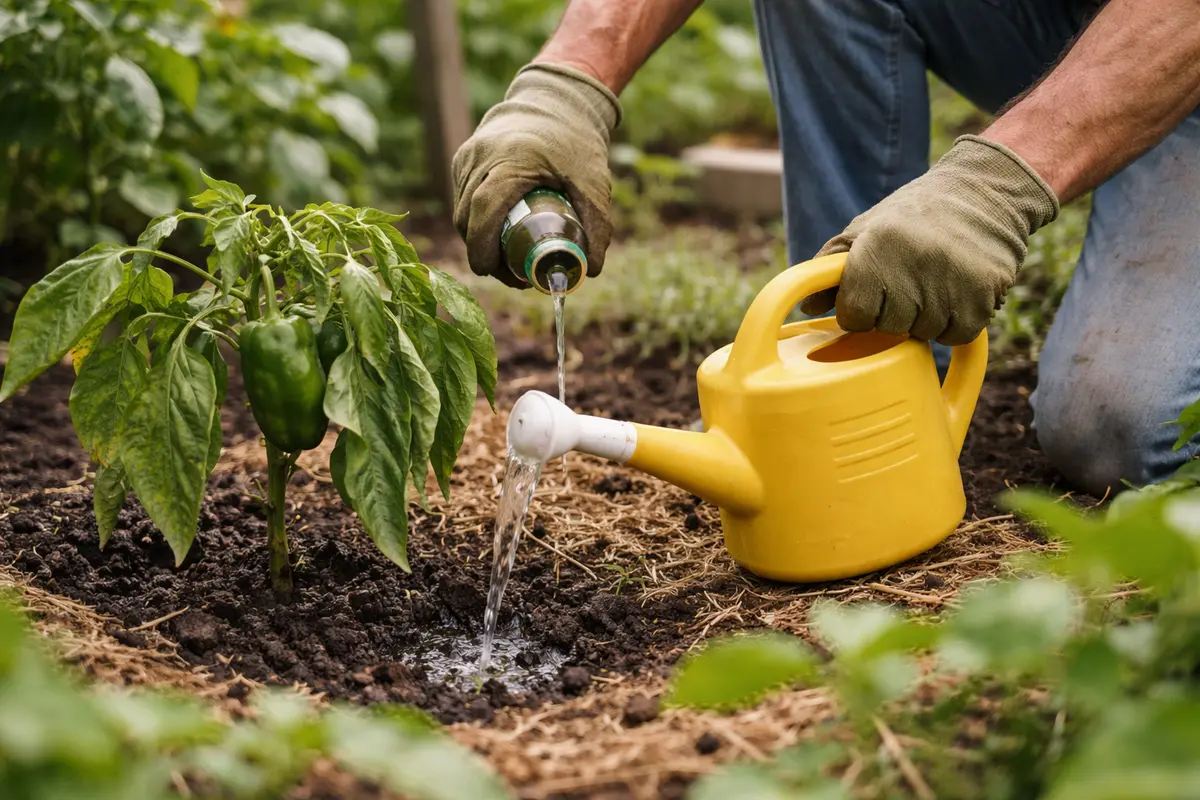
Start by watering your bell pepper plants thoroughly, ensuring the soil is moist but not soggy. In the next few days, look for signs of improvement, such as leaves regaining their turgor and returning to a vibrant green. To prevent future wilting, establish a consistent watering schedule, particularly during dry spells, and mulch around the base of the plants to retain moisture.
Recovery may take a week or more, with signs of revitalization like new leaf growth. If wilting recurs, it may be due to fluctuations in temperature or inconsistent watering practices. An observed contrast: plants that are consistently watered during heat typically perk up quickly, while those that experience irregular watering droop again almost immediately.
A common mistake during recovery is overwatering, which can lead to root rot. Adjust your watering based on soil moisture; if the top inch feels dry, it’s time to water again, but if it’s still moist, hold off. For severe wilting, delay reapplication of water until the soil dries out more to avoid compounding the issue.
Recovery typically occurs within one to two days after watering, as the plant starts to regain turgor pressure. If wilting recurs, inspect for underlying issues such as root rot from overwatering or prolonged drought stress caused by insufficient watering. If the leaves are still limp two days after you watered, then revisit your watering frequency to ensure they don’t face dry spells too often.
A frequent mistake is over-correcting by watering excessively after spotting wilting. If the soil remains overly saturated, roots can become oxygen-deprived, worsening the wilting issue. Adjust your approach based on how quickly the plant shows improvement; if the wilting persists despite changes, reassess environmental conditions like light and temperature, as extreme heat can exacerbate the problem.
Feeding your bell pepper plants is crucial after resolving watering issues, as drought stress can deplete nutrients. Providing the right balance of nutrients—especially potassium and phosphorus—encourages recovery by stimulating new growth and increasing flower production. Aim for a nitrogen-rich fertilizer initially to kickstart recovery; however, adjust to one higher in phosphorus and potassium as the fruiting stage approaches. Nutrient-rich soil will assist the plant in maintaining better hydration levels, which is critical to maximizing its recovery from wilting conditions. It’s important to notice that skipping the fertilization process post-watering correction will lead to slower recovery as the plants continue to stress from nutrient depletion. If you skip the feeding schedule entirely, you’ll likely notice slow or stagnant growth, which could lead to further wilting even after you’ve corrected water issues. This is often more pronounced in the later summer months when the plants have expended much of their energy.
A frequent oversight among gardeners is neglecting to maintain a consistent feeding schedule, especially after a water-related issue. Ideally, fertilizing should occur every 4-6 weeks, depending on the season’s nutrient demands. If you’ve failed to keep track and skip applications as new growth resumes, the plants may not recover effectively. During the peak of summer, before the plants bear fruit, they often require more frequent feeding as they expend energy developing new growth and supporting abundant fruit set. Keeping a detailed feeding log will help avoid over or under-fertilizing; detail nutrient types, application timings, and the observed plant responses. This practice not only supports plant vigor but also empowers you to identify patterns leading to optimal growth and productivity over time.
Step 4 – Check for Pests on Bell Pepper Leaves Weekly
Start by checking the soil moisture level immediately. Insert your finger about an inch deep; if the soil feels dry, water the plant deeply until moisture seeps from the drainage holes. It can be useful to monitor how quickly the moisture level returns to the initial states; the rate of absorption can indicate whether issues persist with drainage or moisture retention. Recheck the moisture level every few days, adjusting your watering frequency based on the weather and plant needs. This attention, coupled with pest monitoring, can help set the stage for a more robust recovery.
A fully recovered bell pepper plant displays vibrant, dark green leaves that are firm to the touch and show no signs of curling or discoloration. In contrast, early signs of wilting may present as a pale color along the edges and a slight drooping, creating a visibly less robust appearance than when thriving. If you’re still seeing limp leaves, particularly after addressing water and nutrient concerns, this is a signal to escalate your inspection for pests or diseases. Often, pests can inflict double trouble by exacerbating hydration issues; for instance, aphids or spider mites siphon off fluids, leading to an added strain on the plant.
If the wilting returns despite maintaining proper watering and care, inspect for pests like aphids or whiteflies on the underside of leaves, as they can cause similar symptoms. Alternatively, if the leaves turn yellow and remain droopy after correcting soil moisture, this can be a strong indicator of pest infiltration. This also guides a transition into nutrient adjustments, like applying a balanced fertilizer to restore vital nutrients before significant damage ensues. Remember that regular inspections can help curb infestations early; integrate this practice into your watering schedule so you’re more consistent.
A well-maintained plant will exhibit robust growth, a firm texture, and vibrant colors. In contrast, signs of trouble include yellowing or curling leaves, which may suggest that either pest infestations or recurring water stress are responsible for the decline. Effectively addressing these problems at the first sign is key to maintaining healthy plants. For instance, if you spot clusters of aphids or spider mites, immediate treatment is crucial because their rapid reproduction can sap your plant’s vitality within days. Organize your inspection schedules around when pests are most active; typically in late afternoon when temperatures are moderated. This also helps monitor moisture levels without undue stress on the plant.
If pests persist despite your treatment methods, escalate your response by applying insecticidal soap or neem oil, ensuring to follow the application guidelines carefully. Timing matters; perform these treatments during cooler parts of the day, either early in the morning or late in the evening, to minimize the risk of leaf burn from the sun. Continue to monitor the plants after treatment; if the pest population does not decline after one week, consider switching to a stronger pest control method or consulting a local agricultural extension office for further advice. Maintaining soil and plant health should remain a priority, addressing both environmental conditions and potential pest return by establishing a regular care schedule tailored to bell pepper growth.
FAQ
How long does it take for wilting bell pepper leaves to recover?
Typically, it takes about 3-7 days for wilting leaves to show improvement after adequate watering and fertilizing, depending on the temperature and overall soil conditions. Watch the leaves closely; if they start regaining firmness and vibrancy, you’re on the right track. However, if they remain limp or continue to yellow, further assessment and action will be needed. The specific weather conditions in your region, like humidity levels, can impact how quickly recovery takes place, so consider those variables when assessing progress.
Can wilted bell pepper leaves affect fruit production?
Yes, prolonged wilting can lead to reduced fruit set and premature drop. If the plants remain unhealthy, they may not possess enough resources to support fruit development, adversely impacting your yield if the problem isn’t addressed promptly. Insufficient moisture and stress can also lead to a phenomenon known as blossom drop, which is a common occurrence in stressed bell pepper plants. This may result in a decrease in the quality of the fruit produced, leading to smaller, less flavorful peppers produced by plants that have long experienced significant stress conditions. Maintaining plant health through observant practices is essential to preserve the potential yield.
Should I remove affected bell pepper leaves?
It’s advisable to prune away any severely damaged leaves that aren’t likely to recover, as they can sap energy from the plant and prevent it from redirecting resources toward new growth. By doing this, you help the plant focus its energy on healthier leaves and productive growth. Keep an eye on re-growth after trimming; if you don’t see signs of new shoots or leaves within a week, it is worth reevaluating your watering and feeding practices for potential adjustments. If the remaining leaves look limp or are beginning to yellow, they may also indicate further stress due to previous neglect or pest infestations, necessitating additional intervention. Consider maintaining a pruning log to track which leaves were removed, helping to keep your attention focused on recovery strategies that effectively promote healthy plant responses following any physical treatments.