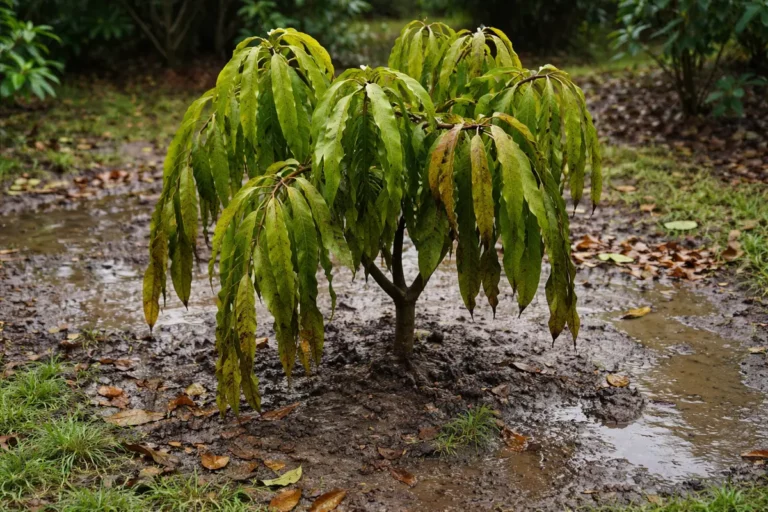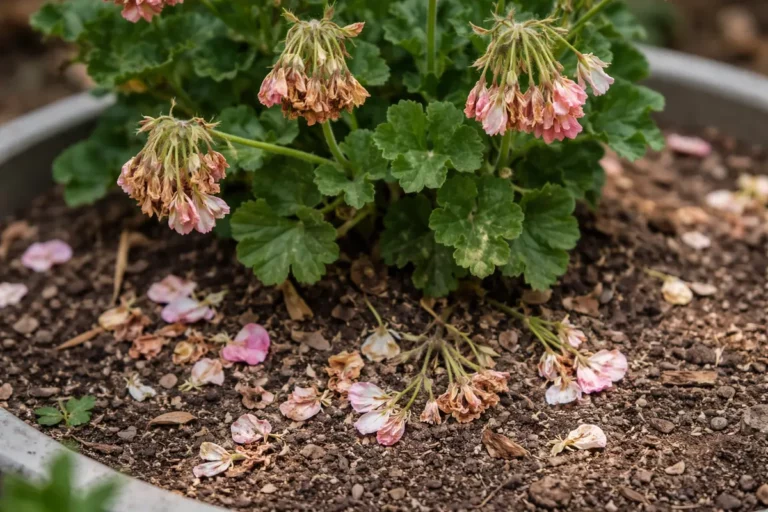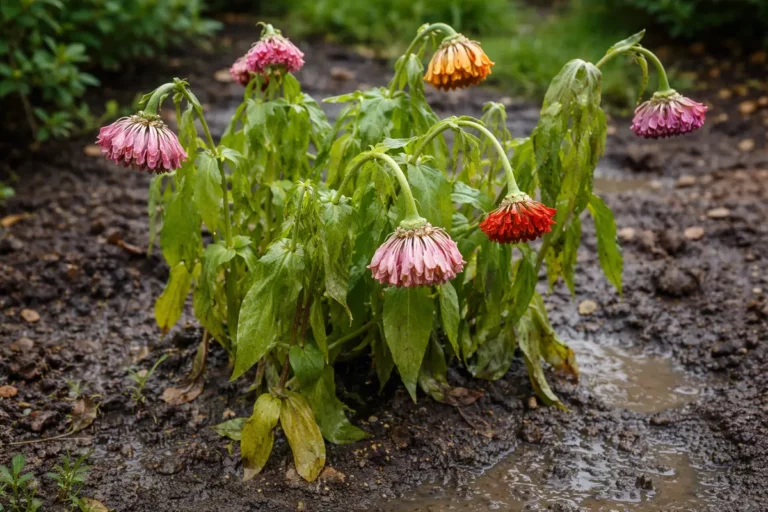
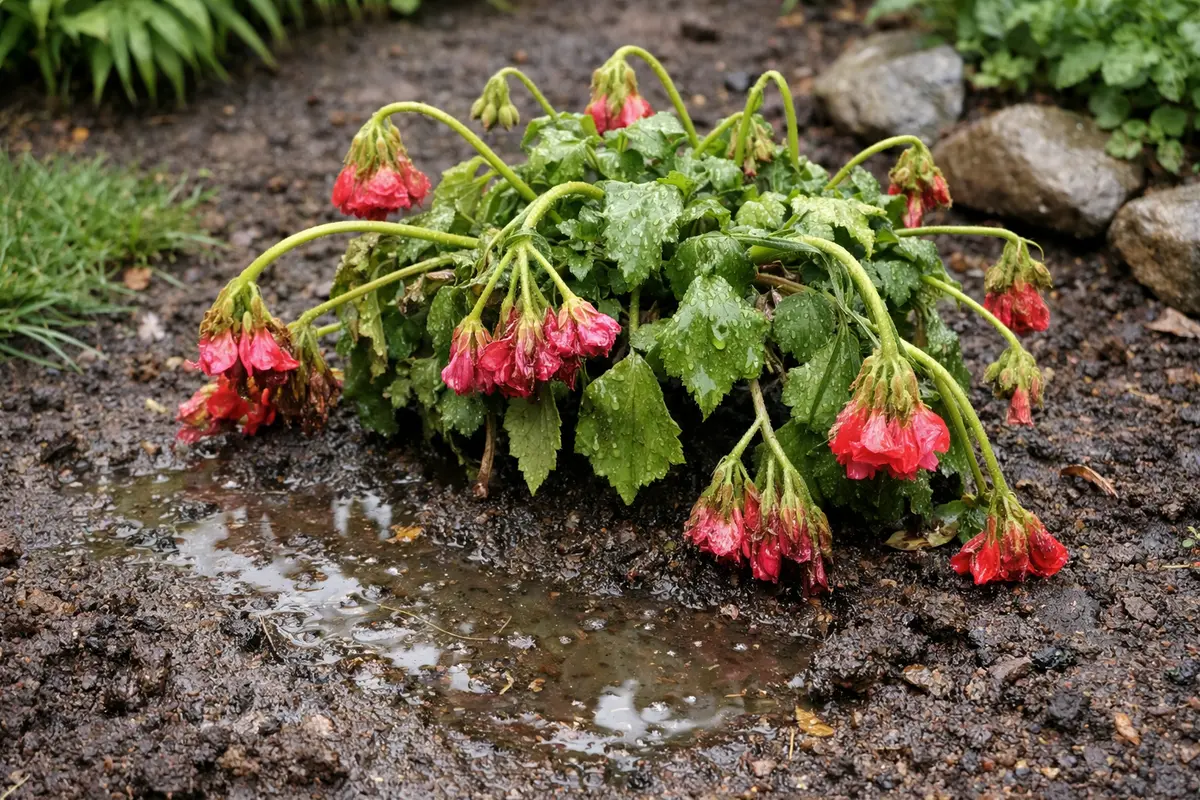
You may notice your geraniums sagging and limp after heavy rain, which is why you need to know why do my geraniums droop after heavy rain. This drooping occurs because the excess moisture can lead to root rot and drooping stems, compromising the plant’s ability to stand upright. If left unaddressed, this issue can worsen and weaken the plant, making it harder to fix, but you can improve the situation now by checking the soil and adjusting your watering routine.
Step 1 – Assess Geraniums for Waterlogging Damage
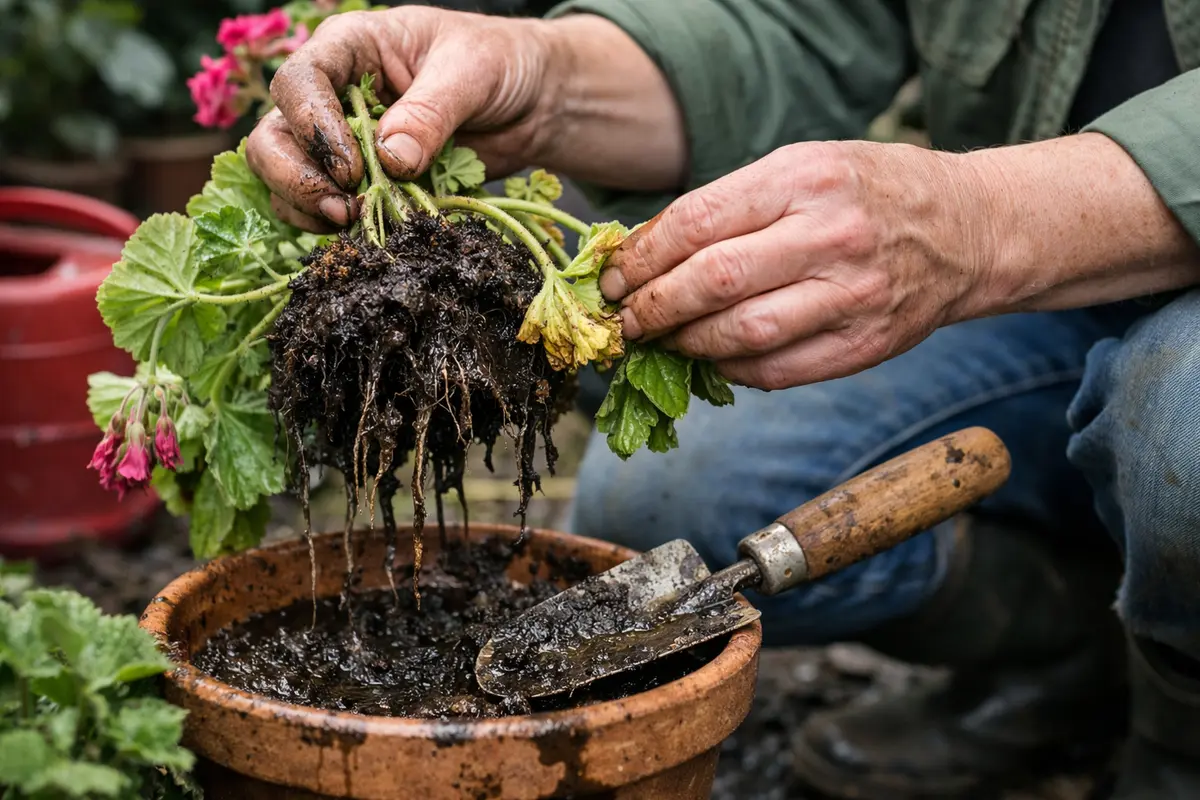
Inspect the soil around your geraniums for excessive moisture. You should see if the soil feels overly wet or muddy, indicating waterlogging that can suffocate the roots. To check, stick your finger about an inch into the soil. If it feels soggy to the touch, you are dealing with waterlogged conditions. If your finger emerges coated in mud, then the situation is more severe, and immediate action is necessary.
Acting quickly is essential because sitting water creates a hostile environment for plant roots, inhibiting oxygen absorption and initiating the onset of root rot. Geraniums thrive in well-draining soil, and if they remain in a waterlogged environment, their water uptake becomes compromised, leading to drooping leaves and soft stems. This often becomes evident within 24 to 48 hours after heavy rain, as this is when wilting usually develops, indicating that root suffocation is only a step away.
A common mistake gardeners make is waiting too long to check the soil after heavy rainfall, thinking that the rain benefits the plants. Instead, check the soil moisture immediately to assess the risk of water stress or damage from prolonged saturation. If soil remains soggy, consider using a trowel to dig around the plant’s base to see how deeply moisture penetrates, giving you a clearer picture of the saturation level. The goal here is to respond before any irreversible damage occurs. Take note of your area’s drainage capabilities; if your garden tends to collect water, this will be a recurring problem, necessitating regular monitoring after heavy rainfalls to prevent ongoing drooping. If you notice that plants frequently droop after rainfall, adjusting your planting strategy for better drainage may be necessary.
Step 2 – Check for Root Rot in Geraniums
Start by checking the drainage of your geraniums’ soil after heavy rain. If water collects and the soil is excessively wet, gently lift the plant from its pot and examine the roots for any signs of rot. You should see the drooping leaves perk up as the roots dry out and regain their strength.
When heavy rain saturates the soil, it can lead to waterlogged conditions that starve the roots of oxygen, causing them to become unhealthy, which in turn makes the leaves droop. In cases where the soil retains too much water, it results in root rot, a condition visibly different from healthy plants with firm, green leaves. If you find no root rot, check for other issues like nutrient deficiency, which could produce similar drooping symptoms.
If the soil smells sour upon examination, it’s likely that root rot is present. In this case, remove the affected geranium, trim any rotten roots, and repot it in fresh, well-draining soil. Alternatively, if the soil is muddy but not sour, adjust your watering schedule to allow for proper soil drainage during rainy periods.
Root rot occurs when the roots are constantly exposed to excess moisture, which leads to fungal growth. When roots rot, they lose their ability to transport water and nutrients, causing the entire plant to droop and eventually die if left unaddressed. If you see any signs of irrelevant growth like black spots or foul odors emanating from the soil, this is a clear signal of decay. Maintaining a sterile environment during management is vital; ensure your tools are clean to prevent introducing more pathogens that could stress the plant further.
If you notice any dark, mushy roots, it is crucial to trim them back to healthy tissue immediately. For geranium roots that have sustained significant damage, replanting in fresh, well-draining soil becomes vital. If the entire root ball feels saturated and smells sour, you should replace the potting mix entirely and replant to prevent further issues. Use a well-draining potting mix recommended for geraniums, ensuring it has a structure that promotes airflow around the roots. In more severe cases of root rot, consider applying a fungicide designed for use on flowering plants after replanting to ensure the root health improves and guards against future rot. You might also consider a gentle irrigation method like aeroponics temporarily if the damage is severe.
Step 3 – Revive Geraniums with Proper Drainage Setup
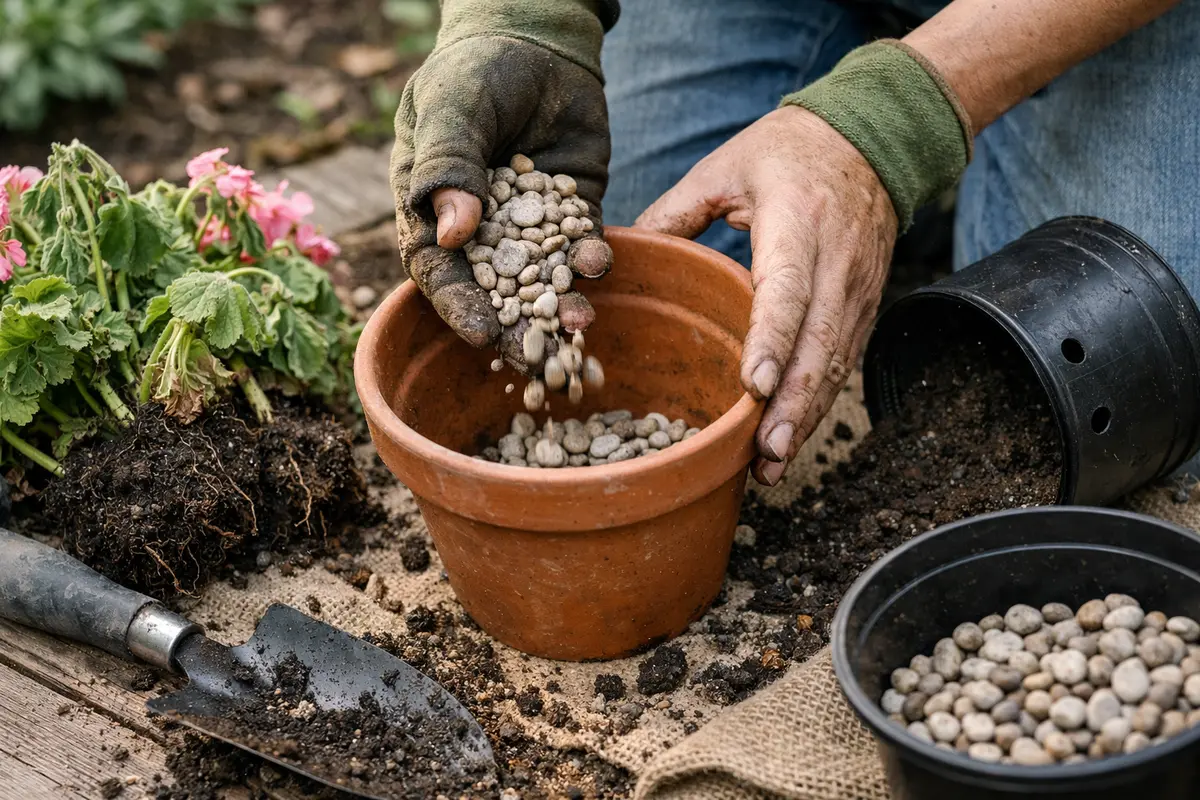
Start by gently lifting any droopy geraniums above the soggy soil to improve drainage and reduce root rot risk. In a few hours, you should notice the leaves beginning to perk up, indicating they are responding positively to the new conditions.
Natural recovery from heavy rain typically takes about a week, during which healthy regrowth will show new leaf development and a return to upright growth. Warmer temperatures and ample sunlight can accelerate recovery, while continued wet conditions or low light can slow it down significantly. If you see yellowing leaves alongside drooping, check for root rot, as that indicates a more serious issue.
Avoid overwatering your geraniums during this recovery phase, as excess water can further stress them. Instead of fertilizing immediately, wait until you see signs of new growth; nutrients are less effective if the plant is still stressed from rain damage. If conditions are still damp and you notice stunted growth, check the drainage and consider relocating the pots to a sunnier spot.
Improving drainage allows the soil to dry more quickly, facilitating oxygen access to the roots, which is critical for recovery. Healthy geraniums will begin to show signs of new leaf growth and regain their turgidity as their root systems stabilize and begin functioning effectively again. During this recovery phase, monitor foliage closely; if new shoots or leaves develop, it signifies a positive response to the improved conditions. Consider varying your watering frequency based on weather conditions and pot size; for instance, smaller pots dry out faster than larger ones, and adjustments in irrigation during recovery may be necessary.
During this recovery phase, avoid over-fertilizing, which can overwhelm the stressed plants. Stick to a very light feeding regimen until you see consistent new growth, ensuring that they are not pushed too hard before they have recovered adequately. Use diluted fertilizer recommended for geraniums at half strength for the best results. Watch the growth rate; if plants grow more robustly and exhibit a healthy green color, you can gradually increase feeding. Remember, top dressing with compost can introduce beneficial microbes and promote a healthy root zone without risking fertilizer burn. Keep an eye on the color of the new growth; vibrant green indicates good health, while yellowing might point toward excess nutrients.
Step 4 – Avoid Overwatering After Heavy Rainfall
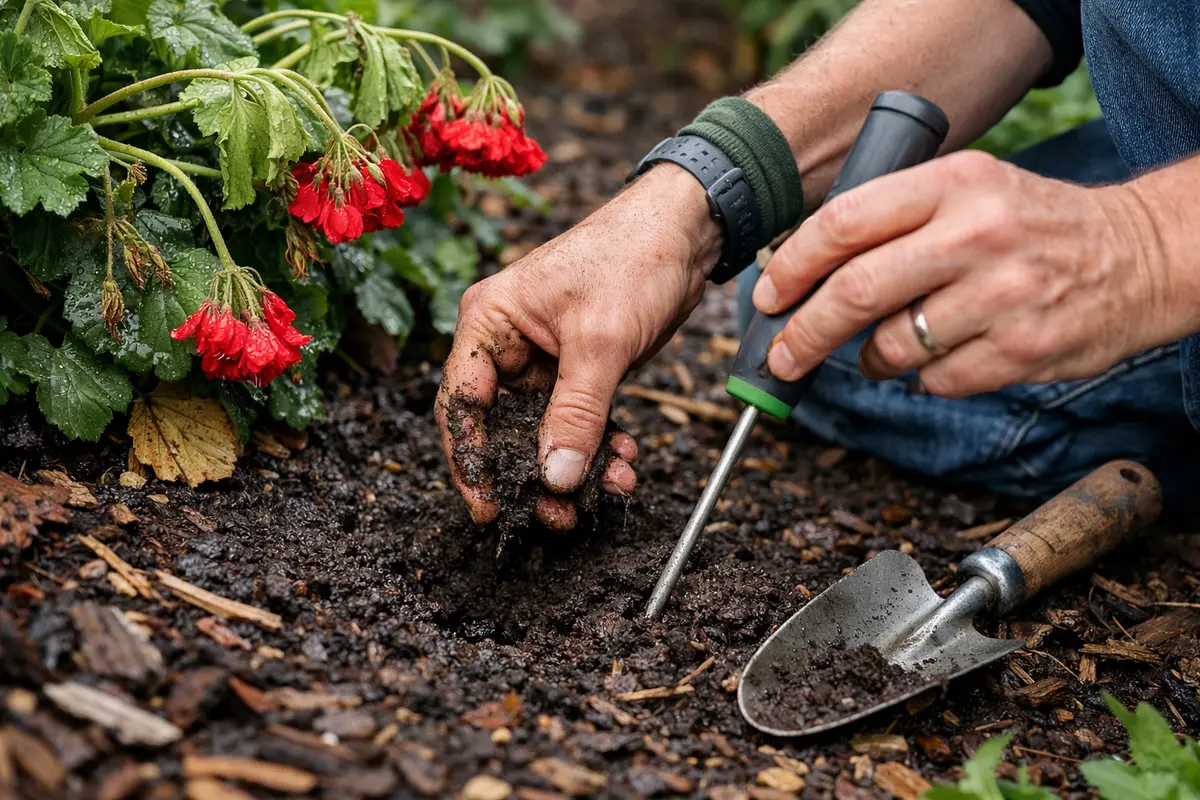
Start by ensuring proper drainage around your geranium plants by elevating them with pots or mounds to avoid water pooling. You should see a noticeable decrease in drooping after heavy rain as excess moisture will drain away more effectively.
Geraniums often droop when the soil becomes waterlogged after heavy rain, which limits oxygen availability to their roots. By improving drainage, you address this root cause, allowing better air circulation and preventing recurring drooping. In contrast, geraniums planted in compacted or clayey soil are likely to suffer more after rain, while those in sandy, well-draining soil will thrive.
Consider adding a layer of mulch around your geraniums to maintain moisture levels without over-saturating the soil, especially during the warmer months. Additionally, if heavy rains are predictable, you might want to create temporary barriers to redirect water flow away from sensitive areas. If you see signs of dryness after rain, check that your mulch layer has not eroded.
It is crucial to maintain this routine, especially during rainy seasons, as overwatering, combined with heavy moisture from rainfall, can lead to similar drooping issues again. Establishing a consistent watering practice will help your plants adapt to environmental changes without stressing them further. Evaluate the drainage efficiency of your containers regularly; if the soil retains water for extended periods, changing your watering habits will be necessary, such as reducing the frequency or volume until you see improvement. During this time, if the topsoil appears dried yet the lower soil stays moist, you may need to increase your pot size for better drainage and airflow.
As seasons change, especially when temperatures drop, humidity around your plants may rise, compounding the risk of overwatering. Monitor weather patterns and make necessary adjustments to your care routine, such as checking moisture levels daily after rain, to prevent recurrence. If rain is frequent in your area, consider placing containers on risers for better drainage or using specialized pots that promote evaporation. This proactive approach will help maintain optimal soil moisture levels. If you do not see improvement or if drooping persists, consider moving your geraniums to a sunny spot where excess evaporation can occur more rapidly.
Step 5 – Inspect Geranium Leaves for Further Drooping
Start by checking the soil moisture levels around your geraniums immediately after heavy rain. Use your finger to dig into the top inch of soil; if it feels soggy, avoid watering until it dries out. Monitor them daily for signs of improvement, and recheck the soil moisture in two to three days as the weather stabilizes.
A fully recovered geranium will exhibit vibrant green leaves that stand upright, showcasing firmness and resilience. In contrast, early signs of the problem returning include leaves that appear limp or slightly yellowed, indicating potential overwatering or root rot issues. If the leaves feel mushy rather than firm, that’s a clear indication that drainage needs to be addressed.
If drooping persists despite following these steps, consider adjusting your watering schedule and ensure proper drainage by amending the soil with perlite or sand. If drooping continues after adjusting practices, escalate the issue by inspecting for root disease, and potentially repotting the plant in fresh soil to improve conditions.
A fully recovered geranium will have upright, vibrant leaves with a healthy texture. In contrast, early signs of the problem returning include limpness, discolored leaves, or yellowing of foliage, which are clear indicators that your plants may be experiencing stress again. Note that the reappearance of drooping may signal either root health issues or systemic moisture problems that need to be reassessed. If significant stress appears, it may be necessary to double-check soil moisture and evaluate if other plants nearby are also affected.
If drooping returns despite following the guidelines, consider revisiting the watering frequency or checking for lingering root rot symptoms. Keep an eye on environmental factors such as sunlight exposure and humidity levels that could be affecting your geraniums. Inconsistent light can be a factor; if they were under intense direct light before the rain, check for symptoms of overexposure following heavy saturated conditions. Adjust placement accordingly, providing dappled sunlight to relax them back into a healthier state. If you notice a pattern in your geraniums’ response to temperature fluctuations or light exposure, make proactive adjustments while ensuring they have consistent support and nutrition.
FAQ
How long does it take for my geraniums to recover from drooping?
Recovery can take anywhere from a few days to a couple of weeks, depending on the severity of the waterlogging. Regularly checking for improvement is key, and you can expect to see returned firmness in the leaves and signs of new growth as they stabilize. Keep in mind that environmental factors, including temperature, humidity, and exposure to sunlight, can significantly influence recovery time; warmer temperatures promote faster healing, while cooler, damp conditions may prolong recovery.
Can drooping lead to wider issues within my garden?
Yes, if geraniums are affected by drooping due to waterlogging, it can potentially spread to other nearby plants. Prompt action is critical to prevent root rot from affecting neighboring plants, especially if they share soil or drainage pathways. A thorough inspection of all nearby plants should be in order should drooping persist, as it may indicate a larger watering issue across all the plants. Take preventative measures if any neighboring plants show early signs of wilting, as they might exhibit stress from similar soil conditions.
Should I remove affected leaves from my geraniums?
Yes, it is best to remove any severely affected or yellowing leaves. This helps the plant redirect energy towards recovery and new growth while trimming off unhealthy foliage can prevent the spread of potential disease from decaying plant material. In addition, the removal of dead leaves encourages air circulation around the plant, reducing the chances of fungal issues emerging in damp conditions. Pay attention to how the plant responds; healthier leaves will generally become more prominent as old, unhealthy ones are pruned away, facilitating better nutrient distribution.