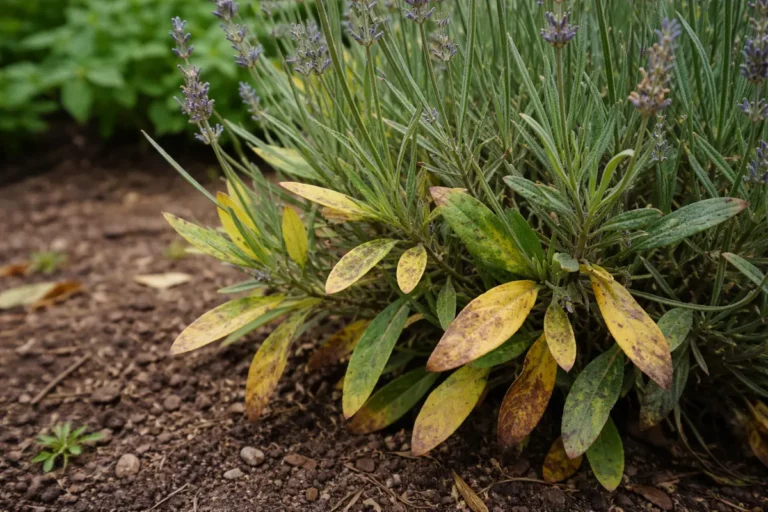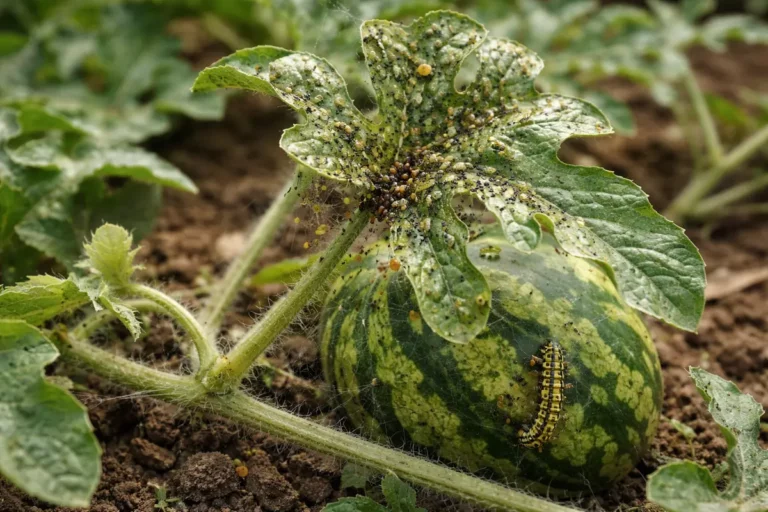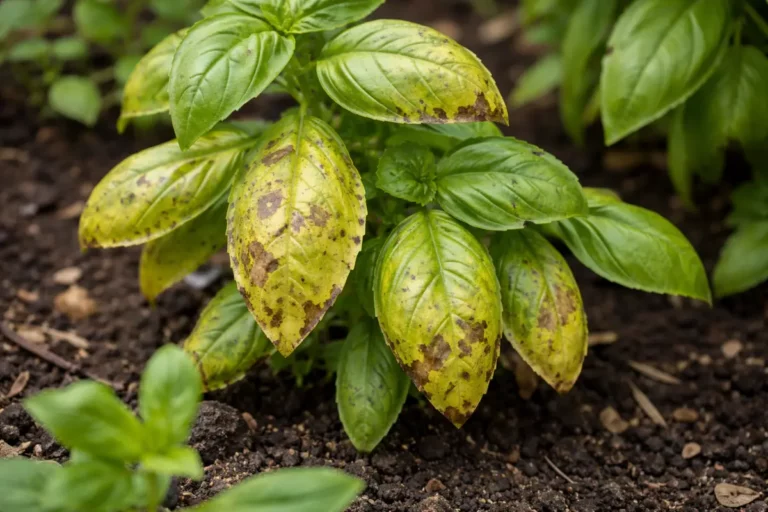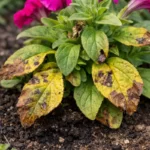
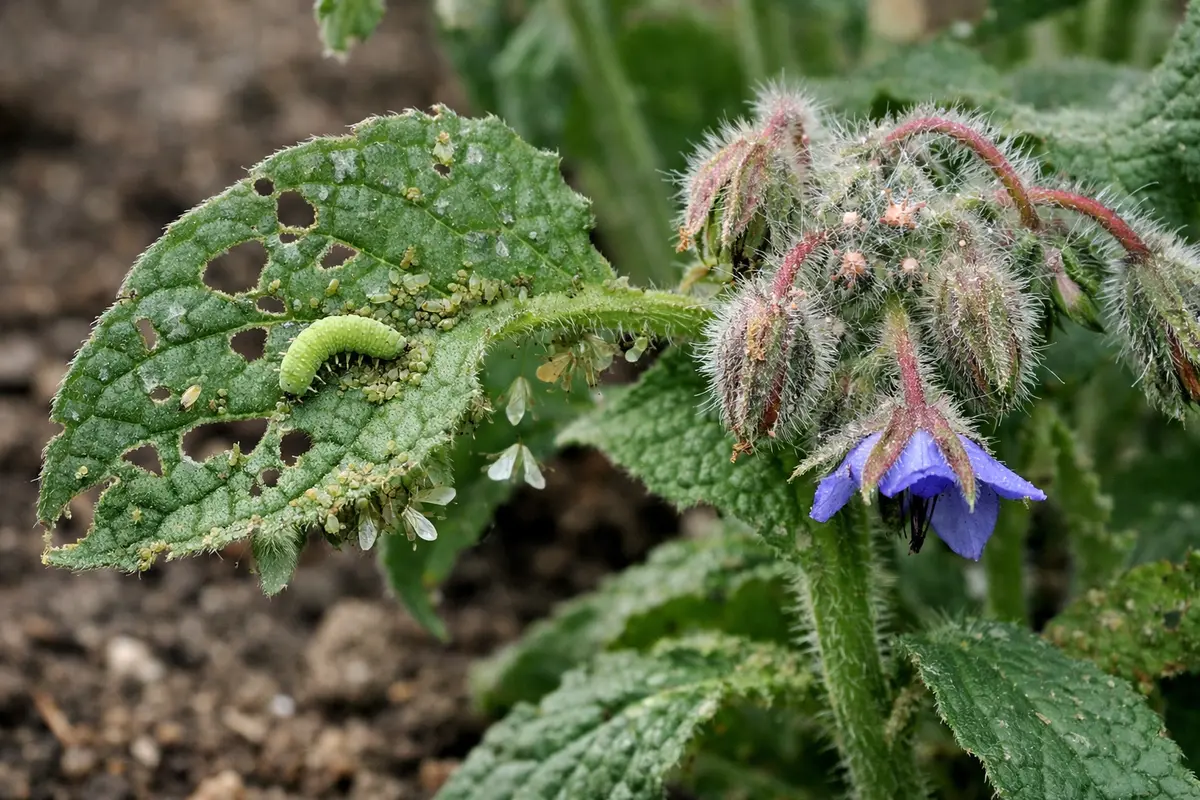
You may notice unwelcome visitors on your borage plants when the summer heat sets in, which is why you need to know how to control pests on borage plants during summer. These pests can cause unsightly spots and yellowing leaves, indicating damage to your beloved herbs. If ignored, the issue gets worse and can spread rapidly, ultimately weakening the plant and stalling growth, but it’s possible to fix it now by inspecting and removing affected areas.
Step 1 – Spray Soapy Water on Borage Leaves
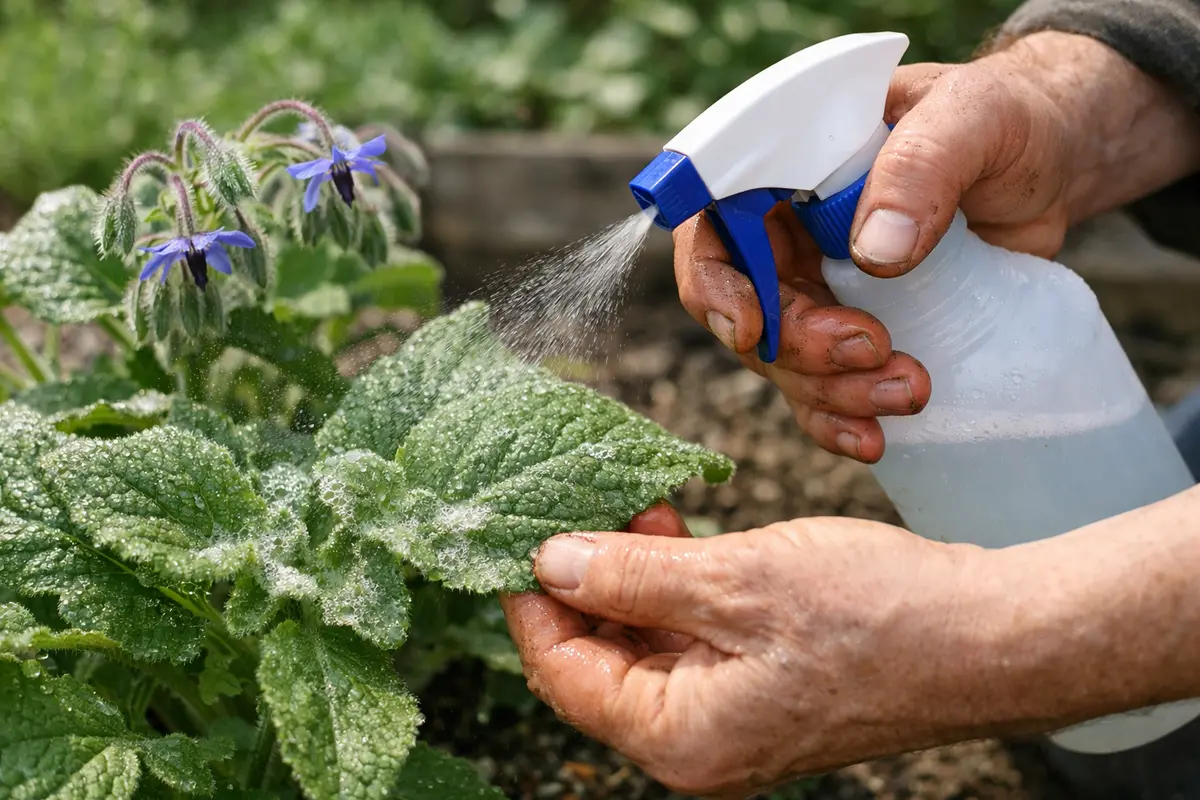
Start by spraying soapy water directly on the affected borage leaves. You will notice the sticky residue on the leaves begin to dissipate within a few hours, signaling the removal of pests. Aim for a solution that contains one tablespoon of liquid dish soap mixed with a quart of water for best results, ensuring that the soap is well-dissolved to create an effective solution.
This immediate action works primarily because the soap disrupts the outer membrane of soft-bodied insects, causing dehydration and death. When applied promptly, this treatment prevents the infestation from spreading further, giving your borage plants a chance to recover from the damage already done. Soapy water is particularly effective against aphids that thrive in warm, humid weather, which is common during the summer months. For maximum effectiveness, apply the solution in the early morning or late afternoon to avoid leaf scorch from direct sunlight. Observing conditions, such as humidity and temperature, can help you time applications to when pests are most active.
Through experience, many gardeners often underestimate this method, opting for harsher chemical treatments. A common mistake is not applying enough soap solution; ensure the leaves are thoroughly coated. If you’re not diligent about spraying right away, those pests can multiply quickly, turning a small problem into a much larger one within days. If you observe rapid reinfestation, it may indicate that the soap concentration was insufficient or rinsed off too soon, requiring a reapplication after a few days. Be aware that if the soap solution is too diluted, it won’t effectively disrupt the pests’ membranes, so it’s crucial to stick to the recommended proportions. Monitoring closely after treatment can yield insights into whether the method has successfully eliminated pests or if adjustments need to be made.
Step 2 – Investigate Snail Trails on Borage Plants
Start by inspecting the leaves and stems of your borage plants for any signs of damage or the presence of pests such as aphids or spider mites. Remove these pests manually or wash them off with a strong stream of water, and you should see an improvement in the plant’s appearance within a few days as it begins to recover from the stress caused by these infestations. Increased resilience in the leaves often means the plant is bouncing back, which is critical for its health.
The underlying issue is that pests like aphids feed on the sap of borage plants, which weakens the plant and creates an environment where diseases can thrive. This sap removal leads to stunted growth and can cause leaves to curl or yellow while healthy plants with no pest damage display vibrant green foliage and robust growth. If you notice discoloration or wilting, confirm that it’s not due to overwatering or nutrient deficiency; unhealthy plants can often mask pest issues.
If your borage plants have sticky residue on the leaves, move to treat for honeydew, a byproduct of aphid feeding. Apply a soap solution to eliminate any remaining pests and prevent further infestations. Conversely, if you observe a fuzzy white coating, check for powdery mildew, which requires different treatments involving improved airflow and fungicides. Identifying these trails is critical; snails generally feed at night when the humidity is high, leading to significant damage if left unchecked. They can consume entire leaves, resulting in ragged edges that expose the plant to other pest problems.
If you find trails but no visible snails, check for damp conditions that might be inviting them. Increasing airflow around the plants and reducing excess moisture can help deter snail activity, especially if you’ve recently had rain or overwatered. It’s helpful to add barriers like copper tape around the base of your borage; the metal can deter snails as they are sensitive to it. Another common oversight is assuming snails only come from nearby gardens; always check your own watering habits as a potential cause. Observing the garden at night with a flashlight can also reveal hidden snail activity that might otherwise go unnoticed. If you observe any live snails during these inspections, hand-picking them can immediately reduce the population on your plant.
Step 3 – Feed Borage with Organic Fertilizer After Infestation
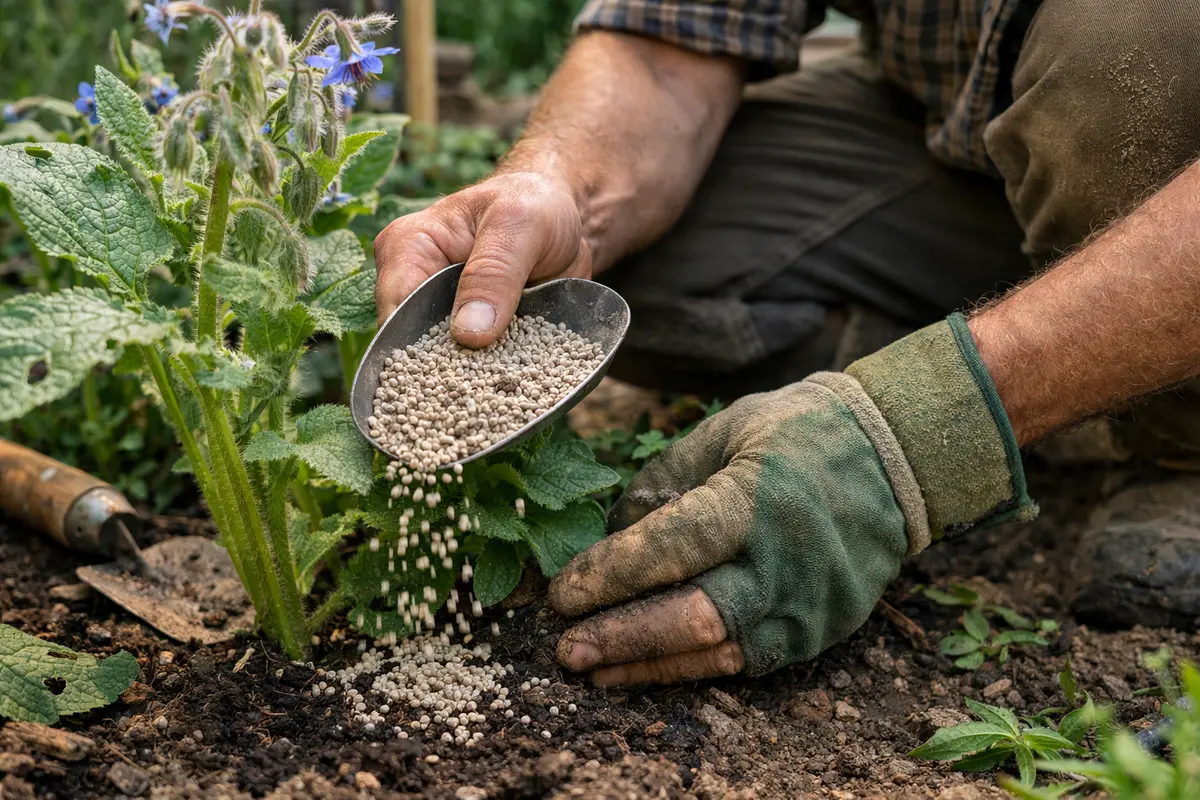
Apply a balanced organic fertilizer to your borage plants to support their recovery after a pest infestation. Within a week, you should notice an increase in new growth and more vibrant green leaves, indicating the plant is bouncing back. A typical recommendation is to use an all-purpose organic fertilizer, applying according to its specific dosage instructions—generally one to two tablespoons per plant, mixed into the top inch of soil for optimal nutrient uptake.
This recovery action is essential because pests like aphids can sap the plant of vital nutrients, leaving it weak and stunted. By feeding the borage with additional nutrients, you help restore its energy and enhance its natural defenses against future infestations. Always look for signs of growth, like new leaves or thicker stems, as indicators that the fertilizer is effectively promoting recovery. Mixing the fertilizer into the soil helps ensure that nourishment reaches the roots more efficiently, leading to stronger plant health.
Be cautious not to over-fertilize in an attempt to accelerate recovery. Too much fertilizer can often burn the roots, leading to worse growth problems and making your plants susceptible to further pest attacks. This shift in balance can jeopardize the plant’s recovery, diminishing the benefits you are aiming for. Monitor the plant closely for signs of stress after applying fertilizer; yellowing leaves may indicate a nutrient overload, while a good watering regime can alleviate initial root shock. Consider waiting two weeks before reapplying fertilizer to gauge the plant’s response fully; if yellowing persists, it may be necessary to reduce the fertilizer amount or switch to a lower concentration for subsequent feedings.
Step 4 – Mulch Around Borage to Discourage Pests
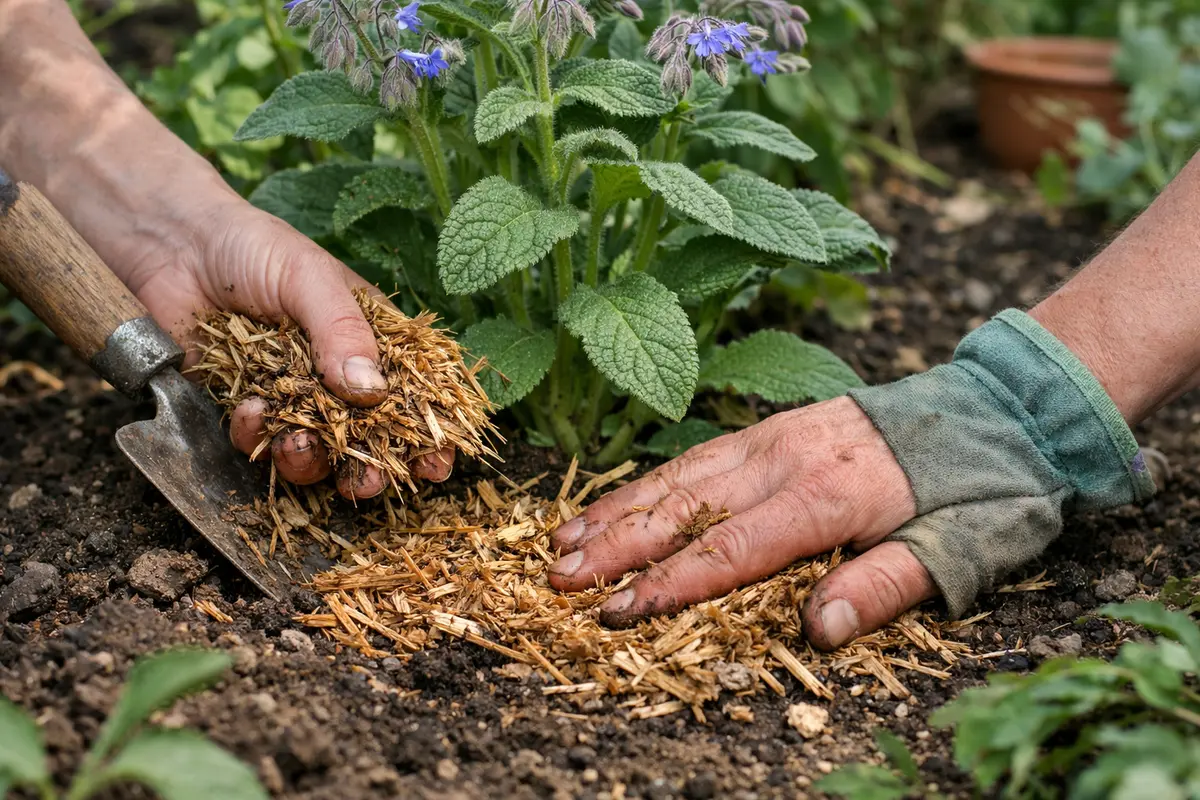
Start by regularly applying a diluted solution of neem oil to your borage plants every two weeks. This routine will create a protective barrier that deters pests and helps maintain the plant’s growth momentum. Applications should be thorough, ensuring that all leaf surfaces are covered for maximum effectiveness.
High temperatures and dry conditions during summer encourage the proliferation of common pests like aphids and spider mites on borage plants. By adhering to a consistent application of neem oil, you are directly addressing the root causes of pest attraction, as this oil disrupts their feeding and reproduction cycles. If you notice heavy aphid infestation despite treatment, check for any gaps in your spraying schedule or improper application techniques. Increasing the frequency of applications to once a week during particularly hot weather can help bolster the plant’s defenses against pest influx.
Mulching plays a significant role in maintaining an optimal growing environment for your borage plants. The layer of mulch can insulate the soil and prevent it from becoming too warm and moist, which deters pests that thrive in humid conditions. This barrier also protects against weeds, which can compete for nutrients and space, making resources more available to your recovering borage. It’s important to choose the right type of mulch; organic mulches like straw provide moisture retention and an additional cooling effect.
It’s also worth noting that mulch can attract beneficial insects, such as predatory beetles, which may help control pest populations naturally. However, seasonal changes require diligence; as summer progresses and temperatures rise, your mulch may need replenishing to remain effective. If you’re in a humid area, check the mulch every few weeks to ensure it remains effective. An excessive layer can trap moisture and encourage fungus, including root rot, so be mindful of when to thin it out. If you detect any pest activity while inspecting the mulch, consider replacing it entirely to disrupt any pest life cycles that might be taking hold within. This simple act can significantly reduce your borage plants’ vulnerability during the most active pest seasons.
Step 5 – Check Borage Flowers for Pest Activity Weekly
Inspect the flowers of your borage plants weekly for any signs of pest activity. You should look for visible signs like sticky residue or damaged petals to catch any recurring issues early. An optimum approach is to check the undersides of flowers and leaves, as many pests prefer those hidden areas for feeding and reproduction. Observing changes in flower morphology, such as wilting or discoloration, can provide immediate signals to undertake remedial actions.
Regularly monitoring the flowers allows you to catch new infestations before they become severe. Healthy borage flowers should be vibrant and intact; if you observe wilting or missing flower parts, this may indicate a pest problem. Early detection is key to preventing pests from overwhelming your plants or requiring harsher measures to eliminate them later. Incorporating a routine check after rain events can be especially effective, as excess moisture often prompts pest activity.
Should you re-encounter pest signs, it could mean that your previous intervention wasn’t sufficient. Don’t hesitate to return to Step 1 and reapply the soapy water treatment as needed, ensuring you adhere to a consistent fresh application protocol. If infestation persists, it might be prudent to explore different pest control measures or consult a professional for targeted pest control measures. Establishing a pest log can also significantly aid in monitoring pest re-emergence, serving as a record of treatments applied and their effectiveness over time.
FAQ
How long does it take for borage to recover from a pest infestation?
Recovery time for borage plants can vary, but typically, you can expect to see signs of improvement within a week after performing necessary treatments. With ongoing proper care and monitoring, full recovery may be noted in two to four weeks, depending on the severity of the infestation and how responsive your plants are to treatments. Paying attention to environmental conditions can help you gauge recovery times more accurately.
Will pests come back after applying soapy water?
While soapy water can effectively eliminate many pests, it doesn’t provide long-term protection. Periodic reapplications will be necessary, and regular monitoring, alongside additional preventive actions like mulching, is essential to ensure pests don’t return. Ideally, integrating various pest management practices will offer the most resilient protection over time; diversifying your approach can keep plants healthier.
Should I remove affected leaves from borage plants?
Yes, if leaves are heavily infested or damaged, it’s best to prune them to improve overall plant health. This action allows the plant to redirect energy into healthy growth and helps reduce the overall pest population. Always ensure that pruning tools are sterilized to prevent any further introduction of pests or diseases into your garden; this small practice can make a significant difference in plant recovery.