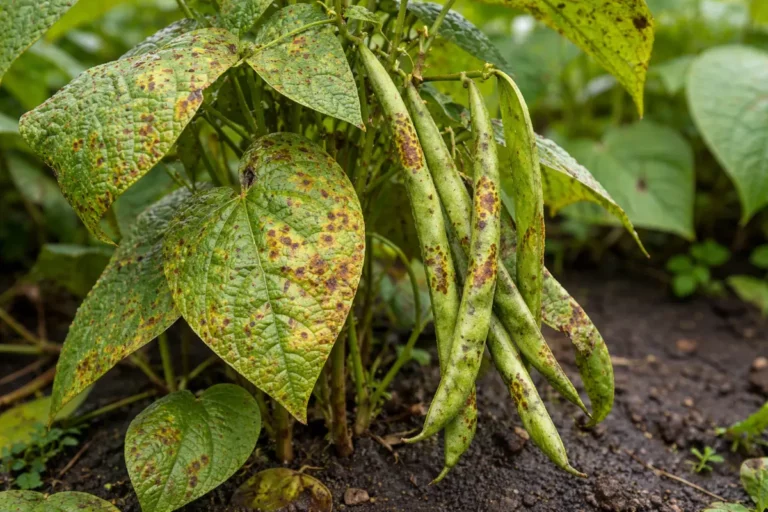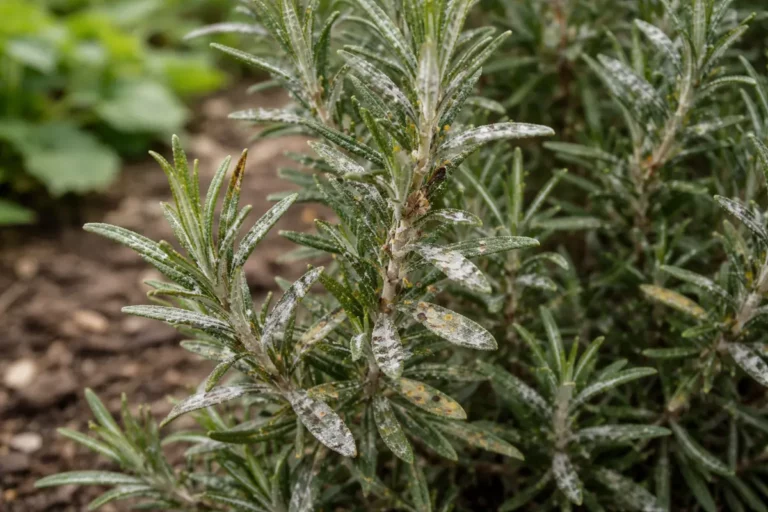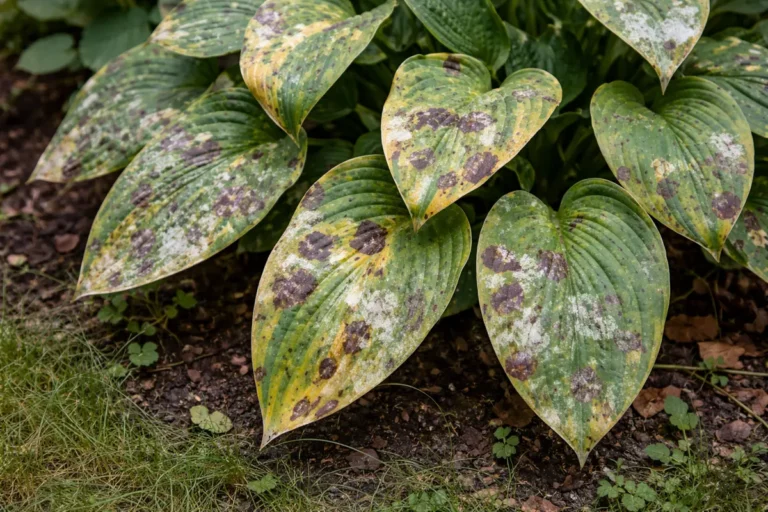
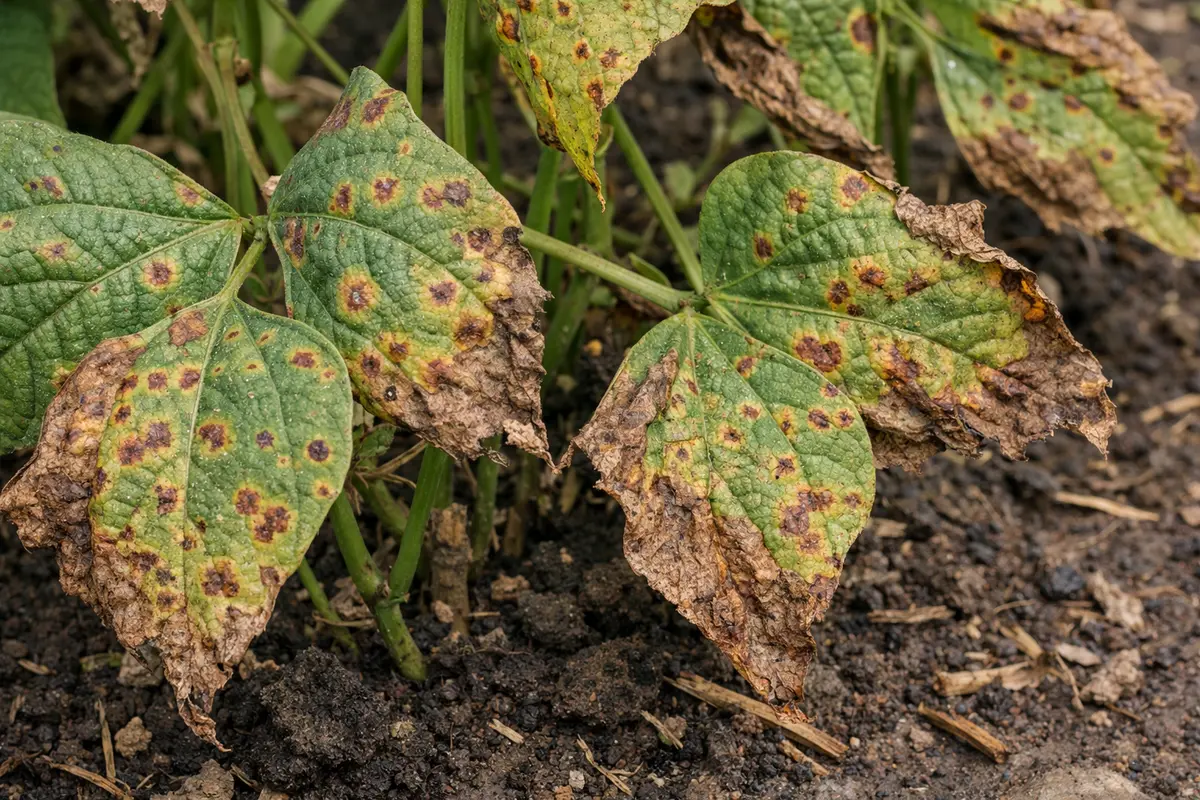
You may notice unsightly orange-red spots on your bean plants after heavy rainfall, which is why you need to know how to stop rust on beans after heavy rainfall. This rust disease occurs when moisture levels are high, causing the leaves to weaken and suffer damage that can lead to premature leaf drop. If left untreated, the spread of rust will worsen, leading to more damage and stalling growth, but fixing it is possible now if you inspect your plants and reduce humidity around them.
Step 1 – Treat Rusty Beans with Copper Fungicide
First, remove any affected leaves from your bean plants immediately. Use clean, sharp scissors or garden shears to cut away the leaves that show signs of rust. After this action, the removal of these infected parts should make your plants look less cluttered, allowing for better air circulation and light penetration, which are crucial in combating further rust development.
Acting quickly helps to limit the spread of rust spores among your bean plants. If you delay this process, the spores can proliferate, leading to widespread infection that compromises plant growth. In a healthy plant, you’ll observe green, robust leaves, while an infected one turns yellow and shows orange or brown pustules—this contrast in appearance signals the severity of the rust issue.
A gardener who promptly prunes rust-infected areas may notice stronger resilience in their plants compared to someone who waits too long, leading to an entire crop’s decline. A common mistake is assuming that a bit of rust on a few leaves won’t cause harm, but this can quickly escalate if left unchecked—if you see rust on multiple leaves, check for signs of more extensive infection to avoid further damage.
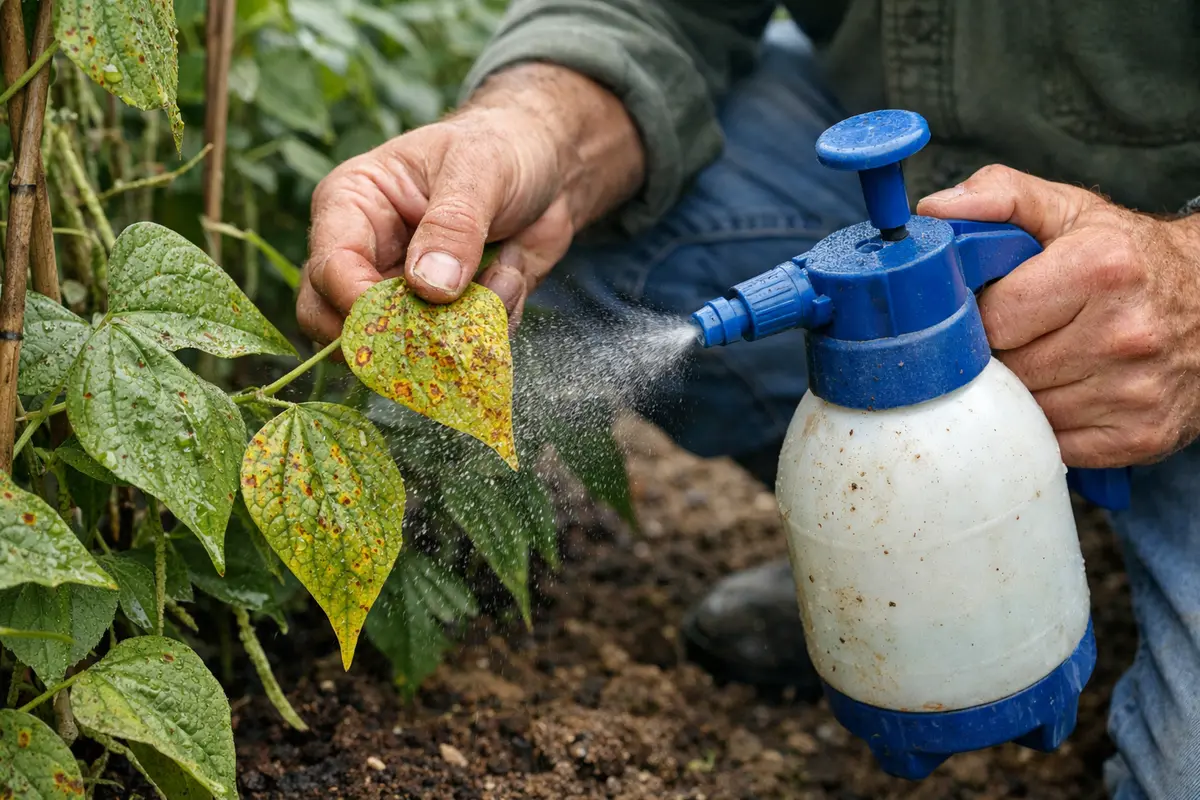
Copper fungicides work by disrupting the cellular processes of fungi, preventing further spread of rust spores. The key to their effectiveness is timely application; this is critical when humidity levels are high after rainfall, as this is when rust infections often proliferate. Beans are particularly vulnerable during this time, as they can quickly suffer from defoliation if the rust is not addressed immediately. A noticeable drop in leaf vibrancy and an increase in leaf shedding are indicative of severe infections, and failing to act promptly can result in extensive damage to your crop.
A common mistake gardeners make at this stage is to delay treatment while hoping the problem will resolve itself. If action is postponed, the fungus can proliferate aggressively, leading to major leaf drop and reduced yields. Ensure you apply the fungicide thoroughly, as neglected areas often become re-infested. If you observe that certain sections of your plants are still suffering after treatment, reapply the fungicide to those areas again within a week to reinforce the protection. Additionally, make sure to clean your application tools afterward to prevent spreading the infection elsewhere.
Step 2 – Analyze Drainage Issues in Bean Bed
Examine the drainage in your bean garden. If you observe pooling water around the plants or overly moist soil, this is a sign your beans may be sitting in waterlogged conditions, which not only promotes fungal growth but can also suffocate the roots. Improved drainage will help prevent future outbreaks. Consider using a soil moisture meter to gauge how saturated your soil truly is and determine the best course of action to rectify any drainage problems.
Rust thrives in saturated soil conditions, depriving roots of oxygen and weakening the plant’s defenses against diseases. Proper drainage allows for a balanced moisture environment, which is crucial for bean plants, particularly after heavy rains. The presence of pooling water, muddy, unsettled soil, or even tinged colors in the soil can be signs that immediate intervention is necessary. A sour smell indicating anaerobic conditions further confirms the need for action.
If your soil feels compact and remains soggy for prolonged periods, consider amending it with organic matter such as compost or well-rotted manure to enhance drainage and aeration. In contrast, if the soil is sandy and dries out too quickly, adding mulch around the base of the plants can help retain essential moisture for the beans while preventing excess runoff during rainfall. These steps will balance your watering practices and mitigate rust development, especially after heavy rains. Furthermore, building raised beds can significantly improve drainage, enhance root health, and allow for better water management overall. If you find that water continues to pool, it may be necessary to install drainage tiles or ditches to redirect excess water away from your plants. Warm nights with lingering dampness can encourage rust on peonies after rainy spells.
Step 3 – Nourish Beans with Organic Fertilizer
Start by removing any affected leaves and improving air circulation around the bean plants. Apply a natural fungicide to limit further spread of rust, and watch for new leaves emerging that show no signs of disease, indicating the plant is healing.
The recovery timeline typically spans 1 to 3 weeks, depending on environmental conditions. Well-drained, sunny locations can speed up progress, leading to robust, green new growth, while excessive moisture might slow it down, causing more rust spots. If rust persists despite treatment, check for underlying issues like poor drainage.
Avoid overcompensating with excess fertilizer during recovery, as this can lead to nutrient burn and stress on the plants. If the foliage appears dark green but still shows rust, check for root rot instead of adding more nutrients or moisture, which may worsen the situation.
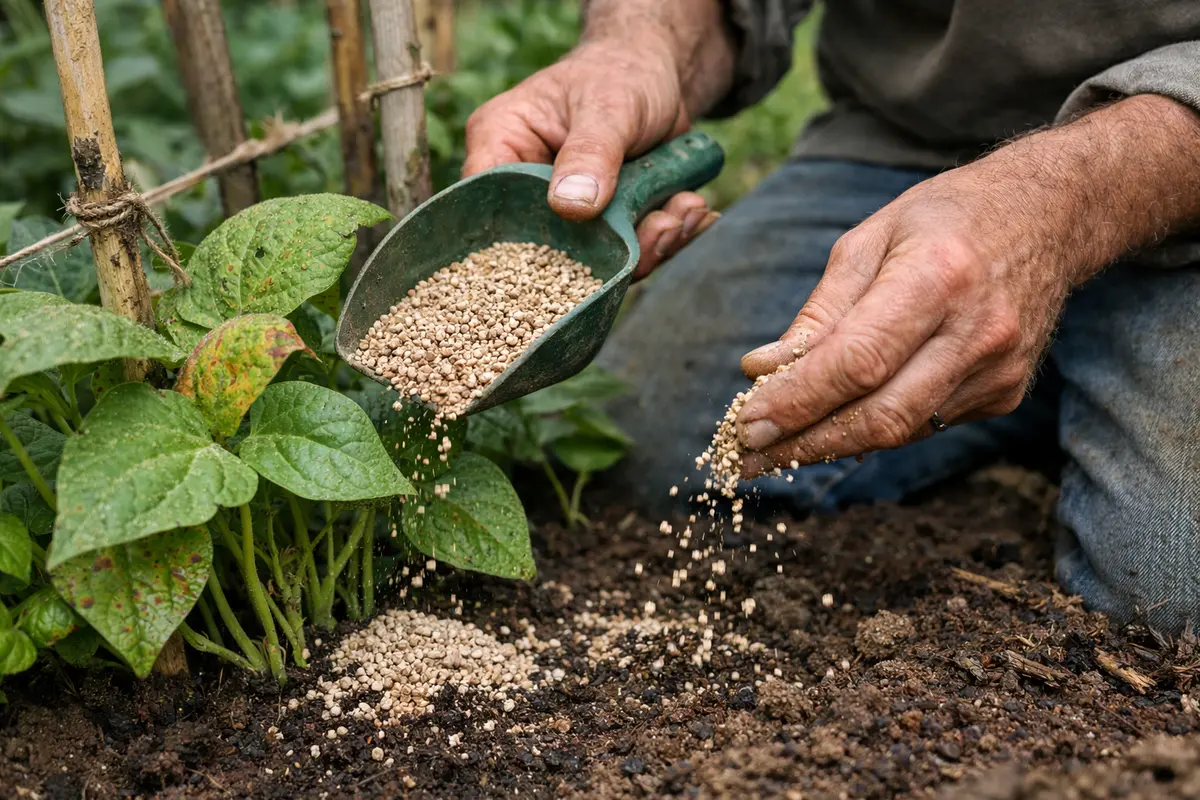
Beans benefit greatly from the additional nutrients provided by organic fertilizers, as they promote lush foliage that can outcompete the rust for resources. Good nutrition boosts plant health, enabling them to resist diseases like rust more effectively. Healthy beans will display signs of vitality—broader and brighter green leaves, erect stems, and potentially faster growth rates—indicating recovery has begun, while a slight increase in bushiness may also be observed, showing that the plants are thriving.
A mistake to avoid during this recovery phase is over-fertilizing, which can lead to nutrient burn and further stress the plants. Always follow the recommended rates on the fertilizer package. If you observe dark, scorched leaf tips after fertilization, this indicates nutrient overload, requiring you to flush the soil with 1-2 gallons of water to dilute the excess. Keeping a careful eye on color changes or unusual leaf textures can help you catch these issues before they escalate. If you begin to see leaf curling alongside discolored edges, reassess your fertilizer application and consider reducing the amount used in the future.
Step 4 – Water Beans Early to Prevent Rust
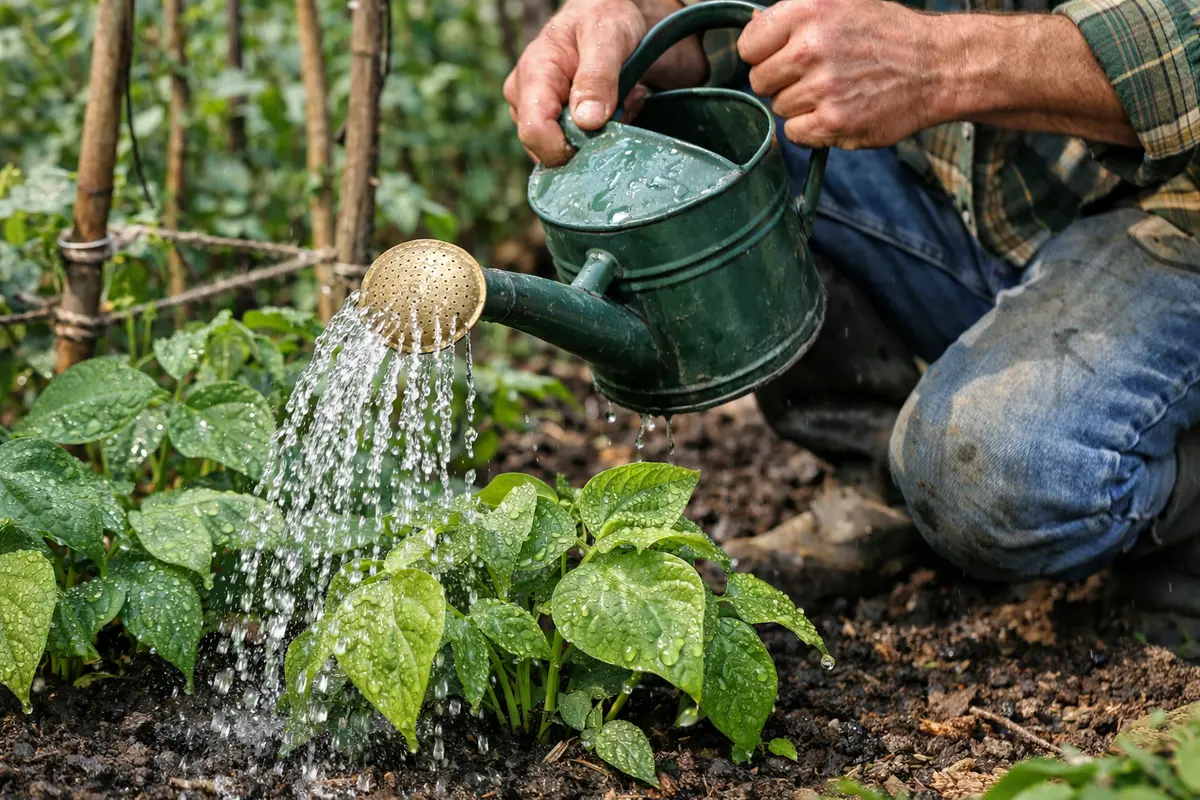
Start by applying a layer of organic mulch, such as straw or wood chips, around the base of your bean plants. This practice will reduce soil moisture retention, leading to decreased humidity levels that favor the development of rust.
Environmental conditions like excessive rainfall and high humidity create a perfect storm for rust to flourish on beans. By implementing mulch, you create a barrier that stabilizes moisture levels; without it, beans exposed to wet soil are more vulnerable to rust pathogens that thrive in damp environments. If you notice rust forming despite the mulch, check for any bare patches that may require additional coverage.
In regions prone to heavy rainfall, consider increasing your mulch application ahead of stormy seasons. A second layer ensures stronger moisture control and can be complemented with a breathable fabric cover during particularly wet spells to further shield against water accumulation.
Maintaining dry leaves is essential since rust spores germinate in high moisture conditions. By adopting a consistent morning watering routine, you limit the chances of rust reappearing in your garden. This method effectively addresses the root cause of the problem, ensuring that future outbreaks remain minimal, particularly after rainfall. Moisture management is critical during high humidity periods, where the spores thrive and spread rapidly, leading to potentially severe infections.
In areas where rainy seasons are anticipated, establish raised beds or use drip irrigation methods to reduce excess moisture at the soil surface near the plant base. This not only protects the foliage from prolonged dampness but also helps control the amount of water reaching the roots. Adjusting your watering schedule based on seasonal changes will be crucial to managing rust long-term effectively. If you start seeing signs of wilting from underwatering, possibly indicated by droopy leaves or stem sagging, it’s a signal to check the soil moisture balance. You may need to increase watering frequency for those affected plants to ensure they do not suffer from irrigation stress.
Step 5 – Inspect Leaves for Rust Symptoms Weekly
Check your beans for visible signs of rust each week, focusing on the undersides of leaves and new growth. Look for any indications of rust re-emerging, such as orange or reddish spots or changes in leaf texture. Keeping records of these observations will help you identify patterns and react accordingly to prevent severe outbreaks. A routine inspection should include looking not just for rust but any other signs of distress, such as wilting, discoloration, or pest activity.
A fully recovered bean plant exhibits healthy, clean leaves without dark or rust-colored spots, demonstrating that your treatment methods have been effective. Conversely, early warning signs may include slight discoloration or spots returning, indicating that the prevention measures need reinforcement. Identifying these symptoms early ensures you can act quickly before the issue escalates into a more serious infection, potentially saving your crop. Note any significant changes in plant height or overall sturdiness as they can also reflect the effectiveness of your intervention.
If you notice the rust returning despite active maintenance and preventative measures, consider reapplying fungicide immediately, targeting both new growth and established foliage to assure full protective coverage. If patterns of rust persist or spread beyond immediate control, it may be essential to reassess your cultural practices, such as watering and positioning. If the situation appears severe, consult a professional who specializes in agricultural pathogens for specific advice tailored to your unique conditions. Documenting the pattern of outbreaks can help you adjust your strategy seasonally or as conditions change. Periodic consulting with local agricultural extensions can provide insights into common regional challenges and innovative solutions for effective management strategies.
FAQ
How long does it take for beans to recover from rust?
Recovery from rust can take anywhere from one to three weeks, depending on the severity of the infection and the actions taken. Regular treatment with fungicides, combined with proper care and conditions, will significantly improve recovery times, resulting in healthier plants and better yields. Patience is key, and diligently monitoring plant progress during this period will contribute to successful outcomes.
Can rust on beans spread to other plants?
Yes, rust fungi can spread to other plants, particularly bean varieties and closely spaced crops. It’s crucial to isolate infected plants immediately and maintain good air circulation around all plants to minimize this risk. If you spot rust in multiple areas, ensure that you use different tools for each plant to avoid cross-contamination and further spread of the spores. Keeping a standard practice of thorough disinfecting garden tools will also help manage this risk effectively.
Should I remove infected leaves from my bean plants?
Yes, promptly remove severely infected leaves to prevent rust from spreading further through your plants. Always dispose of them carefully—never compost them to eliminate the possibility of infecting future crops. Consider using shears or pruners that have been disinfected with alcohol to prevent transferring spores to healthier plants, and make regular checks for any other leaves that may start displaying similar symptoms. If you suspect multiple areas are affected, you’ll want to adopt a more comprehensive treatment approach.