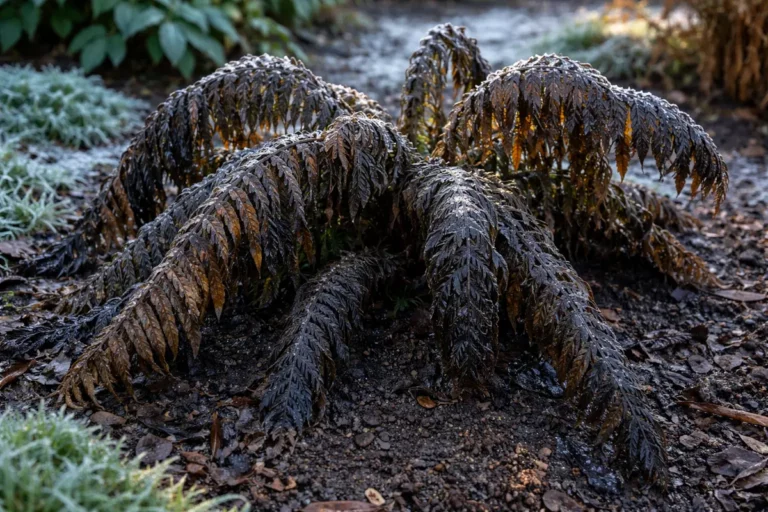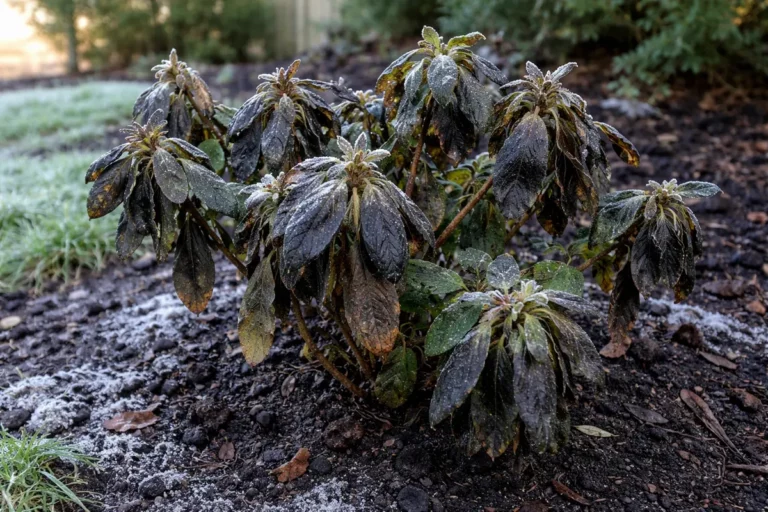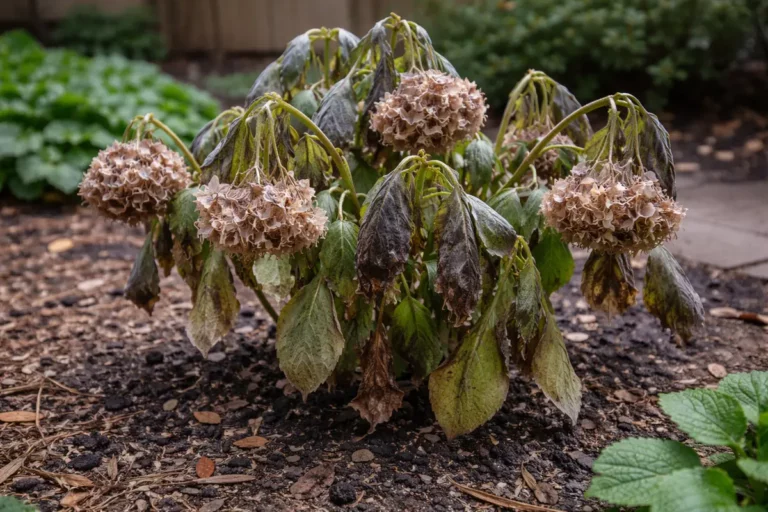
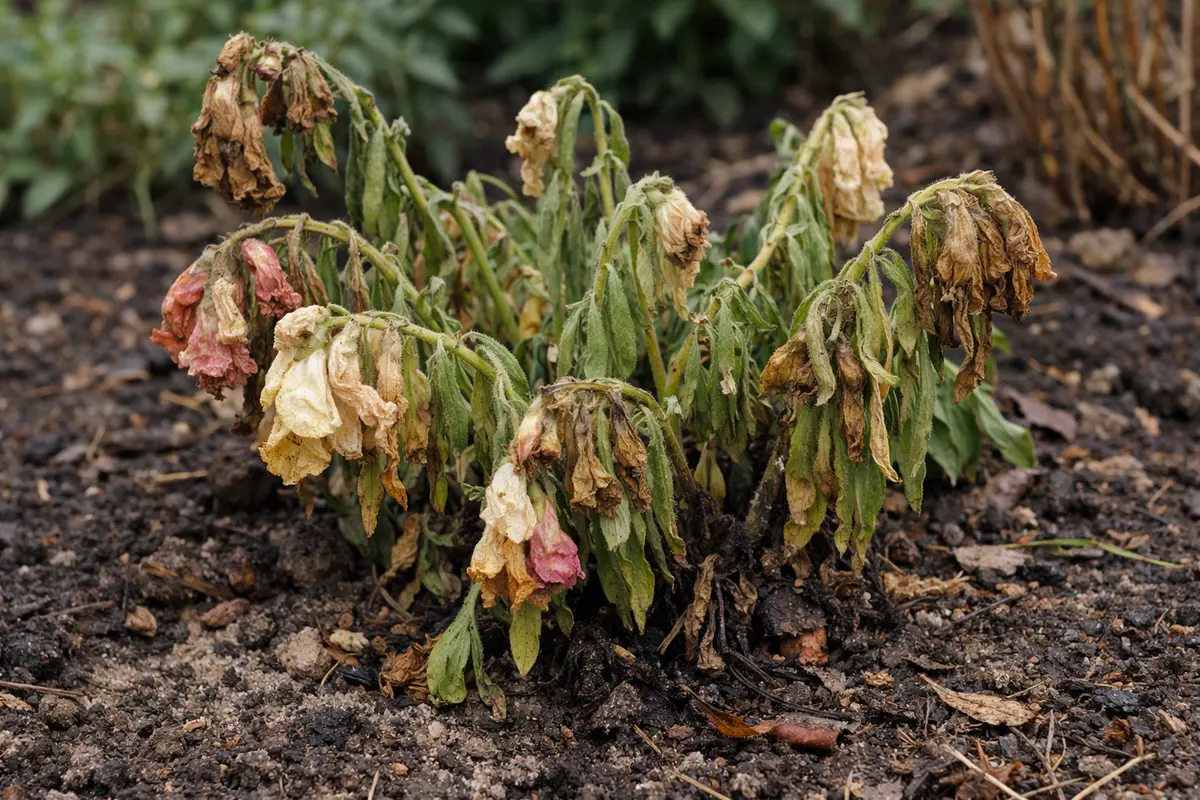
You may notice your snapdragons looking droopy and pale after an unexpected frost, which is why you need to know how to fix wilting snapdragons after frost. This wilting occurs because the sudden cold can damage the plant’s cells, leading to mushy stems and leaves that struggle to recover. Ignoring this issue can lead to worse conditions for your snapdragons, making it harder to fix and ultimately stalling their growth, but it’s possible to improve their situation now by trimming back the affected areas and giving them a good drink of water. If the problem isn’t addressed promptly, the risk of long-term damage increases significantly.
Step 1 – Trim Wilting Snapdragons Right Away
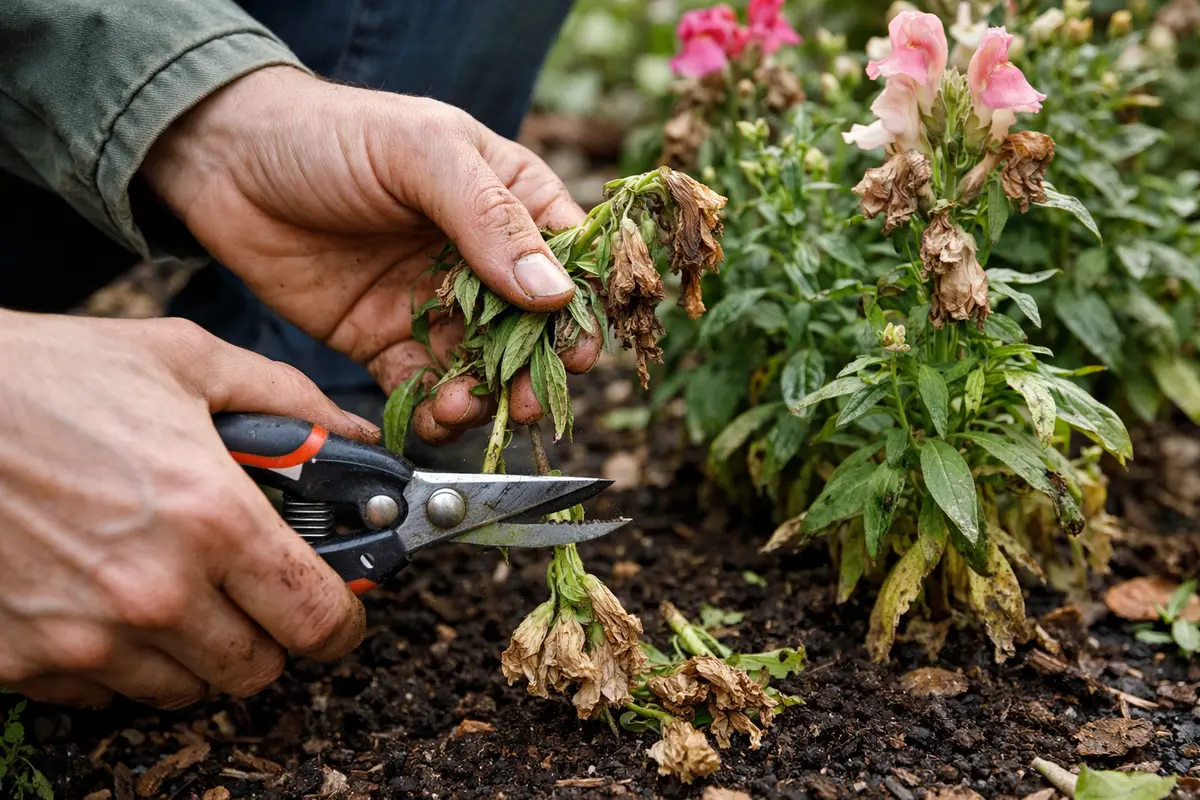
Start by cutting away any wilted or damaged leaves from the snapdragons using sterilized shears. The remaining foliage should look cleaner, exposing healthier green areas that stand a better chance of recovery. This immediate action is crucial because the snapdragon’s cells can deteriorate rapidly after frost exposure, leading to irreversible damage if neglected. If you observe blackened or mushy tissue, this signals that you’ve waited too long; however, if the leaves are just droopy but still green, prompt action can still save the plant. If you notice a few stems that are salvageable yet sagging, prioritize those for trimming to stimulate new growth.
A common misconception is that wilting is solely caused by moisture deficiency. For example, neglecting to prune severely damaged foliage in earlier seasons can lead to extensive rot and hinder blooming. If immediate action is taken at this stage, it can be the decisive factor between full recovery or prolonged issues during the growing season. Noticing yellowing around the edges of leaves is an indicator that failure to prune may lead to fungal issues developing in moist conditions.
This quick response is vital because snapdragons are particularly vulnerable to frost damage, and untreated wilting can lead to cellular collapse, further limiting the plant’s ability to absorb water and nutrients. If wilting worsens, the plant will suffer from dehydration and may ultimately die. If you’re noticing blackening in leaves, closely inspect the root condition; if the leaves are merely limp, focus on adjusting watering practices. If the limpness persists after watering adjustments, it may indicate that the damage has become extensive and further action is required.
For instance, a gardener who promptly pruned their snapdragons post-frost observed significant improvement within days. In contrast, another who postponed this action watched their plants succumb to rot. It’s common for gardeners to overlook the necessity of trimming all affected areas; however, failing to do so can halt the recovery process. If uncertain about what to prune, check for any signs of rot—if none are found, aim to maintain optimal moisture levels instead. Proper sanitation and disposal of cuttings are essential; too often, rotting parts forgotten among healthy vegetation can lead to a resurgence of disease.
This step is crucial, as trimming away unhealthy tissue prevents the onset of diseases and rot that can take hold. Damaged leaves cannot effectively photosynthesize, weakening the entire plant’s health and vitality. By removing these parts immediately, you’re redirecting the plant’s energy towards recovery, supporting healthier growth in what remains. Always use sharp pruning shears to prevent crushing stems, which can lead to further complications; if your shears don’t feel sharp, either sharpen them or switch to a different pair for cleaner cuts. Note that using dull tools can inadvertently injure the plant further, making it more susceptible to pests and diseases.
Some gardeners hesitate to prune, thinking the snapdragons will naturally recover. However, wilting leaves can obstruct sunlight and attract pests. If you encounter mushy stems or darkened foliage, those sections are unlikely to bounce back. The crucial part is deciding how much to prune; if you identify areas that feel soft or look brown after frost exposure, trim them immediately to facilitate recovery and prevent issues like powdery mildew and rot. Regularly inspect neighboring plants for any signs of decay, as this helps mitigate the risk of spreading adverse conditions across your garden. Always dispose of the cuttings properly to avoid fostering diseases that could harm healthy plants, especially as lingering frost damage can make adjacent flora vulnerable too.
Step 2 – Diagnose Frost Damage on Snapdragons
Inspect the snapdragons closely for frost damage on leaves and stems. You should see brown or black tips and slightly mushy stems, indicating cellular death due to freezing temperatures. This happens because intracellular water expands and ruptures plant cells, particularly when temperatures fall below 32°F (0°C). Snapdragons are more vulnerable when newly planted or after being encouraged to grow; thus, specific checking during cold spells is essential. Pay attention to how many stems show symptoms of damage—if the wilted foliage covers a significant portion of the plant, more severe steps may be warranted.
To correct the issue, cut back the affected stems to healthy tissue, which will enhance recovery. Trim any brown, mushy, or severely damaged leaves, ensuring that only healthy green parts remain. Visual confirmation of new growth is a good sign that recovery is underway; look for fresh green shoots and leaves as a positive indicator. If sections show no signs of improvement after a week, consider reassessing your care routine. If root rot is suspected from discoloration in both leaves and stems, it’s essential to review your overall plant care for potential overwatering issues.
If your snapdragons exhibit yellowing leaves alongside wilting, check the soil condition. Wilting combined with overly wet soil may indicate root rot from excessive moisture, necessitating immediate action to prevent further damage. Refrain from watering until the soil dries adequately, and ensure water drains correctly; if water pools around the plant, consider amending the soil with perlite or sand. Additionally, inspect the roots; if you notice black or mushy areas, remove those parts to promote healthier growth. Understanding soil moisture levels is crucial; use your finger to feel the soil’s top inch—if it feels damp, hold off on watering. Proper drainage systems dramatically influence plant recovery; ensure that water drains away easily to foster healthy root systems. A damaged root system can take weeks to recover, delaying new leaf production and overall health.
Moreover, a gardener who closely monitored their snapdragons diagnosed the problem efficiently, realizing that adjusting the watering schedule and amending the soil made substantial positive changes. The contrasting situation of another gardener who neglected soil adjustments often resulted in wilting and stunted growth, complicating their snapdragon rehabilitation process further. By being proactive in checks for root health, you can mitigate extensive damage, ensuring that snapdragons rebound amid unpredictable weather patterns.
Step 3 – Replenish Nutrients for Snapdragons Recovery
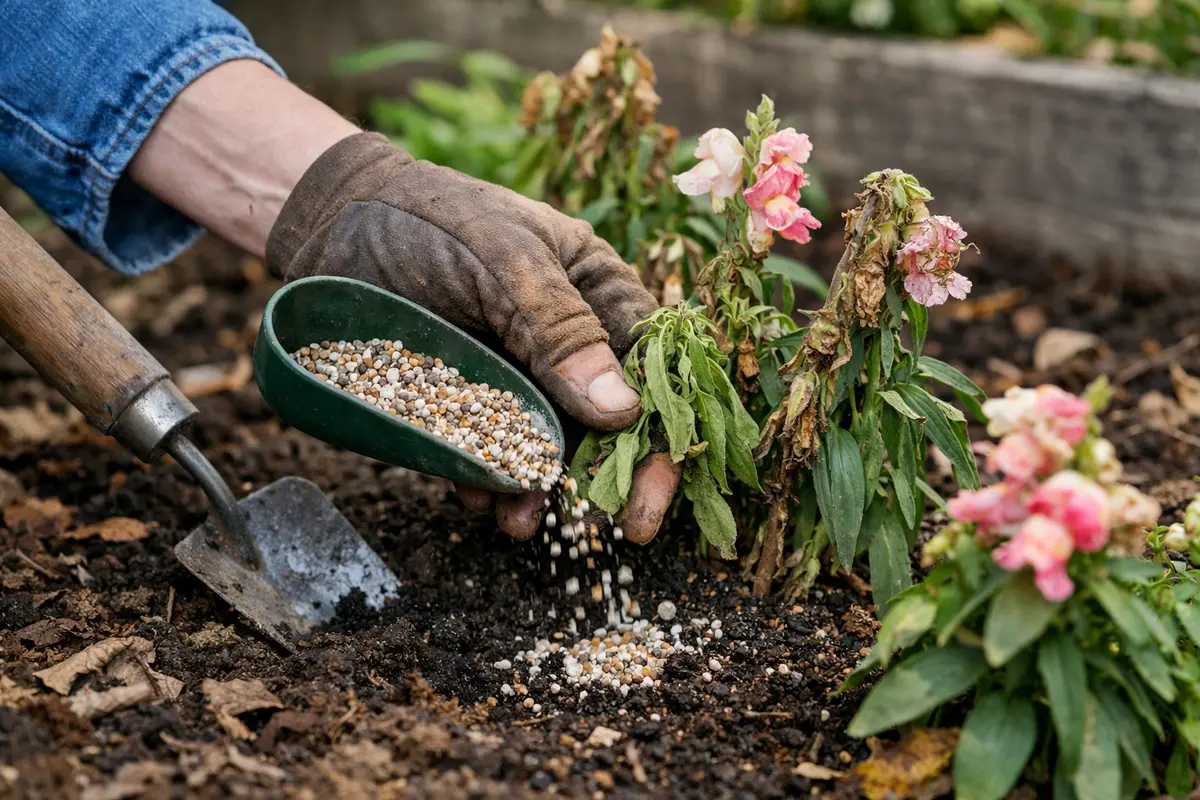
Start by applying a balanced fertilizer designed for flowering plants to encourage recovery. You should see new growth emerging within 4 to 7 days, indicating the snapdragons are starting to regain their health and vigor. Use a liquid fertilizer for a quick nutrient boost, but avoid over-fertilizing as it can stress the plants further. If you observe leaf tip burn or discoloration, it indicates over-fertilization, prompting a reduction in dosages. If the fertilizer isn’t well-balanced—containing equal parts nitrogen, phosphorus, and potassium—then uneven growth may occur, leading to further issues.
Healthy soil with ample nutrients supports rejuvenation. Regular feeding aids resilience against future temperature fluctuations or adverse weather. When fertilizing, consider a slow-release variety for consistent nutrient availability, preventing severe nutrient spikes that can harm plant tissue. If snapdragons exhibit sluggish growth post-fertilization, a reduction in the amount or frequency often helps adjust nutrient intake. If the leaves begin to decline in color and size, it’s a clear sign to boost nutrient levels. Having a soil nutrient test can further provide insights into specific deficiencies.
Once the recovery signs are visible, establish a routine of fertilizing snapdragons every 4 to 6 weeks during their growing season for optimal health. Checking soil moisture before applying fertilizer is crucial; moist soil prevents root burn from high nutrient concentrations. Many gardeners incorrectly fertilize without watering first, causing stress. Incorporate organic compost into your routine to enhance soil health, aiding in nutrient absorption and improving overall plant vitality. Record keeping can also be beneficial; noting the frequency and type of fertilizers used can assist in determining effectiveness over time.
Another tip is to diversify the fertilizer types in your routine; alternating between chemical and organic options can optimize nutrient availability, as each type has different release rates. Monitor how snapdragons respond over time to this structured approach, adjusting as necessary to prevent nutrient build-up or depletion. Remember, an excess of nutrients can lead to a condition known as nutrient lockout, where plants are unable to absorb adequate nutrition.
Step 4 – Inspect Snapdragons for New Growth Weekly
Check your snapdragons weekly for signs of new growth. You should observe fresh leaf shoots or buds forming around the cut areas, confirming that recovery is underway. For optimal monitoring, inspect the plants particularly after your regular watering schedule; multiple tiny leaves sprouting just above the cut ends of the stems indicate that the plants are rebounding. If you notice dry or browning areas even after two weeks, that may indicate lingering frost damage or insufficient recovery, prompting the need for reassessment of care practices. This observation stage is crucial as it informs further actions and adjustments.
A fully recovered snapdragon displays robust green foliage and strong flower buds, contrasting sharply with the limp appearance of frost-damaged plants. Signs of new growth are encouraging, suggesting that previous stressors are being addressed, and the plant is regaining vigor. If wilting returns, it will likely result from either continued root stress or environmental inconsistencies, revealing a need to reevaluate your watering techniques and the overall health of the root systems. Addressing any environmental factors—like sudden drops in temperature overnight—will support their chance for sustained health. Establishing visual benchmarks for healthy growth can enhance your monitoring efforts.
For the next two weeks, watch closely for new growth at least once a week. If no new growth appears or if wilting resumes, consider lowering nighttime water levels to avoid soil saturation. Snapdragons thrive best in well-draining soil. Frequent checks will help you spot minor issues before they become significant threats. If frost damage seems extensive or if your snapdragons continue to struggle, conduct a soil test to identify any nutrient deficiencies that need to be addressed for long-term health. In case roots are mushy or darkened, trimming back roots may be necessary to stimulate growth. Feel the soil’s top layer; it should feel dry before re-watering. This troubleshooting approach is vital to regain balance, as wilting can occur when the roots are too wet; maintaining the right conditions is crucial for your snapdragons to thrive. Wet feet over time may coincide with stop yellowing leaves on.
Set specific times for these inspections within your gardening schedule. By prioritizing this maintenance, you’ll be able to alter adjustments based on what you see, rather than just following a general timeline. Immediate actions in response to monitoring can significantly boost the health and appearance of your snapdragons.
FAQ
How long does it take snapdragons to recover from frost damage?
Recovery can vary with conditions, but you typically see improvements within 7 to 14 days after following the necessary care steps. Signs like new leaf shoots or upright flower spikes indicate a successful recovery. However, be prepared for the possibility that prolonged adverse weather can slow this recovery process; providing stable temperatures is essential for rejuvenation. In colder environments, consider using frost blankets during unexpected drops in temperature. This protective measure not only aids frost recovery but also provides safer conditions from pests during vulnerable stages. Be alert to fluctuating temperatures at night that might also impede recovery.
Should I remove all frost-damaged parts of my snapdragons?
Yes, it’s essential to remove all visibly damaged areas to promote healthy new growth. This prevents disease and allows the plant to redirect resources to healthy stems and leaves. If you find that central stems appear healthy, focus only on the outer leaves and stems while monitoring other parts for any signs of decay. This approach creates a more conducive environment for regrowth. Additionally, remove any leftover debris from the base of the plant, as this can harbor pests and diseases. Caution: leaving even small, seemingly healthy sections that have been frost-affected can lead to long-term complications, hindering overall recovery, so proper management is crucial. Consider inspecting the plant weekly to assess any new signs of vulnerability.
Can frost-damaged snapdragons spread disease to healthy plants?
Yes, damaged snapdragons can become entry points for diseases, particularly if the injured areas remain on the plant. It’s advisable to remove these areas promptly to reduce the risk of any pathogens affecting the surrounding plants. Infections often thrive in environments where moisture lingers on wilted foliage, so taking prompt action minimizes the risk to neighboring plants. Additionally, consider applying a fungicide if you observe persistent signs of disease that could spread to healthy plants in the vicinity. Routine cleaning of tools used in trimming can further prevent cross-contamination of diseases in your garden. It’s essential to remain vigilant about surrounding flora; frost-damaged plants are more susceptible, leading to potential outbreaks if not managed appropriately.