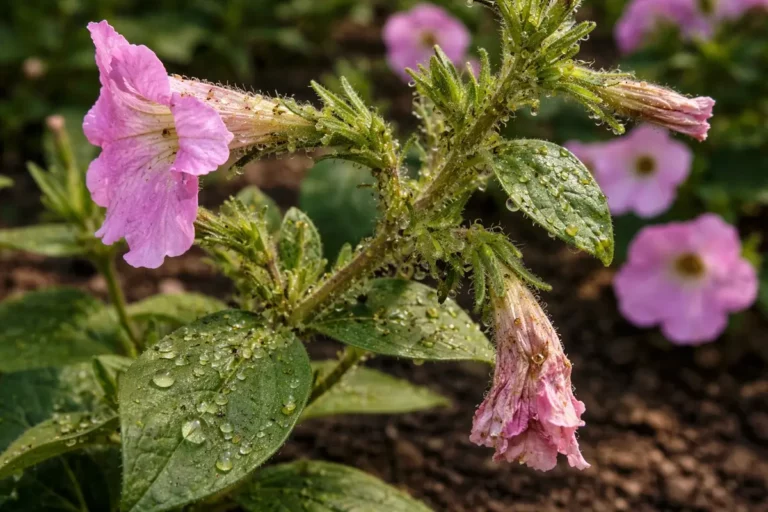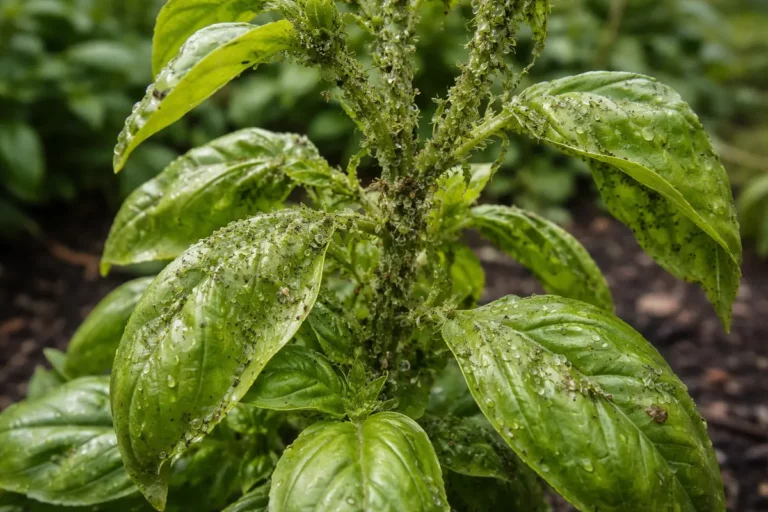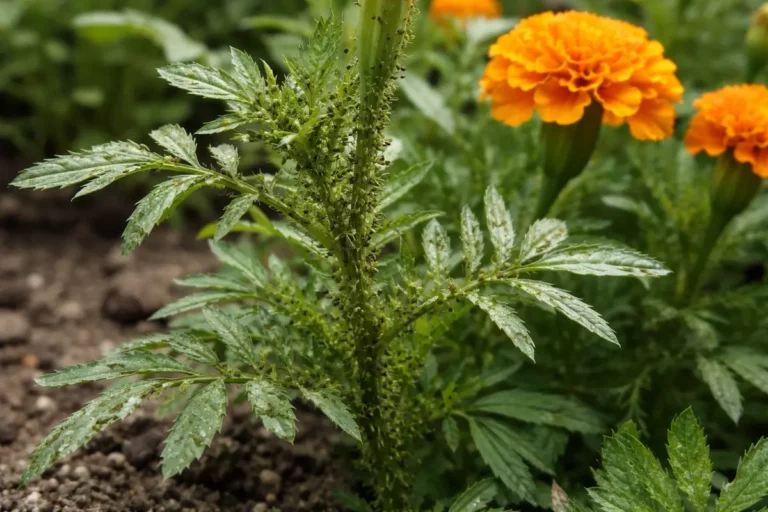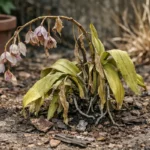
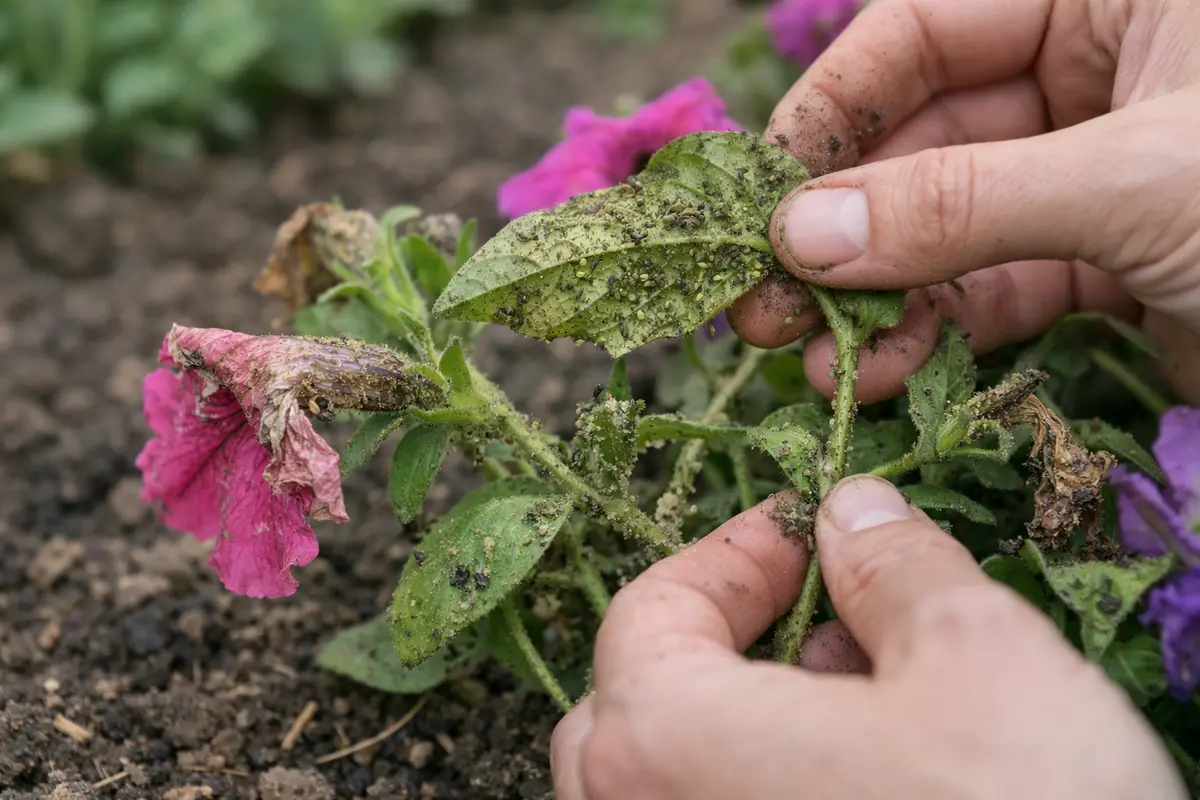
You may notice sticky residue or curled leaves on your petunias during flowering, which is why you need to know how to treat aphids on petunias during flowering. These tiny pests cause leaf yellowing and wilt, damaging the plant’s overall health. If left unchecked, the infestation can spread and lead to more damage, making it harder to fix, but you can monitor and remove them to restore your plants’ vitality.
Step 1 – Spray Insecticidal Soap on Petunias Now
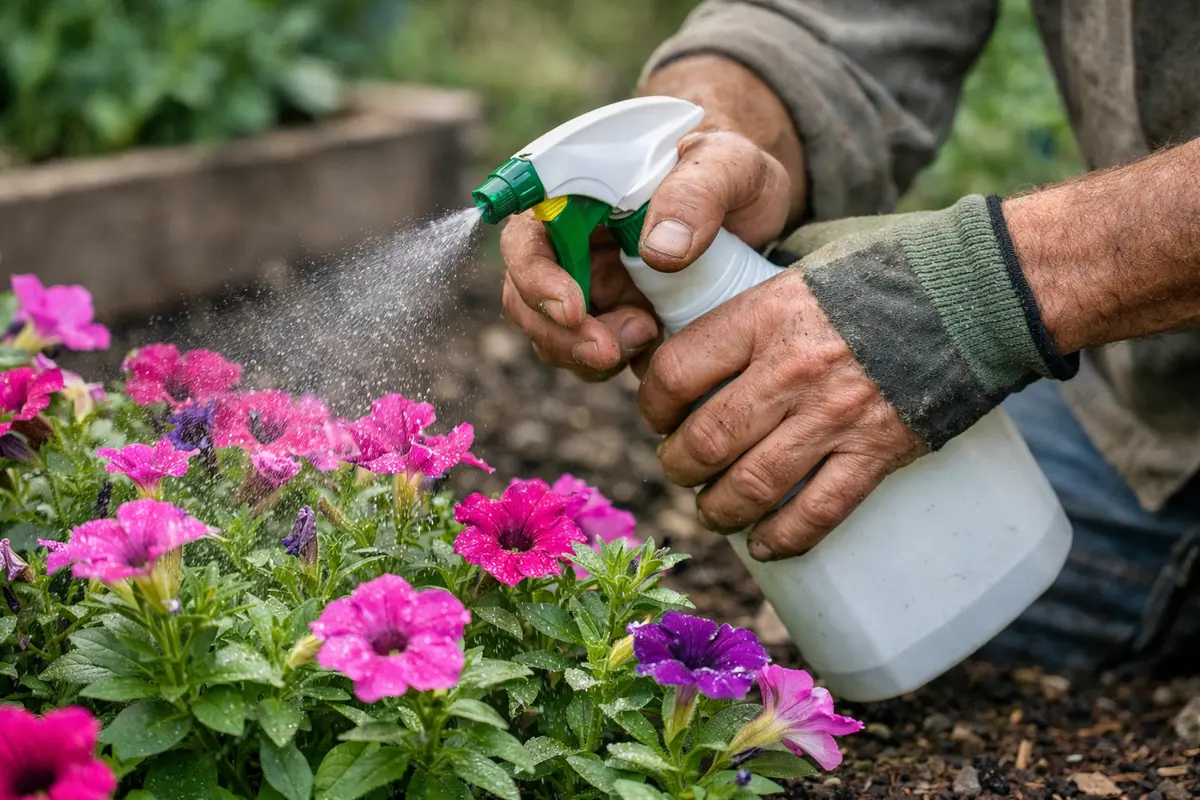
Start by spraying insecticidal soap directly on the affected areas of your petunias. You will see a reduction in the number of visible aphids within a few hours as they begin to die off. Ideally, perform this spray treatment at dawn or dusk when beneficial insects are less active, maximizing the soap’s contact time with the aphids, which increases its effectiveness significantly. Make sure to coat the undersides of the leaves where aphids commonly reside, as this is often where infestations begin.
The insecticidal soap disrupts the aphids’ cellular structure, effectively killing them on contact. This method is particularly vital to limit the spread of aphids before they can lay more eggs, potentially leading to exponential growth in their population. If left unchecked, aphids can multiply rapidly, doubling their population within a week under optimal conditions, which is often evidenced by a rapid increase in yellowing leaves and bud distortion. Checking the weather forecast is essential; if rain is predicted within 24 hours, it’s wise to spray in preparation for the impending moisture to ensure the soap adheres effectively and reaches its potent maximum.
Timing is critical; applying this treatment early in the morning when temperatures are cooler can lead to better absorption and effectiveness. Many gardeners misuse this method by treating plants during the heat of the day, which causes the solution to evaporate prematurely, diminishing its efficacy. Furthermore, oversaturating can cause more harm than good; it may lead to mold growth and worsen the conditions for the petunias, especially if humidity is high. A good practice is to ensure that the leaves are thoroughly coated without dripping; this balances effectiveness against the risk of water-related diseases.
Step 2 – Examine Petunia Leaves for Aphid Infestation
First, inspect your petunias for any signs of aphids, which are small, green or black insects often clustered on the undersides of leaves and flower buds. Remove any visible colonies by hand or use a strong jet of water to dislodge them. After doing this, you should observe a decrease in their numbers and an improved appearance of your petunias as they begin to recover from feeding damage. An effective technique is to use a handheld showerhead on a soft spray, mindful to avoid damaging tender flowers in the process.
Aphids thrive in conditions where nutrients are abundant, often resulting from over-fertilization, which causes excessive growth that attracts these pests. Their feeding can cause curling leaves and stunted blooms, as they extract vital sap from the plant. If you notice yellowing leaves without visible aphids, it could indicate nutrient imbalance instead; check the soil pH to verify its suitability for your petunias. This step is sometimes overlooked; testing the soil with a simple kit can provide vital clues to the health of your plants.
If you notice sticky residues on leaves or a sooty mold, this could indicate that aphids are still present, or that their byproducts are affecting the plant. In this case, applying insecticidal soap to target residual pests effectively becomes critical. If that does not yield results, check for beneficial insects like ladybugs or lacewings, which naturally control aphid populations and can provide effective help in reducing their numbers.
Infestations often begin subtly, but as aphids feed on the sap, they weaken the plants and can lead to distorted growth or leaf drop. Taking the time to inspect your plants helps catch the problem early, preventing further damage and limiting the loss of foliage. Furthermore, aphids release honeydew, which creates a sticky film on leaves and can attract other pests like ants while also leading to sooty mold that can hinder photosynthesis. Check your plants’ surroundings too; ant activity around your petunias can indicate that they are farming the aphids for their honeydew, which can accelerate aphid populations nearby and complicate management efforts.
If you find that there are no aphids on some leaves but symptoms still appear, explore other potential issues such as environmental stressors like overwatering, which can cause similar leaf damage. For instance, wilting leaves can stem from both environmental stress and aphid damage, making it critical to assess overall plant health. This is where many gardeners overlook stress factors, leading to misdiagnosis. Regularly checking for uniform watering helps ensure that moisture levels are adequate and not excessive, which could compound issues linked to pest infestations. This proactive approach can aid in early detection of stress signals, allowing for timely interventions.
Step 3 – Fertilize Petunias to Support Recovery from Damage
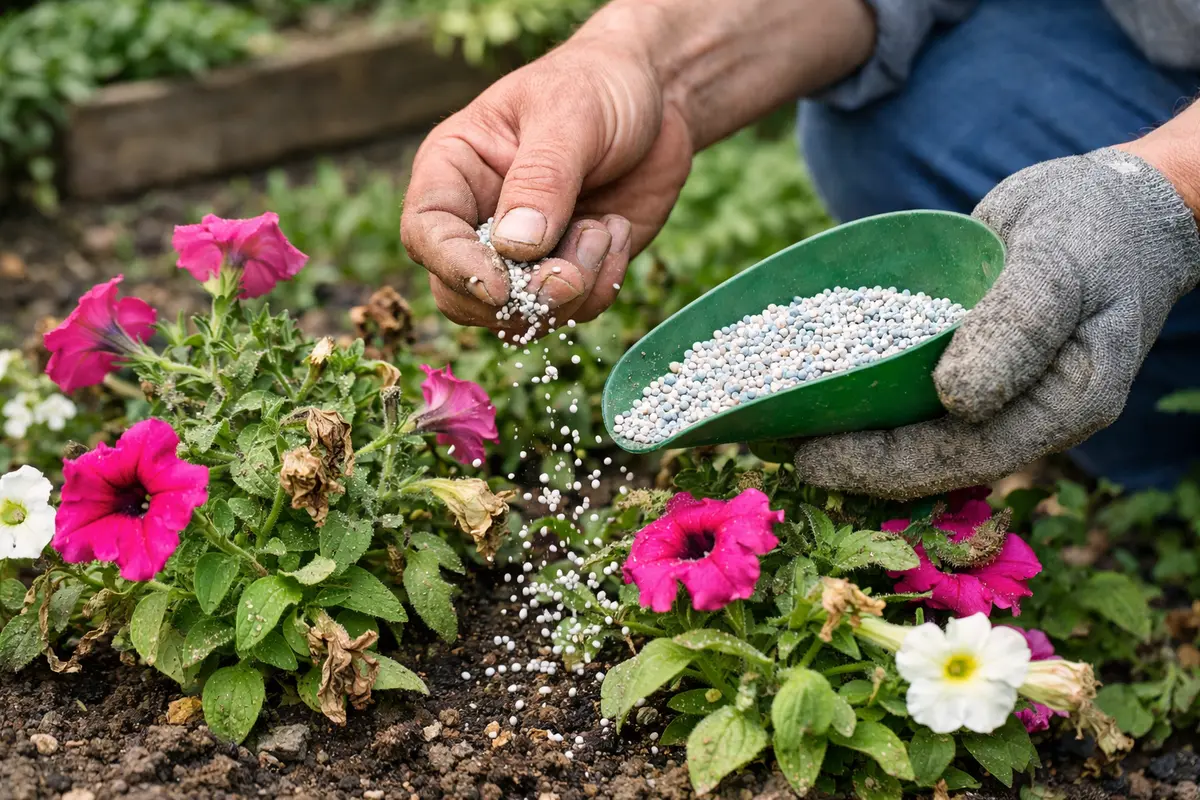
Apply a balanced fertilizer specifically designed for flowering plants to nourish your petunias and help them recover. You will notice new growth forming within a week as the plants regain strength. The ideal approach is to use a water-soluble fertilizer with equal parts nitrogen, phosphorus, and potassium, diluting it to half strength since petunias can be sensitive to over-fertilization. Inappropriate levels of nutrients can cause more harm than good, especially if the previous treatments included high-nitrogen products that exacerbated leaf growth at the cost of flowers.
Providing your petunias with essential nutrients enhances their vigor, promoting new shoots and flowers to develop. Petunias often become stressed from insect infestations and can benefit substantially from an extra nutrient boost right after aphid treatment; this will help the plants recover and rebound. For optimal results, choose a fertilizer high in phosphorus to encourage blooming, and apply it according to the manufacturer’s guidelines, generally every two to three weeks during the active growth phase, including carefully observing response to feeding to tailor further applications. This helps prevent nutrient lock-up, which can occur when plants are overfed and fail to uptake nitrogen properly.
However, be careful not to over-fertilize; this can lead to nutrient burn and may even attract more pests due to lush foliage. A common mistake is gardeners thinking that ‘more is better’—excessive fertilizer can encourage overly lush growth at the expense of blooms. Nutrient burn often appears as browning leaf tips, which indicate that the plants are receiving too much nitrogen, leading to a decline in overall plant health. If this is noticed, the best approach is to reduce feeding for a couple of weeks and allow the plants to recover. Exploring slower-release options or organic fertilizers can be beneficial, especially when you see signs of distress persist, allowing for gradual nutrient absorption without overly taxing the plant’s systems.
Step 4 – Use Companion Plants to Deter Future Aphids
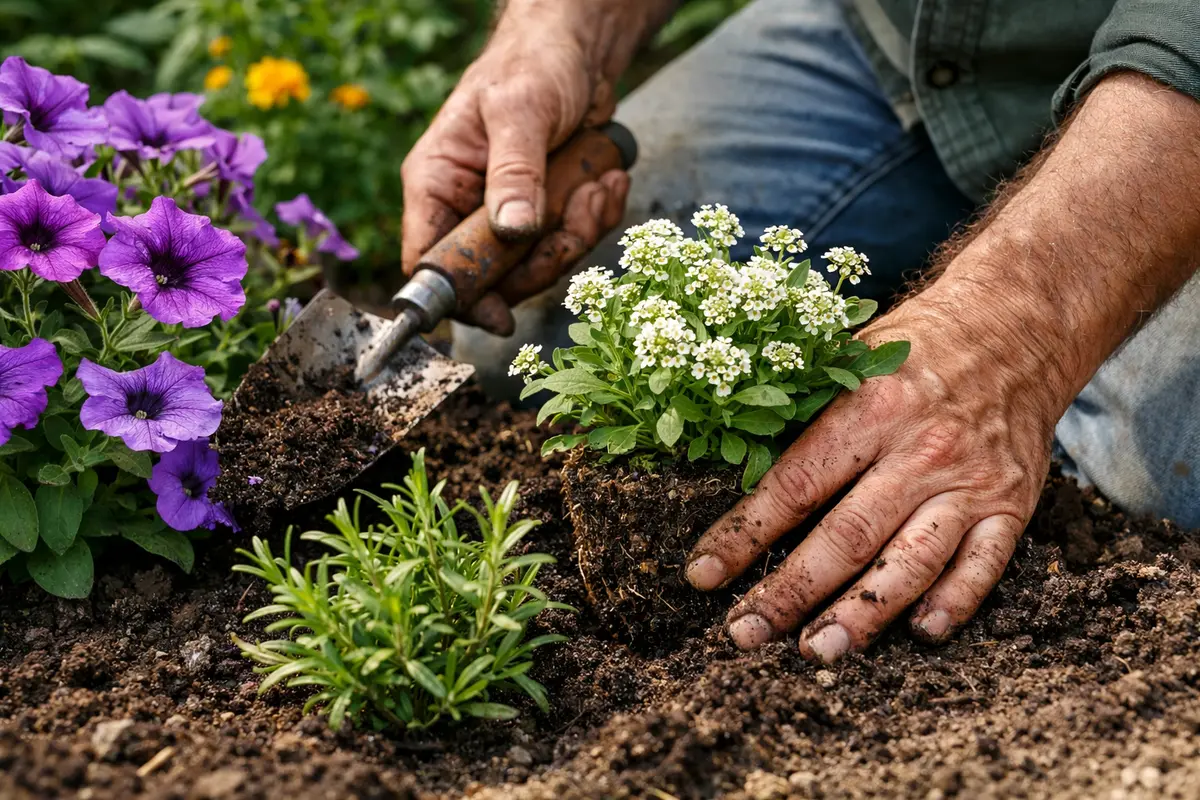
Start by regularly inspecting your petunias for signs of aphids and promptly removing any infested leaves to establish a routine that minimizes their spread. By creating this habit, you’ll likely notice a significant reduction in aphid populations and an improvement in the plants’ appearance during their flowering period. This attention to detail not only reassures the health of your petunias but also allows you to recognize early signs of pest resurgence.
Frequent inspections help to catch aphid infestations early, particularly in warm and dry conditions that can foster their rapid multiplication. In many cases, if you neglect these checks, you may find a significant increase in aphid numbers, leading to yellowing leaves and stunted blooms. Keeping in mind that addressing environmental stressors, such as inadequate watering or soil nutrients, can also play a major role in preventing recurrence, helps to create a more robust plant defense system overall.
During the warmer summer months, increasing your inspections to twice a week can counteract the more favorable conditions for aphids. Furthermore, consider introducing beneficial insects, like ladybugs, which can help control aphid populations naturally and serve as a secondary layer of prevention, establishing a balanced ecosystem for your garden. This proactive strategy is vital, as waiting too long to implement these controls can lead to heavily infested plants that are much harder to reverse damage on.
Companion planting works by creating an environment that encourages natural pest resistance. For instance, marigolds release compounds that repel aphids, making them a beneficial companion when planted alongside your petunias. Over time, having these plants nearby not only enhances the visual appeal of your garden but creates a naturally self-regulating pest control system, as ladybugs and lacewings are drawn to the area to manage these pest populations. Additionally, employing a mix of companion plants can diversify the available attractions for beneficial insects, ensuring a steady presence of their natural predators during the growing season, which can significantly reduce your pest pressure.
As seasons change, some companion plants may become more effective than others; for instance, planting herbs like basil or dill can attract predators during different growth cycles. It is beneficial for the health of your garden to review the presence of companion plants regularly; high aphid activity may prompt a need to refresh your choices. If a plant like marigold is no longer providing effective pest deterrence, it might be time to reevaluate their placement or consider introducing more competitive or resilient species to ensure they’re not being outcompeted for resources within the ecosystem.
Step 5 – Check Petunia Buds for Aphids Weekly After Treatment
Check your petunia buds weekly for residual aphid activity following treatment. You should observe any signs of new pest activity or a lack of new damage, indicating that your treatment worked effectively. Pay particular attention to new growth; if the new leaves appear healthy and vibrant, it’s a positive sign that your treatment and recovery efforts are proving successful. Be vigilant about checking the flower buds in particular, as they are often favored feeding spots for aphids due to their tender structure.
Consistent monitoring of your plants allows you to catch any re-infestation before it becomes a bigger issue, particularly during warm and humid conditions favorable for aphid populations. Inspect both the new growth and unopened buds, as aphids often hide at the bases of buds, thriving there undetected. If any new clusters of aphids, honeydew, or signs of wilting appear, it’s vital to switch back into an active control mode rather than feel overconfident after a successful initial treatment; pests can regrow rapidly, and being too complacent may cost your petunias their recovery. Gardeners often notice aphids on cucumber plants after heavy when growth is tender.
Ideally, your petunias should appear much healthier within a couple of weeks following the initial treatments, boasting vibrant leaves and abundant blooms. However, if signs of aphids return despite your efforts, consider reapplying insecticidal soap or seeking out more aggressive pest control methods promptly. Trust your judgment about the treatment’s efficacy; visible symptoms or insect activity indicate that intervention is needed. Remember to maintain consistent monitoring; shifts in pest populations can occur quickly after heavy rains or unusually warm days can lead to a rapid increase in aphid numbers. Keeping a detailed log of weather patterns and observed changes in plant behaviors can help refine your overall strategy for managing these pests.
FAQ
How long does it take for aphids to affect petunias?
Aphids can begin to affect petunias within just a few days after their first appearance. If not treated promptly, the rapid loss of sap can lead to visible wilting and stunted growth. You may notice yellowing leaves or curled foliage shortly after they start feeding, indicating the urgent need for control measures; failure to act can lead to severe foliage loss and the potential need for more intensive remedial actions.
Can aphids spread to other plants in my garden?
Yes, aphids can easily spread to nearby plants if left unmanaged. They are known for their rapid reproduction and can travel short distances on the wind or by hitching rides on insects like ants. Close monitoring of neighboring plants is essential, especially during peak aphid season; failure to do so can lead to widespread infestations across your garden, complicating pest management further. Being proactive in your inspections can save multiple plants from unnecessary damage.
Should I remove affected petunia leaves?
Removing severely infested leaves can help limit the spread of aphids. However, ensure that you do this carefully and only when necessary—excessive pruning can impact the overall vigor and longevity of the plant. Aim to prune back only the most damaged or heavily infested sections and monitor the recovery closely; repopulating with healthy leaves can help reestablish your plants’ energy and encourage new growth. Additionally, be cognizant of how and when you are pruning; doing so during cooler parts of the day will minimize stress on the plant and risk of infection.