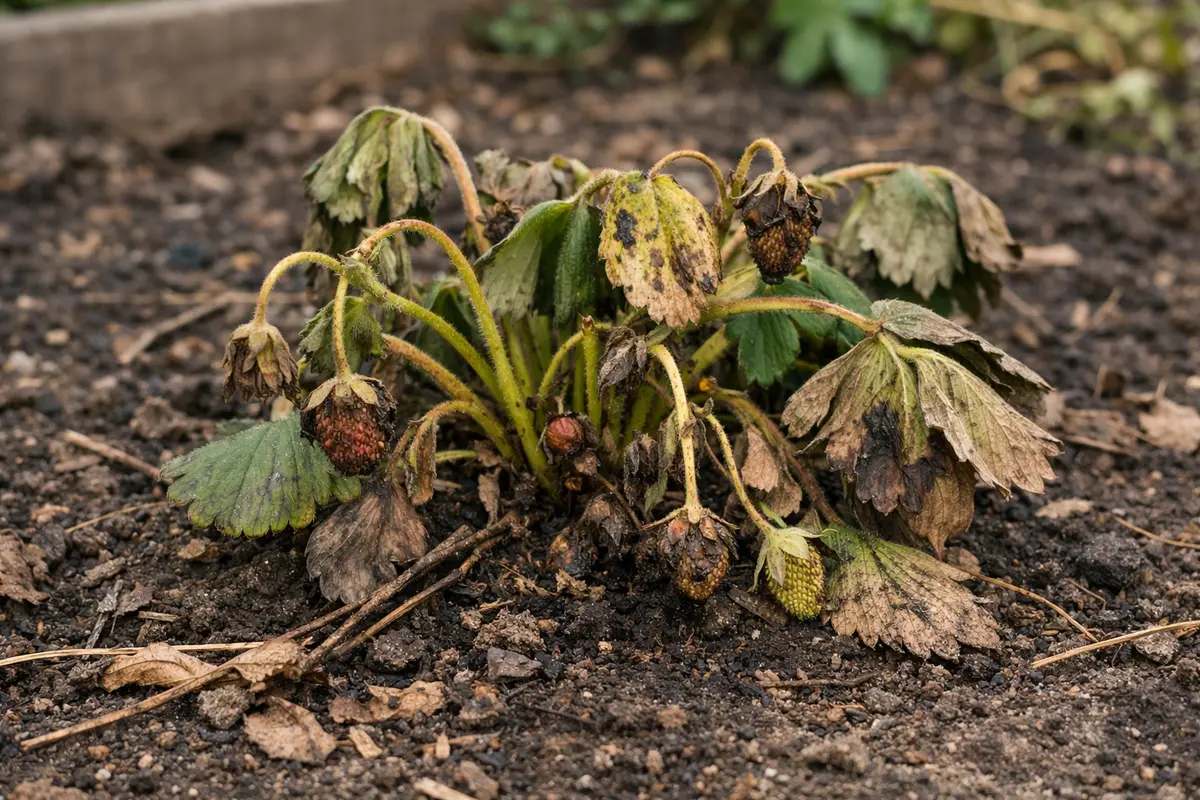
You may notice your strawberry plants looking particularly droopy and discolored when temperatures drop unexpectedly during late spring, which is why you need to know how to treat wilting strawberries after a frost. This wilting is often a sign of frost damage, where the cold air has caused the leaves to wilt and brown. If left unchecked, this damage can worsen and weaken the plant, making recovery harder; however, it’s possible to revive your strawberries if you promptly inspect, cover, and water them accordingly.
Step 1 – Assess Wilting Strawberries After Frost
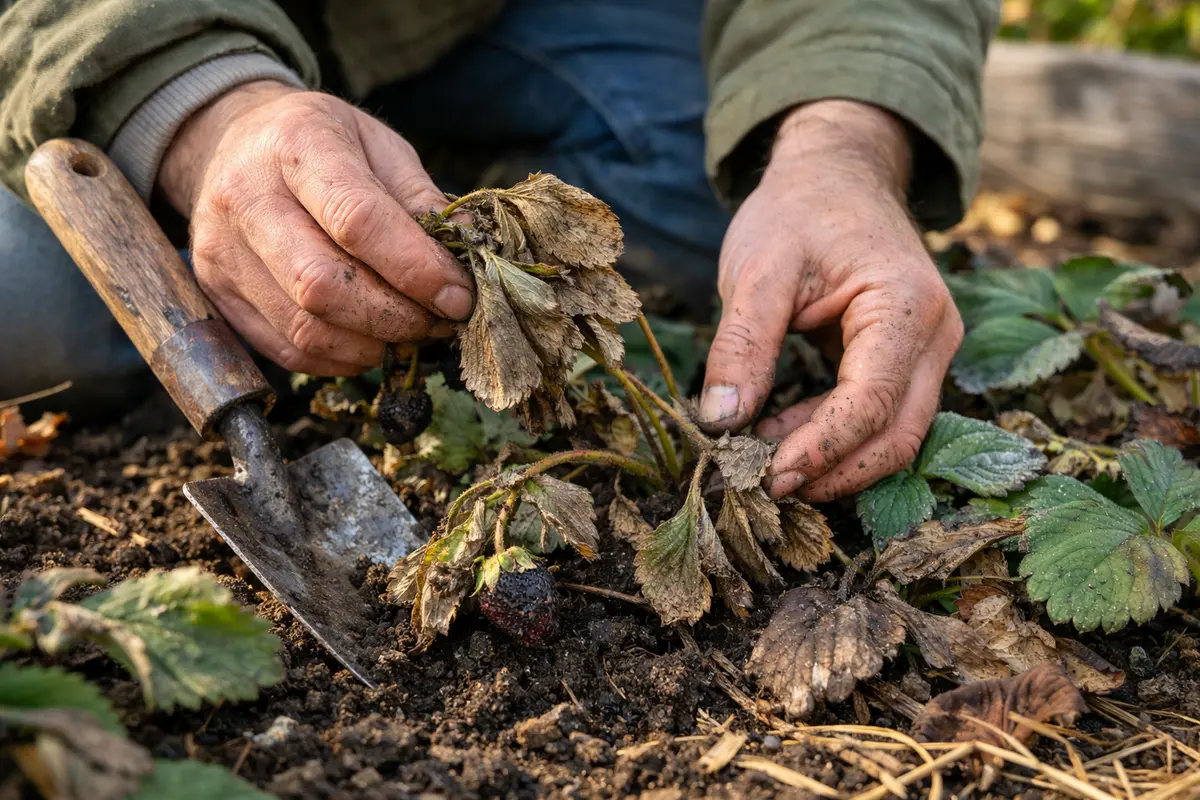
Start by inspecting the wilting strawberry plants for visible signs of frost damage. You’ll notice areas of the leaves may have turned brown or black, particularly at the tips and edges within a day or two. This immediate action helps identify the extent of damage, allowing you to make informed decisions on recovery tactics. Moreover, evaluate stem integrity by gently bending them. If they snap easily, that indicates severe frost damage, indicating that immediate care is crucial. Ensure you observe not only the larger leaves but also the smaller, younger leaves, as they can exhibit damage that might not be apparent right away.
Understanding why quick assessment is crucial reveals the biological implications of frost damage. Frost penetrates leaf tissues, causing ice crystal formation that punctures cells and dehydrates the plant. Upon inspection, if most leaves are significantly damaged with blackened spots, a quick response ensures that healthy foliage stands a better chance to recover while preventing disease spread from decaying tissues. Additionally, if you notice a general lack of rigidity in the leaves and stems, the plants most likely need immediate care to avoid total collapse. Observing the discoloration patterns is equally important; for instance, if you find some areas turning yellow while others remain green, it could indicate localized frost damage versus a more systemic issue that demands further attention.
A common mistake many gardeners make is to overlook early signs of damage. For instance, if you don’t act promptly to remove severely affected foliage, it may continue to hinder healthy growth and spread potential fungal issues. Waiting too long can lead to a systemic decline in plant health, as weakened plants become more susceptible to pests and further disease. Timing is critical in reducing further complications that could arise from ignoring initial damage. If the damage spans multiple plants, consider the possibility that environmental conditions, such as microclimates or cover that failed to protect your strawberries, could be continuing points of stress. Moreover, ensure you are aware of any frost protection measures that might have been inadequate—acting quickly can mitigate further damage before the issue intensifies.
Step 2 – Examine Soil Conditions for Strawberry Plants
Next, test the soil moisture level surrounding your strawberry roots. You should push your finger about an inch into the soil to check for moisture; if it feels overly wet or soggy, you need to improve drainage actively. This step will help optimize conditions for root recovery, as moisture balance is crucial for the plants’ vigor. Conversely, if the soil feels dry, it may indicate that roots are struggling to absorb enough water, further compounding stress caused by frost. Observing soil texture is essential; for example, sandy soils may feel drier quickly, while clay soils retain moisture longer, which can dramatically alter the watering approach. If your soil consistently retains excess water, consider consulting with a local expert about possible drainage solutions. In poor drainage conditions, plants may also develop wilting tulips after prolonged rain.
The relationship between soil moisture and plant health is significant. Waterlogged soil can suffocate roots, leading to oxygen deficiency and root rot. By addressing excess moisture actively, you not only improve drainage but also prevent ongoing damage that can exacerbate wilting, turning yellow leaves into a sign of distress. If the soil is too compacted or has high clay content, consider mixing perlite or sand to improve aeration and drainage. Additionally, the introduction of organic matter is key; for instance, a layer of compost can enhance soil structure and nutrient availability as well as improve moisture retention without oversaturation. Furthermore, if soil appears crusty on the surface, it may also inhibit water penetration, suggesting a need for gentle loosening before further treatment. In poor drainage conditions, plants may also develop wilting tulips after prolonged rain.
If your soil has a sour smell, it indicates anaerobic conditions that can be hazardous to strawberry plants. In this case, aeration—by loosening the soil—enhances airflow and encourages beneficial microbial activity. Alternatively, if the soil is too dry, consider adding supplemental watering balanced with organic mulch to effectively retain moisture without creating waterlogged conditions. A good rule of thumb is to use a ratio of around 2:1 for organic mulch to soil to ensure optimal moisture retention while enhancing drainage. However, applying mulch too soon after frost could trap cold in the soil; wait until the ground begins to warm up from the frost to prevent ongoing chilling of roots. If you find yourself having to assess your soil repeatedly, consider taking soil samples for laboratory analysis to help guide nutrient management and pH adjustments accordingly. In poor drainage conditions, plants may also develop root rot in potted cacti.
Step 3 – Water Thoroughly to Revive Wilting Strawberries
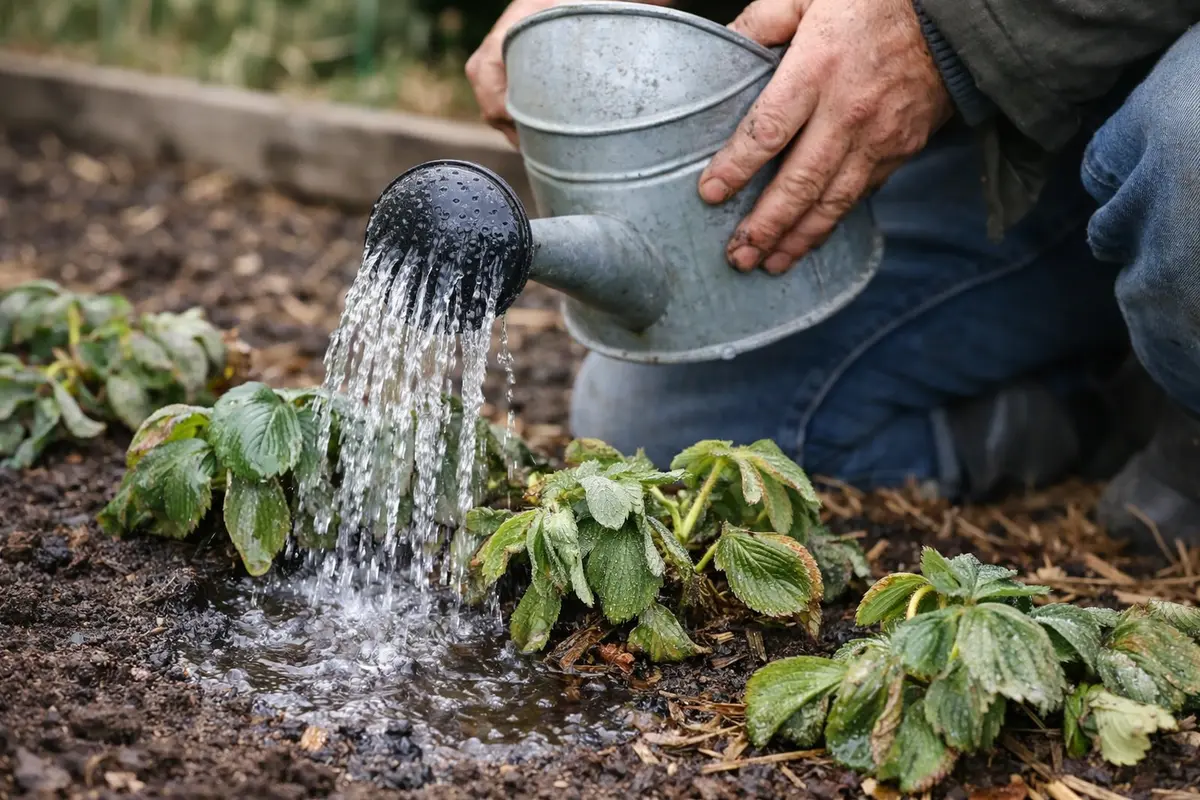
Water the strawberry plants deeply to rehydrate them immediately. Ensure that the water penetrates at least six inches deep, which will help rejuvenate damaged roots. After doing this, you should observe visible improvements in leaf turgidity and possibly notice new growth within days. This action can be particularly effective if carried out early in the morning when transpiration rates are low, allowing the plants to absorb water more efficiently. For optimal results, consider watering with a soaker hose or using drip irrigation to deliver moisture directly to the root zone without soaking the leaves excessively. This fine-tuned approach not only encourages root recovery but minimizes the risk of diseases associated with wet foliage.
This revitalization action works by replenishing moisture in the soil, which directly aids in recovery from frost stress. Watering deeply reaches roots that may have become dehydrated and helps mitigate stress from the frost, effectively soaking the soil without creating a muddy environment. A well-watered plant will show signs of perkier leaves and restored flexibility in stems, indicating that it is recovering from the trauma of freezing temperatures. Over the next week, check the soil daily; if you see signs of wilting again, this condition may indicate that previously focused recovery efforts were insufficient. If the soil dries out within a short period even after watering, you may need to reassess its drainage characteristics again while being vigilant of other environmental stress factors. When feeding is off, expect signs such as if petunia plants turn yellow.
One common mistake during recovery is overwatering, especially in the wake of frost. If you notice leaves starting to droop again despite watering, it may indicate a different issue, such as root complications from waterlogged soil. Use a moisture meter if necessary to assess root zone moisture more accurately. Following a regular watering schedule is essential, but adjusting based on current conditions will yield better results. Let the top inch of soil dry out slightly before watering again, preventing root suffocation. Additionally, consider the temperature; as temperatures rise, the plant may require more frequent watering to keep cell structures intact. If temperatures are unexpectedly fluctuating, factor in a flexible watering schedule that corresponds with moisture retention requirements. Excess moisture often leads to problems like root rot in potted cacti.
Step 4 – Check Strawberry Leaves for New Growth Post-Treatment
Start by checking your strawberry plants daily for signs of recovery after frost exposure. Observe the leaf texture; healthy leaves will feel firm and slightly perky, while wilting leaves may feel limp and soft. Recheck every 48 hours to monitor progress and ensure that any weak stems or leaves are identified for removal. Mark your calendar for regular checks; keeping a consistent observation routine will allow you to trace the plant’s responsiveness to your care.
A fully recovered strawberry plant will display robust green leaves with vibrant colors and a slight sheen, signaling effective hydration. In contrast, early signs of the problem returning include darkening edges on the leaves and a droopy appearance. If you notice dryness in the soil or weak, brittle stems during your checks, these are indicators that additional care is needed. Keep your garden notebook handy to document the conditions affecting leaf health; this practice assists in understanding prevailing trends for future recovery efforts.
If the wilting persists despite monitoring and care, consider increasing the watering frequency while ensuring proper drainage. Additionally, inspect for any pest activity or root rot, as these issues can exacerbate wilting. If the problem continues, consult a local gardening expert for further evaluation of treatments or possible replanting options. You might discover that certain pest problems emerge more notably after frost damage, prompting the need for targeted interventions. Keep a close lookout for signs of additional stressors such as nutrient deficiencies that could arise if the plant struggles to uptake proper nourishment.
Within one to two weeks, check for firm and healthy new leaf growth, as this signals successful recovery. Compare healthy leaves with any residual damage; leaves that remain limp or brown should be removed to prevent potential decay from spreading. Observing the color saturation during these checks is crucial as well; vibrant leaves will reflect good health and resilience in the face of frost damage. A fully recovered strawberry plant will exhibit bright green foliage and ideally show signs of flowering as it heads toward the growing season. However, if flowering is delayed or new leaves exhibit signs of wilting, additional stressors may be at play that need your immediate attention.
If the problem returns despite your meticulous care, reassess the watering regimen and soil conditions. Analyze local weather patterns and their impact; you might find that environmental changes, like unexpected temperature swings or rain, have created new challenges. Keeping a journal of these conditions can help you understand patterns and adjust accordingly. Additionally, consider the plants’ exposure to sunlight; inadequate light can further stress newly sprouted leaves. If foliage isn’t receiving at least six hours of direct sunlight daily, consider additional shading or plant relocation for optimal recovery. Pay attention to soil temperature as well; if the temperature gets too low, it could impede root growth adversely, prolonging recovery time significantly.
FAQ
How long does it take for strawberries to recover after frost damage?
Strawberries can show signs of recovery within a week if adequately treated after frost damage. Expect new growth to appear after properly watering and improving soil conditions, but full revival may take several weeks, depending on the severity of the frost and ongoing care. A good indicator is the presence of new leaves; if these develop rapidly, the plant is on a solid recovery path. Regular observations of sunlight exposure, water availability, and nutrient levels can significantly impact this recovery timeline. If symptoms persist, reassess your care strategies and adjustments accordingly.
Should I remove the frost-damaged leaves from my strawberry plants?
Yes, removing severely damaged leaves is recommended to prevent decay and pests from affecting healthy foliage. Cut back the wilted parts only when they are clearly beyond recovery, allowing the plant’s energy to focus on new growth and strengthening unaffected areas. However, avoid excessive trimming at once as this can stress the plant further; treat large removal as a phased approach over a week. This gradual strategy contributes to a more stable recovery atmosphere for your plants while preventing shock that could hinder their resilience.
Can frost-damaged strawberries produce fruit?
Frost-damaged strawberries can still produce fruit, especially if the damage is not extensive. However, if the primary leaves are compromised, the plant may yield fewer or smaller berries. Prioritize recovery to maximize the plant’s fruiting potential this season. Harvesting will also depend on how quickly the plant responds to treatment; better-fed plants can more effectively redirect energy into fruiting rather than merely surviving. Timely interventions are crucial, as they ensure that vital energy is diverted from healing damage back into developing healthy, robust fruit for the growing season.