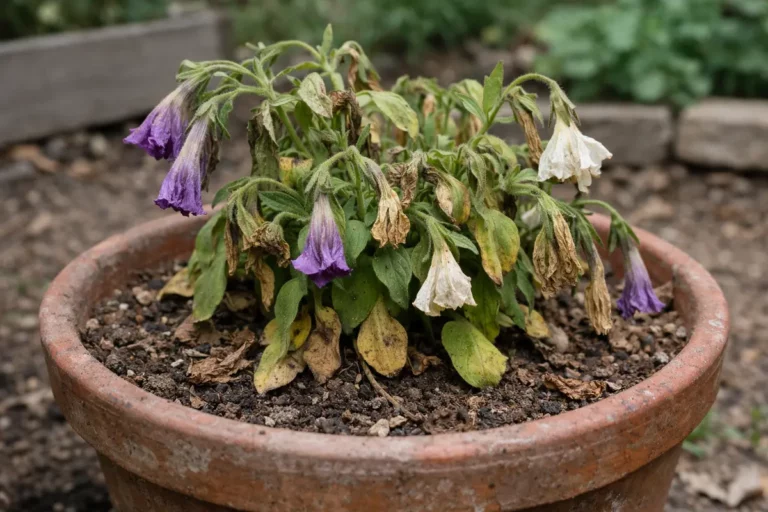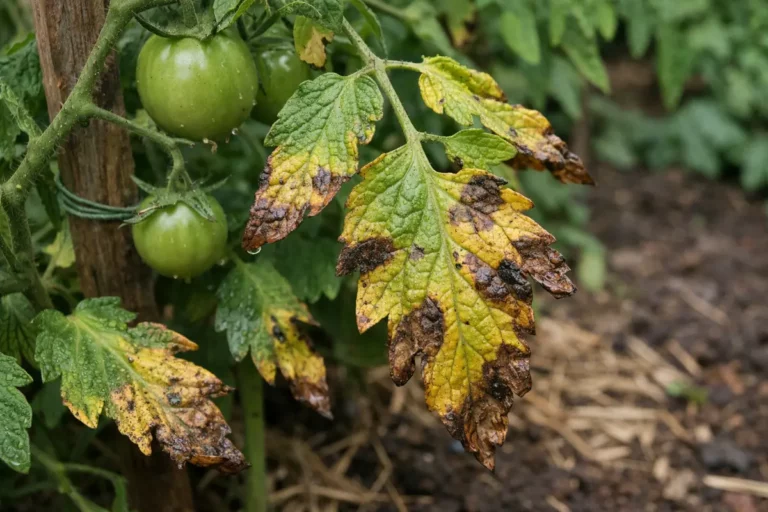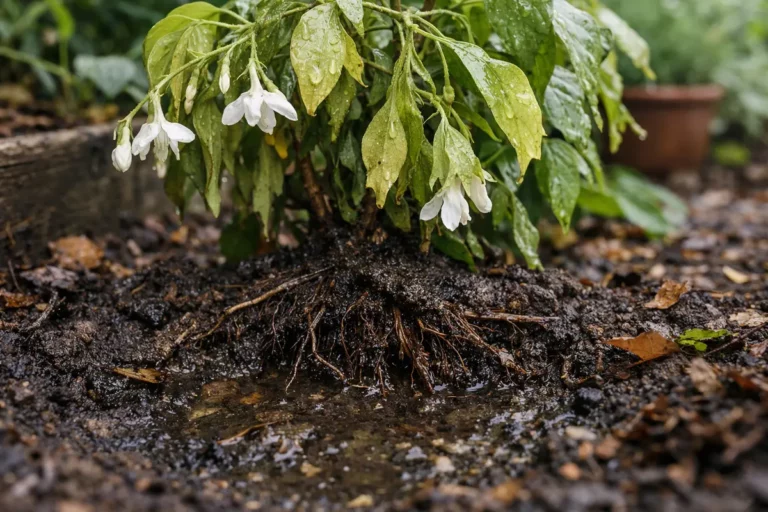
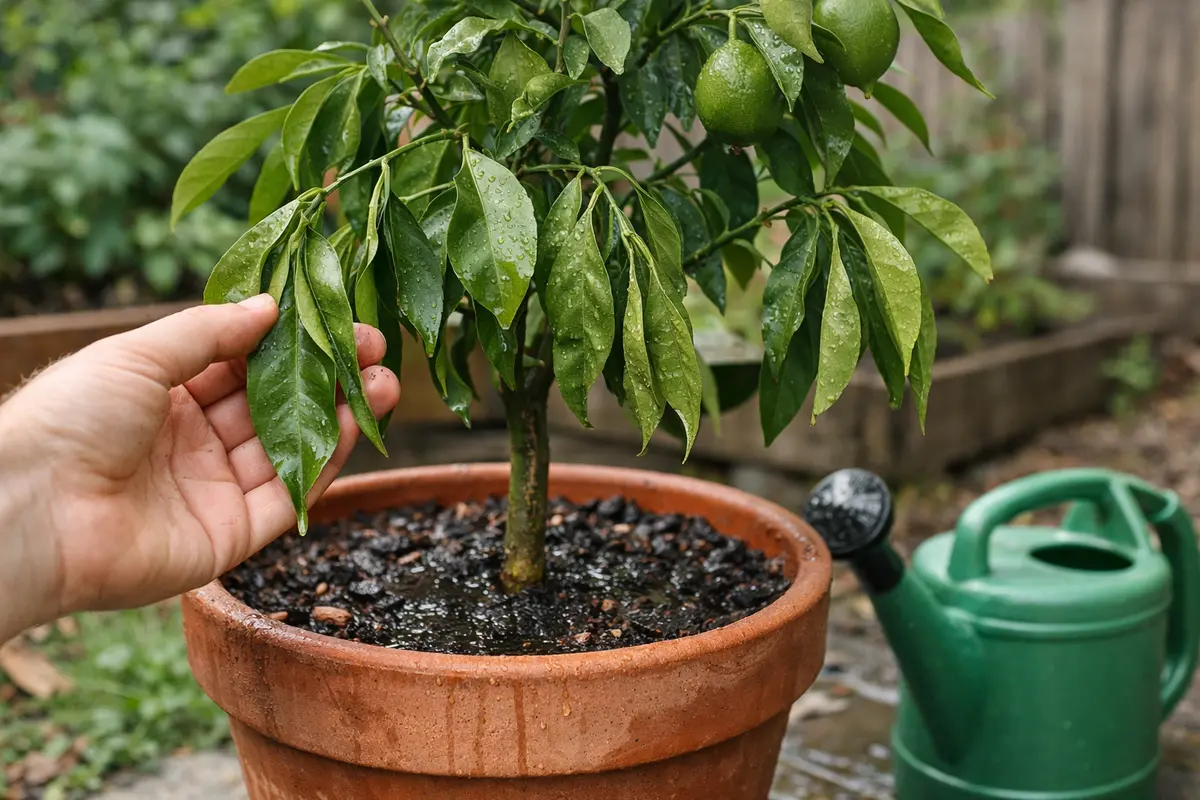
You may notice that your lime tree has drooping leaves after watering, which is why you need to know what to do when lime tree shows drooping leaves after watering. This drooping often indicates that the roots are struggling, possibly due to overwatering, leading to wilting and potential root rot. Ignoring the issue can worsen the tree’s health, weakening the plant and making recovery harder, but addressing it now is possible—just check the soil moisture and adjust your watering schedule accordingly.
Step 1 – Inspect Lime Tree Leaves for Immediate Wilting
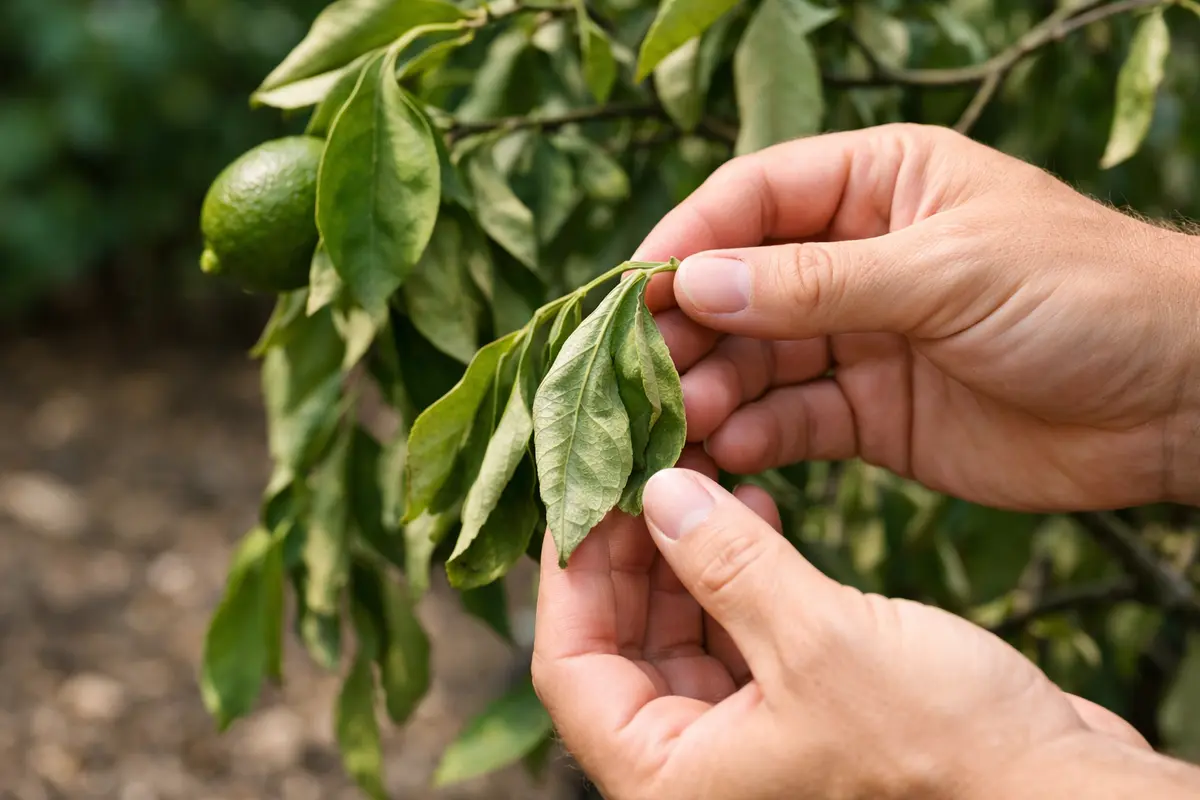
Begin by examining the leaves for immediate signs of wilting and drooping. Look for any leaves that appear limp, dull, or have a yellow tint; if action is initiated promptly, you should notice a slight perkiness in the leaves within a few hours to a day. A healthy leaf should feel firm to the touch and display a vibrant color, which is an indication that internal water levels are adequate. Pay attention to the leaf margins as well; crisp edges may signal dehydration, while browning indicates that overwatering might have occurred.
Lime trees are particularly sensitive to environmental changes. Drooping leaves often signify stress due to improper watering practices. Fast action can help prevent root damage and allows the plant to recover quickly, as leaves lose turgor pressure without adequate moisture and nutrients. Initial changes in leaf texture signify how well the tree is absorbing water, vital for photosynthesis and overall health. If drooping is left unchecked, waterlogged soil can suffocate roots, leading to further distress and a decline in the lime tree’s overall health. Over time, you may notice that leaf drop becomes more frequent, compounding the problem if not resolved.
A common mistake is to overwater, mistaking drooping leaves for a need for more water. For instance, some people misinterpret slightly drooping leaves solely after a good rain as a signal to water again. If you notice the soil is soggy, resist the temptation to add more water; instead, focus on improving drainage first to avoid exacerbating root problems. If you continue to water without checking soil moisture levels, the tree could face chronic overwatering, worsening the drooping condition and leading to complications like root rot that may take longer to resolve. This highlights the necessity of checking the moisture levels, ideally using a moisture meter or a basic finger test where you dig down a couple of inches into the soil. Moreover, observing drooping shortly after watering can indicate a failure to absorb moisture rather than a lack of it, suggesting that the soil may be the real problem.
Step 2 – Diagnose Overwatering Issues in Lime Tree Soil
Check the soil to determine if overwatering is the root cause by digging around the base gently. If you find that the soil is overly saturated, you will see a noticeable change in condition after improving drainage. It’s crucial to dig about 2-3 inches down to get a clear assessment of the upper soil layer, where moisture tends to accumulate. You should notice the texture change; if it feels overly dense and clumpy, it’s likely retaining too much moisture. When the soil becomes sticky and hard to turn over, it is a sign that it has compacted due to excess water retention.
Excess moisture can create anaerobic conditions that choke roots, leading to decline. Lime trees prefer well-draining, slightly dry soil between waterings, ideally maintaining soil moisture that is damp but not soggy. Assessing soil moisture levels helps maintain root health and prevents drooping leaves. If the soil does not drain properly, the additional pressure can lead to root rot, potentially confirmed by a foul smell or the presence of blackened roots. These symptoms indicate the immediate need to remediate the conditions to avoid permanent damage. Monitor the condition of the soil over a few days following watering to see how quickly it dries out—a crucial indicator of underlying problems such as compaction or poor drainage.
If you find the soil smells sour, this is a clear sign of potential root rot. In such cases, consider repotting the tree with fresh, well-aerated soil that promotes better drainage. The soil type significantly affects the tree’s ability to thrive; sandy or loamy mixtures that facilitate aeration are ideal. When repotting, select a container with drainage holes to avoid future complications, allowing water to escape rather than accumulating at the bottom. However, be cautious: repotting should be done when absolutely necessary and during the appropriate season (spring or early summer) to minimize stress on the plant. Failing to repot or improve drainage can lead to worse outcomes, such as ongoing fungal infections or irreparable root damage. Moreover, if the soil has compacted, consider mixing in perlite or sand to enhance aeration and drainage. The aim is to create a breathable environment for the roots with consistent moisture levels conducive to growth. If you are dealing with a related issue, during drought recovery covers a similar problem in detail.
Step 3 – Fertilize Lime Tree to Aid Leaf Recovery
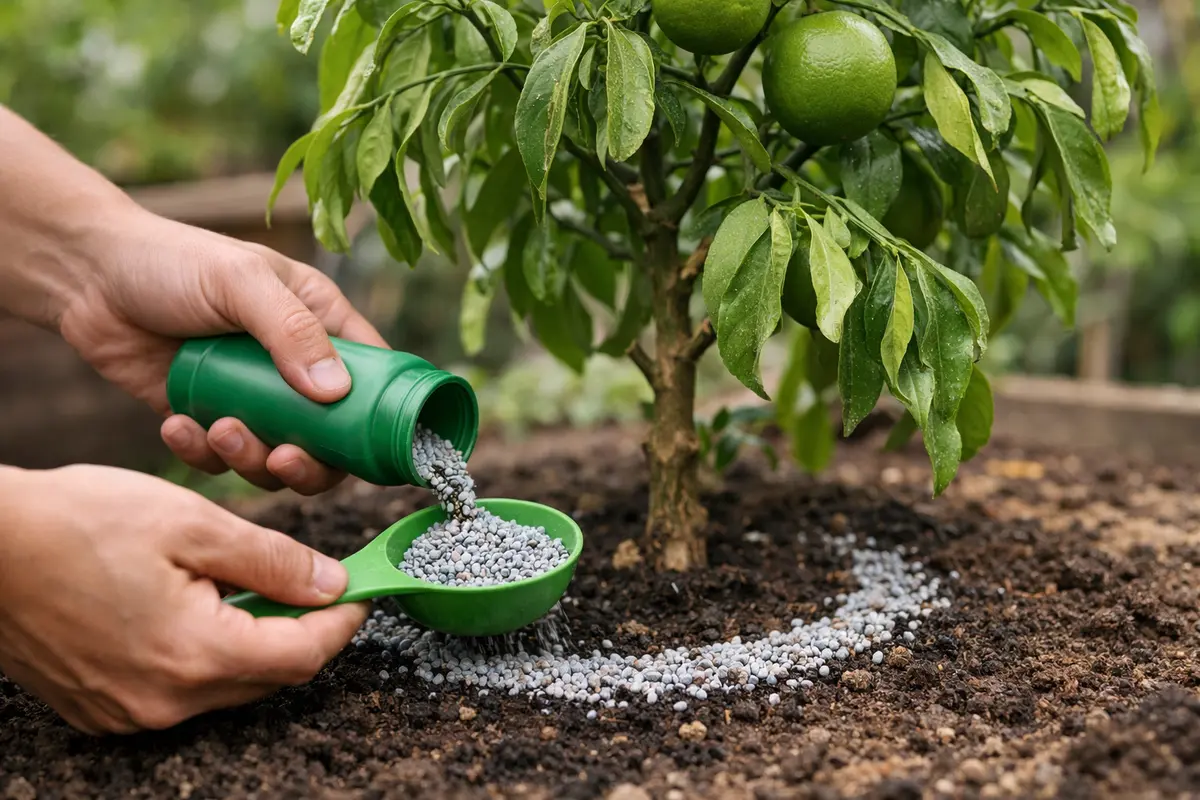
Apply a balanced fertilizer specifically formulated for lime trees to help with nutrient recovery. Within a week of proper fertilization, new growth should emerge, offering signs of healthier leaves. Look for a fertilizer with an N-P-K ratio of 4-2-3, designed to provide vital nutrients without overwhelming the plant. It’s essential to follow the label instructions carefully and only apply during the growing season; improper timing can lead to stress if growth hormones are not utilized effectively. Choose a slow-release or water-soluble fertilizer to ensure a steady delivery of nutrients to the plant over time.
The application of fertilizer aids in replenishing essential nutrients that may have leached away due to waterlogged soil conditions. Specific nutrients like nitrogen promote healthy foliage while phosphorus aids in root development, both of which are critical for respiration and photosynthesis, helping the tree recover from stress after watering. Additionally, potassium can help improve the tree’s overall resilience against environmental stressors. Monitor the tree’s response closely; look for changes in leaf color and growth patterns to ensure the foliage begins to regain its hue and firmness, with a vibrant green tint indicating effective nutrient absorption. This step requires attentiveness since over-fertilization can also jeopardize recovery and create additional problems.
A common error at this stage is using too much fertilizer, under the impression that it will speed recovery. Over-fertilizing can stress the tree further and lead to burnt roots, which may manifest as leaf yellowing or curling. Instead, always follow the recommended dosage based on soil nutrient levels. Frequent investigations into the tree’s health after fertilization are crucial, since if no signs of improvement occur within two weeks, consider revisiting the soil type or drainage conditions; nutrients alone may not serve as a complete solution. Investigate whether the roots are still functioning properly; if they are damaged or not thriving, they won’t be able to absorb any nutrients effectively. Additionally, using a soil test kit can help ascertain whether the nutrient levels are genuinely insufficient or if other critical issues need addressing.
Step 4 – Check Lime Tree Foliage for New Drooping Signs
Inspect your lime tree weekly for signs of improvement or recurring droopiness. Over the next 7 days, you should expect to see leaf firmness and vibrancy returning. Feel the leaves; they should regain a firm texture, indicating successful moisture absorption. Documenting the progress weekly helps identify abrupt environmental changes that may be affecting the tree’s recovery. Careful tracking of leaves that bounce back compared to those that remain limp is important for gauging the overall health of your tree. Set a reminder to assess conditions around the same time each week for consistency.
Zoning in on sprouting healthy new leaves versus those that continue to droop is crucial in assessing recovery. As the tree heals, leaves should become stable and firm, indicating they are accessing water and nutrients efficiently once again. Early drooping signs may indicate that underlying issues are returning or not fully resolved. If you notice leaf dropping alongside drooping after implementing recovery steps, this signals that stress continues to affect the roots or that the tree is not acclimating well to its environment. It’s especially important to monitor temperature and humidity, as fluctuations can stress the plant. Environmental extremes can manifest in a rapid decline where the tree could revert to its previous droopy state, making it vital to maintain stable conditions. If you are dealing with a related issue, petunia plants turn covers a similar problem in detail.
If drooping resumes despite effective treatment, re-evaluate the environmental factors, including sunlight exposure and watering frequency. Factors like high humidity paired with intense heat can exacerbate the situation further, leading to additional drooping issues. Additionally, consider whether pests or diseases may have taken hold, as they can also impose stress and hinder recovery. Furthermore, stressed roots might take longer than expected to recuperate, especially considering the urgency of past watering issues; it’s recommended to allow several days of consistent environmental conditions before implementing further care strategies. Abrupt changes in watering practices or temperature fluctuations can create additional stress, delaying recovery. An ideal guideline is to wait at least two to three weeks after making adjustments before expecting complete stabilization. Should the issues worsen noticeably during this time, seeking professional advice may be necessary, especially if the problems become systemic and involve multiple plants.
FAQ
How long will it take for my lime tree to recover from drooping leaves?
Recovery typically takes about one week, depending on the severity of the drooping and your response actions. If the soil conditions improve and nutrient levels are adequately replenished, you might see new leaf growth within that timeframe. Regular monitoring and establishing a consistent care routine based on your observations can significantly speed up the recovery process. However, trees experiencing severe stress may take longer, requiring continuous assessment of conditions to prevent recurrence. Adjustments in care should be based on visual cues rather than strict timelines alone, as recovering foliage requires specific attention to environmental factors.
Can drooping leaves on a lime tree spread to other plants?
While drooping leaves themselves are not infectious, the underlying causes, such as root rot due to overwatering, can affect surrounding plants in your garden. If neighboring plants share similar soil conditions or watering habits, it’s essential to monitor their health as well. Should other plants exhibit similar drooping, consider checking and adjusting your watering schedule across all plants. In specific cases, moving neighboring plants to different locations might be necessary to prevent a cascading effect on your garden’s vitality. Taking such proactive measures ensures overall garden health and helps avert systemic issues that can compound problems.
Should I remove the affected leaves from my lime tree?
Yes, trimming off excessively damaged leaves can help the tree focus its energy on healthy growth, providing a better opportunity for recovery. Use sharp, sterile pruning shears to minimize the risk of introducing pathogens. Aim to remove yellow or brown leaves while ensuring to cut just above a healthy leaf node to encourage new growth without overstressing the tree. Be careful not to remove more than 20% of the foliage in any one action to avoid shock; gradual leaf pruning is usually more advantageous and allows the tree to maintain some protective foliage while healing. Maintain a close eye on regrowth afterward and document any necessary adjustments to further fine-tune your approach.