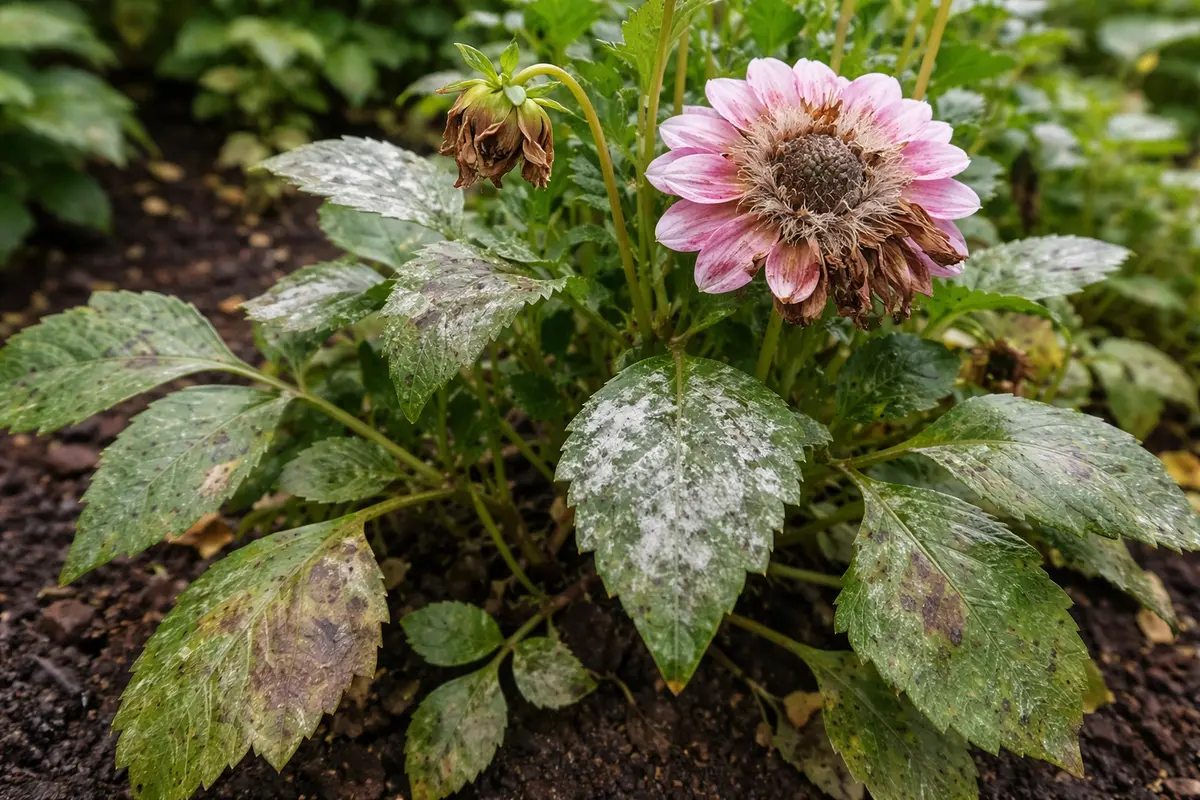
You may notice your dahlias showing signs of distress after a spell of rainy weather, which is why you need to know how to treat fungal infections on dahlias after rainy weather. The excess moisture can create an environment conducive to fungal growth, resulting in unsightly spots and yellowing leaves. If left unaddressed, the infection can spread and weaken the plant, making recovery harder. Fortunately, you can improve their health now by inspecting for affected areas and removing any diseased foliage.
Step 1 – Remove Infected Dahlia Leaves Immediately
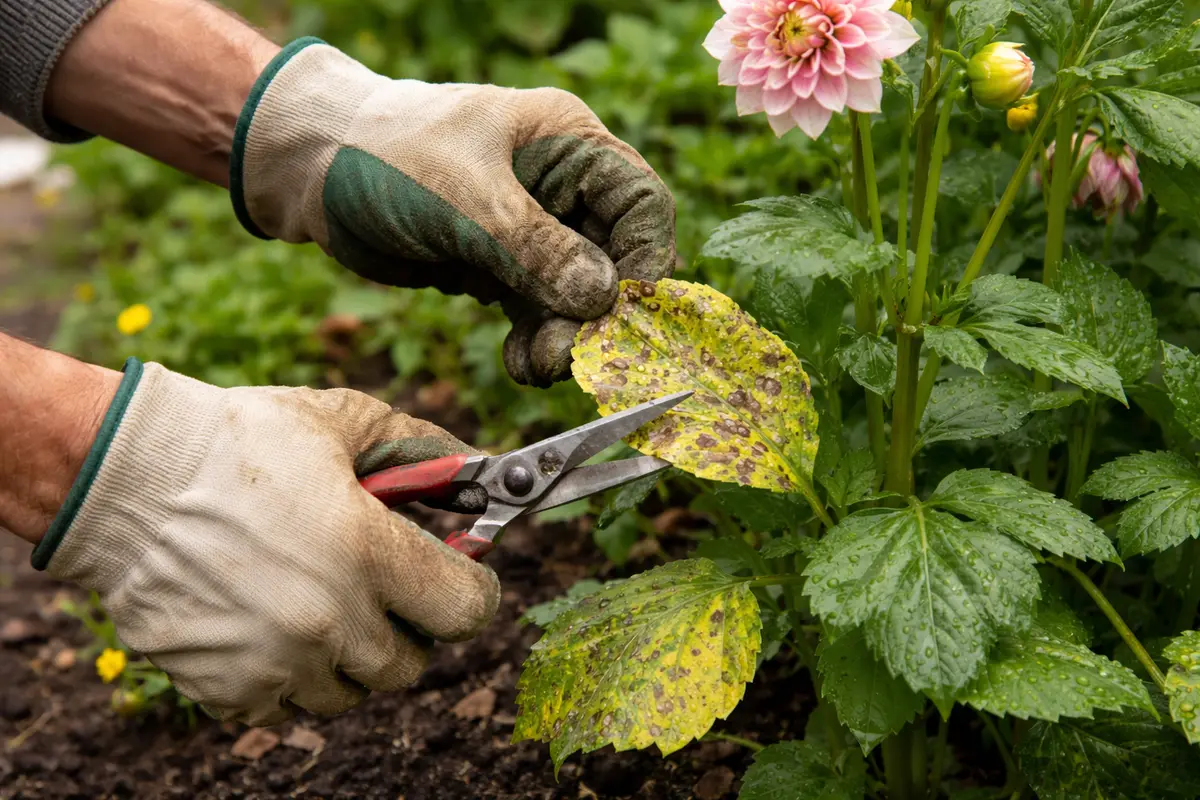
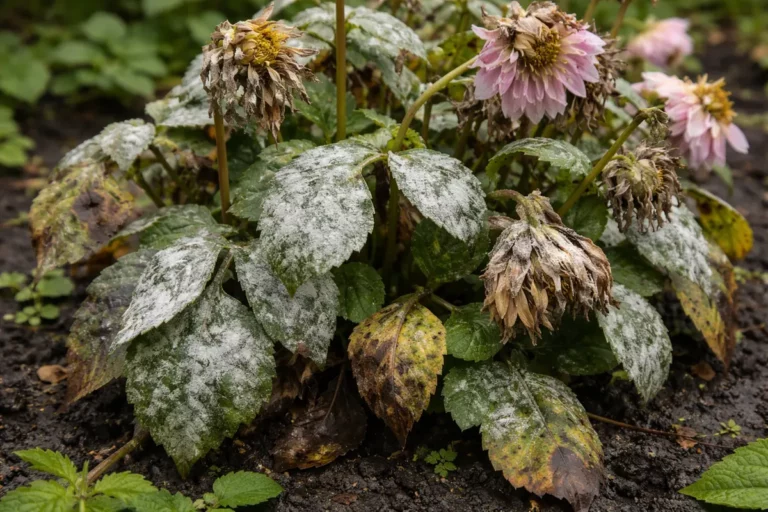
Remove any visibly infected leaves from the dahlias right away. You will see that the diseased areas on the plant begin to lessen within a few hours, preventing further spread. This action is crucial as removing the infected parts directly limits the fungal spores from proliferating and causing additional damage. If the leaves are heavily spotted or have a grayish fungus covering them, it’s an indicator that they are harboring spores ready to disseminate. After trimming, you may also notice that the overall vigor of the plant improves, allowing it to allocate more resources to healthy foliage.
By acting swiftly, you help your dahlias save energy that would otherwise be spent fighting the infection instead of focusing on growth. Fungal infections thrive in humid conditions, especially after rainy weather, where compromised air circulation and damp foliage create a perfect breeding ground. Neglecting to prune the affected areas leads to spores germinating and spreading across neighboring leaves. For instance, if you notice a single infected leaf left behind, it can lead to two or three more leaves becoming infected within days. Each compromised leaf can also impact the overall photosynthetic efficiency of the plant, creating a downward spiral in its health.
Many gardeners mistakenly assume that simply ignoring the visible damage will allow the plant to heal on its own. In reality, waiting too long can worsen the infection, leading to potential stem rot or a complete die-off of the plant. Take immediate action ensures the surviving foliage remains healthy and can continue to photosynthesize effectively. Perform a thorough check around the base of the plant, and if you find any mushy stems, these may also need to be cut away to prevent rot from setting in deeper. If the stem has areas that feel soft or discolored, consider removing those stems completely to safeguard the entire plant.
Step 2 – Diagnose Fungal Source on Dahlias
Inspect the surrounding soil and plant base for signs of excess moisture and identify the specific type of fungus affecting your dahlias. You will notice a clearer understanding of the problem and potentially find the source of the infection within a day or two. This inspection will uncover any underlying issues contributing to the fungal growth. Be sure to check for indentations or pooling water around the base of your dahlias, as these conditions indicate root saturation. An overly damp root zone can indicate that the soil is not draining properly and may require amendments to improve aeration.
Fungal infections often emerge after consistent wet conditions, which can lead to root rot or other soil-borne illnesses. The relationship between soil conditions, air circulation, and plant health is critical; if the soil stays too moist for extended periods, it will inhibit proper root function, causing these infections. Detecting these sources expedites the recovery process and prevents recurrence. Visible signs such as dark, mushy roots can indicate severe root rot, while a thinner, damaged root system suggests an earlier fungal infection. An examination of the root system can reveal whether it is more superficial damage or a deeper systemic issue.
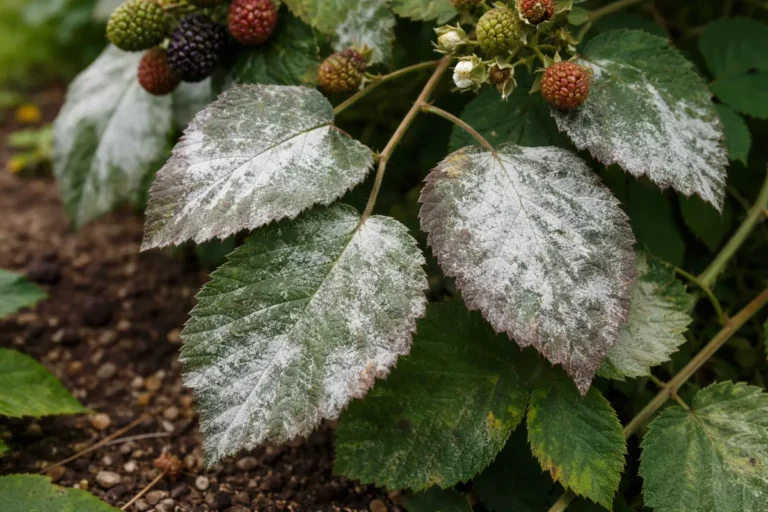
If the soil exudes a sour odor or feels overly sponge-like, it indicates root rot and may require further interventions like adjusting your watering schedule or amending your soil. Identifying the right fungus, such as powdery mildew or downy mildew, also sets the stage for precise treatment tailored to the species affecting your dahlias, which can make all the difference in recovery. If you notice remnants of white spores clinging to surfaces, that could signify powdery mildew as opposed to downy mildew, which typically leaves a more grayish hue on the underside of leaves.
Step 3 – Apply Natural Remedies for Dahlia Recovery
Start by removing any visibly affected leaves and stems from your dahlias after the rain has stopped, ensuring the cuts are clean to prevent further infection. As you do this, look for new growth emerging from the base or unaffected areas of the plant, indicating that recovery is underway.
Realistic recovery from a fungal infection typically takes two to four weeks, depending on the severity of the damage and ongoing weather conditions. Healthy regrowth will manifest as fresh leaves unfurling and stems appearing robust, while slow recovery could indicate lingering moisture on the foliage or inadequate drainage. If your dahlias continue showing signs of wilting despite being dry, check for any root rot that may have developed during the rainy period.
A mistake to avoid during recovery is overcompensating with water or fertilizer, which can exacerbate fungal issues. While regular watering is important, particularly in moist conditions, applying excessive fertilizer can promote too much leafy growth, leaving plants susceptible to further infections. If you notice new yellowing leaves instead of vibrant green ones, adjust your watering habits accordingly to avoid additional stress on your dahlias.
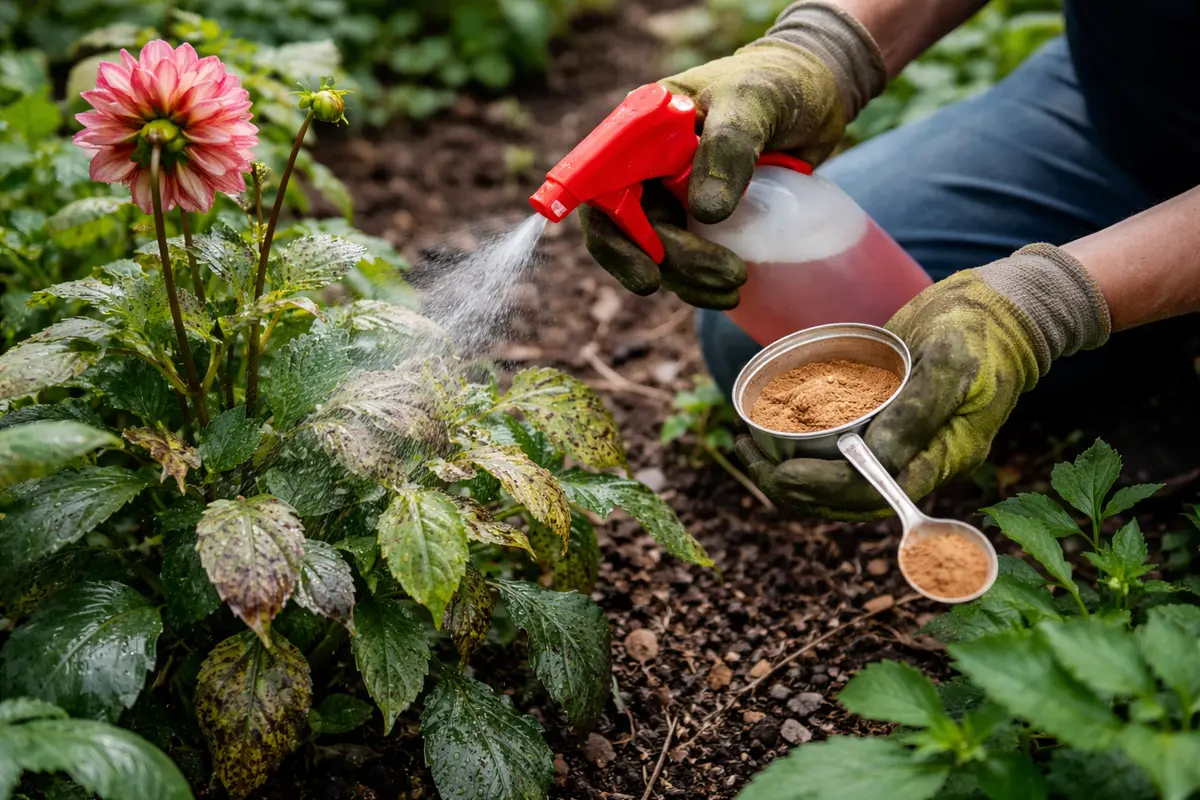
Natural remedies help strengthen the plant’s resistance while minimizing chemical exposure in your garden. This period of recovery is marked by the development of new leaves, vibrant green colors returning, and overall firmness in the plant. Ensuring you apply the solution in the evening prevents direct sunlight from diminishing its effectiveness. Additionally, maintaining balanced soil moisture will support healthier plant recuperation. A follow-up application may be necessary every seven to fourteen days, depending on the severity of the infection and the environmental conditions.
A common mistake during this recovery phase is overcompensating by applying excessive fertilizers, thinking the dahlias need extra nutrients to bounce back. However, too many nutrients can exacerbate fungal growth. Instead, focus on a balanced nutrient schedule that meets the needs of your dahlias without overwhelming the roots. Be sure to allow the soil to dry slightly between waterings to create an environment where beneficial microbes thrive, aiding in plant recovery. If you find yourself with wilting new growth after applying fertilizers, it’s a sign that the plant is struggling with nutrient overload. In severe cases, it may be necessary to flush the soil with clear water to reduce nutrient levels and alleviate root stress.
Step 4 – Water Dahlias Carefully to Prevent Overwatering
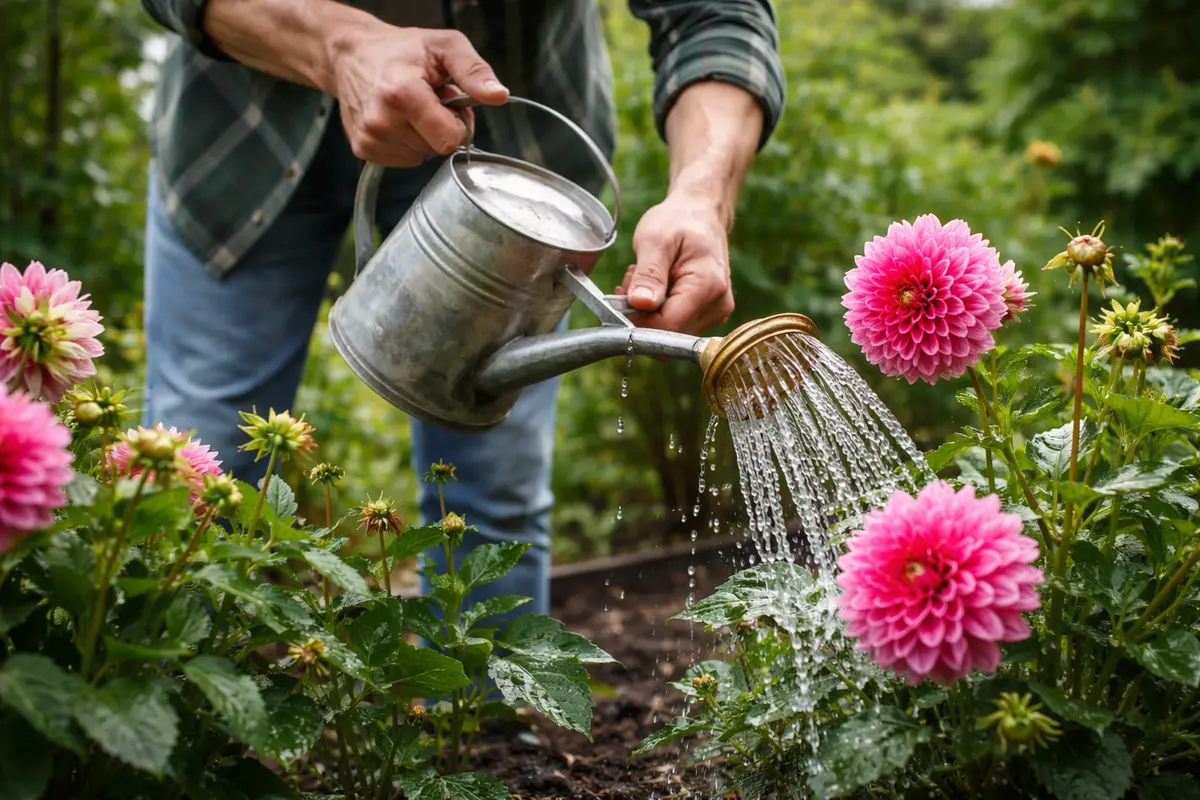
Adjust your watering schedule to ensure that dahlias receive moisture only when necessary. You will establish a routine that keeps the soil damp but not soggy, preventing further fungal spores from forming. To do this, wait until the top inch of soil feels dry before watering again. A consistent, moderate watering schedule will reinforce a healthy environment for growth. If control issues arise, consider implementing a drip irrigation system that can offer precise moisture management.
Excessive watering can promote conditions for fungus to regrow, particularly as dahlias need well-draining soil and minimum saturation around the root zone. This balance prevents fungal growth by allowing excess moisture to dissipate between watering sessions, thus reducing the risk of infections developing again. Monitoring the soil’s moisture content regularly assists in maintaining optimal conditions. Use a moisture meter if necessary; it will help determine when the roots are truly thirsty. Remember that dahlias typically enjoy moist but well-drained soil; if your local climate is exceptionally wet, you may need to implement additional drainage measures to help safeguard against root disease.
Seasonal changes also affect watering needs; during hotter weather, increased evaporation may necessitate more frequent watering, while cooler, damp conditions might warrant less frequent intervals. If you’re likely to encounter another rain event, consider raising the plants slightly in their beds or creating drainage furrows to reduce the chances of water pooling. Each season may require adjusting your approach and keeping a close eye on both the plants and the soil moisture level to prevent fungal re-colonization. Monitor forecasts closely and be ready to make adjustments to protect your dahlias from excessive saturation.
Step 5 – Inspect Dahlia Foliage for New Spots Weekly
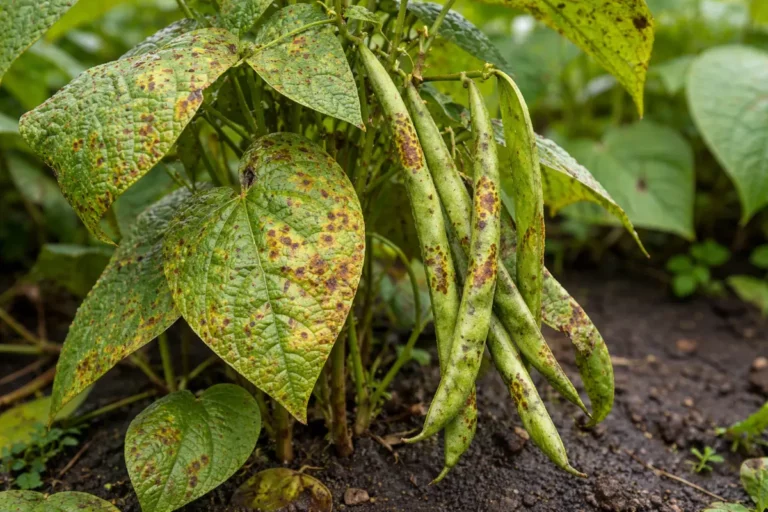
Start by monitoring your dahlias closely after several days of rain. Check the leaves and stems for any signs of fungal infections such as powdery mildew or black spots. Recheck the plants every few days for any changes in color, texture, or the emergence of new growths.
A fully recovered dahlia displays vibrant, lush green foliage, with leaves that are firm to the touch and free from blemishes. In contrast, early signs of a problem returning include wilting leaves that appear discolored or develop uneven patches, often feeling softer than healthy ones. If the leaves start curling or developing a fuzzy texture, it indicates that the infection might be re-emerging.
If you notice that the problem returns despite your treatments, immediately remove any infected foliage to prevent further spread. Escalate your approach by applying a commercial fungicide specifically designed for dahlias, and ensure proper air circulation around the plants by spacing them adequately. If symptoms persist, consult a local gardening expert for tailored solutions.
A fully recovered plant shows vibrant green leaves with sturdy stems, free from any discoloration or spots. Inspect not just for size and color but also for leaf texture; if the new growth feels rough or shows signs of dampness, it could still harbor fungal spores. However, if new spots emerge or the fungal growth returns, you may need to reassess your treatment strategies. Identifying the specific nature of the return can lead to appropriate adjustments in treatment plans, such as rotating treatments or re-evaluating your watering schedule. Moreover, responding quickly to any new proliferation will prevent a more widespread outbreak.
If issues recur despite following your monitoring routine, you may need to consult a local plant specialist or seek professional advice for more effective interventions. Timely attention will save your dahlias and enhance their resilience against potential infections in the future. Establishing a thorough check-in protocol reinforces your dahlias’ capability to thrive and banners you as a knowledgeable caretaker who understands the needs of your plants. This discipline in observation and response can elevate your gardening experience and sprout a path to enduring plant health.
FAQ
How long does it take for dahlias to recover from fungal infections?
Recovery from fungal infections on dahlias generally takes about one to two weeks after treatment begins. If the environmental conditions improve, you may see new growth appearing even sooner, indicating a favorable return to health and vitality in your plants.
Can fungal infections on dahlias spread to other plants?
Yes, fungal infections can spread to other plants, especially if they are in close proximity. To prevent spread, it’s essential to prune infected areas immediately and ensure good air circulation between plants to limit humidity buildup that can foster fungal growth. Periodically check neighboring plants for similar symptoms to catch any potential outbreaks early and take necessary action.
Should I remove all affected parts of my dahlias?
It’s crucial to remove all visibly infected parts to limit the spread of fungi. However, ensure that you do not stress the plant by over-trimming; focus on clearly infected leaves and stems to maintain healthy growth. If only minor spots are present, consider monitoring them carefully instead of immediate removal, as this helps to maintain the plant’s overall vigor. Performing a periodic assessment can help gauge the health of your dahlias and inform your cutting practices.