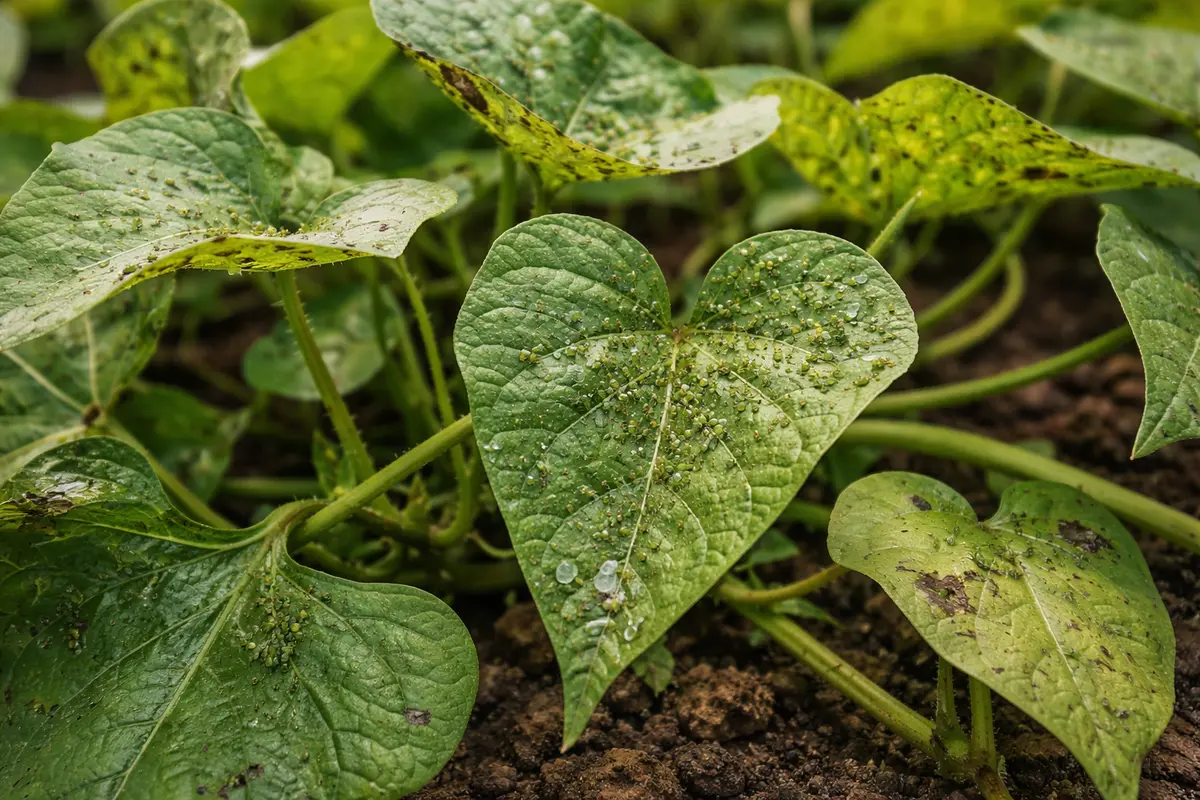
You may notice your sweet potato vines starting to look unhealthy during the growing season, which is why you need to know how to treat aphids on sweet potato vines during growing season. These tiny pests can cause yellowing and wilting of the leaves, leading to significant damage if not addressed quickly. Ignoring the issue only gets worse and can weaken the plant further, so it’s crucial to inspect and monitor for aphids regularly to ensure a healthy yield.
Step 1 – Spray Sweet Potato Vines with Insecticidal Soap
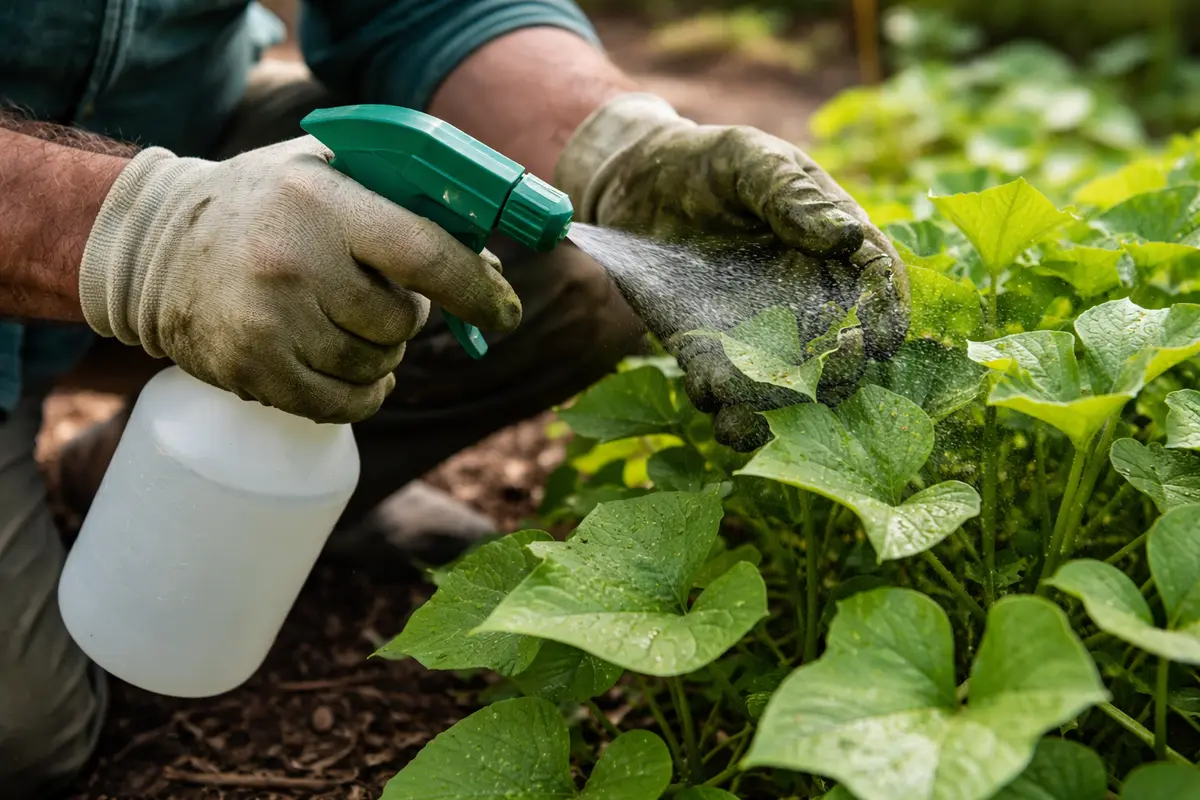
Begin by spraying your sweet potato vines with insecticidal soap to eliminate aphids immediately. You will notice a reduction in live aphids on the leaves within 24 hours, as the soap disrupts their cell membranes. Aim for a concentration of around 2-3 tablespoons of insecticidal soap mixed in a quart of water for optimal effectiveness, depending on the product specifics. Always ensure that you properly mix the solution to avoid inconsistencies in effectiveness.
Insecticidal soap works effectively against soft-bodied insects like aphids because it suffocates them and disrupts their cellular processes. This rapid action is crucial since aphids reproduce quickly, and a small infestation can turn into a major problem if left unchecked. Treat your plants during the early morning or late evening when the temperatures are cooler to maximize the soap’s efficacy without harming the plant. If temperatures are too high when you apply the solution, you may risk causing leaf scorch, so be mindful of the temperature and time of application.
A common mistake is to mix the solution too weakly, resulting in insufficient pest control. Additionally, failure to cover the undersides of leaves means missing many hiding aphids, which can cause the infestation to persist. Make sure to spray thoroughly, reaching the stem joints and beneath leaves where aphids often congregate. If your leaves have a waxy coating, consider increasing the volume of your mixture to ensure proper adherence and action against the pests. If you notice a lack of effectiveness within a few days, a significant number of aphids might remain hidden or unreachable; in such cases, repeat the treatment once more after 3-5 days to address any newly exposed aphids, ensuring you’re persistent in the treatment process.
Step 2 – Diagnose Aphid Infestations on Sweet Potatoes
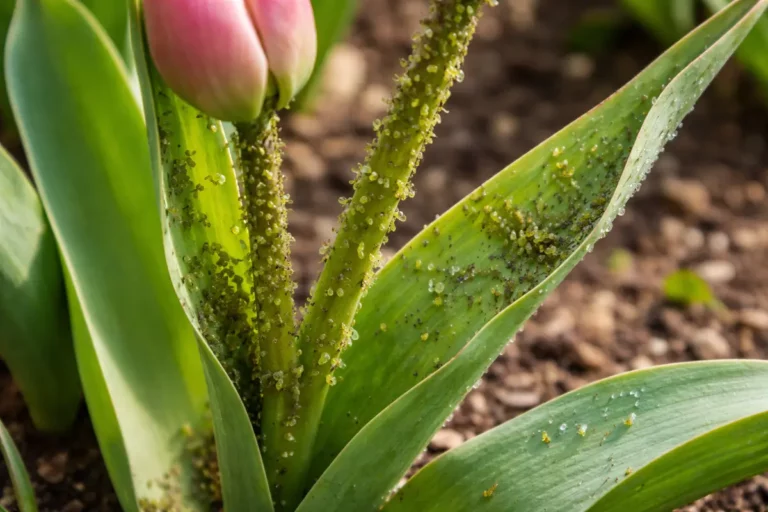
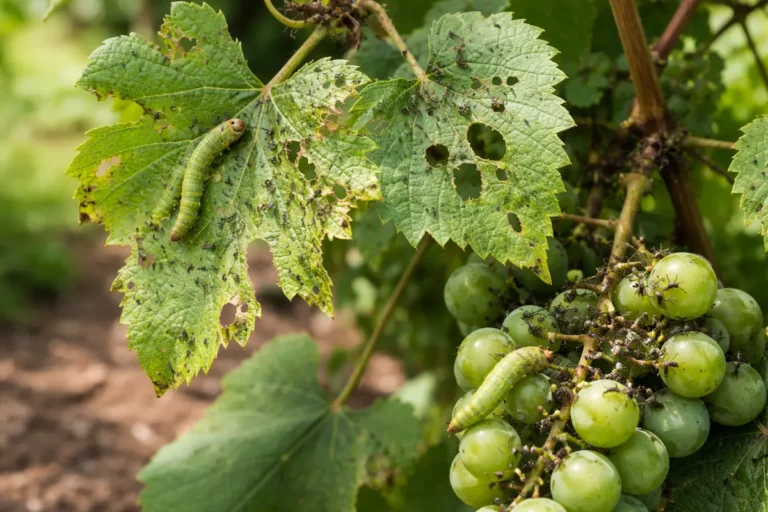
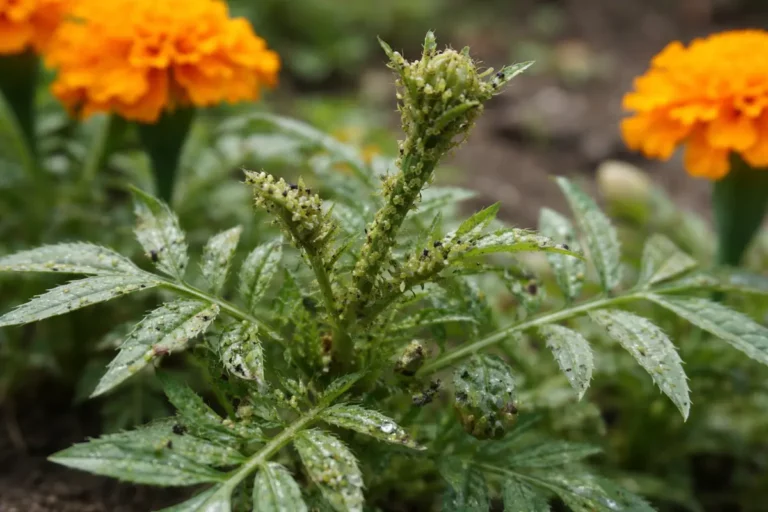
Inspect your sweet potato vines closely to confirm the presence and severity of the aphid infestation. You will recognize that if aphids are present, their characteristic sticky honeydew secretions and curled leaves will become visible. If you notice a significant number of ants around your sweet potato plants, that can indicate aphid presence since ants are attracted to the honeydew produced by aphids. Noting the presence of these additional insects can serve as a helpful indicator in the early stages of infestation detection.
Aphids thrive in warm, dry conditions and can latch onto the plant and feed on its sap, causing detrimental effects such as curling and yellowing leaves. Assessing the extent of the infestation is vital because it determines the subsequent steps to take; a minor issue might only need a gentle insecticidal soap solution, while a more extensive infestation might require stronger treatments. If you notice that the leaves are curling downwards, with a sticky residue present on them or the surrounding soil, that indicates a more severe infestation demanding immediate intervention. Consider monitoring the presence of beneficial insects that might help keep aphid numbers in check.
If you find that the infestation is particularly severe, consider switching to a more potent pesticide or injecting beneficial insects like ladybugs, which can naturally predate on aphids. Also, consider engaging in companion planting, introducing plants like marigolds that attract beneficial insects. Remember that if the weather is particularly hot or dry, aphids may retreat to shaded parts of the plant, making inspection more challenging. Besides individual plants, inspect neighboring plants as aphids can travel; populations may build in areas with less predator activity or lower susceptibility, extending the infestation’s reach. If neighboring plants are affected, consider treating them as well to prevent a widespread infestation that could threaten your entire garden.
Step 3 – Fertilize Sweet Potatoes to Aid Recovery
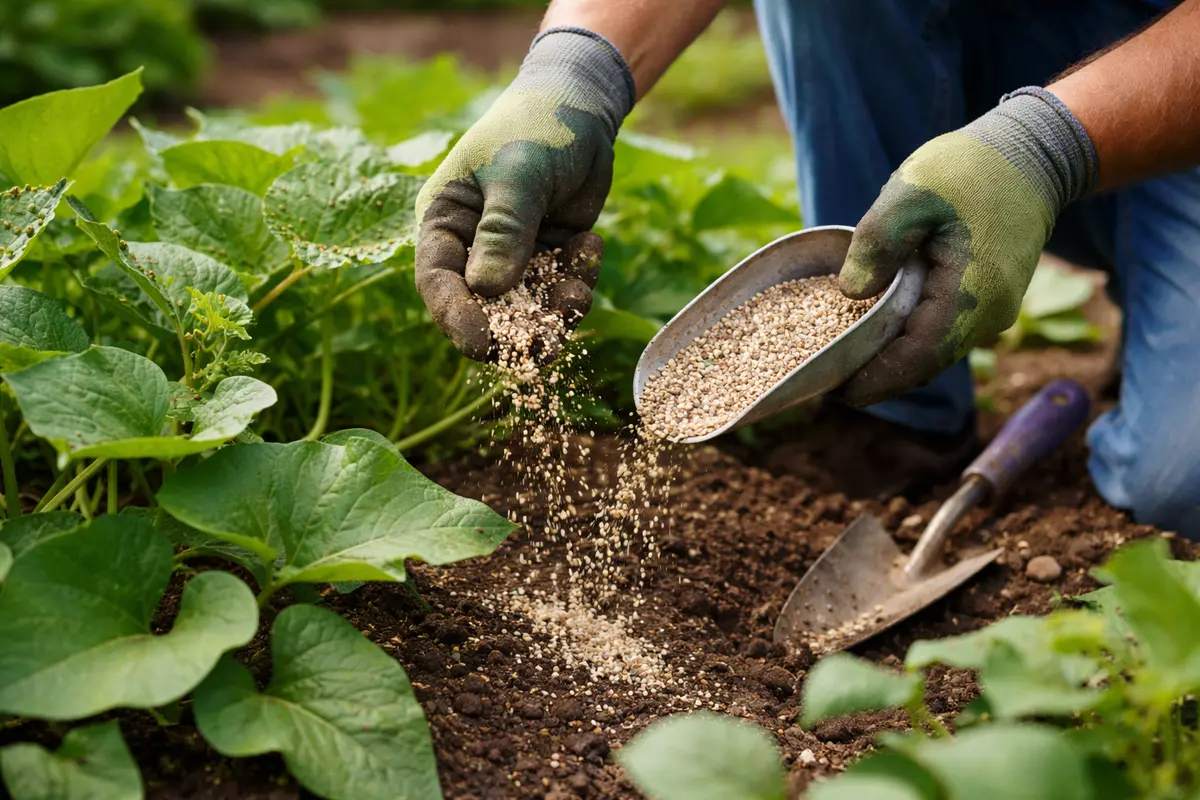
Apply a balanced fertilizer around your sweet potato vines to support their recovery after addressing the aphid problem. You will see improved leaf color and overall vigor in the plants within a week as they regain their strength. Using a slow-release fertilizer with a ratio of 10-10-10 NPK will provide the necessary nutrients progressively, ensuring steady growth without nutrient shock. Prior to fertilizing, assess the moisture level of the soil to avoid over-fertilizing stressed plants.
Fertilizing nourishes the plants with essential nutrients, promoting new growth and helping them recover from the stress caused by aphid feeding. Fertilizers containing nitrogen, phosphorus, and potassium will give your sweet potatoes the nutrients they need to bounce back stronger and healthier. Make sure to water the plants well after applying fertilizer to facilitate nutrient absorption, ideally waiting at least 30 minutes after application before watering to avoid washing nutrients away. If heavy rain is imminent, monitor rainfall patterns so that nutrient leaching does not occur.
During the recovery phase, avoid over-fertilizing, which can lead to lush growth that’s even more appealing to pests. Additionally, if rainfall is frequent, nutrients can wash away, necessitating more frequent feeding to keep the plants strong and resilient against future infestations. Observing plants that appear to be leggy or discolored may indicate that they need nutritional support or have experienced significant damage due to aphid activity. If the areas of the plants are discolored, that can indicate that the white flour-like deposits may not just be from aphids but can also signal fungal issues, leading to a need for different interventions. Monitor the growth to ensure that over-application isn’t occurring; wilting despite adequate water can signal excess fertilizer leading to root burn, making it necessary to take corrective actions promptly.
Step 4 – Water Sweet Potatoes to Deter Aphids in Summer
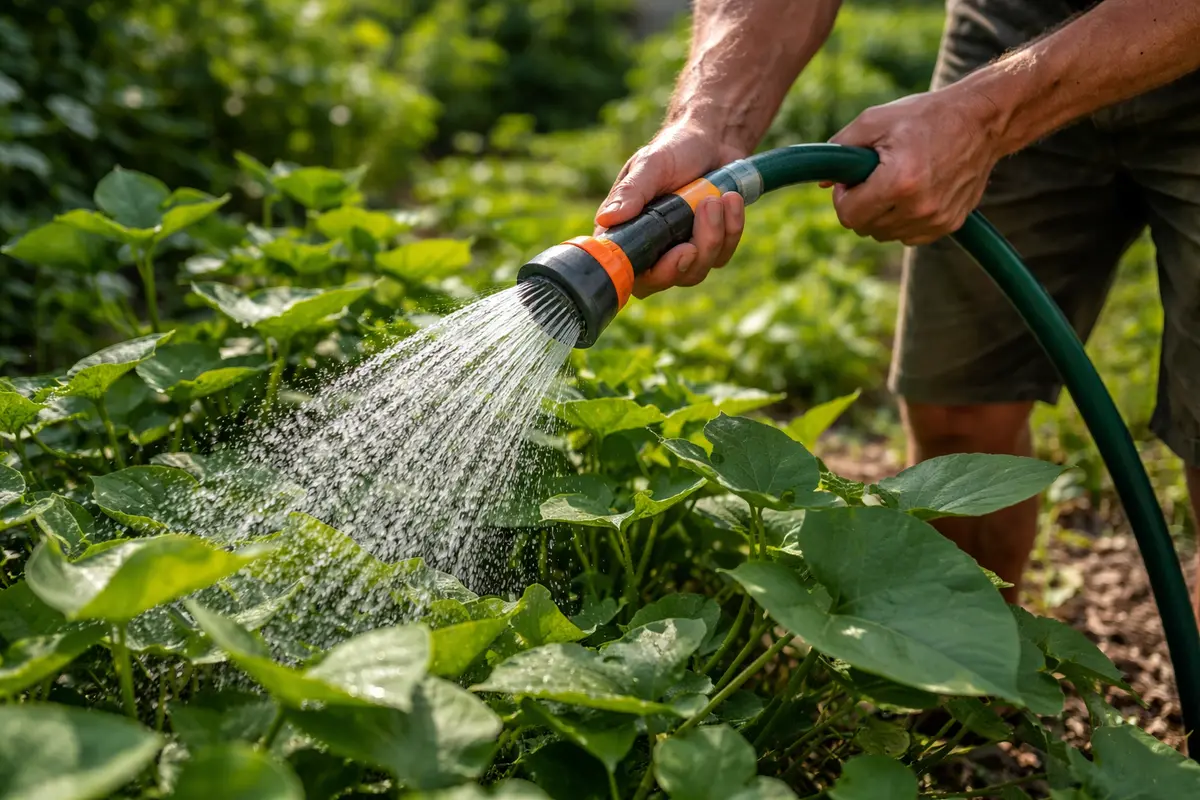
Begin by establishing a watering routine that ensures consistent soil moisture; this practice will help deter aphids, as they favor stressed plants. Start by introducing beneficial insects, such as ladybugs and lacewings, to your garden; these predators will help keep aphid populations at bay. Over time, you’ll notice a decrease in aphid infestations and healthier sweet potato vines, thriving without the stress of pest damage. It is vital to balance irrigation practices to prevent both drought and overwatering — conditions that can stress plants further.
High humidity and over-fertilization often create an environment conducive to aphid outbreaks, while maintaining a balance of nutrients and proper drainage limits their survival. By adopting a prevention routine that includes monitoring moisture levels and promoting natural predators, you can address the root causes and decrease the likelihood of aphids returning. Regularly check soil moisture by inserting your finger a couple of inches deep; if it feels dry, watering is necessary.
During the summer’s peak heat, increase your predator releases as beneficial insects may need help finding food sources. If you encounter heavy rainfall, check for fungal diseases that can stress the plants, as stressed plants are more susceptible to aphids, necessitating a thorough assessment of soil conditions to ensure roots are not waterlogged. Aphids are drawn to stressed plants often resulting from insufficient water. By maintaining a consistent moisture level in the soil, you can keep your sweet potatoes healthy and less attractive to these pests. Water in the early morning or late afternoon to prevent evaporation and ensure effective absorption by the roots. If you notice wilting during the hottest parts of the day, it may indicate that your plants are under-watered. Consider implementing a drip irrigation system to deliver precise levels of moisture directly to the soil depth if overwatering is not an issue.
During peak summer heat, consider using mulch to help retain soil moisture; this can slow evaporation and provide your sweet potatoes a more stable environment. If you notice wilting leaves despite a regular watering routine, it may indicate root issues, such as compaction or poor drainage, that need to be addressed to improve overall plant health. Poor drainage can lead to waterlogged roots, which create perfect conditions for other pests or diseases. Regularly check the drainage conditions around your sweet potatoes; excess water pooling may signal heavy clay soils that require aeration treatments to promote healthy root systems and deter aphid infestations, ensuring long-term stability and health for your plants.
Step 5 – Inspect Vines for New Aphids Weekly
Start by regularly checking your sweet potato vines for signs of aphids, especially on the undersides of the leaves and at the new growth tips. Look for clusters of small, green or black insects and sticky honeydew residue on the foliage. Recheck your plants every few days during the growing season to track any changes or resurgence of aphids.
A fully recovered sweet potato vine will display vibrant, deep green leaves free from any visible pests or damage, with a robust, upright growth habit. In contrast, early signs of the problem returning include curled or deformed leaves and a sticky surface caused by honeydew. If the foliage appears shiny and has a distorted shape, then aphids may be returning.
If aphids persist despite your efforts, implement a stronger measure such as introducing beneficial insects like ladybugs or applying insecticidal soap targeted specifically for aphids. If these interventions do not yield results, consider escalating to an organic pesticide or seeking advice from a local agricultural extension office.
A fully recovered sweet potato vine will display lush, green foliage with smooth leaf texture, indicating a healthy state. By contrast, early signs of the problem returning include yellowing leaves or a sticky sheen on the plant’s surface, a sign that aphids may be reemerging. If you notice curled edges or stunted growth again, that could indicate a reinfestation, so act promptly.
If the aphid problem returns despite following the recommended treatment steps, consider applying a stronger natural insecticidal soap or introducing beneficial insects like ladybugs to control the population. Additionally, if the infestation persists, reaching out to a local extension service for targeted advice can provide specific solutions tailored to your gardening context.
Regular inspections are critical for early detection of any resurgence in aphid populations, which often go unnoticed until plants exhibit new damage. Monitoring ensures that you can take immediate action if you spot aphids again before they have a chance to reproduce extensively. Watch for curled leaves or a shiny residue, which indicates aphid presence. If you see ants climbing the vines or hovering around the plant, that often signals an active aphid infestation nearby, as they are drawn to the honeydew excreted by aphids. It’s crucial that you strategize your monitoring and treatment efforts, especially during peak aphid seasons.
If you discover that aphids have returned despite your efforts, don’t hesitate to repeat the earlier treatment steps or switch to a more potent insecticide as necessary. Immediate action will limit the damage and protect your sweet potato crop from sustaining long-term harm. If problems persist week after week, consider further investigating influences such as neighboring plants harboring pests or environmental factors contributing to stress. Implementing good companion planting practices—such as including basil near your sweet potatoes—can also shield against aphids while providing a natural form of pest management. If accidental damage to the sweet potatoes occurs during your inspection, exercise caution and be gentle to avoid causing additional stress to the plants.
FAQ
How long does it take for sweet potato vines to recover from aphids?
Sweet potato vines typically show improvement within a week after you treat an aphid infestation, especially if you provide proper nutrition and consistent watering. However, complete recovery may take several weeks as they regrow damaged leaves and stems, which may, at times, require additional pruning for optimal growth. If leaf yellowing occurs, ensure to monitor the plants closely as it may indicate lingering stress from the aphids’ feeding.
Can aphids spread to other plants in my garden?
Aphids can easily spread to other plants, particularly those in close proximity. It’s essential to maintain regular monitoring and treatment of all plants in the vicinity to prevent a widespread infestation throughout your garden. Be particularly cautious with new plants entering your garden, as they can introduce an unseen aphid population, effectively becoming a vector for wider outbreaks. Additionally, inspect neighboring plants to ensure they are healthy and do not serve as a reservoir for aphids; treating them early may save you significant headache later.
Should I remove affected parts of the sweet potato vines?
It may be beneficial to prune heavily infested leaves to help the plant focus its energy on new growth. This can also help to reduce the number of aphids and speed up the recovery process, especially in the early stages of an infestation. However, be sure to dispose of the prunings properly, ensuring that any leftover aphids don’t reinfest the plants. This may involve sealing the cuttings in a plastic bag before discarding them to eliminate any pests and keep your garden healthy.