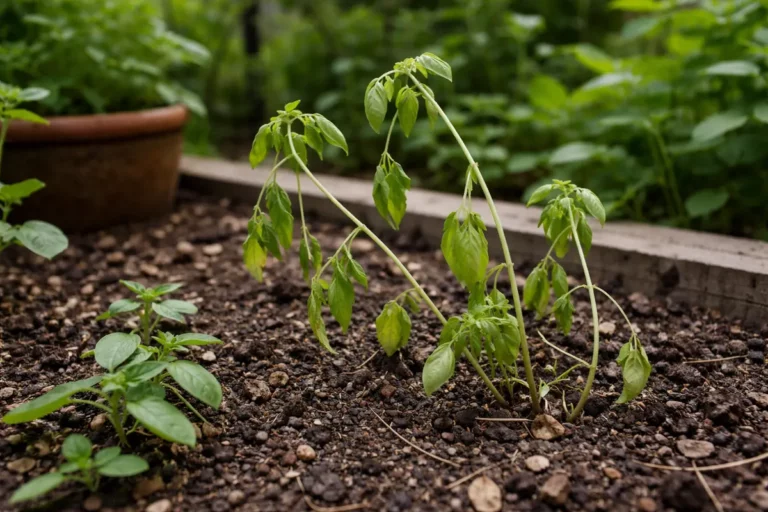
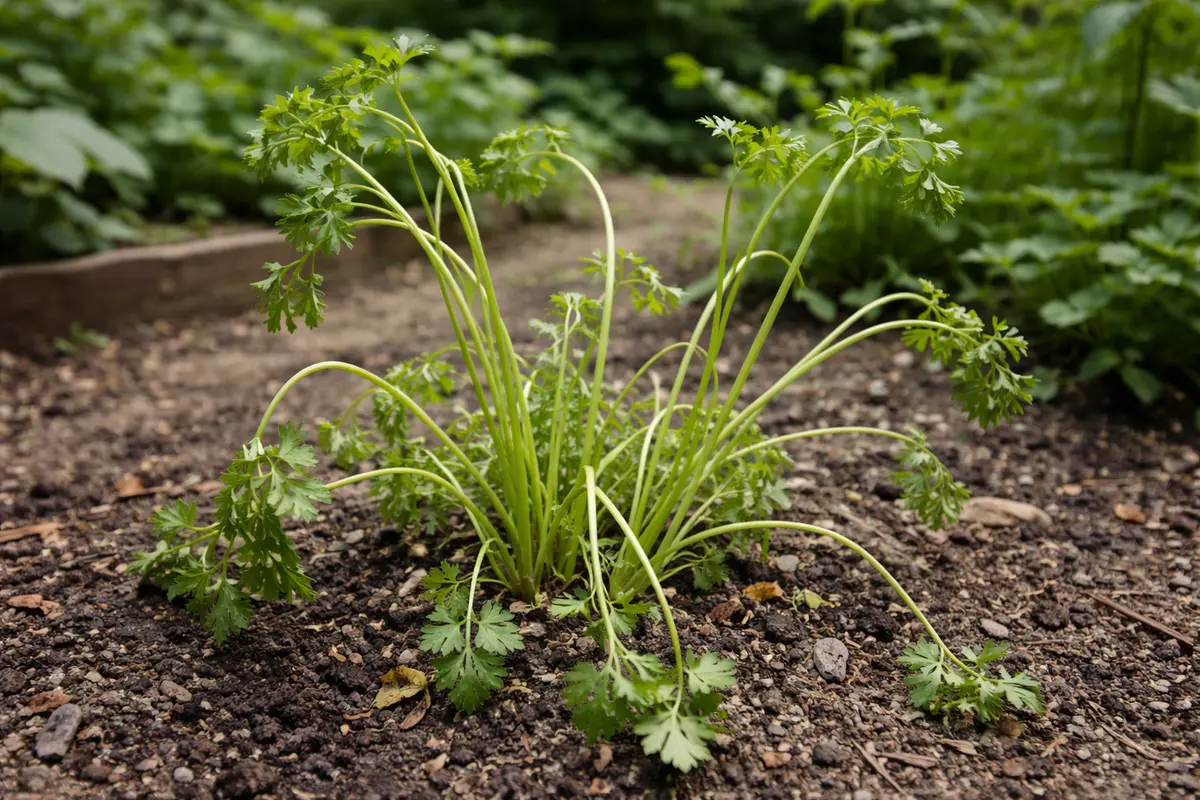
You may notice your parsley plants stretching upward with sparse leaves and a slim appearance during the darker months, which is why you need to know how to stop leggy growth in parsley during low light. This leggy growth occurs as the plant reaches for available light, resulting in weak, elongated stems and an overall drooping look. If left unaddressed, this condition can worsen, threatening the health of the plant and leading to reduced growth. However, taking immediate action to adjust light levels, trim back excessive growth, and ensure optimal growing conditions is essential for recovery.
Step 1 – Trim Leggy Parsley Stems Immediately
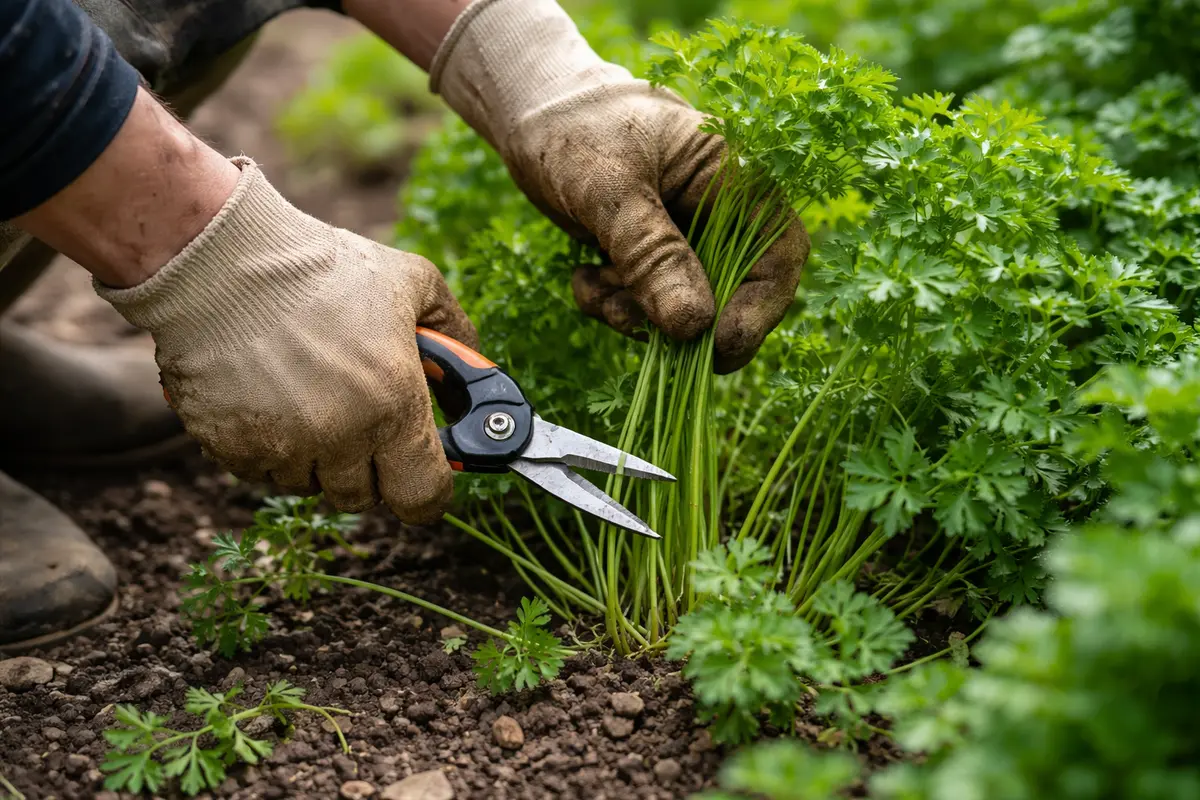
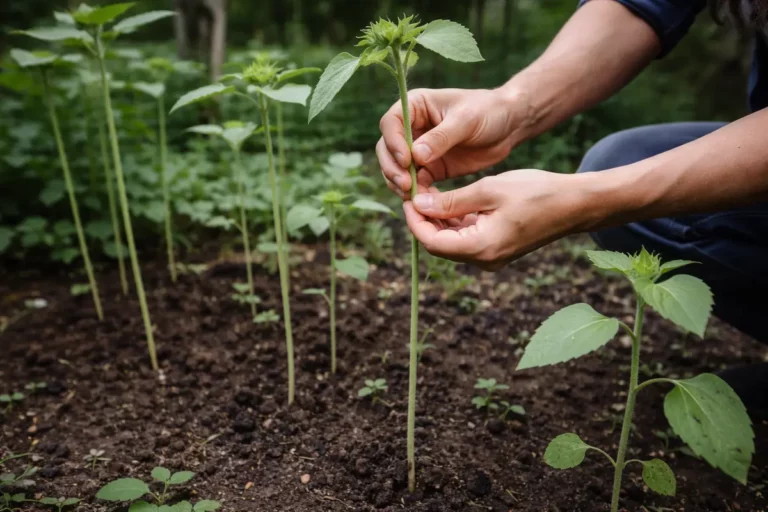
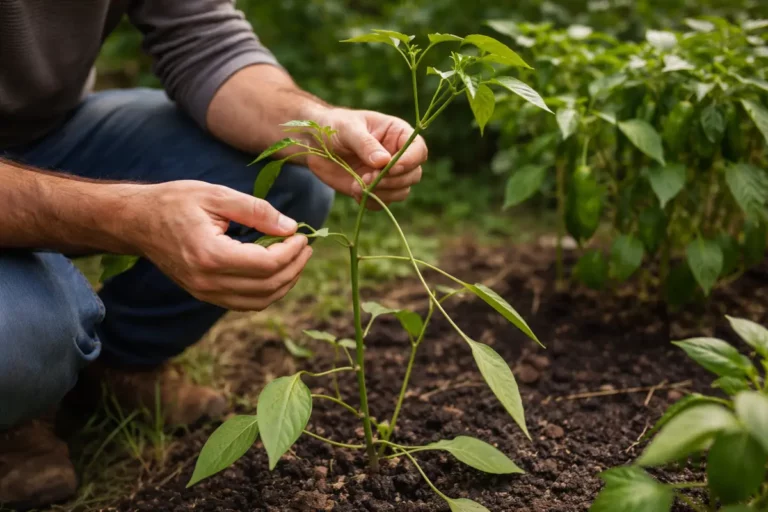
First, check your parsley for signs of leggy growth, characterized by long stems and sparse leaves. Trim back the excessively elongated stems, making the cut just above a leaf node to encourage bushier growth. Immediately, you should notice a more compact plant structure as new growth begins to emerge from the leaf nodes.
Acting fast is crucial because parsley has a limited response time to suboptimal light conditions; if you delay, the plant may redirect its energy towards elongation instead of developing new foliage. In a situation where immediate trimming and repositioning occur, your parsley responds by generating new, denser foliage. If you don’t address the leggy growth, the stems may continue to stretch, leading to fewer leaves and resulting in a sparse appearance.
A gardener who waited too long to trim their leggy parsley ended up with a plant that was not only elongated but also unable to produce new leaves effectively. The initial misstep of ignoring the light conditions led to thinner stems that flopped under their weight, demonstrating the significance of timely intervention. If you notice yellowing leaves alongside the elongation, check your watering routine; underwatering can exacerbate leggy growth.
Acting quickly is essential because those weak stems are consuming energy that could be redirected towards developing robust foliage. If you do not trim them, the weak stems may inhibit the potential for new growth, ultimately leading to an even greater decline and possible stunted growth. Observe for signs such as the stems developing a dull or brownish tone; this indicates they have been stretching for light for far too long and need to be removed immediately. If these stems remain, their age and weakened state can make them increasingly vulnerable to pests and diseases, jeopardizing the overall health of the plant. If left unchecked for weeks, the plant can decline and require substantially more care to recover.
A common mistake gardeners make is cutting the stems just above the highest leaves, which fails to promote strong growth. Instead, it’s more beneficial to cut back to just above a set of healthy leaves or at the base of the stem. In my experience, taking such prompt action significantly aids recovery within a few days, prompting fresh new growth from lower nodes. Be cautious about how much you trim; over-trimming may lead to insufficient biomass for photosynthesis, limiting the plant’s recovery potential in the process. A sound rule of thumb is to assess the overall health of the remaining leaves; trimming should stop when you see a healthy baseline of foliage left. Additionally, watch for renewed branching from lower nodes, as this often indicates that the plant is responding to the trimming effectively. Ensure that any woody or excessively long stems are cut back promptly to encourage the remaining healthy stems’ vigor.
Step 2 – Diagnose Light Deficiency for Parsley Growth
Inspect your parsley’s location carefully to check for inadequate sunlight exposure. You should notice smaller, fewer leaves, and they might exhibit a vibrant green color, indicating energy deprivation due to a lack of light. Proper sunlight is vital for optimal growth; without it, your parsley cannot photosynthesize effectively, leading to stunted growth and increased legginess. Additionally, you might observe that the stems are weak and bending rather than standing upright, revealing a plant under significant stress from poor lighting conditions. Many gardeners find that this visible droop is often overlooked, highlighting the urgency of diagnosis.
Parsley typically thrives in full sun, requiring at least six hours of direct sunlight for optimal growth. When deprived of light, the plant may elongate in its search for sunlight in a process known as etiolation. This stretching not only weakens the stems but also creates vulnerability to pest infestations. Be vigilant for signs like roots that may be exposed or pathologically sunken instead of firm in the soil. If the roots appear soft or mushy when touched, this indicates root rot due to poor drainage exacerbated by low light, further complicating recovery. Yellowing leaves can serve as early warnings that conditions are worsening and require immediate corrective measures.
If it becomes apparent that your parsley receives only indirect light, consider relocating it to a brighter spot or employing artificial lighting solutions like grow lights, especially during shorter winter days. Taking action to ensure your parsley is in a well-lit area is essential; if this adjustment does not appear to improve conditions within a week, evaluate surrounding foliage or nearby structures that may be obstructing sunlight. A common diagnostic check involves observing the angle at which the branches are growing; if they continue to stretch towards an evident light source, your plant is not receiving adequate exposure. Regularly check to ensure that the light concerns are corrected; shading can drastically affect the plant’s ability to thrive. Additionally, consider the seasonal shifts that influence lighting conditions; establishing your parsley near reflective surfaces like white walls can encompass additional light, improving overall growth potential significantly. If after two weeks of enhanced lighting there is no noticeable improvement, you may need to investigate whether there are deeper root or soil issues, which could require more drastic corrective measures.
Step 3 – Fertilize Parsley for Robust Recovery
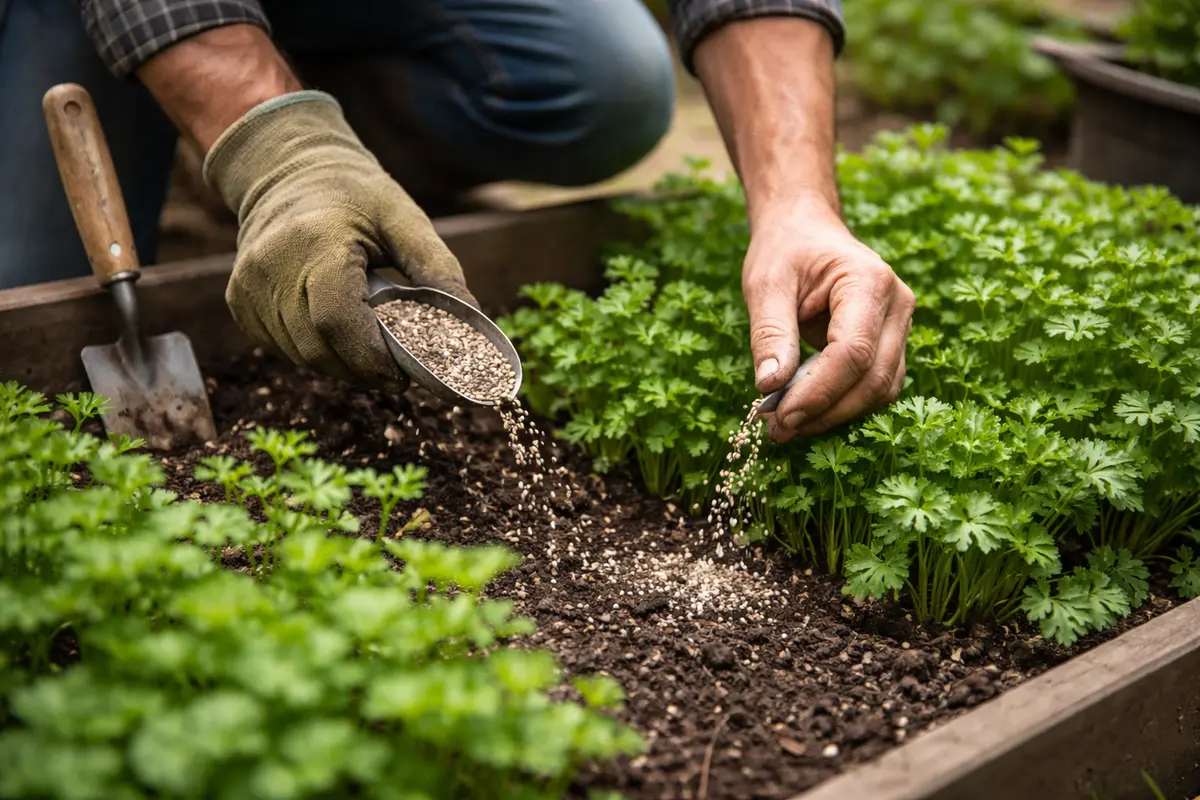
Apply a balanced liquid fertilizer around your parsley plants to boost their recovery. Within a week of applying fertilizer, you should start to notice new growth, signaling that your plant is responding positively to the nutrient boost. Fertilization at this stage provides essential nutrients for the development of new shoots and leaves, ultimately strengthening the plant’s overall structure. An ideal fertilizer mix would have a balanced ratio, such as 10-10-10, to provide every critical nutrient needed for recovery. When applying, consider administering fertilizer when soil moisture is moderate—around 50%—which enhances nutrient absorption and prevents root shock.
The equal parts nitrogen, phosphorus, and potassium amplify nutrient uptake that propels recovery and promotes healthier foliage. Since parsley is prone to nutrient depletion during the winter months, this fertilization action is vital for providing the energy needed to combat low light exposure. Coupled with adequate watering practices, nutrient absorption can be sustained much more efficiently. It is advisable to stop watering 48 hours prior to fertilizing; too much moisture can hinder the roots’ ability to take up nutrients effectively. After fertilizing, routinely check the soil moisture; if it feels dry about an inch below the surface, it is an indication that it’s time to water again. Cataloging the moisture levels in the soil is essential—this directly affects nutrient absorption crucial for recovery. Conversely, if the soil feels waterlogged, it could limit roots’ access and signal a need to increase aeration before more fertilizer is introduced.
A common oversight during this process is over-fertilizing to hasten recovery; this can lead to detrimental salt accumulation within the soil and negatively impact plant health. If you identify white crusts on the topsoil or if the leaves begin to brown at the edges, it’s a signal that salt levels are too high, and you should flush the soil with water to remove excess salts. If new growth appears either partially or not at all, consider increasing your watering schedule or checking for possible soil compaction that may prevent nutrients from reaching the roots. Generally, it’s best to apply fertilizer every four to six weeks, and it is crucial to wait at least two weeks after the initial application to observe any visible results before initiating further interventions. If you perceive a delay in growth following fertilization, it could indicate a need to reassess soil conditions and nutrient health since poor fertility management can restrict root flourishing.
Step 4 – Inspect Parsley for New Growth After 2 Weeks
First, monitor your parsley plants for signs of leggy growth by checking their height and the spacing between leaves once a week. Observe for elongated stems reaching toward light sources, and notice if leaves become sparse along the stem. Recheck these conditions regularly to ensure your adjustments are effective in maintaining an equal light distribution.
A fully recovered parsley plant showcases dense foliage, with closely spaced, robust leaves cascading around a strong stem. In contrast, early signs of leggy growth include extended, thin stems with an increasing gap between leaves, indicating it is still reaching for light. If leaf color appears pale and texture feels weak, re-evaluate your light exposure to determine the next steps.
If leggy growth persists despite following your initial steps, consider relocating your parsley to a brighter area or supplementing light with grow lights for at least 12 hours a day. If issues continue, inspect for proper watering practices to ensure the plant is not under stress from drought or over-saturation.
A robustly recovered parsley plant will exhibit fresh, vibrant green leaves that are crisp and resilient to the touch, showcasing significant health improvements. If new growth appears sparse or weak, this serves as a signal that renewed assistance is needed in the form of added sunlight or nutrients—another checkpoint to identify any possible re-emerging leggy growth. As new shoots develop, ensure they’re growing upright; if they are still leaning toward the light source, it may indicate that the light levels are still inadequate. Address the issue swiftly; if new leaves are growing at odd angles, this typically indicates that more light is necessary. In cases where newly emerging leaves are smaller than the previous growth, this could indicate persistent nutrient deficiencies that need addressing.
Should signs of leggy growth resurface despite following through with your care plan, revisit your light source and check for any blocking shadows cast by surrounding plants or furniture. Make it a habit to evaluate and document the conditions of growth bi-weekly, noting improvements or regressions. Additionally, be attentive not to overwater, as excessive moisture can lead to root instability, promoting undue stretching. A strategic relocation to a brighter area could provide the essential sunlight needed for your parsley to flourish. If monitoring shows persistent troubles, consider re-evaluating your plant’s spacing or soil to ensure good airflow. Should all monitoring fail to yield a strong recovery, it may indicate a potential compromise in the root system, requiring re-planting to maximize the plant’s growth potential. Always approach any re-planting cautiously, ensuring the new placement has proper drainage and light conditions. In cases of persistent trouble after these checks, propagating new parsley cuttings from healthy stems provides a fresh start in ideal conditions.
FAQ
How long does it take for parsley to recover from leggy growth?
After implementing corrective measures, you can typically observe improvements within two weeks. New shoots or leaves should begin to appear within this timeframe, indicating that the plant is on its way to recovery. If results are not apparent after this period, it may be necessary to reassess your care practices and environmental conditions to determine if factors like continued light deficiency or inadequate watering are still affecting plant health.
Will removing leggy stems harm my parsley plant?
No, cutting leggy stems will not harm your parsley; it is, in fact, beneficial. This trimming process allows the plant to save energy and redirect resources to healthier parts, fostering improved growth. Delaying too long to remove these stems may lead to additional stress, hampering healthy development and overwhelming the remaining healthy sections. Consider monitoring for any secondary growth that might emerge after trimming, as this can further inform your care strategy moving forward.
Can indoor lighting help prevent leggy growth in parsley?
Yes, utilizing grow lights can effectively prevent leggy growth in indoor parsley plants. Positioning lights to mimic sunlight exposure for 12 to 16 hours daily can maintain plant vigor and thwart elongation induced by inadequate light. Furthermore, rotating the plant regularly ensures that all sides receive equal light exposure, preventing uneven growth as environmental conditions fluctuate. It may also be beneficial to articulate light intensity, as some lights can produce more heat than others, affecting proximity and duration of use.