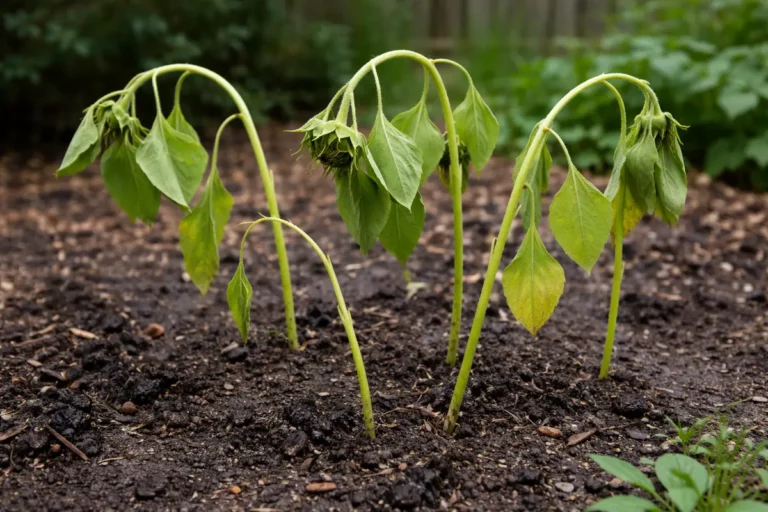
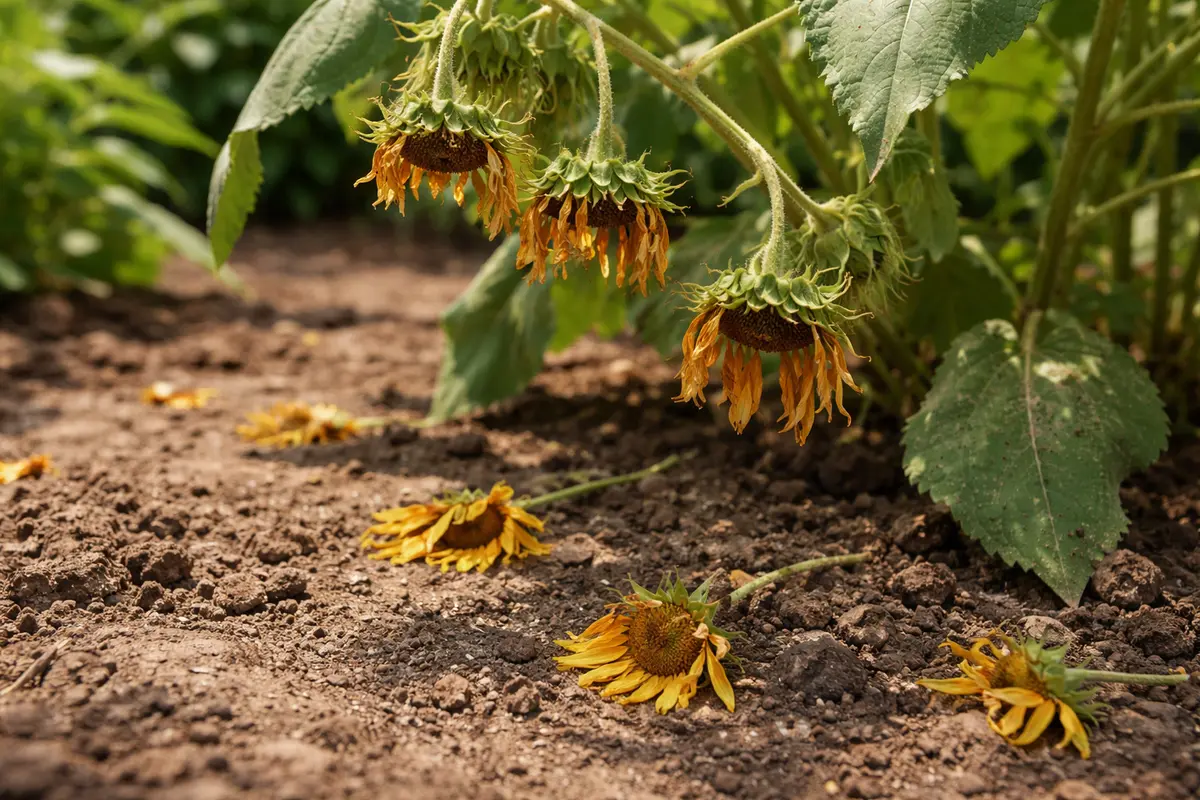
You may notice your sunflowers struggling during a scorching heatwave, which is why you need to know how to prevent blossom drop on sunflower during heatwave. The plant may show signs of drooping leaves and wilting flowers as it battles to conserve moisture in extreme temperatures. If ignored, these problems can worsen, weakening the plant and leading to more damage, but you can fix it now by adjusting your watering routine and monitoring their sun exposure.
Step 1 – Water Sunflowers Deeply to Combat Heat Stress
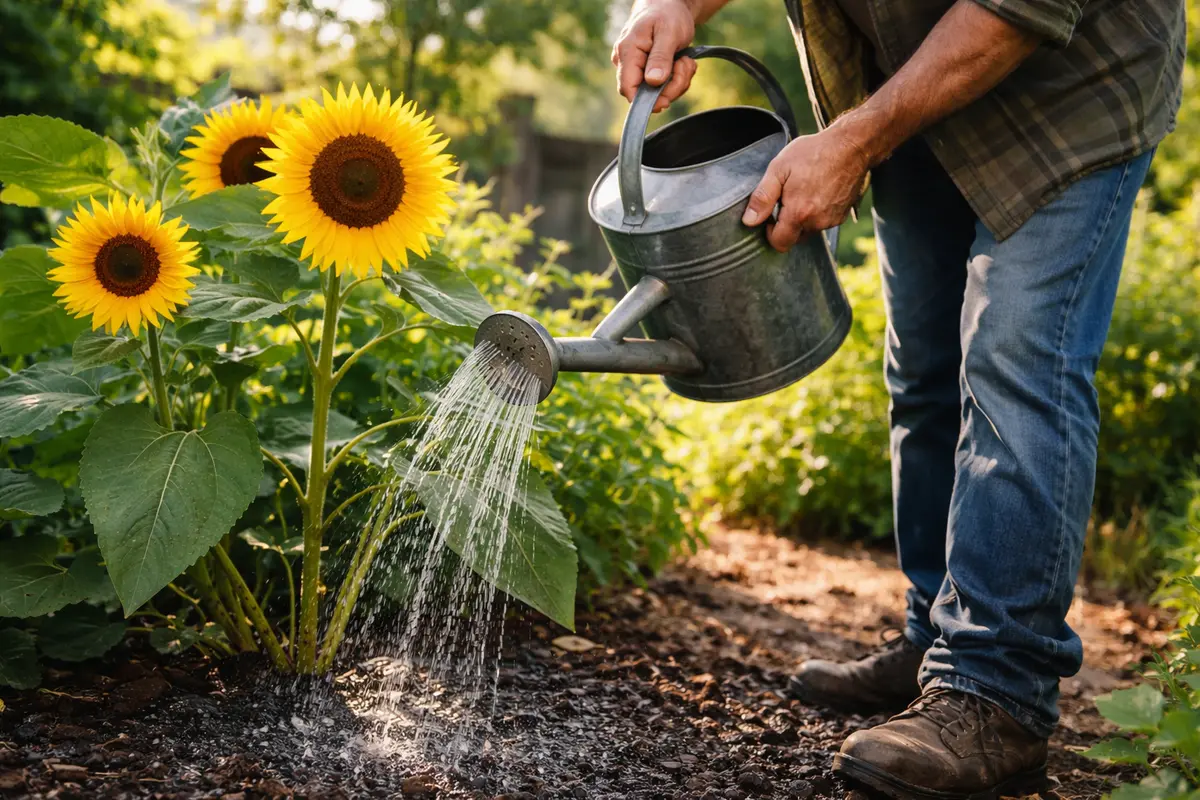
Start by watering the sunflowers deeply at their base. You will observe the soil darkening, indicating that moisture is penetrating deeper into the root zone, which should happen almost immediately after watering. This action should be completed early in the morning, well before midday, allowing the plants to absorb moisture before the heat peaks.
Deep watering saturates the root zone, encouraging the plants to absorb essential moisture they may lack due to the heat. If temperatures exceed 30°C (86°F), wilting and stress may ensue, significantly increasing the risk of blossom drop if the roots cannot access adequate moisture. Without prompt watering during these conditions, the sunflowers may struggle to recover, risking permanent damage. A healthy root system seeks moisture that penetrates 12-18 inches deep, particularly in sandy soils where moisture drains more quickly.
Common mistakes include watering only the surface, leading to insufficient moisture penetration and continued stress. Ensure you water to a depth of at least 6-8 inches. If the soil remains parched to the touch at this depth after watering, check for soil compaction or drainage issues that may hinder moisture retention. A hard, crusty surface can indicate that the roots are not receiving enough moisture. In such cases, aerate the area around the roots using a hand cultivator or a similar tool, as this will improve water penetration. Additionally, incorporating organic matter such as compost can significantly enhance water retention capabilities.
Step 2 – Investigate Heat Impact on Sunflower Blooms
Start by assessing the overall health of your sunflowers, particularly the condition of their blooms. You should notice a clearer distinction between healthy and damaged flowers, allowing you to address the root cause more effectively.
This happens because heat stress impacts the plant’s hydration levels and its ability to sustain blooms. Specifically, prolonged high temperatures lead to excessive water loss through transpiration, which can result in blossoms dropping as the plant struggles to maintain moisture. If your sunflowers display scorched petals or wilting foliage, it may indicate that heat stress is the underlying culprit.
To correct this issue, monitor the temperature and implement shade for your sunflowers during the hottest parts of the day. Use shade cloth or reflective barriers to shield the plants from direct sunlight, which will reduce heat stress and help maintain the necessary moisture levels for bloom retention. This action can enhance the overall resilience of your sunflowers. If you find that some plants are more affected than others, strategically placing shade as needed can make a significant difference.
If issues persist despite shading efforts, check for other environmental factors contributing to stress, such as wind exposure or inadequate soil nutrition, that might exacerbate the heat’s effects. Ensure that your sunflowers have access to high-quality compost or organic fertilizers, which can improve their resilience during challenging weather conditions.
Step 3 – Test for Heat-related Blossom Drop Symptoms
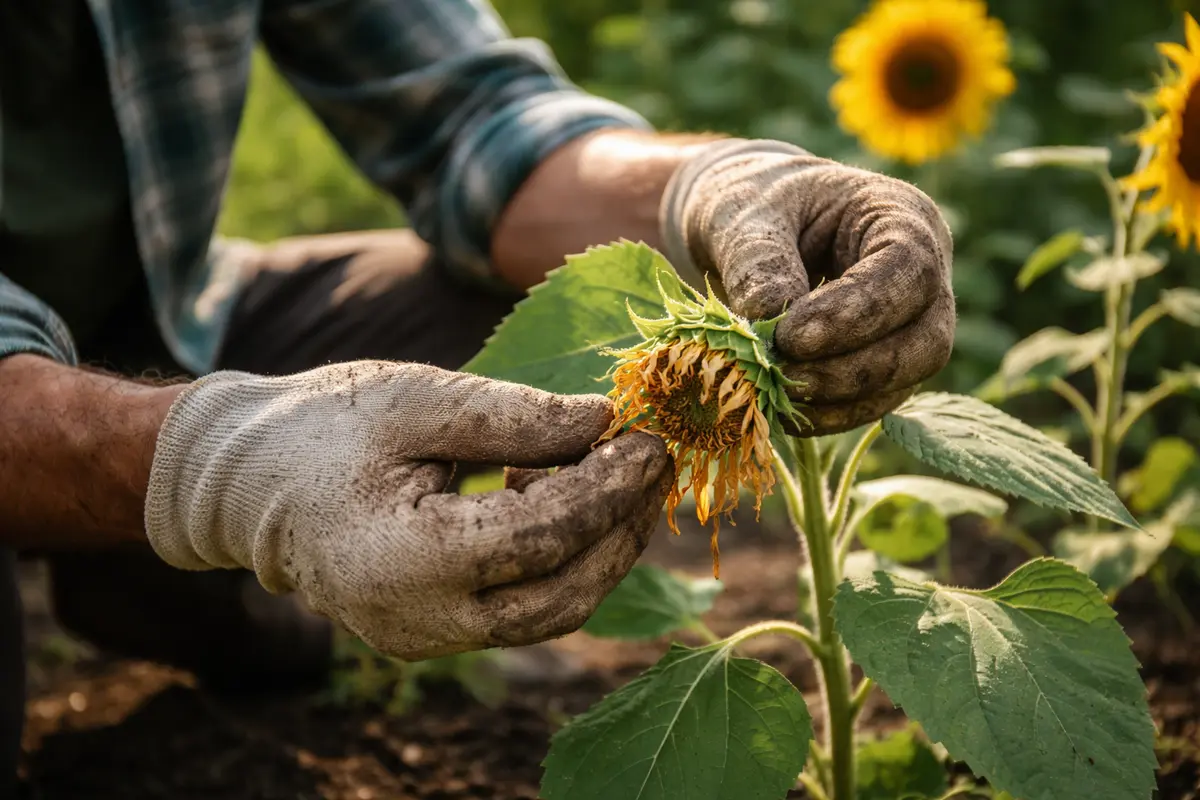
Start by inspecting your sunflowers for signs of extreme stress, particularly leaf wilting or yellowing, which often indicate potential blossom drop during a heatwave. Focus on checking the water levels in the soil and the visibility of pests, as these factors are common stressors that can trigger blossom drop. You should see healthier leaves and signs of blooming recovery within a few days if the issue is addressed properly.
Be aware that blossom drop may sometimes resemble other issues such as nutritional deficiencies or pest damage. A sunburned leaf, for instance, may have dry, crispy edges, while pests usually cause visible bite marks or webbing on the leaves. If you see leaf curling without discoloration, it likely points to under-watering rather than blossom drop; check if the soil is sufficiently moist.
If you are uncertain about your diagnosis, observe the plants for an additional few days while maintaining a consistent watering routine. Look for changes in leaf texture and the development of new blooms as indicators. If no improvement occurs, consider testing the soil for nutrient levels or pests before implementing recovery strategies.
Blossom drop can resemble issues like flower rot or pest infestation, but distinct symptoms differentiate them. If your sunflower’s buds are turning brown or mushy at the base, it suggests rot, while dropping flowers that appear healthy might indicate heat stress. Touching the flower buds should reveal a firm texture when healthy, whereas mushy buds indicate a different problem
If diagnosis remains uncertain, monitor your sunflowers over the next few days for changes. Document their condition and note any differences in the weather, as fluctuations can influence their stress levels. If you see no improvement after a few days, consider assessing for other potential issues, such as soil moisture levels or pest presence.
Similar issues may arise from pest infestations or fungal diseases, such as gray mold, which can also cause drooping and bud loss. However, in the case of pests, you may notice small bite marks or visible insects on the undersides of leaves, while fungal problems often produce a grayish moldy appearance. If not this, check for moisture levels and any adverse symptoms on neighboring plants that indicate a more extensive issue.
If you are unsure about the diagnosis, conduct a simple test by gently shaking the plant to see if any additional buds drop. Monitor the plant for a few days, observing any changes in bloom behavior and leaf condition. Should there be no improvement, consider consulting local gardening resources or experts for further advice on treatment options.
Inspecting for yellowing leaves or stunted growth can help identify if the issue extends beyond blossom drop. Pay extra attention to the firmness of the stems; a healthy sunflower should have rigid stems, whereas a limp stem indicates severe stress. Signs of splitting or browning at the nodes indicate that the plant is suffering beyond just leaf loss, and examining the root system may be necessary. Keep an eye out for aphid infestations that usually cluster at the stems and flower buds; they can exacerbate wilting and complicate recovery.
If you are uncertain, allow the plant some time and return to check it in a few days. If the blossom drop continues and new growth appears weak, this may indicate a deeper problem with root health that requires immediate attention through structured recovery efforts. A light foliar spray of water on cooler evenings can help in temporarily reducing stress, especially during extreme heat, providing direct cooling relief to the leaves while maintaining humidity in the air around the plant.
Step 4 – Fertilize Sunflowers to Aid Recovery from Heat
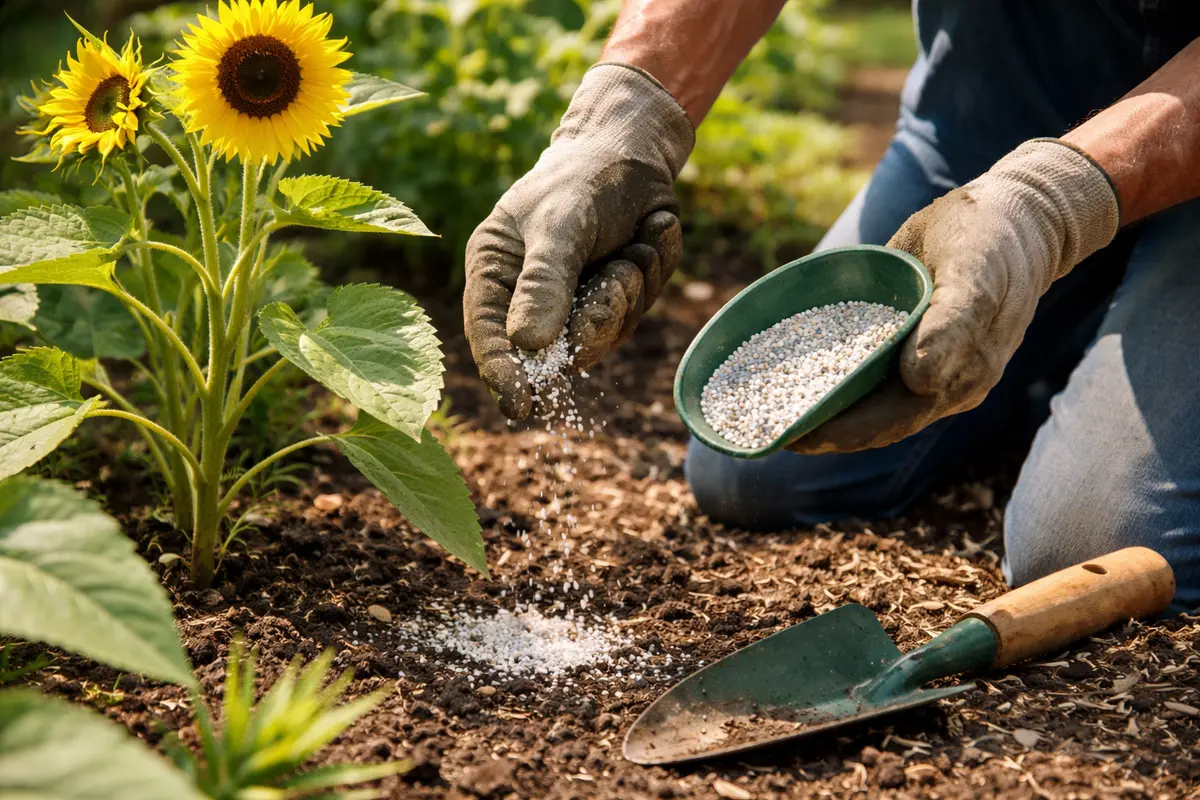
Start by applying a balanced fertilizer to promote recovery in sunflowers affected by heat stress. Within a week of this application, you should observe the leaves firming up and new growth emerging, signaling the plant’s revival.
To support recovery, select a fertilizer with a balanced N-P-K ratio, ideally a 10-10-10 blend, with an emphasis on nitrogen to rejuvenate the plant’s energy reserves. Healthy sunflowers will exhibit brighter colors and stronger stems, contrasting with their previous wilted state. If you notice a lack of improvement, check that the fertilizer application aligns with the recommended rates on the product label to avoid nutrient burn or excessive growth.
Be mindful of timing; fertilizing during extreme heat can cause root shock and further stress the plant. It’s best to wait until temperatures drop below 30°C (86°F) for optimal results. Additionally, consider applying the fertilizer in divided doses every few weeks to provide steady nutrients, allowing for gradual growth without overwhelming the plants. Watch for signs of healthier foliage as recovery progresses, such as more vibrant leaf color and sturdy stems.
Step 5 – Water Sunflowers Regularly During High Temperatures
Start by watering your sunflowers deeply every morning at dawn to ensure consistent moisture in the soil during the heatwave. This daily routine will help maintain hydration levels, preventing blossom drop and encouraging healthy blooms. Aim for watering around 6-8 cups of water per sunflower, depending on their size and exposure.
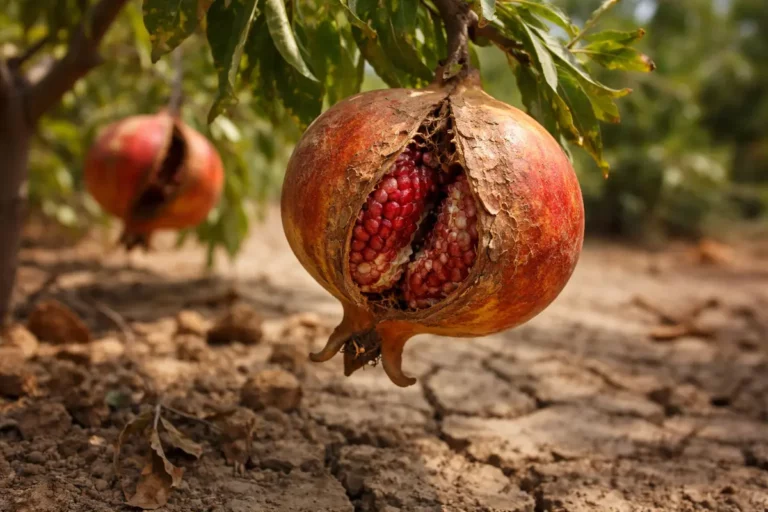
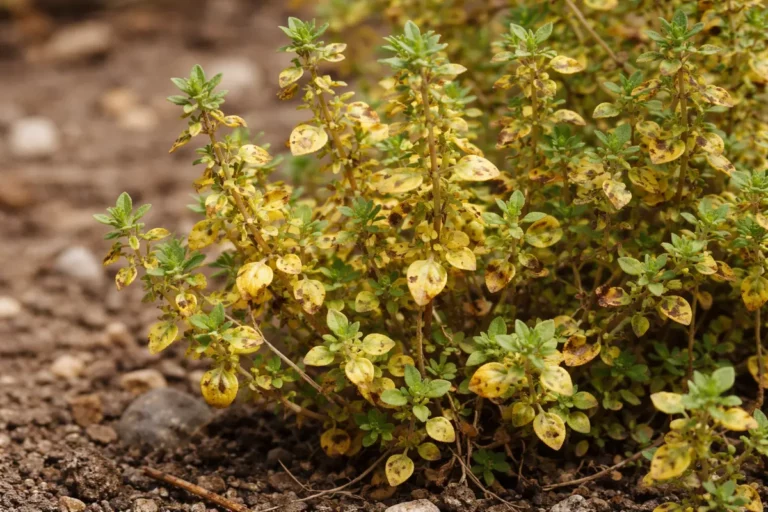
From here on, establish a reliable watering routine to counteract the stress of high temperatures. When you water consistently, you’ll notice healthier foliage and blooming patterns, which are essential for preventing blossom drop. For instance, water only when soil moisture is depleted about 2 inches down, allowing you to gauge the need based on visual indicators. Diversify your approach based on conditions: if the sunflowers start to droop or you observe dry, cracked soil, then it’s time to rehydrate with another deep watering session. Watch for yellowing leaves as another crucial sign of stress that demands immediate watering.
For the next phase, consider adding a thick layer of mulch, approximately 2-3 inches, around the base of each sunflower. This not only helps retain soil moisture but also regulates root temperature effectively, mitigating stressors during extreme heat. If the mulch layer is too shallow or nonexistent, your plants might struggle. Keep an eye out for signs of evaporation; if you find dry soil soon after watering, increase your mulch to ensure moisture retention is maximized.
Additionally, monitor how your watering adapts to changing climatic conditions. If you notice that the soil is consistently dry despite watering, check the drainage and soil composition to identify and resolve any issues. If your sunflowers show signs of wilting even with a regular watering schedule, it could indicate drainage problems that need addressing immediately. Using soil moisture sensors can enhance your ability to fine-tune this care and avoid periods of over or under-watering, crucial for maintaining robust growth.
Step 6 – Inspect Sunflower Petals for Signs of Stress Frequently
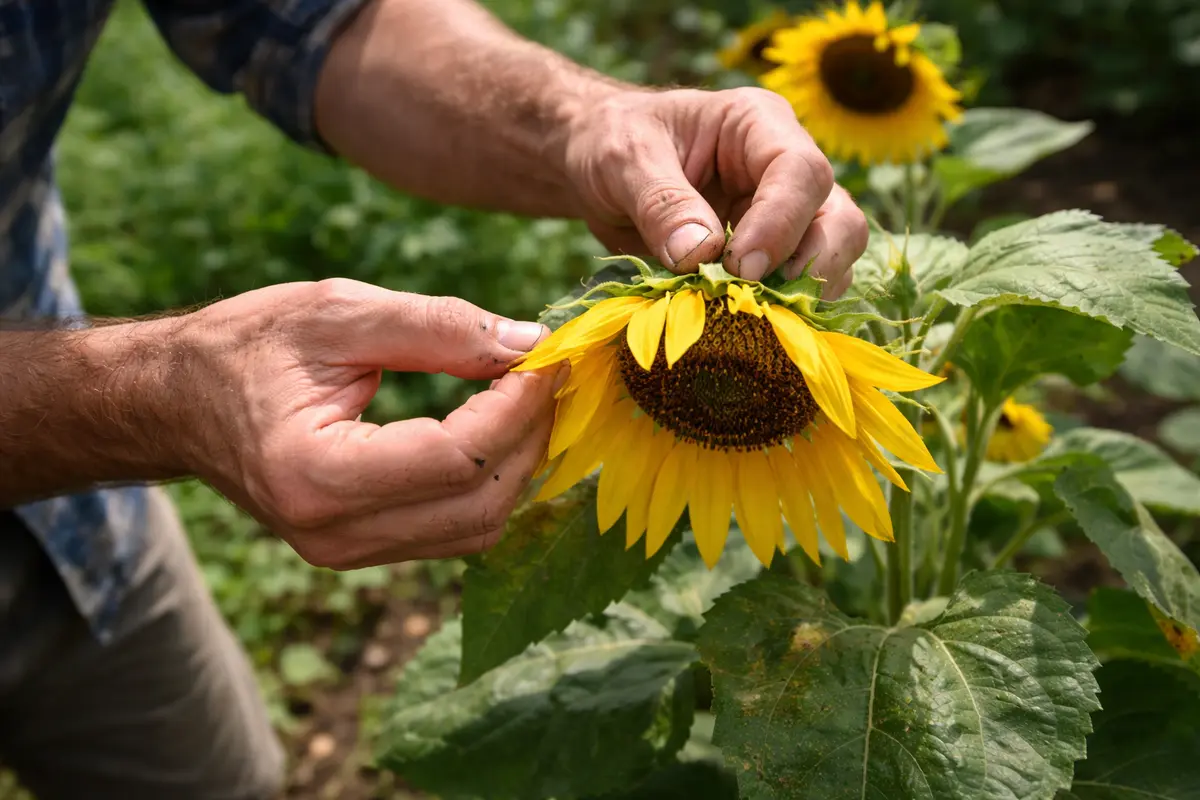
Begin by checking the sunflower petals every few days for signs of stress or recovery. Look for vibrant, healthy petals as confirmation that the blooms are stabilizing after heat exposure, especially after implementing your care strategy.
For the next week, monitor the petal condition closely. A recovering sunflower typically exhibits strong petal color and firm leaf edges, while symptoms of returning stress include wilting petals or discoloration. If petals begin to droop again, it may indicate ongoing challenges or fluctuating temperatures. Regular checks enable prompt actions to be taken before any potential losses occur as conditions change.
If you find that problems resurface despite following these steps, inspect the root area for issues, such as foul smells or blackened roots, which could indicate root rot or inadequate drainage. If the symptoms return, consider replacing compromised soil and enhancing drainage to encourage healthier roots. This approach not only supports the plant’s recovery but also promotes its enduring health and resilience against future stressors.
FAQ
How long will it take for sunflowers to recover from blossom drop?
Recovery can take anywhere from a week to a couple of months, depending on the extent of stress experienced by the plants. You’ll typically start to see signs of improvement shortly after proper care is instituted, especially if watering and fertilization routines are optimized to cater to their needs.
Will blossom drop spread to other flowers?
Blossom drop can affect other nearby flowers if the environmental conditions causing stress are not addressed timely. However, with careful monitoring and treatment of individual plants, the risk of spread can be minimized significantly, emphasizing active maintenance and care.
Can I remove affected petals immediately?
Yes, you can remove any petals that have already fallen off or are significantly damaged. Doing so can prevent any potential diseases from spreading and will also help the plant redirect energy into sustaining healthy growth elsewhere.