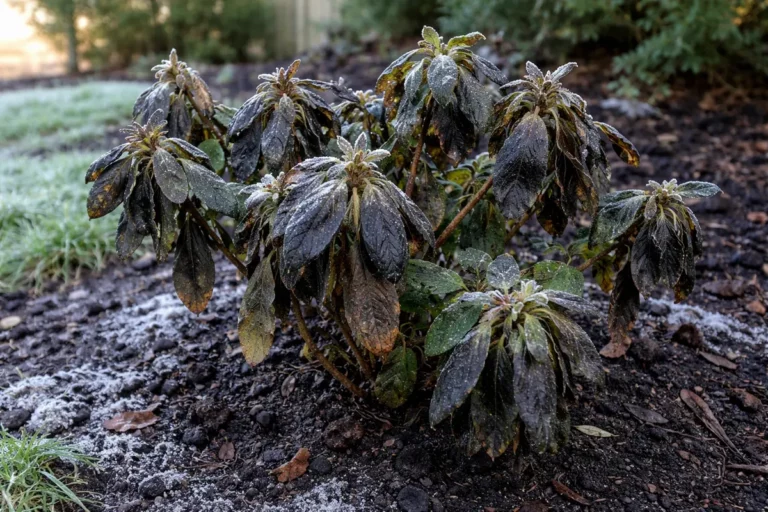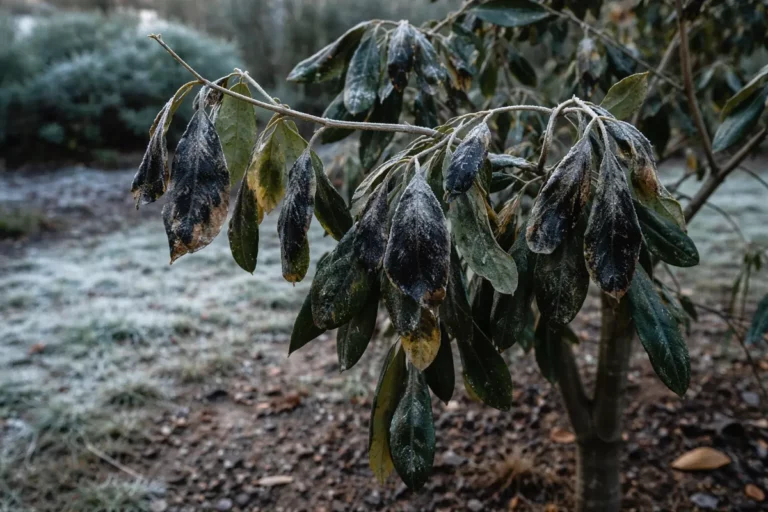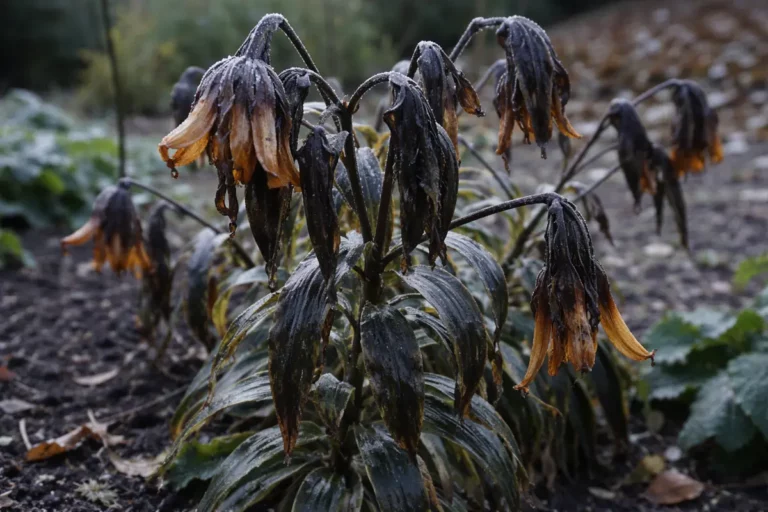
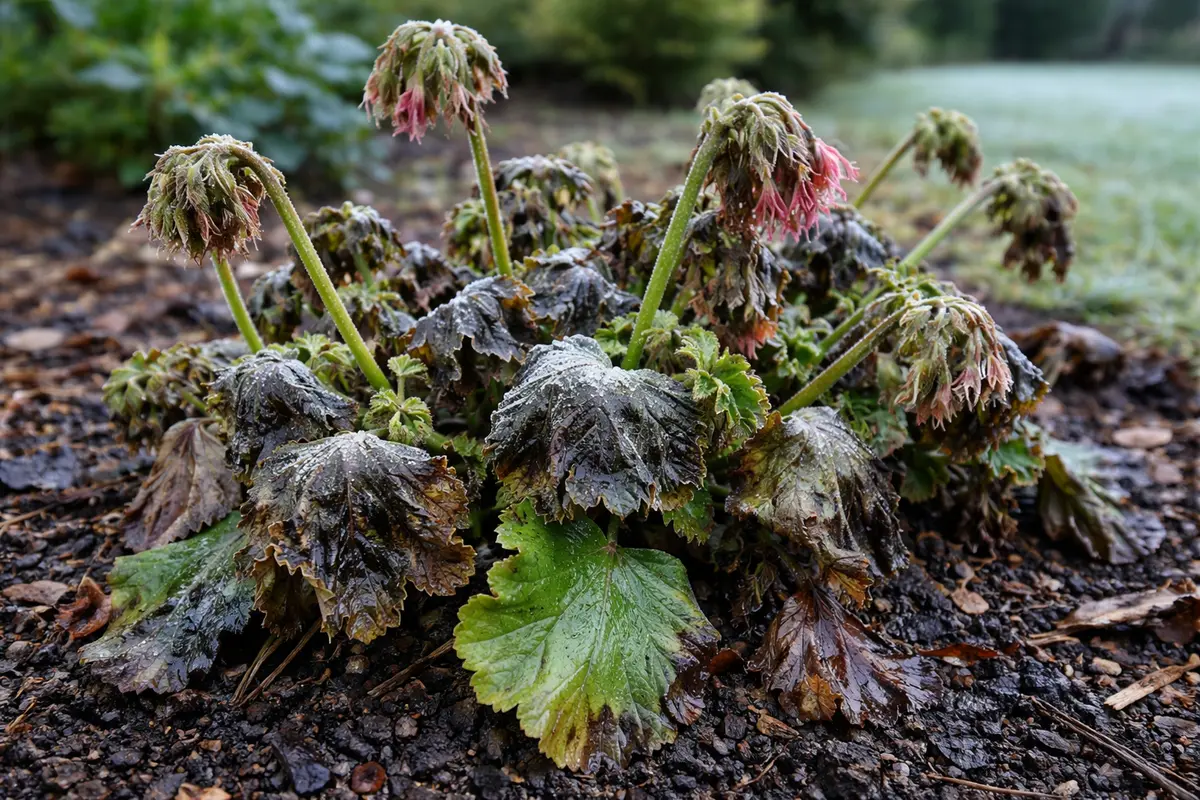
You’ve probably seen your beloved geraniums drooping after a sudden frost, which is why you need to know how to treat wilting geraniums after frost damage. The cold can cause wilting due to damage to the plant’s cells, leading to a sad, limp appearance. If left unaddressed, your geraniums’ condition gets worse and can weaken the plant, but you can improve the situation now by checking for damage and watering appropriately. Failing to act swiftly may result in even more severe problems such as root rot and long-term effects on the plant’s health.
Step 1 – Trim Wilting Geranium Leaves Promptly
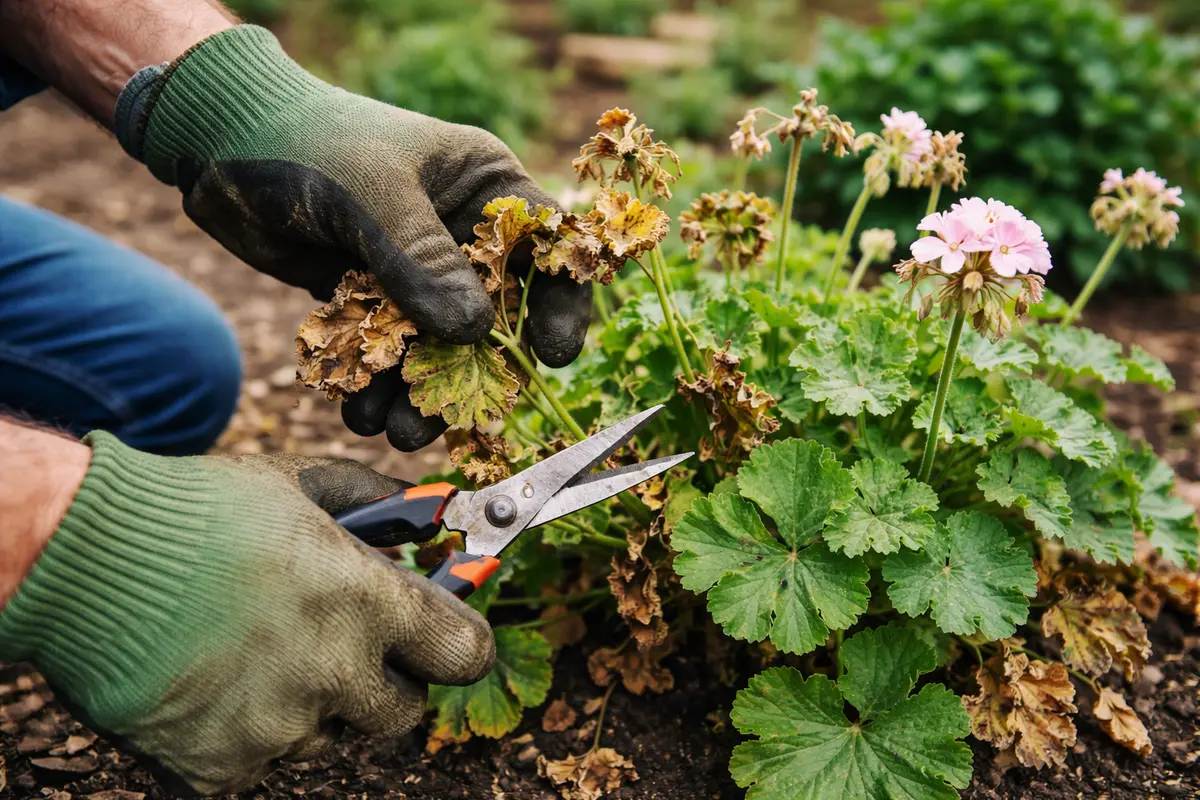
Start by cutting away any visibly damaged or blackened leaves and stems from the geraniums. You should see an immediate difference as the dead material is removed, allowing the plant to focus its energy on recovery. Check for any remaining firm, green tissue in the foliage, which indicates that some parts of the plant are still alive. Acting quickly is critical, as damaged tissues can lead to rot if left untreated.
Frost-damaged geraniums often have compromised foliage that can attract pests or develop mold, hindering their recovery. If you notice continued wilting despite your efforts, examine the remaining leaves for any brown spots, which may indicate further frost damage that needs attention. Remember, not all wilting indicates the same level of damage; some stems might still be viable even if leaves are yellowing.
A gardener once failed to promptly remove frostbitten stems, leading to rapid rot that ultimately killed the entire plant. If your geraniums show yellowing leaves but still have green stems, check for waterlogged soil; excess moisture can also impede recovery. Acting quickly to detach affected leaves prevents the plant from wasting energy on damaged tissues.
Beyond improving the plant’s appearance, this immediate action encourages quicker regrowth by reallocating resources to healthier parts. Generally, you’ll notice a more vibrant green appearance and a boost in new leaf production within just a couple of weeks after you trim the affected areas. For best results, ensure your trimming tools are sanitized, as dirty scissors can introduce harmful pathogens to healthy parts of the plant.
A common mistake at this stage is delaying the removal of damaged foliage. If frost damage is not addressed swiftly, the plant risks developing root rot due to lingering moisture on unhealthy tissue, especially in humid conditions. Once leaves are wilted, they will not recover. Dispose of cuttings away from the garden to minimize the chance of disease spreading back to healthy areas, and keep a close eye on the plants for any new signs of stress after addressing the initial damage.
Step 2 – Examine Frost Impact on Geranium Roots
Inspect the roots of your geraniums for signs of frost-related damage. Affected roots often appear discolored, mushy, or emit a foul odor. This can indicate either root rot from excess moisture due to frost or dehydration affecting root absorption capabilities.
The cause of these symptoms lies in the fact that frost can lead to ice crystals forming within the plant cells, significantly damaging the cellular structure. When the soil remains overly compacted from cold temperatures or excess moisture, roots may struggle to uptake water and nutrients effectively. Unlike healthy soil which drains well and allows for optimal root function, compacted soil traps water, leading to stress and decay in the roots.
If roots feel slimy or give off a sour smell, it is crucial to remove the affected roots immediately to prevent further damage. Cut away any mushy or discolored sections, ensuring you leave behind the firm, healthy roots. Repot the plant into fresh, well-draining soil to facilitate recovery. Use a mix of one part peat, one part perlite, and one part compost to enhance drainage and oxygen flow to the remaining roots, supporting their rehabilitation. Ensuring the new pot has adequate drainage holes is critical; stagnant moisture can set plants back, even after careful pruning.
If the roots are mostly healthy, but the plant still shows signs of wilting, check for soil moisture levels. If the soil is too dry, water it thoroughly to help the plant recover from the frost impact. Conversely, if the soil is too wet, consider repotting to a dryer medium. Observing the emergence of healthy new roots within the first few weeks after repotting will indicate success in recovery.
Step 3 – Revitalize Geraniums with Nutrient Boosts
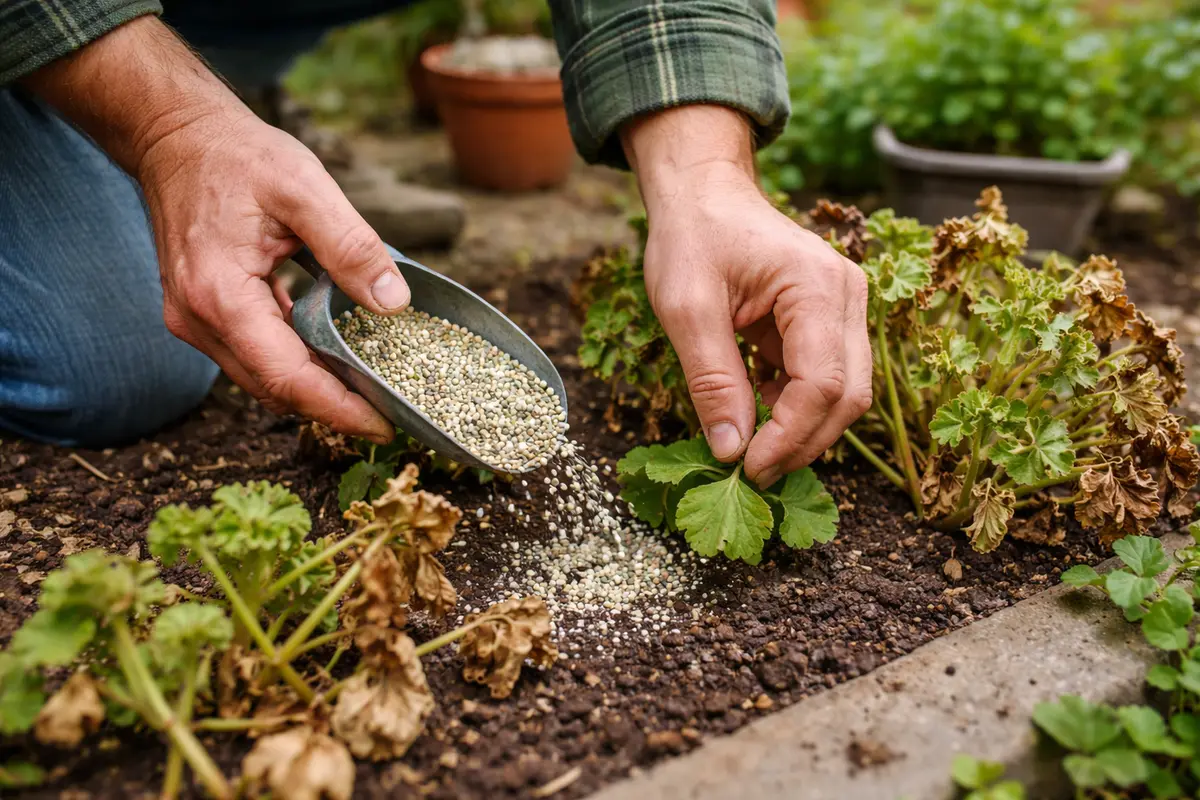
Start by applying a balanced, water-soluble fertilizer to provide the necessary nutrients for recovery. Within a week, you should see the leaves begin to perk up and show new growth. Ensure the soil is moist before fertilizing, as this prevents root burn from occurring in the already sensitive root system. Always follow the package instructions on dilution, as overly concentrated solutions may lead to further damage; for instance, crispy brown edges on leaves indicate over-fertilization.
Recovery begins when you consistently offer nutrients that are crucial for revitalizing damaged geraniums after frost damage. Fertilizers high in nitrogen, phosphorus, and potassium strengthen the plants and promote new foliage growth. After a frost event, geraniums often require these nutrient boosts to combat lingering effects and encourage healthy growth. A balanced 10-10-10 fertilizer typically works well; apply it at half the recommended dosage initially to gauge the plant’s reaction over the next couple of weeks.
From here on, prevent over-fertilization, which can lead to more stress for your geraniums. Fertilize only every 2-3 weeks during the active growth season, monitoring for signs of over-fertilization, such as burnt leaf edges and wilting foliage. If distress persists despite regular fertilization, check for an imbalance and consider switching to a formulation higher in potassium to promote root development and enhance overall plant stamina. Watching for steady improvements in moisture and nutrient levels within a week will help fine-tune your care strategy, ensuring your geraniums thrive in the wake of frost damage.
Step 4 – Inspect Geraniums for Regrowth Weekly
First, check the soil moisture and drainage around the base of the geraniums daily for the next week. Observe any changes in leaf texture, color, and firmness, as wilting can manifest in drooping leaves or a limp stem. If the plant doesn’t improve within five days, repeat the inspection to reassess the situation.
A fully recovered geranium showcases vibrant green leaves, firm stems, and potentially new growth sprouting from the nodes. In contrast, early signs of the problem returning might present as browning edges or a persisting limpness in the leaves, signaling that the plant is not fully rejuvenated. If the leaves are still wrinkled and soft, check for further frost impact or inappropriate watering techniques.
If wilting persists despite implementing treatment, inspect for root rot by gently pulling the plant from its pot. If the roots are dark and mushy, remove the affected parts and repot in fresh soil. Consider also moving the plant to a more sheltered location to prevent future frost damage.
A fully recovered geranium will boast robust, vibrant green leaves that feel firm and supple to the touch, contrasting sharply with the limp, brownish leaves characteristic of frost damage. However, if you notice that the leaves are starting to curl or turn yellow again, it may indicate that the plant is under stress or not recovering as expected. If the surface of the leaves feels dry and brittle, it could signal a setback.
If wilting occurs again despite following the recovery steps, inspect the roots for signs of rot or disease; unhealthy roots will appear dark and mushy. In this case, consider repotting the plant in fresh soil and ensuring proper drainage. Alternatively, if the problem persists, a more drastic approach may involve cutting back the affected stems to encourage new growth.
A fully recovered geranium boasts firm, vibrant green leaves and sturdy stems, showing no signs of drooping. In contrast, if early symptoms return, such as limp leaves or browning edges, the plant may still be struggling. If you notice wilting along with a crisp feel to the leaves, this signals stress that requires immediate attention.
If wilting persists despite following treatment steps, adjust your care by checking for root rot or pests, which can exacerbate issues. If not this, increase airflow and avoid overwatering; escalating to a fungicide may be necessary if fungal disease is suspected. Evaluate sun exposure, ensuring it’s not too harsh, which can also hinder recovery.
A fully recovered geranium displays firm, upright leaves with vibrant color and a healthy sheen, indicating improved water uptake and nutrient absorption. Early signs of the problem returning may include a subtle droop or a dull appearance in the leaves, suggesting the plant is once again under stress. If the leaves appear dry and crispy instead of soft and pliable, it signals a need for immediate attention. Signs like these often point to indications of either inadequate watering practices or nutrient deficiency that might need addressing.
If the wilting returns despite following these steps, consider moving the geranium to a shadier location to prevent further stress or increasing watering in smaller amounts but more frequently. If symptoms persist after a week, you may need to check for root rot or pests, which may require more extensive treatment. Look specifically for telltale signs of mealybugs or aphids, which can weaken plants by sucking vitality from healthy leaves.
A healthy plant typically exhibits vibrant leaves and strong stems after recovering from frost damage. If you notice yellowing or browning leaves returning, it may indicate that the plant has not fully recovered and needs additional care. This could be a result of insufficient moisture, poor soil quality, or inadequate light exposure. If the geraniums begin to droop again, reassess all care factors including watering schedules and light exposure, as each significantly impacts growth recovery. Signs of new leaf growth or flower buds are good indicators of recovery, reflecting the plant’s reinvigorated health status. If problems recur, consider gradually modifying environmental conditions, such as shifting sunlight exposure or adjusting to a recommended watering schedule.
If the geraniums fail to show improvement after a few weeks, consider addressing other potential issues. Investigate watering habits; excessive moisture can lead to root rot, while insufficient watering can stress the plant further. Evaluate sunlight exposure too, as poor lighting can limit their ability to photosynthesize effectively, hindering recovery. Determine your geranium’s local environmental conditions which impact growth efficiency; for instance, if they are placed in a shaded location, consider relocating them to a sunnier spot to promote better growth. Persistent problems may warrant consulting with a local gardening expert or nursery who can provide tailored advice, especially if unusual signs emerge that don’t seem typical for frost recovery.
FAQ
How long does it take for frost-damaged geraniums to recover?
Frost-damaged geraniums usually start showing signs of recovery within 1-2 weeks after proper treatment. However, total recovery can take several weeks until normal growth patterns resume. It’s essential to provide both humidity and temperature suitable for growth during this period. Adjusting these factors may require careful monitoring to ensure the plants adapt well to their new conditions. Maintaining consistent moisture will be critical throughout this recovery phase.
Can frost-damaged geraniums spread their issues to nearby plants?
Yes, if not addressed promptly, diseases associated with frost-damaged plants can transfer to other nearby plants. It’s crucial to trim damaged parts quickly and monitor your garden closely to avoid widespread issues. If any geraniums are exhibiting serious symptoms like discolored leaves or wilting, it’s best to quarantine them until the problem is solved. Regularly inspecting surrounding plants not only helps you identify potential risks but also gives you more control over future plant health, allowing for early intervention should symptoms arise.
Should I remove all damaged leaves from my geraniums?
It is generally a good idea to remove severely damaged leaves, but assess the extent before doing so. Only cut away leaves that are completely wilted or desaturated; leaving healthy-looking leaves can aid energy and nutrient production. Continuously monitoring for new growth is essential, as the healthy leaves will work to replenish resources during recovery, promoting stabilization in the geranium’s condition. As part of your observation, take note of any lingering signs of stress that may complicate the recovery process.