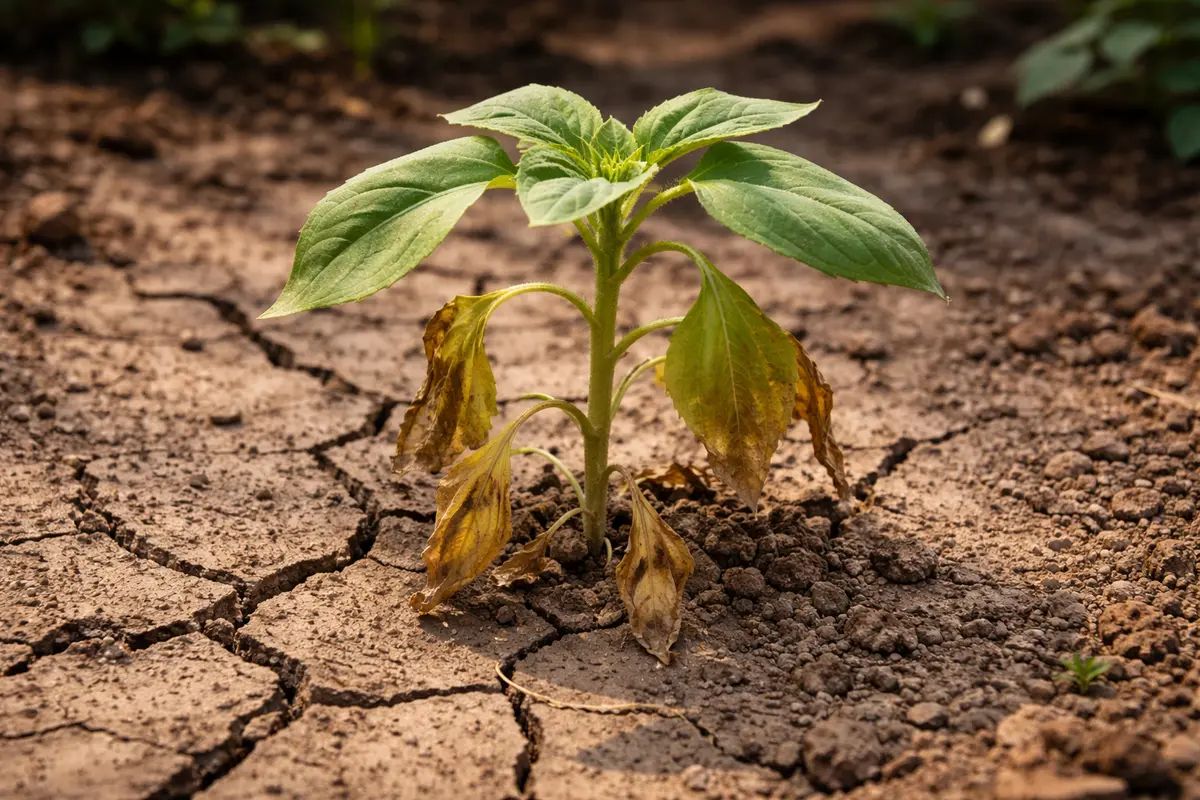
You may notice your sunflower seedlings struggling to thrive during a hot, dry spell, which is why you need to know how to fix stunted growth in sunflower seedlings due to drought. The leaves might be drooping and wilting, signaling that the plants are not receiving enough water to support their growth. Ignoring these signs weakens the plant and leads to more damage, but fixing the issue is possible now with a few simple actions: water, inspect the soil, and adjust your care routine.
Step 1 – Water Sunflower Seedlings Immediately
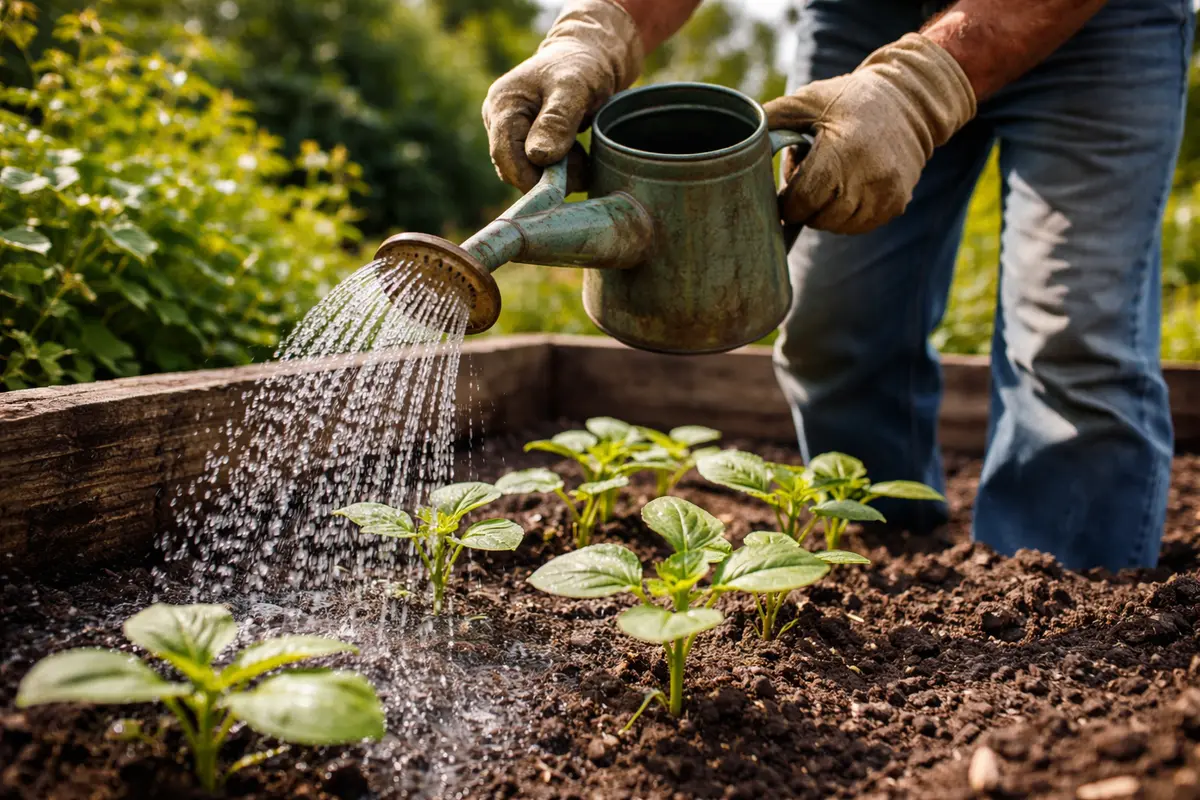
First, assess your sunflower seedlings and gently water them thoroughly at the base, ensuring the soil is moist but not waterlogged. Within a few hours, you should notice the leaves looking perkier and less droopy, signaling that the plants are starting to rehydrate.
Acting quickly is crucial for sunflower seedlings because their roots can begin to starve without adequate moisture, leading to further stunted growth and potential death. If the soil remains dry for too long, the plant cells can lose turgor pressure, causing irreversible cell damage and wilting. This change is visible: healthy seedlings will exhibit erect stems and vibrant, green leaves compared to droopy, yellowing foliage when stressed.
For instance, a gardener who watered promptly after noticing drooping seedlings saw a complete turnaround within a couple of days, as all of their plants regained vitality. Conversely, another gardener waited an entire week, leading to a loss of seedlings due to irreversible cellular damage. If leaves are still drooping after watering, check for root rot by gently pulling the seedlings from the soil.
Immediate and deep watering revitalizes your plants, replenishing the moisture depleted during the drought. Sunflower seedlings are particularly vulnerable due to their shallower root systems, making them prone to drying out quickly. When moisture is lacking, roots cannot absorb essential nutrients, leading not only to stunted growth but potentially fatal consequences for the seedlings. Consider using a soaking hose or drip irrigation to ensure water penetrates deeply.
A common mistake among gardeners is to apply only a light drizzle of water, believing that approach will suffice. This often results in merely the top layer of soil becoming moist while deeper layers remain bone dry, further exacerbating the drought stress. Ensure your watering achieves sufficient depth; should you experience ongoing drought conditions, adding a layer of organic mulch around the seedlings can help maintain soil moisture levels. The mulch should be about 2 to 3 inches thick, helping reduce evaporation and ensure more effective water retention.
Step 2 – Identify Water Stress in Sunflower Roots
First, examine your sunflower seedlings for signs of stunted growth and check the soil moisture level. If the soil is dry several inches below the surface, water your seedlings deeply, ensuring that the moisture reaches the root zone. You should see new growth emerging within a week as the plants begin to recover from drought stress.
Drought conditions lead to inadequate water availability in the soil, causing stress in the sunflower seedlings. When the soil is too dry, roots struggle to uptake water and essential nutrients, which results in symptoms like yellowing leaves and slow growth. Conversely, if your seedlings exhibit dark, mushy roots, this indicates overwatering or root rot, which requires different remedial action.
If you notice a crusty layer on top of the soil, it could be preventing water infiltration. To address this, gently loosen the top layer of soil to improve moisture retention and allow water to penetrate more effectively. If the seedlings are wilting despite moist soil, check for signs of fungal diseases that might be affecting root function.
Firm, white roots are indicators of proper hydration and nutrient absorption through a healthy root system. In contrast, brown and mushy roots suggest overwatering or root rot, which can develop after prolonged drought stress followed by excessive watering. Identifying root health early is crucial in preventing rot and promoting the recovery of your seedlings. When roots are compromised, this can slow their uptake of nutrients, further delaying recovery and vigorous growth.
If you observe any signs of discoloration or mushiness in the roots, cease watering immediately and evaluate your drainage conditions. It’s vital to avoid heavy watering if root distress is evident—switch to a more measured approach. In scenarios where the soil structure easily falls away from the roots, which indicates air circulation, you can continue with a lighter watering schedule until the seedlings demonstrate signs of recovery. Also, consider if surrounding plants are competing for water, as this can exacerbate root stress and impact growth rates.
Step 3 – Test Soil Moisture for Sunflower Seedlings
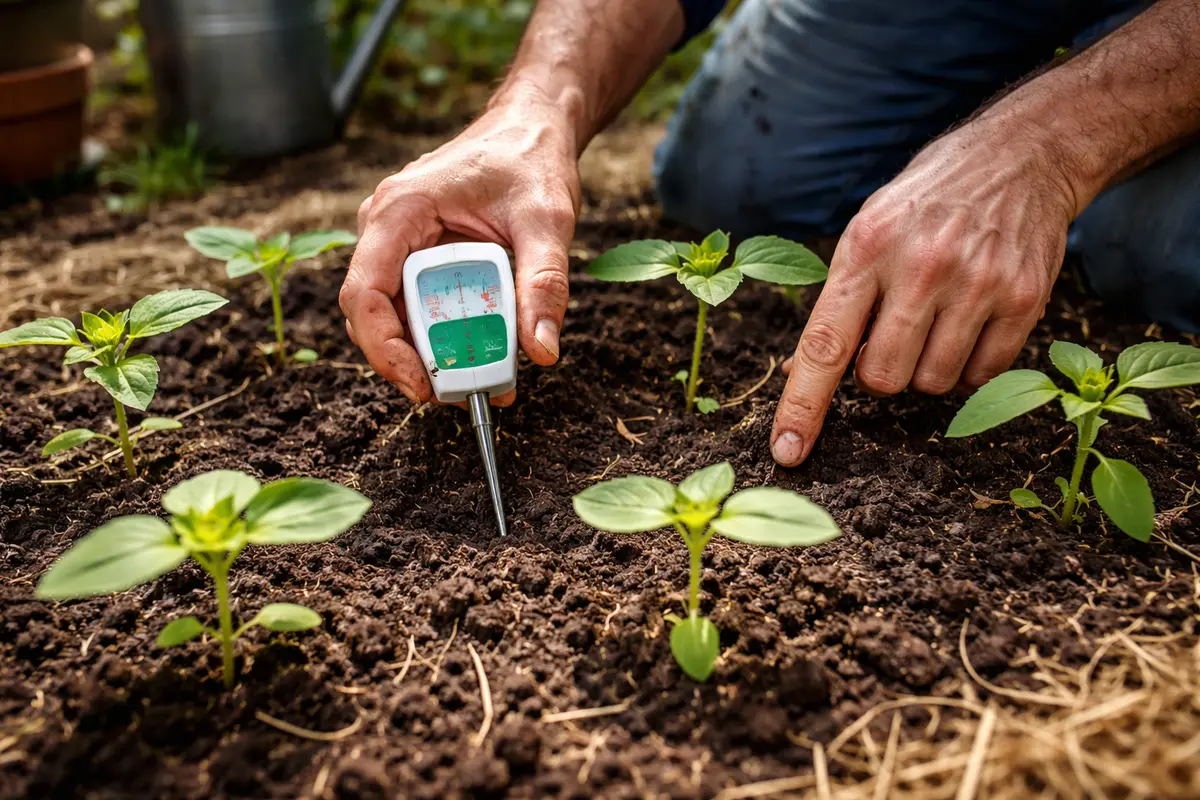
Start by examining the soil moisture levels around your sunflower seedlings. If the soil feels dry several inches below the surface and the seedlings appear yellow with drooping leaves, you’ve confirmed that drought stress is the issue.
Stunted growth in sunflower seedlings can sometimes resemble nutrient deficiencies, but these conditions exhibit different symptoms. Nutrient deficiencies often lead to yellowing of the leaves starting from the bottom, whereas drought-stressed plants show a more general yellowing and wilting before any leaves drop off. If your seedlings are also wilting but maintaining a rich green color, check the soil for adequate moisture instead.
If the diagnosis remains uncertain, monitor the seedlings over the next few days, observing for any changes in leaf color and texture. If the condition worsens but you still see signs of moisture, consider taking a soil sample to a local extension office for detailed analysis. This way, you can rule out any underlying issues before implementing recovery measures.
Understanding soil moisture is vital, as it reflects the conditions your seedlings are experiencing. If you find that the top layer is dry but deeper soil remains moist, your watering frequency is likely appropriate. Conversely, excessively soggy soil may indicate overwatering, while dry and flaky conditions imply insufficient moisture for healthy sunflower growth. A common error is to monitor only the top layer, leading to mismanagement of deeper moisture levels.
In cases where you misdiagnose water stress (confusing drought-related stress for moisture-induced rot, for instance), observe the leaves closely. Wilting leaves typically point toward underwatering, while yellowing indicates overwatering. When in doubt, digging a small hole with a trowel can provide a clearer picture of moisture distribution throughout the root zone, helping to inform your next steps. Always aim to check the moisture level at similar depths around all the seedlings, since uneven watering can lead to root competition and stress.
Step 4 – Apply Nutrients for Sunflower Recovery
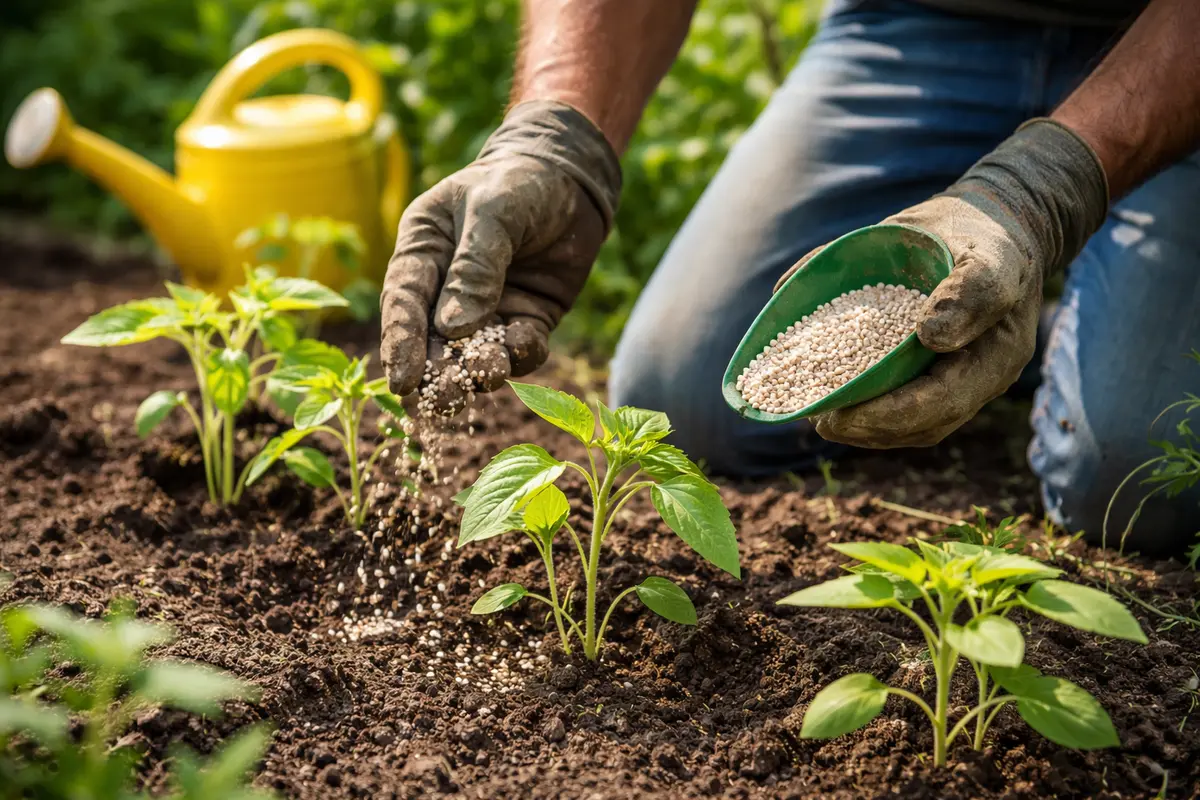
Start by gently watering the sunflower seedlings at the base to deliver moisture directly to the roots. In the following days, you should see new leaves starting to unfurl and overall foliage becoming more vibrant, indicating a positive response to the water and a reduction in stunted growth.
Typically, sunflower seedlings can show visible recovery within a week after adequate watering, where healthy regrowth appears as a lush green hue and expanded leaf size. Optimal temperatures around 70°F to 85°F and consistent moisture will speed recovery, while extremely high heat or sporadic watering will hinder it. If you see the seedlings wilting despite watering, check for soil compaction that might restrict root access to water.
Avoid the mistake of overcompensating by applying excessive fertilizer, which can burn delicate roots and impede recovery. Hasty watering just after drought can lead to root rot; ensure soil dries slightly between watering to promote robust root growth. If leaves turn yellow from too much water, check soil moisture levels before watering again.
Realistically, complete recovery may take several weeks, but within this time frame, you should see a noticeable green color return to the leaves, signaling that the seedlings are recuperating. Conditions like consistent humidity and moderate temperatures can accelerate recovery, while extreme heat or waterlogged soil can delay it. If your seedlings appear droopy and brown, check the soil moisture level; if it’s too dry, implement a consistent watering schedule.
A common mistake during recovery is overcompensating with extra water or fertilizer, which can lead to root rot or nutrient burn. Instead, focus on slowly improving conditions; for sunflowers, maintaining adequate moisture is crucial during re-establishment. If the leaves are yellowing despite adequate water, check for other issues like pests or soil drainage problems that could hinder recovery.
Step 5 – Water Sunflower Seedlings Regularly in Drought
Start by watering your sunflower seedlings deeply once a week, ensuring the soil is moist to a depth of at least six inches. This routine will establish consistent moisture levels, promoting stronger, taller seedlings that thrive in their growing environment.
Drought conditions typically arise from prolonged periods without rain, leading to dry soil that inhibits root development. By maintaining regular watering, you directly combat these dry spells, allowing the seedlings to access the moisture and nutrients they need to avoid stunted growth. If your seedlings are still struggling despite watering, check for compacted soil that may be blocking water absorption.
In the hot summer months, adjust your watering frequency to twice a week if the temperatures exceed 85°F. Additionally, consider adding a layer of mulch around the base of the seedlings, which will help retain soil moisture during extreme heat and can prevent weeds from competing for water.
Sunflower seedlings thrive in well-hydrated soil; drought causes the plants to focus energy on survival rather than growth. A fluctuating watering schedule can leave seedlings vulnerable, as prolonged dry periods hinder their ability to absorb essential nutrients. If your seedlings are wilting severely despite regular watering, check the soil for compaction or poor drainage which can limit root access to water.
During extremely hot summer months, you may need to increase watering frequency to three times a week, especially if rainfall is minimal. Additionally, consider using mulch around the base of the seedlings to conserve moisture and regulate soil temperature, which helps prevent rapid evaporation from the soil.
Stunted growth often occurs when sunflower seedlings face prolonged dry spells, leading to insufficient root development and nutrient uptake. Consistent watering mitigates these effects, helping seedlings access essential nutrients from the soil, while establishing a moisture barrier that prevents further drought stress. If the seedlings are yellowing and wilting even after watering, check the soil drainage to ensure it’s not overly compacted.
During hot summer months, increase watering frequency to every 1-2 days to compensate for accelerated evaporation. Additionally, adding a layer of mulch around the seedlings can help retain moisture in the soil, shielding them from the harsh sun. If seedlings are drooping despite regular watering, consider testing the pH of your soil, as nutrient availability can be affected by acidic or alkaline conditions.
Regular hydration is essential as it locks in moisture and prevents drought conditions from re-establishing themselves in hot seasons. Consistent watering enhances deep root growth, boosting overall plant stability. Rely on tactile soil checks to guide your watering habits and sidestep the risks related to over- or under-watering, thereby ensuring optimal recovery for your sunflower seedlings. Consistency rather than volume is often the key to success here.
During peak heat, consider watering in the early morning or late evening to minimize evaporation losses. Additionally, employing mulch around the seedlings can significantly reduce moisture evaporation and maintain cooler soil temperatures. Refrain from watering during the hottest parts of the day; rapid evaporation may negate any benefits of hydration, leading to a recurrence of drought stress in your seedlings. Regularly reassess soil conditions to adjust your strategy based on the seedlings’ growth state, which may require alterations based on daily weather fluctuations.
Step 6 – Watch for Resilience in Sunflower Growth
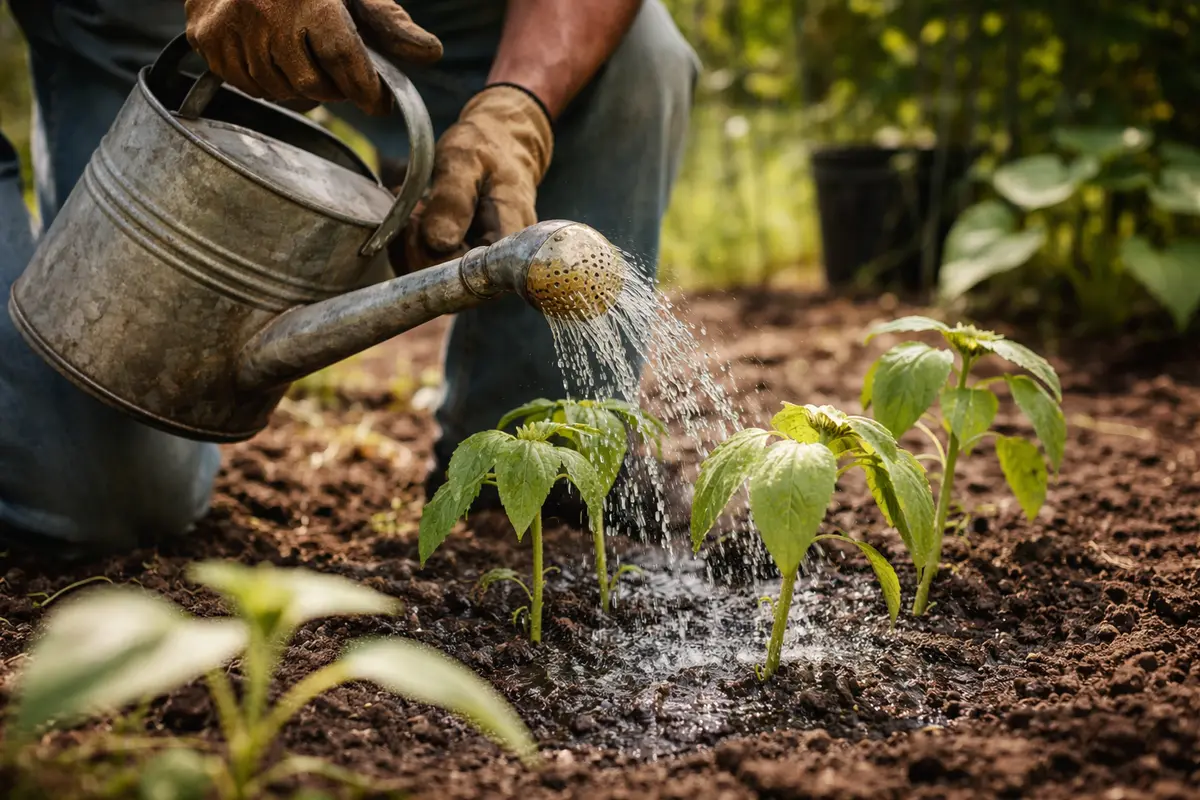
Start by checking the soil moisture around your sunflower seedlings every couple of days. Use your finger to dig about an inch into the soil; it should feel slightly damp but not soggy. Observe the color and firmness of the seedlings while rechecking them regularly. Healthy seedlings should have vibrant green leaves and a robust stem, indicating they are bouncing back from drought stress.
A fully recovered sunflower seedling shows bright, sturdy leaves that are deep green and free from wilting. In contrast, an early warning sign of the problem returning is leaves starting to droop or turn yellow and crispy. If the seedlings’ stems feel weak or spindly, that’s further evidence of insufficient water or nutrient absorption.
If stunted growth continues despite following these steps, increase your watering frequency and check for signs of root rot. In such cases, temporarily move the seedlings to a shadier spot to prevent stress and allow them to acclimate. If problems persist, consider transplanting them to a well-draining soil mix to ensure they have adequate access to moisture and nutrients.
A successful recovery results in robust, firm foliage that suggests overall plant vigor. Look for initial signs of distress, such as wilting or yellowing leaves surfacing within days after improvement efforts; this signals that careful monitoring remains essential. Differentiating between normal growth behavior and signs of recurring drought stress is crucial in maintaining the health of your plants. If the seedlings do not respond positively after two weeks, document the conditions and environmental factors, as these may reveal underlying issues affecting recovery.
If no improvement is detected within a reasonable timeframe or if distress signals return, it’s essential to reassess all cultural conditions, including moisture levels and sunlight exposure. Conduct another close inspection of the root system; if symptoms persist, consider consulting a local agricultural extension service for expert guidance. Proactive monitoring during the recovery phase ensures that your sunflowers can thrive despite their challenging start. Be ready to adapt your care routine based on environmental changes, and don’t hesitate to seek additional resources if recovery stalls.
FAQ
How long will it take for sunflower seedlings to recover from drought?
Typically, sunflower seedlings can take from 1 to 2 weeks to display visible signs of recovery once a proper watering and nutrient regimen is established. Signs such as greener leaves and stronger stems indicate healthy growth is returning. If improvement stalls beyond two weeks, reassess care routines including soil conditions and environmental factors.
Can overwatering cause stunted growth in sunflower seedlings?
Indeed, overwatering can lead to waterlogged conditions that result in root rot and nutrient deficiencies, ultimately causing stunted growth. To ensure healthy plant development, balancing moisture levels is crucial to prevent both drought and oversaturation. Maintaining an appropriate watering schedule based on soil moisture checks is key to avoiding these issues.
Should I remove any yellow leaves from the seedlings?
Yes, detaching yellow or dead leaves is beneficial as it redirects energy into promoting new growth and helps in preventing potential disease. However, confirm that the overall health of the plant has improved before engaging in any significant pruning. If much of the plant is yellowing, reevaluate moisture levels and nutrient availability before proceeding with removal.