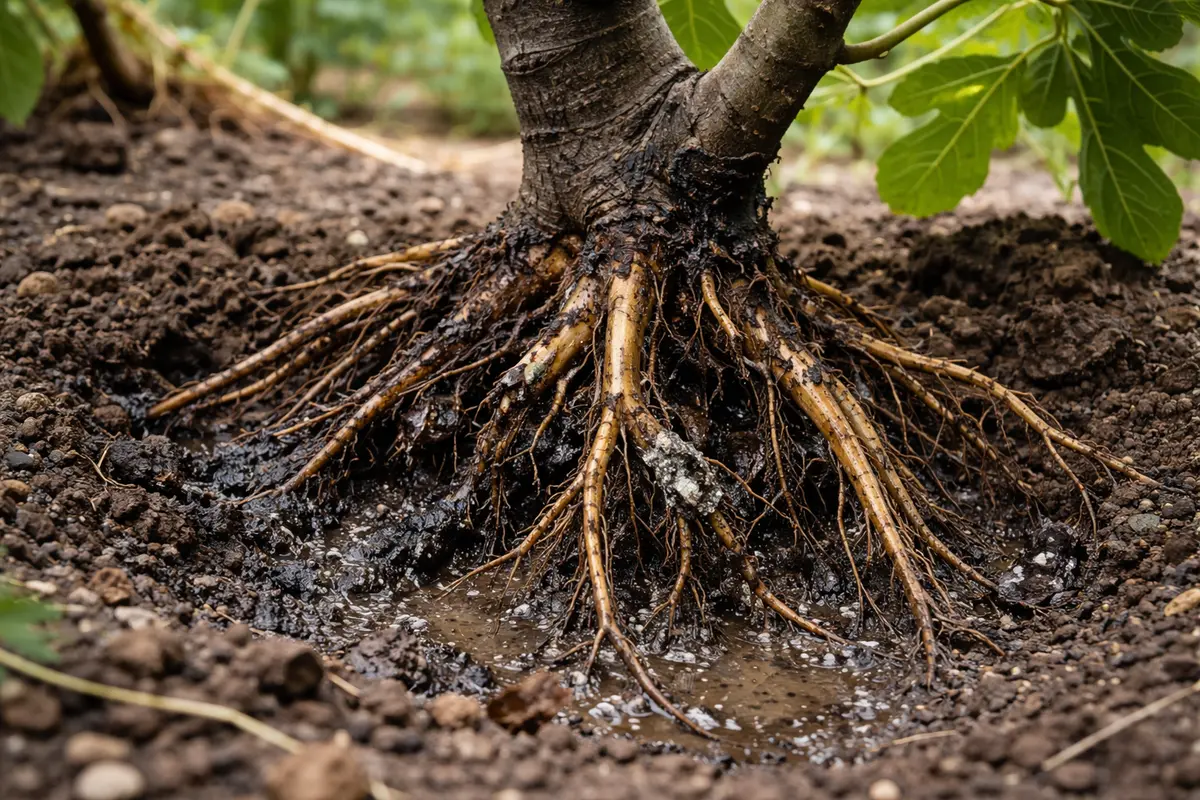
You may notice your fig tree wilting or showing yellowing leaves during a particularly wet season, which is why you need to know what to do when my fig tree shows signs of root rot. This commonly occurs when roots sit in overly saturated soil, leading to mushy spots and overall damage to the plant. Ignoring these signs can spread the rot further and weaken the plant, but fixing it is possible now if you inspect the roots, remove affected areas, and adjust your watering practices.
Step 1 – Remove Soft Roots from Fig Tree
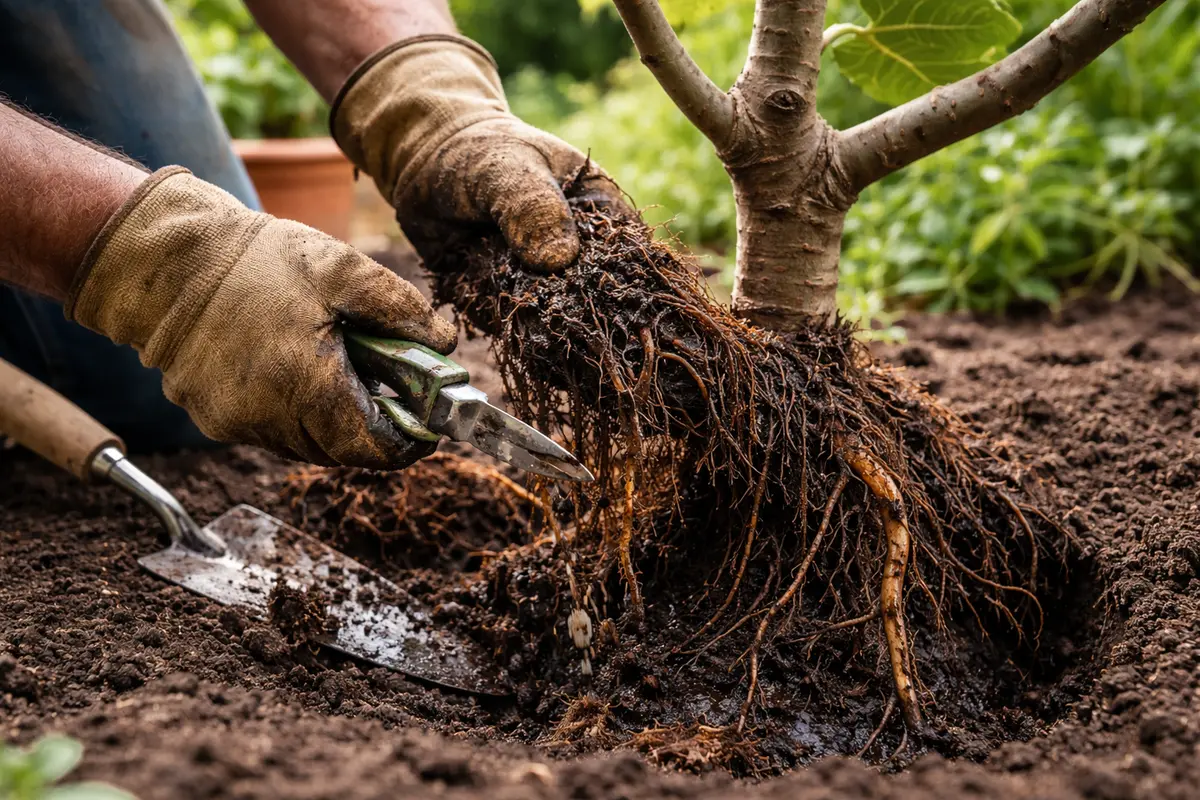
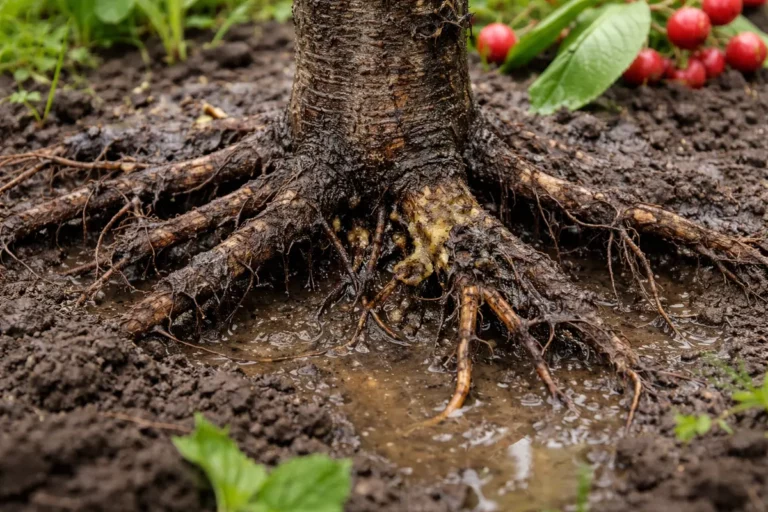
Start by carefully digging around the base of the fig tree and removing any soft or mushy roots immediately. After you’ve cleared the damaged roots, you should see healthier, firmer roots exposed and a more stable root structure. It’s vital not to delay this action, as retaining rotting roots will expedite the decline of your tree, often leading to death if left unaddressed. Look for a strong contrast between damaged roots, which will feel slimy or weak, and healthy roots that are firm and light-colored.
The health of fig trees relies heavily on strong root systems for water and nutrient uptake. When roots start to rot, they lose their capacity to fulfill these essential functions, leading to wilting and leaf discoloration. If you delay this process, the disease may spread further, making recovery much harder and potentially irreversible. Observing changes such as an increase in leaf drop or rapid wilting can indicate that time is of the essence. If your fig tree has been wilting progressively over several days or shows browning leaf tips, it’s time to act.
Many gardeners overlook the importance of inspecting roots during high moisture conditions. A common mistake is assuming the roots are healthy simply because the plant appears outwardly droopy but without visible signs below ground. When you encounter this situation, pause watering entirely—this likely indicates waterlogged soil, prompting the need for drainage fixes later on. If the soil feels soggy to the touch or has a distinct sour smell, prioritize addressing this over any visible plant symptoms. Delaying action means the roots could deteriorate further, making the subsequent recovery much harder.
Step 2 – Diagnose Root Rot in Fig Trees
Inspect the soil moisture levels using your finger; if the soil feels excessively wet or smells sour, switch to a more suitable drainage approach. You will likely find that the soil remains soggy, indicating root disease is persisting. Determining whether your fig tree’s condition is due to rot or something else will influence your next corrective measures. If you notice that only the top few inches are wet but the deeper layers are dry, it suggests an issue with soil compaction, which might require aerating the soil.
When roots remain in overly wet conditions, they can suffocate and eventually rot, allowing pathogens to multiply quickly. Diagnosing this issue early means you can take corrective action sooner, preventing larger-scale damage. If the roots still look healthy but the soil remains consistently wet, consider other potential causes like poor drainage or soil compaction. This can often lead to the same end results if not addressed. Examine whether older victims of root rot in your garden had similar patterns to understand how to proceed. If you suspect soil compaction, checking for hardened areas in the soil can provide clarity.
If you discover that the tree has not only rotting roots but also unhealthy soil conditions, you might need to change soil quality or elevate the tree to improve drainage. Acting quickly upon your diagnosis can make recovery easier; any delays may heighten the risk of widely infected roots that could result in total tree loss. An immediate next step could involve gently lifting the tree and inspecting the soil underneath for proper drainage. If necessary, you may undertake a soil test to assess pH and nutrient levels, which can also guide you in remediation efforts. Remember, altering the soil structure is crucial as poor drainage can trap moisture, leading to future issues.
Step 3 – Treat Fig Tree with Fungicide Solution
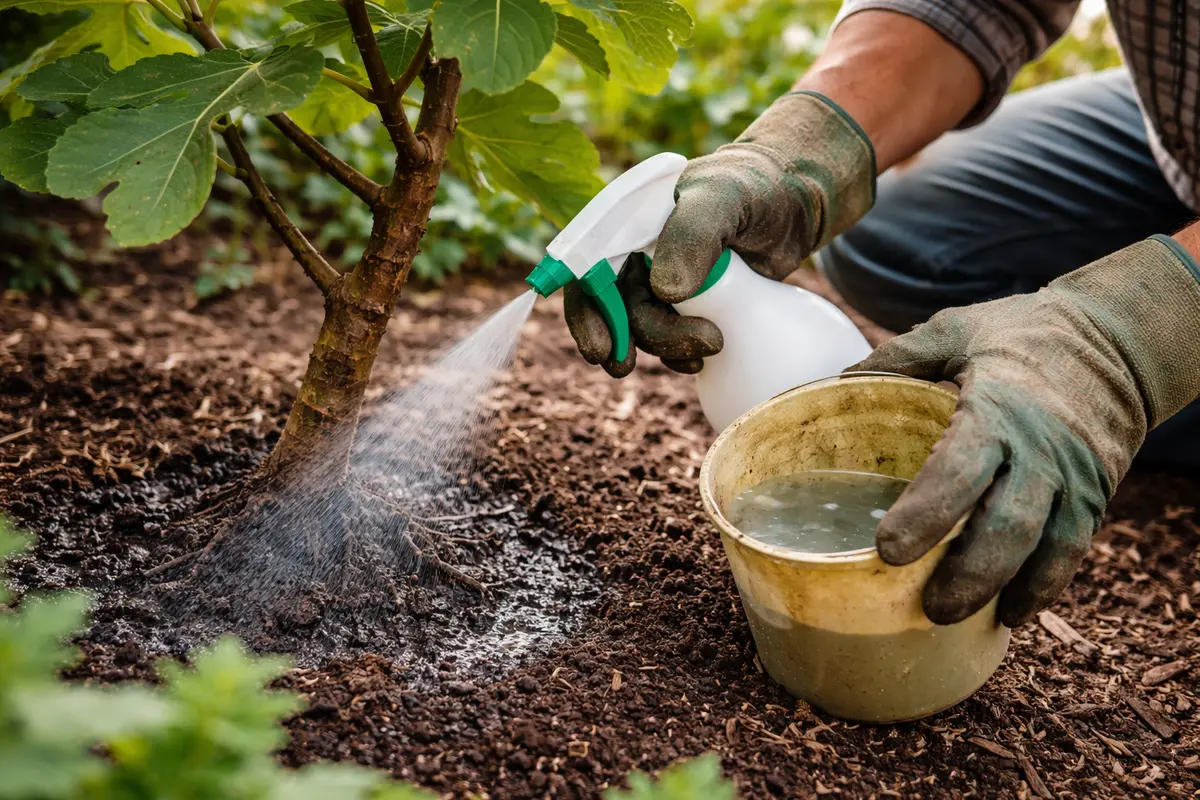
Apply an organic fungicide to the exposed roots and surrounding soil to combat the root rot effectively. After treatment, you should observe a slower degradation in root quality over the next few days, indicating that the fungal pathogens are being eliminated. This action kicks off your fig tree’s recovery by targeting the underlying fungal issue directly. Make sure to cover all areas around the base of the tree to maximize the fungicide’s effectiveness.
The organic fungicide works by disrupting the growth of the fungal pathogens responsible for root rot, resulting in healthier roots that can eventually absorb nutrients again. Maintain a balanced watering regime to avoid re-exposing the roots to excess moisture following application—this is critical in maintaining effectiveness. Expect to see signs of improvement within a week, including new growth and stronger roots regaining function. This timeframe may vary, though; if there are no signs of progress after ten days, reassess your treatment strategy.
Common mistakes at this stage include overwatering the tree after applying fungicide, which can undo the benefits of your intervention. If you notice stunted growth or persistent wilting, double-check treatment levels and adjust your watering schedule accordingly. Recovery takes time, and rushing the process with excessive moisture can derail your efforts. Be particularly cautious if the soil remains consistently wet, as this could breed more fungal issues. This is especially true if the fungicide treats the problem but the conditions remain conducive for the disease, rendering it ineffective. Regularly checking moisture levels and adjusting watering is vital; if the topsoil remains constantly moist for several days, reconsider your watering strategy.
Step 4 – Ensure Proper Drainage for Fig Trees
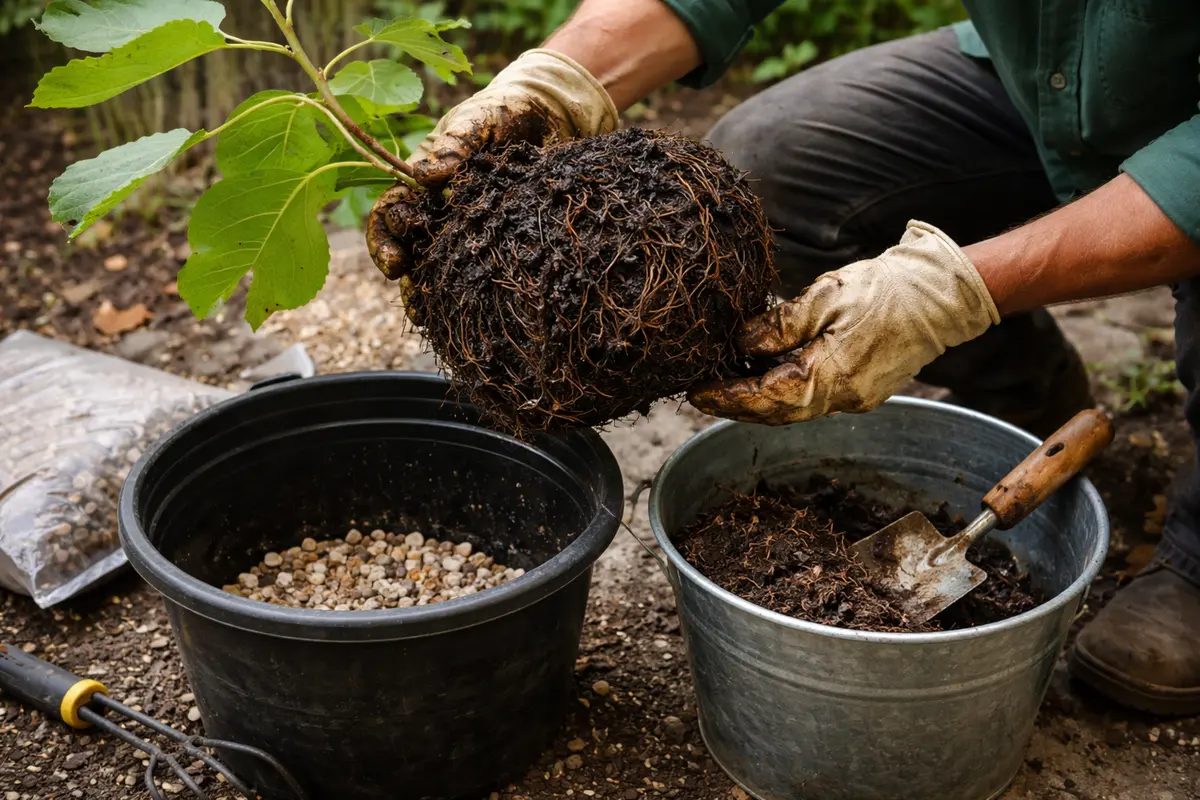
Start by ensuring your fig tree is planted in a well-draining soil mix and that the pot has adequate drainage holes. By doing this, you will prevent water accumulation, thus reducing the risk of root rot and promoting healthier root development.
Excess moisture and poor drainage often lead to root rot, particularly in clay-heavy soils or pots without drainage. By implementing a well-draining soil mix and maintaining adequate drainage, you significantly lower the likelihood of standing water, which is a key factor in the onset of fungal infections. If your tree’s leaves begin to yellow while the soil remains wet, it may indicate root rot; check the roots for signs of mushiness.
As temperatures rise in summer, consider adjusting your watering routine to accommodate increased evaporation. Additionally, mulching around the base of your fig tree can help retain moisture without oversaturating the roots, particularly during dry spells. If the soil remains compacted despite these adjustments, check for root entanglement that could be preventing adequate drainage.
Proper drainage mitigates the risk of standing water, which is a primary trigger for root rot. Ensuring water drains effectively not only supports root health but also creates an environment where beneficial microorganisms can thrive. Correctly managing drainage reduces future soil compaction and promotes aeration in the root area. When roots are allowed to breathe, you’ll notice a marked improvement in your tree’s overall vigor. This layer of protection is essential for maintaining healthy roots, especially during peak rainfall periods.
Consider seasonal variations affecting drainage needs. During heavy rain, landscaping around the tree might require adjustment, such as creating berms or trenches to reroute excess runoff. Investing in these safeguards will minimize the risk of recurrence; failing to adapt can mean repeating past mistakes, keeping your fig tree in a constant battle against root rot. Additionally, be vigilant about water runoff from nearby areas; this can contribute to waterlogging in your fig’s root zone. You may also want to incorporate mulch or organic matter to improve soil texture and retention rates, which can further aid in managing moisture levels around the roots. Regularly observe any changes in soil drainage to remain ahead of potential issues.
Step 5 – Watch Fig Leaves for Signs of Recovery
Recheck fig tree leaves every few days for improvement signs and to monitor moisture levels in the soil. Actively look for fresh growth and firm leaves, which indicate that recovery is underway from the previous treatments. This vigilance will confirm that your interventions have been successful, or if further action is required. If new shoots are moist and tender, it usually means that the roots are starting to function again, aiding nutrient absorption.
When you see new buds or leaves developing and the previous wilting dissipating, it signals that your fig tree is almost back to health. However, if older leaves show renewed browning or draping, it suggests the potential return of root rot or inadequate care. Such symptoms require immediate attention and could warrant further intervention, especially if you have not altered watering practices as needed or maintained effective drainage. Ensure your monitoring includes observations not only of new sections but also which leaves in the lower canopy are still vulnerable to stress.
If symptoms persist despite your treatments and maintenance inspections, consider seeking professional advice to determine if radical measures are necessary—such as repotting or evaluating for additional underlying diseases. Understanding when to escalate can save your fig tree from permanent damage, facilitating a return to its productive state. If you encounter issues that exceed your knowledge or capability, do not hesitate to reach out; timely interventions can make all the difference in recovery outcomes. It’s common for gardeners to overlook rechecking moisture levels after treatment, which is crucial for ongoing health.
FAQ
How long will it take for my fig tree to recover from root rot?
The recovery period can typically range from a few weeks to several months, depending on the severity of the rot and the environmental conditions. Regular monitoring and appropriate treatments will assist in speeding up this process, leading to healthier growth and ultimately a flourishing tree once again.
Can root rot spread to other plants in the garden?
Yes, root rot can spread, especially if the same soil, tools, or watered areas are shared among plants. If you see signs of wilting or leaf drop in adjacent plants, investigate soil conditions immediately. Maintaining good hygiene practices, such as sterilizing your tools and avoiding overwatering, can prevent this spread and help protect your entire garden from similar issues in the future.
Should I remove all affected roots from my fig tree?
Only soft, mushy roots should be removed, while any firm, healthy-looking roots can stay intact. Completely removing all roots can lead to shock and hinder recovery, resulting in further stress on the plant. Ensure you monitor new growth on the remaining roots and make adjustments to care as indications arise.