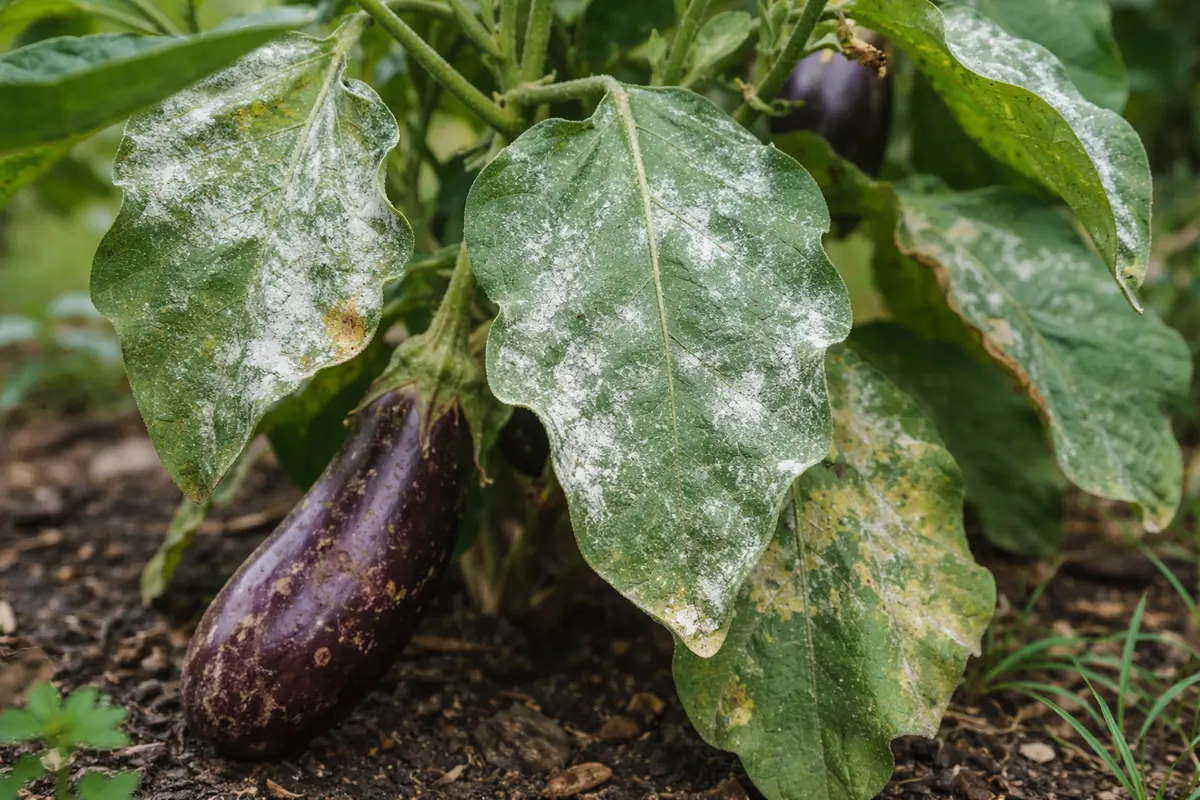
You may notice your eggplants looking less vibrant during the humid summer months, which is why you need to know what to do when eggplants show signs of fungal diseases. Symptoms like yellowing leaves and dark spots indicate a decline caused by fungal pathogens thriving in damp conditions. If left untreated, the issue worsens, can spread to healthy plants, and weakens the overall crop yield, but you can fix it now by inspecting your plants closely and adjusting your watering practices.
Step 1 – Cut Back Infected Eggplant Foliage Fast
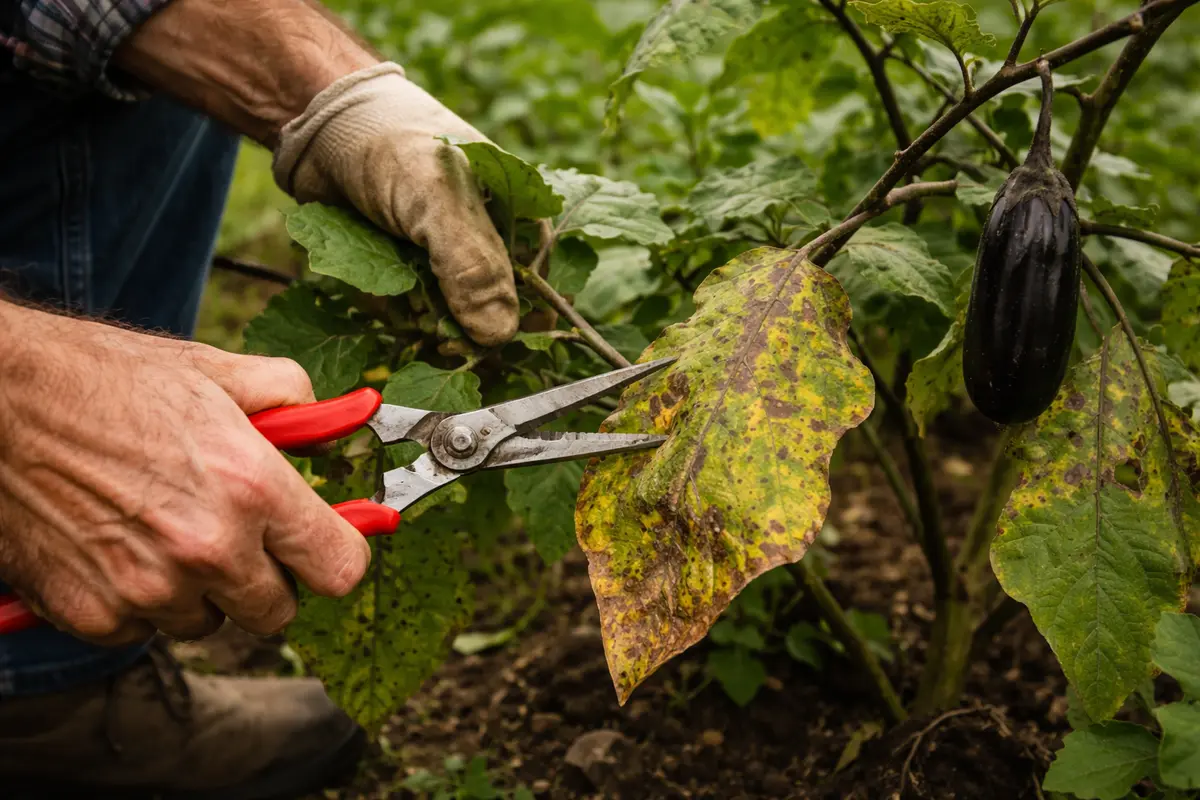
First, remove any visibly infected leaves or stems from the eggplant plant, making sure to dispose of them away from your garden. As you do this, look for immediate improvements such as better air circulation around the plant and reduced moisture on the remaining foliage, which can help curb the spread of fungal spores.
Acting swiftly is crucial because fungal diseases can proliferate rapidly in warm, humid environments like those preferred by eggplants. If removal of infected parts is delayed, pathogens can penetrate healthier tissues, leading to more extensive damage and total plant loss. The plant’s immune response weakens, allowing more invasive fungi to take hold, creating a cycle that becomes harder to break.
For instance, a gardener left infected leaves on an eggplant, resulting in an outbreak that spread to adjacent plants within just a week. By contrast, another gardener promptly removed the affected leaves and observed no further issues. If you notice yellowing spots that seem to expand, check for signs of wilting or browning around the base of the plant as those can indicate severe infection.
Acting swiftly to eliminate the infected plant material is crucial because fungal pathogens can reproduce rapidly, leading to widespread infection within days if left unchecked. If you delay removing the affected parts, the spores may spread to healthy tissues, converting your isolated issue into a larger problem. If the leaves show water-soaked spots, check the undersides for yellowing; brown, crispy edges suggest a more advanced infection.
A gardener once faced severe damage when they procrastinated on removing weakened leaves, allowing the disease to engulf half their crop. In contrast, those who took quick action noticed healthier remaining plants and a successful harvest. A common mistake at this point involves assuming that treatment methods alone will suffice; without addressing the identified infected areas, the treatment may not be effective.
Cutting back infected foliage stops the fungal pathogens from taking hold and spreading further. When leaves show dark spots or a powdery appearance, it’s often a sign that the plant is being overwhelmed by a fungal infection. Removing these areas allows the rest of the plant to receive energy and resources necessary for growth without the burden of the infected tissue. The ideal time to perform this cutting is during the early morning hours when the plant is fully turgid, as this reduces stress and promotes faster healing for the uninfected leaves.
Many gardeners make the mistake of waiting too long to address these symptoms, whether it’s due to uncertainty or hoping the plant will recover on its own. Timing is critical; acting at the first sign of infection can significantly improve the likelihood of recovery. If left too long, you’ll not only lose the affected leaves, but the entire plant can succumb to the disease, leading to a larger issue for your garden. Additionally, ensure that all pruned material is disposed of properly and not left on the ground where it could re-infect the plant.
Step 2 – Diagnose Fungal Issues in Eggplants
Next, inspect the remaining foliage and plant conditions to identify the specific type of fungal issue affecting your eggplants. You should be able to observe differences in the remaining healthy leaves and see their condition is stable. Identifying the specific fungus—whether it’s powdery mildew, downy mildew, or another type—helps in selecting the most effective treatment. The appearance of yellowing leaves often accompanies these conditions, so keep an eye out for variations in leaf texture and firmness.
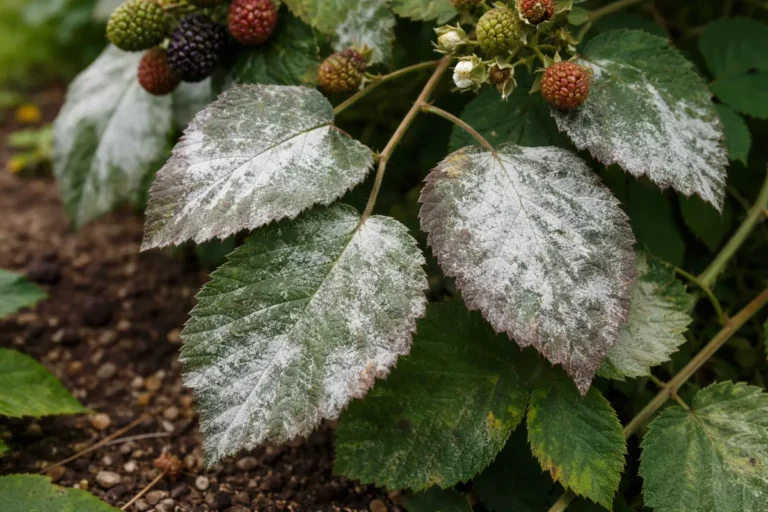
Understanding the type of fungal infection is important because each one may require different management strategies. For example, powdery mildew thrives in humid conditions and is characterized by a white, talc-like coating on the upper leaf surfaces, often more evident in shaded areas. Conversely, downy mildew, which appears under cool, moist conditions, leads to yellow patches on the upper leaf surface with fuzziness visible on the underside. Knowing these details assists in correcting environmental factors that may be promoting fungal growth.
If you notice soft, mushy spots on the stems or roots along with the leaf symptoms, you may be dealing with a more severe fungal issue like root rot, which requires immediate drainage improvements. Conversely, if you find dry, powdery spots on the leaves, this points to a surface pathogen that might require foliar sprays. If you suspect that your plants might be under water stress—either too much or too little—you can probe the soil for moisture content. A simple dig with your finger can tell you if the soil is retaining too much moisture or if it’s bone dry, allowing you to adjust your watering practices accordingly.
Step 3 – Fertilize Eggplants with Balanced Nutrients
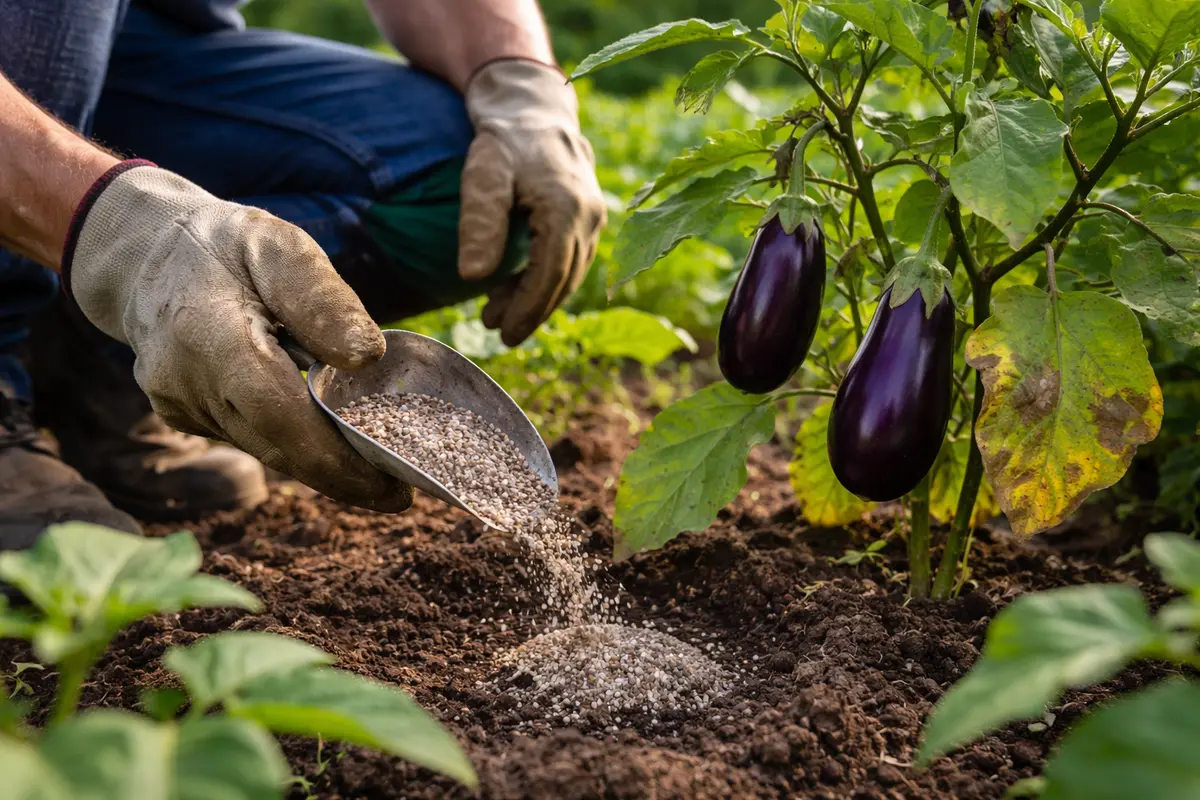
Apply a balanced organic fertilizer to your eggplants to promote recovery following the removal of infected leaves. You should notice new growth within about a week, showing signs of improvement. Fertilizing restores essential nutrients to the plant, helping it bounce back faster from a fungal invasion. Use a Granular or water-soluble fertilizer that has equal parts nitrogen, phosphorus, and potassium, such as a 10-10-10 blend, mixed into 2-3 inches of the top soil layer. This helps ensure ideal uptake during the recovery phase.
Once the infected leaves are removed, the stress on the plant is lessened, and it can now focus on recovery. During this recovery phase, be sure the eggplant receives nutrients both nitrogen for leafy growth and potassium and phosphorus to strengthen roots and enhance disease resistance. Providing an adequate amount of foliar feed can also expedite recovery. This balanced approach creates a healthier environment for new leaf production and helps the plant recover stronger than before. An effective technique is to apply the fertilizer as a liquid feed, ensuring the nutrients dissolve and readily integrate into the soil.
A common mistake at this stage is to over-fertilize, thinking more is always better. Over-fertilization can lead to salt buildup and stress the plant even further, worsening its condition. Instead, ensure you apply the appropriate amounts as recommended on the fertilizer package, and monitor the response of your eggplants over the following days. If you start to notice a bright yellow coloration at the leaf tips or margins, it may be a sign of fertilizer burn due to excess salts, prompting an immediate halt and a flush of the soil with water to help alleviate the issue. In my experience, I’ve found that gradual application works best for allowing plants to adjust without shock.
Step 4 – Avoid Overhead Watering to Combat Fungal Spread
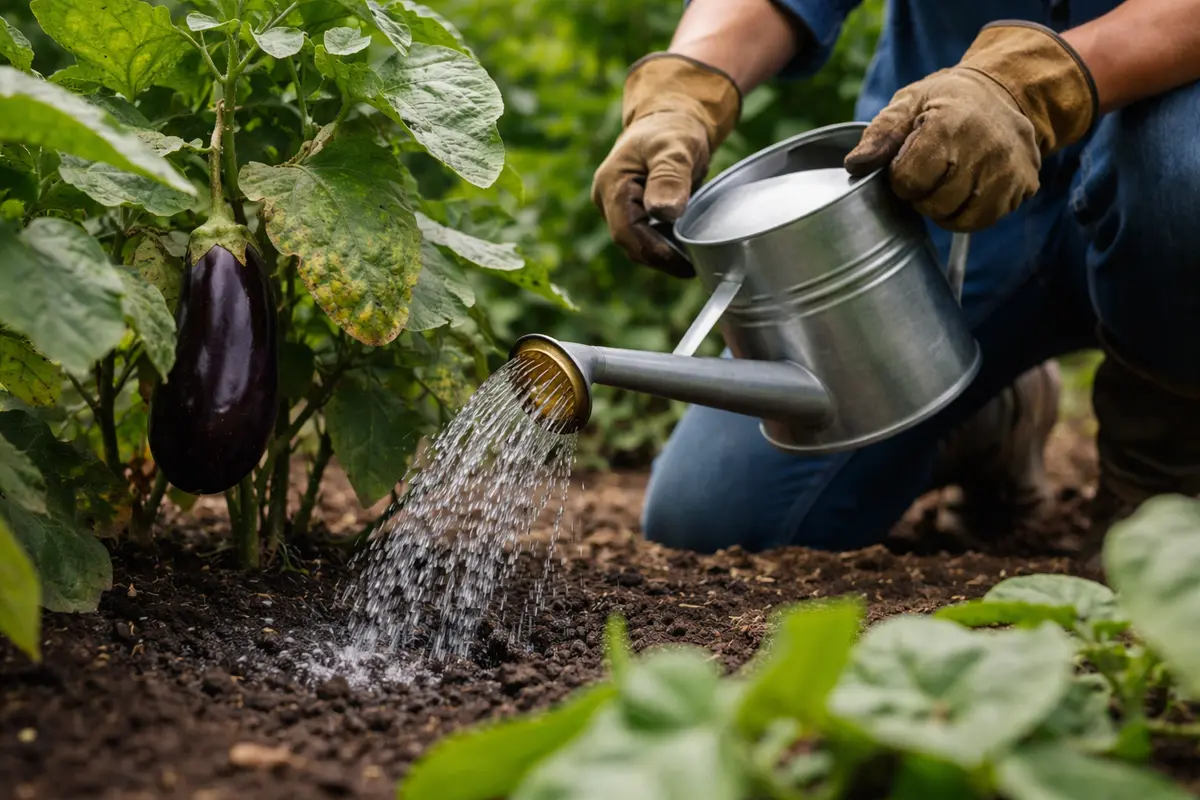
Start by ensuring your eggplants are planted in well-draining soil and receive at least six hours of sunlight daily. By doing so, you will significantly reduce the likelihood of fungal diseases taking hold in your crops.
The presence of excess moisture, combined with inadequate airflow, creates an ideal environment for fungal spores to thrive. A routine of consistent watering that avoids soaking the soil, along with proper spacing between plants, directly addresses these conditions by enhancing drainage and airflow. If your eggplants are wilting and showing signs of yellowing paired with brown lesions, then it’s crucial to check for water accumulation around the root zone.
During periods of high humidity, increase the frequency of inspections for fungal signs and consider applying organic fungicides as a secondary measure. This seasonal adjustment can effectively reinforce your initial prevention efforts and prevent outbreaks before they start forming in damp conditions.
Watering at the base of the plants helps to keep the leaves dry while ensuring the root zone gets sufficient moisture. Fungal diseases propagate in conditions of high humidity, so maintaining a drier environment on the leaf surface is critical. By avoiding scenarios where water sits on the foliage, you are taking an important step in preventing the re-emergence of the fungal diseases you’ve been dealing with. Consider utilizing mulch around the base of your eggplants, as this will help maintain soil moisture and further insulate the roots from temperature changes.
In wetter months or during periods of high humidity, you should consider watering earlier in the day to allow enough time for potential leaf wetness to evaporate. Should you need to resort to overhead watering, do so in the early morning to minimize dampness by evening. This method balances the plant’s water needs without increasing fungal risks. Remember, in serious fungal outbreaks, cutting back on watering frequency altogether may be warranted; just ensure the plants do not wilt. Reviewing the weather forecast and timing your watering sessions can also be effective, allowing you to adjust before any anticipated rainfalls.
Step 5 – Inspect Eggplant Leaves for New Fungal Signs
Start by thoroughly inspecting your eggplants every few days, focusing on the leaves, stems, and fruit for any signs of fungal diseases such as white mold or black spots. Observe any discoloration, wilting, or unusual textures, and note the areas that appear affected. Recheck these areas weekly to monitor changes and assess whether your interventions are effective and if new symptoms emerge.
A fully recovered eggplant plant showcases vibrant green leaves with a smooth texture and plump, unblemished fruits. In contrast, early signs of the problem returning include the appearance of yellowing leaves or small black pockmarks on the fruit; these indicators may signal that the disease is resurfacing. If the plant’s leaves begin to curl or develop a fuzzy appearance, this may be a sign of a persistent issue.
If symptoms return despite following previous steps, consider applying a broader-spectrum fungicide to address the persistent fungal issue effectively. Alternatively, remove any infected plant parts immediately to prevent further spread. Escalate to consulting a local agricultural extension service if the problem continues, as they can provide specific recommendations tailored to your region.
A fully recovered plant will exhibit vibrant, green foliage free from spots or discoloration, showing new growth that is healthy and strong. If you see any return of symptoms, such as wilting, yellowing, or unexpected dampness near the stems or on the leaves, it’s crucial to address these signs immediately. Regular inspections can help catch these issues early, preventing another infection cycle from taking root. Keep a log of your findings to recognize patterns or recurring issues that may indicate systemic problems with your garden conditions.
If you discover that symptoms are returning despite your preventive measures, you will need to consider implementing a stronger fungicidal treatment or even revisiting your watering schedule. In severe cases, a professional consultation may be necessary, especially if multiple plants within the vicinity are affected and the problem seems widespread. Identifying the right moment to escalate treatment ensures that your eggplants can successfully thrive throughout the growing season. A common oversight is assuming the problem is localized; always consider the broader garden ecosystem before deciding on a treatment.
FAQ
How long does it take for eggplants to recover from fungal diseases?
Typically, after taking the right actions, you can expect to see noticeable recovery in about 1-2 weeks. Signs of recovery include vibrant new leaves and healthy growth patterns, indicating that the plant is regaining strength. However, individual recovery times can vary based on the type of fungus and the overall health of the remaining plant tissue.
Can fungal diseases on eggplants spread to other plants?
Yes, fungal diseases can spread quickly, especially in humid conditions. To prevent cross-contamination, maintain adequate spacing between plants and remove any infected foliage immediately. Additionally, practicing crop rotation and keeping your garden clean of fallen debris can help minimize fungal risks during successive planting seasons.
Should I remove all affected parts of the plant?
It’s important to remove only the visibly infected parts to avoid shock to the plant. However, if the fungal infection is severe, consider removing larger sections or even entire plants to protect neighboring ones. When dealing with severe infections, proper disposal of infected plant material is essential to prevent reinfestation and protect healthy plants in your garden.