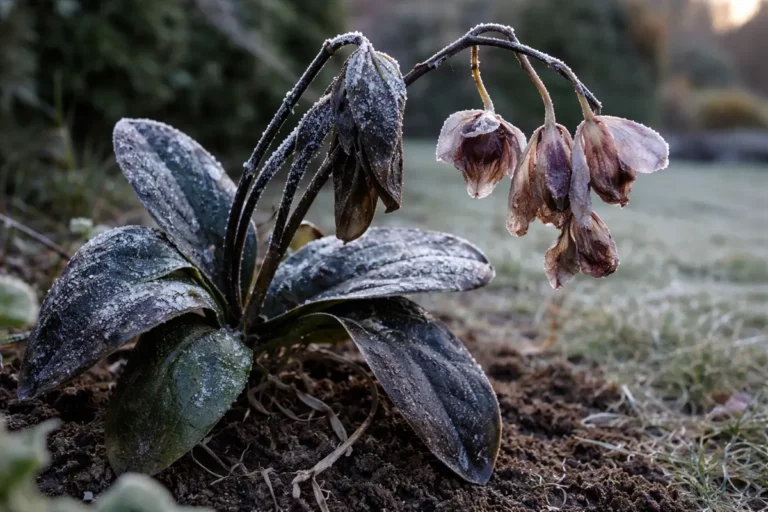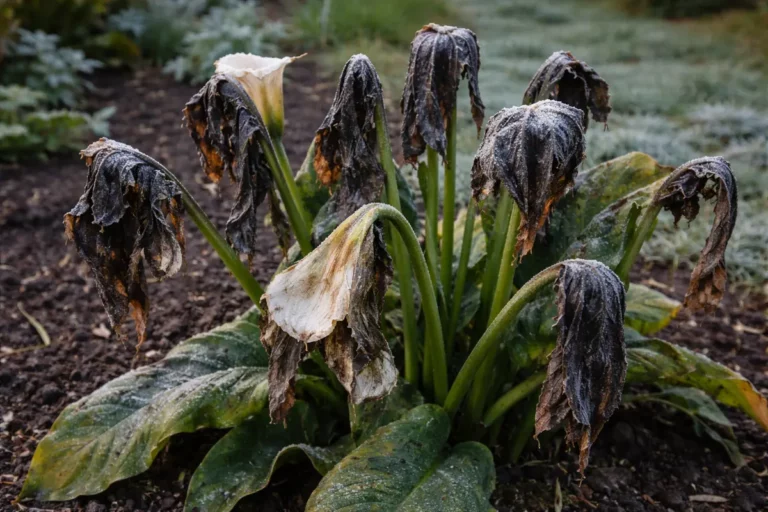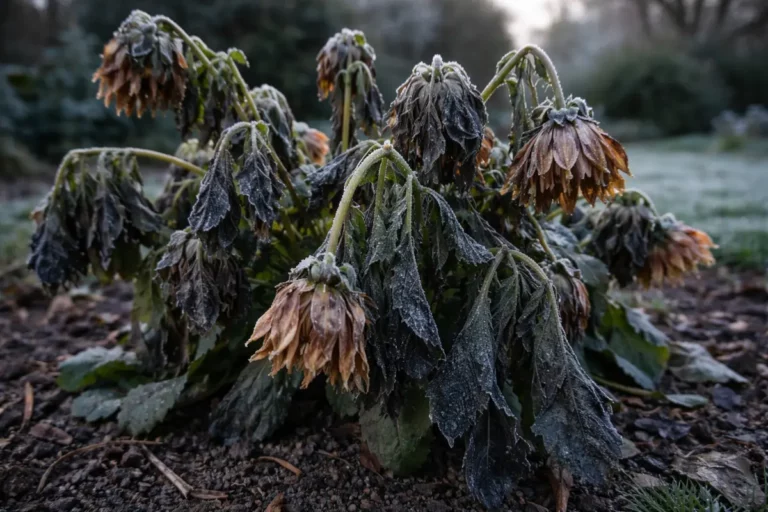
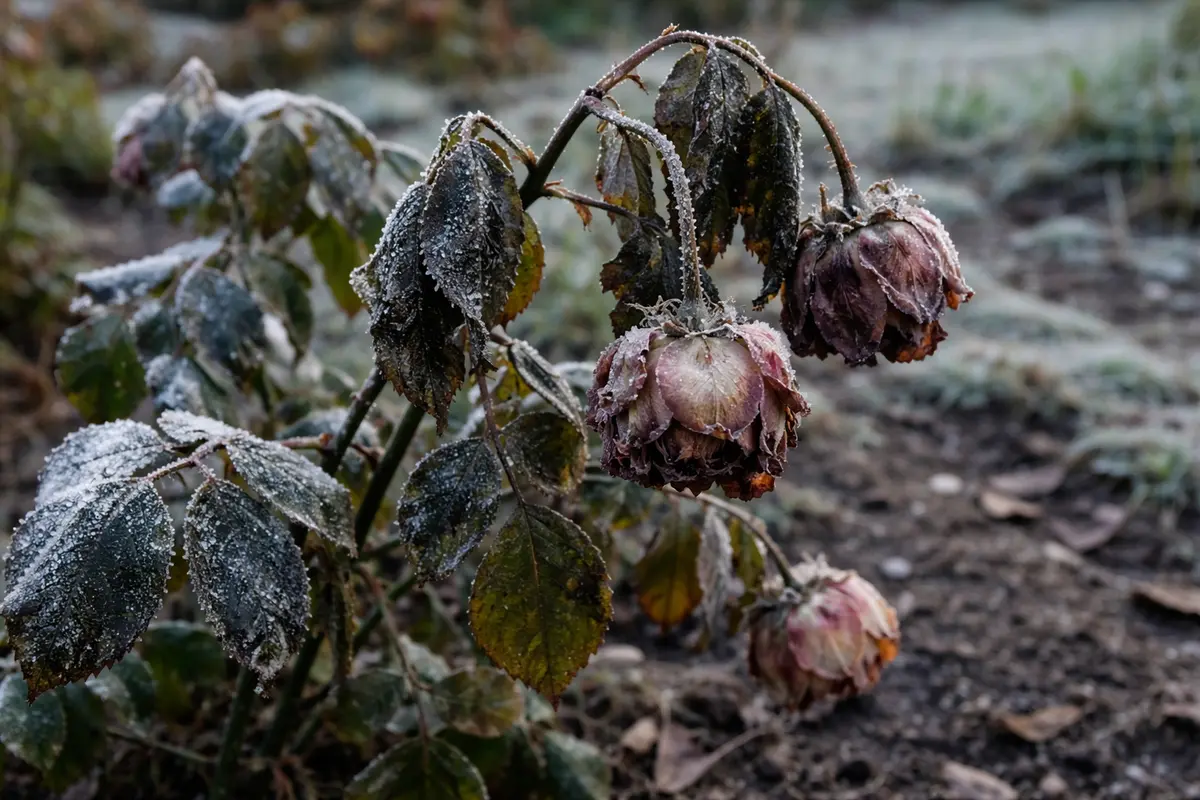
You may notice your roses appear droopy during cold nights, which is why you need to know what to do when roses droop during cold nights. This drooping can occur due to the plant’s stress response to low temperatures, leading to wilting and a general decline in vigor. If left unaddressed, this can weaken the plant and make it more susceptible to disease, but the good news is that fixing it is possible now—just check the soil moisture and adjust protective measures as needed.
Step 1 – Wrap Roses to Shield from Cold
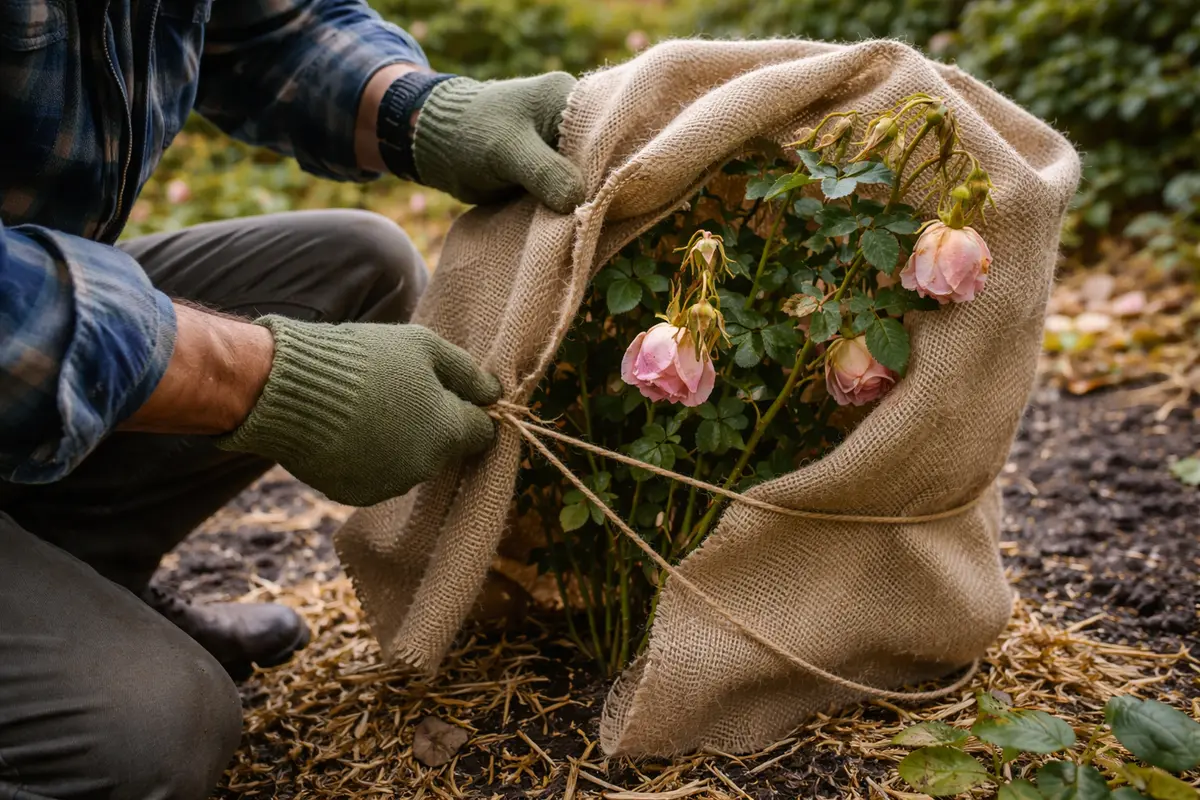
First, assess your rose bushes and immediately cover them with frost cloth or burlap if temperatures are expected to drop below freezing. Secure the fabric with stakes or weights so it doesn’t blow away, ensuring it is not directly touching the foliage. After covering, you should notice the rose stems appearing less wilted and drooping as they are insulated from cold temperatures.
Acting fast with protection is crucial because roses are particularly sensitive to drastic temperature changes, which can disrupt their internal water balance. When exposed to cold, roses can lose turgor pressure within their cells, making them droop and potentially leading to tissue damage or death if the freeze persists. If you delay covering them, you may observe wilting and browning, signs of irreversible damage from cold shock that could take weeks or even months to heal.
A gardener once delayed covering their roses during an unexpected cold snap, resulting in severe damage with entire stems dying back. In contrast, another gardener who acted quickly saw their plants bounce back within days. Always check local weather forecasts to avoid missing out on timely protective measures.
This quick action helps preserve warmth around the plant. Roses are sensitive to sudden weather changes, with cold air causing fluid loss from their cells, leading to drooping. Insulating them minimizes exposure to cold drafts and reduces the risk of freezing overnight temperatures, protecting them from further stress. The wrapping can be most effective when you ensure it extends down to cover the base of the plant, safeguarding the roots from cold soil. As you check your roses, ensure that there are no gaps in the covering material, as any exposed area can lead to chill-induced stress.
Many gardeners overlook wrapping their roses until after a frost hits. Waiting too long can lead to tender tissues freezing and damaging the plant’s overall health. Proactive wrapping before the temperatures drop is essential, especially in exposed areas or places with looming frost warnings. For those residing in regions where temperatures frequently shift, preparing protective materials ahead of time enables a more immediate response when a freeze is forecast. Continual vigilance during early spring frosts is essential, as these transitions can trick unprotected plants. Also, consider gently loosening the wrap once the cold snap passes to allow for proper airflow while still providing some ongoing protection from fluctuating conditions.
Step 2 – Diagnose Cold Damage in Drooping Roses
First, check the soil temperature around your roses. If it feels cool to the touch, apply a thick layer of mulch around the base of the plants to insulate the roots. You should notice the roses perk up within a few days as the insulation helps maintain a more stable root temperature.
When temperatures drop during the night, the soil can lose warmth quickly, leading roses to droop due to cold stress. The roots become less efficient at absorbing water and nutrients, causing the visible wilt on the above-ground parts of the plant. In contrast, if the soil is warm and damp, drooping may be due to overwatering, which suffocates the roots and impedes their function. If you encounter wilting that persists even with warm soil, check for drainage issues or root rot.
If the soil smells sour, indicating possible rot, remove the affected roses and improve drainage before replanting. Alternatively, if you notice the foliage is yellowing alongside the drooping, it might indicate nutrient deficiency rather than temperature stress, so consider applying a balanced fertilizer to address the issue.
Cold damage occurs when temperatures drop below freezing, causing ice crystals to form inside plant cells. This leads to ruptured cell walls, as the expansion of ice during freezing is detrimental to cellular integrity; those cells then lose water quickly, resulting in the drooping appearance you witness. Identifying these signs right away can help you take corrective actions before the damage spreads. If the internal tissues are compromised, recovery becomes increasingly challenging. Look for soft, mushy stems since these are often the first indicators that the plant may not recover if the damage is too extensive.
If you find the soil dry and crispy, you must water the plant thoroughly — dry soil compromises root function and can exacerbate drooping. If the soil feels rock-hard or has cracks indicating extreme dryness, water immediately, saturating the soil around the roots. Alternatively, if you notice a strong sour odor or soggy soil, this could indicate root rot; in this case, a different remedy will be necessary. Ensure that your pots or planting areas have adequate drainage to prevent waterlogging, particularly during periods of rain or thawing following frost. If you’ve diagnosed cold symptoms but failed to provide adequate soil moisture post-event, the plant’s recovery could stall. Acting swiftly can often make a significant difference in recovery.
Step 3 – Revive Drooping Roses with Watering
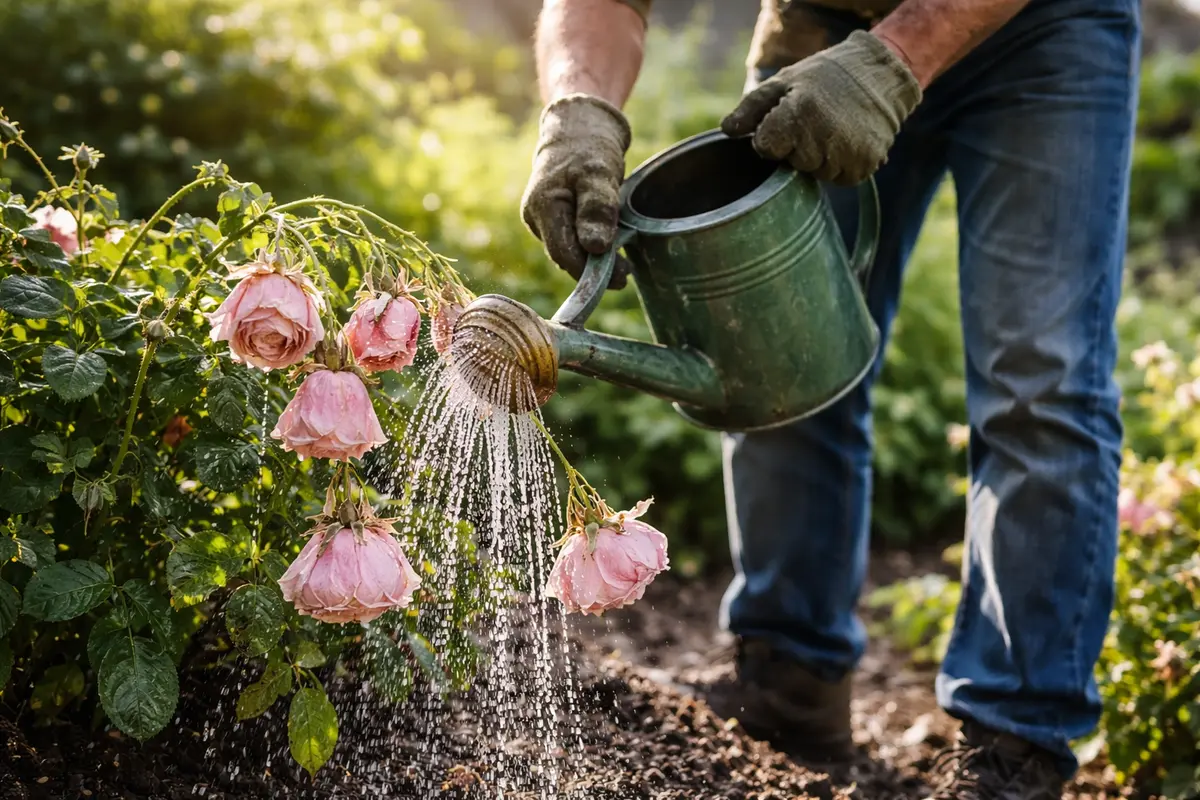
Water your drooping roses thoroughly, ensuring that the soil remains consistently moist but not soggy. Within a few days, you should see a noticeable improvement: leaves will unfold, and the blooms will begin to perk up, indicating that the plants are regaining energy.
Expect a gradual recovery over the next week or two, with strong regrowth apparent if the conditions are favorable, such as moderate sunlight and temperatures above freezing. If your roses are still wilting after two weeks of proper care, assess for root rot caused by overly soggy soil. If not this, check for pest infestations, as these can also hinder recovery.
Avoid overcompensating by adding extra water or fertilizer during this recovery phase; too much can stress the plants further. Instead, focus on maintaining the right moisture levels and monitor them closely. For roses specifically, remember that fertilization is better suited for later in the growing season when they’re actively thriving.
Watering rehydrates the roots and helps restore cellular function in the stems and leaves. Roses require consistent moisture, especially during cool periods when their metabolic processes slow down, and they can’t easily absorb water from the air. A thorough soak allows deep roots to absorb water and nutrients vital for recovery and cellular repair. For established roses, watering deeply less frequently promotes healthier root growth compared to daily shallow watering. However, take care to observe how quickly the water drains from the soil, as overly compacted soil might restrict moisture absorption, requiring a more extended soaking period before dry conditions are alleviated.
Be cautious not to overwater; this can lead to further stress on your plants. It’s common for gardeners to apply too much water, mistaking it for a solution. A good rule of thumb is to check the soil: if it feels moist one inch down, your roses should be okay without additional water. Observing the signs of overwatering, such as suddenly drooping leaves or yellowing foliage, indicates it may be time to hold off on watering and adjust your approach. If your roses appear perked after initial watering but begin drooping again within a few days, lower the frequency and adjust the amount used. Rotating watering actively restores the plant’s vitality; however, once the initial watering is done, it’s essential to wait until the soil partially dries before the next session to avoid exacerbating any existing root problems.
Step 4 – Protect Against Cold with Mulching Strategies

Apply an organic mulch layer around the base of your roses. This action will insulate the soil, maintaining warmth and moisture levels for your plants. Ideally, a layer about 2-3 inches thick creates a substantial barrier against temperature fluctuation. This layer acts as a buffer against chilling winds and maintains a more stable root zone, allowing your plants to fight off stress more effectively.
Mulching helps regulate soil temperature and moisture by creating a protective barrier against cold air exposure. During the colder months, the mulch composts and nourishes the soil while preventing the plant roots from freezing. Consistent insulation contributes to the plant’s overall health and resilience to cold stress. It’s beneficial to use wood chips, straw, or grass clippings as mulch, as these materials can break down and enrich the soil over time, providing additional nutrients to the roses. Be attentive to the condition of your mulch throughout the season, since it may need refreshing as it breaks down. Thin mulch can indeed fail to offer suitable protection during periods of sudden cold snaps.
In particularly cold areas, consider using a thicker layer of mulch, especially as temperatures fluctuate. During early spring or late fall, adjust your mulch as necessary to ensure your roses receive adequate warmth without overheating the roots. If temperatures are still fluctuating widely, continue to apply mulch seasonally for cumulative benefits. Also, proactively monitoring the thickness and condition of the mulch can prevent heat retention in the soil from overwarming during unpredictable warmth, which can confuse the plant’s seasonal growth responses and lead to further stress in cold-affected varieties.
Step 5 – Inspect Roses for Signs of Stress Weekly
Start by checking the soil moisture around your roses during cold nights; the soil shouldn’t be overly dry or waterlogged. Observe the leaves closely for any signs of wilting or discoloration, as these indicate stress. Recheck the condition of the roses every morning and evening for improvements, ensuring that any drooping has lessened by the following day.
A fully recovered rose should exhibit vibrant, upright leaves with a healthy green hue, indicating resilience. In contrast, early signs of the problem returning may manifest as curled, brown edges on the leaves or a drooping appearance that persists, suggesting continued stress. If the leaves droop again, ensure you’re observing any changes in texture, such as softness or brittleness.
If the problem returns despite following the initial steps, elevate your protective measures by using frost covers or constructing a makeshift greenhouse effect with plastic sheeting. Escalate the situation by assessing the overall environment; if large temperature swings occur, consider relocating your roses to a more sheltered location or implementing additional insulation methods.
Healthy roses exhibiting new growth demonstrate that they have begun recovering from the stress caused by cold nights. Early signs of trouble might include continued drooping or yellowing leaves, indicating the need for additional care. Regular weekly inspections help catch any issues before they become severe. Being proactive can also assist in identifying any pest infestations or disease symptoms that might worsen due to stress conditions. During your inspections, and if the plant still shows drooping despite recent care, check for other environmental factors like wind direction or light exposure, as these can have an impact on recovery as well.
If problems persist despite your efforts, consider moving the roses to a less exposed location or using additional protective barriers against harsh elements, such as constructing a windbreak. An easily overlooked detail is when plants receive too much shade, which can also hinder their recovery efforts. Creating a balance ensures that roses are not only protected from the cold but also receive adequate sunlight for ideal photosynthesis. Regular assessments can help prevent recurring deterioration following cold exposure, allowing your plants to thrive once the cold months are over. Adjust care practices based on observable conditions; for example, if high humidity is present in addition to cold stress, tweaking watering practices is critical.
FAQ
How long does it take for roses to recover from cold stress?
Recovery can take anywhere from a few days to a couple of weeks, depending on the extent of the damage. If you begin to notice new shoots appearing and the leaves returning to their normal color, your roses are on the road to recovery. Consistent care during this period plays a critical role; providing adequate watering and protection is essential to encourage robust regrowth. If your roses initially respond but then show signs of wilting again, inspect thoroughly for any underlying soil issues or external stress factors.
Can I prune my frozen roses immediately?
Wait to prune your roses until you see signs of recovery and new growth. Pruning during recovery can disturb the plant’s healing process and stress it further. Patience is vital as cutting away any damaged tissue too soon could negatively affect the plant’s ability to heal properly. Once new growth is visible, ensure you only prune dead or damaged areas, as this allows the plant to redirect energy into healthy development.
Should I fertilize drooping roses after a cold night?
It’s best to wait at least a couple of weeks after the roses show signs of recovery before fertilizing. Fertilizing now can stress the plant further, as its focus should be on recovering from the cold damage. In many cases, plants can benefit from a balanced fertilizer once they establish new growth, but be sure to monitor their condition closely. Recognizing when to fertilize is essential; if new growth is weak or slow, consider checking whether the plant has sufficient light and warmth before adding fertilizer.