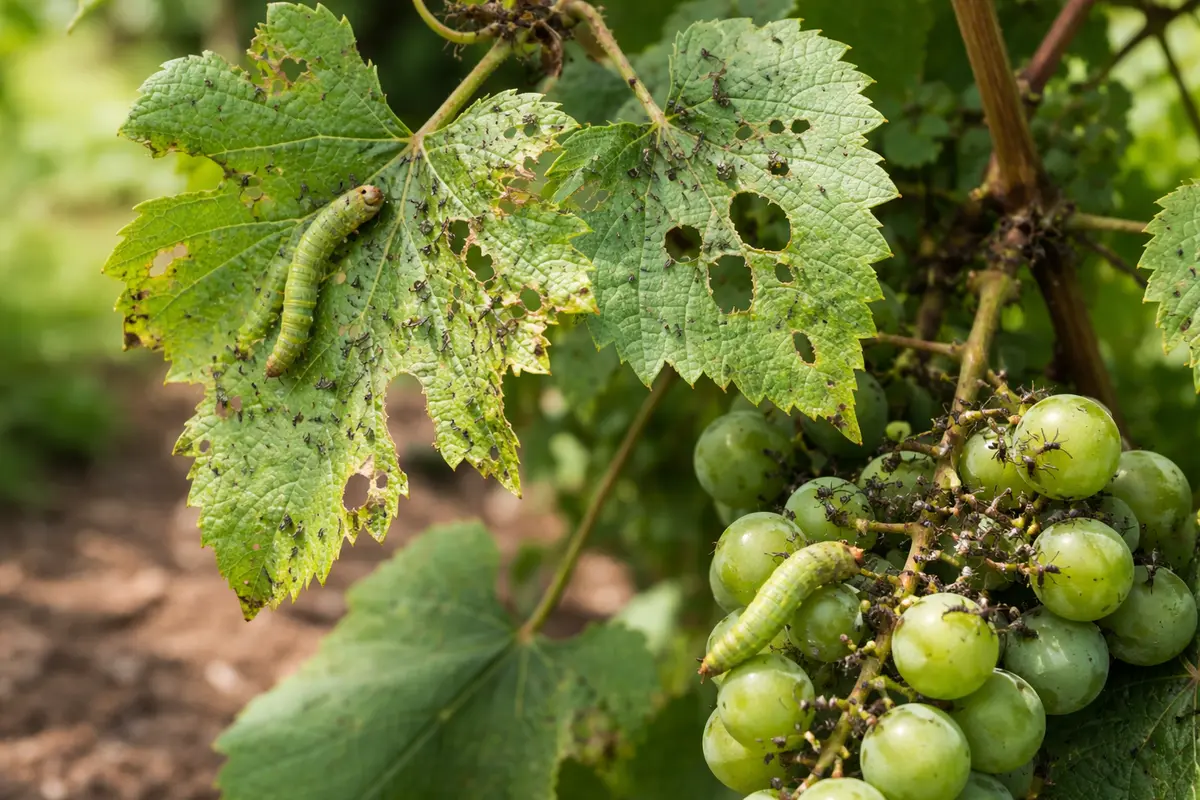
You may notice the leaves of your grapevines curling and developing unusual spots during summer, which is why you need to know how to stop pest damage on grapevines during summer. This damage is typically caused by infestations, leading to wilting and leaf drop. If left unchecked, this issue only gets worse, weakening the plant and leading to more damage, but fixing it is possible now by inspecting the vines and removing any pests you find.
Step 1 – Treat Infested Grape Leaves with Insecticide
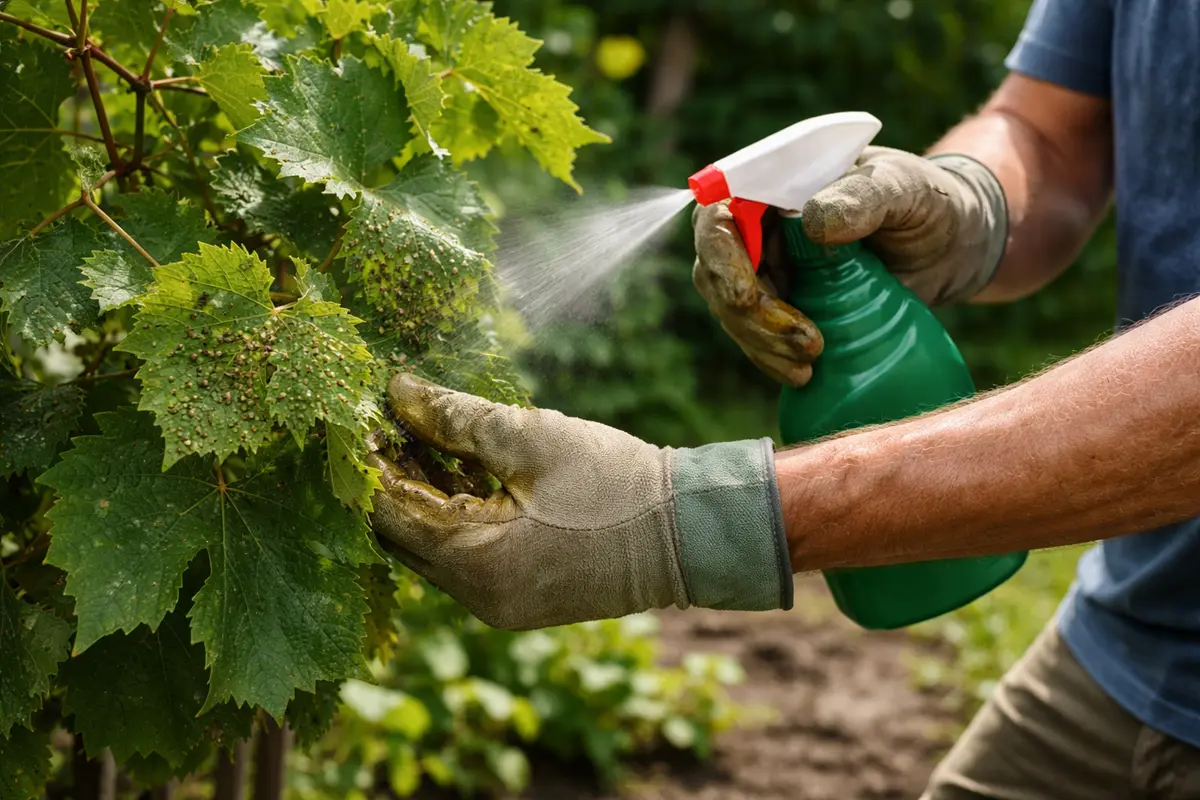
Begin by applying an appropriate insecticide to the affected grape leaves. You should observe reduced pest activity within a couple of days as the insect population begins to dwindle. It is essential to use an insecticide that targets the specific type of pest affecting your grapevines for optimal results; for instance, if you identify aphids, a systemic insecticide might be ideal. Failure to choose the right insecticide can lead to ineffective treatments, allowing the pests to flourish. If you systematically miss specific pests, such as spider mites hiding on leaf undersides, you may prolong an infestation despite treating the prominent issues.
Using insecticides specifically designed for vines is critical to managing outbreaks quickly. Many grapevine pests reproduce rapidly, especially during summer; if you wait more than a few days to act, their numbers can balloon dramatically. This delay can lead to significant damage as pests feed on the leaves, compromising both photosynthesis and the overall vitality of the plant. Apply insecticides during cooler parts of the day, ideally in the early morning or late evening, to minimize evaporation and maximize absorption, thus increasing their effectiveness. You should observe visible leaf recovery within a week if the pest population is successfully controlled.
A common mistake gardeners make at this stage is applying insecticides that are too diluted or inappropriate. For instance, a weaker concentration might not penetrate the waxy leaf surfaces where many pests hide, allowing them to persist. Thoroughly inspect the plants before applying treatment; different pests may require targeted treatments, so observe their behavior before you act. If you notice sticky residue on leaves, that can indicate aphid activity. On the other hand, fine webbing might suggest spider mites are present, requiring you to adjust your treatment choices accordingly. Ensure you test on a small section of your plant first to confirm there are no adverse reactions before proceeding with wide application.
Step 2 – Diagnose Underlying Pest Issues in Vines
First, inspect your grapevines for signs of insect infestations, such as chewed leaves or sticky residue. Remove any visible pests by hand or use a mild insecticidal soap. After this step, expect to see fewer insect sightings and gradual improvement in leaf appearance.
Insect infestations often lead to a breakdown of plant tissue, creating a gateway for disease and nutrient loss. For instance, aphids feed on the sap, weakening the leaves and causing curling, while spider mites leave a stippled appearance. If your grapevines have excessive leaf drop, check for a substantial pest presence; if you find none, inspect the roots for signs of rot.
If the tips of the leaves are turning yellow and curling while the veins remain green, this may indicate a nutrient deficiency, not pest damage. In this case, consider testing your soil for nitrogen or potassium levels to correct deficiencies instead of treating for pests. However, if the root system appears healthy, adjusting fertilizer applications might be necessary.
Pests on grapevines can damage the plant by feeding on the sap, which results in wilting, yellowing leaves, or distorted growth. When sap is removed, the vine struggles to transport essential nutrients, leading to reduced photosynthesis and growth. Conversely, healthy grapevines exhibit lush green foliage and robust growth patterns, indicating their ability to photosynthesize effectively and withstand pest pressure. If you notice leaf curling but no insects, check for potential overwatering or fungal issues instead. An observation of mold can indicate a moist environment that may attract more pests, signifying the need for balanced watering practices.
If the grapevine leaves appear sticky or have a shiny residue, it may signal the presence of pests’ secretions known as honeydew, left behind by aphids or whiteflies. Increased monitoring frequency is essential in this situation, as the quality of affected leaves diminishes. If ants are present alongside the pests, they may be farming them, which requires additional targeted interventions to break this cycle. This could involve applying sticky barriers or bait traps for the ants in conjunction with your pest treatments. Understanding the specific problem is essential for addressing the root cause rather than just the symptoms, such as adjusting watering or introducing beneficial insects like ladybugs.
For example, spider mites tend to thrive in dry environments; if you find that pest issues are related to a lack of moisture, you might consider increasing irrigation frequency. Assess the soil moisture level; dry soil can exacerbate pest issues. If the vines show yellowing leaves along with the presence of pests, it suggests nutrient deficiencies might be amplifying the problem and must be corrected for effective management. Consider soil testing for a thorough understanding of existing nutrient levels; inadequate nitrogen can lead to weak plant structure, inviting pests. Moreover, check surrounding plants as they may also serve as hosts for worsening pest conditions, contributing to greater infestation challenges.
Step 3 – Fertilize Grapevines to Recover from Infestations
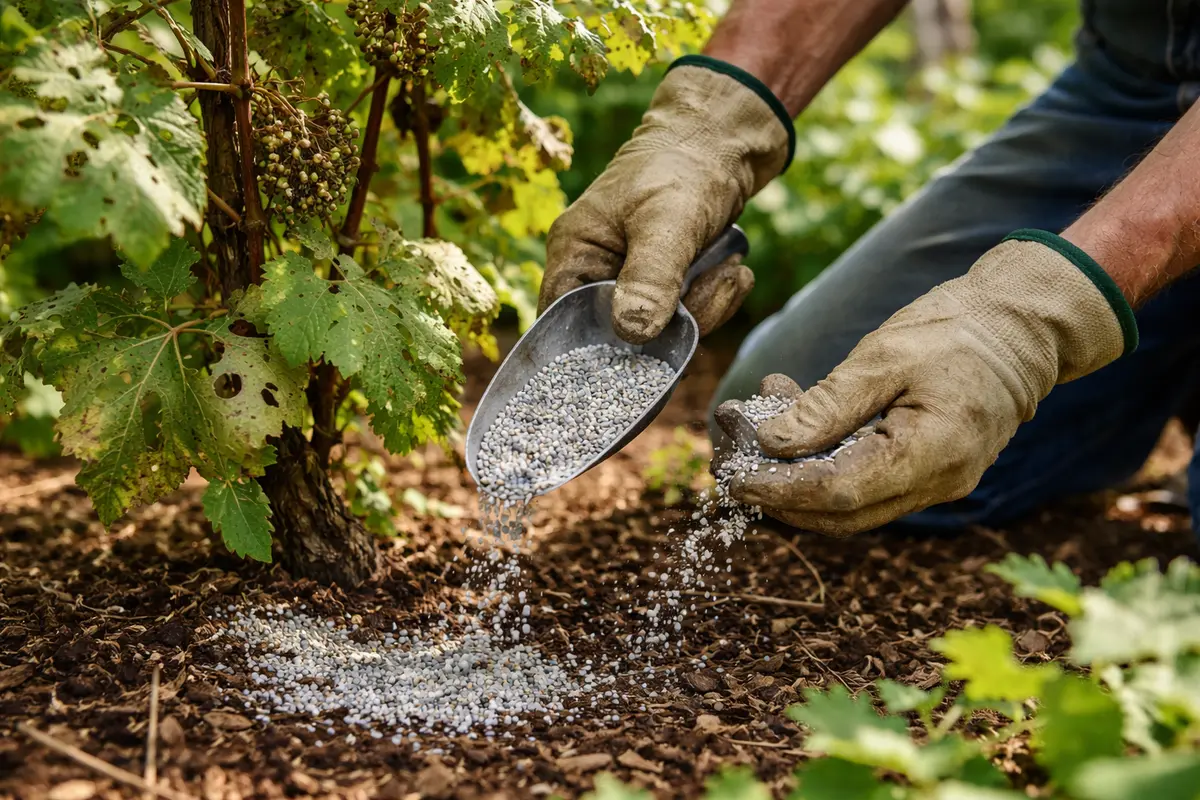
Apply a balanced fertilizer to the grapevines to support recovery from pest infestations. You will start to see new growth within a week as the plants respond positively to the added nutrients. Focus on using a slow-release fertilizer that provides essential nutrients steadily without overwhelming the plants. This technique helps to prevent potential nutrient burn that often occurs with rapid applications of quick-release fertilizers, which might further stress the already weakened vines.
Fertilization aids in restoring the essential nutrients depleted due to the pest infestation stress. Grapevines need adequate nitrogen, phosphorus, and potassium for optimal growth—these nutrients are critical for maintaining plant vigor, especially after a stressful event like a pest attack. Without this replenishment, the plants may continue to struggle, exposed to further threats from pests and diseases, leading to long-term health issues. Observe the leaf coloration and growth vigor post-fertilization; insufficient results could indicate other underlying problems, necessitating revised soil treatments.
A common error during this stage is over-fertilizing, which can lead to nutrient burn, compounding the stress the plants are already experiencing. Stick to recommended application rates and timings; avoid late fertilization; applying fertilizers late in the growing season can promote new growth that may not harden off before winter, making them vulnerable to frost damage. If the expected results are lacking after a week, re-evaluate your fertilization strategy; performing soil tests will provide a deeper understanding of existing nutrient levels. Additionally, ensure that fertilization coincides with irrigation, as dry soil conditions can render nutrients less available to the plants.
Step 4 – Apply Neem Oil to Protect Grape Vines
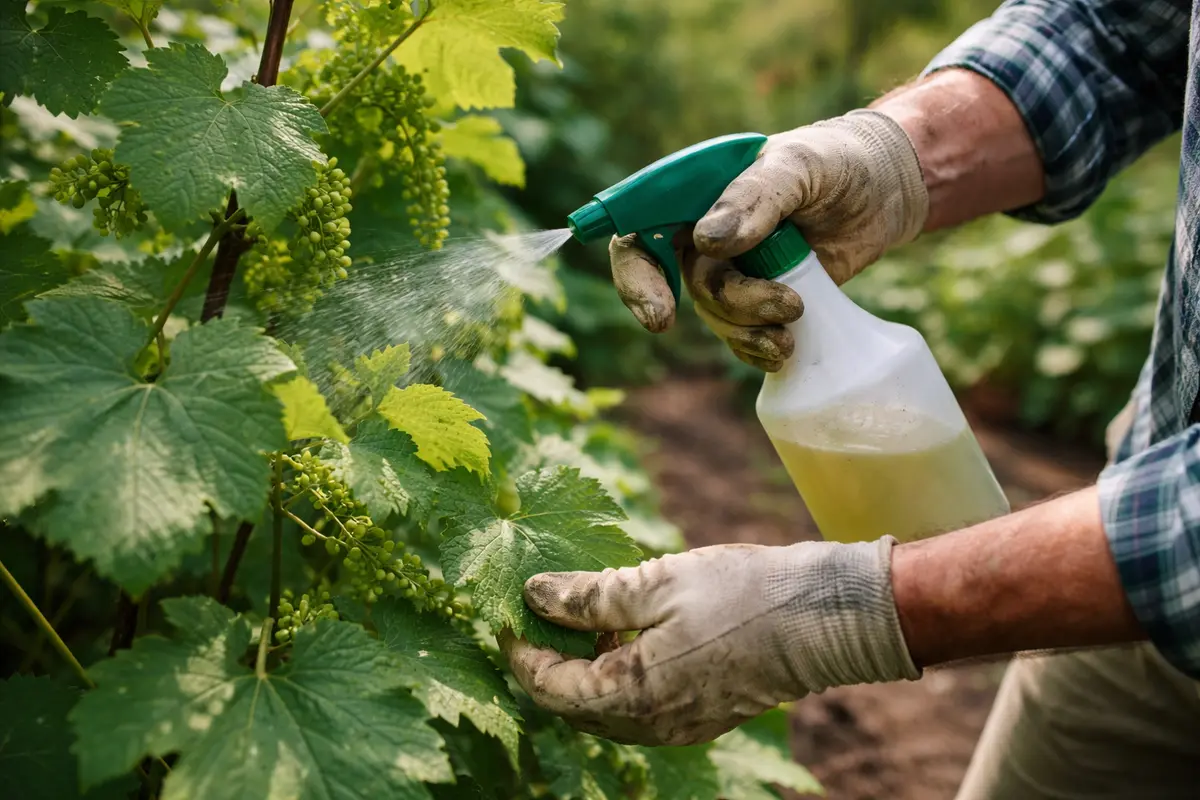
Spray neem oil on the grapevines as a preventive measure against future pest issues. You will notice a reduction in pest problems over the next couple of weeks as neem oil disrupts their reproduction cycles. Consistent application during the growing season will help keep pest populations under control, particularly after any observed infestations. Keep a regular schedule for applying neem oil, particularly following rainfall or heavy watering, which can wash away protective barriers.
Neem oil acts as a natural pesticide and fungicide by interfering with the insects’ hormones, effectively preventing them from growing and reproducing while also acting as a repellent. This treatment should be part of your regular maintenance routine during the summer months, especially after pest outbreaks. Additionally, neem oil can help manage fungal diseases, ensuring a comprehensive plan for plant health protection while boosting your grapevines’ resilience. Note that neem oil is best used when temperatures are below 90°F; higher temperatures can cause damage to the plant foliage.
Weather is a key consideration when applying neem oil; ensure calm, dry days to avoid washing away the product with rain. Apply it early in the morning or later in the afternoon to prevent rapid evaporation and ensure optimal absorption by the plant. Monitoring forecast conditions closely allows you to adjust applications adequately; if humidity levels spike, be prepared to reapply sooner, as such conditions may encourage pest resurgence, thereby continuing to protect your grapes effectively. If you notice less effective results, consider switching to a different natural pesticide to help diversify your pest management strategy.
Step 5 – Inspect Grapevines for New Pest Activity Weekly
Start by inspecting your grapevines weekly during summer for early signs of pest damage, such as leaf curling, discoloration, or visible insects. Look closely at the undersides of leaves and along stems for activity from common pests like aphids or spider mites. If you observe these symptoms, recheck every few days to monitor the situation closely.
A fully recovered grapevine will have vibrant green leaves, firm and plump berries, and minimal webbing or pest residue. In contrast, early signs of the problem returning will include yellowing or wilting leaves and black spots indicating possible fungal issues. If you don’t see healthy new growth from the nodes, check for small sticky residues on leaves that may indicate pest presence.
If the pest problem returns despite your monitoring efforts, promptly apply an organic insecticidal soap to target the pests directly or consider introducing natural predators like ladybugs. Ensure to reassess the situation after three days to determine if further action is needed, such as increasing the frequency of monitoring or switching pest control methods.
Engaging in regular inspections helps quickly identify any re-emerging issues before they escalate into major problems. Visible indicators such as yellowing leaves, droppings, or excessive webbing are strong signals that pests are returning. In addition to leaves, pay close attention to the overall vine structure, including branches and the undersides of leaves, where many pests favor hiding. Remember, conditions such as poor air circulation or inadequate moisture can lead to new infestations, making it vital to react promptly based on your observations, adjusting your treatment protocols as needed.
If you spot any early warning signs, take immediate action by revisiting your treatment strategies. If pests are visibly returning, restart your initial insecticide routine without hesitation. You might also need to adjust your watering and fertilization schedules to ensure plant conditions are unfavorable for pest re-infestation. If the problem occurs frequently, assess the environment, inspect soil moisture closely, or seek expert advice to better address the underlying problems, thereby minimizing future infestations. Establishing a monitoring calendar will help you maintain vigilance against potential outbreaks, making success more achievable through proactive measures, as pests can rebound quickly if not managed consistently.
FAQ
How long will it take to see results after applying insecticide?
Results from insecticide can typically be observed within 2 to 5 days, depending on the specific product and the type of pest. Regular follow-up treatments may be necessary to handle different life stages of pests, such as larvae or adults, which may require differing interventions to completely eradicate.
Can pests spread among grapevines during summer?
Yes, pests can rapidly spread among grapevines, especially in warm conditions. This makes early detection and treatment critical to minimize the risk of infestation in surrounding plants, as even a single infested vine can act as a reservoir for pests that may drift to healthy neighbors.
Should I remove affected grape leaves for better recovery?
Yes, removing heavily infested or damaged leaves is advisable to prevent pests from thriving and affecting neighboring foliage. This process can also improve airflow within the vines, thereby reducing stress and preventing future pest problems. Look for leaves that are entirely yellowed or covered in a sticky substance, which can indicate a significant infestation, and dispose of them properly to limit spreading.