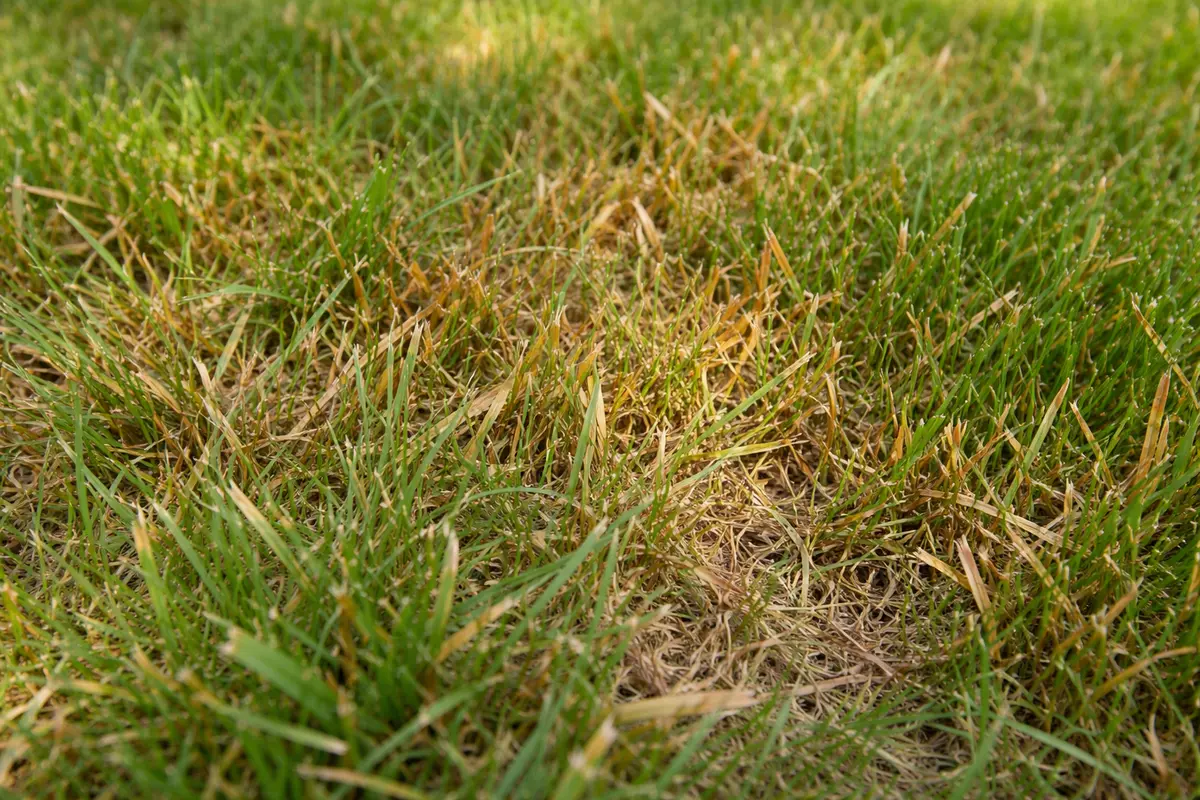
You may notice unsightly brown patches appearing on your lawn during the heat of summer, which is why you need to know what to do if lawn starts browning during summer. This browning often occurs due to insufficient moisture, leading to yellowing and wilting grass as it struggles to survive. If left unaddressed, the condition gets worse and can spread across the yard, weakens the plant, and ultimately leads to more damage; however, fixing it now is possible if you inspect the soil, adjust your watering schedule, and monitor the grass’s recovery.
Step 1 – Water Browning Grass Immediately
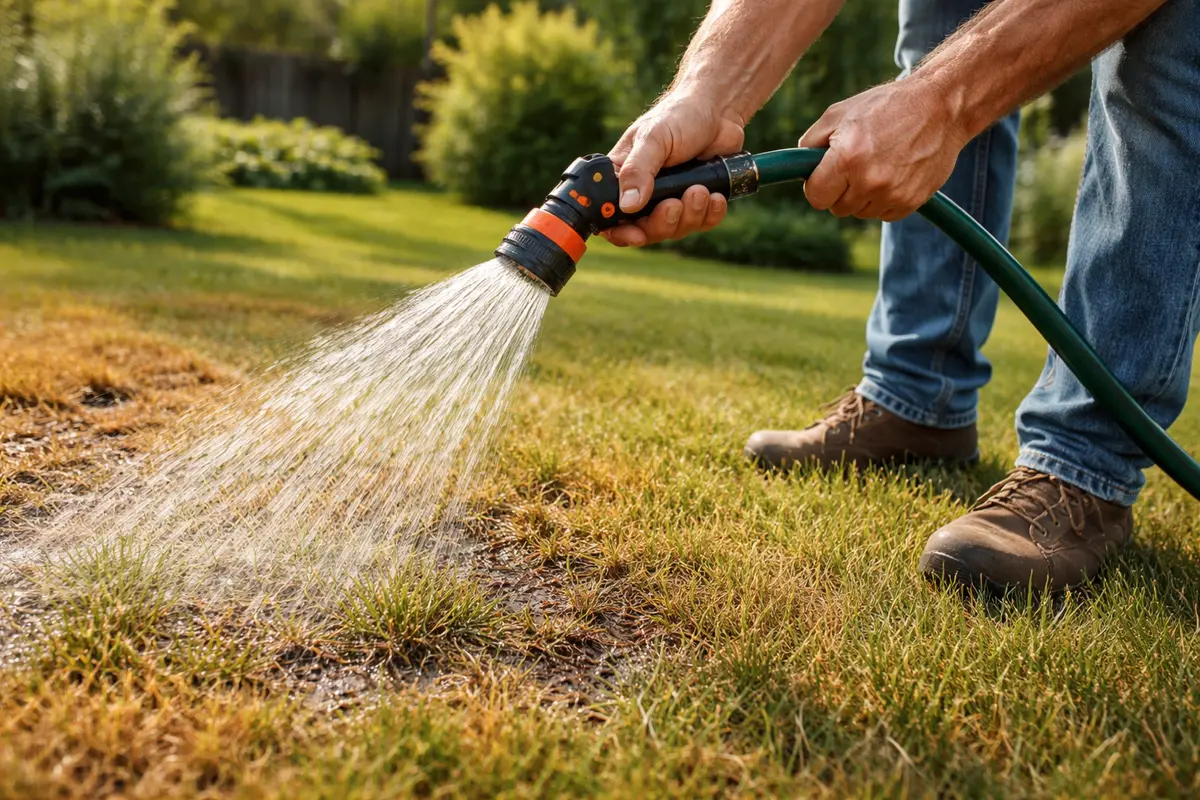
Water the affected areas deeply right away. You will see the soil darken as moisture penetrates, and the grass may start to perk up within a few hours. This immediate watering sends water directly to the roots, reducing heat stress signs such as wilting or browning. When watering, target specific areas—similar to giving a plant its much-needed drink; focus on those patches first. Aim for around 1 inch of water per watering session to ensure the moisture reaches the required depth.
A few hours after applying the water, you might notice that the grass blades regain their firmness and color. This revival happens because grass requires sufficient moisture to maintain its cellular structure and maximize photosynthesis efficiency. Without adequate water, the grass cells lose turgor pressure, resulting in limp brown foliage. If you check the grass closely, you may also notice that the blades regain their upright position instead of leaning over, which indicates hydration is being restored. In cases of severe drought, watering could lead to immediate greening effects within 24 hours during optimal conditions.
Many gardeners mistakenly water only the surface layer, which can leave deeper roots untreated, particularly during a heatwave. For this reason, ensure to water until the moisture reaches a depth of at least 6 inches. Checking the soil with your finger or a soil probe can confirm saturation at that depth. If the grass is still wilting after a thorough watering, check for possible compaction or excessive thatch buildup, as these conditions hinder water absorption and exacerbate browning. It’s crucial to observe if the soil is compacted; if it feels hard to penetrate, that means your roots are having trouble accessing water, necessitating fluid gardening practices such as aeration or overseeding.
Step 2 – Diagnose Lack of Irrigation for Lawn
Inspect the soil moisture level to determine if inadequate irrigation is the cause. You will feel if the soil is dry several inches down—it should be moist at least 3-4 inches beneath the surface. If it’s bone dry and crumbly, this confirms that your grass isn’t receiving enough water, leading to stress in the affected patches. Initiating a routine check will help you gauge how long it has been since the last watering, allowing you to adjust your approach to meet your lawn’s specific needs. Keeping a log of your watering schedule can help you catch patterns in moisture retention.
The lack of moisture not only stresses the grass but can also lead to deeper root damage and an inability to absorb nutrients effectively over time. During stressful periods like summer heat, the inability to reach the root zone with water can create a vicious cycle, compounding the browning situation if not corrected quickly. If you notice that the soil still feels moist but the grass remains brown, then other factors, such as nutrient deficiency or previous damage caused by pests, might be at play. Overwatering can also create a similar dry surface effect; the moisture can pool above the compacted soil layers and inhibit proper root respiration.
If the soil retains too much moisture, check for drainage issues like compacted soil or waterlogging, which can cause additional problems for your lawn. Sandier soil types may drain too quickly, whereas clay soils may hold too much water, inadvertently causing root suffocation. This could become evident if the grass feels mushy when stepped on or if you observe prolonged puddling after rain or irrigation. Adjusting your watering schedule based on the moisture conditions—knowing when to sow seeds and how deeply to plant—will help in averting these water-related issues. If your watering system seems inefficient, consider re-evaluating the sprinklers or irrigation method you are currently using. A simple catch can experiment can help calibrate if your sprinklers are delivering the intended amount of water without oversaturating some areas.
Step 3 – Reseed Areas to Revive Summer Lawn
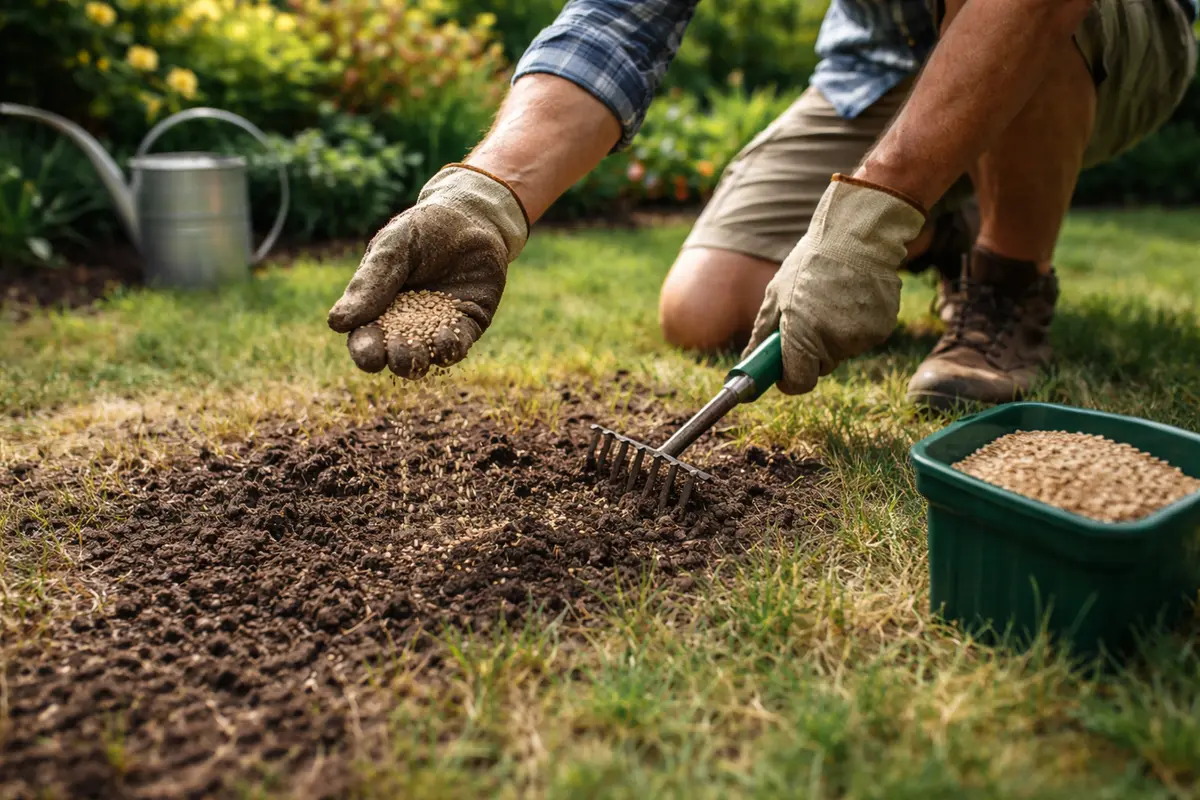
Begin reseeding the affected brown patches to encourage new grass growth. You will notice fresh shoots emerging, typically within 7-14 days depending on soil temperature and moisture levels. Ensure you cover the seeds lightly with soil to protect them from birds and intense sunlight, as the latter can dry out newly sown seeds quickly. Using seed mats or mulches can also help keep moisture levels consistent around the seeds. If possible, use seed blends that are well-suited to your climate and soil conditions for improved success.
Reseeding works effectively when accompanied by a proper watering regime, such as continuous light watering to maintain soil moisture during germination. This consistent approach promotes quicker recovery and thicker grass coverage, enabling it to establish a resilient root system that can withstand heat stress in the future. Regularly checking the germination area for signs of sprouting will give you a better idea of the success of your reseeding efforts. Adjusting your watering times based on the season can improve germination rates; evening watering can reduce evaporation.
During recovery, avoid excessive watering, which can wash away the seeds or lead to root rot. Sow while conditions are favorable, such as early morning or late evening to prevent excessive evaporation and sun damage. Frequent reseeding may indicate a need for improved soil health or a routine adjustment in your lawn care practices. If your area is prone to pests that may devour new seedlings, consider using row covers temporarily until the grass is firmly established. Pay attention to the emerging seedlings; if they appear thin or weak, this can indicate that the soil isn’t retaining enough moisture or is lacking in essential nutrients.
Step 4 – Water Lawn Deeply During Hot Days
Start by adjusting your mowing height to at least three inches and ensuring your mower blades are sharp. This will help maintain a thicker lawn cover that can shade the soil, reduce evaporation, and minimize browning during summer heat.
High temperatures and dry conditions typically trigger browning in lawns due to stress on grass roots. By increasing the mowing height, you promote deeper root growth and enhance moisture retention, which combats the negative impacts of extreme heat. If you notice patchy dry areas compared to greener spots, check the soil moisture level to identify water distribution issues.
In particularly hot periods, consider applying a light layer of mulch or grass clippings around the lawn to help retain soil moisture. Additionally, during drought conditions, watering deeply once or twice a week can further prevent browning. If not this, check your irrigation system for proper coverage to ensure all areas receive consistent moisture.
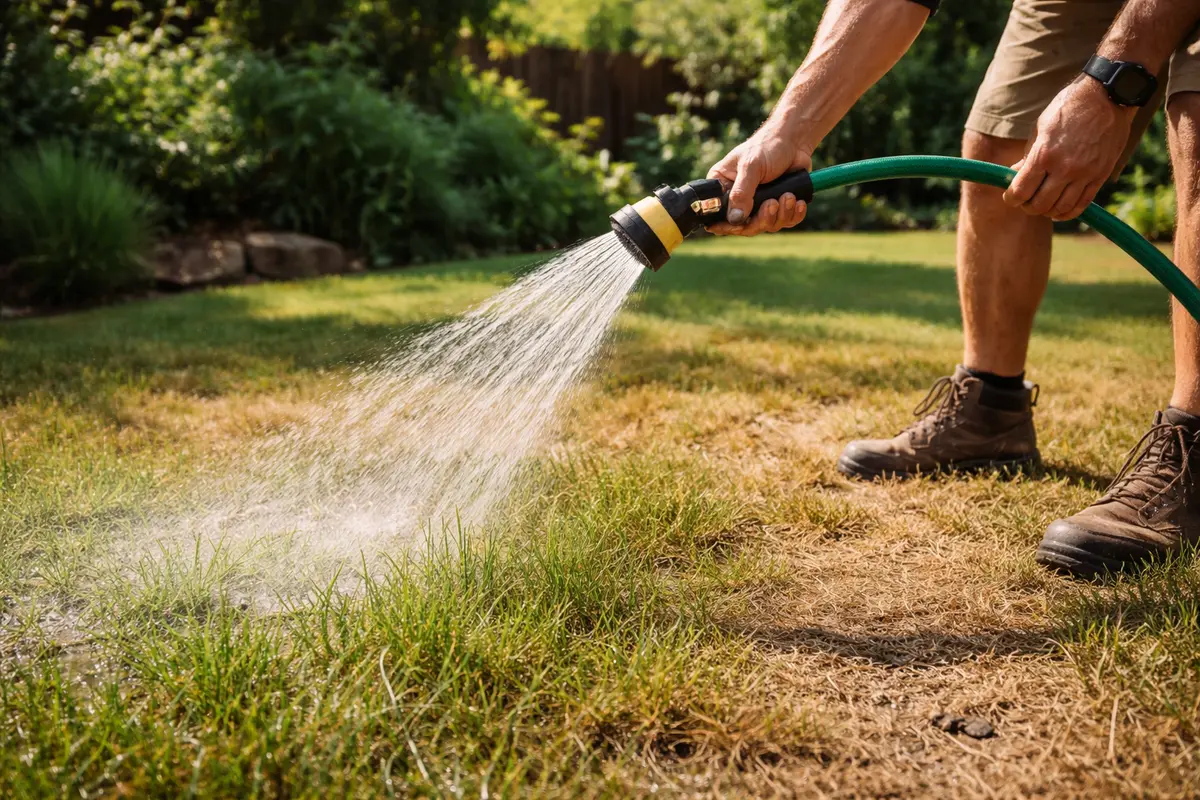
During summer, deeper watering encourages roots to grow downwards, accessing necessary nutrients and moisture. This deeper-rooted grass is crucial for surviving heat waves or drought conditions, as it is less likely to brown or suffer wilting between watering sessions. A simple method for evaluating your watering efficiency is to observe how long it takes for water to penetrate the lawn thoroughly. This timing can serve as a guideline for adjusting sprinkler duration when establishing your standard watering routine.
On particularly hot days, you may want to adjust your watering schedule by applying moisture in the early morning hours when temperatures are cooler, reducing evaporation loss. During peak temperatures, consider applying a layer of mulch around your grass—either organic or inorganic—to retain moisture effectively. Organic mulches can enhance soil quality over time. However, ensure that any material used does not smother the grass; check that the grass can “breathe” through the mulch layer without suffocating. You can use a rake to gently fluff the mulch as a way to promote airflow.
Step 5 – Inspect Turf After Watering for Recovery
After each watering session, regularly inspect the turf to monitor its recovery. You should look for newly green blades and an overall firm feeling to the grass when walking on it. Ensure to recheck the soil moisture every 2-3 days to ensure it’s appropriately hydrated, adjusting your watering as needed based on the soil’s moisture retention. Take note of any variances in recovery based on soil type; for instance, sandy soils may dry out faster than heavier soils. If recovery is slow, consider aerating the lawn to improve air and moisture flow.
A fully recovered lawn usually showcases vibrant green blades, healthy growth patterns, and a plush feel underfoot, contrasting sharply with areas that continue to show browning. If your lawn fails to improve within a week, take immediate action to reevaluate your watering depth and frequency. This might involve checking grass roots or even the soil texture to assess compaction levels that might inhibit further growth. If you notice persistent dryness even after watering, this could mean the roots are struggling to absorb moisture due to compacted soil.
If you notice browning returning despite regular care, consider re-examining the drainage and aeration patterns in your lawn. It could be a sign that underlying issues still exist or that pests or diseases might be coming into play, necessitating further investigation. Adjust your watering or aeration practices accordingly to ensure consistent soil health. In cases where brown patches expand, it may require professional consultation to identify potential disease threats such as fungi or to assess the effectiveness of your soil treatment measures.
FAQ
How long does it take for browning grass to recover?
Recovery after addressing irrigation issues typically takes about 7-14 days, depending on the grass type and environmental conditions. You should see new growth within this timeframe if watering and nutrient intake are effectively managed, allowing for optimal conditions to support grass regeneration. Some factors, like soil health and ongoing care, will also significantly influence the duration of recovery.
Can lawn damage from drought spread to neighboring areas?
Yes, if the underlying issues are not addressed, browning grass can spread to unaffected areas due to competition for water and nutrients, especially if those areas are already experiencing similar heat stress. Routine maintenance and care practices can prevent the problem from escalating into a larger issue across your landscape. Additionally, maintaining a healthy lawn through regular aeration and seeding can help bolster defenses against drought stress.
Should I remove the dead grass before reseeding?
Yes, it is advisable to remove any dead or dying grass before reseeding to give new seeds a better chance to germinate and establish themselves. This step clears the way, promoting focused seed-to-soil contact, which significantly enhances the likelihood of successful germination and robust growth. Not removing the dead grass can lead to competition for nutrients, further complicating the reseeding effort.