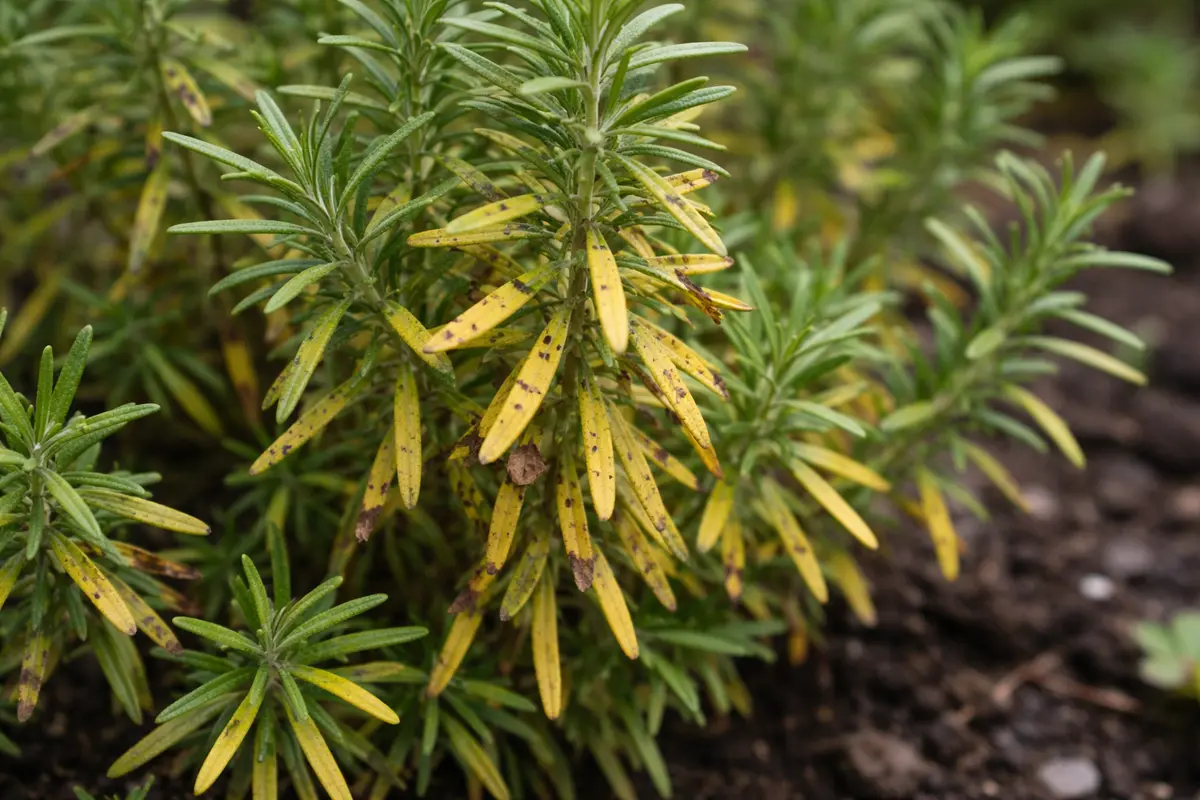
You may notice your rosemary developing a yellowing hue during the cool temperatures of fall, which is why you need to know what to do when rosemary turns yellow in cool temperatures. This yellowing is often a sign of stress, caused by factors like inadequate drainage or poor soil conditions that lead to wilting and root damage. If left unaddressed, the situation can worsen, leading to more damage that weakens the plant; however, fixing it is possible now—just check the soil moisture and adjust your watering practices accordingly. It’s crucial to tackle these issues proactively to preserve the integrity of your rosemary plants.
Step 1 – Inspect Rosemary for Frost Damage

Start by carefully inspecting the leaves and stems of your rosemary plants for any signs of frost damage. Look particularly for areas of browning, wilting, or any unusual texture, especially on the more vulnerable tips of the stems. If you find some leaves turning brown at the tips or stems becoming mushy, these are strong indicators of frost damage. It’s essential to conduct this inspection soon, ideally within the same day you notice the yellowing, since delayed action could escalate the issue.
Frost damage occurs when cold temperatures cause the water inside plant cells to freeze, leading to cell rupture and subsequent yellowing or browning of leaves. Damaged leaves often won’t recover fully, so acting quickly is crucial; otherwise, the condition might lead to further degradation of not just the foliage but also of the stem structures. To take this step further, you can compare healthy stems that show green vigour to those affected by frost, helping to determine the extent of the issue. Addressing frost damage within hours of noticing it can prevent it from advancing, and you should keep an eye on weather forecasts to catch cold snaps early, allowing for immediate protective measures.
Many gardeners make the mistake of rushing to cut off damaged leaves without checking the overall plant health. By doing this, they risk exacerbating the situation if the underlying cause, like excessive moisture or soil density, is not addressed. After frost, you should also ensure that you check surrounding soil conditions; if it feels overly wet or compacted, this could worsen your rosemary’s prospects of recovery. Monitoring for potential disease spread, like fungal infections, around damaged areas is critical because such conditions can thrive if not contained, potentially threatening neighboring plants as well.
Step 2 – Diagnose Nutrient Deficiency in Rosemary
Check the soil’s nutrient levels by testing the pH and examining the nutrient balance. You will likely observe signs such as pale yellowing leaves, which typically show up on the older leaves first, or slow growth that indicates a nutrient deficiency. If younger leaves are also affected, it might suggest a more severe nutritional issue that requires immediate attention. Conducting this check involves not just a visual inspection but also using pH strips or soil testing kits to get accurate readings.
Nutrient deficiencies, particularly nitrogen and iron, can lead to yellowing in rosemary. A nitrogen deficiency typically results in a uniform yellowing, while iron deficiency usually presents as yellowing between the leaf veins, which remain green. When your plant lacks essential nutrients, it cannot perform photosynthesis effectively, thus causing its vibrant leaves to lose their color. Adjusting soil pH may be necessary if it’s too high or low, as this condition can inhibit nutrient absorption even though nutrients may be plentiful in the soil. If your tests show unbalanced levels, consider amending the soil accordingly based on the specific deficiencies discovered.
If your soil smells sour or has a mushy texture, that can indicate potential root rot from overwatering, which can mimic nutrient deficiencies by impeding nutrient uptake. This is a critical distinction; while yellowing leaves can suggest a nutrient deficit, the approach to resolve it changes depending on whether root rot is a factor or not. If the nutrient levels are within an acceptable range but the plant is still yellowing, consider inspecting other environmental factors, such as root health and surrounding soil conditions. In heavy clay soils, for instance, drainage may be a significant issue, retaining moisture longer than desired, leading to complications. It is essential to probe the soil at several depths to assess moisture levels accurately; if it’s overly wet, it might be best to reduce watering before any nutrient amendments are performed.
Step 3 – Water Rosemary to Revive Yellowing Foliage

Water your rosemary thoroughly, ensuring that the soil is moist but not waterlogged. Within a few hours after watering, you should notice the leaves starting to perk up and regain some of their original green color, signaling that the plant is rehydrating successfully. If the leaves stay droopy even after watering, that’s an indication the issue might be more severe, and further investigation is needed to pinpoint secondary problems.
Correct watering practices are essential for rosemary, especially in cooler temperatures when roots are less active. Rosemary prefers dry soil, and thus overwatering can cause more damage than good. When the correct amount of water is given, the plant is better able to absorb the nutrients it needs to recover and return to its healthy state. Frequent and shallow watering is a common mistake; instead, aim for deep watering to encourage root growth. A general guideline is applying water until it seeps out of the bottom of the pot, ensuring deep penetration; do this weekly, reevaluating based on the specific moisture content and weather conditions.
Be cautious about overwatering directly after recovering from yellowing, as adding too much moisture can lead to root rot, especially if the soil is still damp. If you notice that new growth starts appearing, it indicates that the recovery process is on track; however, monitoring for browning can signify further issues may be arising in root conditions or drainage. In persistent situations where yellowing continues despite adjusted watering practices, it might be sensible to amend your soil with organic material, applying a mixture of compost and coarse sand to enhance drainage and aeration. This adjustment not only aids in moisture retention but also nourishes the soil, providing essential nutrients over time.
Step 4 – Protect Rosemary from Cold Weather Conditions
Start by relocating your rosemary to a sunnier spot or adding supplemental grow lights to ensure it receives at least six to eight hours of bright light daily. This adjustment will prevent yellowing due to insufficient light levels during cool months and support the plant’s ability to produce energy through photosynthesis.
Cool temperatures combined with inadequate sunlight can cause rosemary leaves to yellow, as the plant struggles to photosynthesize effectively. By providing ample light, the plant can maintain its photosynthetic rate, preventing the yellowing associated with low light conditions. If artificial lights are used, keep them at least six inches above the plant to prevent burning while still providing adequate exposure.
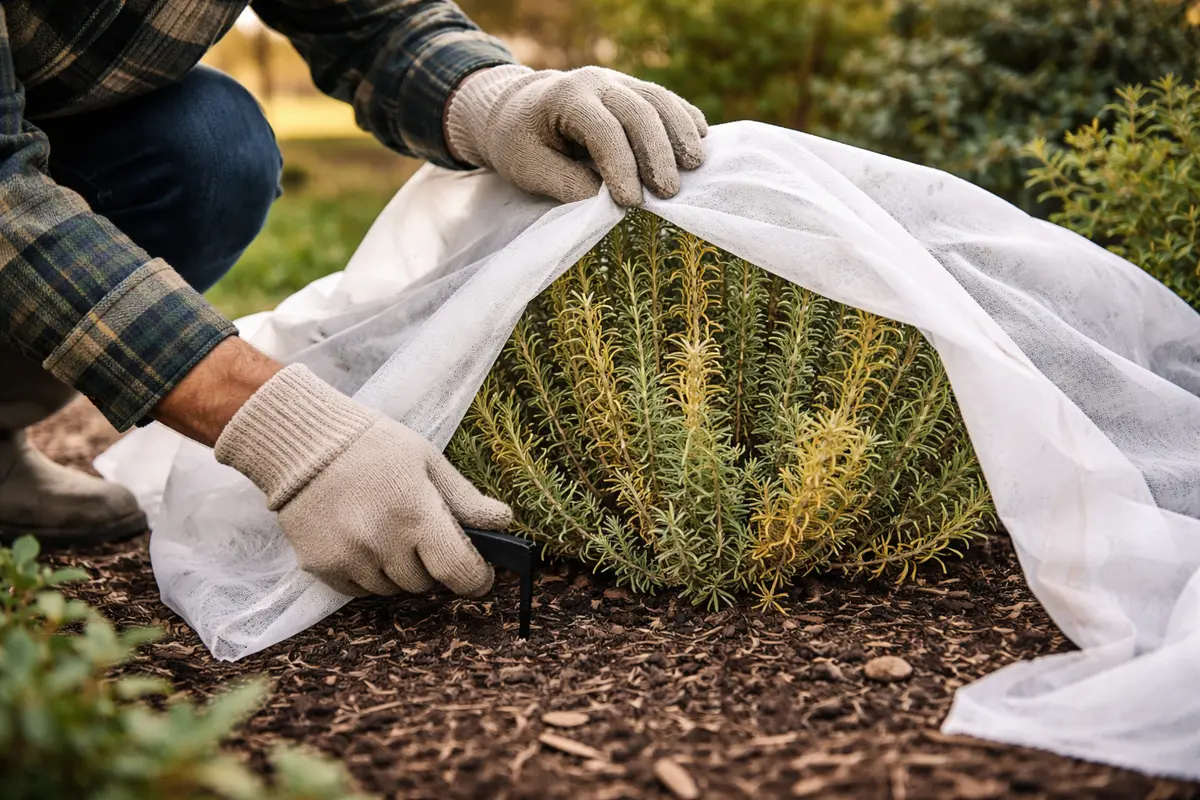
During particularly overcast or short-day periods, increase the duration of artificial lighting to twelve hours per day. Additionally, if you’re moving potted rosemary indoors, ensure adequate airflow and actively monitor for pests, as indoor conditions can lead to increased humidity, which may foster fungal issues. Using fans or placing your potted rosemary in higher airflow locations can mitigate this risk. Protecting rosemary with barriers like horticultural fleece at night can trap heat and provide an additional layer against cold temperatures. However, avoid directly covering the plant during the day if the sun comes out, as this can create a greenhouse effect, leading to stress.
Protection methods create a micro-habitat that can help maintain warmth around your plants, mitigating the chilling effects from low nighttime temperatures. If you frequently face frost threats in your region, these routines can prevent the recurrence of yellowing leaves during colder periods. Positioning your plants against a south-facing wall can provide additional warmth during particularly chilly nights. Additionally, using mulches can help insulate the root zone, maintaining optimal soil temperature and moisture level while reducing frost heave. Layering straw or wood chips can also improve soil structure over time. Consider the local climate by adjusting your choices in pot size and material; for instance, ceramic pots retain heat better than plastic, affecting root zone temps.
Step 5 – Look for New Growth After Treatment
Check your rosemary plants every few days for new growth or signs of color return. Over the next week, you should observe fresh green shoots developing, indicating a successful recovery from the yellowing condition. If there are sporadic spots of green appearing amongst the yellow leaves, that’s a positive signal that healthier parts of the plant are responding to your care. This positive development shows that the plant’s vascular system is mobilizing nutrients and initiating growth.
New growth is a clear indicator that your rosemary is rebounding from the yellowing leaves. Healthy leaves will feel firm and vibrant green, indicating that the plant is adjusting to recover optimally. Regularly assessing your plants during this recovery phase allows you to detect any new issues early and address them promptly. If you see some leaves turning brown again despite new growth, this signals a possible underlying issue you may need to troubleshoot further, such as a sudden temperature drop or a moisture level that swings dramatically.
If new growth does not appear after about a week, reassess your watering schedule and inspect soil conditions to rule out other underlying problems such as inconsistent watering or soil compaction. It may also be helpful to observe the overall health of nearby soil and plant arrangements; a crowded setup can hinder airflow and nutrient access. If yellowing returns despite your interventions, it might be wise to consult local horticulturists or experienced gardeners to evaluate seasonal variables and weather patterns impacting your rosemary’s health. Many gardeners find value in keeping a gardening journal to track changes over time; documenting observations not only helps to identify patterns but also provides a useful reference for understanding seasonal impacts on rosemary.
FAQ
How long does it take for rosemary to recover from yellowing?
Generally, rosemary can show signs of recovery within a week if the underlying issues are addressed promptly. You should start to notice new growth and improved leaf color if the conditions are optimal. If conditions remain unfavorable, however, recovery times can extend significantly as the plant struggles to regain its vigor, potentially requiring additional time and interventions.
Can frost damage spread to other plants?
Frost damage itself does not spread, but the conditions that favor yellowing can affect neighboring plants if not managed. Keep an eye on all plants in the same environment to ensure they aren’t under similar stress from cold temperatures or other weather-related concerns. An unaddressed environment could risk broader plant health, particularly in crowded or tightly arranged settings; if you’re in a high-risk area, regularly inspect all nearby plants.
Will rosemary recover if I remove yellow leaves?
Removing yellow leaves can help improve the plant’s appearance and prevent any potential fungal issues. However, for effective recovery, focus primarily on addressing root causes such as nutrient deficiency or frost damage before trimming. Proper timing for leaf removal can also play a role in the plant’s chances of bouncing back; because it can disrupt the plant’s energy pathways, pruning immediately after frost is not typically recommended until health stabilizes, allowing your rosemary the chance to regain strength first.